
We Deliver Directly To Your Door
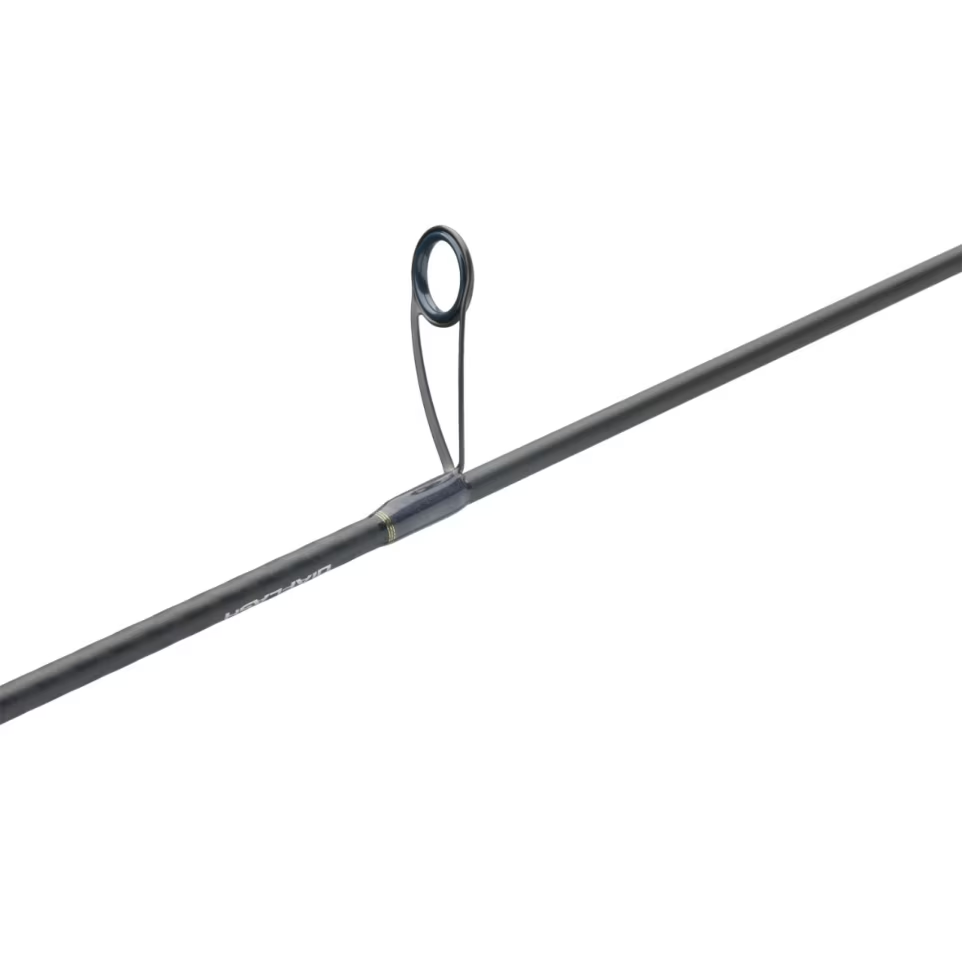
Description
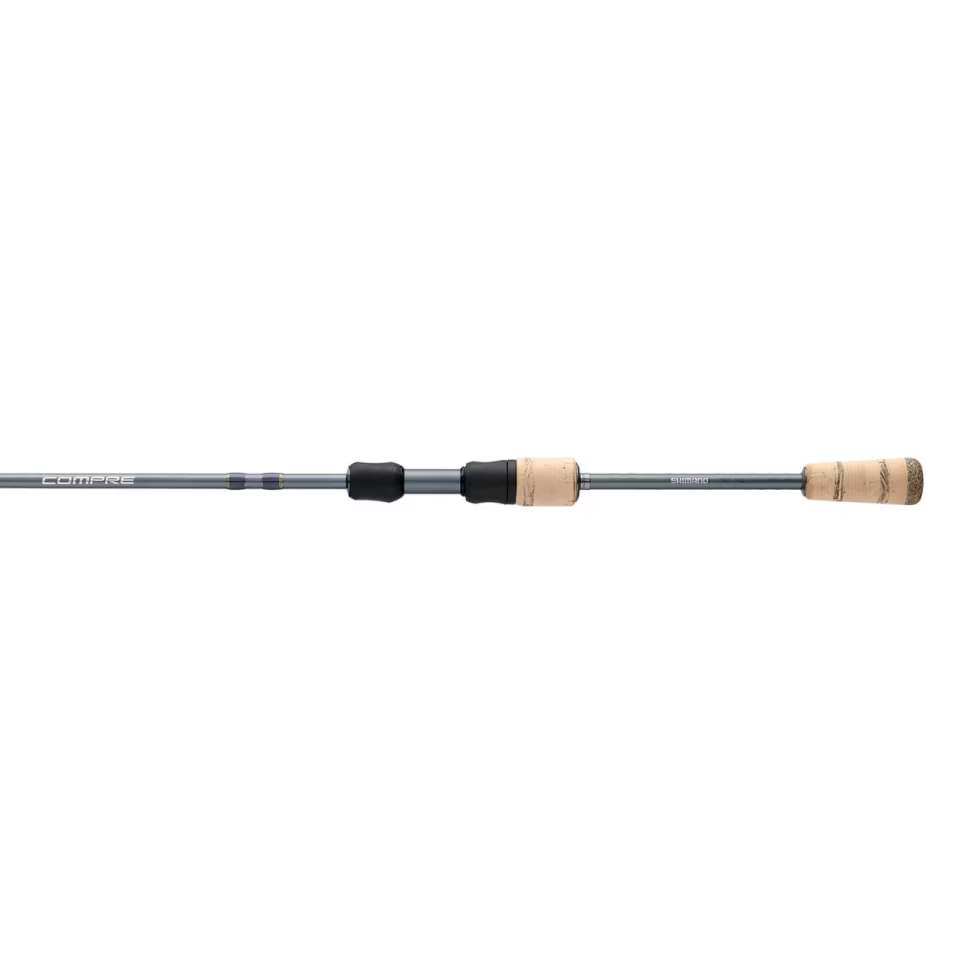
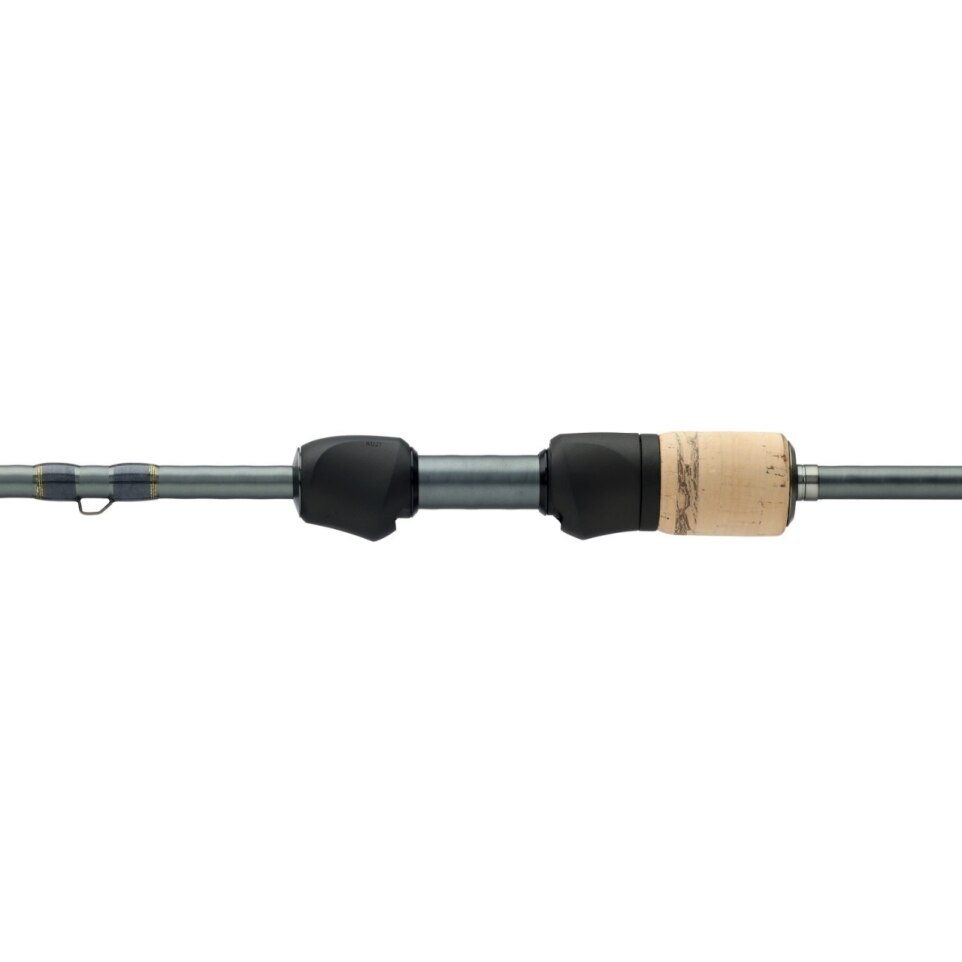
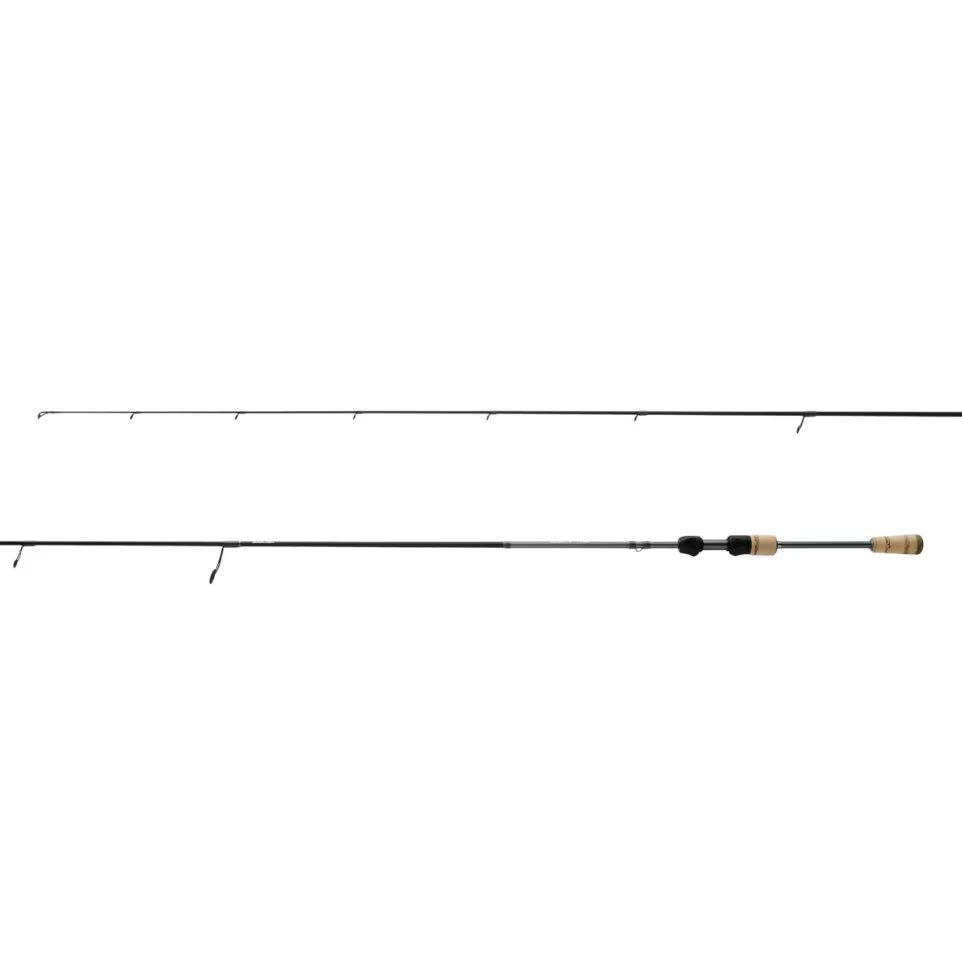
Shimano Compre Lite Trout Panfish Rod

Enjoy Greater Precision with a Lightweight Fishing Rod
A memorable fishing experience often begins with the right equipment. Whether you’re exploring a quiet freshwater lake, casting along a flowing stream, or targeting panfish near the shoreline, a well-balanced rod can make every outing more enjoyable. The Shimano Compre Lite Trout Panfish Rod is a product to consider when building a lightweight fishing setup designed around finesse, accuracy, and control.
Designed for anglers who appreciate responsive equipment, this rod category is particularly well suited to lighter presentations and freshwater fishing techniques. Moreover, a lightweight setup can help make repeated casting more comfortable throughout a long session. From small lures to delicate bait presentations, the right rod can provide a practical balance between sensitivity and ease of use.
Why Choose a Lightweight Trout and Panfish Rod?
Designed for Finesse Fishing
Light-line fishing requires a thoughtful balance between the rod, reel, line, and terminal tackle. Consequently, a suitable lightweight rod can help anglers present small offerings with greater control while maintaining a comfortable casting rhythm.
Trout and panfish often respond to subtle presentations, especially in clear water or areas experiencing regular fishing pressure. For this reason, a finesse-oriented setup can be valuable when conventional heavy tackle feels unnecessarily bulky.
Comfortable Casting for Extended Sessions
Long fishing sessions can involve hundreds of casts, frequent lure changes, and constant adjustments to presentation. Therefore, a lightweight rod may be a practical choice for anglers who want to reduce unnecessary fatigue and maintain consistent technique.
Additionally, a properly matched spinning reel and line can help improve overall balance. When the complete setup feels comfortable in the hand, greater attention can be given to lure movement, water conditions, and changes in fish activity.
Key Product Highlights
- Product category: Lightweight freshwater fishing rod
- Intended fishing: Trout and panfish applications
- Fishing approach: Light-line and finesse presentations
- Potential techniques: Small spinners, spoons, jigs, and suitable bait rigs
- Ideal environments: Freshwater lakes, streams, ponds, and accessible shorelines
- Setup compatibility: Match with a suitable reel, line rating, and lure weight
- Best for: Anglers seeking a specialized setup for smaller freshwater species
Important: Confirm the exact model’s length, power, action, number of pieces, lure rating, line rating, and construction materials before adding these specifications to your product listing.
Built Around Everyday Freshwater Fishing
Trout Fishing in Streams and Rivers
Trout fishing can demand accurate casting, careful line management, and presentations that appear natural in moving water. Accordingly, selecting equipment suited to the size of the target fish and the conditions being fished is an important part of preparation.
A lightweight setup can be useful when fishing smaller streams, working around accessible riverbanks, or presenting compact lures in likely holding areas. Furthermore, a balanced rod-and-reel combination can help maintain control when casting into narrow openings between vegetation and other obstacles.
Depending on the confirmed model specifications, the rod may be suitable for a range of trout-fishing approaches. These can include casting small spinners, working lightweight spoons, and presenting appropriate bait rigs within the recommended ratings.
Panfish Fishing in Lakes and Ponds
Panfish fishing offers an accessible way to enjoy freshwater angling. Bluegill, crappie, perch, and other smaller species may be targeted with compact jigs, small soft plastics, or suitable natural baits.
For these applications, equipment that supports controlled casting and comfortable handling can be especially useful. In addition, a well-matched rod can help anglers manage lightweight presentations without unnecessarily heavy tackle.
Whether fishing from the bank, a dock, or a suitable small boat, a finesse-focused setup can provide versatility for everyday outings.
Match Your Rod with the Right Fishing Gear
Choosing a Suitable Spinning Reel
A compatible spinning reel should complement the rod’s intended line and lure ratings. In particular, overall balance, spool capacity, drag performance, and smooth line release should be considered before making a selection.
A reel that is excessively large may make a lightweight setup feel less balanced. Conversely, a suitably sized model can support comfortable handling and help maintain a natural casting motion.
Selecting the Right Fishing Line
Line selection should be based on the manufacturer’s recommendations, target species, fishing environment, and the cover in which you expect to fish.
Light monofilament can be useful for certain freshwater applications because of its manageable handling and stretch. Alternatively, braided line paired with an appropriate leader may be considered when additional sensitivity or line management is desired. Fluorocarbon can also be useful in suitable configurations.
However, no single line type is ideal for every situation. Always remain within the rod’s specified line rating and ensure that the complete setup is appropriate for the intended technique.
Pairing Lures with Your Setup
Small lures are frequently used when targeting trout and panfish. Depending on the exact rod specifications, suitable options may include:
- Compact inline spinners for searching likely holding areas.
- Lightweight spoons for controlled casting and varied retrieval speeds.
- Small jigs for presenting near submerged structure.
- Soft-plastic grubs and other compact artificial baits.
- Appropriate bait rigs for stationary or drifting presentations.
The lure’s weight should always fall within the manufacturer’s recommended range. This helps support more predictable casting and reduces the risk of using equipment outside its intended limits.
Practical Benefits for Freshwater Anglers
Better Control During Presentation
Fishing success is often influenced by how naturally a lure or bait is presented. As a result, rod selection should be based on more than appearance alone.
A properly matched lightweight setup can make it easier to manage compact lures, adjust retrieval speed, and respond to changes in water conditions. Nevertheless, casting distance and sensitivity will also depend on line choice, lure weight, reel design, and the angler’s technique.
Versatility for Different Fishing Locations
Freshwater anglers may move between ponds, reservoirs, streams, and lakes throughout the season. Therefore, equipment that suits the intended range of fishing conditions can be a useful addition to a tackle collection.
A dedicated trout and panfish setup can also complement heavier rods intended for larger fish or larger presentations. This allows the angler to choose equipment according to the conditions rather than relying on one rod for every application.
Care and Maintenance
Rinse and Inspect After Fishing
After an outing, inspect the rod for dirt, grit, and signs of damage. If cleaning is required, use a soft cloth and fresh water where appropriate, then allow the equipment to dry before storage.
Pay particular attention to the guides and reel seat. Damaged or rough guides may affect line performance, while loose connections can compromise handling.
Store Your Rod Carefully
Whenever possible, store the rod in a secure location where it cannot be crushed, bent, or struck by other equipment. During transport, suitable protection can help prevent accidental damage.
Furthermore, avoid forcing rod sections together or apart. Follow the manufacturer’s assembly and storage instructions, particularly if the selected model uses multiple sections.
Frequently Asked Questions
Is this rod suitable for trout fishing?
The product is listed for trout and panfish applications. Confirm the specific model’s power, action, line rating, and lure rating to determine which trout-fishing techniques it supports.
Can it be used for panfish?
Panfish are part of the intended product category. The suitability of a particular presentation will depend on the model’s specifications and the size of the lure or bait being used.
Which reel should be paired with it?
A suitably sized spinning reel is a practical starting point for many lightweight freshwater setups. Choose one that complements the rod’s balance and recommended line specifications.
What fishing line should I use?
The appropriate line depends on the rod’s published rating, the target species, the fishing environment, and your preferred technique. Consult the manufacturer’s recommendations before selecting line strength.
Can beginners use this type of fishing rod?
A lightweight freshwater setup can be suitable for beginners when the rod, reel, line, and lures are matched correctly. Learning basic casting, drag adjustment, and fish-handling techniques will also help build confidence.
Find the Right Setup for Your Next Fishing Trip
Choosing appropriate fishing equipment can make time on the water more comfortable and rewarding. With its trout and panfish focus, the Shimano Compre Lite series is worth considering for anglers who want a dedicated lightweight freshwater setup.
Before ordering, review the exact model specifications and compare them with your preferred fishing techniques. Once the rod has been matched with a compatible reel, suitable line, and correctly weighted lures, you’ll be better prepared for your next freshwater adventure.
Explore your freshwater fishing options and select equipment that fits your style, target species, and local conditions.
Explore More Possibilities with Lightweight Freshwater Fishing Equipment
Freshwater fishing can be enjoyed in countless ways, from peaceful mornings beside a quiet pond to active sessions along a flowing river. For anglers who prefer smaller presentations and specialized tackle, a dedicated lightweight setup can offer a practical alternative to heavier equipment.
The Shimano Compre Lite Trout Panfish Rod belongs to a product category focused on finesse-oriented freshwater fishing. When its specifications are matched to the intended technique, it can form part of a setup designed for controlled presentations, comfortable handling, and enjoyable fishing experiences.
Moreover, the right equipment can help anglers adapt to changing conditions. Water clarity, current speed, depth, vegetation, and fish activity may all influence which presentation works best. Therefore, selecting tackle that complements the environment is an important part of preparation.
Understanding Rod Power, Action, and Sensitivity
Why Rod Power Matters
Rod power describes the amount of force generally required to bend a rod. Common classifications include ultralight, light, medium-light, medium, and heavier options.
For smaller freshwater species, lighter power ratings are often preferred because they can complement compact lures and lighter line. Nevertheless, the appropriate rating should always be verified against the specific model rather than assumed from the product category.
When choosing a rod, consider the size of the fish you intend to target, the strength of the current, the presence of weeds or submerged obstacles, and the weight of your terminal tackle.
Understanding Rod Action
Action describes where and how a rod bends under load. Fast-action models typically bend more toward the upper section, while moderate actions generally distribute the bend farther along the blank.
These characteristics can influence casting, lure control, hook-setting technique, and fish handling. However, the best action depends on the presentation being used and the exact design of the rod.
Before purchasing, compare the manufacturer’s published action rating with your preferred techniques.
Sensitivity and Bite Detection
Subtle bites can be challenging to detect, especially when small lures are being presented in moving water or at greater depths. Consequently, sensitivity is an important consideration when choosing lightweight freshwater equipment.
Line type, line tension, lure weight, rod construction, and water conditions all influence how bites are felt or seen. A well-balanced setup can help anglers remain attentive to small changes without relying on any single equipment feature.
Trout Fishing Techniques to Consider
Casting Small Spinners
Inline spinners are popular choices for covering water when trout are actively feeding. Their rotating blades create movement and vibration, allowing anglers to explore different depths and retrieve speeds.
Begin by casting toward likely holding areas. Then retrieve steadily while observing how the lure behaves. If fish are following without striking, a change in speed or casting angle may help.
Always choose a lure weight that falls within the rod’s published rating.
Fishing with Lightweight Spoons
Small spoons can be useful when trout are feeding at different depths. Depending on the design, they may be retrieved steadily, worked with gentle pauses, or presented through suitable sections of a stream.
Furthermore, changing the retrieve can help determine whether fish respond better to a consistent movement or a more varied presentation.
Presenting Natural Baits
Natural baits may be effective in suitable trout fisheries, provided their use is permitted by local regulations. Depending on the water and target species, anglers may use appropriate bait rigs beneath a float or in other approved configurations.
The rig should be matched to the rod, line, and expected fish size. In addition, hooks should be selected with responsible fish handling in mind.
Panfish Strategies for Different Water Conditions
Fishing Near Shoreline Structure
Panfish frequently use vegetation, submerged branches, docks, and other structures as shelter or feeding areas. Consequently, casting near these locations can be a useful starting point.
Use compact lures and controlled retrieves when fishing around accessible cover. However, avoid forcing a hooked fish through heavy obstacles with tackle that is not designed for the conditions.
Working Small Jigs
Small jigs can be presented at several depths, making them useful for exploring the water column. A gentle lift-and-fall motion may be appropriate in some situations, while a slow, steady retrieve may work better in others.
Pay attention to line movement and changes in resistance. Even a small adjustment in depth can influence how a lure passes through a likely feeding area.
Adapting to Seasonal Changes
Fish activity may change with water temperature, seasonal feeding patterns, and available forage. During one outing, fish may be found near shallow cover; during another, they may hold deeper or farther from shore.
Therefore, experiment with presentation depth, lure size, and retrieval speed instead of assuming the same method will work throughout the year.
Building a Balanced Fishing Setup
Select a Compatible Reel
A balanced outfit starts with a reel that suits the rod’s intended applications. Consider the reel’s weight, drag adjustment, spool design, and compatibility with your chosen line.
A smooth, appropriately adjusted drag can help protect lighter line when a fish makes a sudden run. Nevertheless, drag pressure should be set according to the line, hook, and expected catch rather than tightened unnecessarily.
Choose the Right Line Configuration
Monofilament, fluorocarbon, and braided lines each offer different characteristics.
- Monofilament: Often selected for its manageable handling and stretch.
- Fluorocarbon: Commonly used when abrasion resistance or a leader configuration is desired.
- Braided line: Frequently chosen for its small diameter relative to strength and its direct feel.
- Leader combinations: May be useful when anglers want to combine the characteristics of different line materials.
The final choice should be guided by the manufacturer’s recommended line rating, the water conditions, and local fishing practices.
Use Appropriate Terminal Tackle
Hooks, snaps, swivels, floats, and weights should be selected with the presentation in mind. Oversized terminal tackle may interfere with small lures or delicate bait rigs, while components that are too weak may fail under pressure.
For that reason, inspect knots and connections regularly. Replace damaged line and worn components before fishing whenever necessary.
A Practical Guide to Preparing for a Fishing Trip
Before Leaving Home
A little preparation can make an outing more productive. Check the condition of the rod, inspect the guides, confirm that the reel is functioning correctly, and make sure your line is suitable for the planned trip.
Pack a selection of lures or baits that match the target species. Additionally, bring any required fishing licence, appropriate clothing, drinking water, and basic safety equipment.
When You Reach the Water
Take a moment to observe the conditions before making your first cast. Look for visible feeding activity, changes in current, likely holding areas, and accessible casting lanes.
Start with a presentation suited to the conditions. If results are limited, change one variable at a time, such as depth, retrieve speed, or lure selection. This makes it easier to understand which adjustments are helping.
After the Session
Clean the equipment as appropriate and inspect it for signs of wear. Remove dirt from accessible areas, dry the setup before storage, and check that the rod has not sustained damage during transport.
Regular care can help maintain your equipment and reduce the likelihood of avoidable problems during a future outing.
What to Consider Before Purchasing
Verify the Exact Model
Product names can cover multiple configurations. Before ordering, confirm the precise model number and the specifications published by the manufacturer or authorized retailer.
The most important details include:
- Rod length
- Power rating
- Action rating
- Number of sections
- Recommended line range
- Recommended lure-weight range
- Handle and grip configuration
- Warranty coverage and applicable conditions
These details should be displayed accurately on the product page so shoppers can make an informed decision.
Compare Your Fishing Requirements
Consider where the rod will be used most often. Small streams may require a different length from open shorelines, while fishing around heavy vegetation may call for different power characteristics than fishing open water.
Likewise, the size of the lures and line you regularly use should influence the final choice. A product that matches your preferred techniques is generally a better investment than one selected solely because of its name.
Frequently Asked Questions About Lightweight Trout and Panfish Equipment
Is this type of rod suitable for small lures?
It may be suitable for small lures when the weight falls within the manufacturer’s recommended range. Always check the precise model specifications before selecting your tackle.
Can it be used in rivers as well as lakes?
Freshwater rods may be used in different environments when their design and ratings are appropriate. Consider current strength, available casting space, target species, and the surrounding structure before choosing a setup.
Is a lightweight rod suitable for larger fish?
The answer depends on the rod’s power, line rating, drag setup, and the conditions in which it is used. A lightweight model should not be assumed suitable for larger or more powerful fish without confirming its specifications.
Does the rod come with a reel?
Reel inclusion should be confirmed from the specific product listing. Unless the retailer explicitly states that a reel is included, shoppers should verify whether the purchase covers the rod alone or a complete combo.
How should the rod be transported?
Use a suitable protective case or rod sleeve when possible. Secure the rod during transport, keep heavy objects away from it, and follow the manufacturer’s instructions for assembling and separating its sections.
What should I check before placing an order?
Confirm the model number, dimensions, line and lure ratings, availability, shipping terms, return policy, and warranty details. Reviewing these points helps ensure that the selected configuration meets your requirements.
Why Choose Specialized Freshwater Tackle?
Specialized tackle allows anglers to select equipment according to their target species and preferred fishing methods. Rather than relying on one general-purpose rod for every situation, a dedicated freshwater setup can help provide a more appropriate balance for lighter presentations.
Additionally, understanding the relationship between rod power, action, line strength, and lure weight can help anglers make more informed purchases. These factors work together, so the complete setup should always be considered rather than evaluating one component in isolation.
For anglers exploring trout and panfish fishing, a lightweight rod can be a useful part of a carefully selected collection. The final decision should be based on verified specifications, intended fishing conditions, and compatibility with existing equipment.
Shop for Your Next Freshwater Fishing Setup
Make your next fishing trip easier to prepare for by selecting equipment that matches your goals. Whether you’re refining a finesse presentation, exploring a new freshwater location, or adding a dedicated panfish setup to your collection, thoughtful tackle selection can make a meaningful difference.
Review the available product details, compare the specifications with your fishing needs, and choose compatible accessories before completing your purchase.
Explore lightweight freshwater fishing equipment and prepare for your next trout or panfish adventure with a setup chosen for your style of angling.
Final Product Listing Summary
- Product: Shimano Compre Lite Trout Panfish Rod
- Category: Freshwater fishing rods
- Primary applications: Trout and panfish fishing
- Related techniques: Lightweight lures, finesse presentations, and suitable bait rigs
- Recommended accessories: Compatible spinning reel, correctly rated fishing line, hooks, and lightweight lures
- Purchase consideration: Verify the exact model’s specifications, availability, and warranty before ordering
Premium Fishing Tackle, Rods, Reels, Lures and Accessories: Complete Angler’s Buying Guide
Discover Quality Fishing Gear for Every Fishing Adventure
Finding the right fishing equipment can make a meaningful difference to your time on the water. Whether you are preparing for surf fishing, exploring inshore waters, targeting powerful offshore species, or refining your freshwater techniques, the right combination of fishing rods, reels, lines, lures, and accessories can help you fish with greater confidence.
Our fishing tackle collection brings together equipment for beginners, experienced anglers, and dedicated fishing enthusiasts. From premium spinning reels and dependable conventional reels to specialist trolling systems, casting rods, jerkbaits, and durable fishing accessories, a well-planned tackle selection can support a wide variety of fishing techniques.
Furthermore, choosing equipment that matches your target species, fishing environment, and preferred presentation can help improve comfort and consistency. A suitable surf fishing rod, for example, can provide the casting distance required for shoreline fishing. Similarly, a reliable baitcaster fishing reel can offer the control needed for accurate lure placement around structure.
Whether you are searching for a new setup, upgrading an existing combination, or replacing essential tackle before your next trip, explore equipment designed to complement your fishing style.
Why Choose the Right Fishing Tackle?
Fishing equipment should be selected according to practical requirements rather than appearance alone. Although premium finishes and modern designs can be appealing, performance, construction, handling, and compatibility deserve equal attention.
Consider the following benefits when building your fishing setup:
- Reliable performance: Select equipment suited to your target species and fishing conditions.
- Improved casting control: Match rod action, reel design, line strength, and lure weight.
- Greater versatility: Choose equipment for freshwater, inshore, surf, offshore, or trolling applications.
- Better comfort: Consider grip design, overall weight, handle configuration, and balance.
- Long-term value: Compare construction quality, maintenance requirements, available replacement parts, and warranty coverage.
- More organized tackle: Combine suitable lures, terminal tackle, fishing line, tools, and protective accessories.
In addition, equipment should be evaluated as a complete system. Even a premium reel can perform poorly when paired with an unsuitable rod or an incorrectly selected fishing line.
Premium Fishing Reels for Different Techniques
Fishing reels are available in numerous configurations, each offering particular advantages. Spinning reels are commonly selected for their versatility, while baitcasting reels provide direct control for many lure presentations. Conventional reels are frequently used for heavier applications, including bottom fishing, trolling, and offshore fishing.
When comparing the names of fishing reels, it is important to understand how each design fits your intended technique.
Shimano Fishing Reels
Shimano offers a broad range of fishing equipment for recreational and experienced anglers. Its reel families include lightweight spinning models, powerful saltwater reels, baitcasting systems, and specialized offshore equipment.
Shimano Stella 2500
The Shimano Stella 2500 is a premium spinning reel option for anglers seeking refined handling and precision. Depending on the specific model generation, it may suit light freshwater applications, finesse presentations, and selected inshore techniques.
When comparing specifications, check the exact model’s gear ratio, retrieve rate, drag rating, line capacity, and total weight. These details help determine whether the reel is suitable for your preferred rod and target species.
Shimano Stradic 4000
The Shimano Stradic 4000 is a versatile reel size for anglers who require a balance between casting performance, line capacity, and general-purpose handling.
A Stradic reel may be considered for inshore fishing, freshwater applications, and selected shoreline techniques. However, the most appropriate version depends on the intended environment, the line being used, and the resistance expected during a fight.
Stradic Reels and Shimano Nasci FC vs. FD
When researching Stradic reels, anglers may also compare different Shimano spinning reel families, including the Nasci series.
The comparison between Shimano Nasci FC vs FD should be based on the precise market version and model specifications. Product generations and regional naming conventions can differ, so verify the model code before making a purchasing decision.
Important comparison points include:
- Reel weight and body construction.
- Gear ratio and line retrieval rate.
- Drag system and maximum drag specification.
- Spool design and line capacity.
- Sealing and corrosion-resistance features.
- Handle configuration and retrieve direction.
Shimano Twin Power 10000
The Shimano Twin Power 10000 search term is relevant to anglers comparing larger spinning reels for demanding fishing applications. Before choosing a model, confirm its exact designation and intended use because specifications vary across reel families and generations.
A large spinning reel may be suitable for heavier lines, larger lures, and selected saltwater techniques when the rod, drag system, and line capacity are appropriately matched.
Shimano Saragosa 10000 Specs
Anglers researching Saragosa 10000 specs should examine the precise reel generation rather than relying on specifications from another model year.
Check the published line capacity for the selected line diameter, maximum drag, gear ratio, retrieve rate, weight, and intended saltwater application. The exact configuration is especially important when preparing a Shimano Saragosa combo for offshore or coastal fishing.
Penn Fishing Reels for Everyday and Demanding Applications
Penn fishing tackle is associated with equipment for spinning, trolling, conventional fishing, and saltwater applications. Different reel families are designed for different techniques, making it important to compare individual models before purchasing.
Penn Battle IV 6000
The Penn Battle IV 6000 is a spinning reel option worth considering for anglers who need a larger reel for selected inshore, surf, and saltwater applications.
Its suitability depends on the rod, line strength, lure weight, and target species. Before purchasing, confirm the model-specific drag rating, line capacity, retrieve rate, and weight.
Penn Spinfisher VII 5500
The Penn Spinfisher VII 5500 may appeal to anglers looking for a saltwater spinning reel for coastal fishing and other demanding applications.
When evaluating this reel, pay attention to the model’s sealing design, drag performance, construction, and maintenance requirements. Fully sealed fishing reels and reels with water-resistant components should not automatically be considered maintenance-free; proper rinsing, inspection, and care remain important.
Penn Slammer 5000 and Penn Slammer IV Spinning Reel – 4500
The Penn Slammer family is another option for anglers comparing robust spinning reels.
The Penn Slammer 5000 and Penn Slammer IV spinning reel – 4500 represent different size and model designations. They should be evaluated individually rather than assumed to have identical specifications.
Choose according to your preferred line, fishing environment, rod rating, and expected load.
Penn Pursuit V 8000 and Penn 8000 Spinning Reel
The Penn Pursuit V 8000 and other Penn 8000 spinning reel options can be researched by anglers interested in larger reel sizes.
A reel of this size may be appropriate for selected surf and saltwater techniques, depending on the specific model and the demands of the fishing environment. Check the manufacturer’s published specifications before matching the reel to a casting surf rod or surf fishing rod.
Penn Authority 5500
The Penn Authority 5500 belongs in comparisons involving premium spinning reels and demanding saltwater applications.
Evaluate its exact construction, sealing system, drag specifications, gear ratio, and line capacity. The best choice will depend on whether you prioritize casting distance, durability, line management, or the ability to handle heavier loads.
Penn Fathom Low Profile Reel and Penn Fathom Left Hand
The Penn Fathom low profile reel is relevant to anglers looking for a baitcasting-style reel for selected fishing applications. The Penn Fathom left hand search term is particularly useful when comparing retrieve configurations.
Before purchasing, verify whether the selected model is designed for left-hand or right-hand retrieve. Also review the reel’s braking system, gear ratio, line capacity, and recommended line range.
Penn Warfare Level Wind Reel and Penn Warfare 15 LW
The Penn Warfare level wind reel family is worth considering for anglers exploring conventional reel designs. The Penn Warfare 15 LW provides a more specific model reference for comparing size and configuration.
A level-wind mechanism helps distribute line across the spool during retrieval. However, reel selection should also account for line capacity, drag performance, rod compatibility, and the intended fishing technique.
Penn Squall Lever Drag and Penn International 50
For offshore anglers, conventional reels offer another category worth examining.
The Penn Squall lever drag range includes configurations intended for different applications, while the Penn International 50 is a model designation associated with larger-game fishing equipment.
The correct choice depends on the target species, line class, fishing method, and expected load. For heavy offshore fishing, compare the manufacturer’s specifications carefully and ensure that the selected reel is appropriate for the rod and tackle system.
Tiagra 50 and Tiagra Reel
The Tiagra 50 is a relevant search term for anglers researching heavy-duty conventional reels for offshore fishing. A Tiagra reel should be evaluated according to its exact model, drag configuration, line capacity, and intended application.
These considerations become particularly important when planning trolling presentations, fishing offshore structure, or targeting powerful pelagic species.
Penn 2500, Penn 10000, and Penn Phantom
Reel sizes and model names should always be interpreted in context. A Penn 2500 may be considered for lighter applications, whereas a Penn 10000 designation generally directs shoppers toward larger spinning reel options within the relevant product family.
The Penn Phantom search term should be checked against the exact product name and manufacturer’s documentation to ensure that the intended reel or equipment model is identified correctly.
Accurate, Avet, and Other Specialized Reels
Some anglers require equipment designed around specific drag systems, spool configurations, or offshore techniques.
Accurate Spinning Reel and Accurate Valiant 2 Standard Reel
An Accurate spinning reel search may help anglers compare available reel configurations, but the exact product category should be verified because Accurate is also associated with conventional reel designs.
The Accurate Valiant 2 standard reel is a more specific term for researching conventional fishing equipment. Review the manufacturer’s published drag information, spool capacity, retrieve ratio, and intended fishing applications before making a selection.
Avet HX 2-Speed Lever Drag Reels
Avet HX 2-speed lever drag reels are relevant to anglers researching offshore conventional reel options. A two-speed mechanism provides access to different retrieve ratios, allowing the angler to choose a suitable gear for changing fishing conditions.
The Avet HXJ 5/2 MC Raptor two-speed lever drag conventional is a more specific model phrase to use when checking available specifications, retrieve configuration, and line capacity.
Always verify the precise model designation, as small differences in the model name may indicate meaningful differences in features.
Trinidad 30A and Conventional Reel Options
The Trinidad 30A search term is useful when comparing conventional reel options for demanding fishing techniques. A conventional reel can offer advantages in line capacity, direct handling, and compatibility with certain boat-fishing applications.
When selecting a conventional reel, consider the following:
- Target species and expected fish size.
- Line type, diameter, and breaking strength.
- Spool capacity and retrieval speed.
- Drag performance under sustained pressure.
- Rod compatibility and overall balance.
- Maintenance requirements for freshwater or saltwater use.
Electric Deep Drop Fishing Reels
Electric deep drop fishing reels are designed to assist with line retrieval in suitable deep-water applications. They can be useful when fishing heavy rigs at depth, where manual retrieval may become tiring.
Before selecting an electric reel, review its power requirements, line capacity, rated load, operating controls, and compatibility with the intended rod and fishing method. Safe handling and compliance with local fishing regulations should also be considered.
Fishing Rods for Surf, Inshore, Offshore, and Travel
A fishing rod should be selected according to casting requirements, lure weight, line rating, target species, and fishing environment. Although many rods may appear similar, differences in blank construction, length, action, and power can influence how they perform.
Casting Surf Rod and Surf Fishing Rod
A casting surf rod is designed for anglers who need to present bait or lures from the shoreline. Depending on its length and action, it may support long-distance casting, controlled line management, and the use of suitable surf rigs.
When selecting a surf fishing rod, consider:
- Rod length and available casting space.
- Recommended lure or sinker weight.
- Power and action.
- Handle design and grip comfort.
- Compatibility with spinning or conventional reels.
- Resistance to the conditions associated with coastal fishing.
Anglers searching for cheap surf rods should compare specifications and construction rather than choosing on price alone. A properly matched entry-level rod may provide excellent value when used within its intended rating.
St. Croix Triumph Inshore Casting Rod
The St. Croix Triumph Inshore Casting Rod is a relevant search term for anglers comparing inshore casting equipment.
Inshore casting rods are commonly selected for working lures around shorelines, channels, docks, and other suitable structures. When comparing a St. Croix Triumph model with alternatives, review its recommended line range, lure rating, power, action, handle configuration, and available lengths.
St. Croix Triumph Surf and St. Croix Mojo Inshore
The St. Croix Triumph Surf and St. Croix Mojo Inshore search terms represent different rod-selection interests.
Surf rods are typically evaluated for casting distance, sinker or lure weight, and shoreline handling. Inshore rods are often selected according to casting accuracy, lure control, and the demands of fishing around coastal structure.
The St. Croix Mojo Inshore casting rods range can also be considered by anglers comparing rod power and action for their preferred techniques. Always verify the precise model and specification before purchasing.
St. Croix Premier Fishing Rods
St. Croix Premier fishing rods are another product family that anglers may compare when researching rod construction and available configurations.
Rather than assuming that all rods in a family are suitable for the same technique, compare each model’s length, power, action, line rating, lure rating, and recommended applications.
Ocea Rods and Specialized Offshore Equipment
Ocea rods are relevant to anglers researching specialized offshore and saltwater fishing equipment. Rod choice should be guided by the intended technique, whether that involves jigging, casting, trolling, or another method supported by the specific model.
Consider the rod’s construction, recommended line class, lure weight, action, and compatibility with the selected reel. An appropriate combination can improve handling and help ensure that the equipment is used within its intended limits.
Okuma PCH and Tsunami Fishing Rods
The Okuma PCH search term is relevant to anglers comparing heavier fishing rod options. Confirm the complete model designation to determine the intended technique and specifications.
Likewise, Tsunami Trophy rods can be researched according to their individual configurations. For inshore applications, a Tsunami Forged Inshore spinning rod may be considered alongside other rods with comparable ratings.
A Tsunami inshore spinning combo can also be useful for anglers who prefer a coordinated rod-and-reel setup. Before purchasing a combo, verify that its reel size, rod rating, and intended line range are appropriate for the fishing conditions.
Pitch Black Slow Pitch Jigging Rods and Travel Fishing Rods
Specialized techniques often benefit from rods designed around particular presentations.
Pitch Black slow pitch jigging rods are relevant to anglers researching equipment for controlled jigging movements. Check the recommended jig weights, line rating, action, and intended water conditions before selecting a model.
Meanwhile, travel fishing rods provide an option for anglers who need equipment that can be transported conveniently. A travel spinning rod may suit trips where compact storage and portability are important.
When comparing travel rods, review the packed length, number of sections, connection design, overall weight, and recommended lure or line range. Compact construction should not replace careful consideration of the rod’s intended performance.
Fishing Lures, Jerkbaits, and Surface Presentations
Lures allow anglers to explore different depths, speeds, and presentations. Their effectiveness depends on several factors, including target species, water clarity, current, weather, forage, and retrieval technique.
Buzzbaits for Surface Fishing
Buzzbaits are commonly used for topwater fishing, where a surface presentation can attract attention in suitable conditions.
Their rotating blades produce surface disturbance as the lure is retrieved. This makes them an option for anglers exploring active presentations around suitable freshwater cover.
When choosing a buzzbait, consider the lure weight, blade configuration, hook size, skirt design, and the conditions in which it will be used. Pair the lure with a compatible rod and reel to maintain control during casting and retrieval.
Megabass Vision 110 Silent Ghost Tiger
The Megabass Vision 110 Silent Ghost Tiger is a specific search phrase for anglers researching jerkbait options.
Jerkbaits are often used with intermittent rod movements and pauses to create an irregular swimming presentation. The appropriate retrieval pattern depends on water temperature, fish activity, and the intended depth.
When evaluating a Megabass jerkbait, check the exact model, color pattern, buoyancy characteristics, running depth, and recommended line setup. Product names and finishes should be verified against the manufacturer’s current catalog.
Super Strike Little Neck Swimmer
The Super Strike Little Neck Swimmer is another specific lure phrase relevant to anglers researching saltwater presentations.
Before selecting a lure, examine its weight, swimming action, hook configuration, and intended application. A lure that is well suited to one current speed or target species may not perform in the same way under different conditions.
RonZ Fishing Lures and Fish Arrow Wing Dachs
RonZ fishing lures can be included in comparisons of soft-bodied presentations for suitable saltwater applications. Selection should be based on the exact lure model, size, weight, hook arrangement, and intended target species.
Similarly, Fish Arrow Wing Dachs is a specific product phrase that should be checked against current manufacturer or retailer information before purchase.
Rapala Countdown and Megabass Jerkbait
The Rapala Countdown is a relevant search term for anglers exploring sinking lure presentations. Its intended depth and retrieval behavior should be checked against the precise model and current product specifications.
A Megabass jerkbait may provide another option for anglers who want to vary the action, profile, and depth of their presentation. Compare lure size, running depth, hooks, and recommended retrieval techniques when choosing between models.
Blue Water Candy Fishing Lures
Blue Water Candy fishing lures can be researched by anglers looking for equipment for appropriate saltwater fishing techniques.
When comparing trolling or offshore lure options, pay attention to construction, skirt materials, hook configuration, lure size, and the intended speed and presentation. These details help determine whether a particular lure is appropriate for the planned setup.
Blackfish Jigs and VMC Tokyo Rig
For anglers using specialized presentations, blackfish jigs and the VMC Tokyo Rig are additional search terms worth exploring.
Jigs should be selected according to target species, water depth, current, and the required presentation. Rig components should also be matched to the selected hook, bait or lure, and fishing conditions.
Always confirm hook size, weight, and local regulations before use.
Fishing Line, Hooks, and Terminal Tackle
Fishing line connects the angler to the entire tackle system. The correct line selection depends on reel capacity, rod rating, target species, fishing environment, and the preferred presentation.
Momoi Fishing Line and Spectra Fishing Line
Momoi fishing line is a relevant search phrase for anglers comparing line options for different techniques.
Spectra fishing line generally refers to line made using high-strength polyethylene fibers. Before selecting any line, verify the exact material, diameter, breaking strength, and intended application.
A suitable line should fit the reel’s recommended capacity and the rod’s intended line range. Knots, leaders, drag settings, and the condition of the line should also be considered when preparing a complete setup.
Power Pro Super Slick V2 1500 Yards
The Power Pro Super Slick V2 1500 yards phrase is useful when searching for a particular braid product and spool length.
Before ordering, confirm the selected breaking strength, line color, spool length, and diameter. A 1500-yard spool may be suitable for certain anglers who require a larger supply, but the amount of line needed will depend on the reel capacity and fishing technique.
J-Braid and Sufix Fishing Line
J-Braid is another relevant term for anglers comparing braided fishing line. The spelling of Sufix should be verified when searching for the supplied phrase “sufixed.”
When comparing braided line, consider diameter, breaking strength, coating, handling, knot compatibility, and suitability for your preferred reel.
Owner Stinger Treble Hooks
Owner Stinger treble hooks are a relevant terminal-tackle search phrase for anglers looking to compare replacement hooks and lure components.
Hook selection should take into account lure size, hook placement, target species, and the intended presentation. Check the exact hook model, size, finish, and manufacturer recommendations before replacing the original components on a lure.
Trolling Systems and Offshore Accessories
Trolling equipment is selected according to boat setup, target species, lure presentation, and the conditions in which the gear will be used.
Sterling Tackle Spreader Bars
Sterling Tackle spreader bars are relevant to anglers researching offshore trolling presentations.
Spreader bars are used to arrange multiple lure or teaser positions within a trolling spread. Their selection should be guided by the intended target species, boat speed, rigging arrangement, and compatibility with the rest of the trolling equipment.
Trolling Umbrella Rigs
Trolling umbrella rigs provide another option for anglers researching multi-lure presentations.
Before using an umbrella rig, verify its size, weight, hook arrangement, and compatibility with the rod, reel, and line. Handling and storage should also be considered because multi-component rigs can occupy more space than individual lures.
Fishing Tools and Accessories
A complete tackle setup involves more than rods and reels. Practical accessories can help with rig preparation, fish handling, equipment maintenance, and transport.
Examples include:
- Bubba stainless steel fishing pliers for suitable rigging and tackle tasks.
- Forged pliers selected according to the intended use and construction.
- Dexter fillet knife options for appropriate fish preparation.
- Fishing hats and protective eyewear.
- Neoprene waders and suitable rainwear.
- Replacement hooks, leaders, swivels, and rigging components.
Always use cutting tools and pliers carefully, maintain sharp tools safely, and choose equipment appropriate to the task.
Find the Right Setup for Your Next Fishing Trip
Building an effective tackle system starts with identifying your fishing style. Surf anglers may prioritize casting distance and suitable sinker ratings, while inshore anglers may focus on accurate lure placement and comfortable handling. Offshore anglers may need to consider line capacity, drag performance, trolling requirements, and the demands of their target species.
By comparing rod specifications, reel configurations, line compatibility, lure designs, and essential accessories, you can make a more informed purchasing decision.
Explore the available product categories, check individual specifications, and choose equipment that matches your fishing environment and experience level. Whether you are upgrading a familiar setup or preparing for a new adventure, the right tackle can help you approach every trip with greater confidence.
Shop fishing rods, spinning reels, baitcasting reels, conventional reels, fishing lines, lures, terminal tackle, and accessories to build a setup suited to your next adventure.
Additional information
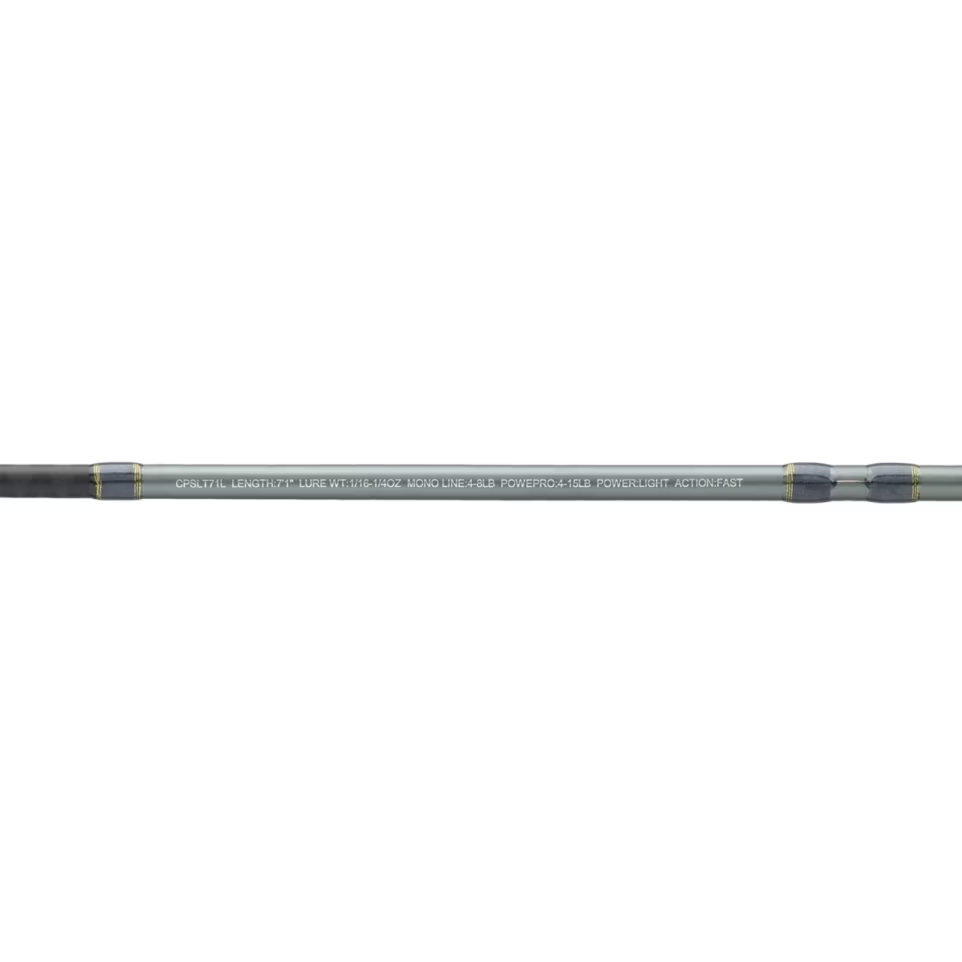
| MODEL/LENGTH | CPSLT60UL — 6', CPSLT69L — 6'9", CPSLT69UL — 6'9", CPSLT71L — 7'1", CPSLT71UL — 7'1", CPSLT76ML — 7'6" |
|---|
Related products
-
SHIMANO CURADO CASTING ROD
€182.03Select options This product has multiple variants. The options may be chosen on the product page -
SHIMANO ZODIAS CASTING B ROD
€234.04Select options This product has multiple variants. The options may be chosen on the product page -
SHIMANO OUTLIER ROD
€346.73Select options This product has multiple variants. The options may be chosen on the product page
Reviews
There are no reviews yet.