
We Deliver Directly To Your Door

Description
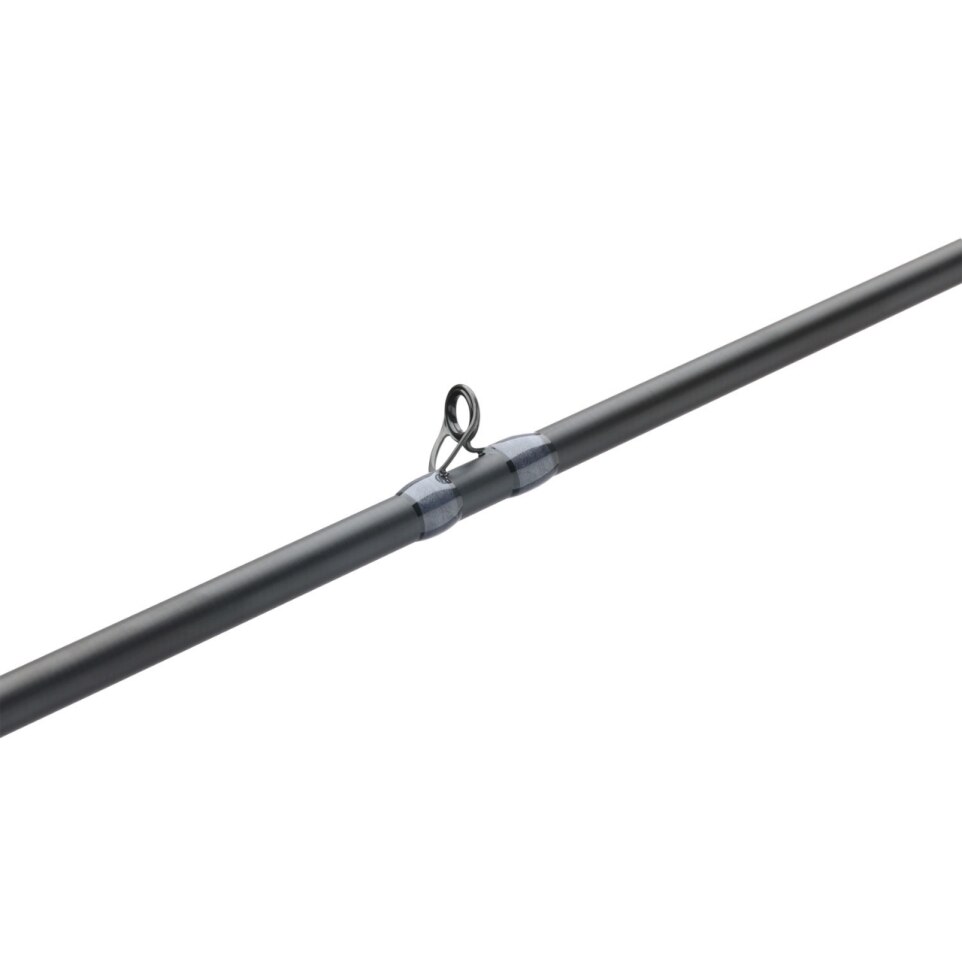
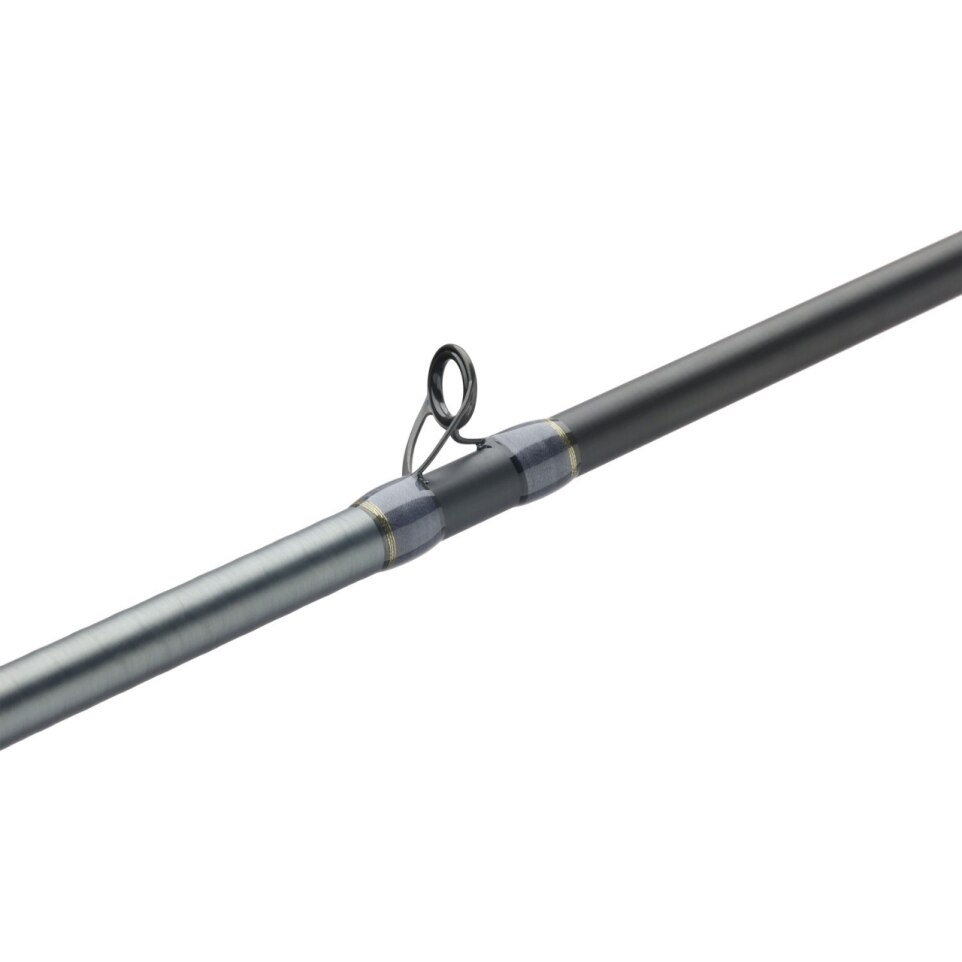
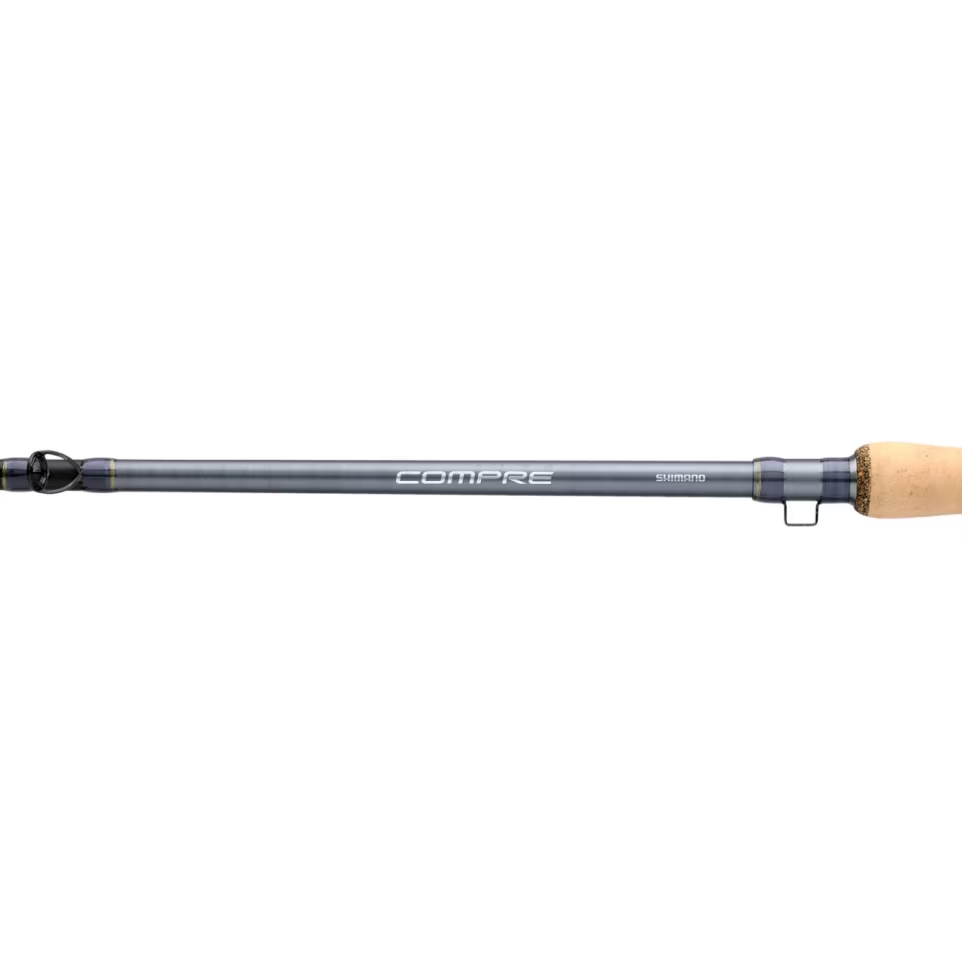
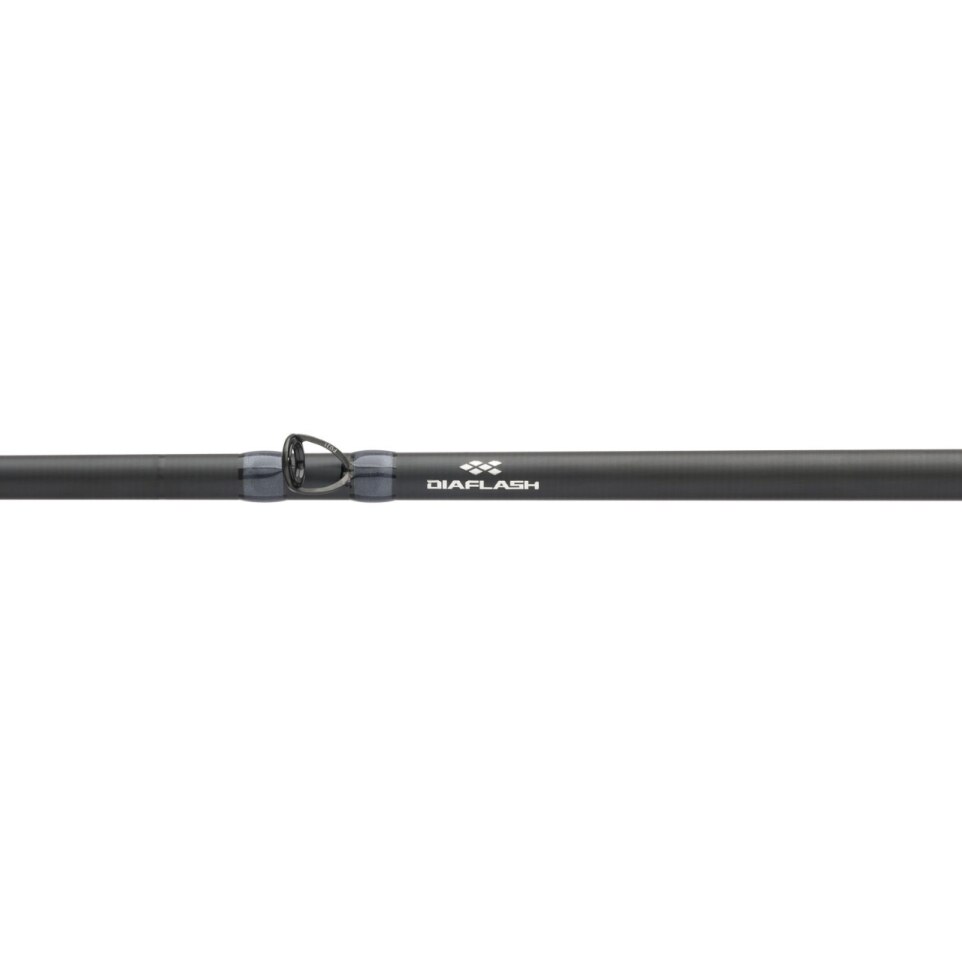
SHIMANO COMPRE MUSKIE K ROD
Built for Serious Muskie Fishing
Powerful equipment can make a meaningful difference when large predatory fish are being pursued. For demanding muskie applications, dependable construction, controlled power, and comfortable handling are highly valued. That combination is represented by the SHIMANO COMPRE MUSKIE K ROD, a specialized fishing rod that has been designed around the challenges commonly associated with muskie fishing.
Muskies are known for explosive strikes, long runs, aggressive head shakes, and powerful changes in direction. Consequently, the equipment used to pursue them must be prepared for demanding conditions. A suitable rod needs to provide strength without becoming unnecessarily difficult to manage. At the same time, sufficient responsiveness is needed so that lure movement, contact, and fish behavior can be recognized throughout the retrieve.
With this approach, the Compre Muskie platform has been positioned as an option for anglers who want dependable performance during dedicated muskie sessions. Furthermore, its purpose-built design can be appreciated by both experienced muskie anglers and those developing their approach to one of freshwater fishing’s most challenging predators.
Designed Around the Demands of Muskie Fishing
Muskie fishing is rarely treated as a light-duty application. Large lures may be repeatedly cast for hours, while powerful fish can generate substantial pressure once they are hooked. Therefore, the rod must be capable of supporting an appropriate balance between casting performance, leverage, control, and comfort.
Rather than being developed solely for general freshwater use, this fishing platform has been associated with the specialized requirements of muskie anglers. As a result, greater attention can be placed on the practical demands created by larger presentations and stronger fish.
Long casting sessions can be physically demanding. However, a well-balanced rod can help make repeated presentations more manageable. In addition, appropriate rod power can provide useful leverage when a hooked fish changes direction or moves toward cover.
Purpose-Built Power
Strong fish require equipment that can be trusted under pressure. Accordingly, power is an important consideration when a muskie rod is selected.
The blank is intended to provide the backbone needed for larger applications. Meanwhile, useful responsiveness can help the angler remain connected to the lure during the retrieve. This combination is particularly valuable when large swimbaits, bucktails, jerkbaits, topwater presentations, or other muskie-oriented lures are being worked.
Different lure styles create different loading characteristics. Because of that, the rod’s action and power should always be considered alongside the specific lure being used, the fishing environment, and the angler’s preferred technique.
Confidence During the Fight
A muskie encounter can change quickly.
One moment may be spent working a lure beside vegetation or structure. The next moment can involve an aggressive strike followed by a powerful run. For this reason, confidence in the rod becomes especially important.
During the fight, controlled pressure can be applied through the rod while unnecessary slack is reduced. Furthermore, the angler can be given a stronger platform from which directional pressure may be maintained.
Proper technique remains essential, of course. No fishing rod should be considered a substitute for suitable line, leaders, hooks, knots, drag settings, and responsible fish-handling practices. Instead, the rod should be viewed as one component of a complete muskie system.
A Strong Choice for Large Lure Presentations
Large predator lures are frequently associated with muskie fishing. Consequently, casting equipment must be capable of handling the physical demands created by heavier presentations.
A rod that has been built for this category can provide advantages during repeated casts. Energy can be transferred through the blank while the lure is loaded into the casting motion. Additionally, the appropriate rod power can help maintain control during the retrieve.
Bucktails and Spinner Presentations
Bucktails remain a popular choice for muskie anglers because they can be retrieved at different speeds and worked across a variety of environments.
When a bucktail is being retrieved, vibration and resistance are generated by the blades. Over extended periods, that resistance can place additional demands on the angler and equipment. Therefore, a suitable rod can help make the presentation easier to control.
A powerful blank can also be useful when a fish follows the lure closely and an immediate directional change is required. Figure-eight movements, sudden acceleration, and changes in lure direction can all form part of a muskie presentation.
Jerkbaits and Glide-Style Lures
Jerkbaits and glide-style presentations can require deliberate rod movements.
Depending on the lure design, short downward or sideways movements may be used to create changes in direction. As a result, the rod’s responsiveness can become important.
At the same time, enough backbone is desirable when a large fish strikes close to the boat. Since muskies can react aggressively at short range, control should be maintained throughout the final stages of the retrieve.
Topwater Applications
Surface presentations can produce some of the most exciting moments in muskie fishing.
A lure may be walked, pulled, paused, or accelerated across the surface. Then, without warning, a muskie can explode through the water.
In these situations, immediate reactions may be required. Therefore, a responsive rod can help the angler maintain contact and apply appropriate pressure once the fish is hooked.
Comfortable Handling for Extended Sessions
Muskie fishing often involves repetition.
Hundreds of casts can potentially be made during a dedicated outing. Consequently, comfort should not be overlooked when equipment is selected.
A rod can be technically powerful yet unpleasant to fish if its balance and handling characteristics do not suit the angler. For that reason, ergonomics should be considered alongside raw strength.
Balanced Handling
A well-balanced setup can reduce unnecessary fatigue.
When a rod, reel, line, leader, and lure are appropriately matched, the complete outfit can feel more manageable. Moreover, casting movements can become more consistent over the course of a long session.
The exact feel will naturally vary according to the angler, reel choice, lure weight, and overall setup. Nevertheless, a purpose-built muskie rod can provide a more suitable foundation than equipment intended primarily for lighter freshwater techniques.
Casting Efficiency
Repeated casting places considerable emphasis on technique.
Rather than relying entirely on physical strength, efficient casting mechanics can be used to generate distance and accuracy. The rod’s loading characteristics can then be allowed to contribute to the cast.
This can become particularly useful when fishing large bodies of water. Areas such as weed edges, shallow flats, points, channels, and structure may all need to be covered methodically.
Built for the Muskie Angler’s Approach
Muskie fishing is often described as a game of persistence.
Long periods without contact may be experienced. Nevertheless, each cast can matter because a single presentation can produce an encounter with a trophy-class fish.
That mindset is reflected in the equipment choices made by dedicated anglers. A rod is not simply selected because it can cast a lure. Instead, the complete fishing experience is considered.
Casting distance, lure control, hook-setting authority, fighting leverage, comfort, and durability can all become relevant.
Precision Matters
Muskies may be found around specific pieces of cover or structure.
A productive presentation may need to be placed close to vegetation, beside a rock edge, around a point, or near another ambush location. Therefore, accuracy can be just as valuable as maximum casting distance.
When the rod and reel are properly matched, more consistent casting can be achieved. Furthermore, lure placement can become easier to repeat.
Control During the Retrieve
Lure control is another important consideration.
Different muskie presentations may require different retrieve speeds and rod movements. Some lures can be burned quickly, while others may be worked slowly with pauses and directional changes.
Because of these differences, equipment versatility can be valuable. A strong but responsive rod can allow an angler to transition between presentations without changing the fundamental fishing system.
Matching the Rod With the Right Reel
A fishing rod should not be evaluated in isolation.
The reel plays an equally important role in determining how the complete outfit performs. For muskie fishing, the reel should be selected according to the rod’s specifications, intended lure range, preferred retrieve speed, and fishing technique.
A properly matched reel can help maintain balance. Additionally, sufficient line capacity and a suitable drag system can be valuable when powerful fish are being targeted.
Reel Considerations
When selecting a reel for a muskie setup, several characteristics should be reviewed:
- Adequate line capacity should be provided for the chosen line system.
- A strong drag system should be available for controlled pressure.
- Durable internal components should be preferred for repeated heavy use.
- A comfortable handle can improve control during powerful retrieves.
- Appropriate gear ratio should be selected according to lure style.
- Overall reel weight should complement the rod’s balance.
Ultimately, the best reel will depend on the specific configuration being created.
Choosing the Right Fishing Line
Line selection can significantly influence the performance of a muskie setup.
Braided line is commonly considered for applications where strength, sensitivity, and minimal stretch are desired. Its low-stretch characteristics can help maintain direct contact with the lure and provide strong hook-setting capability.
However, line strength should not be selected based on breaking strength alone.
Abrasion resistance, knot performance, spool capacity, lure weight, and fishing environment should also be considered. In areas containing heavy vegetation or structure, additional abrasion resistance may be valuable.
Leader Selection
A suitable leader is particularly important when toothy predators are being pursued.
Muskies possess sharp teeth and powerful jaws, so ordinary fishing line can be vulnerable to damage. Consequently, an appropriate muskie leader should be included within the overall system.
Leader selection can depend on lure style, water clarity, vegetation, fishing pressure, and personal preference. Regardless of the specific material selected, secure connections should be used and inspected regularly.
Lure Compatibility and Presentation
Muskie anglers often carry a diverse lure selection.
Large rubber baits, bucktails, crankbaits, jerkbaits, glide baits, topwater lures, and other specialized presentations can all have a place in a muskie tackle collection.
The rod should therefore be selected according to the lure weights and techniques that will actually be used.
Large Soft Plastics
Soft plastic presentations can create substantial resistance in the water.
For that reason, adequate rod power can be beneficial. During the cast, the rod needs to handle the lure’s weight appropriately. During the retrieve, sufficient backbone can help maintain control.
When a fish strikes, the rod can then be used to establish pressure while the reel and line system work together.
Crankbaits
Muskie crankbaits can be designed for different depths and retrieve styles.
Deep-diving models may generate considerable resistance, while shallow-running models may require different rod handling characteristics. Accordingly, the lure’s diving behavior should be considered before a specific rod setup is finalized.
Glide Baits
Glide baits can be manipulated through deliberate rod movements.
A smooth presentation can be created through controlled twitches, pauses, and directional changes. During a following fish’s approach, a final change in direction may trigger a strike.
This style of fishing can reward anglers who maintain concentration throughout the retrieve.
Fishing Different Water Environments
Muskies can inhabit a wide range of freshwater environments.
Lakes, reservoirs, rivers, and connected waterways may all offer opportunities. Nevertheless, the best presentation can change according to depth, water temperature, vegetation, current, forage availability, and seasonal behavior.
Consequently, versatility is valuable.
Weed Lines
Vegetation can provide ambush opportunities for muskies.
A lure may be worked along the outside edge of a weed line, through open pockets, or across shallow vegetation. When a strike occurs, strong and controlled pressure may be required to keep the fish from reaching dense cover.
Points and Breaklines
Points can create changes in depth and current.
These areas can attract forage and, under suitable conditions, predators. By covering a point from multiple casting angles, an angler can increase the area being effectively presented.
Rocky Structure
Rock can provide another type of habitat.
Depending on the water body, rocky edges may hold baitfish and predators. Crankbaits, jerkbaits, and other hard-bodied presentations can be used to explore these areas.
Seasonal Muskie Strategies
Muskie behavior can change throughout the year.
Therefore, lure selection and retrieve style should be adjusted as conditions change.
During warmer periods, faster presentations can sometimes be productive. Conversely, cooler water may encourage slower and more deliberate approaches. However, local conditions should always be allowed to guide decisions rather than relying on a single universal formula.
Spring
Spring conditions can create significant opportunities.
As water temperatures change, forage movement and muskie positioning can also shift. Shallower areas may become increasingly important, particularly when suitable habitat and forage are available.
A versatile rod can be used across several presentation styles during this transitional period.
Summer
Summer fishing can involve a broader range of depths.
Vegetation, shade, structure, and forage can all influence muskie location. Consequently, anglers may move between shallow and deeper areas throughout the day.
Long casting sessions can become common, making comfort and balanced equipment increasingly valuable.
Fall
Fall is often associated with increased attention from dedicated muskie anglers.
Changing water temperatures and forage behavior can create productive opportunities. Larger presentations may be selected as anglers attempt to appeal to aggressive predators preparing for seasonal changes.
A powerful setup can provide useful control when large lures are being repeatedly cast.
Why Equipment Balance Matters
A muskie setup is more than a rod.
Instead, it should be viewed as a coordinated system consisting of the rod, reel, line, leader, lure, hooks, and angler technique.
If one component is poorly matched, the complete system may become less efficient.
For example, an unnecessarily heavy reel can affect balance. Similarly, an unsuitable line may compromise casting or abrasion resistance. A lure that exceeds the rod’s intended range should also be avoided.
Creating a Complete System
Before heading onto the water, several checks should be completed:
- Rod specifications should be reviewed.
- Lure weight should remain within the appropriate range.
- Reel size should complement the rod.
- Line strength should match the intended application.
- Leader connections should be inspected.
- Hooks should be checked for sharpness and condition.
- Drag settings should be adjusted before fishing.
- All knots should be examined carefully.
These simple preparations can help reduce equipment-related problems when an opportunity finally arrives.
Durability for Repeated Use
Dedicated muskie anglers can place substantial demands on their equipment.
Large lures may be cast repeatedly. Strong fish may create heavy loads. Furthermore, equipment can be exposed to water, dirt, vegetation, transport, and changing weather conditions.
Therefore, durability should remain an important consideration.
The value of a purpose-built fishing rod is not limited to a single trip. Instead, reliable equipment can become part of an angler’s long-term tackle system.
Regular Inspection
Equipment should be inspected before and after every demanding fishing session.
Guide inserts should be checked for damage. The blank should be examined for unusual marks or damage. Handle components should remain secure. Reel seats should also be checked periodically.
Likewise, line and leader connections should be replaced whenever damage or excessive wear is noticed.
Maintenance and Care
Proper care can extend the useful life of fishing equipment.
After use, the rod should be cleaned appropriately, especially when it has been exposed to dirt, vegetation, or other contaminants. Excess moisture should be allowed to dry before the rod is stored.
During transportation, protection should be provided against impacts and unnecessary bending.
Storage Recommendations
Good storage practices can reduce avoidable damage.
The rod should be stored in a suitable location where it will not be crushed or struck by other equipment. Excessive heat and prolonged exposure to harsh environmental conditions should also be avoided.
When multiple rods are transported together, adequate separation should be maintained.
A Practical Option for Dedicated Anglers
Not every fishing rod is created for the same purpose.
Light freshwater rods can be excellent for panfish, bass, trout, and other species. However, muskie fishing presents a different set of requirements.
Larger lures, stronger fish, heavier line, and demanding casting conditions can all require a more specialized setup.
That is where a dedicated muskie rod can provide meaningful value.
The SHIMANO COMPRE MUSKIE K ROD can be positioned as a purpose-oriented option for anglers who want equipment designed around the demands of targeting powerful freshwater predators.
Product Highlights
- Purpose-built muskie application
- Powerful construction for demanding presentations
- Designed for large predator fishing
- Suitable for a range of muskie lure styles
- Strong leverage during extended fights
- Useful for repeated casting
- Compatible with appropriately matched baitcasting setups
- Suitable for experienced anglers and developing muskie anglers
- Designed with long-session fishing demands in mind
- Ideal foundation for a dedicated muskie tackle system
- Versatile platform for changing lure presentations
- Well suited to freshwater predator applications
Who Is This Rod For?
A specialized muskie rod can be particularly valuable for anglers who regularly target large freshwater predators.
Dedicated muskie anglers can benefit from equipment that has been designed around heavier presentations. Meanwhile, anglers who are transitioning into muskie fishing can use a purpose-built setup as the foundation of their tackle system.
The rod can also be considered by anglers who spend long periods casting larger lures and require greater leverage than would typically be provided by lighter freshwater equipment.
For Experienced Muskie Anglers
Experienced anglers already understand how demanding this style of fishing can become.
Casting technique, lure selection, seasonal patterns, boat positioning, figure-eight execution, hook-setting mechanics, and fish handling all contribute to success.
For these anglers, the value of the rod can be found in how effectively it integrates with an established muskie system.
For New Muskie Anglers
Newcomers can face a steep learning curve.
Equipment selection can initially seem complicated because muskie tackle differs substantially from many conventional freshwater setups.
A purpose-built rod can simplify the process by providing a suitable starting point for building a complete system. From there, the reel, line, leader, and lure selection can be refined according to individual fishing preferences.
Performance Should Be Matched to Technique
No single setup will perform identically for every angler.
Casting mechanics, lure selection, retrieve speed, water conditions, and personal preferences all influence how a rod feels on the water.
Therefore, the most effective approach is to match the rod with the intended fishing style rather than selecting equipment based solely on appearance.
A powerful setup can be especially useful when larger lures are being cast repeatedly. At the same time, an appropriate balance between power and responsiveness can help maintain lure control.
Fishing With Confidence
Muskie fishing requires patience.
Many casts may produce no immediate response. Nevertheless, the next presentation could generate the strike that every dedicated angler is waiting for.
When that moment arrives, equipment confidence can become important.
A purpose-built rod can provide the backbone needed to respond to sudden pressure. Meanwhile, proper reel technique, line management, and hook-setting mechanics can be combined to maintain control.
The result is not simply a stronger fishing rod. Instead, it is a more complete platform for pursuing one of freshwater fishing’s most challenging species.
Final Thoughts on the SHIMANO COMPRE MUSKIE K ROD
Muskie fishing demands specialized equipment, thoughtful preparation, and persistence.
Large lures must be managed efficiently. Strong fish must be controlled responsibly. Long casting sessions must be approached with suitable equipment. Furthermore, every component of the tackle system should be matched carefully.
The SHIMANO COMPRE MUSKIE K ROD has been developed around those demanding requirements. With its muskie-focused purpose, substantial power, and suitability for larger lure presentations, it can serve as a valuable foundation for a dedicated predator-fishing setup.
Whether bucktails are being burned across weed edges, glide baits are being worked around structure, crankbaits are being retrieved along breaklines, or topwater lures are being presented over shallow cover, the right rod can contribute to better control and greater confidence.
Ultimately, successful muskie fishing is built from more than equipment. Knowledge, patience, technique, conservation, and responsible fish handling all matter. Yet when those elements are combined with a capable rod and properly matched tackle, every cast can be approached with greater confidence.
For anglers who are ready to build a serious muskie setup, a specialized rod can provide the foundation from which the rest of the system is developed.
SHIMANO COMPRE MUSKIE K ROD: Detailed Performance and Buying Guide
Purpose-Built Construction for Muskie Applications
Specialized fishing equipment is expected to perform under demanding conditions. Consequently, construction becomes especially important when large freshwater predators are being targeted.
Muskie fishing can involve heavy lures, repeated casting, strong braided line, powerful hook sets, and prolonged fights. Because of this, a suitable rod needs to be matched to the physical demands of the technique rather than treated as an ordinary freshwater rod.
The Compre Muskie K platform is intended for this demanding category of fishing. As a result, attention can be placed on the combination of strength, leverage, casting control, and handling required by dedicated muskie anglers.
Strong Blank Performance
A fishing rod blank serves as the foundation of the entire setup.
During a cast, energy is transferred through the blank before being released into the lure. During a retrieve, the same blank is used to manipulate the presentation. Once a fish is hooked, however, the blank becomes an important source of leverage.
That transition between casting, retrieving, and fighting is particularly important in muskie fishing.
A suitable blank should therefore provide enough backbone for powerful applications while still allowing useful control over the lure. In addition, consistent loading can contribute to a more predictable casting experience.
Strength Without Unnecessary Complexity
Muskie tackle is often substantial, but excessive weight can become tiring.
Long fishing sessions may involve hundreds of casts. Therefore, equipment that can provide power while remaining manageable can be highly desirable.
Balance is also influenced by the reel, line, leader, and lure. For that reason, the rod should always be evaluated as part of a complete setup.
Understanding Rod Action
Rod action describes how and where the blank bends when pressure is applied.
This characteristic can influence casting, lure control, hook-setting, and fish fighting. Consequently, action should not be overlooked when selecting equipment for large predators.
Faster Actions
A faster action generally concentrates more of the bend toward the upper section of the blank.
Such a response can provide direct lure control and strong communication between the angler and presentation. Furthermore, a responsive upper section can help with precise movements when certain jerkbait or glide-bait techniques are being used.
Moderate Actions
A more moderate response allows the blank to load deeper.
This characteristic can be useful during casting because additional blank loading can help transfer energy into heavier presentations. Moreover, a deeper bend can help maintain pressure during certain stages of a fight.
The ideal action depends on the specific lure category and fishing technique.
Understanding Rod Power
Power refers to the amount of force required to load the rod.
Muskie equipment is generally designed with substantially greater power than light freshwater rods because larger lures and stronger fish are involved.
Why Power Matters
A powerful blank can provide several practical advantages.
First, more leverage can be created when a large fish needs to be turned away from cover. Second, heavier lures can be handled more effectively when the appropriate rating is observed. Finally, strong pressure can be maintained during a prolonged fight.
However, more power is not automatically better.
The lure weights, line system, fishing environment, and angler’s technique should all be considered. An appropriate match will generally provide better control than simply choosing the heaviest available equipment.
Casting Large Muskie Lures
Casting is one of the most physically demanding aspects of muskie fishing.
Large lures can create considerable resistance during acceleration. Additionally, repeated casting can produce fatigue when poor mechanics or an unsuitable setup is used.
For this reason, efficient casting technique is extremely valuable.
Loading the Blank
Instead of forcing every cast with the arms alone, the rod can be allowed to load naturally.
As the lure accelerates, energy is stored in the blank. When the casting motion is completed, that stored energy can contribute to the forward launch.
This approach can reduce unnecessary physical effort while improving consistency.
Accuracy and Distance
Maximum distance is useful, but accuracy should not be ignored.
A muskie may hold near a weed edge, rock transition, point, submerged timber, or other structure. Consequently, the ability to place a lure close to productive areas can be more important than simply achieving the longest possible cast.
Consistent casting can also allow more water to be covered efficiently.
Handling Heavy Lures
Different lure styles place different demands on a fishing rod.
A large rubber bait may feel completely different from a bucktail. Similarly, a deep-diving crankbait can create substantial resistance that is not produced by a glide bait.
Therefore, lure weight alone should not be the only consideration.
Soft Plastic Presentations
Large soft plastics can be extremely effective tools for freshwater predators.
However, their weight and water resistance can create substantial loading. The rod must therefore be appropriate for the lure’s total working characteristics.
During the retrieve, controlled rod movements can be used to manipulate the presentation. If a strike occurs, sufficient backbone can then be available for maintaining pressure.
Spinnerbaits and Bucktails
Bucktails are frequently retrieved quickly.
Their rotating blades produce vibration and resistance, particularly when higher retrieve speeds are used. Over a full day, that resistance can contribute to fatigue.
A suitable setup can make repeated casting and retrieving more manageable.
Hard Baits
Hard-bodied lures can include jerkbaits, crankbaits, topwater designs, and glide-style presentations.
Each category can require a different retrieve pattern. Accordingly, versatility becomes valuable when an angler wants to carry fewer rods while still covering multiple techniques.
Reel Pairing for a Muskie Setup
A rod should be paired with a reel that complements its intended application.
For many heavy predator techniques, a strong baitcasting reel is preferred because it provides direct control, useful casting capability, and sufficient mechanical strength.
Nevertheless, reel selection should be based on the complete setup rather than brand preference alone.
Gear Ratio Selection
Retrieve speed can influence lure performance.
Fast ratios can be useful when a lure needs to be recovered quickly or when a rapid presentation is being maintained. Meanwhile, slower ratios can provide increased mechanical advantage for certain high-resistance lures.
Consequently, lure style should be considered before a reel ratio is selected.
Handle Design
A larger handle can provide useful leverage.
When resistance is created by a large lure or a powerful fish, a substantial handle can make controlled cranking easier. In addition, comfortable knobs can help reduce hand fatigue during long sessions.
Drag Performance
Drag performance should never be overlooked.
A properly adjusted drag can help manage powerful runs while reducing the risk of excessive pressure being transferred directly to the terminal tackle.
However, drag settings should be determined according to the complete line and leader system.
Selecting the Right Fishing Line
Braided line is widely used for heavy freshwater predator applications.
Its combination of strength, low stretch, and relatively small diameter can make it well suited to long casting and direct lure control.
Nevertheless, the strongest available line is not automatically the best option.
Line Strength
The appropriate breaking strength should be determined according to the lure, cover, leader, rod specifications, and target fish.
Heavy vegetation may justify additional strength. Open water may allow a different approach.
Most importantly, the entire system should be balanced.
Low Stretch and Sensitivity
Low stretch can provide direct communication.
Small changes in lure movement can be felt more clearly, while contact with vegetation or structure can be detected quickly. When a fish strikes, reduced stretch can also contribute to direct hook-setting pressure.
Even so, proper technique remains essential.
Leader Selection
Muskies possess sharp teeth and powerful jaws.
Consequently, a leader should be regarded as an essential component of a dedicated setup rather than an optional accessory.
Wire and other specialized leader materials can be selected according to fishing conditions and personal preference.
Inspecting the Leader
Leaders should be checked frequently.
Any signs of abrasion, deformation, weakened connections, or damaged components should be treated seriously. After a significant fish encounter, an additional inspection is advisable.
Replacing a questionable leader is considerably easier than losing a valuable lure and fish because of preventable terminal-tackle failure.
Hook and Split-Ring Considerations
Large predators can place significant stress on hooks and hardware.
Therefore, lure components should be inspected regularly.
Hooks should remain sharp and appropriately sized. Split rings should be examined for deformation. Additionally, lure attachment points should be checked for damage.
Preparing Before the First Cast
A quick equipment inspection can include:
- Hook sharpness
- Split-ring condition
- Leader connection
- Knot integrity
- Lure attachment point
- Rod guides
- Reel operation
- Drag adjustment
- Line condition
These checks can help prevent avoidable failures.
Advanced Muskie Fishing Techniques
The Figure-Eight Finish
Few techniques are as closely associated with muskie fishing as the figure-eight.
As a lure approaches the boat, it should not automatically be lifted from the water. Instead, a controlled directional movement can be created beside the boat.
A following fish may react to the sudden change in direction.
Maintaining Control at Boat Side
The final part of the retrieve deserves as much attention as the opening cast.
A muskie can follow a lure for a considerable distance before committing. Therefore, concentration should be maintained until the presentation has been fully completed.
Rod positioning can help create smooth changes in direction. At the same time, the angler should remain prepared for an immediate strike.
Figure-Eight Variations
Different boat positions and water depths can influence the movement.
A deeper turn can be useful when a fish remains below the lure. A wider movement may be preferable when the fish follows farther away from the boat.
Consequently, the technique should be adapted rather than performed mechanically.
Working Weed Edges
Vegetation can provide excellent predator habitat.
Muskies may position near weed lines because forage can be concentrated in these areas. Therefore, casting parallel to the edge can allow a lure to remain in the strike zone for longer.
Outside Weed Lines
A lure can be retrieved along the outside edge.
This approach allows the presentation to remain close to the transition between vegetation and open water. Furthermore, multiple casting angles can be used to locate active fish.
Inside Vegetation
Some situations can allow presentations to be worked closer to vegetation.
However, increased contact can place additional demands on hooks, leaders, and line. Consequently, equipment should be checked regularly.
Fishing Rocky Structure
Rock transitions can be productive locations.
Changes in depth, current, and bottom composition can concentrate forage. When these conditions occur, predators may use the area as an ambush point.
Casting Angles
Rather than making identical casts repeatedly, the structure can be approached from multiple directions.
A fish may respond differently depending on how the lure crosses the target area. Therefore, changing casting angles can reveal opportunities that might otherwise be missed.
Working Points and Drop-Offs
Points create natural changes in water depth.
These transitions can become productive because forage may move through them. Additionally, wind and current can influence how fish position around the structure.
A controlled presentation across the top, edge, and deeper side of the point can provide useful coverage.
Seasonal Strategy Adjustments
Muskie fishing changes with the seasons.
Water temperature, forage movement, vegetation growth, and daylight conditions can all affect fish behavior.
Consequently, a successful approach in one period may not produce identical results several months later.
Early Season
During cooler periods, slower presentations may be considered.
Muskies may not always respond to extremely fast-moving lures. Therefore, pauses and deliberate movements can become increasingly important.
Water clarity should also be considered.
Warm-Water Periods
When water temperatures rise, fish positioning can become more varied.
Shallow vegetation, shaded areas, deeper structure, and current can all become relevant. As a result, anglers may need to experiment with lure depth and retrieve speed.
Late Season
Cooling water can produce major changes in fish activity.
Forage behavior can shift, while muskies may become increasingly focused on larger feeding opportunities. Consequently, larger presentations can become attractive in appropriate conditions.
Weather and Water Conditions
Weather should always be incorporated into the fishing strategy.
Wind can affect water movement and lure visibility. Cloud cover can influence light penetration. Rain can change water clarity and surface conditions.
Rather than following a rigid formula, anglers can use these factors to adjust presentation.
Wind
Wind can create productive conditions around exposed structure.
Wave movement can reduce visibility and may encourage fish to move or feed differently. Therefore, windy shorelines and points can deserve additional attention.
Cloud Cover
Lower light can change predator behavior.
Topwater and shallow-running presentations may become more attractive under suitable conditions. However, the response can vary from one water body to another.
Water Clarity
Clarity influences how easily fish can locate a lure.
In clearer water, natural movement and realistic color patterns may become increasingly important. Conversely, reduced visibility may favor vibration, flash, or stronger movement.
This is another reason why carrying multiple lure categories can be advantageous.
Choosing Lures Strategically
A successful muskie tackle box should be built around versatility.
Rather than carrying many versions of the same presentation, anglers can select lures that cover different depths, speeds, profiles, and movement patterns.
Fast Presentations
Bucktails and certain topwater lures can be used when active fish are being searched for.
Their ability to cover water quickly can make them useful during periods when fish are willing to chase.
Slow Presentations
Soft plastics, glide baits, and selected crankbaits can provide slower alternatives.
These presentations can be especially useful when fish are following without committing to a fast-moving lure.
Reaction Presentations
Sudden directional changes can trigger predatory instincts.
A pause followed by acceleration may be enough to change a follower into a committed strike. Therefore, retrieve manipulation can be just as important as lure selection.
Responsible Muskie Handling
Muskies are valuable sport fish, and responsible handling should be prioritized.
A successful encounter should end with the fish being returned safely whenever regulations and personal fishing practices call for release.
Prepare Before the Strike
Landing tools should be available before fishing begins.
A suitable net, long-nose pliers, hook cutters, measuring equipment, and other appropriate tools should be organized within easy reach.
Preparation reduces the amount of time the fish needs to remain out of the water.
Keep the Fish Supported
Large muskies should be handled carefully.
The fish should not be dragged unnecessarily across the boat deck. Excessive handling should also be avoided.
Where possible, photographs should be taken efficiently before the fish is returned.
Why Proper Equipment Helps Fish Care
Appropriate tackle can contribute to responsible fish handling.
A strong setup can allow the fish to be brought under control more efficiently. As a result, unnecessary fight duration can potentially be reduced.
This reinforces the importance of using equipment appropriate for the target species.
Transportation and Storage
Fishing rods can be damaged outside of normal fishing use.
Vehicle doors, boat compartments, tackle boxes, and other equipment can create accidental pressure points.
Therefore, transportation should be planned carefully.
Rod Protection
Protective sleeves or cases can help reduce contact damage.
When rods are transported in a vehicle, they should be positioned where they cannot be crushed or struck by loose equipment.
Boat Storage
Boat storage areas should be checked before rods are placed inside.
Sharp objects, hooks, pliers, and other tackle should not be allowed to press against the blank or guides.
Long-Term Maintenance
Maintenance does not need to be complicated.
Simple inspections can identify small problems before they become major equipment failures.
After fishing, dirt and debris should be removed. The rod should then be allowed to dry before extended storage.
Guide Inspection
Rod guides deserve particular attention.
Small guide damage can potentially affect line performance. Therefore, guides should be inspected regularly for cracks, looseness, or other abnormalities.
Handle and Reel Seat
The handle should remain secure and comfortable.
Likewise, the reel seat should hold the reel firmly without excessive movement. If unusual looseness develops, the issue should be investigated before heavy fishing resumes.
Building a Complete Muskie Tackle System
A premium fishing rod becomes more useful when it is integrated into a properly matched system.
The following components should be considered together:
- Muskie-focused rod
- Heavy-duty reel
- Appropriate braided line
- Specialized leader
- Large predator lures
- Strong hooks and terminal hardware
- Reliable knots
- Landing net
- Long-handled pliers
- Hook-removal tools
- Protective rod storage
Such preparation allows anglers to focus more attention on finding and presenting to fish.
Common Buying Mistakes to Avoid
Equipment selection can become confusing when many specifications are compared.
Several common mistakes can be avoided with a little planning.
Choosing Based Only on Price
A low purchase price does not necessarily represent the best value.
The intended lure range, fishing frequency, durability, comfort, and complete system should all be considered.
Ignoring Lure Weight
A rod should not be selected without considering the actual lures that will be cast.
Large baits can create substantially different loading characteristics. Therefore, manufacturer specifications should be reviewed carefully.
Selecting an Incompatible Reel
Balance matters.
A reel that is too large, too heavy, or otherwise poorly matched can make the complete outfit uncomfortable.
Neglecting the Leader
A powerful rod and strong braid cannot compensate for an inadequate leader.
Terminal tackle should always be treated as part of the complete system.
Why Specialized Muskie Equipment Matters
General freshwater rods can be excellent for many species.
However, muskie fishing places unusual demands on equipment. Large lures are commonly used, powerful fish are targeted, and repeated casting can become physically demanding.
Specialized equipment allows these requirements to be addressed more directly.
Performance Beyond the First Cast
A quality setup should not only perform well during the opening cast.
It should remain useful after hours of repeated presentations. Furthermore, it should provide confidence when an unexpected strike occurs.
That is why comfort, strength, handling, and reliability should all be considered together.
Frequently Asked Questions
Is this type of rod suitable for muskie fishing?
Yes. A purpose-built muskie rod is intended to address the heavier lure weights, stronger line systems, and powerful fish associated with this style of fishing.
The exact suitability should always be confirmed against the specific model specifications and lure requirements.
Can large lures be used?
Large predator lures can be used when their weight falls within the rod’s recommended range.
Manufacturer specifications should always be checked before a lure is cast.
What reel should be paired with it?
A durable baitcasting reel with appropriate line capacity and drag capability is commonly considered for heavy muskie applications.
The final choice should be based on lure style, retrieve speed, line selection, and personal preference.
Is braided line recommended?
Braided line is commonly used because of its strength and low-stretch characteristics.
The appropriate strength should be selected according to the complete setup rather than simply choosing the heaviest available option.
Why is a leader important?
Muskies have sharp teeth that can damage conventional fishing line.
A suitable leader can therefore provide an additional layer of protection between the fish and the main line.
Can beginners use specialized muskie equipment?
Yes.
Although muskie fishing has a learning curve, beginners can start with purpose-built equipment and gradually develop casting, lure-control, boat-side, and fish-handling skills.
How often should the rod be inspected?
Inspection is recommended before and after demanding fishing sessions.
Additional checks should be performed whenever the rod experiences an impact, unusual load, or other event that could cause damage.
Final Buying Perspective
The right fishing equipment should make the intended technique easier to execute.
For muskie anglers, that means handling large presentations, maintaining lure control, generating useful casting distance, and managing powerful fish with appropriate leverage.
A specialized platform can provide the foundation for achieving those objectives.
Ultimately, the best setup will depend on individual fishing style, preferred lure categories, water conditions, and target species behavior. Nevertheless, when the rod, reel, line, leader, and lure are matched correctly, a dedicated muskie outfit can provide the confidence needed for long days on the water.
For anglers who are serious about pursuing powerful freshwater predators, equipment should be selected with purpose rather than simply appearance. Strength should be matched with control. Power should be balanced with comfort. And durability should be considered alongside performance.
That combination is what makes a dedicated muskie setup valuable.
The SHIMANO COMPRE MUSKIE K ROD can therefore be considered as part of a specialized system designed for anglers who want to approach muskie fishing with suitable equipment, thoughtful preparation, and confidence.
Whether a lure is being burned beside a weed edge, worked slowly over a deep transition, paused near rocky structure, or manipulated through a boat-side figure-eight, the right equipment can help every presentation become more deliberate.
With proper care and appropriate tackle pairing, the rod can become a dependable component of a long-term muskie fishing system.
Premium Fishing Tackle, Rods, Reels, Lures & Essential Gear
Find the Right Fishing Equipment for Every Adventure
A successful day on the water is often supported by the right combination of tackle, technique, and preparation. Whether bass are being targeted around shallow cover, offshore structure is being explored, or a new topwater presentation is being tested, the right equipment can make every cast more productive.
A modern fishing setup can be built from many different components. Rods are selected according to lure weight and technique. Reels are matched to line capacity and presentation style. Meanwhile, hooks, soft plastics, crankbaits, jigs, spinnerbaits, and topwater lures can be chosen according to water conditions and target species.
Because fishing preferences can vary considerably, a broad selection is especially valuable.
From a dedicated bait tackle store to a full-service tackle and bait store, anglers can benefit from having multiple equipment categories available in one place. Consequently, time can be spent comparing tackle rather than searching for individual components across multiple sources.
A Complete Selection of Modern Fishing Tackle
Today’s fishing equipment has been developed around increasingly specialized techniques.
A single rod may be optimized for crankbaits, while another may be better suited to finesse presentations. Similarly, a baitcasting reel designed for heavier applications can provide different advantages from a lightweight BFS setup.
Therefore, tackle selection should be based on the fishing technique being performed.
Among the categories commonly explored by anglers are:
- Casting rods
- Spinning rods
- Baitcasting reels
- Spinning reels
- BFS reels
- Braided fishing line
- Fluorocarbon
- Soft plastics
- Swimbaits
- Crankbaits
- Topwater lures
- Spinnerbaits
- Jigs
- Weighted hooks
- Terminal tackle
- Fishing apparel
- Life jackets
- Tackle storage
- Boat accessories
New Fishing Tackle for Evolving Techniques
Fishing techniques continue to evolve.
New lure shapes, refined rod actions, updated reel designs, and improved line technologies are regularly introduced. As a result, anglers are provided with more ways to approach familiar fishing situations.
New fishing tackle can also be useful when an existing setup needs to be specialized.
For example, an angler who primarily fishes soft plastics may eventually add a dedicated finesse rod. Likewise, someone who enjoys topwater fishing may benefit from a rod with an action suited to walking and popping presentations.
Choosing the Right Fishing Rod
A fishing rod represents the foundation of many tackle systems.
The appropriate model can influence casting distance, lure control, hook-setting response, and fish-fighting performance. Therefore, rod selection should never be based solely on length or appearance.
Power, action, lure rating, line rating, handle design, and intended technique should all be considered.
Casting Rods
Casting rods are widely used for bass fishing and other lure-based techniques.
A 6ft casting rod can be useful when compact casting control is needed around docks, vegetation, brush, or other close-range targets. Longer models, meanwhile, can provide additional casting distance and leverage.
The best choice depends on the environment.
Bass Casting Rods
Dedicated bass rods are often designed around specific presentations.
Crankbaits, frogs, spinnerbaits, Texas rigs, Carolina rigs, and topwater lures can each place different demands on a blank.
For anglers building a technique-specific collection, options associated with brands such as KVD, G. Loomis, Googan, and Fenwick can be considered according to the intended application.
Spinning Rods
Spinning tackle is frequently selected for lighter presentations.
Small soft plastics, finesse rigs, lightweight jigs, and compact hard baits can be handled efficiently with appropriately matched spinning equipment.
A Fenwick Eagle Bass spinning rod, for example, can be considered by anglers looking for a bass-oriented spinning platform.
Likewise, an Expride spinning rod can be evaluated when a more specialized spinning setup is desired.
Selecting a Rod by Fishing Technique
Rod selection becomes easier when the lure and technique are identified first.
A frog setup may require different characteristics from a finesse spinning setup. Similarly, a crankbait rod may need a different action from a dedicated glidebait rod.
Glidebait Fishing
Large glidebaits require careful equipment selection.
Because substantial lures may be involved, the rod should be rated appropriately for the lure being used.
A dedicated glidebait rod can provide the necessary loading characteristics for casting larger presentations while helping maintain control throughout the retrieve.
Popular glidebait styles can include large jointed swimmers, soft-bodied designs, and specialized hard baits.
When exploring the best glide baits, anglers should consider lure size, swimming action, retrieve speed, water clarity, and target species.
Crankbait Fishing
Crankbaits remain among the most versatile hard lures available.
Different diving depths can be targeted through lure design.
A DT 6 can be considered when a moderate-depth presentation is required, while a 10XD crankbait can be selected when substantially deeper water is being explored.
Similarly, a Bandit baits selection can provide additional crankbait options for anglers working different depths and retrieve speeds.
Crankbait Color Selection
Color should be considered alongside water clarity and available forage.
Natural patterns can be useful when water is clear and fish are feeding selectively. Brighter or darker patterns may provide greater visibility under different conditions.
The best option can therefore change from one lake or season to another.
Topwater Fishing
Topwater fishing provides a highly visual way to target aggressive fish.
Explosive strikes can be generated when predators attack a lure near the surface. Consequently, topwater presentations remain popular among bass anglers.
Several lure styles can be explored.
Walking Baits
A topwater walking bait can be worked from side to side through controlled rod-tip movements.
The retrieve can be slowed down or accelerated depending on fish activity.
Popular walking-style options include the Heddon Super Spook Boyo and the Heddon One Knocker Spook.
These lures can be particularly useful when fish are actively feeding near the surface.
Poppers
Poppers are designed to create disturbance at the surface.
Short rod movements can be used to make the lure spit, splash, or pause.
A Chug Norris popper can be considered when a compact surface presentation is desired.
The Pop-R style of topwater lure has also remained a recognizable category among surface-fishing enthusiasts.
Whopper Plopper Lures
Whopper Plopper lures are designed around a rotating tail that creates surface disturbance during the retrieve.
They can be retrieved steadily, paused, or worked at different speeds.
Because the lure generates its own disturbance, relatively simple retrieves can sometimes be effective.
Frog Fishing
Frog fishing is often associated with heavy cover.
Vegetation, lily pads, flooded grass, and shallow cover can create productive locations for this technique.
A Booyah Pad Crasher frogs selection can be considered when a hollow-body frog presentation is desired.
Likewise, a sexy frog profile can be explored when a particular silhouette or movement is preferred.
Working a Frog Through Cover
The lure can be positioned over vegetation and retrieved through openings.
Pauses may be introduced when fish are following without committing.
When a strike occurs, hook-setting timing becomes important.
The rod and line combination should therefore be selected according to the density of cover and expected fish size.
Soft Plastic Fishing
Soft plastics remain among the most adaptable lure categories.
Different shapes can imitate worms, crawfish, minnows, insects, and other forage.
Consequently, a single tackle collection can contain dozens of soft-plastic profiles for different conditions.
Berkley Worms
A Berkley worm can be used across multiple bass-fishing presentations.
Texas rigs, Carolina rigs, weightless presentations, and other setups can be developed around worm-style plastics.
The appropriate hook, weight, and line should be selected according to the presentation.
Berkley PowerBait Grubs
Berkley PowerBait grubs can be used when a compact soft-plastic profile is required.
They may be rigged on suitable jigheads or other terminal configurations.
Because grubs can be presented in different ways, they can be useful for anglers who prefer adaptable lure options.
Zoom Super Chunk Jr
The Zoom Super Chunk Jr is a compact chunk-style soft plastic that can be incorporated into jig presentations.
A trailer can provide additional bulk and movement.
When paired with the appropriate jig, the profile can be used around cover, structure, and other bass-holding areas.
Fuzzy TRD
A Fuzzy TRD style presentation can be considered when a compact finesse profile is preferred.
Small plastics can be especially useful when fish become selective or fishing pressure increases.
The rigging method should be chosen according to depth, bottom composition, and target behavior.
Swimbaits and Minnow-Style Presentations
Swimbaits provide another flexible category.
They can be used around vegetation, open water, structure, and transition areas.
Soft Plastic Swimbaits for Bass
Soft plastic swimbaits for bass can be rigged with jigheads, weighted hooks, belly-weighted hooks, or weedless systems.
A steady retrieve can be used when fish are actively tracking baitfish.
Alternatively, pauses can be incorporated when a slower presentation is preferred.
Zako Swimbait
The Zako swimbait style can be incorporated into a variety of bass presentations.
Its compact profile makes it useful as a standalone bait or as a trailer depending on the selected rig.
Rizzo Minnow
A Rizzo Minnow style lure can be explored when a small baitfish profile is desired.
Minnow-shaped presentations can be particularly useful when bass are feeding on smaller forage.
Neko Rig Fishing
The Neko rig has become a popular finesse technique.
A weighted insert is positioned toward one end of the soft plastic, creating a distinctive fall and bottom presentation.
Because the bait can stand or angle upward after reaching the bottom, it can be worked around structure and subtle bottom contours.
Selecting the Right Hook
Hook selection is important when finesse rigs are being used.
The hook should be matched to the bait size and rigging method.
A suitable hook can improve penetration while maintaining natural bait movement.
Weighted EWG Hooks
Berkley Fusion19 weighted EWG hooks can be considered for presentations where additional weight and weedless rigging are desired.
The extra weight can help a soft plastic reach depth while the EWG design can support weedless applications.
Before fishing, the hook size should be matched to the soft plastic being used.
Fishing Hook Size
Understanding fishing hook size is essential.
Hook numbering can be confusing because larger numbers do not always mean physically larger hooks. For many common hook systems, sizes progress differently depending on the numbering convention.
Therefore, a hook size chart fishing reference can be useful when selecting terminal tackle.
Hook Size Chart Fishing Guide
A practical selection process can be based on:
- Bait length
- Bait thickness
- Target species
- Rigging style
- Hook gap
- Cover density
- Required penetration
- Weight of the lure
Rather than selecting a hook based solely on number, the physical relationship between bait and hook should be considered.
Rebarb-Style Rigging
Rebarb systems and similar rigging concepts can be explored when secure soft-plastic positioning is required.
A properly seated bait can remain aligned during repeated casts and contact with cover.
Rigging should be performed carefully so that the bait is straight and the hook point remains positioned correctly.
Scamper Rig Fishing
The Scamper Rig can be considered by anglers interested in specialized soft-plastic presentations.
As with any rig, lure size, hook selection, weight, line, and target depth should be considered together.
The Core Tackle Scamper Rig category can also be explored when a purpose-specific terminal setup is desired.
Line Selection for Bass Fishing
Line selection has a direct effect on lure presentation and fish control.
Three common categories are:
- Monofilament
- Fluorocarbon
- Braided line
Each offers different characteristics.
Berkley Fluorocarbon
Berkley fluorocarbon can be considered when abrasion resistance, sinking characteristics, and low-stretch performance are desired.
Fluorocarbon is frequently used around clear water, structure, and finesse presentations.
The appropriate strength should be selected according to the lure, cover, and target species.
InvizX
InvizX is another fluorocarbon option that can be evaluated when a dependable leader or main-line fluorocarbon setup is preferred.
Line choice should always be based on the complete tackle system rather than brand name alone.
PowerPro Braided Fishing Line
PowerPro braided fishing line can provide a low-stretch connection for anglers who want sensitivity and casting efficiency.
A Power Pro braid 30lb setup can be considered for applications where that strength range is appropriate.
However, the correct line rating should be matched to the rod, reel, lure, cover, and target fish.
How to Put Line on Your Reel
Learning how to put line on your reel correctly can prevent many common tackle problems.
The line should be loaded with appropriate tension. Spool orientation should also be considered, particularly when a spinning reel is being filled.
For baitcasting reels, the line can be threaded through the rod guides and reel level-wind system before being attached to the spool.
Avoiding Line Problems
Poorly loaded line can contribute to:
- Backlashes
- Loops
- Uneven spool distribution
- Reduced casting distance
- Line twist
- Excessive friction
Therefore, careful initial setup can save considerable frustration on the water.
Choosing a Fishing Reel
The reel should complement the rod and fishing technique.
A lightweight finesse reel may be ideal for smaller lures, while a larger baitcasting reel can be preferable for heavier presentations.
Best Rated Fishing Reels
When searching for the best rated fishing reels, anglers should look beyond ratings alone.
Important factors include:
- Gear ratio
- Drag performance
- Weight
- Spool capacity
- Bearing system
- Retrieve smoothness
- Handle design
- Intended lure range
- Durability
- Saltwater compatibility
A reel should ultimately be selected for the application in which it will be used.
Okuma Reels
Okuma reels offer options across several fishing categories.
Depending on the model, anglers can find equipment suited to freshwater, saltwater, spinning, and conventional applications.
The appropriate model should be selected according to line capacity and target species.
Quantum Baitcast Reels
Quantum baitcast reels can be considered for anglers seeking casting-oriented equipment.
A properly adjusted baitcaster can provide excellent lure control.
Brake settings, spool tension, line type, lure weight, and casting technique should all be considered during setup.
Abu Garcia Reels
Reel Garcia searches are often intended to locate Abu Garcia reel products.
The brand has a long history in fishing tackle, with baitcasting and spinning options available for different applications.
When comparing reels, specifications should be reviewed rather than relying solely on brand familiarity.
Shimano Bantam
The Shimano Bantam family can be considered when a robust baitcasting platform is desired.
Its suitability will depend on the specific model and the lure applications being performed.
Calcutta Conquest 300
The Calcutta Conquest 300 category can be considered when larger conventional-style baitcasting applications are being explored.
Larger reels may provide increased line capacity and power, making them relevant to heavier lures and demanding presentations.
However, the rod should always be matched appropriately.
Vanford Reels
Vanford reels can be considered when a lightweight spinning setup is preferred.
Spinning reels in this category may be paired with finesse rods for lighter presentations.
Balance between reel weight and rod weight should be considered because it can influence overall comfort.
BFS Fishing
BFS tackle has become increasingly popular among anglers who enjoy lightweight baitcasting.
An ARK BFS reel can be considered when small lures are being presented on baitcasting equipment.
Because lightweight lures place different demands on spool design, line selection and rod action become particularly important.
Specialized Lures for Different Conditions
Lure selection should be adapted to the situation.
A clear-water lake may reward subtle presentations. Stained water can sometimes favor stronger vibration or contrast. Meanwhile, active fish may respond immediately to aggressive topwater movement.
Therefore, carrying multiple lure categories can increase versatility.
Spinnerbaits
Hildebrandt spinnerbaits can be considered when flash and vibration are desired.
Spinnerbaits can be worked around grass, wood, docks, and open water.
Blade combinations can alter the vibration and flash generated during the retrieve.
Booyah Baits
Booyah Bait Co. has become associated with a broad range of bass lures.
Frogs, spinnerbaits, and other lure categories can be incorporated into a diverse tackle collection.
Different designs should be selected according to the intended presentation.
Spoon Fishing
A spoon can be an extremely versatile lure.
The Hopkins spoon style can be used for casting, jigging, and other presentations depending on the model and fishing environment.
Spoons can create flash and vibration while allowing anglers to cover different portions of the water column.
Spy Baits
Spy baits are designed around subtle underwater movement.
They can be particularly useful when fish are suspended or when a quieter presentation is required.
A steady retrieve is often used, although speed can be adjusted according to fish behavior.
S-Waver 168
The S-Waver 168 category represents a larger swimbait approach.
Jointed swimming action can create a substantial baitfish profile.
Because larger swimbaits require suitable tackle, rod power, reel capacity, and line strength should be reviewed carefully.
Castaic Jerky J
The Castaic Jerky J style can be considered when a soft, baitfish-oriented presentation is desired.
Soft-body designs can offer natural movement and can be rigged in multiple ways depending on the intended application.
LiveTarget Lures
Live Target products can be considered when realistic forage-inspired designs are desired.
Imitation baitfish, frogs, and other profiles can be selected according to local forage and fishing conditions.
Matching the lure’s appearance and movement to naturally occurring prey can sometimes improve the presentation.
Little Creeper and Specialized Swimbaits
Little Creeper products can be explored by anglers interested in specialized soft and hard lure designs.
Likewise, a turtle lure can be selected when a unique surface or creature-style profile is desired.
The best lure remains dependent on local fish behavior and environmental conditions.
Final Thoughts
A well-built tackle collection should provide options rather than limitations.
From lightweight BFS reels and finesse spinning rods to powerful casting equipment, every component can be selected around a specific fishing objective. Likewise, the lure selection can be expanded from worms and craws to swimbaits, crankbaits, spinnerbaits, frogs, spoons, and topwater presentations.
Most importantly, tackle should be matched to the technique.
The correct combination of rod, reel, line, hook, and lure can improve control while making the fishing experience more enjoyable.
Advanced Fishing Tackle Selection and Bass Fishing Techniques
Building a More Versatile Tackle Collection
A versatile tackle collection should be built around fishing situations rather than simply around the number of products owned. Different waters can demand different lure actions, line strengths, rod powers, and reel configurations. Consequently, a well-planned selection can be made more useful when every item has a defined purpose.
For bass anglers, this approach can be particularly beneficial. Shallow cover, deep structure, open water, vegetation, docks, rocky banks, and suspended fish may all require different presentations.
Moreover, seasonal changes can affect the effectiveness of individual lure categories. Therefore, several presentation options should ideally be available.
Understanding Bass Fishing Presentations
Bass can be targeted with moving lures, bottom-contact presentations, suspended baits, surface lures, and reaction baits.
No single lure should be expected to produce identical results under every condition.
Instead, lure selection should be adjusted according to:
- Water clarity
- Water temperature
- Depth
- Available forage
- Cover
- Current
- Weather
- Light conditions
- Fish activity
- Seasonal patterns
Finesse Presentations
Finesse fishing can be particularly useful when bass are pressured or inactive.
Smaller soft plastics can be presented with subtle movement. Light line may also be selected when increased sensitivity and a natural presentation are desired.
A spinning setup is often convenient for this style of fishing.
Power Fishing
Power fishing allows large areas to be covered efficiently.
Spinnerbaits, crankbaits, frogs, vibrating jigs, and topwater lures can be used to locate active fish.
Because large sections of water can be searched quickly, this approach can be useful when fish location is uncertain.
Soft Plastic Rigging
Soft plastics can be rigged in numerous ways.
The Texas rig remains one of the most recognizable methods. Other options include the Carolina rig, Neko rig, wacky rig, drop-shot rig, and jighead presentations.
Each rig changes the way the bait moves.
Texas Rig
A Texas rig can be used around cover because the hook point can be positioned within the plastic.
A weight may be placed ahead of the bait to help it reach the bottom.
This presentation can be particularly effective around vegetation, wood, rocks, and docks.
Neko Rig
A Neko presentation places additional weight toward one end of the soft plastic.
As the bait reaches the bottom, an unusual angled posture can be created.
Small movements can then be used to make the bait appear alive.
Because of its compact presentation, this technique can be useful when fish are feeding cautiously.
Weighted EWG Presentations
A weighted EWG hook can provide a combination of weedless rigging and additional weight.
For example, Berkley Fusion19 weighted EWG hooks can be considered when a soft plastic needs to be delivered through cover while maintaining a streamlined profile.
The hook size should be selected according to bait dimensions.
Selecting Soft Plastics
Soft plastic selection should be based on the forage being imitated.
Worms can provide a slender profile. Craw-style baits can imitate bottom-dwelling prey. Swimbaits can imitate baitfish. Creature baits can create larger silhouettes and additional water displacement.
Best Soft Plastics
When searching for the best soft plastics, anglers should consider movement rather than popularity alone.
Important characteristics include:
- Profile
- Buoyancy
- Salt content
- Rigging flexibility
- Durability
- Action
- Color
- Size
- Scent
- Target depth
A plastic that performs well in one lake may not necessarily be the most productive option elsewhere.
Creature Baits
Creature-style plastics can provide substantial bulk and movement.
A Berkley Chop Block type of presentation can be considered when a larger or more substantial profile is desired.
Similarly, compact craw-style plastics can be paired with jigs, Texas rigs, or other bottom-oriented presentations.
Zoom Super Chunk Jr
A compact trailer such as the Zoom Super Chunk Jr can be used to increase the profile of a jig.
The additional appendages can create movement during both the retrieve and the fall.
Depending on water clarity and fish activity, a smaller trailer may be preferable to a larger one.
Craw-Style Presentations
Craw imitations can be effective when bass are feeding close to the bottom.
The bait can be dragged, hopped, flipped, pitched, or allowed to fall around cover.
Nikko Craw
A Nikko Craw style bait can be explored when a compact craw profile is required.
Its presentation can be modified by changing the hook, weight, or retrieve.
This makes craw-style plastics useful for anglers who want several rigging possibilities from one lure category.
Minnow and Baitfish Imitations
When bass are feeding on small baitfish, a minnow-shaped lure can provide a natural profile.
A Rizzo Minnow or similar design can be used to imitate smaller prey.
Likewise, swimbaits can be worked at different speeds to cover multiple portions of the water column.
Zako Swimbait
The Zako Swimbait category can be useful for anglers who want a compact baitfish profile.
It can be paired with a suitable jighead or used as a trailer depending on the presentation.
A steady retrieve can create consistent tail movement, while pauses can allow the bait to drop through the strike zone.
Berkley Fusion19 Swimbait Jighead
A properly selected jighead can dramatically change a swimbait’s presentation.
The Berkley Fusion19 swimbait jighead can be considered when a dedicated swimbait-and-jighead combination is desired.
Jighead weight should be matched to depth, current, retrieve speed, and bait size.
A heavier head can reach depth faster, while a lighter option may provide a slower and more natural fall.
Crankbait Fishing
Understanding Diving Depth
Crankbaits are commonly categorized according to their approximate diving range.
Shallow-running models can be worked around flats and vegetation. Medium divers can be used along moderate-depth structure. Deep divers can reach offshore contours and deeper cover.
Consequently, several diving ranges can be carried when searching for fish.
DT 6 Applications
A DT 6 can be useful when a moderate-depth crankbait presentation is desired.
It can be worked along appropriate structure while the angler monitors bottom contact.
Contact with the bottom can sometimes trigger reaction strikes.
10XD Crankbait Applications
A 10XD crankbait represents a substantially deeper-diving approach.
Such a lure can be useful when fish are holding along deeper structure.
Because larger diving crankbaits can place greater demands on the tackle, rod power and reel selection should be considered carefully.
Crankbait Rod Selection
Crankbait fishing can benefit from a rod that allows the lure to load the blank effectively during casting.
A moderate-style action is often favored for treble-hooked lures because additional flex can help maintain pressure when a fish shakes its head.
However, exact rod characteristics should be matched to the lure and manufacturer recommendations.
Crankbait Colors
Color selection should be adjusted to the environment.
Clear water can favor natural baitfish patterns. Stained water may benefit from higher-contrast options.
A selection of Red Eye Shad colors, for example, can provide different visual presentations depending on conditions.
The most productive color may also change as light levels shift throughout the day.
Topwater Fishing Techniques
Surface Fishing Fundamentals
Topwater fishing is often most productive when fish are willing to feed near the surface.
Early morning, low-light periods, overcast conditions, and certain seasonal patterns can create favorable opportunities.
However, surface activity can also occur throughout the day when forage is concentrated near the top.
Walking a Topwater Lure
Walking baits are designed to move from side to side.
Short, rhythmic rod movements can be used to create the walking action.
A pause can then be introduced.
That pause can be especially important because strikes are frequently generated when a lure changes from movement to stillness.
Heddon Super Spook Boyo
The Heddon Super Spook Boyo can be considered when a compact walking presentation is preferred.
Its smaller profile may be useful when bass are focused on relatively small surface forage.
Retrieve speed can be adjusted according to fish behavior.
Heddon One Knocker Spook
The Heddon One Knocker Spook can provide another walking-style option.
Its internal sound can add an additional attraction element.
The lure can be worked across open water, around points, and near productive surface-feeding areas.
Popper Fishing
Poppers are designed to create surface disturbance.
The lure can be worked with short downward movements followed by pauses.
Chug Norris Popper
A Chug Norris popper can be considered when a surface presentation involving splashing and chugging action is desired.
The retrieve can be made aggressive when fish are active or slowed down when fish are following cautiously.
Pop-R Style Lures
The classic Pop-R concept has remained popular because a simple surface retrieve can be adapted to many situations.
Short pops can create disturbance.
Long pauses can then allow the lure to remain in the strike zone.
Buzzbait Fishing
Best Buzzbaits for Bass
Buzzbaits are designed to create surface disturbance while being retrieved.
The rotating blade produces sound, vibration, and water displacement.
When bass are actively feeding near shallow cover, this type of lure can be particularly effective.
Searching for the best buzzbaits for bass should involve consideration of blade design, head configuration, skirt material, hook quality, and intended retrieve speed.
When to Use a Buzzbait
Buzzbaits can be especially useful:
- Around shallow grass
- Near flooded cover
- Along shorelines
- Around docks
- During low-light conditions
- When baitfish are active near the surface
A trailer can also be added when additional bulk or action is desired.
Spinnerbait Fishing
Flash and Vibration
Spinnerbaits are designed to combine flash, vibration, and movement.
Blade style influences the overall presentation.
Colorado-style blades can create substantial vibration, while willow-style blades can provide stronger flash.
Combination configurations can provide a balance between the two.
Hildebrandt Spinnerbaits
Hildebrandt spinnerbaits can be considered when a traditional spinnerbait presentation is desired.
The lure can be slow-rolled along deeper structure or retrieved faster through shallow areas.
Water clarity should be considered when selecting blade finishes.
Glidebait Fishing
Understanding Glidebait Presentations
Glidebaits are generally larger and more deliberate than conventional bass lures.
Their jointed construction can produce a wide swimming motion.
Rather than being retrieved at one constant speed, the lure can be manipulated through pauses, accelerations, turns, and directional changes.
Selecting a Glidebait Rod
A glidebait rod should be selected according to the weight of the lure.
Large glidebaits can become physically demanding to cast repeatedly.
Therefore, a rod with an appropriate lure rating should be used.
Best Glide Baits
When evaluating the best glide baits, anglers should consider:
- Swimming action
- Size
- Weight
- Sink rate
- Joint design
- Finish
- Hardware
- Hook configuration
- Target species
A lure should also be matched to the available forage.
S-Waver 168
The S-Waver 168 category can be considered when a large, jointed baitfish presentation is desired.
Its size makes tackle selection particularly important.
The rod should be rated for the lure’s weight, while the reel should provide sufficient line capacity and retrieve control.
Creature and Specialty Lures
Pompadour Bait
The Pompadour bait category provides an unusual surface presentation.
Its design can create substantial movement and disturbance.
Such specialty lures can be useful when conventional topwater presentations have received considerable fishing pressure.
Devils Horse
The Devils Horse is associated with propeller-style surface fishing.
Propellers can generate surface disturbance while the lure remains relatively compact.
Pauses between movements can be used to encourage following fish to commit.
Mooch Minnow
The Mooch Minnow category can be explored when a compact baitfish presentation is desired.
Minnow profiles can be useful when bass are feeding selectively on smaller forage.
Zoo Pop Lure
A Zoo Pop lure can be considered when an alternative popping presentation is desired.
Surface disturbance can be modified by changing retrieve speed and pause duration.
Terminal Tackle
Why Terminal Tackle Matters
Even an excellent lure can perform poorly when the terminal components are incorrectly selected.
Hooks, split rings, snaps, swivels, jigheads, and weights should all be appropriate for the presentation.
Hook Quality
A hook must be sharp and appropriately sized.
Before fishing, hooks should be inspected for corrosion, deformation, and dull points.
Replacing compromised hooks can reduce unnecessary lost-fish situations.
Fishing Hook Size Selection
The correct hook size depends on the lure.
A hook that is too large can restrict movement. One that is too small may fail to provide adequate holding power.
Therefore, a hook size chart fishing reference can be useful when building a terminal-tackle collection.
Fishing Line Selection
Braided Line
Braided line is widely used for applications where low stretch and sensitivity are desirable.
PowerPro braided fishing line can be considered for a variety of bass-fishing applications.
The correct diameter and strength should be matched to the rod, reel, cover, and target fish.
30-Pound Braid
A Power Pro braid 30lb setup may be suitable for applications requiring increased strength, particularly around heavy vegetation or cover.
However, heavier line should not be selected automatically.
The lure and rod specifications should always be considered.
Fluorocarbon
Fluorocarbon can be valuable for clear-water fishing and abrasion-prone situations.
InvizX
InvizX can be evaluated when a fluorocarbon line is desired for bass applications.
The appropriate pound test should be selected according to lure type and cover.
Berkley Fluorocarbon
Berkley fluorocarbon products can provide another option for anglers building a fluorocarbon-based setup.
Different line diameters can influence casting, sinking behavior, and lure presentation.
Fishing Reel Selection
Baitcasting Reels
Baitcasting reels can provide precise control over many bass presentations.
They are especially useful for heavier lures, accurate casting, and techniques where thumb control is valuable.
Brake settings and spool tension should be adjusted according to lure weight.
Shimano Bantam
The Shimano Bantam category can be considered for anglers seeking a robust baitcasting platform.
A reel should be selected according to the lure weights and line requirements involved.
Quantum Baitcast Reels
Quantum baitcast reels can be considered for a range of casting applications.
When properly adjusted, a baitcaster can deliver accurate presentations around docks, grass, wood, and other targets.
Spinning Reels
Spinning reels remain popular for finesse fishing.
They can be particularly useful for lightweight lures and smaller soft plastics.
Vanford Reels
Vanford reels can be considered when lightweight spinning equipment is desired.
A balanced spinning outfit can reduce fatigue and make repeated casting more comfortable.
Fishing Tackle Storage
Organizing Your Equipment
As a tackle collection grows, organization becomes increasingly important.
Without an effective system, time can be lost searching for hooks, weights, lures, and line.
Therefore, fishing tackle storage should be planned around how frequently each item is used.
Organizing Hard Baits
Crankbaits, topwater lures, and swimbaits can be organized by category.
Separate compartments can help prevent hooks from tangling.
Moisture should also be minimized.
Organizing Soft Plastics
Soft plastics can be stored in their original packaging or appropriate waterproof containers.
Colors and sizes can be organized separately.
This makes it easier to identify the correct bait when conditions change.
Organizing Terminal Tackle
Hooks, weights, swivels, snaps, and jigheads should be separated into labeled compartments.
Clear labels can reduce setup time.
Fishing Labels
Why Labels Help
Fishing labels can make a large tackle collection significantly easier to manage.
Labels can be organized by:
- Lure category
- Size
- Weight
- Color
- Hook type
- Line strength
- Technique
- Target species
An organized tackle system can reduce unnecessary searching during a busy fishing day.
Fishing Apparel and Safety Equipment
Protection on the Water
Fishing equipment extends beyond rods and lures.
Sun exposure, rain, spray, cold temperatures, and changing weather can all affect comfort.
Therefore, appropriate apparel should be included in a complete fishing setup.
Fishing Bibs
A fishing bib can provide additional protection against spray and rain.
This can be particularly useful during offshore trips or periods of unstable weather.
Grundéns Men’s Displacement DWR Hoodie
A Grundéns Men’s Displacement DWR Hoodie can be considered when additional weather protection is desired.
A water-resistant outer layer can help keep anglers more comfortable when conditions become wet or windy.
Striker Barricade Hoody
The Striker Barricade Hoody category can be explored when technical fishing apparel is desired.
The appropriate garment should be selected according to temperature, wind, rain, and activity level.
Personal Flotation Equipment
Mustang Life Jackets
Safety equipment should never be treated as optional when conditions require it.
Mustang life jackets can be considered when personal flotation equipment is needed for boating and fishing activities.
The correct size and approved design should always be selected according to the intended use.
A properly fitted flotation device should be worn according to local boating and safety requirements.
Boat Fishing Accessories
Jack Plate Transducer Mount
Modern anglers increasingly rely on electronics to locate fish and understand underwater structure.
A jack plate transducer mount can be considered when a transducer installation is needed on a suitable boat configuration.
Proper installation should be completed according to the manufacturer’s instructions.
Electronics and Structure
Depth sounders and sonar systems can help identify:
- Drop-offs
- Ledges
- Vegetation
- Baitfish
- Rock piles
- Wrecks
- Channels
- Suspended fish
Electronics should complement fishing knowledge rather than replace it.
Tackle-Shop Buying Considerations
Finding a Fishing Supply Store
When searching for a fishing supply store, convenience is only one consideration.
Product range, availability, pricing, return policies, product information, and customer service can all influence the buying experience.
Fishing Tackle Shops Near Me
Searches such as fishing tackle shops near me or fish and tackle near me can be useful when immediate access to equipment is needed.
Local shops may provide practical information about current fishing conditions and locally productive presentations.
However, product specifications should still be checked before purchasing.
Comparing Online and Local Stores
Online stores can provide extensive product selection.
Local shops, meanwhile, can offer immediate access and local knowledge.
Both options can be useful.
The best choice will depend on urgency, availability, product specialization, and personal preference.
Returns and Purchase Policies
Reviewing Store Policies
Before placing an order, customers should review the retailer’s return and exchange requirements.
A search for a Tackle Warehouse return policy, for example, should lead shoppers to the retailer’s current official policy rather than relying on outdated third-party information.
Important details may include:
- Return period
- Product condition
- Original packaging
- Restocking fees
- Exchange requirements
- Shipping responsibilities
- Clearance-item restrictions
Policies can change, so current retailer documentation should always be checked.
Product Authenticity and Responsible Shopping
Avoiding Misleading Listings
Popular fishing brands and products can attract misleading listings.
Customers should carefully review product descriptions, model numbers, images, specifications, and seller information before purchasing.
A professional tackle retailer should provide clear product information.
Compare Specifications
Before buying a rod or reel, compare:
- Model number
- Length
- Power
- Action
- Line rating
- Lure rating
- Reel ratio
- Drag capacity
- Weight
- Bearings
- Handle configuration
This approach can reduce the likelihood of purchasing equipment that does not match the intended technique.
Final Thoughts on Advanced Tackle Selection
Modern fishing has become increasingly specialized.
A carefully selected collection can include finesse spinning equipment, powerful casting rods, BFS reels, deep-diving crankbaits, topwater lures, soft plastics, glidebaits, spinnerbaits, frogs, and specialized terminal tackle.
The most effective collection is not necessarily the largest one.
Instead, value is created when each item has a purpose.
A suitable rod can improve lure control. The right reel can improve casting and line management. Proper line can strengthen the connection between angler and lure. Meanwhile, correctly sized hooks can help ensure that a well-presented bait remains effective after the strike.
Ultimately, thoughtful tackle selection allows anglers to spend less time fighting their equipment and more time concentrating on the water.
Additional information
| MODEL/LENGTH | CPCM80HTK — 8'0", CPCM80XHTK — 8'0", CPCM86HTK — 8'6", CPCM86XHTK — 8'6", CPCM90HTK — 9', CPCM99HTK — 9'9", CPCM99XHTK — 9'9" |
|---|
Related products
-
SHIMANO TEREZ BW DEEP DROP ROD
€520.09Select options This product has multiple variants. The options may be chosen on the product page -
SHIMANO EXPRIDE SPINNING B ROD
€286.05Select options This product has multiple variants. The options may be chosen on the product page -
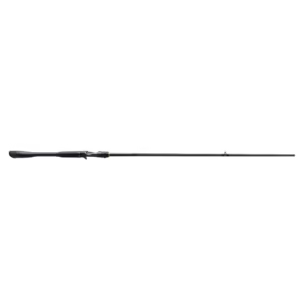
SHIMANO POISON ULTIMA BASS ROD
Price range: €849.49 through €858.16Select options This product has multiple variants. The options may be chosen on the product page
Reviews
There are no reviews yet.