
We Deliver Directly To Your Door
Description
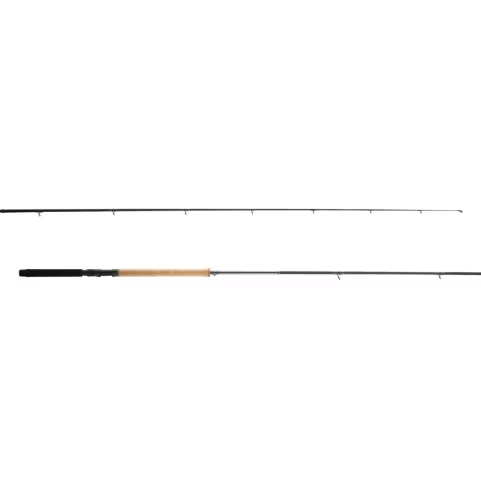
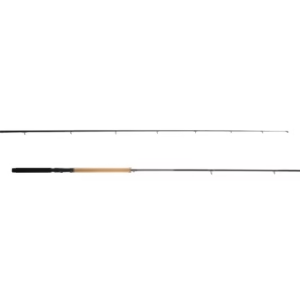
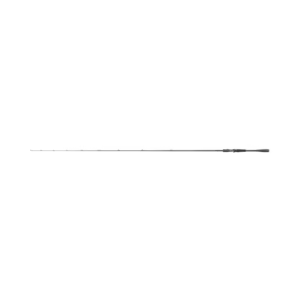
SHIMANO COMPRE SALMON/STEELHEAD BC MOOCHING ROD – Precision, Comfort, and Reliable Salmon Fishing Performance
Product Overview
A successful salmon fishing experience is built on patience, technique, and dependable equipment. The SHIMANO COMPRE SALMON/STEELHEAD BC MOOCHING ROD has been designed for anglers who appreciate controlled bait presentation, responsive handling, and reliable performance when targeting powerful salmon. Furthermore, its technique-specific construction makes it a practical choice for anglers who enjoy traditional mooching methods in Pacific Northwest fisheries.
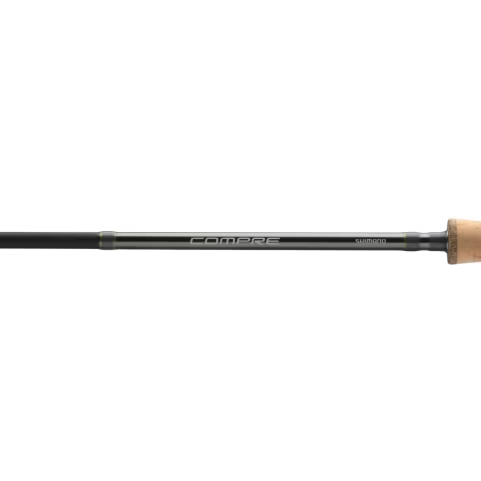
Developed as part of Shimano’s Compre Salmon/Steelhead lineup, this rod is equipped with features intended to support demanding fishing sessions. A responsive blank, a comfortable cork handle, a dependable reel seat, and durable line guides are combined to provide a balanced fishing experience. Consequently, anglers can concentrate on their presentation, line management, and fish-fighting technique rather than being distracted by uncomfortable equipment.
Moreover, the rod is offered in medium and medium-heavy power configurations, allowing fishing setups to be matched to different bait presentations and fishing conditions. Both models are designed around a 10-foot-6-inch length and a two-piece construction, providing useful reach while making transportation and storage more convenient.
Whether you are refining your mooching technique or adding a dedicated salmon rod to your existing collection, this Shimano model deserves consideration for its practical combination of comfort, control, and purpose-driven design.
Key Product Features
- Salmon and steelhead applications: Developed for anglers targeting salmon and steelhead in suitable fisheries.
- Mooching-focused design: A slow-action blank is provided for controlled bait presentations and cushioning during fish runs.
- Two power options: Medium and medium-heavy configurations are available.
- Extended rod length: A 10-foot-6-inch profile provides useful reach and line control.
- Comfortable grip: An AAA cork handle is incorporated into the rod design.
- Dependable reel attachment: A Fuji reel seat is included.
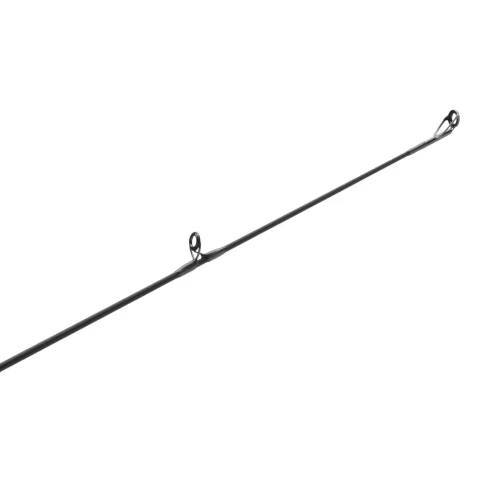
- Durable line management: Sloped-frame SeaGuide guides with Zirconia inserts are fitted.
- Convenient construction: The two-piece configuration is designed to simplify transportation and storage.
- Versatile fishing applications: The rod can be considered for appropriate mooching setups and compatible bait presentations.
Designed for Traditional Mooching Techniques
Mooching is a fishing method in which bait is presented at a controlled depth, often while fishing from a boat in salmon waters. Success can depend on the presentation, the movement of the bait, the depth being targeted, and the ability to maintain suitable tension when a fish takes the offering.
For this reason, a rod’s action and overall length are important considerations. The Compre BC Mooching series features a slow-action design that allows the blank to load progressively under pressure. As a result, the rod can provide useful cushioning during a fish’s runs while supporting controlled line management.
In addition, its extended profile can be beneficial when managing line around the boat and maintaining an effective angle during a fight. However, the ideal setup will depend on local fishing conditions, the size of the targeted fish, the selected line, and the angler’s preferred technique.
Rather than being positioned as a universal solution for every fishing style, this model is intended for anglers who want equipment aligned with traditional mooching applications.
Comfortable Handling for Extended Fishing Sessions
Long fishing sessions can place repeated demands on an angler’s hands, wrists, and forearms. Therefore, handle design and reel placement deserve attention when selecting a salmon fishing rod.
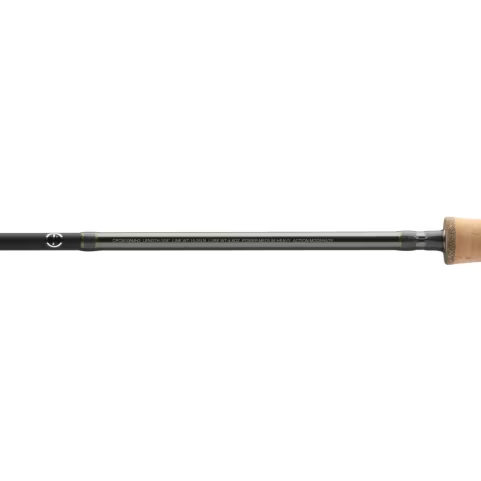
An AAA cork handle is incorporated into the Shimano Compre design to provide a familiar, natural grip. Cork is valued by many anglers for its tactile feel and practical handling characteristics. Furthermore, the handle is designed to support a secure hold while the rod is being worked and when pressure is being applied during a fish fight.
A Fuji reel seat is also included, providing a dedicated mounting point for a compatible baitcasting reel. When the reel, line, and rod are appropriately matched, a more balanced setup can be achieved.
Nevertheless, comfort is influenced by more than the handle material alone. Reel weight, fishing posture, casting technique, and individual hand size should also be considered before a final setup is selected.
Slow Action for Controlled Fish Fighting
Rod action describes how the blank bends when pressure is applied. On this mooching model, a slow action is specified, allowing the blank to flex progressively rather than concentrating the bend only near the tip.
This characteristic can be valuable when a salmon makes sudden runs or changes direction. The rod’s flex helps cushion changes in tension, while steady pressure can be maintained when the fish is being brought closer.
Additionally, a progressive bend can support controlled bait presentation and help reduce abrupt loading on appropriately selected leaders. Even so, successful fish fighting still depends on correct drag adjustment, suitable line strength, sound knots, and consistent technique.
For anglers who prefer a rod that works progressively under load, this design offers a useful combination of flexibility and practical control.
Durable Guides and Reliable Line Flow
Line management is an essential part of any salmon fishing setup. Friction, damaged guides, and poorly maintained equipment can interfere with smooth line movement, especially when a fish makes a sustained run.
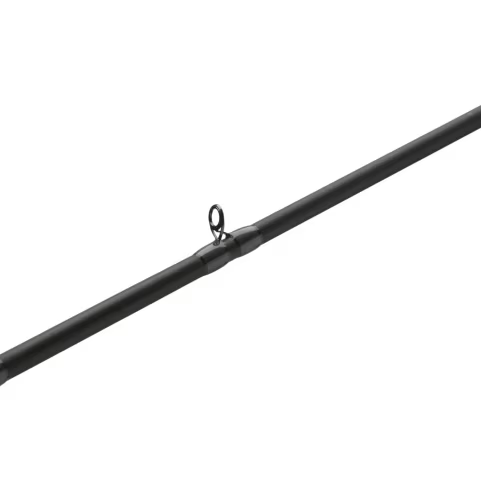
Sloped-frame SeaGuide guides with Zirconia inserts are incorporated into this rod’s construction. These components are intended to provide durable contact surfaces and support efficient line movement during fishing.
Furthermore, the guide arrangement contributes to the overall performance of the rod when line is being retrieved, released, or placed under pressure. Regular inspection is still recommended because grit, impact damage, and normal wear can affect guide condition over time.
After each fishing trip, the rod should be checked for damaged inserts, loose components, and signs of impact. With appropriate care, the guide system can remain a dependable part of a well-maintained fishing setup.
Medium and Medium-Heavy Options
Selecting the appropriate power rating is important when building a salmon fishing setup. The medium and medium-heavy configurations in this series provide different starting points for matching the rod to the intended presentation.
The medium model is suited to anglers working within its specified lighter lure-weight and line-rating ranges. Meanwhile, the medium-heavy version is intended for setups that call for a higher rated lure range and stronger line.
The following specifications are published for the two models:
| Specification | Medium | Medium-Heavy |
|---|---|---|
| Model | CPCM106M2 | CPCM106MH2 |
| Length | 10 ft 6 in | 10 ft 6 in |
| Action | Slow | Slow |
| Power | Medium | Medium-heavy |
| Construction | Two-piece | Two-piece |
| Monofilament line rating | 12–20 lb | 12–25 lb |
| PowerPro line rating | 20–40 lb | 30–50 lb |
| Lure-weight rating | ¾–1½ oz | ¾–2 oz |
| Reel seat | Fuji | Fuji |
| Guides | SeaGuide Zirconia | SeaGuide Zirconia |
| Handle | AAA cork | AAA cork |
Specifications should be checked against the selected SKU and the manufacturer’s current product listing before purchase.
Which Model Should You Choose?
Choose the medium version if your intended presentation falls within its lighter rated lure range and your preferred line setup is compatible with its specifications.
Choose the medium-heavy version if your fishing approach requires the additional rated lure capacity and line range provided by that configuration.
In either case, the choice should be guided by the weight of the complete fishing presentation, the target species, local conditions, and the recommendations supplied by the manufacturer.
Two-Piece Construction for Practical Transportation
Fishing equipment often needs to be transported between home, vehicle, boat, and shoreline access points. Accordingly, portability can be an important consideration when a long rod is selected.
The Compre BC Mooching models are built in two pieces, allowing the rod to be separated for easier storage and transport. This configuration can be especially useful for anglers who travel to different fishing locations or need to organize several rods in a vehicle.
Before each session, both sections should be connected securely according to the manufacturer’s instructions. The guides should then be aligned, and the connection should be inspected before the line is threaded through the rod.
After fishing, the sections should be cleaned and dried before being stored in a suitable rod case or protective space. These simple practices can help reduce avoidable wear during transport.
Why Consider the Shimano Compre BC Mooching Rod?
Choosing a dedicated fishing rod is about more than selecting a familiar brand. The intended technique, the rod’s specifications, comfort, and component quality all contribute to the overall experience.
This model brings several practical features together in one fishing platform. Its slow action is suited to progressive loading, while the long profile can support line control during mooching. Additionally, the cork handle, Fuji reel seat, and SeaGuide Zirconia guides provide a component package designed around regular fishing use.
For anglers targeting salmon in suitable waters, the medium and medium-heavy versions offer flexibility when matching a rod to a preferred line and bait presentation.
The result is a purpose-oriented option for fishing enthusiasts who value dependable equipment, thoughtful design, and a setup that can be selected according to their fishing requirements.
Product Summary
The SHIMANO COMPRE SALMON/STEELHEAD BC MOOCHING ROD has been developed for anglers who want a dedicated rod for traditional salmon mooching techniques. With a 10-foot-6-inch length, slow action, two-piece construction, and two available power configurations, it offers practical choices for different compatible setups.
Its AAA cork handle, Fuji reel seat, and SeaGuide Zirconia guides contribute to a design focused on comfortable handling and reliable line management. Ultimately, selecting the correct model and matching it with suitable tackle will help ensure that the rod is used within its intended performance range.
Explore the available configurations and choose the model that best matches your preferred mooching technique, target species, and fishing conditions.
SHIMANO COMPRE SALMON/STEELHEAD BC MOOCHING ROD – Fishing Applications, Tackle Compatibility, and Performance Guide
Understanding the Role of a Dedicated Salmon Fishing Rod
Salmon fishing can demand patience, precision, and a careful understanding of how different pieces of tackle work together. Although many rods can be used for general freshwater or saltwater fishing, a dedicated salmon setup allows anglers to focus on specific presentations and fishing techniques.
The Shimano Compre Salmon/Steelhead BC Mooching Rod has been developed for anglers interested in traditional mooching methods. In this technique, bait is presented at a selected depth while line movement, boat position, and bait action are carefully managed. Consequently, the rod must be suited to controlled presentation as well as the changing pressure created when a fish takes the bait.
Rod length, action, and power all contribute to the experience. A longer blank can provide additional reach, while a slow-action design allows the rod to bend progressively under pressure. Meanwhile, the selected power rating determines the manufacturer’s intended line and lure-weight ranges.
These characteristics should be considered together rather than independently. For example, a rod with an appropriate power rating may still feel poorly balanced if it is paired with a reel that is too heavy for the intended application. Similarly, line that falls outside the recommended range can affect how the rod performs under load.
Therefore, a well-matched setup begins with an understanding of the fishing method, the targeted species, and the conditions in which the equipment will be used.
How Mooching Works in Salmon Fisheries
Mooching is commonly associated with boat-based salmon fishing, particularly in fisheries where bait is presented at a controlled depth. Depending on local regulations and fishing conditions, bait may be lowered and retrieved, allowed to move naturally, or worked through a selected section of the water column.
The method requires more than simply dropping bait into the water. Line control, depth management, bait condition, and awareness of subtle changes in tension can all influence the presentation.
Maintaining an Effective Bait Presentation
A natural presentation can be encouraged by using a suitable bait rig and controlling the amount of line released. The goal is to keep the offering in the intended area without allowing unnecessary slack to develop.
A rod with a progressive bend can help absorb changes in tension as the bait is moved or a fish begins to pull against the line. Furthermore, its length can provide useful leverage when line is being managed from a boat.
However, the best presentation will depend on factors such as current, depth, boat movement, bait size, and the behavior of the targeted fish. Local fishing guidance should always be consulted when a particular method or bait restriction applies.
Managing Line During a Fish’s Run
When a salmon takes bait, the first moments can be unpredictable. The fish may move away quickly, change direction, or create sudden variations in line tension.
At this stage, the drag system should be allowed to perform its intended role. Excessive drag pressure can place unnecessary strain on the line, knots, hooks, and rod. Conversely, a drag setting that is too loose may make it difficult to maintain control.
A slow-action rod provides progressive flex under load, which can help cushion sudden changes in pressure. Nevertheless, successful fish fighting depends on a coordinated system consisting of the rod, reel, line, leader, hook, and the angler’s technique.
Rather than relying on rod strength alone, anglers should apply steady pressure and adjust their approach according to the fish’s movement.
Choosing Between Medium and Medium-Heavy Power
Power ratings are important when a fishing setup must be matched to a particular presentation. The medium and medium-heavy versions provide different rated operating ranges, allowing anglers to select a configuration based on their preferred tackle.
Medium Power for Compatible Presentations
The medium model is rated for 12–20 lb monofilament line, 20–40 lb PowerPro line, and lure weights from ¾ to 1½ ounces, according to the published specifications.
For anglers whose presentations fall within those ranges, this configuration provides a useful starting point for building a balanced setup. The selected line, leader, and reel should still be matched to the intended fishing conditions.
A lighter rated setup may be appropriate in some circumstances, but the final choice should not be based on line strength alone. Bait weight, current, water depth, and the likely size of the fish should also be taken into account.
Medium-Heavy Power for Higher Rated Setups
The medium-heavy model is rated for 12–25 lb monofilament line, 30–50 lb PowerPro line, and lure weights from ¾ to 2 ounces.
These specifications provide a broader upper range for compatible presentations. Consequently, this option may be worth considering when the intended setup requires a higher rated lure weight or stronger braided line.
Nevertheless, a higher power rating does not automatically make a rod suitable for every heavy-duty fishing situation. The manufacturer’s ratings should remain the primary reference, and the setup should be selected according to the actual technique being used.
Why Correct Matching Matters
A balanced fishing system allows the equipment to work together as intended. When the rod, reel, line, and terminal tackle are appropriately matched, line management and fish fighting can become more predictable.
Before purchasing, compare the published ratings with your existing equipment. If a preferred reel or line falls outside the specified range, another configuration may be more suitable.
Selecting a Compatible Baitcasting Reel
A rod’s reel seat and intended technique should guide reel selection. The Fuji reel seat included with this model is designed to secure a compatible reel, but the exact reel choice should be based on fit, capacity, drag performance, and the fishing method.
Reel Fit and Balance
A suitable reel should fit the reel seat securely and remain firmly attached throughout use. In addition, the combined weight of the rod and reel should feel manageable during extended fishing sessions.
A reel that is excessively heavy may create an uncomfortable balance point, while a reel that is poorly matched to the intended line may limit the usefulness of the complete setup.
Whenever possible, evaluate the rod and reel together before fishing. The combination should feel controlled when held in a normal fishing position and when pressure is applied through the handle.
Line Capacity and Drag Performance
Line capacity should be considered in relation to the intended fishing conditions. Salmon can make sustained runs, so sufficient line capacity is important when the targeted fish and local conditions require it.
The drag system should also provide smooth, consistent resistance. Sudden changes in drag pressure can increase the risk of line failure or hook loss.
Before the first fishing session, check the reel manufacturer’s recommendations for line capacity and drag settings. The line selected should also remain within the rod’s specified rating.
Understanding Monofilament and Braided Fishing Line
Both monofilament and braided lines can be used in fishing systems, but they have different characteristics. The appropriate choice depends on the presentation, leader arrangement, reel, and the conditions in which the equipment will be used.
Monofilament Line
Monofilament line offers some stretch, which can help absorb sudden changes in tension. It is also widely used in a range of fishing applications and can be convenient to handle for many anglers.
Its stretch characteristics may be useful when a fish makes abrupt movements. However, line diameter and capacity should be considered when a long run is possible.
For this rod, the published monofilament ratings are 12–20 lb for the medium version and 12–25 lb for the medium-heavy version.
Braided Line
Braided line generally offers low stretch and a relatively small diameter for its rated strength. These characteristics can support sensitivity and efficient use of reel capacity.
However, braid can place different demands on knots, leaders, drag settings, and fish-fighting technique. A suitable leader may be required depending on the presentation and local fishing conditions.
The published PowerPro ratings are 20–40 lb for the medium model and 30–50 lb for the medium-heavy model. These ranges should be followed when choosing an appropriate setup.
Choosing the Right Line for Your Technique
The best line is not necessarily the one with the highest breaking-strength rating. Instead, it should be suitable for the target species, the intended bait presentation, the rod’s specifications, and the surrounding environment.
Anglers should also inspect line regularly for abrasion, weakened sections, and damage caused by contact with rocks, boat hardware, or other surfaces.
Lure and Bait Weight Considerations
Presentation weight influences how a rod loads and how effectively the bait or lure can be controlled. A setup that is too light may not perform as intended, while excessive weight can place the rod outside its recommended operating range.
The medium version is rated for lure weights between ¾ and 1½ ounces. The medium-heavy model is rated between ¾ and 2 ounces.
These ratings should be treated as important equipment guidelines. When selecting a complete presentation, account for the relevant terminal tackle and any additional components that contribute to the total weight being cast or handled.
Why Weight Should Be Checked Before Fishing
- Rod performance: A suitable weight allows the blank to operate within its intended range.
- Presentation control: Appropriate weight can help maintain the desired depth and bait movement.
- Equipment protection: Staying within the manufacturer’s ratings reduces the risk of avoidable overloading.
- Setup consistency: Matching the presentation to the selected rod helps produce more predictable handling.
- Angler confidence: Familiarity with the correct weight range makes it easier to prepare equipment before reaching the water.
When uncertain, begin by consulting the product’s published specifications and the recommendations supplied with the bait, lure, or terminal tackle.
Getting the Most from the 10-Foot-6-Inch Length
Rod length can influence reach, line management, and the way pressure is applied during a fish fight. The 10-foot-6-inch length of this model is intended to provide useful reach for its designated fishing applications.
Line Control Around a Boat
When fishing from a boat, the position of the rod can affect the angle at which line enters the water. A longer rod may help anglers guide line around nearby equipment or maintain a useful position while a fish moves.
Even so, boat layout and the position of other anglers should always be considered. Rods should be handled carefully around motors, railings, nets, and other equipment.
Managing Fish Near the Boat
As a fish approaches, the available space can become limited. Rod angle, line tension, and the position of the landing net all matter during the final stage of the fight.
A progressive rod bend can provide cushioning as pressure changes. However, anglers should avoid lifting a fish vertically by the rod or forcing the blank into an extreme angle.
Whenever possible, use a suitable landing net and coordinate movements with anyone assisting. This approach helps protect both the equipment and the fish.
Caring for the Rod After Each Fishing Trip
Fishing equipment can be exposed to moisture, grit, salt, impact, and repeated mechanical stress. Consequently, regular maintenance is important for preserving the condition of the rod.
Cleaning the Blank and Handle
After use, wipe the blank and handle with a soft cloth. If the rod has been exposed to saltwater or salt spray, rinse it gently with fresh water according to the manufacturer’s care instructions.
Avoid aggressive cleaning products, abrasive materials, or unnecessary pressure. The handle and blank should be allowed to dry before the rod is placed in storage.
Inspecting the Guides
Check each guide for visible damage, loose fittings, and rough edges. A damaged guide insert can abrade fishing line, potentially causing a failure under tension.
If a guide appears cracked or damaged, have it inspected or repaired before the next fishing session. Running line through a damaged guide should be avoided.
Checking the Rod Sections
Because the rod is built in two pieces, the connection between the sections should be inspected before and after use.
Ensure that the sections are joined securely and that the guides are correctly aligned. Do not force the connection if resistance or an unusual fit is noticed.
During storage, protect both sections from crushing pressure, sharp objects, and accidental impacts. A suitable rod case can help reduce damage during transportation.
Safe and Responsible Salmon Fishing
Good equipment is only one part of a successful fishing experience. Responsible fishing practices help protect anglers, other water users, and fish populations.
Before travelling to a fishing location, check current local regulations regarding licenses, seasons, permitted methods, bait restrictions, and catch limits. Rules may differ between rivers, lakes, coastal waters, and individual management areas.
When handling a fish, use suitable equipment and minimize unnecessary handling. If a fish must be released, follow local guidance for proper release procedures.
Additionally, keep hooks and cutting tools secured when they are not being used. On a boat, appropriate flotation equipment and awareness of changing weather conditions are essential.
These precautions allow fishing to remain enjoyable while supporting the long-term health of the fisheries that anglers value.
Is This Rod Suitable for Your Fishing Needs?
The Compre BC Mooching series is intended for anglers seeking a rod built around salmon and steelhead fishing applications. Its slow action, 10-foot-6-inch length, two-piece construction, and two available power ratings provide a foundation for selecting an appropriate setup.
It may be worth considering if you:
- Prefer a rod designed for traditional mooching methods.
- Need a longer rod for suitable boat-based presentations.
- Want to choose between medium and medium-heavy power.
- Value a cork handle and a dedicated reel seat.
- Prefer a two-piece design for transport and storage.
- Want published line and lure-weight ratings to guide equipment selection.
However, anglers seeking a fast-action casting rod, a short general-purpose spinning rod, or equipment specifically designed for an unrelated fishing technique should compare alternative models before making a purchase.
Final Buying Guidance
A suitable salmon fishing rod should match the intended technique, the targeted species, and the angler’s preferred tackle. By considering these factors before purchasing, you can make a more informed decision and avoid selecting equipment that does not suit your needs.
The Shimano Compre series offers a slow-action option with a long profile, cork handle, Fuji reel seat, and SeaGuide guides. Its medium and medium-heavy configurations also provide distinct published line and lure-weight ranges.
Before ordering, verify the model number, power rating, availability, and manufacturer’s current specifications. Once the appropriate configuration has been selected, pair it with compatible tackle and maintain it carefully between fishing trips.
**Choose your preferred configuration and prepare for your next salmon fishing adventure
Premium Fishing Reels, Rods, Lures & Saltwater Fishing Tackle for Sale
Discover High-Performance Fishing Reels and Fishing Equipment
Finding the right fishing equipment can make every fishing adventure more productive, comfortable, and enjoyable. Whether you are preparing for surf fishing, offshore trolling, freshwater casting, inshore fishing, or deep-drop fishing, the right combination of rods, reels, lures, and accessories can help you get the most from every trip.
Our fishing tackle collection brings together versatile spinning reels, powerful conventional reels, dependable baitcasting reels, specialized jigging rods, surf fishing poles, and essential fishing accessories. From premium Shimano spinning reels to durable Penn conventional reels and innovative Avet lever-drag reels, anglers can explore equipment suited to different fishing environments, techniques, and experience levels.
If you are searching for a spinning reel sale, comparing different reels for fishing, or looking for quality reels on sale, choosing equipment that matches your target species and fishing conditions should always be a priority. Consequently, our collection is designed to help anglers compare popular reel types, explore rod options, and identify useful tackle for their next fishing adventure.
Explore Different Types of Fishing Reels
Understanding the different types of fishing reels is essential when selecting equipment for freshwater lakes, rivers, coastal beaches, and offshore waters. Each reel category offers specific advantages, depending on casting distance, line capacity, retrieve speed, drag performance, and fishing technique.
Spinning Reels
Spinning reels are widely used because they are versatile, relatively easy to operate, and suitable for numerous fishing applications. They can be paired with compatible spinning rods for casting artificial lures, fishing with natural bait, and targeting species in freshwater or saltwater environments.
Popular models include the Shimano Nasci FC spinning reel, Shimano Stradic spinning reels, Shimano Vanford 4000, Shimano Sustain 4000, Shimano Stradic 4000 reel, and Shimano Stella FK spinning reel. Each model offers its own combination of construction, retrieve performance, drag characteristics, and intended application.
Anglers researching a Shimano Nasci 3000 can consider this size for appropriately matched freshwater and inshore setups. Meanwhile, the Shimano Stradic 5000 may suit applications requiring greater line capacity and a larger reel platform, depending on the specific model and fishing conditions.
When comparing spinning reels for sale, consider the following:
- Reel size and compatible rod specifications.
- Main-line capacity and recommended line strength.
- Drag performance for the intended target species.
- Gear ratio and retrieve speed.
- Saltwater resistance and maintenance requirements.
- Overall weight, balance, and comfort during extended fishing sessions.
Conventional and Lever-Drag Reels
Conventional reels are commonly selected for offshore trolling, bottom fishing, deep-water applications, and situations where line capacity and controlled drag performance are important.
The Penn Warfare reel, Penn Squall, Penn 20T International, Penn 130 International, and Avet lever-drag reel families are examples of equipment anglers may compare when planning heavier fishing setups.
Specialized options include the Avet HXW 5.2 Raptor, Avet MXL G2 single-speed 5.8 lever-drag conventional reel, Avet SX 5.3, Avet JX G2, Avet HXJ Raptor, Avet LX 6-3 Raptor Plus RH lever-drag conventional reel, and Avet MXL 6/3 Raptor Plus MC two-speed reels.
The Avet TRX series, including the Avet TRX 50 and Avet TRX 80, may also interest anglers researching specialized offshore tackle. However, the appropriate model should be selected according to its published specifications, line capacity, drag rating, and intended application.
For anglers exploring an Avet left-hand reel, handle orientation should be checked carefully before ordering. Likewise, when choosing an Avet MXL G2 single-speed lever-drag casting reel, verify the precise model designation and configuration.
Baitcasting Reels
Baitcasting reels offer direct control over lure presentation and can provide excellent casting accuracy when properly matched to a compatible rod and fishing line.
Anglers searching for saltwater baitcasting fishing reels may consider models such as the Shimano Tranx 300HG, Tranx 401, Shimano Curado 300, and Shimano Calcutta Conquest, depending on the intended application.
A baitcaster reel for saltwater fishing should be selected according to its corrosion resistance, braking system, line capacity, drag performance, and compatibility with the chosen lure weights.
The Shimano Tranx family is worth comparing for anglers seeking specialized casting equipment. Similarly, the Shimano Calcutta Conquest may appeal to anglers looking for a premium round-profile reel platform.
Before making a purchase, compare the exact model generation and retrieve configuration because similar product names can represent substantially different specifications.
Electric Deep-Drop Reels
Electric deep-drop reels are designed to reduce the physical effort associated with retrieving heavy tackle from substantial depths. These specialized reels can be useful for offshore anglers targeting deep-water species with appropriate rods, weights, lines, and terminal tackle.
When selecting an electric deep-drop reel, consider battery requirements, line capacity, retrieval performance, electrical connections, and compatibility with the intended deep-drop rod.
For a complete setup, pair the reel with a properly rated deep drop rod and suitable line, weights, hooks, and rigging components.
Shop Quality Fishing Rods for Different Techniques
A fishing rod should be matched to the reel, line, lure weight, casting technique, and target species. Choosing the correct rod length and action can influence casting distance, lure control, sensitivity, and overall handling.
Surf Fishing Rods and Conventional Surf Rods
Surf fishing requires equipment capable of handling beach conditions, waves, wind, and the casting distances demanded by a particular fishing location.
Anglers researching surf fishing poles can explore St. Croix surf rods, Century rods, Tsunami surf rods, and Tsunami Trophy II surf rods. These product families provide options worth comparing for different surf fishing techniques and tackle requirements.
The St. Croix Premier Series spinning rod may also interest anglers who prefer a versatile rod platform for compatible fishing applications. However, model-specific ratings should always be checked before using any rod for surf fishing.
When choosing a surf rod, evaluate:
- Rod length and casting-weight rating.
- Spinning or conventional reel compatibility.
- Rod power and action.
- Blank material and overall weight.
- Casting distance requirements.
- Suitability for local surf conditions and target species.
Spinning and Casting Rods
A quality spinning rod can support a wide range of lure presentations, while a casting rod may provide the control needed for heavier lures and particular baitcasting applications.
The Tsunami Classic casting rod, Tsunami Classic spinning rod, Okuma PCH Custom casting rod, and Dark Matter spinning rod are examples of product lines anglers may wish to compare.
Dark Matter rods include specialized options for different techniques. Depending on the exact model, anglers can investigate the Dark Matter Fishaholic, Dark Matter Skinner rod, Dark Matter inshore rods, Dark Matter travel rod, and Dark Matter SPS Inshore Travel spinning rods.
For anglers who regularly travel, a Dark Matter travel rod may provide a practical alternative to a full-length one-piece rod. Nevertheless, packed dimensions, transport requirements, lure ratings, and the number of rod sections should be verified before purchasing.
Jigging and Offshore Rods
Jigging rods are built for specific lure presentations and fishing methods. The Shimano Trevala jigging rod and Shimano Ocea Plugger Full Throttle spinning rods are examples of equipment anglers may compare when planning specialized offshore setups.
For heavier offshore applications, rod selection should be based on the intended line class, lure weight, target species, reel capacity, and expected fishing conditions.
A properly matched rod and reel combination can help improve handling while reducing unnecessary strain on equipment.
Fishing Lures, Bucktails, Spinners and Terminal Tackle
Fishing lures are available in different shapes, weights, colors, and actions to match a variety of fishing situations. The most appropriate choice depends on the target species, water clarity, current, depth, light conditions, and forage available.
Buzz Baits and Specialized Artificial Lures
Buzz baits can create surface disturbance and may attract predatory fish under suitable conditions. They are commonly used when anglers want to explore surface-oriented presentations in compatible freshwater environments.
Other specialized options include Huddleston swimbaits, Vudu fishing lures, tattoo fishing lures, and Chug Norris lures. Before selecting a lure, compare its size, weight, buoyancy, retrieve style, and intended target species.
Bucktails and Spinner Lures
Andrus bucktails are worth investigating for anglers seeking bucktail-style presentations. These lures can be used in appropriate saltwater applications, depending on the design, weight, and local fishing conditions.
Vibrax spinners and Blue Fox spinner lures are additional options for anglers interested in rotating-blade presentations. Spinner selection should be guided by water conditions, target species, lure size, and retrieve speed.
Striped Bass Fishing at Night
Anglers researching the best lures for striped bass at night should consider how visibility, water movement, baitfish activity, and lure action influence their approach.
Depending on local conditions, useful options may include swimming plugs, soft-plastic swimbaits, bucktails, and surface lures. Choose a lure that can be presented effectively at the depth and speed preferred by feeding fish.
Always check local fishing regulations, seasonal restrictions, and permitted fishing areas before heading out.
Hooks, Squid Skirts and Fishing Accessories
Small hooks can be useful for appropriately sized bait presentations and smaller target species. Meanwhile, squid skirt jig components may be relevant to anglers assembling specialized offshore rigs.
A complete tackle setup can also include reel accessories, replacement handles, suitable fishing line, terminal tackle, pliers, and storage equipment.
PowerPro braided fishing line is an option anglers may compare when selecting line for compatible reels and fishing techniques. Line diameter, breaking strength, knot compatibility, and spool capacity should be evaluated before purchase.
For additional tackle maintenance and handling, Bubba forged fishing pliers may be worth considering. Always choose pliers suitable for the intended fishing environment and use appropriate care when handling hooks and sharp tools.
Premium Fishing Sunglasses, Boots and Travel Gear
Fishing equipment extends beyond rods and reels. Suitable accessories can improve comfort, organization, and convenience throughout a fishing trip.
Costa Fantail sunglasses and Costa Hammerhead sunglasses are options anglers may compare when researching fishing eyewear. Consider lens technology, frame fit, polarization, visibility requirements, and the manufacturer’s product specifications when selecting a pair.
XTRATUF boots are another product family to investigate when choosing footwear for wet and demanding fishing environments. Compare the specific boot model, fit, material, traction, and intended use before ordering.
A fishing travel bag can help organize reels, tackle boxes, spare line, lures, tools, and other equipment. Travelers should compare bag dimensions, compartment layout, material durability, and transport restrictions to ensure that their gear can be packed conveniently.
Understanding Reel Specifications and Compatibility
Choosing the right fishing reel requires more than comparing prices or brand names. A suitable reel must be compatible with the rod, fishing line, lure weight, and conditions in which it will be used.
Reel Size and Line Capacity
Reel sizes such as 3000, 4000, 5000, and 6500 are useful starting points for comparisons, but sizing conventions differ between manufacturers and reel families.
For example, anglers researching a Penn Spinfisher 6500 should review the exact version’s line capacity, drag specifications, weight, and intended use. A larger reel may offer additional capacity, but it can also affect the balance and handling of a fishing setup.
Gear Ratio and Retrieve Speed
Gear ratio describes how many times the spool or rotor mechanism turns in relation to one handle rotation, depending on reel design. It can influence lure retrieval speed and line pickup.
A higher gear ratio can be useful when rapid retrieval is needed, while other applications may benefit from greater cranking power. The best option depends on the lure, target species, line load, and fishing technique.
Power Handles and Reel Accessories
A compatible power handle can improve leverage and comfort in some fishing applications. Anglers searching for a power handle for a Quantum Accurist should verify the exact reel model, shaft compatibility, mounting dimensions, and handle orientation before purchasing.
Likewise, accessories for Penn Warfare reels, Shimano Tranx reels, Avet reels, and other reel families should be checked against the manufacturer’s model specifications.
How to Choose the Right Fishing Reel
The most appropriate reel depends on the fishing method and conditions.
- Freshwater lure fishing: Compare suitable spinning reels and baitcasting reels according to lure weight, casting distance, and target species.
- Inshore saltwater fishing: Consider corrosion resistance, drag performance, line capacity, and compatible spinning or baitcasting equipment.
- Surf fishing: Select a reel and rod combination suited to casting weight, beach conditions, line capacity, and target species.
- Offshore trolling: Investigate conventional reels with suitable drag systems and line capacity.
- Deep-water fishing: Compare specialized deep-drop equipment and appropriately rated rods.
- Travel fishing: Consider compact or multi-piece rods, protective travel bags, and equipment that can be transported safely.
Understanding the differences between fishing reel types makes it easier to narrow your choices. When comparing spinning reels, conventional reels, and baitcasting reels, prioritize specifications that support your actual fishing requirements rather than choosing solely by brand or appearance.
Find Fishing Reels and Tackle at Competitive Prices
Searching for reels on sale or a spinning reel sale can help anglers compare equipment across different budgets. However, value should be evaluated alongside product specifications, warranty coverage, seller reliability, and the availability of replacement parts.
Whether you are considering a Shimano Nasci FC spinning reel, Shimano Stella FK spinning reel, Penn Warfare reel, Avet HXW Raptor, Tranx 401, or a specialized surf fishing setup, careful comparisons can help you select equipment suited to your needs.
Before purchasing, confirm the exact model, retrieve direction, gear ratio, line capacity, included accessories, shipping arrangements, and applicable return policy.
Frequently Asked Questions
What are the main types of fishing reels?
The main categories include spinning reels, baitcasting reels, conventional reels, fly reels, and electric reels designed for specialized applications. Each category serves different fishing techniques and requirements.
Which fishing reel is suitable for saltwater?
The best choice depends on the target species and fishing method. Look for suitable corrosion resistance, drag performance, line capacity, and manufacturer guidance for saltwater use.
How do I choose a reel for surf fishing?
Consider casting distance, rod length, line capacity, drag performance, and the conditions at your fishing location. Match the reel to the rod’s recommended specifications.
What should I consider when buying a fishing reel on sale?
Compare the exact model, product condition, specifications, warranty, seller reputation, and return policy. A discounted reel should still meet your fishing requirements.
Are fishing rod length and reel size related?
Yes. Rod length, power, and action influence how a reel balances and performs on a particular setup. However, there is no universal rule that a longer rod always requires a larger reel. Follow the rod and reel manufacturer’s compatibility recommendations.
Where can I buy fishing reels and accessories?
Compare established fishing tackle retailers, authorized dealers, and reputable online stores. Verify product authenticity, current availability, shipping terms, and return conditions before completing your purchase.
Upgrade Your Fishing Setup
Build a fishing setup around your preferred technique, target species, and local conditions. Explore spinning reels, conventional reels, baitcasting equipment, surf rods, jigging rods, artificial lures, fishing line, sunglasses, pliers, and travel accessories to create a combination that works for your next adventure.
From everyday freshwater fishing to demanding offshore applications, choosing compatible equipment and maintaining it properly can help you enjoy more productive time on the water.
Premium Fishing Reels, Surf Fishing Rods, Saltwater Tackle and Fishing Accessories
Discover Advanced Fishing Reels for Every Fishing Adventure
Choosing the right fishing reel can significantly influence casting accuracy, retrieval efficiency, line management, and overall fishing performance. Whether you are preparing for coastal fishing, offshore trolling, surf casting, or freshwater lure fishing, selecting a reel that matches your technique is essential.
A carefully selected fishing reel can provide smoother operation, dependable drag performance, and the line capacity required for your target species. Furthermore, comparing different reels for fishing allows anglers to identify the equipment that best fits their budget, experience, and fishing environment.
Anglers searching for a spinning reel sale can explore popular reel families from Shimano, Penn, Avet, Quantum, and other established manufacturers. In addition, conventional reels, saltwater baitcasting fishing reels, and specialized electric deep-drop reels offer alternatives for more demanding applications.
When shopping for reels on sale, remember that price should be evaluated alongside construction, intended use, maintenance requirements, and compatibility with your existing equipment.
Shimano Spinning Reels: Precision, Versatility and Performance
Shimano spinning reels are widely recognized among anglers seeking equipment for a variety of fishing techniques. Different models provide different combinations of weight, retrieve speed, drag performance, and construction, allowing anglers to compare options for freshwater and saltwater fishing.
Shimano Stradic Spinning Reels
The Shimano Stradic spinning reels family offers options for anglers who prioritize versatility and dependable handling. Models such as the Shimano Stradic 4000 reel and Shimano Stradic 5000 provide different sizing options for compatible fishing applications.
A Shimano Stradic 4000 may suit appropriately matched inshore or freshwater setups, depending on the target species, line requirements, and specific model. Meanwhile, anglers considering a Shimano Stradic 5000 should compare its line capacity, weight, drag specifications, and compatibility with their chosen rod.
When comparing Shimano Stradic spinning reels, consider:
- The reel’s published line-capacity specifications.
- Retrieve ratio and line recovery per handle turn.
- Drag adjustment and maximum drag rating.
- Compatibility with monofilament, fluorocarbon, or braided line.
- Saltwater maintenance and corrosion-management requirements.
These considerations can help anglers select a suitable reel without relying solely on model names or advertised performance claims.
Shimano Nasci FC Spinning Reel
The Shimano Nasci FC spinning reel is another model worth considering when comparing spinning reels for different fishing applications.
Anglers searching for a Shimano Nasci 3000 can investigate whether the size suits their preferred lures, line strength, and target species. A properly matched reel can support controlled casting, comfortable retrieval, and efficient line management.
Before purchasing, verify the precise Nasci FC version and its manufacturer-published specifications. Product generations may differ, so the exact model should be checked for weight, gear ratio, line capacity, and drag characteristics.
Shimano Vanford 4000 and Sustain 4000
The Shimano Vanford 4000 may appeal to anglers seeking a lightweight spinning reel for compatible fishing setups. Its suitability should be evaluated according to the intended fishing technique and the manufacturer’s specifications for the exact version.
Likewise, the Shimano Sustain 4000 provides another option for anglers comparing mid-to-large spinning reel sizes.
When choosing between these models, consider rod balance, casting frequency, line capacity, target species, and the conditions in which the reel will be used. A reel that feels comfortable during repeated casting may be preferable for long fishing sessions.
Shimano Stella FK Spinning Reel
The Shimano Stella FK spinning reel is a premium option for anglers researching advanced spinning reel equipment.
When comparing the Stella FK with other Shimano spinning reels, evaluate its exact specifications, construction, drag system, retrieve characteristics, maintenance requirements, and price.
Premium equipment can be valuable when its features match an angler’s needs. However, a less expensive model may be equally appropriate for a different technique or fishing environment.
Penn Fishing Reels for Saltwater and Offshore Applications
Penn fishing reels are frequently considered for saltwater fishing, surf fishing, boat fishing, and other applications requiring appropriate line capacity and drag performance.
The Penn product range includes spinning reels and conventional reels designed for different fishing methods. Consequently, selecting the correct model requires an understanding of reel size, line capacity, retrieve system, and intended use.
Penn Spinfisher 6500
The Penn Spinfisher 6500 is an option anglers may investigate when searching for a substantial spinning reel for suitable saltwater applications.
Before purchasing, compare the exact Spinfisher version’s weight, gear ratio, drag rating, line capacity, and manufacturer-recommended use. These specifications should be matched to the rod, line, and target species.
For surf fishing, a suitable reel must work effectively with the selected rod and the casting weights being used. For boat fishing, line capacity and drag characteristics may be particularly important.
Penn Warfare Reel
The Penn Warfare reel is a conventional reel option worth investigating for compatible boat-fishing and other applications.
Anglers searching for a Penn Warfare reel or reel Penn Warfare should verify the precise model, retrieve configuration, gear ratio, line capacity, and included features.
A suitable conventional reel should provide the capacity and mechanical performance required by the intended fishing method. In addition, routine cleaning and appropriate storage can help maintain equipment condition.
Penn Squall and Penn International Reels
The Penn Squall family includes conventional reel options that anglers may compare for suitable offshore applications.
Meanwhile, the Penn International range includes specialized reels that should be selected according to the particular model’s specifications and intended fishing technique.
Anglers searching for a Penn 20T International or Penn 130 International should confirm the exact product designation before ordering. Reel size and model number alone should not be used as a substitute for checking published line-capacity, drag, and compatibility information.
Avet Fishing Reels: Lever-Drag and Conventional Reel Options
Avet fishing reels offer specialized equipment for anglers comparing conventional reel configurations, lever-drag systems, and offshore fishing applications.
Different Avet models are built for different uses, so the appropriate reel should be selected according to target species, line requirements, drag specifications, and fishing technique.
Avet HXW 5.2 Raptor
The Avet HXW 5.2 Raptor is a model anglers may investigate when researching specialized conventional fishing reels.
Before selecting this reel, check the exact version’s gear ratio, line capacity, drag specifications, handle configuration, and intended use. Pairing the reel with an appropriately rated rod can help create a balanced offshore setup.
Avet MXL G2 Single-Speed Lever-Drag Conventional Reel
The Avet MXL G2 single-speed lever-drag conventional reel may suit anglers looking for a specialized reel with a single-speed configuration.
Anglers researching the Avet MXL G2 single-speed 5.8 lever-drag conventional reel should verify the precise model designation and published gear ratio.
A lever-drag system allows drag adjustment through its lever mechanism, although the correct adjustment depends on line strength, knot strength, target species, and fishing conditions.
Avet SX 5.3 and Avet JX G2
The Avet SX 5.3 and Avet JX G2 are additional models worth comparing when selecting conventional reels.
When choosing between different sizes, consider line capacity, physical dimensions, weight, retrieve speed, and compatibility with your rod. The right model should suit the fishing technique rather than simply being the largest available option.
Avet HXJ Raptor and Avet LX 6-3 Raptor Plus
Anglers seeking specialized offshore equipment may also investigate the Avet HXJ Raptor and Avet LX 6-3 Raptor Plus RH lever-drag conventional reel.
For the latter, verify the right-hand configuration and confirm whether the exact product listing includes the features expected from the specified Raptor Plus version.
Avet MXL 6/3 Raptor Plus MC Two-Speed Reels
The Avet MXL 6/3 Raptor Plus MC two-speed reels offer another configuration for anglers comparing conventional reel options.
Two-speed systems provide different gear ratios for different retrieval requirements. However, their usefulness depends on the intended fishing application and the exact specifications of the reel.
Avet TRX 50 and Avet TRX 80
The Avet TRX 50 and Avet TRX 80 are specialized reel designations that anglers should research carefully before purchase.
Confirm the model’s complete specifications, intended application, line capacity, and compatibility with the selected rod. This is particularly important when choosing equipment for demanding offshore fishing.
For left-handed anglers, an Avet left hand reel may be worth exploring. Always verify handle orientation because product availability and configurations can vary by model.
Saltwater Baitcasting Fishing Reels and Casting Control
Saltwater baitcasting fishing reels can provide accurate lure placement and direct control when matched with a suitable rod and fishing line.
These reels may be appropriate for particular inshore, nearshore, and heavier lure applications. However, not every baitcasting reel is designed for saltwater exposure, so corrosion resistance and manufacturer guidance must be considered.
Shimano Tranx 300HG and Tranx 401
The Shimano Tranx family offers models that anglers may compare for specialized casting applications.
The Tranx 300HG and Tranx 401 should be evaluated according to their respective gear ratios, spool capacities, retrieve configurations, drag specifications, and intended fishing techniques.
When selecting a baitcaster reel for saltwater fishing, check the reel’s compatibility with the chosen line and lure weights. In addition, rinse and maintain the reel according to the manufacturer’s instructions after exposure to saltwater.
Shimano Curado 300
The Shimano Curado 300 is another option anglers may consider when comparing larger baitcasting reels.
A reel in this category may be useful for compatible casting techniques that require a suitable spool capacity and controlled lure presentation. Nevertheless, the exact model’s specifications should determine the appropriate line and lure range.
Shimano Calcutta Conquest
The Shimano Calcutta Conquest is a premium reel family worth exploring for anglers interested in specialized baitcasting equipment.
When comparing Calcutta Conquest models, check the exact size, retrieve direction, gear ratio, braking design, line capacity, and intended application.
A well-matched baitcasting reel can support consistent casting and retrieval. Even so, selecting the correct model requires a careful assessment of the fishing technique and the equipment already in use.
Choosing the Right Fishing Rod Length
Rod length is an important consideration when building a fishing setup. A rod should be selected according to the casting distance required, lure weight, fishing location, target species, and compatibility with the chosen reel.
Longer rods can provide leverage for casting in certain situations, while shorter rods may offer easier handling in confined spaces or from boats. However, rod length alone does not determine performance.
When researching rod of length options, compare the manufacturer’s recommendations for:
- Overall rod length and transport dimensions.
- Power rating and action.
- Recommended line strength.
- Casting-weight range.
- Reel type and mounting compatibility.
- Intended fishing environment.
For surf fishing, a longer rod may be useful when additional casting distance is needed. For inshore fishing, a more compact rod may be easier to maneuver around docks, mangroves, and other obstacles.
St. Croix Surf Rods and Premier Series Spinning Rods
St. Croix surf rods are worth exploring for anglers researching equipment intended for beach and coastal fishing.
The St. Croix Premier Series spinning rod is another option that should be evaluated according to the exact model’s construction, power, action, and recommended lure weight.
When choosing a St. Croix rod, compare its specifications with those of your reel and line. A balanced combination can improve comfort during repeated casting and help maintain control when retrieving lures.
Surf anglers should also consider rod guides, blank construction, handle design, and the practical demands of fishing in sandy or saltwater environments.
Century Rods and Tsunami Surf Fishing Equipment
Century rods are another product category anglers may investigate when comparing surf fishing equipment.
The Tsunami surf rod range includes options for different applications. Anglers researching Tsunami Trophy II surf rods, Tsunami Classic spinning rods, and Tsunami Classic casting rods should compare the individual models’ specifications before selecting a rod.
The appropriate rod depends on casting-weight requirements, fishing location, target species, and whether a spinning or conventional reel will be used.
Tsunami SaltX and Shield Series
The Tsunami SaltX family may interest anglers searching for equipment for suitable saltwater fishing techniques.
The Tsunami Shield 4000 is another model designation that should be verified against the manufacturer’s product information before purchase.
For the Tsunami SaltX II inshore spinning rod, check the rod’s length, power, action, line rating, and recommended lure weight. These details help determine whether the model suits the intended application.
Dark Matter Fishing Rods for Specialized Applications
Dark Matter rods cover different fishing applications, making it important to distinguish between models rather than treating the range as a single specification.
The Dark Matter spinning rod may interest anglers who prefer spinning setups. Meanwhile, the Dark Matter Fishaholic and Dark Matter Skinner rod are product names worth researching for their exact intended uses.
Anglers considering Dark Matter inshore rods should compare the models’ ratings with their local fishing conditions and target species.
Dark Matter Travel Rods
A Dark Matter travel rod may be useful for anglers who need equipment that can be transported more easily.
The Dark Matter SPS Inshore Travel spinning rods should be evaluated for their packed dimensions, number of sections, assembly method, and recommended line and lure ratings.
A travel rod should be selected according to the transport requirements and fishing techniques involved. Protective storage is also recommended to reduce the risk of damage during transit.
Shimano Trevala Jigging Rod and Ocea Plugger Rods
The Shimano Trevala jigging rod is an option for anglers researching rods intended for appropriate jigging applications.
When selecting a jigging rod, consider the weight of the jig, the depth of the water, the line rating, the target species, and the compatible reel.
Shimano Ocea Plugger Full Throttle spinning rods are another category worth investigating for specialized lure fishing.
Before buying either rod family, confirm the model’s exact specifications and intended application. Specialized offshore equipment should be selected carefully to avoid using a rod outside its recommended limits.
Fishing Lures for Different Water Conditions
Lure selection is an important part of planning a fishing trip. Different lure designs produce different movements, vibrations, and visual presentations, making some options more appropriate than others for specific conditions.
Anglers should consider water clarity, current, depth, available forage, weather, and the activity of their target species.
Huddleston Swimbaits
Huddleston swimbaits are artificial lures that anglers may investigate when planning compatible swimbait presentations.
When selecting a swimbait, evaluate its size, weight, sink rate, and intended retrieve style. The correct combination depends on the target species and the conditions in which the lure will be presented.
Vudu Fishing Lures
Vudu fishing lures are another product category worth exploring for anglers comparing artificial bait options.
Check each lure’s design, size, color, rigging requirements, and recommended use before purchase. Selecting an appropriate lure can help match the presentation to the fish being targeted.
Tattoo Fishing Lures
Tattoo fishing lures may appeal to anglers researching additional artificial lure options.
Product specifications should be reviewed carefully because lure weight, shape, material, and intended application can differ substantially between designs.
Andrus Bucktails
Andrus bucktails are worth considering for appropriate bucktail-style fishing presentations.
The correct bucktail weight and design depend on water depth, current strength, target species, and retrieve speed. Suitable tackle should be selected to ensure that the lure can be presented effectively.
Vibrax Spinners and Blue Fox Spinners
Vibrax spinners and Blue Fox spinner lures provide additional options for anglers interested in rotating-blade presentations.
When choosing a spinner, consider the blade size, body weight, hook configuration, and target species. Retrieve speed and water conditions can influence how effectively a spinner performs.
Best Lures for Striped Bass at Night
Selecting the best lures for striped bass at night requires consideration of feeding behavior, water movement, light levels, and the structure being fished.
Depending on local conditions, anglers may explore:
- Bucktail jigs for controlled presentations in moving water.
- Swimming plugs for searching different depths.
- Soft-plastic swimbaits for lifelike movement.
- Surface lures when fish are feeding near the top.
- Appropriately weighted jigs for deeper presentations.
No single lure guarantees results. Instead, anglers should adjust lure size, retrieve speed, and presentation to match local conditions.
For safety, use appropriate lighting, wear suitable footwear, and remain aware of waves, currents, and slippery surfaces when fishing after dark.
Fishing Accessories and Line Management
The right fishing accessories can help maintain equipment and make tackle easier to organize.
Reel accessories may include replacement handles, spare spools, compatible drag components, and other manufacturer-approved parts. Before ordering, verify that the accessory matches the precise reel model.
PowerPro Fishing Line
PowerPro is a braided fishing line brand that anglers may compare when selecting line for compatible reels.
Braided line can offer a relatively small diameter for its rated breaking strength compared with some alternative line types. However, the actual diameter, strength, and suitability should be checked for the specific product.
When selecting fishing line, consider:
- Rated breaking strength.
- Spool capacity and line diameter.
- Knot selection and connection strength.
- Abrasion exposure and fishing structure.
- Compatibility with the reel and rod.
- The target species and local fishing conditions.
Quantum Accurist Power Handle
Anglers searching for a power handle for Quantum Accurist reels should identify the exact reel model before purchasing an accessory.
Handle fit, shaft dimensions, mounting hardware, and retrieve orientation should be confirmed. An incompatible handle may not fit correctly or operate safely.
Fishing Pliers, Sunglasses and Outdoor Equipment
Fishing accessories can improve convenience during tackle preparation and equipment maintenance.
Bubba forged fishing pliers may be worth considering for anglers seeking a specialized tool for compatible fishing tasks. Choose pliers with appropriate construction and functionality, and keep them clean after use in saltwater environments.
Costa Fantail sunglasses and Costa Hammerhead sunglasses are options anglers can compare when researching fishing eyewear.
When choosing sunglasses, review lens type, frame fit, coverage, polarization, and the manufacturer’s stated features. Polarized lenses can help reduce reflected glare from water, although visibility varies with conditions and the surrounding environment.
XTRATUF boots may also be worth investigating for suitable fishing and wet-environment applications. Fit, traction, construction, and the intended conditions should guide the selection.
Fishing Travel Bags and Equipment Organization
A fishing travel bag can help keep tackle organized while reducing the risk of losing small accessories during a trip.
Look for compartments that suit your reels, lures, spare line, pliers, terminal tackle, and other equipment. In addition, compare the bag’s dimensions, material, closures, carrying options, and transport requirements.
Anglers traveling with rods should also consider protective rod cases and the packed dimensions of multi-piece rods.
Organized tackle storage can simplify preparation, make equipment easier to find, and help protect delicate components between fishing sessions.
How to Compare Fishing Reels on Sale
When looking for reels on sale, start by identifying the fishing technique and specifications you need. This approach helps narrow the options before comparing prices.
First, choose the appropriate reel category. Spinning reels may be suitable for versatile casting applications, while conventional reels and baitcasting reels are often selected for particular techniques requiring different levels of control and line capacity.
Next, compare the exact model specifications. Consider line capacity, drag rating, retrieve ratio, weight, handle orientation, and corrosion resistance.
Finally, evaluate the retailer’s policies. Product authenticity, warranty coverage, shipping costs, delivery times, and return conditions all contribute to the overall value of a purchase.
A discounted reel is only a good choice when it meets your needs and comes from a seller you can trust.
Frequently Asked Questions About Fishing Reels and Rods
What are the different types of fishing reels?
Common categories include spinning reels, baitcasting reels, conventional reels, fly reels, and specialized electric reels. Each category has different operating characteristics and intended applications.
Is the Shimano Nasci 3000 suitable for inshore fishing?
It may be suitable for some inshore applications when its specifications match the target species, line requirements, and rod. Confirm the exact model’s capacity and ratings before purchase.
What should I look for in a Penn Spinfisher 6500?
Compare the exact version’s line capacity, drag rating, weight, gear ratio, and saltwater-use guidance. Also ensure that the reel balances appropriately with your selected rod.
What is the difference between spinning and baitcasting reels?
Spinning reels use an exposed spool and rotating bail mechanism, while baitcasting reels use a rotating spool during casting. Their handling, casting techniques, and suitable applications differ.
Can I use a baitcasting reel in saltwater?
Only when the specific reel is suitable for saltwater use. Check the manufacturer’s guidance, corrosion protection, maintenance requirements, and recommended applications.
How do I choose a surf fishing rod?
Compare rod length, power, action, casting-weight rating, line rating, and reel compatibility. Consider the distance you need to cast and the conditions at your fishing location.
What fishing line should I choose?
Choose line according to the reel’s capacity, target species, fishing environment, and recommended rod specifications. Braided line, monofilament, and fluorocarbon each have different characteristics.
Find the Right Fishing Gear for Your Next Trip
Building a suitable fishing setup starts with matching the reel, rod, line, and lure to the intended fishing technique.
Explore Shimano Stradic spinning reels, Shimano Nasci FC spinning reels, Penn Spinfisher 6500, Penn Warfare reels, Avet conventional reels, Shimano Tranx baitcasting reels, surf fishing rods, jigging rods, bucktails, spinners, braided line, fishing pliers, sunglasses, and travel accessories.
Whether you are preparing for a coastal fishing session, an offshore trip, or a freshwater outing, comparing specifications and selecting compatible equipment can help you make a more informed purchase.
Browse the relevant fishing tackle categories, review each product’s published specifications, and choose equipment suited to your experience, target species, and budget.
Additional information
| MODEL/LENGTH | COMPRE BC CST 106 M C 2PC, COMPRE BC CST 106 MH 2PC |
|---|
Related products
-
SHIMANO TEREZ BW HIGH SPEED ROD
€520.09Select options This product has multiple variants. The options may be chosen on the product page -
SHIMANO INTENZA SPINNING A ROD
€156.02Select options This product has multiple variants. The options may be chosen on the product page -
SHIMANO ZODIAS CASTING B ROD
€234.04Select options This product has multiple variants. The options may be chosen on the product page
Reviews
There are no reviews yet.