
We Deliver Directly To Your Door
Description
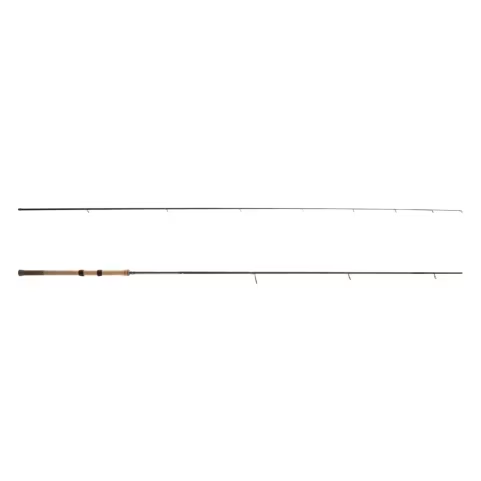
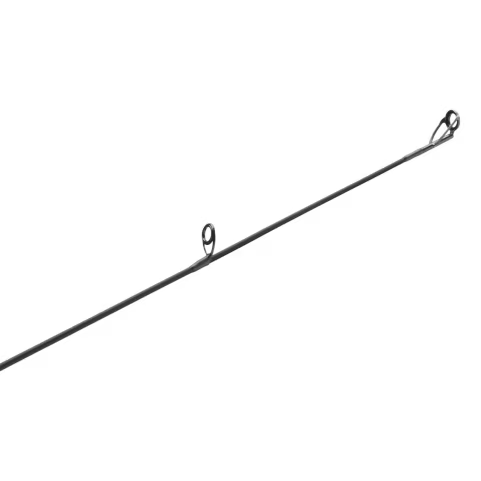
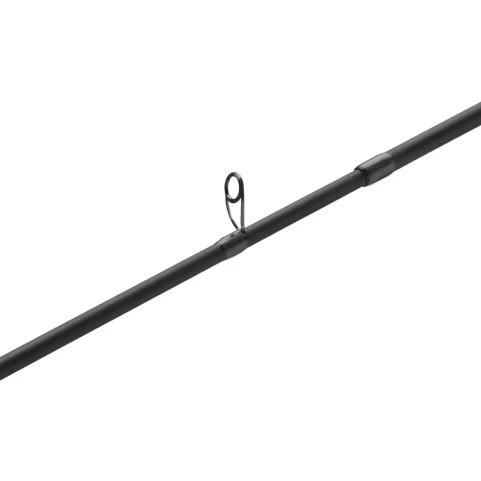
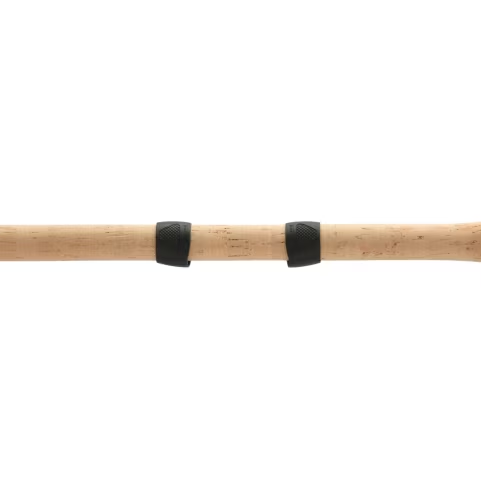
SHIMANO COMPRE SALMON/STEELHEAD CENTERPIN ROD
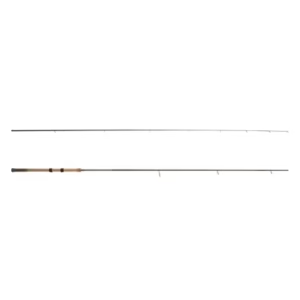
Experience Greater Control with a Salmon and Steelhead Fishing Rod
Precision, balance, and dependable performance are essential when fishing for salmon and steelhead in moving water. For anglers who appreciate a traditional float-fishing approach, the Shimano Compre Salmon/Steelhead Centerpin Rod offers a specialized option for building a controlled, enjoyable fishing experience.
Designed for anglers who value presentation and line management, this rod is suited to the unique demands of centerpin fishing. Whether you’re working a flowing river, exploring a familiar stretch of water, or preparing for a new seasonal fishing opportunity, the right equipment can make every outing more rewarding.
Moreover, selecting a rod that complements your reel, fishing line, and preferred float setup can help create a more balanced system. As a result, anglers can focus on reading the current, tracking their floats, and responding confidently when a fish takes the bait.
Why Choose the Shimano Compre Salmon/Steelhead Centerpin Rod?
Built Around the Centerpin Fishing Experience
Centerpin fishing is appreciated for its natural presentation and direct connection with the current. Unlike approaches that rely heavily on casting and retrieving, this technique allows a float and bait to travel with the flow of the river.
Consequently, rod selection plays an important role in managing line, controlling the float, and responding to changing water conditions. A suitable centerpin rod can help anglers maintain a comfortable fishing position while adjusting their presentation throughout a drift.
The Compre Salmon/Steelhead series is associated with salmon and steelhead applications. However, the exact specifications of this particular centerpin model should be checked against the manufacturer’s product listing before purchase.
Designed for Dedicated Salmon and Steelhead Anglers
Salmon and steelhead fishing can involve changing currents, varying water depths, and unpredictable fish movements. Therefore, equipment should be selected according to the water being fished and the size of the fish being targeted.
A purpose-selected rod can support a more consistent approach to float fishing. In addition, matching the rod with an appropriate centerpin reel and suitable line can help improve handling and make long sessions more comfortable.
Whether you’re refining your river-fishing technique or expanding your existing tackle collection, choosing equipment suited to your preferred method is an important step toward a more enjoyable day on the water.
Key Features and Product Benefits
The following benefits explain the qualities anglers should consider when evaluating this rod and assembling a suitable centerpin setup.
- Salmon and steelhead application: Intended for anglers interested in targeting these popular freshwater sport fish.
- Centerpin fishing compatibility: Selected for anglers who prefer float fishing with a centerpin-style reel.
- Presentation-focused fishing: Supports a fishing approach in which natural float movement and controlled drifts are important.
- Versatile river-fishing applications: Suitable applications should be confirmed against the manufacturer’s recommended line and lure specifications.
- Customizable tackle setup: Can be paired with compatible fishing line, floats, terminal tackle, and other accessories.
- Angler-focused performance: Helps you choose equipment around your fishing technique, preferred waters, and personal handling preferences.
Please verify the exact rod length, power, action, handle configuration, line rating, and model number before listing these specifications as confirmed product features.
Understanding Centerpin Fishing
What Makes Centerpin Fishing Different?
Centerpin fishing is a popular technique among anglers who pursue salmon and steelhead in rivers and streams. The method commonly involves a centerpin reel, a long fishing rod, a float, and a carefully balanced terminal setup.
The float is allowed to travel naturally downstream while the angler manages the line. In turn, this can provide a presentation that follows the movement of the current rather than being continuously pulled through the water by a retrieve.
However, success depends on more than the equipment alone. Water speed, depth, weather, fish activity, and bait presentation can all influence the outcome. Learning to recognize these conditions can help anglers make better adjustments throughout a fishing session.
Why Rod Selection Matters
A centerpin rod should complement the reel and fishing technique being used. Its length, action, power, and overall balance can influence casting comfort, line control, float management, and fish handling.
For example, anglers fishing wider rivers may prioritize reach and line management, while those working narrower stretches may prefer equipment that suits restricted casting space.
Similarly, the intended line rating and rod power should be considered when targeting different fish sizes and fishing environments. Rather than choosing equipment based on appearance alone, compare the manufacturer’s specifications with your regular fishing conditions.
Fishing for Salmon and Steelhead with Confidence
Adapt to Changing River Conditions
River conditions can change throughout the day. Rainfall, seasonal water levels, current speed, and water clarity may affect where fish hold and how a float travels.
Therefore, an effective fishing setup should allow adjustments to float depth, weight distribution, and presentation. Paying attention to the drift can also help reveal whether the bait is moving naturally through the target area.
Additionally, choosing suitable tackle for the conditions can make the overall experience more manageable. A well-matched setup allows you to concentrate on reading the water rather than continually compensating for equipment that does not suit your technique.
Improve Float Presentation
Natural presentation is one of the main attractions of centerpin fishing. A properly balanced float should travel in a way that reflects the current while remaining visible enough for the angler to monitor.
Line management is equally important. Excessive drag, poor depth selection, or an unsuitable float can interfere with a natural drift. Consequently, small adjustments may improve presentation and help you identify when a fish interacts with the bait.
With practice, anglers can develop a better understanding of how current speed, line control, and tackle selection work together.
Building a Balanced Centerpin Setup
Pairing Your Rod with a Centerpin Reel
The reel is an essential component of a centerpin fishing system. Before purchasing, confirm that your selected reel and rod are appropriate for the intended application and can be used comfortably together.
A balanced setup can help reduce unnecessary fatigue during extended sessions. Furthermore, appropriate reel capacity and smooth line management can support consistent fishing throughout a drift.
Choosing the Right Fishing Line
Fishing line should be selected according to the rod’s specifications, the reel, the water conditions, and the fish being targeted.
Line strength alone should not determine your choice. Diameter, visibility, knot strength, abrasion resistance, and handling characteristics may also affect performance.
Always consult the manufacturer’s recommended line range for the exact rod model. This helps ensure that your setup is appropriate for your preferred technique.
Selecting Floats and Terminal Tackle
Float size and weight distribution should be matched to the current and fishing depth. A float that is suitable for slower water may behave differently in a fast-moving river.
Likewise, hooks, leaders, weights, and bait should be selected according to the target species and applicable local fishing regulations.
By coordinating these components, anglers can develop a more consistent presentation without making unnecessary changes to their equipment.
Who Should Consider This Rod?
The Shimano Compre Salmon/Steelhead Centerpin Rod may be worth considering for:
- Experienced centerpin anglers looking for equipment suited to their established river-fishing technique.
- Salmon fishing enthusiasts assembling a setup for appropriate freshwater environments.
- Steelhead anglers who prefer controlled float presentations.
- Tackle enthusiasts comparing specialized rods for different fishing methods.
- Anglers upgrading their equipment who want to compare rod specifications before choosing their next setup.
Newcomers can also benefit from learning the fundamentals of centerpin fishing before investing in a complete system. Understanding reel operation, float control, and river safety can make the learning process more productive.
How to Choose the Right Fishing Rod
Consider Your Fishing Location
Start by identifying the waters you fish most often. River width, current speed, depth, obstacles, and access to casting space can influence which rod characteristics are most useful.
Next, consider the species you intend to pursue and the typical size of the fish in your chosen waters. These factors can help narrow the available options.
Review the Technical Specifications
Before ordering, compare the exact product listing with your requirements. Important details include:
- Rod length and number of sections.
- Rod power and action.
- Recommended line rating.
- Lure or casting-weight rating, if applicable.
- Handle style and reel-seat configuration.
- Manufacturer model number and warranty terms.
These specifications should be confirmed for the precise product variant rather than assumed from the wider product family.
Care and Maintenance for Long-Term Use
Clean and Inspect Your Equipment
After fishing, remove dirt and moisture using suitable cleaning methods recommended by the manufacturer. Pay particular attention to the guides, handle, reel seat, and joints.
Additionally, inspect the rod for visible damage before storing it. Small issues are easier to identify when the equipment is cleaned and checked regularly.
Store Your Rod Properly
Store the rod in a dry location away from excessive heat and direct sunlight. A suitable protective case can help reduce the risk of scratches, impacts, and accidental damage during transport.
When assembling or separating rod sections, follow the manufacturer’s instructions and avoid applying excessive force.
Regular care can help preserve the condition of your equipment and support reliable use across future fishing trips.
Make Your Next Fishing Trip Count
Choosing fishing equipment should be about more than selecting a recognizable name. The best setup is one that suits your preferred technique, the water you fish, and the experience you want to create.
The Shimano Compre Salmon/Steelhead Centerpin Rod is a product to consider when comparing specialized options for float fishing. By reviewing the precise specifications and pairing the rod with compatible tackle, you can make a more informed purchasing decision.
Explore the product details, compare your setup requirements, and prepare for your next salmon or steelhead fishing adventure with equipment selected around your needs.
Frequently Asked Questions
What is a centerpin fishing rod used for?
A centerpin rod is commonly used with a centerpin reel for float fishing in rivers and streams. This method allows anglers to manage line and guide a float naturally with the current.
Is this rod suitable for salmon fishing?
The product name identifies salmon and steelhead applications. Nevertheless, the exact rod specifications should be checked to determine whether a particular model suits your target species and fishing conditions.
Can beginners use a centerpin rod?
Yes. Beginners can learn centerpin fishing with appropriate instruction and practice. However, learning to control the reel, manage line, and maintain a natural float drift may require time and patience.
Which reel should be paired with this rod?
Choose a compatible centerpin reel that balances comfortably with the rod. Check the manufacturer’s specifications and ensure that the reel suits your intended line and fishing method.
What should I check before purchasing?
Confirm the model number, rod length, power, action, line rating, construction, availability, shipping details, and warranty conditions. Checking these details helps ensure that the selected product matches your requirements.
Final Thoughts
A suitable fishing rod can help bring together the different elements of a successful river-fishing setup. By prioritizing compatibility, presentation, and comfort, anglers can select equipment that supports their individual approach to salmon and steelhead fishing.
Review the manufacturer’s specifications for the exact Shimano Compre Salmon/Steelhead Centerpin Rod model, then choose compatible tackle for your preferred waters. With careful preparation and consistent practice, every fishing trip becomes an opportunity to refine your skills and enjoy more time on the river.
SHIMANO COMPRE SALMON/STEELHEAD CENTERPIN ROD
Discover More Possibilities with Specialized River Fishing Tackle
A Thoughtful Choice for Float Fishing
River fishing often requires a combination of patience, observation, and carefully selected equipment. For anglers who enjoy following a float through a current, a specialized rod can become an important part of their overall approach.
The Shimano Compre Salmon/Steelhead Centerpin Rod can be considered when comparing equipment intended for this style of fishing. However, the exact specifications of the model being sold should always be reviewed before purchase.
Moreover, choosing equipment that suits your fishing environment can help you spend less time adjusting an unsuitable setup and more time concentrating on the water. From selecting the appropriate float to managing line throughout a drift, each component has a role to play.
Focus on Comfort and Practical Handling
Long fishing sessions can place demands on an angler’s hands, arms, and shoulders. Therefore, overall balance and comfortable handling deserve attention when selecting a rod.
The reel, line, terminal tackle, and rod should work together as a complete system. When these components are appropriately matched, the equipment can feel more manageable during repeated casts and extended periods of float control.
Additionally, your preferred fishing position should influence the decision. Anglers fishing from open riverbanks may have different requirements from those working around vegetation, rocks, or other obstacles.
Understanding Rod Length, Power, and Action
Why Rod Length Matters
Rod length can influence casting clearance, line control, and the ability to manage a float at different distances. A longer rod may provide useful reach in certain environments, whereas a shorter option may be easier to handle in confined spaces.
Nevertheless, the best choice depends on the water being fished and the angler’s individual technique. River width, bank access, overhanging branches, and current speed should all be considered.
Before purchasing, verify the exact length of the selected product variant rather than relying on assumptions based on the product family.
Understanding Rod Power
Rod power describes the general resistance of a rod when pressure is applied. Fishing rods are commonly categorized using terms such as light, medium, medium-heavy, and heavy.
The appropriate power depends on the intended species, fishing line, tackle, and conditions. For salmon and steelhead applications, these considerations can be especially important because fish size and water conditions may vary significantly.
Consequently, the manufacturer’s recommendations should be used when determining whether a specific model matches your intended fishing method.
Understanding Rod Action
Rod action generally describes where a rod bends under load. Fast-action rods tend to bend closer to the tip, while moderate and slower actions distribute more of the bend along the blank.
These characteristics can affect how a rod responds during casting, hook setting, and fish handling. However, action should not be selected in isolation; it should be considered alongside rod power and the intended application.
For the most suitable result, review the specifications of the exact model before choosing your setup.
Improve Your Approach to Steelhead Fishing
Learn to Read the Current
Steelhead fishing often involves identifying likely holding areas and presenting bait or other permitted offerings naturally. Changes in depth, current speed, water temperature, and available cover can influence where fish may be encountered.
For example, deeper runs, current seams, and transitions between faster and slower water may deserve attention. Nevertheless, fish locations change with conditions, so observation and experimentation remain essential.
A controlled float presentation can help you explore different sections of a river. By adjusting the depth and monitoring the drift, you can develop a clearer understanding of how your setup behaves.
Maintain Consistent Line Control
Line management is an important part of centerpin fishing. Excess line drag can affect float speed, while insufficient control may make it more difficult to respond to a take.
Accordingly, anglers should practice managing line while keeping the float moving naturally. Small corrections may help maintain a more consistent presentation, particularly when the current changes across the fishing area.
Experience can also improve your ability to recognize unusual float movements. With practice, you may become more confident in distinguishing ordinary changes in the current from potential bites.
Prepare for Salmon Fishing Conditions
Adapt Your Tackle to the Environment
Salmon fishing conditions can differ widely between rivers, seasons, and fishing locations. Water clarity, flow, depth, and local regulations should influence your choice of tackle.
A setup that performs well in one location may require adjustments elsewhere. Therefore, it is helpful to prepare suitable floats, leaders, weights, and other accessories before leaving for the river.
Furthermore, all equipment should be matched to the manufacturer’s recommendations. This helps you avoid relying on assumptions about line capacity, rod power, or the capabilities of a particular model.
Practice Responsible Fish Handling
Responsible fishing practices contribute to the long-term enjoyment of the sport. Where catch-and-release fishing is practiced or required, appropriate handling techniques can help reduce unnecessary stress on fish.
Use suitable tackle, keep fish in the water whenever practical, and minimize handling time. Barbless hooks may also be appropriate or required under local rules.
Always check regional fishing regulations, seasonal restrictions, licensing requirements, and any applicable limits before fishing.
Create a More Complete Centerpin Fishing Setup
Select the Right Float
Floats are available in different shapes, sizes, and buoyancy ratings. The choice should reflect current speed, water depth, terminal tackle weight, and the visibility required under the conditions.
A float that is too large or too small for the situation may be more difficult to control. Therefore, consider carrying a selection of suitable options when fishing unfamiliar water.
Choose Suitable Leaders and Hooks
Leader material, hook size, and terminal tackle should be selected according to the intended presentation and target species. Water clarity and the presence of rocks or other abrasive surfaces may also influence leader selection.
Rather than choosing the strongest available line automatically, consider the full setup and the manufacturer’s recommendations. A balanced arrangement can help support consistent performance without unnecessary compromises.
Keep Essential Accessories Available
A well-organized tackle collection can make fishing more convenient. Depending on your location and technique, useful accessories may include:
- Appropriate fishing floats.
- Compatible fishing line and leaders.
- Suitable hooks and terminal tackle.
- Line cutters and other basic tools.
- A landing net appropriate for the target species.
- Polarized fishing sunglasses for glare reduction.
- A protective rod case for storage and transportation.
The exact items required will depend on your fishing method, local regulations, and personal preferences.
Buying Considerations for the Shimano Compre Series
Confirm the Exact Product Variant
Before placing an order, check the complete product name and model number. Similar names within a rod family may refer to different techniques, configurations, or specifications.
For this reason, a centerpin model should not automatically be treated as interchangeable with a spinning, casting, trolling, or mooching version.
Confirm the listing carefully and contact the seller if any product details are unclear.
Review Product Condition and Availability
If you’re purchasing online, verify whether the item is new, used, or otherwise classified by the seller. Product photographs, included accessories, packaging, and stated condition should match the listing.
Additionally, check the seller’s shipping policy, estimated delivery timeframe, return eligibility, and warranty information before completing the transaction.
These steps can help you make a more informed purchase and avoid confusion after your order has been placed.
Compare Value Rather Than Price Alone
The lowest price does not always represent the best overall value. Product condition, suitability, seller reliability, warranty coverage, and shipping costs may all affect the final decision.
Consequently, compare the complete offer rather than focusing on the displayed price alone. A product that matches your requirements and comes with clear purchasing terms may be a more appropriate choice than an alternative that lacks important details.
Frequently Asked Questions About Centerpin Fishing
Is a centerpin setup suitable for river fishing?
Yes. Centerpin equipment is commonly used for river float fishing, where a controlled drift is an important part of the technique. Suitability depends on the particular rod, reel, and fishing conditions.
Can I use this rod with any centerpin reel?
Compatibility should be confirmed before purchasing. Consider the reel-seat configuration, overall balance, line requirements, and manufacturer’s recommendations to ensure the components work together appropriately.
What line should I use?
The correct line depends on the exact rod specifications, target species, water conditions, and fishing technique. Always follow the recommended line rating provided for the specific model.
Does rod action affect fish handling?
Yes. Rod action can influence how pressure is distributed along the blank and how the rod responds during a fight. However, action should be considered together with power, line selection, and the intended application.
Is a centerpin rod different from a spinning rod?
Yes. Centerpin rods are designed for use with centerpin-style reels and the techniques commonly associated with them. Spinning rods are designed for spinning reels, and the two types should not be assumed to have interchangeable reel-seat or performance characteristics.
What should I bring for a day of float fishing?
A suitable rod and reel, compatible line, floats, terminal tackle, appropriate clothing, and essential safety equipment are a useful starting point. A landing net and basic tools can also be helpful.
Make an Informed Choice for Your Next Fishing Adventure
Selecting fishing tackle is a personal decision shaped by experience, location, technique, and budget. By comparing specifications and considering how each component will be used, you can develop a setup that better reflects your needs.
The Shimano Compre Salmon/Steelhead Centerpin Rod is worth evaluating if you’re looking for equipment associated with salmon and steelhead float fishing. Before purchasing, verify the exact model details, compatibility, and seller terms.
Ultimately, a suitable setup should support comfortable handling, controlled presentation, and responsible fishing practices. With thoughtful preparation and continued practice, you can make each trip an opportunity to learn, improve, and enjoy your time on the water.
Final Product Summary
The Shimano Compre Salmon/Steelhead Centerpin Rod is intended for anglers researching specialized equipment for salmon and steelhead fishing. Centerpin techniques emphasize controlled line management and natural float presentation, making equipment compatibility an important part of the selection process.
Before ordering, confirm the exact model number, length, power, action, line rating, and configuration. These details should be verified against the manufacturer’s information or the specific retailer listing to ensure an accurate product description.
Choose your equipment according to your preferred fishing conditions, and prepare for your next river adventure with a setup that meets your individual requirements.
Premium Fishing Tackle, Fishing Rods, Reels, Lures, and Saltwater Fishing Gear
Discover Quality Fishing Equipment for Every Fishing Adventure
Finding the right fishing equipment can make every trip more enjoyable, whether you are targeting striped bass along the surf, exploring inshore waters, fishing from a boat, or pursuing freshwater species in your favorite lake. With the right combination of fishing rods, reels, braided lines, lures, and accessories, anglers can build a setup that matches their fishing style and personal preferences.
Our fishing tackle collection is designed to help anglers explore equipment for different techniques, experience levels, and fishing environments. From dependable spinning reels and powerful conventional fishing reels to specialized surf rods and carefully selected artificial baits, there are plenty of options to consider when upgrading your tackle.
Whether you are searching for a surf spinning rod, a reliable saltwater reel, weedless swimbaits, or premium custom fishing rods, choosing equipment that suits your intended application is an important part of preparing for your next fishing adventure.
The modern fishing market offers an impressive variety of manufacturers and product designs. Anglers can compare equipment from Shimano, Daiwa, Penn, Avet, Accurate, Phenix, G. Loomis, Okuma, Berkley, Tsunami, Century, and Dark Matter, among other established fishing tackle brands. Each product category offers different features, allowing anglers to select equipment based on target species, casting distance, lure weight, line capacity, drag requirements, and fishing conditions.
In addition, the right accessories can make a fishing setup more practical and enjoyable. Braided fishing line, fishing knives, surf belts, cast nets, terminal tackle, and specialized lures can all contribute to a more organized approach on the water.
Explore the possibilities, compare the available options, and build a fishing setup that supports the way you prefer to fish.
Explore Our Fishing Rod Collection
Saltwater Surf Fishing Rods
Surf fishing requires equipment that can handle repeated casting, changing coastal conditions, and the demands of targeting fish from beaches, jetties, and rocky shorelines. Selecting suitable saltwater surf fishing rods involves considering rod length, power, action, lure rating, line rating, and the size of the fish you intend to pursue.
A longer rod may help provide additional casting distance when paired with an appropriate reel, line, and casting technique. Meanwhile, a shorter rod can offer greater control in confined spaces or situations where precise presentations are important.
The Tsunami Airwave surf rod is one option anglers may consider when comparing surf fishing equipment. Likewise, the Shimano Speedmaster surf spinning rod can be included in a comparison of surf-oriented tackle. Anglers exploring specialized designs may also investigate Dark Matter surf spinning rods, including models developed for different surf fishing applications.
Century fishing rods are another category worth exploring for anglers comparing premium surf fishing equipment. Depending on the specific model, rod construction and design characteristics may appeal to anglers who prioritize casting performance, sensitivity, or control.
When selecting a surf rod, consider the conditions in which you fish most frequently. Open beaches, inlet currents, jetties, and rocky shorelines can require different equipment characteristics. A rod suitable for casting heavier plugs may not be the ideal choice for presenting lighter lures.
Important surf rod selection factors include:
- Rod length: Choose a length that suits your casting technique and fishing location.
- Power rating: Match rod power to the target species and the weights you expect to cast.
- Action: Consider how the blank bends under load and how it responds during casting and hook setting.
- Lure rating: Keep your intended lures and weights within the manufacturer’s recommended range.
- Reel compatibility: Pair the rod with a reel that balances comfortably and supports your preferred line capacity.
- Construction: Compare materials, guides, grips, and overall build quality.
- Fishing environment: Account for surf, wind, current, rocks, and other conditions that influence equipment selection.
By comparing these factors, anglers can make a more informed choice when shopping for a surf spinning rod or upgrading an existing coastal fishing setup.
Dark Matter Fishing Rods for Specialized Applications
Dark Matter fishing rods provide another product category for anglers researching specialized saltwater tackle. Different rod families are designed around different techniques, so reviewing the individual model specifications is important before making a purchase.
The Dark Matter Fishaholic rod is a relevant search for anglers exploring Fishaholic-branded fishing equipment. Related searches include Fishaholic Dark Matter, Dark Matter rod, and Dark Matter fishing rod. These phrases can help shoppers locate the relevant product family and compare available configurations.
Anglers interested in inshore applications can also explore Tsunami SaltX II inshore spinning rods and Dark Matter SPS inshore travel spinning rods. Inshore fishing may involve casting artificial lures around marshes, channels, bridges, docks, and other structures. A suitable rod should provide a useful balance of casting control, sensitivity, and power for the target species.
Travel spinning rods can be particularly useful for anglers who need compact transportation options. However, portability should be evaluated alongside the rod’s length, action, power, and intended fishing applications.
For anglers who regularly target striped bass, Dark Matter OB surf spinning rods and Dark Matter surf spinning rods are additional search terms to explore when comparing specialized surf equipment. The best option depends on the specific model specifications and the fishing conditions for which it was designed.
Dark Matter Fishaholic Pulsar Popper
Surface lures can add an exciting dimension to saltwater fishing. A popper creates surface disturbance through its shape and movement, potentially attracting predatory fish that are feeding near the top of the water column.
The Dark Matter Fishaholic Pulsar Popper is a product-specific search worth considering for anglers interested in topwater presentations. When choosing a popper, consider its size, weight, casting characteristics, hooks, and the conditions in which you expect to use it.
Topwater fishing is especially dependent on fish activity, water conditions, and the type of forage available. Experimenting with retrieve speed, pauses, and directional changes can help you discover which presentation works best on a particular day.
Phenix Fishing Rods and Phenix Black Diamond
Anglers looking for specialized rod designs may also compare Phenix fishing rods and the Phenix Black Diamond series.
When evaluating a rod, examine the intended application rather than relying on brand name alone. Some rods are designed around particular fishing techniques, line ratings, lure weights, or target species. Reviewing those specifications can help determine whether a model suits your existing reel and fishing style.
Consider the type of water you fish, the weight of the lures you use, and the amount of casting or fighting power required. A rod selected for one technique may perform differently when used for another.
G. Loomis IMX-Pro Blue Casting and Spinning Rods
Specialized fishing techniques often benefit from equipment selected for the demands of a particular presentation. Anglers researching G. Loomis IMX-Pro Blue casting models may be comparing rods for applications that use conventional or baitcasting reels.
Meanwhile, G. Loomis IMX-Pro Blue spinning models are relevant to anglers who prefer spinning tackle. These two configurations should not be treated as interchangeable, since reel-seat design, guide layout, and intended use may differ.
When comparing casting and spinning rods, review the manufacturer’s specifications, including power, action, line rating, lure rating, and recommended fishing applications. A well-matched combination can help provide better control and a more comfortable fishing experience.
Shimano Grappler and Other Specialized Rods
Shimano offers a broad range of fishing tackle for different environments and techniques. Anglers searching for the Shimano Grappler family may be investigating equipment for specialized saltwater applications.
The correct model depends on whether the intended technique involves jigging, casting, boat fishing, or another application. Always review the exact model description before selecting a rod.
For anglers comparing different rod categories, it is useful to distinguish between inshore spinning rods, surf rods, jigging rods, casting rods, and conventional boat rods. Each category is built around different fishing demands, and the appropriate choice will depend on the equipment you already own and the fish you intend to target.
Dark Matter Jigging Rods
Jigging involves presenting a weighted lure through controlled movements, often at varying depths. The technique can require equipment capable of managing repeated lure movements and responding to changes in tension.
Dark Matter jigging rod is a useful search phrase for anglers exploring this category. When comparing jigging rods, evaluate the recommended jig weight, rod power, action, line rating, and compatibility with your preferred reel.
A rod intended for light inshore jigging may have different characteristics from one designed for heavier offshore applications. Matching the rod to the depth, current, lure weight, and target species is essential.
Choose the Right Fishing Reel
Spinning Reels for Versatile Fishing
Spinning reels are popular because they are relatively straightforward to operate and can accommodate a wide variety of fishing techniques. Depending on their size and specifications, they may be used for freshwater fishing, inshore saltwater fishing, surf applications, and other situations.
Anglers searching for a Daiwa spinning reel may be comparing reel sizes, drag systems, gear ratios, construction materials, and line capacities. Similarly, Shimano offers several spinning reel families suited to different fishing requirements.
When choosing a reel, consider the rod it will be paired with, the fishing line you intend to use, and the weight of the fish you expect to encounter. A properly balanced setup can improve comfort during long fishing sessions.
Shimano Stradic Spinning Reels
The Shimano Stradic family is a relevant choice for anglers comparing established spinning reel options. Searches such as Stradic reels and Shimano Stradic 5000 reels can help narrow a search to particular reel families or sizes.
A 5000-size spinning reel may be suitable for certain heavier inshore or coastal applications, depending on the specific model and the manufacturer’s specifications. However, reel sizes are not completely standardized between manufacturers, so comparisons should be based on actual line capacity, drag performance, weight, and intended use.
When selecting a Stradic reel, check the exact model designation and confirm whether its construction and corrosion-resistance features suit your fishing environment.
Shimano Nasci 3000 and Nasci 5000
The Shimano Nasci 3000 and Nasci 5000 searches reflect two different reel-size requirements.
A 3000-size reel may be appropriate for a range of lighter inshore or general spinning applications. A 5000-size reel may provide additional line capacity and may be better suited to certain heavier setups. The ideal choice depends on the exact reel generation, rod specifications, target species, and line requirements.
Before buying, compare:
- Gear ratio and retrieve rate.
- Maximum drag specification.
- Reel weight and balance.
- Monofilament or braided line capacity.
- Saltwater suitability and maintenance requirements.
- Compatibility with your chosen rod.
Selecting the right size is more important than choosing a reel simply because it has a larger number.
Shimano Stella 2500 and Shimano Stella 5000
Anglers researching Shimano Stella 5000 or Stella 2500 may be looking for premium spinning reels for different applications.
The 2500-size category is commonly associated with lighter spinning setups, although its suitability depends on the exact model and fishing technique. The 5000-size category can be considered for heavier applications that require additional line capacity or a different balance of power and retrieve performance.
When comparing these reels, review the specific generation, model code, gear ratio, drag rating, spool capacity, weight, and available features. Those details provide a more reliable basis for comparison than reel size alone.
Shimano Sustain 3000
The Shimano Sustain 3000 is another search target for anglers comparing spinning reel options. A reel in this category may appeal to anglers who want a setup suitable for a variety of lure presentations.
Consider the intended rod, target species, line type, and fishing environment before deciding whether a particular Sustain model is appropriate. Regular cleaning and maintenance are especially important when fishing in saltwater.
Penn Battle Spinning Reels
Penn reels are frequently researched by anglers who need equipment for everyday fishing applications. Search terms such as Penn Battle spinning reel, reel Penn Battle, and Penn Battle 5 can help shoppers identify the relevant reel family.
The Penn Battle series should be evaluated by its exact model and generation, because features and specifications can differ between versions.
For a practical reel comparison, check the drag system, body construction, line capacity, gear ratio, and weight. Also consider whether the reel will be used for freshwater fishing, inshore fishing, or more demanding coastal conditions.
The Penn Battle spinning reel kit search may be useful to shoppers looking for a packaged combination. Before purchasing a kit, verify which rod, reel, line, or accessories are actually included.
Penn Slammer IV 2500
The Penn Slammer IV 2500 is another model-specific search for anglers evaluating spinning tackle. The correct reel should be selected according to the manufacturer’s specifications and the fishing technique involved.
For saltwater use, pay attention to the reel’s maintenance requirements and recommended applications. Rinse and dry equipment appropriately after exposure to saltwater, while following the manufacturer’s care instructions.
Daiwa Saltist
Anglers searching for Daiwa Saltist may be interested in spinning or conventional reel options, depending on the particular model.
Because product families can contain different reel types and sizes, confirm the exact model before comparing prices or specifications. Gear ratio, drag rating, line capacity, retrieve performance, and corrosion protection are all relevant factors.
Accurate Valiant 2 Reel
The Accurate Valiant 2 reel is a useful search phrase for anglers exploring specialized conventional fishing tackle. Accurate reels may be considered for applications that require careful attention to drag performance, line capacity, and mechanical specifications.
When comparing a particular Valiant 2 model, examine the available size, retrieve ratio, spool capacity, drag characteristics, and intended use. Compatibility with the rod and line is equally important.
Accurate Fishing Reels
Searches such as reel Accurate and accurate spinning reels may refer to different products or equipment categories. Check the precise product name before making a purchase, since the manufacturer’s product range and model designation determine the actual reel type.
For any fishing reel, selecting a model that matches the fishing technique and target species is more useful than choosing based on a broad keyword alone.
Conventional Fishing Reels for Demanding Applications
Avet JX MC Raptor and Avet LX 6/3 MC Raptor
Conventional reels are often selected for applications where line capacity, drag control, and the ability to manage heavier tackle are important.
The Avet JX MC Raptor is one model anglers may investigate when comparing conventional reel options. The Avet LX 6/3 MC Raptor is another relevant search for those evaluating different sizes and retrieve configurations.
Before selecting either model, verify the exact specifications, including line capacity, gear ratios, drag characteristics, and intended fishing applications. These details can help determine whether the reel is suitable for boat fishing, bottom fishing, or other techniques.
Avet MXJ 5.8 and Avet MXL Line Capacity
The Avet MXJ 5.8 is a model-specific search for anglers comparing conventional reels. Its suitability will depend on the exact configuration and the intended fishing application.
Likewise, Avet MXL line capacity is an important research phrase for anglers planning a reel setup. Line capacity varies with line diameter and material, so braided line and monofilament may produce different results on the same spool.
When calculating capacity, account for the line’s actual diameter, the amount of backing used, and the manufacturer’s published capacity information. Avoid assuming that two lines with the same pound-test rating occupy identical amounts of space.
Avet TRX, Avet 130 TRX, and Avet 80W TRX
Anglers exploring heavier conventional tackle may search for the Avet TRX, Avet 130 TRX, and Avet 80W TRX.
These model names should be checked carefully against the manufacturer’s official specifications. Large conventional reels are specialized pieces of equipment, and their suitability depends on the intended target species, fishing technique, line capacity, drag requirements, and rod compatibility.
For anglers comparing heavy-duty setups, it is especially important to confirm the exact model and recommended application rather than relying on the model name alone.
Penn International 20
The Penn International 20 is another model-specific search for anglers exploring conventional reel equipment.
When comparing conventional reels, consider the type of fishing you intend to do, the strength and diameter of your line, and the reel’s recommended operating range. A suitable rod and a properly configured line system are essential parts of the complete setup.
Penn Warfare Level Wind Reels
The Penn Warfare level wind reels search is relevant to anglers looking for conventional reel configurations with a level-wind mechanism.
Level-wind systems help guide line across the spool during retrieval. This feature can be useful for anglers who prefer the convenience of guided line distribution, although reel selection should also account for capacity, drag performance, gear ratio, and the intended technique.
Penn Jigmaster 500L
Anglers researching the Penn Jigmaster 500L may be comparing conventional reel options for particular fishing applications.
Before selecting a reel, verify its specifications and compatibility with your intended rod, line, and target species. Proper setup and regular maintenance can help support consistent performance.
Penn Warfare and Conventional Rod and Reel Combos
A conventional rod and reel combo can be a practical starting point for anglers who want a coordinated setup. When purchasing a combination, verify the rod length, power, action, line rating, reel specifications, and included accessories.
The ideal combination should match the intended technique. Boat fishing, trolling, bottom fishing, and other applications may call for different rod and reel characteristics.
Baitcasting Reels and Specialized Retrieve Systems
Baitcasting Reel Selection
A baitcasting reel offers a different casting experience from a spinning reel. It can provide useful control over lure presentation, especially when paired with a suitable rod and the correct line.
However, baitcasting equipment requires attention to spool tension, braking settings, lure weight, and casting technique. Beginners may need practice to reduce line overruns and improve casting consistency.
When comparing a baitcasting reel, examine the gear ratio, drag rating, spool design, braking system, handle configuration, and intended application.
Shimano Tranx 300 and Tranx 301
The Shimano Tranx 300 and reel Shimano Tranx 301 are relevant searches for anglers comparing specialized baitcasting equipment.
Although these model numbers are closely related, the exact version and retrieve orientation should be confirmed before ordering. Check the manufacturer’s specifications for line capacity, gear ratio, maximum drag, and intended fishing applications.
A suitable reel should also balance comfortably with the chosen rod and accommodate the line required for the intended fishing technique.
Maxel Hybrid 25
The Maxel Hybrid 25 is another model-specific search for anglers researching conventional fishing equipment. Verify the exact model designation, available configuration, and manufacturer specifications before making a buying decision.
Comparing reel weight, retrieve ratio, line capacity, drag performance, and rod compatibility can help determine whether the product meets your requirements.
Fishing Reels for Different Budgets
Understanding the Types of Fishing Reels
Understanding all types of fishing reels can help anglers narrow their choices and avoid purchasing equipment that does not match their technique.
The most common categories include:
- Spinning reels: Versatile reels used for many freshwater and saltwater applications.
- Baitcasting reels: Reels designed for controlled casting with compatible rods.
- Conventional reels: Often used for boat fishing, trolling, bottom fishing, and heavier applications.
- Fly reels: Designed to manage fly line and backing for fly fishing.
- Centerpin reels: Commonly used for drift presentations in suitable river-fishing situations.
- Trolling reels: Used for presenting baits or lures behind a moving boat, with the specific reel design depending on the application.
Searches such as 4 types of fishing reels, reel types fishing, and type of reels reflect the importance of understanding these categories before shopping.
The right choice depends on the technique, target species, fishing location, casting requirements, and the experience level of the angler.
Six Ball Bearing Fishing Reel
A 6 ball bearing fishing reel may appeal to shoppers comparing reels by their bearing configuration. However, bearing count alone does not determine overall reel quality or smoothness.
Other factors include bearing materials, placement, gearing, lubrication, spool design, drag performance, and manufacturing tolerances. A well-maintained reel with an appropriate design can be a better match than a reel selected solely because it has more bearings.
When comparing products, look at the complete specification sheet and consider the type of fishing for which the reel was developed.
Cheap Reels for Fishing and Spinning Reel Clearance Sale
Anglers working within a budget can search for cheap reels for fishing, a spinning reel clearance sale, or a fishing rod on sale to compare available offers.
Price should be considered alongside durability, intended use, warranty information, and compatibility with existing equipment. An inexpensive reel may be suitable for occasional use or a particular technique, while frequent saltwater fishing may justify a more specialized model.
Before purchasing discounted tackle, check the exact model, condition, included components, shipping terms, and return policy.
Likewise, a spinning rod sale can be an opportunity to upgrade equipment, provided that the rod’s specifications match the intended reel, line, and lure weights.
Braided Fishing Line for Reliable Setup Planning
Power Pro Spectra Braided Line
Fishing line is an essential component of any setup, affecting casting performance, sensitivity, line capacity, and the way the equipment responds under load.
Power Pro Spectra braided line is a relevant search for anglers comparing braided fishing lines. Braided line is often chosen for its relatively small diameter for a given breaking-strength rating, low stretch, and sensitivity.
However, actual performance depends on the specific product, line diameter, knot selection, spool configuration, and fishing conditions.
When choosing braided line, consider the target species, expected structure, casting requirements, drag setting, and the manufacturer’s recommended applications.
Power Pro V2 Braid and Power Pro Super Slick
The Power Pro V2 braid and Power Pro Super Slick searches may help anglers locate particular braided-line products.
Different braid constructions can produce different surface characteristics and handling behavior. Therefore, compare the exact product specifications rather than assuming all braided lines perform identically.
Useful factors to consider include:
- Breaking strength: Select a rating suitable for the intended application.
- Line diameter: Consider spool capacity and casting requirements.
- Abrasion resistance: Account for rocks, docks, vegetation, and other potential hazards.
- Knot compatibility: Choose suitable knots and test them before fishing.
- Casting behavior: Consider the lure weight, rod guides, and casting technique.
- Maintenance: Inspect line regularly and replace damaged sections when necessary.
Power Pro 80lb Braid
The Power Pro 80lb braid search is relevant to anglers investigating heavier braided-line options.
An 80-pound rating may be appropriate for certain demanding applications, but it is not automatically the best choice for every saltwater setup. Line diameter, reel capacity, rod rating, leader strength, drag setting, and the target species must all be considered together.
The goal is to build a balanced system in which the rod, reel, main line, leader, and terminal tackle work together as intended.
Artificial Fishing Lures for Different Techniques
Weedless Swimbaits
Weedless swimbaits can be useful when fishing around vegetation, submerged structure, and other areas where exposed hooks may collect debris or become snagged.
These lures imitate swimming baitfish and are available in a variety of sizes, colors, body shapes, and rigging styles. Their effectiveness depends on the target species, water clarity, forage, retrieve speed, and presentation.
When selecting a weedless swimbait, consider the following:
- Body size and profile.
- Tail action and swimming movement.
- Hook size and rigging compatibility.
- Weight and sink rate.
- Water depth and current.
- Vegetation density and structure.
- Target species and available forage.
A properly matched swimbait can be retrieved steadily, paused, or worked with changes in speed to explore different presentations.
Yamamoto Senko and Senko’s
The Yamamoto Senko is a relevant search for anglers exploring soft-plastic bait options. Searches for Senko’s may also be used by shoppers looking for related products and rigging ideas.
Soft-plastic stickbaits can be presented in several ways, including weightless rigs and suitable weighted configurations. The right method depends on water depth, vegetation, current, and the behavior of the fish.
When choosing soft plastics, consider color, size, sink rate, hook compatibility, and whether the bait will be used around open water or cover.
Berkley PowerBait Trout Bait
Berkley PowerBait Trout Bait is a product-specific search for anglers interested in trout fishing. PowerBait products are available in different formulations and colors, so the exact package and intended application should be verified before purchase.
Trout fishing methods vary according to the waterbody, regulations, fish behavior, and fishing conditions. Always follow local rules concerning bait use, hooks, and permitted fishing methods.
When shopping for trout bait, compare the package size, color, formulation, storage requirements, and manufacturer instructions.
Power Bait for Freshwater Fishing
The broader search term power bait may refer to a range of bait products used by anglers targeting freshwater species.
Choosing bait involves considering the fish species, water conditions, local regulations, and the presentation method. For trout fishing in particular, anglers should verify whether the selected bait is permitted in the waterbody they intend to fish.
A suitable bait, matched with an appropriate rod, reel, hook, and line, can help anglers prepare for a more organized fishing trip.
Super Strike Needlefish
The Super Strike Needlefish is a relevant search for anglers interested in specialized saltwater plug fishing.
Needlefish-style lures can be used in different surf and coastal situations, depending on the model and the target species. Their presentation can be adjusted through retrieve speed, pauses, and positioning relative to the current.
When choosing a needlefish plug, review its size, weight, hook configuration, and recommended application. Conditions such as wind, surf, current, and baitfish activity can influence lure selection.
Super Strike Lure and Plug Lure Selection
The broader terms Super Strike lure and plug lure can help anglers explore hard-bodied artificial baits for different fishing conditions.
Plugs are available in floating, sinking, diving, and surface-oriented designs. Each type produces a different presentation, so the appropriate choice depends on where fish are feeding and how the lure needs to move through the water.
Consider these lure characteristics when comparing products:
- Running depth and buoyancy.
- Casting distance and aerodynamic design.
- Hook configuration and replacement options.
- Body profile and swimming action.
- Color and visibility in different water conditions.
- Compatibility with the rod, reel, and line.
- Intended target species and fishing environment.
Breachway Bomber Fishing Lure
The Breachway Bomber fishing lure search is relevant to anglers researching plugs for coastal fishing situations.
When selecting a lure for a breachway or inlet, consider current speed, water depth, baitfish activity, and the way the lure behaves during the retrieve. A lure that works effectively in calm water may require a different presentation when the current becomes stronger.
Confirm the exact product name, size, color, and model specifications before purchasing.
Nomad Fishing Lures
Nomad fishing lures is another useful search for anglers comparing artificial baits for saltwater and other fishing applications.
Different lure designs are intended for different depths, speeds, and target species. Review each model’s recommended use, weight, swimming characteristics, and hardware configuration before making a selection.
Having several lure styles available can help anglers adapt to changing conditions without relying on a single presentation.
Dark Matter John Skinner Swing Hook Striped Bass Bucktails
Bucktail jigs are widely used in striped bass fishing and can be presented through different depths and retrieve styles.
The Dark Matter John Skinner Swing Hook striped bass bucktails search is relevant to anglers researching specialized bucktail configurations. Before ordering, verify the available weight, hook arrangement, color, and intended application for the exact product.
Bucktail selection often depends on current strength, depth, wind, and the size of the forage being imitated. Lighter jigs may suit shallower or slower conditions, while heavier models may be useful when additional depth or control is needed.
Always select a weight that is appropriate for your rod and line ratings.
Andrus Jetty Caster
The Andrus Jetty Caster is a model-specific search for anglers exploring fishing lures suited to coastal applications.
When comparing jetty-oriented tackle, consider the depth, current, structure, and casting distance required at your fishing location. Match the lure to the rod’s recommended casting range and use appropriate knots and leader materials.
A carefully selected lure can help anglers explore different presentations while maintaining control around structure.
Pork Rind for Fishing
Pork rind for fishing is a traditional search term associated with bait and lure presentations. Its suitability depends on the type of lure, target species, local availability, and fishing regulations.
When using any bait or lure accessory, follow the manufacturer’s instructions and applicable local rules. Proper storage and handling can also help maintain the condition of fishing products between trips.
Wooden Pike
The search phrase wooden pike may refer to a particular lure, a wooden pike-style bait, or another product name. Confirm the exact intended product before purchasing, particularly when comparing lure dimensions, buoyancy, and intended target species.
For wooden lures, examine the construction, finish, hardware, hook arrangement, and recommended application. The material alone does not determine how a lure will perform.
Fishing Accessories and Essential Tackle
Accessories to Fishing Rods
The right accessories to fishing rods can help anglers organize equipment, protect tackle, and prepare for different fishing situations.
Useful accessory categories may include rod holders, protective rod sleeves, replacement guides, rod straps, line, leaders, lure storage, terminal tackle, and suitable cleaning supplies.
Before purchasing an accessory, verify that it fits the rod or reel you own. Compatibility matters, particularly for rod holders, replacement components, and transport equipment.
Betts’ Hi Tider Cast Net
The Betts’ Hi Tider cast net search is relevant to anglers exploring cast nets for appropriate bait-catching applications.
Cast net selection depends on mesh size, net diameter, weight distribution, local regulations, and the type of baitfish being targeted. Anglers should check local restrictions before using a cast net, as permitted methods and species can vary by location.
Proper throwing technique and safe handling can improve control and help reduce tangles.
Surf Belt
A surf belt can help organize selected surf fishing accessories and provide convenient access to tools while fishing from shore.
Depending on the design, a surf belt may accommodate pliers, lure storage, clips, or other equipment. Check its dimensions, fastening system, material, and accessory compatibility before purchasing.
For surf fishing, prioritize secure storage and avoid carrying unnecessary items that may interfere with movement or casting.
Dexter Serrated Knife and Bubba Knife
A suitable fishing knife can be a useful tool for anglers who need to prepare bait or handle fish where legally permitted.
The Dexter serrated knife and Bubba knife searches can help shoppers compare fishing and fillet knife options.
When selecting a knife, consider blade length, edge design, handle grip, corrosion resistance, sheath or storage protection, and the intended cutting task. A serrated blade may be suited to particular cutting applications, while other blade profiles may be better for different tasks.
Always handle knives carefully, keep the blade clean, and store the tool securely when it is not in use.
Shop Fishing Tackle With Confidence
Selecting the right equipment begins with understanding how and where you fish. Whether you are comparing premium reels, exploring artificial lures, upgrading a surf rod, or preparing a complete conventional setup, detailed product specifications can help you make a more informed decision.
Explore options from brands including Shimano, Daiwa, Penn, Avet, Accurate, Dark Matter, Phenix, G. Loomis, Tsunami, Berkley, Okuma, Century, and Nomad. Compare product sizes, intended applications, construction details, and compatibility with the rest of your tackle.
For anglers researching J&H Tackle, JH Tackle, J and H, or J&H Tackle Oakdale, these phrases may also help locate fishing tackle retailers and compare the equipment available through different shopping channels. Searchers looking for a fishing store Long Island or fishing stores on Long Island may want to check current business details, inventory, and location information before visiting.
Whether your next trip takes you to the surf, an inlet, a river, a lake, or offshore waters, the right equipment can help you prepare with confidence.
Build your next fishing setup around your target species, preferred technique, and fishing conditions. Compare the specifications, select compatible tackle, and get ready for your next big bite.
Complete Fishing Tackle Guide — Premium Reels, Rods, Lures, and Saltwater Accessories
Premium Fishing Reels for Freshwater and Saltwater Anglers
Choosing a fishing reel involves more than comparing prices or selecting a popular brand. Instead, anglers should consider the target species, fishing environment, line capacity, drag performance, gear ratio, and compatibility with their chosen rod. When these details are considered together, it becomes easier to build a dependable fishing setup for everyday outings and specialized fishing trips.
Whether you are researching an Accurate Valiant 2 reel, an Avet conventional reel, a Shimano spinning reel, or a Daiwa Saltist model, understanding the differences between reel categories can help you make a better purchasing decision.
Accurate Valiant 2 Reel: Features to Compare
The Accurate Valiant 2 reel is a relevant option to research when comparing specialized conventional fishing tackle. Anglers shopping in this category often prioritize mechanical reliability, drag control, spool capacity, and compatibility with their preferred fishing technique.
Before purchasing an Accurate reel, verify the exact model designation and available configuration. Specifications can differ between models, and the intended application should always be checked against the manufacturer’s information.
When evaluating a conventional reel, pay attention to:
- Drag performance: Confirm that the reel’s drag specifications suit your intended fishing application.
- Line capacity: Check the capacity for your chosen line diameter and material.
- Gear ratio: Consider how quickly line can be retrieved and how much control is required.
- Reel construction: Review the materials and maintenance requirements.
- Rod compatibility: Select a rod designed for the reel type and intended fishing method.
These factors can help anglers compare products more effectively than relying on a model name alone.
Avet JX MC Raptor for Specialized Fishing Setups
The Avet JX MC Raptor is another model worth investigating when researching conventional reels. Anglers comparing this reel should review the manufacturer’s published specifications, including gear ratios, drag characteristics, and line capacity.
Conventional reels may be suitable for several techniques, depending on their configuration. However, the correct reel should always be selected according to the intended application, the rod’s specifications, and the line requirements.
For anglers who fish regularly, routine maintenance and proper storage can also contribute to the longevity of their equipment. After saltwater use, follow the manufacturer’s cleaning and lubrication recommendations.
Avet LX 6/3 MC Raptor and Avet MXJ 5.8
The Avet LX 6/3 MC Raptor and Avet MXJ 5.8 are additional model-specific searches for anglers comparing conventional tackle.
When choosing between models, examine the exact configuration instead of assuming that similarly named reels share identical features. Line capacity, retrieve ratio, drag performance, and overall dimensions can influence the suitability of each reel.
A carefully matched conventional reel can support a balanced setup for boat fishing and other appropriate techniques. However, the best choice depends on the specific fishery and the equipment requirements of the angler.
Avet TRX and Heavy-Duty Reel Research
Anglers searching for Avet TRX, Avet 130 TRX, or Avet 80W TRX should verify the exact product information before purchasing.
Large conventional reels are designed for specialized applications, and their suitability depends on several factors, including line capacity, drag specifications, target species, and compatible rod design.
For a dependable setup, compare the reel’s specifications with the fishing conditions you expect to encounter. It is also important to consider the physical demands of handling heavier equipment during extended fishing sessions.
Daiwa Saltist Fishing Reels
Daiwa Saltist is a useful search term for anglers researching saltwater fishing tackle. The product family may include different reel configurations, so the exact model should be confirmed before comparing specifications.
When evaluating a Daiwa Saltist reel, consider its intended application, spool capacity, gear ratio, drag rating, weight, and maintenance requirements. The selected model should match the rod, line, and fishing technique.
Anglers fishing around saltwater environments should also follow the manufacturer’s recommendations for cleaning and protecting their equipment after use.
Shimano Fishing Reels for Different Fishing Techniques
Shimano Stradic 5000 Reels
Shimano Stradic 5000 reels are a relevant search for anglers exploring spinning reels for suitable inshore and coastal applications. A 5000-size reel may offer a different balance of capacity and weight from smaller spinning reels, although the exact characteristics depend on the model generation.
When selecting a Shimano Stradic, review the published line capacity, drag specifications, retrieve rate, weight, and intended use. These details can help determine whether a particular model suits your preferred fishing technique.
A properly balanced spinning setup can make repeated casting more comfortable and help maintain control when retrieving lures or fighting fish.
Shimano Stella 5000 and Stella 2500
Shimano Stella 5000 and Stella 2500 are useful model searches for anglers comparing premium spinning tackle.
A 2500-size reel may be considered for lighter applications, while a 5000-size model may suit some heavier setups. Nevertheless, reel size alone should not determine the purchase.
Before making a selection, compare the exact generation, model code, spool capacity, drag specifications, gear ratio, and weight. These characteristics should be matched to the rod, line, target species, and intended fishing environment.
Shimano Nasci 3000 and Nasci 5000 Reels
Shimano Nasci 3000 and Nasci 5000 are two useful searches when comparing spinning reel sizes.
A smaller reel may be appropriate for lighter tackle, while a larger version may provide additional capacity for certain applications. The correct choice depends on the particular reel model and the requirements of the setup.
Consider your typical lure weight, line type, casting distance, and target species. By reviewing these factors before purchasing, you can select a reel that supports your fishing technique without adding unnecessary weight.
Shimano Sustain 3000
The Shimano Sustain 3000 is another reel to investigate when comparing spinning equipment. Anglers should review the specific model’s features, dimensions, line capacity, and recommended applications before buying.
A reel that balances well with the chosen rod can provide a more comfortable fishing experience. Regular inspection of the line, spool, drag system, and handle can also help identify maintenance needs before the next outing.
Shimano Tranx 300 and Tranx 301
Shimano Tranx 300 and Shimano Tranx 301 are relevant searches for anglers investigating specialized baitcasting tackle.
Before choosing between models, verify the exact retrieve configuration and manufacturer specifications. Gear ratio, spool capacity, drag rating, and intended application should all be considered.
The correct Tranx reel should match the rod and line required for the fishing method. Anglers who frequently cast heavier lures should also pay attention to the reel’s recommended lure range and braking system.
Shimano Beastmaster and Shimano Grappler
Shimano Beastmaster and Shimano Grappler are additional brand-family searches for anglers comparing fishing equipment.
Since model families can include different configurations and applications, shoppers should identify the exact product before making comparisons. Manufacturer specifications, compatibility, and intended use are more useful purchasing criteria than the family name alone.
Whether you are upgrading a current setup or building a new one, a careful comparison can help you avoid purchasing equipment that is unsuitable for your preferred fishing technique.
Penn Fishing Reels for Everyday and Specialized Fishing
Penn Battle Spinning Reel
The Penn Battle spinning reel is a relevant choice to investigate when comparing spinning tackle for different fishing conditions.
Searches for Penn Battle 5, reel Penn Battle, and Penn Battle spinning reel kit may help shoppers identify particular models or packaged options. However, specifications and included components should always be confirmed.
When choosing a Penn Battle reel, examine the line capacity, drag system, gear ratio, weight, and intended application. These characteristics can help determine whether a model suits freshwater fishing, inshore saltwater fishing, or other appropriate uses.
Penn Slammer IV 2500
The Penn Slammer IV 2500 is a model-specific search for anglers comparing spinning reels.
Before purchasing, verify the exact product specifications and recommended application. The intended rod, line type, target species, and fishing environment should all influence your decision.
For saltwater fishing, proper equipment care is particularly important. Following the manufacturer’s cleaning and maintenance instructions can help preserve performance over time.
Penn Warfare Level Wind Reels
Penn Warfare level wind reels are relevant to anglers exploring conventional tackle with guided line distribution.
A level-wind mechanism helps direct line across the spool during retrieval. When comparing these reels, consider the mechanism, line capacity, gear ratio, drag rating, and intended application.
A conventional reel should also be matched with a compatible rod and suitable line. Together, these components help create a balanced setup for the intended fishing technique.
Penn Jigmaster 500L and Penn International 20
The Penn Jigmaster 500L and Penn International 20 are model-specific searches for anglers comparing conventional fishing equipment.
When evaluating these products, verify the exact specifications, condition, and availability. Pay attention to line capacity, reel dimensions, drag characteristics, and recommended applications.
For older or specialized reel models, confirming the precise version is especially important because specifications, replacement parts, and product availability may vary.
Daiwa Spinning Reels and Reel Selection
Choosing a Daiwa Spinning Reel
A Daiwa spinning reel can be considered for a variety of fishing applications, depending on the particular model. When comparing options, anglers should review the size, weight, gear ratio, line capacity, drag specifications, and construction.
A smaller reel may suit lighter tackle, while larger models can accommodate different line and fishing requirements. Nevertheless, the intended use should determine the selection rather than the size designation alone.
For anglers who fish in saltwater, maintenance and corrosion protection should also be considered. Following the manufacturer’s care instructions can help maintain the reel’s condition between trips.
Understanding All Types of Fishing Reels
Understanding all types of fishing reels makes it easier to select equipment that matches a preferred fishing technique.
Spinning reels are versatile and commonly used with spinning rods. They are suitable for many freshwater and saltwater presentations.
Baitcasting reels are designed for controlled casting and are often paired with casting rods. Their performance depends on suitable braking adjustments and casting technique.
Conventional reels are used for various boat, trolling, and other specialized applications. Their configurations differ according to the intended technique.
Fly reels are designed to manage fly line and backing. The reel should be matched to the fly rod, line weight, and intended fishing conditions.
Centerpin reels are used for particular drift-fishing techniques, especially where controlled line presentation is important.
The search terms reel types fishing, type of reels, and 4 types of fishing reels all relate to this basic purchasing decision.
What Does a Six Ball Bearing Fishing Reel Offer?
A six ball bearing fishing reel is a common specification-based search. However, bearing count should not be used as the only measure of quality.
The placement, materials, lubrication, gearing, spool design, and drag system all influence how a reel operates. A well-designed reel with an appropriate bearing arrangement can perform effectively when maintained correctly.
When comparing reels, look at the complete specification sheet and consider how the product will be used. The right reel is one that matches the intended application, not necessarily the one with the highest bearing count.
Fishing Rods for Surf, Inshore, and Offshore Applications
Tsunami Airwave Surf Rod
The Tsunami Airwave surf rod is a relevant search for anglers researching surf fishing equipment.
When selecting a surf rod, consider the length, power, action, line rating, and recommended lure weight. These specifications help determine whether the rod suits lighter plugs, heavier lures, or other coastal presentations.
A longer rod can be useful when additional casting distance is required, while a different length may provide better control around jetties and confined shorelines.
The reel should be matched to the rod’s intended application. A comfortable balance can make repeated casting more manageable throughout a long fishing session.
Tsunami SaltX II Inshore Spinning Rods
Tsunami SaltX II inshore spinning rods are relevant to anglers who fish around channels, bays, bridges, docks, and other inshore environments.
When comparing models, examine the recommended line rating, lure range, rod power, action, and construction. These details can help determine whether the rod suits the target species and fishing technique.
Inshore conditions can change quickly, so choosing equipment that matches the expected lure weight and fishing environment is an important part of preparation.
Dark Matter SPS Inshore Travel Spinning Rods
Dark Matter SPS inshore travel spinning rods are a useful search for anglers who value portability.
Travel rods can make transportation and storage easier, but shoppers should still consider the assembled length, number of sections, rod action, power, and recommended line rating.
Before purchasing, confirm that the specific model suits the lures, reels, and fishing conditions you expect to encounter. Portability should complement performance requirements rather than replace them.
Dark Matter OB Surf Spinning Rods
Dark Matter OB surf spinning rods are another search category for anglers exploring surf-specific tackle.
Surf fishing can involve long casts, changing water conditions, and the need to manage line effectively in wind or current. The appropriate rod should match the intended lure weight and fishing style.
Compare the exact specifications before buying, and consider whether the rod will be used on open beaches, around inlets, or near rocky structures.
Dark Matter Fishaholic Rods and Pulsar Popper Fishing
Dark Matter Fishaholic rods are relevant to anglers researching specialized fishing equipment. The Fishaholic Pulsar Popper search is also useful for those interested in surface presentations.
A popper is generally worked near the surface, where its movement can create sound and disturbance. Retrieve speed, pauses, lure direction, and water conditions can all affect how fish respond.
When matching a rod to a popper, consider the lure’s weight, the rod’s recommended casting range, and the line and leader being used. Proper compatibility helps support control and casting performance.
Phenix Fishing Rods and Phenix Black Diamond
Phenix fishing rods and Phenix Black Diamond are relevant searches for anglers comparing specialized rod options.
When researching these products, review the precise model, intended technique, rod power, action, length, and recommended line range. The exact specifications should guide your selection.
A rod designed for one application may not provide the same performance in another. Matching the equipment to the technique can help improve comfort, control, and confidence on the water.
G. Loomis IMX-Pro Blue Casting and Spinning Rods
G. Loomis IMX-Pro Blue casting and spinning rod searches reflect different equipment configurations.
Casting rods are designed to work with compatible casting reels, while spinning rods are intended for spinning reel setups. Their guide arrangements and reel-seat designs may differ.
Before buying, confirm the exact model, intended application, and manufacturer’s specifications. Compare the rod’s power and action with your preferred lure weights and target species.
Shimano Grappler and Beastmaster Rod Searches
Shimano Grappler and Shimano Beastmaster are product-family searches that can help anglers discover equipment suited to particular techniques.
Because product specifications differ across individual models, the exact rod designation should always be checked. Review the recommended line and lure ranges, rod length, action, power, and intended use.
These details help determine whether a rod is suitable for the fishing environment and reel configuration you plan to use.
Century Fishing Rods and Custom Fishing Rods
Century fishing rods and custom fishing rods are relevant searches for anglers comparing different approaches to rod selection.
Custom rods can be built or configured around particular preferences, depending on the builder and the available options. Those preferences may include rod length, action, power, handle design, guide arrangement, and intended fishing application.
Before commissioning a custom rod, discuss the target species, fishing location, casting requirements, and preferred reel and line. Clear specifications help ensure the finished rod is suited to the intended purpose.
For commercially manufactured rods, compare the manufacturer’s specifications and warranty terms before purchasing.
Fishing Lures for Striped Bass and Coastal Fishing
Weedless Swimbaits for Fishing Around Cover
Weedless swimbaits can be useful when targeting fish around vegetation, submerged cover, and other snag-prone areas.
Their soft or molded bodies imitate baitfish, while their rigging systems can help reduce exposed-hook contact with weeds and debris. The level of weed resistance depends on the hook design and how the bait is rigged.
When selecting a weedless swimbait, consider body size, tail movement, hook compatibility, weight, and sink rate. Match the presentation to the depth and target species.
Super Strike Needlefish and Other Plug Lures
Super Strike Needlefish and other plug lures can provide options for anglers fishing along beaches, inlets, and rocky shorelines.
Needlefish-style plugs and other hard baits have different shapes and swimming characteristics. Their suitability depends on the target species, water conditions, current, and the way the lure is retrieved.
When building a lure collection, consider including different sizes, weights, and buoyancy styles so that presentations can be adapted to changing conditions.
Breachway Bomber Fishing Lure
The Breachway Bomber fishing lure is a product-specific search for anglers researching coastal plug fishing.
When fishing around breachways, current speed, water depth, wind, and baitfish activity may influence lure choice. Review the exact product specifications to confirm its weight, size, and intended use.
A suitable lure should also be compatible with the rod’s casting rating and the line system.
Nomad Fishing Lures
Nomad fishing lures are another search category for anglers comparing artificial baits.
Different models may be intended for different depths, speeds, and target species. Check the manufacturer’s information to understand the intended retrieve, lure action, and recommended use.
A carefully selected lure can help anglers adapt to changing water conditions and feeding behavior.
Dark Matter John Skinner Swing Hook Striped Bass Bucktails
Dark Matter John Skinner swing hook striped bass bucktails are relevant to anglers researching specialized striped bass lures.
Bucktail jigs can be presented at different depths and retrieved using a range of techniques. The best weight depends on the current, depth, wind, and casting requirements.
Before purchasing, confirm the available jig weights, colors, hook arrangement, and exact product specifications. Pair the lure with a rod and line system designed to handle its weight.
Andrus Jetty Caster and Coastal Lure Selection
The Andrus Jetty Caster is another product-specific search for anglers exploring coastal fishing tackle.
When fishing from a jetty, consider the surrounding structure, current, depth, and the distance required to reach productive water. A lure should be selected according to these conditions and the target species.
Check the manufacturer’s product information to confirm the exact model and its intended application.
Yamamoto Senko and Soft-Plastic Baits
Yamamoto Senko and Senko’s are relevant searches for anglers researching soft-plastic fishing baits.
Soft plastics can be rigged in several ways, depending on the target species, water depth, and fishing environment. Weightless presentations may be useful in some situations, while weighted rigs can help reach deeper water.
Choose an appropriate hook, line, and rigging method for the bait’s size and intended use.
Berkley PowerBait Trout Bait
Berkley PowerBait Trout Bait is a useful search for anglers preparing for trout fishing.
When selecting a package, compare the exact formulation, color, size, and storage instructions. Fishing regulations can vary between waters, so verify that the intended bait and method are permitted at your chosen location.
Pork Rind for Fishing and Other Bait Accessories
Pork rind for fishing is a traditional search phrase associated with particular bait and lure presentations.
Before selecting bait accessories, consider the intended technique and target species. Follow local rules and the manufacturer’s storage instructions to maintain product condition.
Dark Matter Fishaholic Pulsar Popper
The Dark Matter Fishaholic Pulsar Popper is a relevant product search for anglers exploring surface fishing.
Topwater presentations may be useful when predatory fish are feeding near the surface. The lure’s movement can be adjusted through retrieve speed, pauses, and changes in direction.
Select a compatible rod and reel, and confirm that the lure’s weight falls within the rod’s recommended casting range.
Fishing Line, Knives, and Essential Accessories
Power Pro Spectra Braided Line
Power Pro Spectra braided line is a relevant search for anglers comparing braided fishing line.
Braided line is often selected for its low stretch and relatively small diameter for a given strength rating. Nevertheless, line selection should account for the actual diameter, reel capacity, knot strength, abrasion exposure, and fishing technique.
Power Pro V2 Braid and Super Slick
Power Pro V2 braid and Power Pro Super Slick are additional product-specific searches.
When comparing braided lines, review the manufacturer’s specifications and intended applications. Consider casting behavior, line diameter, knot performance, and how the line will interact with the rod guides and reel spool.
Power Pro 80lb Braid
Power Pro 80lb braid may be relevant to anglers researching heavier line options.
An 80-pound rating should be selected only when appropriate for the intended fishing technique and equipment. Confirm that the reel has sufficient capacity and that the rod, leader, knots, and drag settings are suitable.
Betts’ Hi Tider Cast Net
The Betts’ Hi Tider cast net search can help anglers explore bait-catching equipment.
Consider mesh size, diameter, weight, handling requirements, and local fishing regulations before purchasing. Always verify that cast-net use is permitted for the intended species and location.
Dexter Serrated Knife and Bubba Knife
Dexter serrated knives and Bubba knives are relevant searches for anglers comparing fishing and fillet knives.
Review blade design, handle grip, length, material, sheath, and maintenance requirements. Choose a knife for its intended cutting task, and handle and store it safely.
Surf Belt and Fishing Rod Accessories
A surf belt and other fishing rod accessories can help organize equipment and keep selected tools within reach.
When choosing accessories, consider durability, compatibility, storage capacity, and ease of use. Check the product dimensions and fastening arrangements before purchasing.
Find Fishing Tackle Stores and Compare Available Products
Fishing Store Long Island
The search phrase fishing store Long Island reflects interest in locating fishing tackle retailers in the Long Island area.
Anglers researching local stores may wish to compare available brands, product categories, business hours, and current inventory. Before visiting a store, confirm its address and opening hours directly with the business.
Fishing Stores on Long Island
The broader search fishing stores on Long Island can help shoppers compare retailers offering fishing rods, reels, lures, bait, fishing line, and accessories.
A useful store comparison should consider the products carried, availability of specific models, customer support, and return policies. Inventory may change, so checking directly with the retailer is recommended.
J&H Tackle, JH Tackle, and J and H
J&H Tackle, JH Tackle, and J and H are related search variations that shoppers may use when looking for a fishing tackle retailer.
Anglers researching J&H Tackle Oakdale should verify the official business name, current location, contact information, and product availability before relying on any listing.
For online purchases, check shipping terms, return conditions, payment security, and the precise model specifications before placing an order.
How to Choose the Right Fishing Setup
Match Your Rod and Reel
The rod and reel should be selected as a coordinated system. Consider the rod’s power, action, line rating, and lure rating alongside the reel’s weight, capacity, gear ratio, and drag characteristics.
For instance, a surf fishing setup may have different requirements from a light inshore spinning setup or a conventional boat-fishing combination.
Select the Correct Fishing Line
Line selection depends on the target species, fishing environment, and the equipment being used.
Braided line may offer sensitivity and relatively small diameter, while monofilament and fluorocarbon can provide different handling characteristics. Match the line and leader to the rod, reel, knots, drag settings, and intended application.
Choose Lures for the Conditions
Artificial lures should be selected according to water depth, current, visibility, target species, and available forage.
Weedless swimbaits, needlefish plugs, bucktail jigs, poppers, and soft-plastic baits offer different presentations. Carrying a selection of appropriate lures can make it easier to adjust when conditions change.
Compare Specifications Before Buying
Product names alone do not provide enough information to make a reliable purchasing decision. Check the exact model, size, configuration, compatibility, warranty, and included accessories.
This is particularly important when comparing similarly named reel models, different generations of fishing tackle, and specialized rod configurations.
Build Your Fishing Tackle Collection With Confidence
A well-planned fishing setup begins with understanding the demands of your preferred fishing technique. Whether you are exploring surf fishing rods, conventional reels, spinning tackle, braided line, soft-plastic baits, or specialized coastal lures, the right combination can help you prepare for a wide range of fishing conditions.
Explore equipment from Shimano, Daiwa, Penn, Avet, Accurate, Dark Matter, Phenix, G. Loomis, Tsunami, Berkley, Century, Okuma, and other fishing tackle manufacturers. Compare the specifications, consider your budget, and choose products that suit your needs.
From weedless swimbaits and Super Strike needlefish to Power Pro braided line and specialized spinning reels, every piece of tackle should serve a clear purpose in your setup.
Explore the available fishing gear, compare your options, and prepare for your next fishing adventure with equipment selected for your style of fishing.
Additional information
| MODEL/LENGTH | CPSS110ML2 — 11'0", CPSS130M2 — 13'0", CPSS130MH2 — 13'0" |
|---|
Related products
-
SHIMANO TEREZ BW CONVENTIONAL SLICK BUTT ROD
Price range: €407.40 through €468.08Select options This product has multiple variants. The options may be chosen on the product page -
SHIMANO ZODIAS SPINNING B ROD
€225.37Select options This product has multiple variants. The options may be chosen on the product page -
SHIMANO ZODIAS PACK ROD
€268.71Select options This product has multiple variants. The options may be chosen on the product page
Reviews
There are no reviews yet.