
We Deliver Directly To Your Door

Description
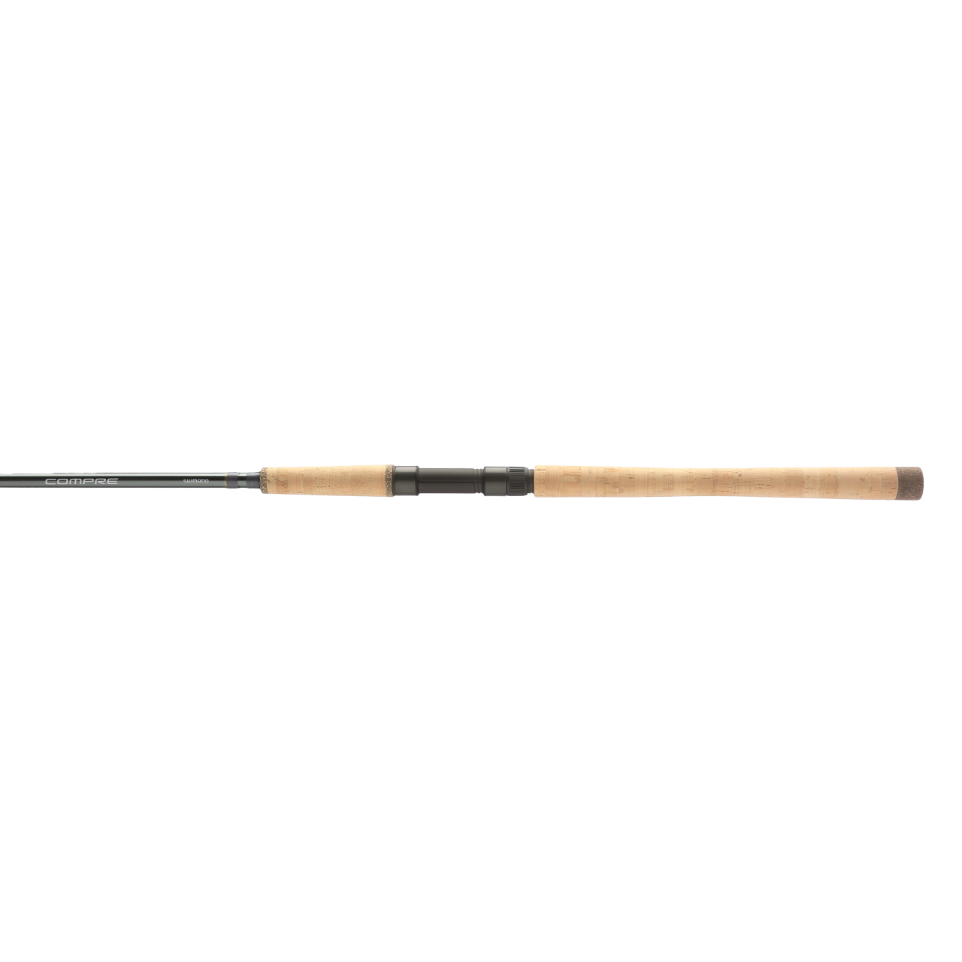
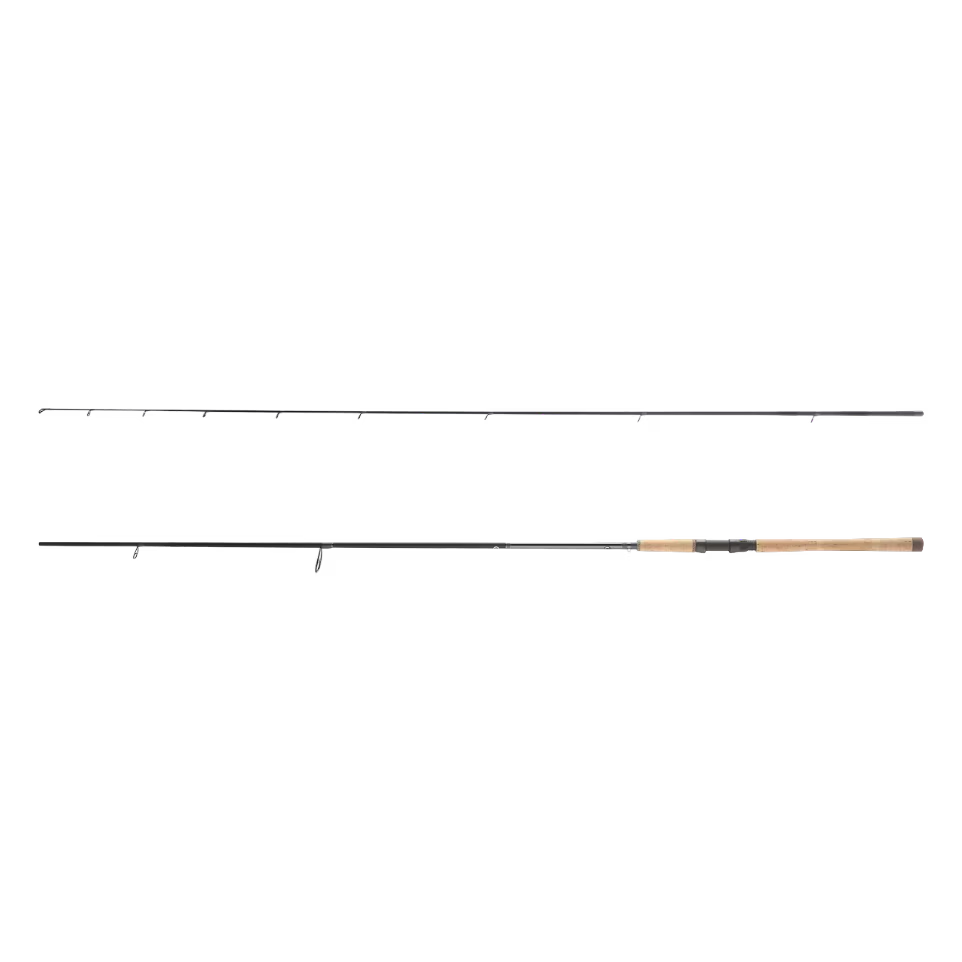
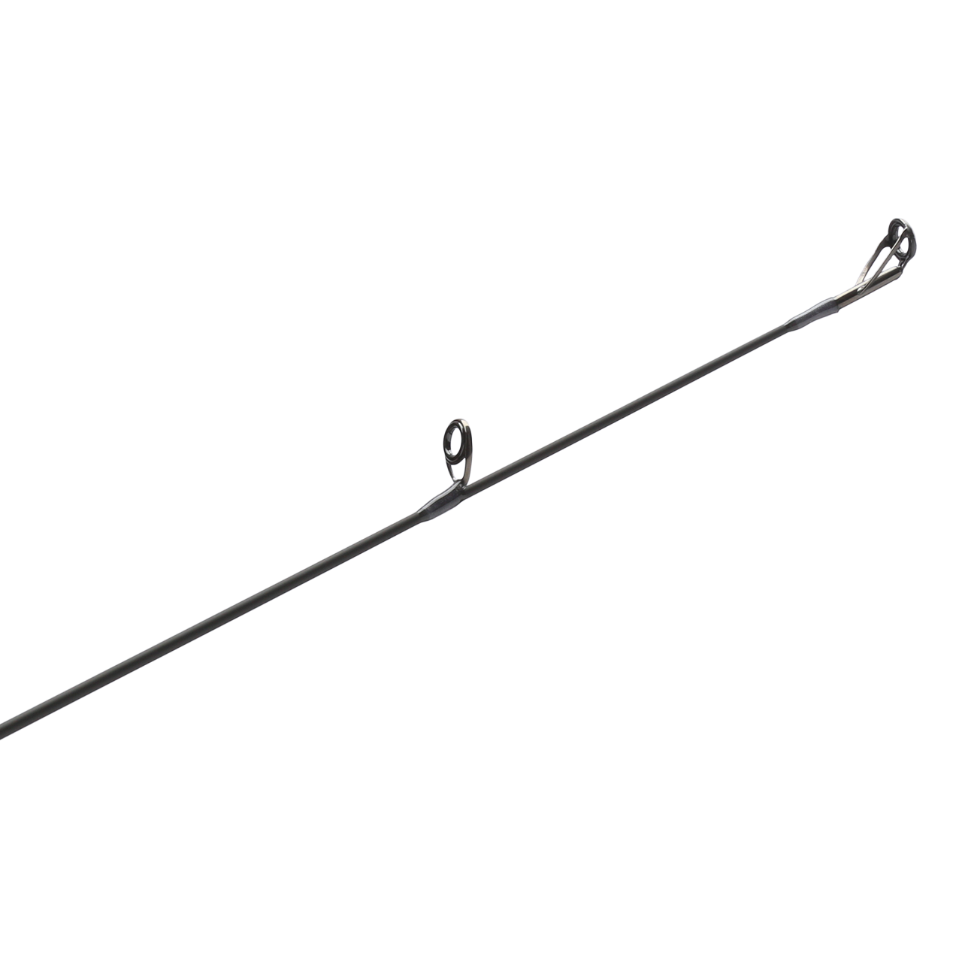
Shimano Compre Salmon/Steelhead Float Rod
Purpose-Built Performance for Salmon and Steelhead Anglers
A dependable float-fishing setup is expected to provide control, sensitivity, and consistent performance when changing water conditions are encountered. For anglers pursuing salmon and steelhead, those qualities can make every presentation more precise. The SHIMANO COMPRE SALMON/STEELHEAD FLOAT ROD has been designed around the demands commonly associated with float fishing, where careful line management, delicate presentations, and controlled hook sets are required.
Rather than being treated as simply another fishing rod, this model can be viewed as a specialized tool for anglers who value finesse and control. Long casts can be managed more effectively, line can be kept above troublesome current seams, and subtle float movements can be monitored with greater confidence. Meanwhile, the rod’s overall design is intended to provide a practical balance between responsiveness and fish-fighting capability.
For salmon and steelhead enthusiasts, versatility is particularly valuable. Rivers can change rapidly. Water levels can rise or fall, current speeds can shift, and fish can move between different holding areas. Because of this, equipment that can adapt to changing presentations can become an important part of an angler’s overall strategy.
Designed Around Float-Fishing Techniques
Float fishing is often associated with precision rather than brute force. A float must be presented naturally, and the bait or lure beneath it must be allowed to move through productive water without unnecessary interference. Consequently, the rod being used becomes an important part of the entire presentation system.
A suitable float rod can help with several aspects of the technique:
- Line control can be improved across moving water.
- Longer presentations can be managed with greater confidence.
- Float movements can be monitored more easily.
- Hook sets can be controlled without excessive force.
- Fish runs can be absorbed through a responsive blank.
- Current seams can be worked with greater precision.
- Bait presentations can remain natural for longer periods.
Furthermore, the right rod can reduce the need for excessive manipulation. Instead of constantly correcting the line or repositioning the float, anglers can concentrate more closely on reading the water and identifying productive areas.
Salmon and Steelhead Fishing Applications
Salmon and steelhead are respected for their strength, speed, and unpredictable movements. A fish can appear calm one moment and suddenly make a powerful run the next. Therefore, equipment must be capable of supporting both delicate presentations and demanding battles.
The Compre platform is positioned for anglers who want a rod suitable for these types of environments. Rivers, tributaries, channels, and other moving-water locations can all present different challenges. Accordingly, rod control becomes especially important when the presentation needs to be adjusted quickly.
Float Fishing in Rivers
River fishing frequently requires the angler to maintain a controlled drift. A float can travel through several current speeds during a single presentation. When that happens, line management becomes essential.
With an appropriately designed float rod, more line can be kept away from unwanted contact with the water. This can help reduce drag and allow the float to travel more naturally. In turn, the bait can remain in the intended strike zone for longer.
A longer rod design can also provide additional leverage for positioning line above current breaks. Although technique remains the most important factor, equipment can make those movements easier to execute.
Targeting Steelhead
Steelhead are often pursued in clear or moderately flowing rivers where subtle presentations can be effective. Their behavior can vary considerably according to water temperature, flow, season, and available food sources.
Because of these variables, a presentation may need to be adjusted throughout the day. Depth can be changed. Float size can be altered. Weight distribution can be modified. The amount of line on the water can also be reduced or increased.
A responsive rod can support these adjustments by giving the angler a direct connection to the terminal tackle.
Targeting Salmon
Salmon can place substantial demands on fishing equipment. Powerful runs, heavy current, and strong directional changes can all occur during a single encounter.
For that reason, a salmon-oriented rod needs to offer more than sensitivity alone. A useful combination of responsiveness, strength, and control is required. When these characteristics are balanced effectively, the angler can maintain pressure without unnecessarily overpowering the fish.
The result is a more controlled fight in which rod position, drag management, and angler movement can all be coordinated.
Sensitivity for Better Bite Detection
One of the most important characteristics of a float-fishing rod is sensitivity.
A float provides visual information, but not every strike will appear as an obvious disappearance beneath the surface. Some bites can be subtle. Others can involve a small hesitation, sideways movement, or unexpected change in direction.
A responsive rod can complement the visual information provided by the float. When the line is under controlled tension, small movements can be transmitted through the system and recognized more readily.
Why Sensitivity Matters
Sensitivity can be valuable when:
- Fish are feeding cautiously.
- Water clarity is high.
- Presentations are being made with relatively light terminal tackle.
- The float is traveling through slower current.
- A strike occurs at the edge of the visible drift.
- The angler needs to distinguish bottom contact from a bite.
Additionally, sensitivity can help with presentation management. If the rod communicates changes in weight or resistance effectively, an angler can make corrections before the presentation becomes completely disrupted.
Controlled Hook Sets
Hook-setting with a float setup requires balance.
An overly aggressive hook set can create unnecessary slack or pull a hook from a fish. At the same time, insufficient pressure can allow a fish to move away before the hook is properly driven home.
Therefore, a rod that provides controlled loading can be advantageous.
Rather than relying entirely on a sudden snap of the arms, the angler can allow the rod to load and then apply steady pressure. This approach can be particularly useful when relatively light leaders or smaller hooks are being used.
Maintaining Pressure During the Fight
Once a fish is hooked, the rod becomes an important part of the fight-management system.
The rod can help maintain pressure while absorbing sudden movements. When a fish changes direction, the blank can respond to the movement instead of forcing every surge directly into the leader.
That characteristic can be especially useful when a fish enters stronger current.
Instead of attempting to stop the fish immediately, the angler can use the rod’s action, reel drag, current position, and body movement together. As a result, the fight can become more controlled.
Long-Range Presentation Control
Float fishing can involve presentations at considerable distances. In these situations, the rod is used not only to cast but also to manage the line once the float is in the water.
A longer, purpose-oriented design can provide useful line-management advantages.
For example, additional rod length can help lift line from the surface and reduce unwanted contact with conflicting currents. This can improve drift control and allow the float to travel more naturally.
Managing Different Current Speeds
A river rarely moves at one consistent speed from bank to bank.
Faster water may be found in the center channel, while slower water can occur near structure, eddies, or shoreline areas. When the float crosses between these zones, line drag can develop.
The angler can respond by raising the rod, repositioning the line, or adjusting the drift. These techniques become easier when the rod provides adequate reach and responsive handling.
Consequently, rod length can influence more than casting distance. It can affect how effectively the entire presentation is managed.
Balanced Handling
A fishing rod may be technically strong, yet uncomfortable if its balance is poorly matched to the fishing technique.
Float fishing can involve extended periods of active rod positioning. The angler may repeatedly lift the rod, mend line, reposition the float, and track a moving presentation.
Therefore, comfortable handling should be considered alongside power and sensitivity.
All-Day Fishing Comfort
When fishing for several hours, small differences in handling can become noticeable.
A well-balanced setup can help reduce unnecessary fatigue. Rod movement can feel more controlled, and repetitive adjustments can be performed more naturally.
This is particularly useful for anglers who spend long periods following a float through changing sections of river.
Versatility Across Fishing Conditions
Conditions cannot always be predicted.
One morning may bring clear water and moderate flow. Later, rainfall may increase river levels and change visibility. A different trip may involve lower water and cautious fish.
Because of this, versatility can be extremely valuable.
A capable salmon and steelhead rod can be used across a range of situations when its characteristics are matched appropriately to the tackle and conditions.
Adjusting to Water Levels
Water level can influence fish behavior significantly.
During higher flows, fish may move toward different holding areas. Lower water can make fish more cautious and presentations more visible.
In both circumstances, controlled float fishing can be adapted through changes in:
- Float size
- Leader length
- Weight distribution
- Bait selection
- Presentation depth
- Drift speed
- Line management
The rod remains the central connection between these adjustments and the angler.
Built for Anglers Who Value Control
Not every fishing style demands the same equipment.
Some anglers prefer aggressive casting and heavy tackle. Others prefer a measured approach in which the presentation is carefully controlled from the beginning of the cast through the end of the drift.
Float fishing generally rewards the second approach.
The rod can therefore be viewed as part of a complete presentation system rather than an isolated piece of equipment.
Precision Over Excess
Successful float fishing is often based on small adjustments.
A slight change in rod angle can alter line contact. A minor repositioning can improve drift quality. A small change in depth can put the bait closer to active fish.
Consequently, equipment that responds predictably can help anglers make those adjustments with greater confidence.
Suitable for Experienced and Developing Anglers
A specialized fishing rod does not need to be limited to highly experienced anglers.
Experienced fishermen can use the rod’s characteristics to refine advanced presentations. Meanwhile, developing anglers can benefit from equipment that encourages proper float-fishing technique.
The important factor is understanding how the rod interacts with the rest of the setup.
Learning Better Float-Fishing Technique
New anglers can begin by focusing on several fundamentals:
- Maintain a controlled line angle.
- Watch the float continuously.
- Avoid unnecessary movements.
- Keep the presentation within the productive depth.
- Learn to distinguish bottom contact from a strike.
- Apply steady pressure after a hookup.
- Adjust positioning according to current speed.
As experience increases, these fundamentals can be developed into more advanced techniques.
A Practical Choice for River-Focused Anglers
For anglers who regularly pursue salmon and steelhead in moving water, equipment selection can have a meaningful impact on the overall fishing experience.
The right rod can provide confidence before the first cast is even made. Once the float is in the water, that confidence can translate into better line control, more deliberate presentations, and more consistent fish-fighting technique.
The Compre series has been positioned around this style of fishing, making it a natural consideration for anglers who spend significant time working river systems.
Product Highlights
- Designed for salmon and steelhead applications
- Optimized for float-fishing techniques
- Responsive handling for controlled presentations
- Useful reach for line-management situations
- Designed to support sensitive bite detection
- Suitable for moving-water environments
- Helpful for controlled hook sets
- Capable of supporting demanding fish fights
- Well suited to anglers who value precision
- Adaptable to changing river conditions
- Appropriate for both developing and experienced anglers
- Built around practical river-fishing performance
Why Choose a Specialized Float Rod?
A general-purpose rod can be useful for many fishing situations. However, specialization can provide meaningful advantages when a particular technique is used regularly.
Float fishing requires a combination of reach, sensitivity, line management, and controlled power. When these characteristics are incorporated into the same design, the equipment can become easier to work with.
Instead of forcing a general-purpose rod to perform a specialized role, anglers can select equipment developed around the demands of the technique.
That difference can become especially noticeable during long fishing sessions.
Presentation Matters
Fishing success is rarely determined by equipment alone.
Location, timing, water temperature, fish behavior, bait selection, weather, and technique all contribute to the outcome. Nevertheless, equipment can influence how effectively those factors are managed.
A properly matched rod gives anglers a reliable foundation.
When the presentation is made, the float should be allowed to travel naturally. When a correction is required, the rod should respond predictably. When a fish strikes, the angler should be able to apply pressure without losing control.
Those fundamentals form the foundation of effective float fishing.
Designed for the Modern Angler
Modern anglers have access to more specialized equipment than ever before. Yet the underlying requirements remain familiar: control the presentation, detect the strike, manage the fight, and enjoy the experience.
A dedicated salmon and steelhead float rod brings those priorities together.
Whether a productive river section is being explored for the first time or a familiar run is being fished during a seasonal migration, having equipment suited to the technique can make the process more enjoyable.
Confidence on the Water
Confidence should not be confused with certainty.
No fishing rod can guarantee a catch. However, equipment that is appropriate for the intended technique can remove unnecessary limitations.
When anglers know that their rod is suited to the presentation being used, attention can remain focused on the water rather than on whether the equipment is appropriate.
That confidence can encourage better technique and more deliberate decision-making.
Final Thoughts
The SHIMANO COMPRE SALMON/STEELHEAD FLOAT ROD has been developed for anglers who appreciate controlled presentations and responsive river fishing. Its purpose is centered on the unique demands created by float fishing for powerful freshwater species.
From managing line across changing current speeds to responding to subtle float movements, the right equipment can provide a valuable advantage. Furthermore, when a fish is hooked, balanced responsiveness can help pressure be maintained while sudden runs and directional changes are managed.
For anglers pursuing salmon and steelhead, a specialized float setup can become an important part of the overall fishing system. When paired with an appropriate reel, line, leader, float, weights, and terminal tackle, it can provide the foundation for precise and enjoyable river presentations.
Whether you are refining an established technique or building a dedicated float-fishing setup, this rod can be considered as part of a balanced approach to salmon and steelhead angling.
Product Listing Summary
Product: Shimano Compre Salmon/Steelhead Float Rod
Fishing Style: Float Fishing
Target Species: Salmon and Steelhead
Primary Environment: Rivers and Moving Water
Focus: Sensitivity, Presentation Control, Line Management, and Fish-Fighting Performance
Important Product Information
Specifications such as length, power, action, lure or line ratings, number of sections, handle configuration, and other technical measurements should be confirmed against the exact model or SKU being offered. Product specifications can vary between individual configurations, so the correct manufacturer information should always be used on the final product page.
Shimano Compre Salmon/Steelhead Float Rod
Advanced River Presentation and Float-Fishing Control
Successful river fishing is often determined by how naturally a presentation moves through the water. Even when the correct bait has been selected, an unnatural drift can reduce the likelihood of a strike. For that reason, equipment that allows precise control can be particularly valuable.
The SHIMANO COMPRE SALMON/STEELHEAD FLOAT ROD is suited to anglers who place an emphasis on presentation management. Rather than relying solely on casting distance or raw lifting power, the design can be used as part of a system in which the float, line, weights, leader, and bait are coordinated.
As a result, greater attention can be placed on the details that often make river fishing more productive.
Understanding the Importance of Drift
A natural drift is one of the foundations of successful float fishing.
The objective is generally to allow the bait to travel at a speed and depth that closely match the surrounding water. However, that objective can be affected by surface currents, underwater flow, wind, line angle, and changes in river depth.
Therefore, active line management may be required throughout the presentation.
A capable rod can make these corrections easier because the line can be lifted, repositioned, or redirected without requiring excessive movement.
Managing Surface Drag
Surface drag occurs when the fishing line is influenced by water moving at a different speed from the float or bait.
When this happens, the float may move unnaturally or the bait may be pulled away from the intended path.
To reduce this problem, anglers may use techniques such as:
- Raising the rod tip.
- Lifting sections of line from the water.
- Adjusting the position of the rod.
- Mending line upstream.
- Changing casting angles.
- Moving along the riverbank.
- Altering the depth of the presentation.
A longer and responsive rod can support these movements by giving the angler additional control over line positioning.
Reading the River
Equipment is only one part of effective float fishing. The ability to read water remains equally important.
Before the first cast is made, anglers can examine the river for features that may influence fish movement.
Potential holding areas can include:
- Deep pools
- Current seams
- Tailouts
- Eddies
- Undercut banks
- Boulder fields
- Drop-offs
- Inlets
- Slower-water edges
- Transition zones
Once a promising area has been identified, the presentation can be adjusted accordingly.
Current Seams
A current seam is created where two sections of water move at different speeds.
These areas can be productive because food may be transported along the boundary while fish can conserve energy by remaining in slower-moving water nearby.
However, keeping a float within a seam can require careful line control.
The rod can be held at different angles to influence the line while allowing the float to continue moving naturally.
Fishing Deeper Runs
Deep runs can present another challenge.
A fish may be holding several feet below the surface, requiring the bait to be presented at a specific depth. If the setup is too shallow, the bait may pass above the fish. If it is too deep, unnecessary bottom contact can occur.
Consequently, depth adjustment becomes an important part of the setup.
Controlling Depth
Depth can be modified by changing:
- Float position
- Leader length
- Weight placement
- Bait size
- Line angle
- Drift speed
A sensitive rod can help the angler recognize when the terminal setup is interacting with the riverbed.
This information can then be used to fine-tune the presentation.
Detecting Subtle Changes
Not every indication of a fish will look like an aggressive strike.
A float may slow down unexpectedly. It may tilt slightly. It may move sideways. It may pause even though the surrounding current continues flowing.
These small changes can deserve attention.
When the line remains relatively controlled, the rod can help transmit changes from the terminal tackle to the angler.
This connection is particularly valuable when cautious fish are being targeted.
The Role of Rod Action
Rod action influences how a blank responds when pressure is applied.
Different actions can produce different combinations of responsiveness, loading, and recovery. For float fishing, the desired characteristics will depend on the specific species, tackle, water conditions, and personal preference.
A suitable action can provide enough responsiveness for controlled presentations while still allowing pressure to be absorbed during a fight.
Loading During a Cast
When a rod loads correctly, energy can be stored within the blank and released during the casting motion.
This can make controlled casts easier to perform.
For anglers fishing along narrow rivers or targeting specific lanes, casting accuracy can be more valuable than simply maximizing distance.
A controlled presentation that lands quietly in the correct area can often be preferable to a longer cast that creates unnecessary disturbance.
Accurate Casting
Precision can be especially important when fish are holding close to structure.
A float that lands too far from the intended area may require unnecessary corrections. Conversely, a controlled cast can place the presentation directly into the desired current lane.
The rod therefore becomes part of the accuracy system.
Casting Around Structure
Logs, rocks, vegetation, and steep banks can all influence where a presentation can safely be placed.
In these environments, accuracy and control can be more useful than maximum casting distance.
By adjusting casting angles and rod position, anglers can work around obstacles while keeping the float in productive water.
Fighting Strong Fish
Once a fish is hooked, the character of the river can become just as important as the fish itself.
A strong salmon or steelhead may use current to its advantage. A fish moving downstream can generate considerable pressure, particularly when the angler is positioned above a deeper run.
This is where rod control becomes important.
Maintaining a Controlled Bend
A controlled rod bend can help keep consistent pressure on the fish.
Rather than pulling directly against every movement, the angler can allow the rod to absorb some of the fish’s force.
This can reduce sudden stress on the leader and hook.
At the same time, pressure should remain sufficient to prevent the fish from gaining too much freedom.
Working With Reel Drag
The rod and reel should always be considered together.
The reel’s drag system can provide additional control when a fish makes a powerful run. Meanwhile, the rod can absorb changes in direction and maintain a consistent connection.
These two components work most effectively when they are properly balanced.
Avoiding Excessive Pressure
Too much pressure can create unnecessary risk.
A light leader can break. A hook can pull. A sudden directional change can place extreme stress on the terminal tackle.
Instead, the angler should allow the equipment to work as a coordinated system.
Rod angle, reel drag, body position, and fish movement can all be managed together.
Adapting to Weather
Weather conditions can affect float fishing in several ways.
Wind can influence casting. Rain can change river levels. Cloud cover can alter visibility. Temperature can affect both angler comfort and fish activity.
Therefore, a fishing setup should be adaptable.
Fishing in Wind
Strong wind can make float control more difficult because the line can be pushed away from its intended path.
Holding the rod at an appropriate angle can help minimize the amount of line exposed to the wind.
Lowering unnecessary line contact can also improve control.
Fishing After Rain
Rain can dramatically change river conditions.
A rising river may become cloudy and faster. Fish can move toward different holding areas. Banks can also become slippery or unstable.
During these conditions, anglers should prioritize safety while adjusting their fishing strategy.
A float presentation may need to be modified to account for increased current speed and reduced visibility.
Cold-Water Fishing
Cold conditions can place additional demands on anglers and equipment.
Hands may become less responsive. Casting can become more difficult. Guides may collect moisture or ice in extreme conditions.
Therefore, preparation is important.
Appropriate clothing, gloves, footwear, and safety equipment should be considered alongside fishing tackle.
Matching the Rod to the Complete Setup
A rod should not be selected in isolation.
Its performance can be influenced by the reel, main line, leader, float, weights, hooks, and bait being used.
Reel Selection
A reel with a smooth drag and suitable line capacity can complement a float setup.
The reel should provide enough control for the intended species while remaining comfortable during extended use.
Main Line
Line selection should be based on the fishing environment and target species.
Factors such as diameter, visibility, strength, stretch, and handling characteristics can all influence performance.
Leader Selection
The leader represents the final connection between the angler and the hook.
A suitable leader should provide an appropriate balance between strength and presentation.
Clearer water may require a more subtle approach, while heavier current or larger fish may justify a stronger setup.
Float Selection
Different floats can be selected according to water depth, current speed, wind, and casting requirements.
Larger floats can provide greater visibility and carrying capacity. Smaller designs can provide a more subtle presentation in suitable conditions.
The float should also remain balanced with the weight system.
Weight Distribution
Weight placement can influence how quickly the bait reaches the desired depth and how naturally it moves.
A concentrated weight system can behave differently from a spread-out configuration.
Therefore, experimenting with weight placement can be worthwhile when conditions change.
Bait Presentation
The bait is ultimately what the fish encounters.
Even a well-controlled float will not compensate for an ineffective presentation.
Bait selection should therefore be matched to the target species, season, local regulations, and prevailing conditions.
Keeping the Bait Natural
Natural movement can be encouraged by minimizing unnecessary drag.
The bait should be allowed to move according to the current rather than being pulled unnaturally through the water.
Rod positioning can contribute to this process.
Seasonal Considerations
Salmon and steelhead fishing can change substantially throughout the year.
Fish movement, river levels, water temperature, and food availability can all vary according to season.
Early-Season Conditions
Early-season water may be colder and higher.
Fish can respond differently to these conditions, and deeper presentations may become useful depending on the river.
Mid-Season Opportunities
As conditions stabilize, fish may occupy a wider range of holding areas.
Different float depths and presentations can therefore be tested.
Late-Season Fishing
Lower water and increased clarity can create more challenging conditions.
Fish may become more cautious, making subtle presentations particularly important.
Building a Reliable Float-Fishing System
An effective setup should be viewed as a complete system.
The rod provides control.
The reel provides line management and drag.
The float provides visual strike indication.
The weights establish depth.
The leader connects the terminal presentation.
The hook and bait provide the final opportunity for a hookup.
When each component is appropriately matched, the overall system can become significantly easier to manage.
Maintenance and Care
Proper maintenance can help preserve fishing equipment over time.
After fishing in freshwater, the rod should be inspected for dirt, debris, or damage.
Cleaning the Rod
A gentle rinse can be used when appropriate to remove accumulated debris.
The guides should be checked carefully because small particles can become lodged around them.
The blank should also be inspected for scratches or other signs of damage.
Transport
Fishing rods should be transported carefully.
A protective rod tube or suitable case can help reduce the possibility of accidental impacts during transportation.
When multiple rods are transported together, unnecessary pressure between blanks should be avoided.
Checking the Guides
Guides play an important role in line movement.
A damaged or rough guide can create additional friction and may potentially damage fishing line.
Before each trip, anglers should inspect the guide train for:
- Cracks
- Sharp edges
- Loose components
- Unusual movement
- Dirt buildup
If damage is discovered, the rod should be serviced before being placed under significant load.
Storage Between Trips
Proper storage can contribute to longer equipment life.
The rod should be stored in a dry location away from excessive heat and direct sunlight.
When possible, it should be supported appropriately rather than being left under pressure for extended periods.
These simple habits can help protect the investment.
Choosing the Right Rod for Your Fishing Style
Every angler approaches river fishing differently.
Some prefer long drifts and carefully controlled presentations. Others focus on shorter runs and structure-oriented fishing.
The ideal setup should therefore reflect individual preferences.
For Long Drifts
Anglers who frequently fish long stretches of river may place greater value on reach and line control.
For Technical Water
Those working around rocks, seams, and complex current structures may prioritize sensitivity and precision.
For Powerful Fish
Anglers targeting larger fish should also consider the appropriate power rating, line strength, reel capacity, and terminal tackle.
The exact specifications of the individual rod model should always be checked before purchase.
Making the Most of Your Equipment
A specialized fishing rod performs best when its characteristics are understood.
Rather than immediately using the same setup in every situation, anglers can experiment with different float sizes, depths, leader lengths, and weight arrangements.
Over time, these adjustments can reveal which configurations work best in particular conditions.
Practice Makes a Difference
Technique can be developed even when fish are not actively biting.
Casting accuracy, line management, float tracking, and rod positioning can all be practiced.
By developing these skills, anglers can become more efficient when productive conditions arrive.
Confidence Through Preparation
Preparation is often overlooked.
Before leaving for the river, anglers can check:
- Fishing licenses
- Local regulations
- Water conditions
- Weather forecasts
- River access
- Line condition
- Leader material
- Hooks
- Floats
- Weights
- Bait
- Landing equipment
- Safety equipment
A prepared angler can spend more time fishing and less time solving avoidable problems.
Responsible Fishing Practices
Modern angling should be approached with respect for fish populations, waterways, and other people enjoying the outdoors.
Local regulations should always be followed.
Where catch-and-release fishing is practiced, fish should be handled carefully and returned to the water as quickly as practical.
Protecting the Environment
Anglers can also contribute to healthy waterways by:
- Taking all waste home.
- Avoiding damage to vegetation.
- Respecting private property.
- Following access rules.
- Disposing of line responsibly.
- Avoiding unnecessary disturbance to wildlife.
- Respecting other anglers.
A quality fishing experience should be sustainable for future generations.
Frequently Asked Questions
What type of fishing is this rod intended for?
The model is intended around salmon and steelhead float-fishing applications. It can be particularly useful when controlled drifts, line management, and sensitive presentations are important.
Can it be used in rivers?
Yes, its intended application makes it particularly relevant to river environments where float fishing is commonly practiced.
Is it suitable for beginners?
It can be considered by developing anglers who want to learn dedicated float-fishing techniques. However, the exact rod specifications should be matched to the user’s experience and intended fishing conditions.
Can it handle strong fish?
The appropriate model configuration should be selected according to the target species, line rating, power, and local fishing conditions. Exact specifications should always be checked before purchase.
Why is rod length important for float fishing?
Length can provide additional control over line positioning and drift management. It can also help anglers keep more line away from conflicting surface currents.
Is sensitivity important when float fishing?
Yes. Subtle float movements can sometimes indicate a bite, so a responsive setup can help anglers recognize changes in the presentation.
What reel should be paired with it?
A reel with appropriate capacity, smooth drag performance, and suitable line compatibility should be selected. The correct choice will depend on the exact rod configuration and fishing conditions.
What line should be used?
Line selection should be based on the target species, water conditions, terminal tackle, and the manufacturer’s recommended specifications for the individual rod.
Can it be used for other species?
Potentially, depending on the specific rod configuration and the species being targeted. The manufacturer’s power and line recommendations should be reviewed before using the rod outside its intended application.
Is maintenance required?
Basic inspection and cleaning are recommended. Guides, connections, and the blank should be checked regularly for damage.
Key Benefits at a Glance
- Specialized float-fishing design
- Suitable for salmon-focused applications
- Suitable for steelhead-focused applications
- Useful for controlled river presentations
- Designed to support line management
- Responsive handling
- Helpful for subtle bite detection
- Suitable for long-drift techniques
- Useful around current seams
- Designed for controlled fish fighting
- Adaptable to changing river conditions
- Appropriate for dedicated river anglers
A Thoughtful Addition to a Fishing Arsenal
A dedicated rod can become one of the most frequently used pieces of equipment in an angler’s collection when it matches the fishing style being practiced.
For those who spend substantial time pursuing salmon and steelhead with floats, having equipment designed around the technique can simplify many aspects of the fishing process.
From the first cast to the final release, every component has a role.
The rod provides the connection.
The angler provides the technique.
The river provides the challenge.
Together, these elements create the experience that makes float fishing so rewarding.
Final Buying Considerations
Before purchasing, anglers should confirm the exact configuration being offered.
Important details can include:
- Rod length
- Number of sections
- Power
- Action
- Line rating
- Lure or float rating
- Handle design
- Guide configuration
- Warranty information
- Manufacturer specifications
These details can vary between configurations and should not be assumed from the product family name alone.
Choose Based on Your Water
The best setup is ultimately the one that matches the water being fished.
Large rivers may demand additional reach and line-management capability. Smaller streams may reward a more compact approach. Heavy current may require different tackle from low, clear water.
By considering these factors before purchasing, anglers can select equipment with greater confidence.
Conclusion
Dedicated salmon and steelhead float fishing can be one of the most technical and rewarding forms of river angling. Precision, patience, observation, and equipment control all contribute to a successful presentation.
The SHIMANO COMPRE SALMON/STEELHEAD FLOAT ROD is positioned for anglers who want to focus on these qualities. Its intended application centers on float presentations where line management, sensitivity, controlled casting, and fish-fighting performance are important.
Moreover, the rod can be integrated into a complete setup designed around the conditions being encountered. With an appropriately matched reel, line, float, leader, weights, and terminal tackle, anglers can build a system that provides a high degree of presentation control.
Most importantly, the equipment should support the angler rather than distract from the experience. When the setup feels natural, attention can remain on the river, the drift, and the behavior of the fish.
For anglers preparing a dedicated salmon or steelhead float-fishing setup, this model can be considered as a specialized option within a broader tackle strategy.
Fish with confidence. Read the water. Control the drift. Respect the river.
Premium Fishing Reels, Rods, Lures & Saltwater Fishing Tackle for Sale
Discover High-Performance Fishing Reels and Fishing Equipment
Finding the right fishing equipment can make every fishing adventure more productive, comfortable, and enjoyable. Whether you are preparing for surf fishing, offshore trolling, freshwater casting, inshore fishing, or deep-drop fishing, the right combination of rods, reels, lures, and accessories can help you get the most from every trip.
Our fishing tackle collection brings together versatile spinning reels, powerful conventional reels, dependable baitcasting reels, specialized jigging rods, surf fishing poles, and essential fishing accessories. From premium Shimano spinning reels to durable Penn conventional reels and innovative Avet lever-drag reels, anglers can explore equipment suited to different fishing environments, techniques, and experience levels.
If you are searching for a spinning reel sale, comparing different reels for fishing, or looking for quality reels on sale, choosing equipment that matches your target species and fishing conditions should always be a priority. Consequently, our collection is designed to help anglers compare popular reel types, explore rod options, and identify useful tackle for their next fishing adventure.
Explore Different Types of Fishing Reels
Understanding the different types of fishing reels is essential when selecting equipment for freshwater lakes, rivers, coastal beaches, and offshore waters. Each reel category offers specific advantages, depending on casting distance, line capacity, retrieve speed, drag performance, and fishing technique.
Spinning Reels
Spinning reels are widely used because they are versatile, relatively easy to operate, and suitable for numerous fishing applications. They can be paired with compatible spinning rods for casting artificial lures, fishing with natural bait, and targeting species in freshwater or saltwater environments.
Popular models include the Shimano Nasci FC spinning reel, Shimano Stradic spinning reels, Shimano Vanford 4000, Shimano Sustain 4000, Shimano Stradic 4000 reel, and Shimano Stella FK spinning reel. Each model offers its own combination of construction, retrieve performance, drag characteristics, and intended application.
Anglers researching a Shimano Nasci 3000 can consider this size for appropriately matched freshwater and inshore setups. Meanwhile, the Shimano Stradic 5000 may suit applications requiring greater line capacity and a larger reel platform, depending on the specific model and fishing conditions.
When comparing spinning reels for sale, consider the following:
- Reel size and compatible rod specifications.
- Main-line capacity and recommended line strength.
- Drag performance for the intended target species.
- Gear ratio and retrieve speed.
- Saltwater resistance and maintenance requirements.
- Overall weight, balance, and comfort during extended fishing sessions.
Conventional and Lever-Drag Reels
Conventional reels are commonly selected for offshore trolling, bottom fishing, deep-water applications, and situations where line capacity and controlled drag performance are important.
The Penn Warfare reel, Penn Squall, Penn 20T International, Penn 130 International, and Avet lever-drag reel families are examples of equipment anglers may compare when planning heavier fishing setups.
Specialized options include the Avet HXW 5.2 Raptor, Avet MXL G2 single-speed 5.8 lever-drag conventional reel, Avet SX 5.3, Avet JX G2, Avet HXJ Raptor, Avet LX 6-3 Raptor Plus RH lever-drag conventional reel, and Avet MXL 6/3 Raptor Plus MC two-speed reels.
The Avet TRX series, including the Avet TRX 50 and Avet TRX 80, may also interest anglers researching specialized offshore tackle. However, the appropriate model should be selected according to its published specifications, line capacity, drag rating, and intended application.
For anglers exploring an Avet left-hand reel, handle orientation should be checked carefully before ordering. Likewise, when choosing an Avet MXL G2 single-speed lever-drag casting reel, verify the precise model designation and configuration.
Baitcasting Reels
Baitcasting reels offer direct control over lure presentation and can provide excellent casting accuracy when properly matched to a compatible rod and fishing line.
Anglers searching for saltwater baitcasting fishing reels may consider models such as the Shimano Tranx 300HG, Tranx 401, Shimano Curado 300, and Shimano Calcutta Conquest, depending on the intended application.
A baitcaster reel for saltwater fishing should be selected according to its corrosion resistance, braking system, line capacity, drag performance, and compatibility with the chosen lure weights.
The Shimano Tranx family is worth comparing for anglers seeking specialized casting equipment. Similarly, the Shimano Calcutta Conquest may appeal to anglers looking for a premium round-profile reel platform.
Before making a purchase, compare the exact model generation and retrieve configuration because similar product names can represent substantially different specifications.
Electric Deep-Drop Reels
Electric deep-drop reels are designed to reduce the physical effort associated with retrieving heavy tackle from substantial depths. These specialized reels can be useful for offshore anglers targeting deep-water species with appropriate rods, weights, lines, and terminal tackle.
When selecting an electric deep-drop reel, consider battery requirements, line capacity, retrieval performance, electrical connections, and compatibility with the intended deep-drop rod.
For a complete setup, pair the reel with a properly rated deep drop rod and suitable line, weights, hooks, and rigging components.
Shop Quality Fishing Rods for Different Techniques
A fishing rod should be matched to the reel, line, lure weight, casting technique, and target species. Choosing the correct rod length and action can influence casting distance, lure control, sensitivity, and overall handling.
Surf Fishing Rods and Conventional Surf Rods
Surf fishing requires equipment capable of handling beach conditions, waves, wind, and the casting distances demanded by a particular fishing location.
Anglers researching surf fishing poles can explore St. Croix surf rods, Century rods, Tsunami surf rods, and Tsunami Trophy II surf rods. These product families provide options worth comparing for different surf fishing techniques and tackle requirements.
The St. Croix Premier Series spinning rod may also interest anglers who prefer a versatile rod platform for compatible fishing applications. However, model-specific ratings should always be checked before using any rod for surf fishing.
When choosing a surf rod, evaluate:
- Rod length and casting-weight rating.
- Spinning or conventional reel compatibility.
- Rod power and action.
- Blank material and overall weight.
- Casting distance requirements.
- Suitability for local surf conditions and target species.
Spinning and Casting Rods
A quality spinning rod can support a wide range of lure presentations, while a casting rod may provide the control needed for heavier lures and particular baitcasting applications.
The Tsunami Classic casting rod, Tsunami Classic spinning rod, Okuma PCH Custom casting rod, and Dark Matter spinning rod are examples of product lines anglers may wish to compare.
Dark Matter rods include specialized options for different techniques. Depending on the exact model, anglers can investigate the Dark Matter Fishaholic, Dark Matter Skinner rod, Dark Matter inshore rods, Dark Matter travel rod, and Dark Matter SPS Inshore Travel spinning rods.
For anglers who regularly travel, a Dark Matter travel rod may provide a practical alternative to a full-length one-piece rod. Nevertheless, packed dimensions, transport requirements, lure ratings, and the number of rod sections should be verified before purchasing.
Jigging and Offshore Rods
Jigging rods are built for specific lure presentations and fishing methods. The Shimano Trevala jigging rod and Shimano Ocea Plugger Full Throttle spinning rods are examples of equipment anglers may compare when planning specialized offshore setups.
For heavier offshore applications, rod selection should be based on the intended line class, lure weight, target species, reel capacity, and expected fishing conditions.
A properly matched rod and reel combination can help improve handling while reducing unnecessary strain on equipment.
Fishing Lures, Bucktails, Spinners and Terminal Tackle
Fishing lures are available in different shapes, weights, colors, and actions to match a variety of fishing situations. The most appropriate choice depends on the target species, water clarity, current, depth, light conditions, and forage available.
Buzz Baits and Specialized Artificial Lures
Buzz baits can create surface disturbance and may attract predatory fish under suitable conditions. They are commonly used when anglers want to explore surface-oriented presentations in compatible freshwater environments.
Other specialized options include Huddleston swimbaits, Vudu fishing lures, tattoo fishing lures, and Chug Norris lures. Before selecting a lure, compare its size, weight, buoyancy, retrieve style, and intended target species.
Bucktails and Spinner Lures
Andrus bucktails are worth investigating for anglers seeking bucktail-style presentations. These lures can be used in appropriate saltwater applications, depending on the design, weight, and local fishing conditions.
Vibrax spinners and Blue Fox spinner lures are additional options for anglers interested in rotating-blade presentations. Spinner selection should be guided by water conditions, target species, lure size, and retrieve speed.
Striped Bass Fishing at Night
Anglers researching the best lures for striped bass at night should consider how visibility, water movement, baitfish activity, and lure action influence their approach.
Depending on local conditions, useful options may include swimming plugs, soft-plastic swimbaits, bucktails, and surface lures. Choose a lure that can be presented effectively at the depth and speed preferred by feeding fish.
Always check local fishing regulations, seasonal restrictions, and permitted fishing areas before heading out.
Hooks, Squid Skirts and Fishing Accessories
Small hooks can be useful for appropriately sized bait presentations and smaller target species. Meanwhile, squid skirt jig components may be relevant to anglers assembling specialized offshore rigs.
A complete tackle setup can also include reel accessories, replacement handles, suitable fishing line, terminal tackle, pliers, and storage equipment.
PowerPro braided fishing line is an option anglers may compare when selecting line for compatible reels and fishing techniques. Line diameter, breaking strength, knot compatibility, and spool capacity should be evaluated before purchase.
For additional tackle maintenance and handling, Bubba forged fishing pliers may be worth considering. Always choose pliers suitable for the intended fishing environment and use appropriate care when handling hooks and sharp tools.
Premium Fishing Sunglasses, Boots and Travel Gear
Fishing equipment extends beyond rods and reels. Suitable accessories can improve comfort, organization, and convenience throughout a fishing trip.
Costa Fantail sunglasses and Costa Hammerhead sunglasses are options anglers may compare when researching fishing eyewear. Consider lens technology, frame fit, polarization, visibility requirements, and the manufacturer’s product specifications when selecting a pair.
XTRATUF boots are another product family to investigate when choosing footwear for wet and demanding fishing environments. Compare the specific boot model, fit, material, traction, and intended use before ordering.
A fishing travel bag can help organize reels, tackle boxes, spare line, lures, tools, and other equipment. Travelers should compare bag dimensions, compartment layout, material durability, and transport restrictions to ensure that their gear can be packed conveniently.
Understanding Reel Specifications and Compatibility
Choosing the right fishing reel requires more than comparing prices or brand names. A suitable reel must be compatible with the rod, fishing line, lure weight, and conditions in which it will be used.
Reel Size and Line Capacity
Reel sizes such as 3000, 4000, 5000, and 6500 are useful starting points for comparisons, but sizing conventions differ between manufacturers and reel families.
For example, anglers researching a Penn Spinfisher 6500 should review the exact version’s line capacity, drag specifications, weight, and intended use. A larger reel may offer additional capacity, but it can also affect the balance and handling of a fishing setup.
Gear Ratio and Retrieve Speed
Gear ratio describes how many times the spool or rotor mechanism turns in relation to one handle rotation, depending on reel design. It can influence lure retrieval speed and line pickup.
A higher gear ratio can be useful when rapid retrieval is needed, while other applications may benefit from greater cranking power. The best option depends on the lure, target species, line load, and fishing technique.
Power Handles and Reel Accessories
A compatible power handle can improve leverage and comfort in some fishing applications. Anglers searching for a power handle for a Quantum Accurist should verify the exact reel model, shaft compatibility, mounting dimensions, and handle orientation before purchasing.
Likewise, accessories for Penn Warfare reels, Shimano Tranx reels, Avet reels, and other reel families should be checked against the manufacturer’s model specifications.
How to Choose the Right Fishing Reel
The most appropriate reel depends on the fishing method and conditions.
- Freshwater lure fishing: Compare suitable spinning reels and baitcasting reels according to lure weight, casting distance, and target species.
- Inshore saltwater fishing: Consider corrosion resistance, drag performance, line capacity, and compatible spinning or baitcasting equipment.
- Surf fishing: Select a reel and rod combination suited to casting weight, beach conditions, line capacity, and target species.
- Offshore trolling: Investigate conventional reels with suitable drag systems and line capacity.
- Deep-water fishing: Compare specialized deep-drop equipment and appropriately rated rods.
- Travel fishing: Consider compact or multi-piece rods, protective travel bags, and equipment that can be transported safely.
Understanding the differences between fishing reel types makes it easier to narrow your choices. When comparing spinning reels, conventional reels, and baitcasting reels, prioritize specifications that support your actual fishing requirements rather than choosing solely by brand or appearance.
Find Fishing Reels and Tackle at Competitive Prices
Searching for reels on sale or a spinning reel sale can help anglers compare equipment across different budgets. However, value should be evaluated alongside product specifications, warranty coverage, seller reliability, and the availability of replacement parts.
Whether you are considering a Shimano Nasci FC spinning reel, Shimano Stella FK spinning reel, Penn Warfare reel, Avet HXW Raptor, Tranx 401, or a specialized surf fishing setup, careful comparisons can help you select equipment suited to your needs.
Before purchasing, confirm the exact model, retrieve direction, gear ratio, line capacity, included accessories, shipping arrangements, and applicable return policy.
Frequently Asked Questions
What are the main types of fishing reels?
The main categories include spinning reels, baitcasting reels, conventional reels, fly reels, and electric reels designed for specialized applications. Each category serves different fishing techniques and requirements.
Which fishing reel is suitable for saltwater?
The best choice depends on the target species and fishing method. Look for suitable corrosion resistance, drag performance, line capacity, and manufacturer guidance for saltwater use.
How do I choose a reel for surf fishing?
Consider casting distance, rod length, line capacity, drag performance, and the conditions at your fishing location. Match the reel to the rod’s recommended specifications.
What should I consider when buying a fishing reel on sale?
Compare the exact model, product condition, specifications, warranty, seller reputation, and return policy. A discounted reel should still meet your fishing requirements.
Are fishing rod length and reel size related?
Yes. Rod length, power, and action influence how a reel balances and performs on a particular setup. However, there is no universal rule that a longer rod always requires a larger reel. Follow the rod and reel manufacturer’s compatibility recommendations.
Where can I buy fishing reels and accessories?
Compare established fishing tackle retailers, authorized dealers, and reputable online stores. Verify product authenticity, current availability, shipping terms, and return conditions before completing your purchase.
Upgrade Your Fishing Setup
Build a fishing setup around your preferred technique, target species, and local conditions. Explore spinning reels, conventional reels, baitcasting equipment, surf rods, jigging rods, artificial lures, fishing line, sunglasses, pliers, and travel accessories to create a combination that works for your next adventure.
From everyday freshwater fishing to demanding offshore applications, choosing compatible equipment and maintaining it properly can help you enjoy more productive time on the water.
Premium Fishing Reels, Surf Fishing Rods, Saltwater Tackle and Fishing Accessories
Discover Advanced Fishing Reels for Every Fishing Adventure
Choosing the right fishing reel can significantly influence casting accuracy, retrieval efficiency, line management, and overall fishing performance. Whether you are preparing for coastal fishing, offshore trolling, surf casting, or freshwater lure fishing, selecting a reel that matches your technique is essential.
A carefully selected fishing reel can provide smoother operation, dependable drag performance, and the line capacity required for your target species. Furthermore, comparing different reels for fishing allows anglers to identify the equipment that best fits their budget, experience, and fishing environment.
Anglers searching for a spinning reel sale can explore popular reel families from Shimano, Penn, Avet, Quantum, and other established manufacturers. In addition, conventional reels, saltwater baitcasting fishing reels, and specialized electric deep-drop reels offer alternatives for more demanding applications.
When shopping for reels on sale, remember that price should be evaluated alongside construction, intended use, maintenance requirements, and compatibility with your existing equipment.
Shimano Spinning Reels: Precision, Versatility and Performance
Shimano spinning reels are widely recognized among anglers seeking equipment for a variety of fishing techniques. Different models provide different combinations of weight, retrieve speed, drag performance, and construction, allowing anglers to compare options for freshwater and saltwater fishing.
Shimano Stradic Spinning Reels
The Shimano Stradic spinning reels family offers options for anglers who prioritize versatility and dependable handling. Models such as the Shimano Stradic 4000 reel and Shimano Stradic 5000 provide different sizing options for compatible fishing applications.
A Shimano Stradic 4000 may suit appropriately matched inshore or freshwater setups, depending on the target species, line requirements, and specific model. Meanwhile, anglers considering a Shimano Stradic 5000 should compare its line capacity, weight, drag specifications, and compatibility with their chosen rod.
When comparing Shimano Stradic spinning reels, consider:
- The reel’s published line-capacity specifications.
- Retrieve ratio and line recovery per handle turn.
- Drag adjustment and maximum drag rating.
- Compatibility with monofilament, fluorocarbon, or braided line.
- Saltwater maintenance and corrosion-management requirements.
These considerations can help anglers select a suitable reel without relying solely on model names or advertised performance claims.
Shimano Nasci FC Spinning Reel
The Shimano Nasci FC spinning reel is another model worth considering when comparing spinning reels for different fishing applications.
Anglers searching for a Shimano Nasci 3000 can investigate whether the size suits their preferred lures, line strength, and target species. A properly matched reel can support controlled casting, comfortable retrieval, and efficient line management.
Before purchasing, verify the precise Nasci FC version and its manufacturer-published specifications. Product generations may differ, so the exact model should be checked for weight, gear ratio, line capacity, and drag characteristics.
Shimano Vanford 4000 and Sustain 4000
The Shimano Vanford 4000 may appeal to anglers seeking a lightweight spinning reel for compatible fishing setups. Its suitability should be evaluated according to the intended fishing technique and the manufacturer’s specifications for the exact version.
Likewise, the Shimano Sustain 4000 provides another option for anglers comparing mid-to-large spinning reel sizes.
When choosing between these models, consider rod balance, casting frequency, line capacity, target species, and the conditions in which the reel will be used. A reel that feels comfortable during repeated casting may be preferable for long fishing sessions.
Shimano Stella FK Spinning Reel
The Shimano Stella FK spinning reel is a premium option for anglers researching advanced spinning reel equipment.
When comparing the Stella FK with other Shimano spinning reels, evaluate its exact specifications, construction, drag system, retrieve characteristics, maintenance requirements, and price.
Premium equipment can be valuable when its features match an angler’s needs. However, a less expensive model may be equally appropriate for a different technique or fishing environment.
Penn Fishing Reels for Saltwater and Offshore Applications
Penn fishing reels are frequently considered for saltwater fishing, surf fishing, boat fishing, and other applications requiring appropriate line capacity and drag performance.
The Penn product range includes spinning reels and conventional reels designed for different fishing methods. Consequently, selecting the correct model requires an understanding of reel size, line capacity, retrieve system, and intended use.
Penn Spinfisher 6500
The Penn Spinfisher 6500 is an option anglers may investigate when searching for a substantial spinning reel for suitable saltwater applications.
Before purchasing, compare the exact Spinfisher version’s weight, gear ratio, drag rating, line capacity, and manufacturer-recommended use. These specifications should be matched to the rod, line, and target species.
For surf fishing, a suitable reel must work effectively with the selected rod and the casting weights being used. For boat fishing, line capacity and drag characteristics may be particularly important.
Penn Warfare Reel
The Penn Warfare reel is a conventional reel option worth investigating for compatible boat-fishing and other applications.
Anglers searching for a Penn Warfare reel or reel Penn Warfare should verify the precise model, retrieve configuration, gear ratio, line capacity, and included features.
A suitable conventional reel should provide the capacity and mechanical performance required by the intended fishing method. In addition, routine cleaning and appropriate storage can help maintain equipment condition.
Penn Squall and Penn International Reels
The Penn Squall family includes conventional reel options that anglers may compare for suitable offshore applications.
Meanwhile, the Penn International range includes specialized reels that should be selected according to the particular model’s specifications and intended fishing technique.
Anglers searching for a Penn 20T International or Penn 130 International should confirm the exact product designation before ordering. Reel size and model number alone should not be used as a substitute for checking published line-capacity, drag, and compatibility information.
Avet Fishing Reels: Lever-Drag and Conventional Reel Options
Avet fishing reels offer specialized equipment for anglers comparing conventional reel configurations, lever-drag systems, and offshore fishing applications.
Different Avet models are built for different uses, so the appropriate reel should be selected according to target species, line requirements, drag specifications, and fishing technique.
Avet HXW 5.2 Raptor
The Avet HXW 5.2 Raptor is a model anglers may investigate when researching specialized conventional fishing reels.
Before selecting this reel, check the exact version’s gear ratio, line capacity, drag specifications, handle configuration, and intended use. Pairing the reel with an appropriately rated rod can help create a balanced offshore setup.
Avet MXL G2 Single-Speed Lever-Drag Conventional Reel
The Avet MXL G2 single-speed lever-drag conventional reel may suit anglers looking for a specialized reel with a single-speed configuration.
Anglers researching the Avet MXL G2 single-speed 5.8 lever-drag conventional reel should verify the precise model designation and published gear ratio.
A lever-drag system allows drag adjustment through its lever mechanism, although the correct adjustment depends on line strength, knot strength, target species, and fishing conditions.
Avet SX 5.3 and Avet JX G2
The Avet SX 5.3 and Avet JX G2 are additional models worth comparing when selecting conventional reels.
When choosing between different sizes, consider line capacity, physical dimensions, weight, retrieve speed, and compatibility with your rod. The right model should suit the fishing technique rather than simply being the largest available option.
Avet HXJ Raptor and Avet LX 6-3 Raptor Plus
Anglers seeking specialized offshore equipment may also investigate the Avet HXJ Raptor and Avet LX 6-3 Raptor Plus RH lever-drag conventional reel.
For the latter, verify the right-hand configuration and confirm whether the exact product listing includes the features expected from the specified Raptor Plus version.
Avet MXL 6/3 Raptor Plus MC Two-Speed Reels
The Avet MXL 6/3 Raptor Plus MC two-speed reels offer another configuration for anglers comparing conventional reel options.
Two-speed systems provide different gear ratios for different retrieval requirements. However, their usefulness depends on the intended fishing application and the exact specifications of the reel.
Avet TRX 50 and Avet TRX 80
The Avet TRX 50 and Avet TRX 80 are specialized reel designations that anglers should research carefully before purchase.
Confirm the model’s complete specifications, intended application, line capacity, and compatibility with the selected rod. This is particularly important when choosing equipment for demanding offshore fishing.
For left-handed anglers, an Avet left hand reel may be worth exploring. Always verify handle orientation because product availability and configurations can vary by model.
Saltwater Baitcasting Fishing Reels and Casting Control
Saltwater baitcasting fishing reels can provide accurate lure placement and direct control when matched with a suitable rod and fishing line.
These reels may be appropriate for particular inshore, nearshore, and heavier lure applications. However, not every baitcasting reel is designed for saltwater exposure, so corrosion resistance and manufacturer guidance must be considered.
Shimano Tranx 300HG and Tranx 401
The Shimano Tranx family offers models that anglers may compare for specialized casting applications.
The Tranx 300HG and Tranx 401 should be evaluated according to their respective gear ratios, spool capacities, retrieve configurations, drag specifications, and intended fishing techniques.
When selecting a baitcaster reel for saltwater fishing, check the reel’s compatibility with the chosen line and lure weights. In addition, rinse and maintain the reel according to the manufacturer’s instructions after exposure to saltwater.
Shimano Curado 300
The Shimano Curado 300 is another option anglers may consider when comparing larger baitcasting reels.
A reel in this category may be useful for compatible casting techniques that require a suitable spool capacity and controlled lure presentation. Nevertheless, the exact model’s specifications should determine the appropriate line and lure range.
Shimano Calcutta Conquest
The Shimano Calcutta Conquest is a premium reel family worth exploring for anglers interested in specialized baitcasting equipment.
When comparing Calcutta Conquest models, check the exact size, retrieve direction, gear ratio, braking design, line capacity, and intended application.
A well-matched baitcasting reel can support consistent casting and retrieval. Even so, selecting the correct model requires a careful assessment of the fishing technique and the equipment already in use.
Choosing the Right Fishing Rod Length
Rod length is an important consideration when building a fishing setup. A rod should be selected according to the casting distance required, lure weight, fishing location, target species, and compatibility with the chosen reel.
Longer rods can provide leverage for casting in certain situations, while shorter rods may offer easier handling in confined spaces or from boats. However, rod length alone does not determine performance.
When researching rod of length options, compare the manufacturer’s recommendations for:
- Overall rod length and transport dimensions.
- Power rating and action.
- Recommended line strength.
- Casting-weight range.
- Reel type and mounting compatibility.
- Intended fishing environment.
For surf fishing, a longer rod may be useful when additional casting distance is needed. For inshore fishing, a more compact rod may be easier to maneuver around docks, mangroves, and other obstacles.
St. Croix Surf Rods and Premier Series Spinning Rods
St. Croix surf rods are worth exploring for anglers researching equipment intended for beach and coastal fishing.
The St. Croix Premier Series spinning rod is another option that should be evaluated according to the exact model’s construction, power, action, and recommended lure weight.
When choosing a St. Croix rod, compare its specifications with those of your reel and line. A balanced combination can improve comfort during repeated casting and help maintain control when retrieving lures.
Surf anglers should also consider rod guides, blank construction, handle design, and the practical demands of fishing in sandy or saltwater environments.
Century Rods and Tsunami Surf Fishing Equipment
Century rods are another product category anglers may investigate when comparing surf fishing equipment.
The Tsunami surf rod range includes options for different applications. Anglers researching Tsunami Trophy II surf rods, Tsunami Classic spinning rods, and Tsunami Classic casting rods should compare the individual models’ specifications before selecting a rod.
The appropriate rod depends on casting-weight requirements, fishing location, target species, and whether a spinning or conventional reel will be used.
Tsunami SaltX and Shield Series
The Tsunami SaltX family may interest anglers searching for equipment for suitable saltwater fishing techniques.
The Tsunami Shield 4000 is another model designation that should be verified against the manufacturer’s product information before purchase.
For the Tsunami SaltX II inshore spinning rod, check the rod’s length, power, action, line rating, and recommended lure weight. These details help determine whether the model suits the intended application.
Dark Matter Fishing Rods for Specialized Applications
Dark Matter rods cover different fishing applications, making it important to distinguish between models rather than treating the range as a single specification.
The Dark Matter spinning rod may interest anglers who prefer spinning setups. Meanwhile, the Dark Matter Fishaholic and Dark Matter Skinner rod are product names worth researching for their exact intended uses.
Anglers considering Dark Matter inshore rods should compare the models’ ratings with their local fishing conditions and target species.
Dark Matter Travel Rods
A Dark Matter travel rod may be useful for anglers who need equipment that can be transported more easily.
The Dark Matter SPS Inshore Travel spinning rods should be evaluated for their packed dimensions, number of sections, assembly method, and recommended line and lure ratings.
A travel rod should be selected according to the transport requirements and fishing techniques involved. Protective storage is also recommended to reduce the risk of damage during transit.
Shimano Trevala Jigging Rod and Ocea Plugger Rods
The Shimano Trevala jigging rod is an option for anglers researching rods intended for appropriate jigging applications.
When selecting a jigging rod, consider the weight of the jig, the depth of the water, the line rating, the target species, and the compatible reel.
Shimano Ocea Plugger Full Throttle spinning rods are another category worth investigating for specialized lure fishing.
Before buying either rod family, confirm the model’s exact specifications and intended application. Specialized offshore equipment should be selected carefully to avoid using a rod outside its recommended limits.
Fishing Lures for Different Water Conditions
Lure selection is an important part of planning a fishing trip. Different lure designs produce different movements, vibrations, and visual presentations, making some options more appropriate than others for specific conditions.
Anglers should consider water clarity, current, depth, available forage, weather, and the activity of their target species.
Huddleston Swimbaits
Huddleston swimbaits are artificial lures that anglers may investigate when planning compatible swimbait presentations.
When selecting a swimbait, evaluate its size, weight, sink rate, and intended retrieve style. The correct combination depends on the target species and the conditions in which the lure will be presented.
Vudu Fishing Lures
Vudu fishing lures are another product category worth exploring for anglers comparing artificial bait options.
Check each lure’s design, size, color, rigging requirements, and recommended use before purchase. Selecting an appropriate lure can help match the presentation to the fish being targeted.
Tattoo Fishing Lures
Tattoo fishing lures may appeal to anglers researching additional artificial lure options.
Product specifications should be reviewed carefully because lure weight, shape, material, and intended application can differ substantially between designs.
Andrus Bucktails
Andrus bucktails are worth considering for appropriate bucktail-style fishing presentations.
The correct bucktail weight and design depend on water depth, current strength, target species, and retrieve speed. Suitable tackle should be selected to ensure that the lure can be presented effectively.
Vibrax Spinners and Blue Fox Spinners
Vibrax spinners and Blue Fox spinner lures provide additional options for anglers interested in rotating-blade presentations.
When choosing a spinner, consider the blade size, body weight, hook configuration, and target species. Retrieve speed and water conditions can influence how effectively a spinner performs.
Best Lures for Striped Bass at Night
Selecting the best lures for striped bass at night requires consideration of feeding behavior, water movement, light levels, and the structure being fished.
Depending on local conditions, anglers may explore:
- Bucktail jigs for controlled presentations in moving water.
- Swimming plugs for searching different depths.
- Soft-plastic swimbaits for lifelike movement.
- Surface lures when fish are feeding near the top.
- Appropriately weighted jigs for deeper presentations.
No single lure guarantees results. Instead, anglers should adjust lure size, retrieve speed, and presentation to match local conditions.
For safety, use appropriate lighting, wear suitable footwear, and remain aware of waves, currents, and slippery surfaces when fishing after dark.
Fishing Accessories and Line Management
The right fishing accessories can help maintain equipment and make tackle easier to organize.
Reel accessories may include replacement handles, spare spools, compatible drag components, and other manufacturer-approved parts. Before ordering, verify that the accessory matches the precise reel model.
PowerPro Fishing Line
PowerPro is a braided fishing line brand that anglers may compare when selecting line for compatible reels.
Braided line can offer a relatively small diameter for its rated breaking strength compared with some alternative line types. However, the actual diameter, strength, and suitability should be checked for the specific product.
When selecting fishing line, consider:
- Rated breaking strength.
- Spool capacity and line diameter.
- Knot selection and connection strength.
- Abrasion exposure and fishing structure.
- Compatibility with the reel and rod.
- The target species and local fishing conditions.
Quantum Accurist Power Handle
Anglers searching for a power handle for Quantum Accurist reels should identify the exact reel model before purchasing an accessory.
Handle fit, shaft dimensions, mounting hardware, and retrieve orientation should be confirmed. An incompatible handle may not fit correctly or operate safely.
Fishing Pliers, Sunglasses and Outdoor Equipment
Fishing accessories can improve convenience during tackle preparation and equipment maintenance.
Bubba forged fishing pliers may be worth considering for anglers seeking a specialized tool for compatible fishing tasks. Choose pliers with appropriate construction and functionality, and keep them clean after use in saltwater environments.
Costa Fantail sunglasses and Costa Hammerhead sunglasses are options anglers can compare when researching fishing eyewear.
When choosing sunglasses, review lens type, frame fit, coverage, polarization, and the manufacturer’s stated features. Polarized lenses can help reduce reflected glare from water, although visibility varies with conditions and the surrounding environment.
XTRATUF boots may also be worth investigating for suitable fishing and wet-environment applications. Fit, traction, construction, and the intended conditions should guide the selection.
Fishing Travel Bags and Equipment Organization
A fishing travel bag can help keep tackle organized while reducing the risk of losing small accessories during a trip.
Look for compartments that suit your reels, lures, spare line, pliers, terminal tackle, and other equipment. In addition, compare the bag’s dimensions, material, closures, carrying options, and transport requirements.
Anglers traveling with rods should also consider protective rod cases and the packed dimensions of multi-piece rods.
Organized tackle storage can simplify preparation, make equipment easier to find, and help protect delicate components between fishing sessions.
How to Compare Fishing Reels on Sale
When looking for reels on sale, start by identifying the fishing technique and specifications you need. This approach helps narrow the options before comparing prices.
First, choose the appropriate reel category. Spinning reels may be suitable for versatile casting applications, while conventional reels and baitcasting reels are often selected for particular techniques requiring different levels of control and line capacity.
Next, compare the exact model specifications. Consider line capacity, drag rating, retrieve ratio, weight, handle orientation, and corrosion resistance.
Finally, evaluate the retailer’s policies. Product authenticity, warranty coverage, shipping costs, delivery times, and return conditions all contribute to the overall value of a purchase.
A discounted reel is only a good choice when it meets your needs and comes from a seller you can trust.
Frequently Asked Questions About Fishing Reels and Rods
What are the different types of fishing reels?
Common categories include spinning reels, baitcasting reels, conventional reels, fly reels, and specialized electric reels. Each category has different operating characteristics and intended applications.
Is the Shimano Nasci 3000 suitable for inshore fishing?
It may be suitable for some inshore applications when its specifications match the target species, line requirements, and rod. Confirm the exact model’s capacity and ratings before purchase.
What should I look for in a Penn Spinfisher 6500?
Compare the exact version’s line capacity, drag rating, weight, gear ratio, and saltwater-use guidance. Also ensure that the reel balances appropriately with your selected rod.
What is the difference between spinning and baitcasting reels?
Spinning reels use an exposed spool and rotating bail mechanism, while baitcasting reels use a rotating spool during casting. Their handling, casting techniques, and suitable applications differ.
Can I use a baitcasting reel in saltwater?
Only when the specific reel is suitable for saltwater use. Check the manufacturer’s guidance, corrosion protection, maintenance requirements, and recommended applications.
How do I choose a surf fishing rod?
Compare rod length, power, action, casting-weight rating, line rating, and reel compatibility. Consider the distance you need to cast and the conditions at your fishing location.
What fishing line should I choose?
Choose line according to the reel’s capacity, target species, fishing environment, and recommended rod specifications. Braided line, monofilament, and fluorocarbon each have different characteristics.
Find the Right Fishing Gear for Your Next Trip
Building a suitable fishing setup starts with matching the reel, rod, line, and lure to the intended fishing technique.
Explore Shimano Stradic spinning reels, Shimano Nasci FC spinning reels, Penn Spinfisher 6500, Penn Warfare reels, Avet conventional reels, Shimano Tranx baitcasting reels, surf fishing rods, jigging rods, bucktails, spinners, braided line, fishing pliers, sunglasses, and travel accessories.
Whether you are preparing for a coastal fishing session, an offshore trip, or a freshwater outing, comparing specifications and selecting compatible equipment can help you make a more informed purchase.
Browse the relevant fishing tackle categories, review each product’s published specifications, and choose equipment suited to your experience, target species, and budget.
Additional information
| MODEL/LENGTH | CPSSL106ML2 — 10'6", CPSSL116L2 — 11'6", CPSSL126L2 — 12'6" |
|---|
Related products
-
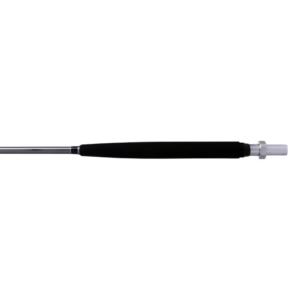
SHIMANO TEREZ BW SWORDFISH ROD
€450.75Select options This product has multiple variants. The options may be chosen on the product page -
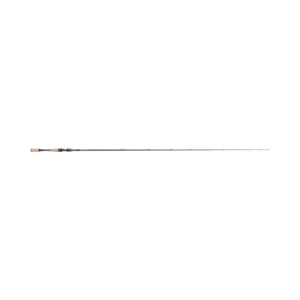
SHIMANO POISON GLORIOUS CASTING ROD
Price range: €468.08 through €494.09Select options This product has multiple variants. The options may be chosen on the product page -
SHIMANO POISON ULTIMA BASS ROD
Price range: €849.49 through €858.16Select options This product has multiple variants. The options may be chosen on the product page
Reviews
There are no reviews yet.