We Deliver Directly To Your Door
Description
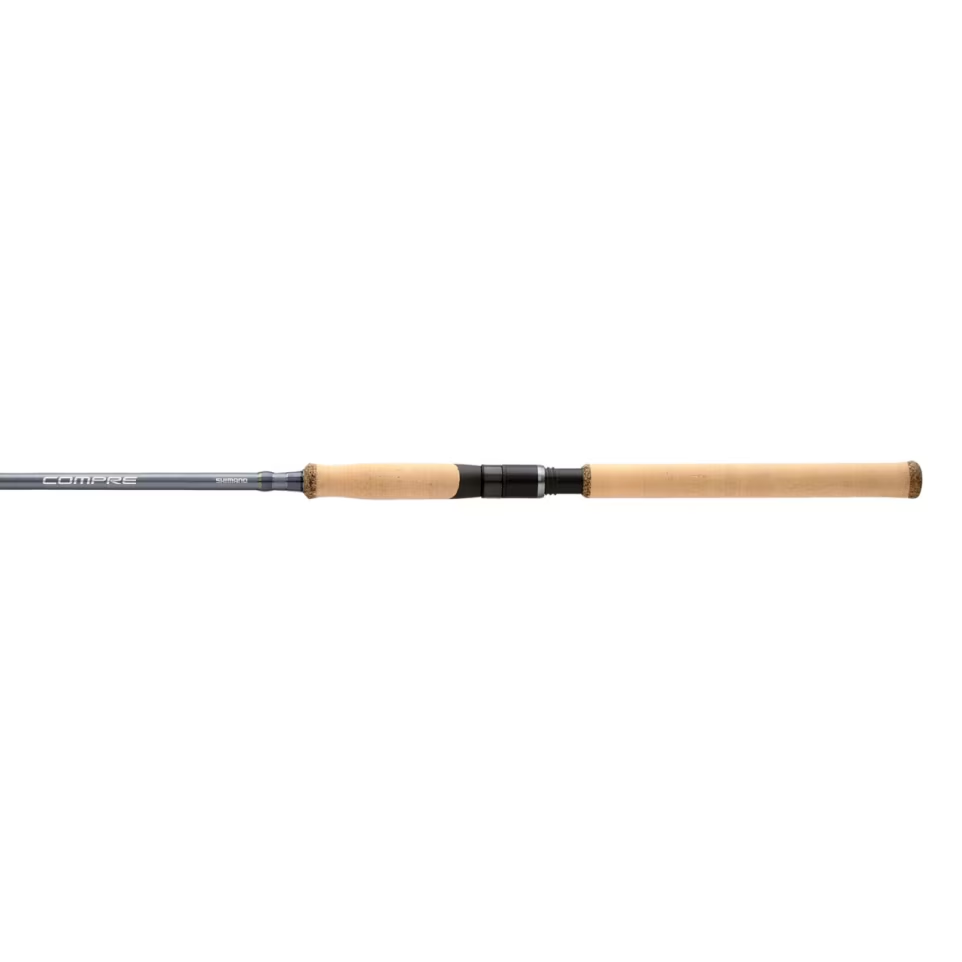
Shimano Compre Walleye Spinning E Rod – Precision, Comfort, and Confidence on the Water
Discover a Better Walleye Fishing Experience
Successful walleye fishing often depends on recognizing subtle bites, maintaining control over the presentation, and responding confidently when a fish takes the bait. For anglers who value dependable equipment and a comfortable fishing experience, the Shimano Compre Walleye Spinning E Rod can be an excellent option to consider when building a dedicated walleye setup.
Designed for anglers who appreciate precision and practicality, this rod is intended to complement the techniques commonly used to pursue walleye in lakes, rivers, and other freshwater environments. Whether a natural presentation is being made with live bait or an artificial lure is being worked through a promising area, the right rod can help make each movement feel more controlled.
Furthermore, a well-matched spinning rod can provide a valuable connection between the angler, the line, and the bait. As a result, greater attention can be given to changes in water conditions, lure movement, and the subtle signals that may indicate a strike.
At Eta Big Bite Outfitters, choosing fishing equipment should be about finding the right balance between performance, comfort, and the techniques you enjoy most. This model deserves consideration from anglers searching for a purpose-oriented walleye fishing rod that can complement a carefully selected spinning reel and line.
Why Choose a Dedicated Walleye Fishing Rod?
Designed Around the Needs of Walleye Anglers
Walleye fishing can involve a variety of presentations, from slowly working a jig near the bottom to retrieving a minnow-shaped lure along a weed edge. Because these techniques place different demands on fishing equipment, a rod selected for the intended application can make the overall experience more enjoyable.
A dedicated walleye rod is generally selected with sensitivity, controlled hook setting, and practical handling in mind. These qualities are particularly useful when fish are feeding cautiously or when a presentation needs to remain close to the bottom.
Moreover, rod selection should be considered alongside lure weight, line strength, reel size, and the fishing environment. When these components are matched appropriately, a more balanced setup can be created without unnecessary complexity.
A Practical Choice for Spinning Reel Setups
Spinning equipment remains popular among freshwater anglers because it can be used for a wide range of presentations. Lightweight jigs, soft plastic baits, small crankbaits, and various other lures can be fished with a suitable spinning combination.
The Compre Walleye model can be considered by anglers looking to build a setup around these familiar techniques. However, the appropriate reel and line should always be selected according to the rod’s verified specifications and the requirements of the intended fishing method.
Consequently, a thoughtful equipment choice can help provide more consistent handling throughout a fishing session.
Key Features and Benefits
The following benefits explain what anglers commonly look for when choosing a dedicated walleye spinning rod. Exact construction details, dimensions, and ratings should be confirmed against the manufacturer’s specifications for the particular model.
Sensitivity for Subtle Bites
Walleye do not always produce an unmistakable strike. At times, a bite may feel like a slight tap, a change in pressure, or an unexpected interruption in the lure’s movement.
A suitable rod can help transmit useful feedback through the line and handle, allowing the angler to pay closer attention to these changes. In addition, maintaining appropriate line tension can help improve bite detection during slow presentations.
Sensitivity also becomes valuable when a jig is moved across gravel, worked beside submerged vegetation, or allowed to descend toward the lakebed. Although water depth, line choice, and environmental conditions affect feedback, a well-matched rod can contribute to a more connected fishing experience.
Controlled Lure Presentation
Effective walleye fishing often requires careful management of lure speed and movement. An artificial bait may need to be lifted gently, allowed to fall naturally, or retrieved steadily through a particular depth range.
With a suitable spinning setup, these movements can be managed more deliberately. Furthermore, consistent rod handling can help anglers repeat productive presentations when fish respond to a particular cadence.
For this reason, equipment selection should not be based solely on appearance or brand recognition. The intended lure weight, casting distance, and preferred technique should also be considered.
Comfortable Handling Throughout the Day
Long fishing sessions can place repeated demands on the hands, wrists, and forearms. Therefore, overall balance and comfortable handling should be considered when selecting a rod and reel combination.
A setup that feels appropriate for the angler can make repeated casting, jigging, and retrieving less tiring. Additionally, a properly matched reel can help prevent the combination from feeling unnecessarily heavy or awkward.
Comfort is especially important for anglers who alternate between active lure presentations and periods of careful observation. Ultimately, equipment should support the fishing experience rather than distract from it.
Versatility Across Freshwater Environments
Walleye can be pursued in a variety of locations, including natural lakes, reservoirs, rivers, and other suitable freshwater habitats. Conditions can vary considerably between these environments, so the selected equipment should reflect the water being fished.
For example, a shallow lake may call for a different presentation from a deep reservoir or a current-swept river channel. Likewise, fishing around vegetation may require a different approach from working rocky structures.
A dedicated walleye spinning rod can form part of a versatile freshwater collection, provided its actual power, action, length, and lure ratings are suitable for the techniques being used.
Recommended Fishing Applications
Jigging for Walleye
Jigging is a widely used technique for targeting walleye, particularly when fish are holding near the bottom or around underwater structure. The presentation may involve short lifts, controlled drops, or subtle movements designed to attract attention without moving the bait too far from the target area.
A rod selected for this application should provide appropriate feedback and enough control for the chosen jig. In addition, line management should be adjusted to suit the depth, current, and weight of the presentation.
When the equipment is properly matched, anglers can focus more closely on maintaining contact with the lure and responding to changes in its movement.
Live-Bait Presentations
Live minnows, leeches, and nightcrawlers are commonly used in walleye fishing, depending on local regulations, seasonal conditions, and angler preference.
These presentations can benefit from careful handling because excessive movement may affect how the bait is presented. A suitable spinning combination can help maintain control while allowing the bait to be worked at an appropriate speed.
However, hook selection, leader material, and bait size should be chosen according to the specific method and local fishing conditions.
Casting Artificial Lures
Casting can be productive when walleye are feeding around points, weed edges, rocky shorelines, or other areas where baitfish may be present.
Crankbaits, soft plastics, and other appropriately sized lures can be selected according to depth and fish activity. Meanwhile, a balanced rod-and-reel combination can help support repeatable casts and controlled retrieves.
As conditions change, experimenting with lure speed and depth may help identify a more productive presentation.
Fishing Lakes and Reservoirs
Large lakes and reservoirs can offer a wide range of walleye habitats. Fish may be encountered near submerged structures, drop-offs, flats, or deeper areas depending on the season and available forage.
For these environments, an angler should consider casting distance, lure control, and the depth at which the fish are being targeted. In addition, weather, water clarity, and wind can influence the choice of presentation.
Selecting equipment around these practical considerations can help create a more effective and enjoyable fishing setup.
How to Build a Balanced Walleye Spinning Setup
Choosing a Compatible Spinning Reel
A suitable reel should complement the rod’s specifications rather than overpower it. Reel size, spool capacity, drag performance, and overall balance should be evaluated before a purchase is made.
A reliable drag system can be especially useful when a fish makes a sudden run or when lighter line is being used. Meanwhile, smooth line release can support consistent casting with appropriately sized lures.
Before selecting a reel, check the rod’s manufacturer recommendations and consider the type of water and fish you expect to encounter.
Selecting the Right Fishing Line
Line selection can influence casting distance, sensitivity, knot strength, and the way a lure behaves in the water.
Braided line is often considered when increased sensitivity and reduced line stretch are desirable. Fluorocarbon may be used as a main line or leader in certain situations, while monofilament can offer useful stretch and straightforward handling.
Nevertheless, no single line type is ideal for every walleye technique. The final choice should reflect the rod’s rated line range, lure weight, water conditions, and personal preference.
Matching Lure Weight to the Rod
The lure weight rating is an important specification because it helps establish the range for which a rod has been designed.
Using a lure within the recommended range can support better casting control and more appropriate loading of the blank. Conversely, exceeding the stated limits can compromise handling and may increase the risk of equipment damage.
For this reason, the manufacturer’s verified specifications should always be checked before a lure is attached.
What to Consider Before Buying
Verify the Exact Model Specifications
Product naming can vary across retail listings, model generations, and regional catalogues. Therefore, the exact model designation should be checked before ordering the Shimano Compre Walleye Spinning E Rod.
Pay particular attention to the following details:
- Rod length: Helps determine casting reach, leverage, and handling characteristics.
- Power rating: Indicates the general strength category of the rod.
- Action: Describes how the rod bends under load and influences its response.
- Lure rating: Identifies the recommended lure-weight range.
- Line rating: Provides guidance on compatible fishing line.
- Construction and handle materials: Should be verified using the manufacturer’s product information.
- Model code: Helps distinguish the exact version from similarly named products.
By reviewing these details, anglers can make a more informed decision and avoid purchasing a rod that does not match their intended technique.
Choose Equipment for Your Fishing Style
Some anglers spend most of their time working jigs vertically, while others prefer casting moving lures or presenting live bait. Each method can place different demands on rod length, action, and overall balance.
Accordingly, the best choice should be based on how you actually fish rather than on a general claim that one rod suits every situation.
If you regularly fish from a boat, for example, handling and lure control may be particularly important. Shore anglers, on the other hand, may place greater emphasis on casting distance and access to productive areas.
Care and Maintenance
Clean the Rod After Fishing
Freshwater fishing equipment should be inspected after use, especially when it has been exposed to dirt, vegetation, or abrasive debris.
Wipe the rod with a soft cloth and clean water when needed. Afterwards, allow it to dry before being placed in storage.
Although freshwater environments may be less corrosive than saltwater, regular cleaning can still help preserve the appearance and condition of fishing equipment.
Inspect the Guides and Handle
Rod guides should be checked periodically for damage, sharp edges, or debris that could affect line movement. The handle and reel seat should also be examined to ensure that the reel remains securely attached.
If unusual wear or damage is discovered, the equipment should be assessed before further use. In this way, avoidable problems can be identified before they interfere with a fishing trip.
Store the Rod Carefully
Whenever possible, store the rod in a location where it will not be crushed, bent under pressure, or exposed to unnecessary impact.
A suitable rod sleeve or protective case may provide additional protection during transportation. Furthermore, the rod should be secured properly when being carried in a vehicle or stored with other fishing equipment.
These simple habits can help maintain the rod’s condition over time.
Frequently Asked Questions
Is the Shimano Compre Walleye Spinning E Rod suitable for freshwater fishing?
It is identified as a walleye spinning rod, making freshwater walleye applications the relevant starting point when evaluating the model. The suitability of a particular version for other species or techniques will depend on its verified specifications.
Can this rod be used for jigging?
Potentially, yes, provided the model’s power, action, line rating, and lure rating are appropriate for the jigging technique being used. The exact specifications should be checked before purchase.
Which spinning reel should be paired with this rod?
A compatible reel should provide appropriate balance, line capacity, and drag performance. The best choice will depend on the exact rod model and the type of fishing being planned.
Which line should be used?
Braided line, monofilament, or fluorocarbon may be suitable in different situations. The rod’s recommended line rating and the requirements of your presentation should guide the final selection.
How can I confirm that I am buying the correct version?
Check the full model name, model code, length, power, action, lure rating, and line rating against reliable manufacturer information or the retailer’s verified product listing.
Find Your Next Fishing Setup at Eta Big Bite Outfitters
The right fishing equipment can help make every trip more rewarding. Whether you are refining a jigging presentation, exploring a new freshwater location, or upgrading an existing spinning setup, careful equipment selection can make a meaningful difference.
The Shimano Compre Walleye Spinning E Rod is worth considering if your next setup is being built around dedicated walleye fishing. By matching the rod with an appropriate reel, line, and lure, you can create a combination suited to your preferred techniques and local conditions.
Explore the available product information at Eta Big Bite Outfitters, compare the specifications, and choose equipment that aligns with your fishing goals.
Make your next fishing trip count with a setup selected for the water, the technique, and the fish you want to pursue.
Shimano Compre Walleye Spinning E Rod Fishing Techniques, Equipment Selection, and Performance Considerations
Improving Your Walleye Fishing Strategy
Understanding Walleye Behavior
Walleye fishing becomes more rewarding when equipment choices are supported by an understanding of fish behavior. These freshwater predators often respond to changes in light, water temperature, available forage, and seasonal conditions. Therefore, adapting your presentation to the environment can be just as important as choosing the right tackle.
During periods of low light, walleye may move toward shallower feeding areas. At other times, they may remain near deeper structures, submerged points, or changes in bottom composition. Consequently, anglers should be prepared to adjust their casting direction, retrieve speed, and lure selection as conditions evolve.
A suitable spinning rod can support this adaptable approach by helping anglers maintain control of their presentation. However, successful fishing still depends on locating fish, selecting appropriate tackle, and responding to the conditions encountered on the water.
Reading Underwater Structures
Submerged structures can provide shelter and feeding opportunities for walleye. Rocky points, weed edges, drop-offs, and underwater humps are among the areas anglers may investigate.
When fishing these locations, attention should be given to changes in lure resistance and movement. A jig moving across gravel may feel different from one passing through soft sediment. Similarly, contact with vegetation can indicate that a presentation is moving through the intended area.
By paying attention to these signals, anglers can develop a better understanding of the underwater environment. In turn, this knowledge can help guide decisions about lure weight, retrieve speed, and casting position.
Advanced Techniques for Walleye Anglers
Maintaining Contact During Jigging
Jigging often requires a balance between movement and control. A presentation that is too aggressive may move away from the target area, whereas excessively slow movement may not attract attention under certain conditions.
For this reason, anglers frequently experiment with short lifts, controlled drops, and pauses. The appropriate cadence will depend on fish activity, depth, current, and the type of jig being used.
A properly matched spinning combination can help the angler feel changes in line tension and maintain a consistent presentation. Nevertheless, line choice and environmental factors also influence how clearly those changes can be detected.
Casting Along Weed Edges
Vegetation can attract baitfish and create useful feeding areas. When walleye are holding near these locations, casting parallel to the edge may allow a lure to remain in the strike zone for longer.
Different retrieve speeds should be tested until a productive pattern is identified. Additionally, the lure should be selected according to vegetation density and the depth at which fish are being targeted.
Careful casting and controlled retrieves can help reduce unnecessary snags while allowing more time to be spent fishing productive water.
Working Deep-Water Presentations
Deep-water fishing can require heavier lures, longer periods of controlled descent, or presentations designed to maintain contact with the bottom. The appropriate approach will depend on depth, current, wind, and the behavior of the fish.
Before using heavier tackle, anglers should confirm that the rod’s stated lure rating supports the intended weight. Exceeding the manufacturer’s limits should be avoided, even when deeper water appears to require additional weight.
A suitable setup can then be selected to balance lure control, line management, and the intended fishing method.
Selecting Lures for Different Conditions
Soft Plastic Lures
Soft plastic baits are commonly used when a lifelike appearance and controlled movement are desired. Paddle-tail swimbaits, minnow imitations, and other suitable profiles can be rigged on compatible jig heads or other appropriate terminal tackle.
Their effectiveness depends on several factors, including water clarity, forage availability, retrieve speed, and the depth being targeted. Therefore, carrying a selection of sizes and colors can provide useful flexibility.
When fishing with soft plastics, the lure weight should remain within the rod’s recommended range. This helps preserve appropriate handling and casting control.
Crankbaits and Hard Lures
Hard-bodied lures can be useful when searching larger areas or targeting fish that are actively feeding. Their diving characteristics, shape, and retrieve requirements should be considered before they are paired with a particular rod.
A controlled retrieve can help maintain the lure at its intended depth. Meanwhile, changes in speed or brief pauses may be worth testing when fish appear reluctant to strike.
Not every spinning rod is equally suited to every hard lure. As a result, the manufacturer’s action and lure specifications should guide the selection process.
Live-Bait Rigs
Live-bait presentations can be adjusted according to local fishing practices and seasonal conditions. Suitable hooks, weights, leaders, and bait sizes should be selected to provide a natural presentation while maintaining control.
The chosen rig should also comply with applicable fishing regulations. In addition, anglers should consider whether the method is appropriate for the depth, current, and habitat being fished.
With a thoughtfully assembled setup, live-bait fishing can become a useful part of a broader walleye strategy.
Building a Reliable Rod and Reel Combination
Balancing Reel Weight and Rod Length
Overall balance can influence comfort during repeated casting and retrieving. A reel that is poorly matched to the rod may make the combination feel awkward, particularly during long fishing sessions.
Before purchasing a reel, consider its size, weight, spool capacity, and drag characteristics. Whenever possible, testing the combination in person can help determine whether it feels comfortable in the hand.
The objective is to create a practical setup that supports the intended technique without adding unnecessary fatigue.
Understanding Drag Performance
The drag system allows line to be released when a fish pulls against the reel. Correct adjustment can help manage sudden runs and reduce the likelihood of line failure when the tackle is properly matched.
However, maximum drag pressure is not always the best setting. Line strength, hook size, rod characteristics, and the expected fish should all be considered.
Before fishing, check that the drag operates smoothly and that the line is correctly secured to the spool. These basic preparations can help reduce avoidable problems during a fight.
Maintaining Proper Line Management
Line management affects casting, lure control, and the overall reliability of a spinning setup. Twists, loose coils, damaged sections, and poorly tied knots can create difficulties when least expected.
Inspect the line regularly, particularly after fishing around rocks, timber, or other abrasive structures. If wear is noticed, replace the damaged section before continuing.
Furthermore, line should be spooled according to the reel manufacturer’s guidance to reduce avoidable casting issues.
Seasonal Walleye Fishing Considerations
Spring Fishing
Spring conditions can change quickly as water temperatures rise and fish movements shift. Shallow areas may become productive at certain times, although local conditions and regulations should always be considered.
During this period, anglers may experiment with appropriately sized jigs, soft plastics, and other presentations suited to the water being fished.
A flexible approach is useful because feeding patterns may change throughout the day.
Summer Fishing
As summer progresses, walleye may use deeper water or concentrate around structures that provide favorable feeding conditions. The exact pattern depends on water temperature, oxygen levels, available forage, and the characteristics of the fishery.
Anglers may need to adjust lure weight and presentation depth to maintain contact with the target area. In addition, weather and wind conditions can influence boat positioning and casting accuracy.
Equipment should be selected to support these adjustments without exceeding its recommended ratings.
Autumn Fishing
Autumn can bring changes in forage availability and fish movement. As conditions shift, walleye may be found around points, deeper structures, or areas where baitfish are concentrated.
Testing several presentations can help identify what is working. Meanwhile, attention to water temperature and local reports may provide useful clues about likely fish locations.
A suitable spinning setup can support these changing approaches when the selected lure and line remain within the rod’s specifications.
Winter and Cold-Water Fishing
Cold-water fishing requires additional attention to safety, local regulations, and changing environmental conditions. Where open-water fishing is possible, slower presentations may be useful in certain situations, although fish behavior varies considerably.
Equipment should be maintained carefully, and line should be checked for damage or stiffness caused by cold conditions. Anglers should also dress appropriately and avoid unsafe ice or hazardous weather.
Caring for Your Fishing Equipment
Preventing Unnecessary Wear
Regular inspection can help identify problems before they affect a fishing trip. Guides, the reel seat, handle, and blank should be checked for visible damage.
After use, remove accumulated dirt and vegetation. If the rod has been exposed to unusual conditions, clean it according to the manufacturer’s care recommendations.
These simple steps can help preserve the condition of the equipment and reduce the risk of preventable damage.
Safe Transportation
Fishing rods can be vulnerable to impact when transported alongside other gear. A protective sleeve or rod case may help reduce accidental scratches and pressure on the blank.
During travel, make sure the rod cannot slide around or become trapped beneath heavy equipment. Particular care should be taken with the tip and guide sections.
Proper storage and transportation can contribute to longer equipment life.
Frequently Asked Questions: Part 2
Can this rod be used for other freshwater species?
That depends on the exact model’s power, action, line rating, and lure rating. If the intended species and technique fall within the manufacturer’s recommendations, the rod may be suitable. Confirm the specifications before using it outside its primary application.
What should I check before my first fishing trip?
Inspect the guides, reel seat, line, knots, and drag system. Additionally, confirm that the selected reel, line, and lure are compatible with the rod’s specifications.
Does a more expensive spinning reel always improve performance?
Not necessarily. A reel should be chosen according to its build quality, drag performance, weight, line capacity, and suitability for the intended fishing method. A well-matched combination can be more useful than an expensive reel that does not suit the rod.
How can I improve bite detection?
Maintain appropriate line tension, select a suitable line, and pay attention to changes in lure movement. Wind, current, depth, and line stretch can influence feedback, so equipment selection and technique should be considered together.
How do I know which version of the Compre rod I need?
Compare the complete model code and verified specifications. Length, power, action, line rating, and lure rating are particularly important when choosing between similar product listings.
Shop Fishing Equipment with Confidence
Choosing a fishing rod should begin with a clear understanding of your preferred technique and the conditions you expect to encounter. By evaluating rod specifications, reel compatibility, line selection, and lure requirements together, you can create a setup that supports your fishing goals.
The Shimano Compre Walleye Spinning E Rod can be considered as part of a dedicated freshwater fishing collection. Before ordering, verify the precise model information and ensure that it matches your intended application.
At Eta Big Bite Outfitters, the goal is to help anglers explore equipment options and make informed decisions for their next fishing adventure.
Choose your tackle carefully, prepare your setup properly, and enjoy every opportunity to spend time on the water.
Premium Fishing Gear, Surf Fishing Rods, Reels, Lures, and Saltwater Tackle
Discover Quality Fishing Equipment for Every Fishing Adventure
The right fishing equipment can make every trip more enjoyable, productive, and rewarding. Whether you are preparing for surf fishing along the coastline, targeting powerful saltwater species, exploring freshwater lakes, or refining your jigging technique, the right combination of rods, reels, fishing lines, hooks, and lures can make a meaningful difference. Our comprehensive fishing tackle collection has been organized to help anglers discover dependable equipment for different fishing environments, techniques, and experience levels.
From premium Shimano reels and PENN spinning reels to specialized Avet conventional reels, St. Croix surf rods, and versatile Tsunami fishing equipment, there are options for anglers who value performance, durability, and practical design. In addition, carefully selected fishing lines, artificial baits, terminal tackle, waders, and accessories can help complete your fishing setup.
Whether a new spinning fishing pole is needed for everyday fishing or a powerful conventional reel is being selected for offshore adventures, understanding the available equipment is an important first step. Therefore, this guide explores different fishing tackle categories, highlights popular product families, and explains how individual components can be matched to specific fishing applications.
Explore Our Fishing Tackle Collection
Spinning Fishing Rods for Freshwater and Saltwater Applications
A spinning fishing pole is often selected because of its versatility, straightforward operation, and compatibility with a wide range of fishing techniques. From casting lightweight artificial lures to presenting heavier baits in saltwater environments, spinning equipment can be adapted to different conditions with the appropriate rod power, action, reel size, and fishing line.
For anglers searching for dependable surf equipment, the St. Croix Triumph Surf Spinning Rod collection deserves consideration. These rods are designed for surf-oriented fishing applications, where casting distance, control, and suitable power are important considerations. A good surf casting rod should be selected according to the target species, casting weight, shoreline conditions, and the angler’s preferred fishing style.
The St. Croix Triumph Surf Spinning Rods are particularly relevant to anglers comparing surf cast rod options for beaches, coastal structures, and open shorelines. Meanwhile, a 10 ft surf fishing rod may be appropriate when additional casting reach and line control are desired. However, rod length alone does not determine casting distance; blank characteristics, lure weight, casting technique, and wind conditions also matter.
Other options worth exploring include Terez rods, Loomis E6X rods, St. Croix rods, Dark Matter fishing rods, Jawbone rods, and Tsunami fishing rod selections. Each product family should be evaluated according to its intended technique, available specifications, and compatibility with the rest of the fishing setup.
Choosing the Right Surf Casting Rod
Surf fishing often requires equipment that can withstand exposure to saltwater, sand, changing weather, and repeated casting. Consequently, selecting a suitable surf caster rod requires more than comparing appearance or price.
Before purchasing a surf fishing setup, consider the following factors:
- Rod length: Longer rods may provide additional casting reach when the fishing location and casting technique allow it.
- Power rating: The appropriate power depends on the target species, casting weights, and expected fishing conditions.
- Action: Fast, moderate, and other action profiles affect casting feel, lure control, and how the rod loads under pressure.
- Material: Rod construction influences weight, sensitivity, strength, and overall handling.
- Reel compatibility: The reel should balance appropriately with the rod and accommodate the intended fishing line.
- Environmental resistance: Equipment maintenance is especially important when fishing in saltwater or sandy environments.
A good surf casting rod should provide a practical balance of casting performance, comfort, strength, and control. In addition, the correct rod and reel combination can make repeated casting sessions more comfortable.
Tsunami SaltX and Carbon Shield Fishing Rods
Anglers looking for specialized saltwater equipment may also explore Tsunami SaltX rods, Tsunami SaltX 2, Tsunami Carbon Shield III, and Carbon Shield 3 product searches. These terms represent relevant product families and naming variations that shoppers may use when researching rods for coastal and saltwater fishing.
Tsunami equipment can be considered alongside other surf and saltwater rod options when comparing available lengths, power ratings, intended applications, and pricing. For anglers who regularly fish beaches, jetties, and coastal structures, the selected rod should match the casting weights and conditions encountered most frequently.
Likewise, Dark Matter fishing rods provide another category for anglers researching specialized fishing equipment. Rather than choosing exclusively by brand, compare the specific rod model, construction, handle design, action, and recommended line and lure ratings.
Fishing Reels for Precision, Power, and Control
Shimano Spinning Reels and Conventional Reels
Fishing reels play a central role in casting, line management, drag control, and fish handling. Depending on the technique, a spinning reel, baitcasting reel, or conventional reel may offer the most suitable combination of features.
Shimano reels are widely searched by anglers researching equipment for freshwater, inshore, surf, and offshore applications. The wider category of Shimano spinning reels includes options designed for different line capacities, retrieval characteristics, and fishing techniques.
For anglers comparing individual models, the Shimano Stella 3000, Shimano Tranx 300 series, Shimano Torium 14, and Ultegra FD are useful model-specific searches. Their suitability depends on the exact model configuration, intended fishing application, and required specifications.
A Stella reel 3000 may be considered when a compact spinning setup is desired, while a Shimano Tranx 300 series reel may be evaluated for compatible baitcasting applications. The Torium 14 belongs to the conventional reel category, making it relevant to anglers comparing equipment for particular saltwater techniques.
When searching for a Shimano fishing store, anglers should confirm that the retailer provides accurate product descriptions, genuine inventory information, clear shipping policies, and applicable manufacturer warranty details.
PENN Spinning Reels for Everyday Fishing
PENN reels are another important category for anglers researching fishing equipment for coastal, inshore, surf, and other demanding applications.
Popular model searches include the PENN Battle II 6000, PENN Battle 6000, PENN Battle IV 5000 Spinning Reel, PENN Pursuit IV 8000, PENN Slammer IV Spinning Reel, and Tsunami Shield 6000.
Each reel should be evaluated according to its own specifications rather than assuming that similarly sized models have identical performance characteristics.
For example, anglers considering a Penn 5000 reel or a Penn Battle IV 5000 spinning reel should review the exact model’s line capacity, drag specifications, gear ratio, weight, and intended application. Similarly, a Penn Pursuit IV 8000 may be considered for suitable heavier-duty applications when its specifications match the fishing conditions.
The PENN Battle series is relevant to anglers seeking a versatile spinning reel for different fishing environments. Nevertheless, the correct reel size should be determined by the rod, target species, line requirements, and expected conditions.
PENN Conventional Reels and Jigmaster Options
Conventional reels are frequently chosen for techniques requiring particular line capacities, controlled presentations, or specialized drag systems. Depending on the model, these reels may be used for boat fishing, bottom fishing, trolling, and other saltwater applications.
The PENN Jigmaster reel, PENN 500 Jigmaster, and PENN Fathom 2 Speed 40 are useful searches for anglers exploring conventional reel designs.
The classic Penn Jigmaster has a recognizable place in conventional fishing tackle discussions. However, when purchasing a used or vintage classic reel, condition should be examined carefully. Gear wear, spool condition, drag performance, corrosion, and replacement-part availability may affect its suitability.
Anglers searching for a Penn Jigmaster reel for sale should also check whether the listing concerns a new, used, refurbished, or modified unit. Product photographs, seller reputation, and a clear description of included components can help reduce uncertainty.
For more demanding applications, the PENN Fathom 2 Speed 40 offers a separate model category to research. Its two-speed configuration is intended to provide different gear ratios for different fishing demands. The appropriate model should be selected after reviewing its specifications and intended use.
Avet Reels for Specialized Saltwater Fishing
Avet reels are frequently researched by anglers who require specialized conventional equipment for saltwater fishing. Their product range includes lever-drag designs and models intended for different applications.
Relevant product searches include Avet SXJ, Avet SX G2 single-speed lever-drag casting reels, Avet EX 50/2 two-speed lever-drag big-game reel, Avet 50W, and Maxel reel.
The Avet SXJ may be considered by anglers comparing compact conventional reel options. Meanwhile, the Avet SX G2 series is relevant to searches for single-speed lever-drag casting reels. Larger models, such as the Avet EX 50/2, belong to a different equipment category and should be assessed according to their line capacity, drag performance, intended species, and fishing method.
A Maxel reel may also be considered when comparing specialized saltwater reel options. Nevertheless, the most appropriate reel depends on the specific technique, the weight of the tackle, and the fishing environment.
When evaluating Avet EX 50/2 two-speed lever-drag big-game reel listings, buyers should verify the exact configuration, retrieve ratios, condition, included accessories, and applicable warranty information. This is particularly important when comparing used equipment or listings that contain abbreviated product names.
Braided Fishing Lines and Monofilament Leaders
PowerPro Super Slick V2 Braided Line
Fishing line affects casting, sensitivity, knot strength, and the ability to maintain control during a fight. Consequently, selecting a suitable line is an important part of building a balanced fishing setup.
PowerPro Power Pro Super Slick V2 braided line is a relevant option for anglers researching braided fishing line for spinning reels, baitcasting equipment, and other compatible fishing applications.
Braided line is often selected for its relatively small diameter for a given breaking-strength rating and its direct transmission of movement through the line. However, the appropriate line depends on the reel, rod, fishing technique, target species, and expected cover.
When comparing braided line products, consider:
- Available breaking-strength ratings.
- Spool length and line capacity.
- Compatibility with the reel and rod.
- Knot selection and knot-tying technique.
- Abrasion exposure and fishing conditions.
- Whether a monofilament or fluorocarbon leader is required.
YGK X-Braid Upgrade X8 and Berkley X9 Braid
Anglers comparing premium braided fishing lines may also research the YGK X-Braid Upgrade X8 spool and Berkley X9 braid fishing line.
These products belong to a broader category of braided line options, but their construction, available ratings, spool lengths, and handling characteristics should be compared using the exact product specifications.
Likewise, hollow core braid is a separate category worth researching when specialized line construction or particular connection methods are required. It should not be treated as interchangeable with every conventional braided line.
For a dependable setup, line diameter, breaking strength, spool capacity, and connection requirements should be considered together. Furthermore, the line should be wound correctly onto the spool to help prevent slipping, uneven line lay, and other avoidable problems.
Ande Monofilament Leader
An Ande monofilament leader may be considered when a fishing setup requires a separate leader section between the main line and the terminal tackle.
Monofilament leaders can offer stretch and practical abrasion-management characteristics, depending on the material, diameter, and fishing conditions. Leader selection should be based on the target species, structure, water clarity, hook arrangement, and expected forces.
For surf and saltwater fishing, the leader should be compatible with the main line and the intended casting method. Anglers should also inspect the leader regularly for damage, abrasion, and weakened knots.
Fishing Lures for Surf, Inshore, and Freshwater Techniques
Yo-Zuri Hydro Minnow LC and Hydro Minnow Lures
Artificial lures provide anglers with different ways to imitate baitfish, trigger strikes, and explore productive areas of the water column.
The Yo-Zuri Hydro Minnow LC is a relevant lure search for anglers researching long-casting minnow-style hard baits. The related search phrase Yozuri Hydro Minnow may also be used by shoppers looking for this lure family.
When selecting a minnow lure, anglers should consider its intended depth, action, weight, casting characteristics, and compatibility with the target species. Conditions such as wind, current, water clarity, and baitfish activity may influence lure choice.
The Yo-Zuri Hydro Minnow LC can be compared with other artificial bait options when building a lure selection for suitable coastal or inshore applications. However, the exact model’s specifications should be confirmed before purchase.
Storm Swimbaits and Wildeye Swim Shad Lures
Soft-bodied and realistic swimming lures can provide another option for anglers targeting predatory fish.
Storm swimbaits and Storm Wildeye Swim Shad lures are relevant searches for anglers exploring swimming bait profiles and baitfish-inspired presentations.
A swimbait may be selected according to the depth being targeted, the expected size of available forage, the water conditions, and the desired retrieve speed. In addition, hook configuration and lure weight should be considered when matching the lure to the rod and reel.
The Gulp Grub is another useful search within the soft-plastic lure category. Grub-style baits can be paired with compatible jig heads or other suitable terminal tackle, depending on the product design and the intended presentation.
Anglers should check the exact lure dimensions, recommended hook sizes, and packaging information before selecting a product.
Yo-Zuri Spook, Blue Fox Spinners, and Vibrax Spinners
Topwater lures and spinner-style baits offer different approaches to attracting fish. A Yo-Zuri Spook may be researched by anglers interested in suitable surface presentations, while Blue Fox spinner and Vibrax spinners searches relate to rotating-blade lure designs.
The choice between these lure styles should be guided by the target species and fishing environment. Surface lures may be appropriate when fish are actively feeding near the surface, whereas spinner-style lures can create visual flashes and vibration during retrieval.
For consistent results, lure selection should be adjusted to local conditions rather than relying on a single style throughout every fishing session.
Nichols Ben Parker Magnum Flutter Spoon and Other Jigging Lures
Anglers exploring specialized jigging presentations may research the Nichols Ben Parker Magnum Flutter Spoon, Jonny Jigs, and Jigging World products.
Flutter spoons and other jigging lures can be used with suitable tackle to create movement through different water depths. The appropriate lure weight depends on the current, depth, target species, rod power, and fishing technique.
A dedicated jigging rod may offer characteristics suited to repeated lure movements and controlled presentations. Meanwhile, slow pitch jigging rods should be evaluated according to their intended jig weights, action, and compatibility with the selected reel.
The term JYG may also appear in searches related to jigging equipment and products. Before purchasing, shoppers should verify the complete product name because abbreviated keywords can refer to different brands or product types.
Black Fish Lures and Fishing Lure Designs
A well-organized lure collection can include multiple profiles, colors, weights, and actions. Black fish lures, fishing lure designs, and other lure-related searches reflect the different approaches anglers use when matching artificial baits to local fishing conditions.
Color can be useful when considering water clarity, light levels, and the appearance of natural forage. However, action, depth, presentation, and the location of feeding fish are also important factors.
Rather than purchasing every lure available, anglers can begin with a selection suited to their main target species and expand it as their techniques develop.
Saltwater Fishing Accessories and Terminal Tackle
Hooks, Storage Containers, and Essential Accessories
Terminal tackle helps connect the main line, leader, hook, and lure into a functional fishing system.
The Owner SSW in-line circle hook is a relevant search for anglers researching circle-hook designs for appropriate bait-fishing applications. Hook size and configuration should be selected according to the target species, bait size, fishing method, and applicable regulations.
Other useful equipment searches include Gulp storage containers, drag knob, and live nets.
Proper storage can help keep soft plastics, hooks, leaders, and other small accessories organized. Compatible containers should be used for the products being stored, and tackle should be kept according to manufacturer recommendations.
A live net may be useful for suitable fish-handling or bait-management applications, depending on its design. Mesh material, dimensions, durability, and intended use should be checked before purchasing.
Fishing Clothing, Waders, and Sunglasses
Comfortable clothing and appropriate accessories can make long fishing sessions more manageable.
Simms bootfoot waders are a relevant product search for anglers researching wading equipment. Before purchasing waders, check the sizing, construction, intended water conditions, and maintenance requirements. Waders should also be used with suitable safety precautions because cold water, strong currents, unstable surfaces, and changing weather can create hazards.
For anglers who need eye protection in bright conditions, Costa Del Mar Cut sunglasses are another relevant search. Polarized sunglasses can help reduce reflected glare from the water, although lens tint, fit, and the intended environment should also be considered.
Shoppers researching PENN reels clothing may also wish to explore fishing apparel and related accessories for comfort during outdoor activities.
Fishing Tackle Retailers and Shopping Searches
Finding Fishing Gear in New York
Anglers searching for fishing gear New York, Bait Tackle Brooklyn, JJ Tackle, J & J Sports Inc. – Bait & Tackle – Fishing Long Island, and UVT Fishing may be comparing retailers, local tackle selections, or fishing-related services.
These searches represent different business and location-related queries. Their inclusion does not imply that any particular retailer has current stock or that an affiliation exists with the products discussed above. Before visiting a store or placing an order, shoppers should verify the business’s current location, hours, product availability, shipping options, and return policies.
The term Supercatch may also be used when researching fishing tackle or related products. Because brand names and product references can overlap, the full product description should be checked before purchase.
Finding Fishing Reels on Sale
Anglers searching for fishing reel on sale, spinning rods on sale, Penn 706Z for sale, or Penn reels may be comparing prices across different retailers.
Price comparisons should include the exact model, condition, included accessories, shipping cost, warranty coverage, and return eligibility. A low advertised price is not always the best overall value if the product is incomplete, incompatible with the intended setup, or offered without adequate seller support.
The PENN 706Z is a model-specific search that should be verified against the seller’s product listing, particularly when a used or vintage reel is being considered. Similarly, shoppers researching a Penn Slammer 5500 bailess should confirm the precise configuration because model variations and modifications may affect the product’s features.
Comparing Fishing Reel Types
Choosing the best type of reel depends on how and where it will be used.
- Spinning reels: Suitable for many general-purpose applications and a broad range of lure weights.
- Baitcasting reels: Often chosen for controlled casting with compatible rods and lures.
- Conventional reels: Commonly considered for boat fishing, trolling, bottom fishing, and other specialized techniques.
- Lever-drag reels: Relevant to applications requiring adjustable drag control and, on selected models, specialized big-game performance.
- Electric reels: Designed to assist with line retrieval in suitable deep-water and boat-fishing applications.
A Tanacom electric reel may be researched by anglers looking into electrically assisted retrieval. The appropriate model should be chosen according to depth, line capacity, power requirements, and the fishing environment.
The term handline reel represents another equipment category for specialized fishing arrangements. Compatibility and the intended fishing method should be confirmed before selecting a particular design.
Build a Balanced Fishing Setup
A reliable fishing setup is created by matching the components rather than selecting each item independently.
For example, a surf fishing outfit may include a suitable surf spinning rod, a compatible spinning reel, appropriately rated braided line, a leader, and artificial or natural bait suited to local conditions. By contrast, a jigging setup may require a dedicated jigging rod, a compatible conventional or spinning reel, suitable line, and jigs matched to the depth and current.
When assembling a new setup, consider the following:
- Target species: Determine the approximate size and fighting characteristics of the fish being targeted.
- Fishing location: Freshwater, estuary, surf, pier, and offshore environments can require different equipment.
- Casting requirements: Rod length, lure weight, line diameter, and technique influence casting performance.
- Reel capacity: Confirm that the reel accommodates the intended line and leader arrangement.
- Drag performance: Ensure the reel is appropriate for the anticipated load and fishing technique.
- Comfort: Weight, balance, grip design, and handle position can affect extended use.
- Maintenance: Rinse and maintain saltwater equipment according to manufacturer instructions.
The aim is to build a combination that works together, provides appropriate control, and suits the fishing conditions encountered most often.
Frequently Asked Questions
What is a good surf casting rod?
A good surf casting rod is one that matches the target species, casting weights, shoreline conditions, and preferred fishing style. The St. Croix Triumph Surf Spinning Rods and suitable Tsunami surf rod models can be compared using their exact specifications.
Which fishing reel is suitable for saltwater fishing?
The right reel depends on the technique and the expected conditions. Shimano spinning reels, PENN spinning reels, Avet conventional reels, and other saltwater models should be compared according to corrosion resistance, drag characteristics, line capacity, and intended use.
What is the difference between spinning and conventional reels?
Spinning reels generally use a fixed spool with a rotating bail or compatible line-management mechanism. Conventional reels use a different spool arrangement and are often selected for particular boat, trolling, bottom-fishing, and other specialized applications. The most appropriate design depends on the technique and the angler’s preferences.
Is braided fishing line suitable for surf fishing?
Braided fishing line can be suitable for surf fishing when its breaking strength, diameter, spool capacity, and compatibility with the rod and reel are appropriate. A suitable leader may also be needed, depending on the fishing conditions and terminal tackle.
How should fishing lures be selected?
Lures should be selected according to the target species, water depth, forage, current, visibility, and desired presentation. Minnow lures, swimbaits, grubs, spoons, topwater lures, and spinner-style baits each offer different characteristics.
What should be checked before buying a used fishing reel?
Check the reel’s condition, spool, gears, drag, handle, corrosion, included parts, and any available service history. Confirm whether the reel is original, modified, refurbished, or sold as-is before completing the purchase.
Final Thoughts: Find Fishing Equipment That Fits Your Needs
Selecting suitable fishing tackle begins with understanding the fishing technique, target species, and environment. From the Yo-Zuri Hydro Minnow LC and Storm Wildeye Swim Shad lures to PowerPro Super Slick V2 braided line, St. Croix Triumph surf spinning rods, Shimano reels, PENN equipment, and Avet conventional reels, the available options cover a wide range of fishing interests.
By comparing specifications, checking compatibility, and choosing equipment according to real fishing requirements, anglers can build a setup that is practical, comfortable, and ready for their next outing.
Explore the relevant rod, reel, line, lure, and accessory categories to find equipment that matches your fishing goals. Whether you are upgrading a familiar setup, preparing for surf fishing, or researching specialized jigging and saltwater tackle, informed purchasing decisions can help you get more value from every piece of equipment.
Additional information
| MODEL/LENGTH | CPSW68ME — 6'8", CPSW71M2E — 7'1", CPSW71ME — 7'1", CPSWX610MLPE — 6'10", CPSWX63ME — 6'3", CPSWX63MH2E — 6'3", CPSWX63MHE — 6'3", CPSWX63MLE — 6'3", CPSWX68MH2E — 6'8", CPSWX68MLE — 6'8", CPSWX71MLE — 7'1", CPSWX76MLE — 7'6" |
|---|
Related products
-
SHIMANO TEREZ BW HIGH SPEED ROD
€520.09Select options This product has multiple variants. The options may be chosen on the product page -
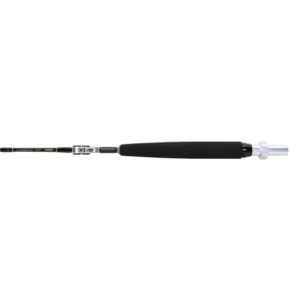
SHIMANO TEREZ BW FULL ROLLER UNI BUTT ROD
€1,040.19Select options This product has multiple variants. The options may be chosen on the product page -
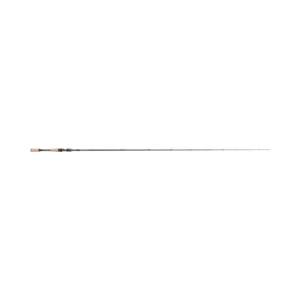
SHIMANO POISON GLORIOUS CASTING ROD
Price range: €468.08 through €494.09Select options This product has multiple variants. The options may be chosen on the product page
Reviews
There are no reviews yet.