
We Deliver Directly To Your Door
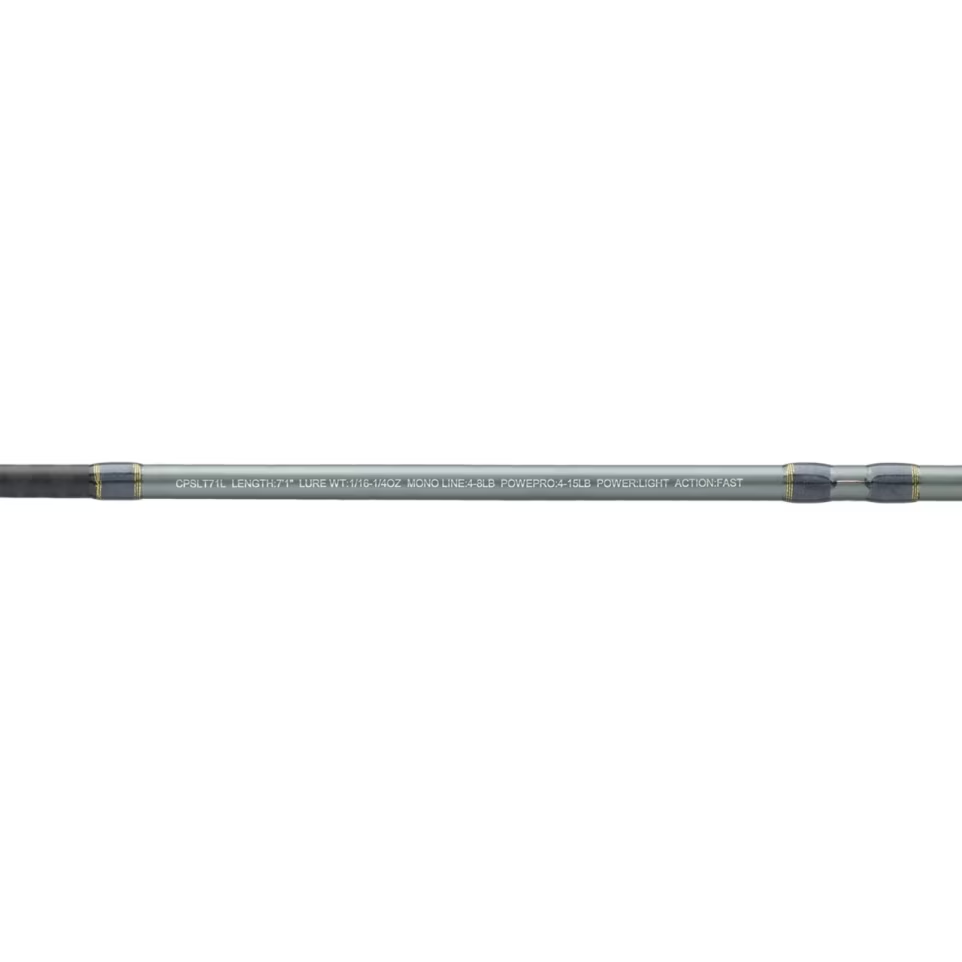
Description
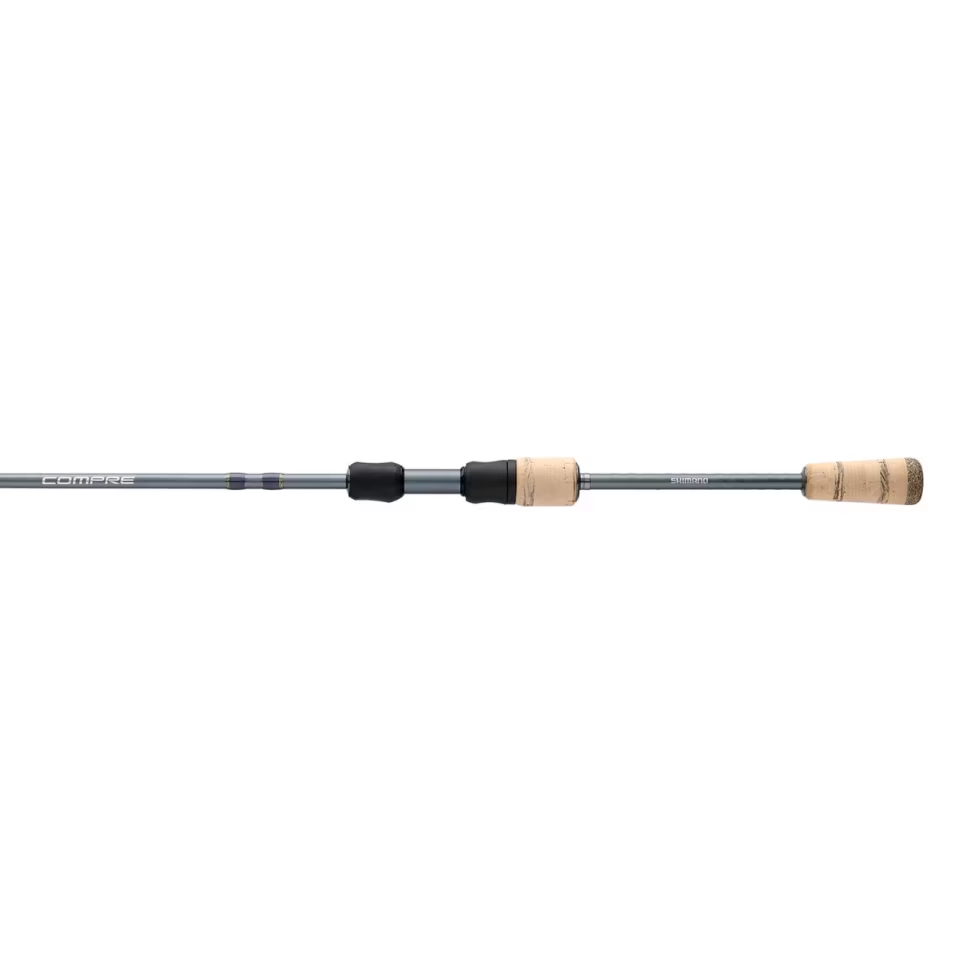
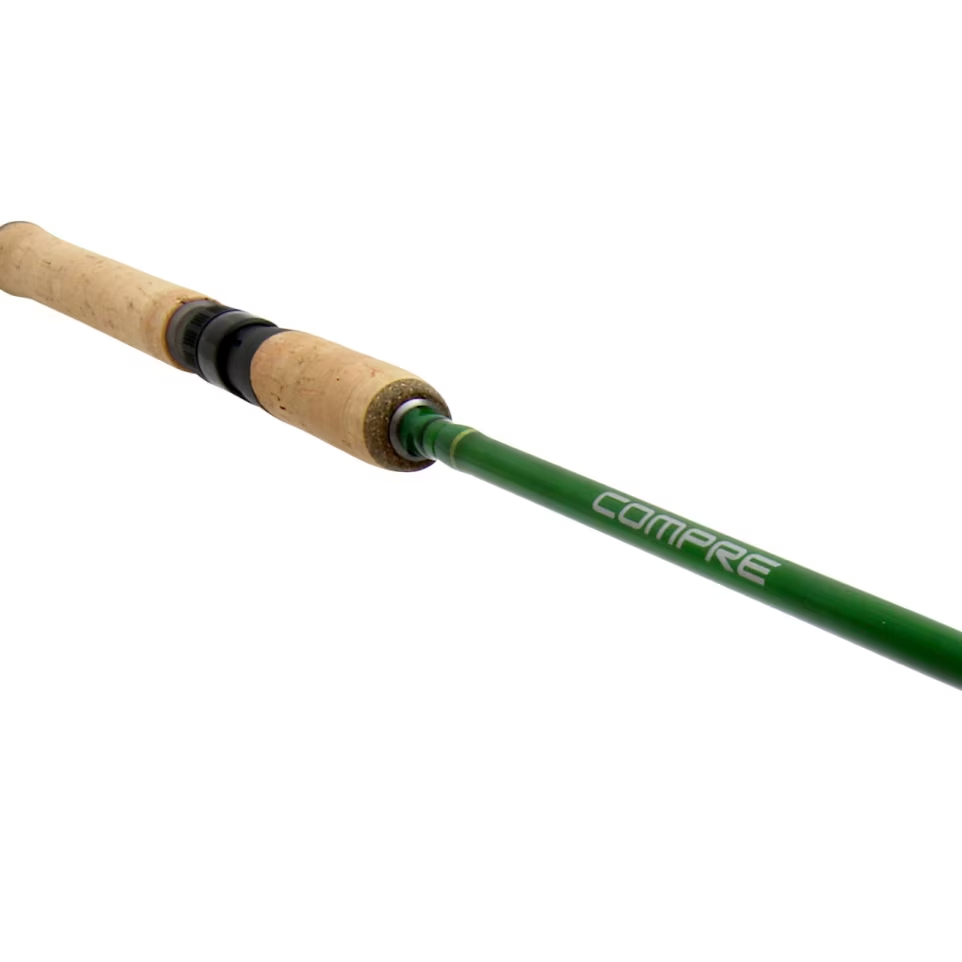
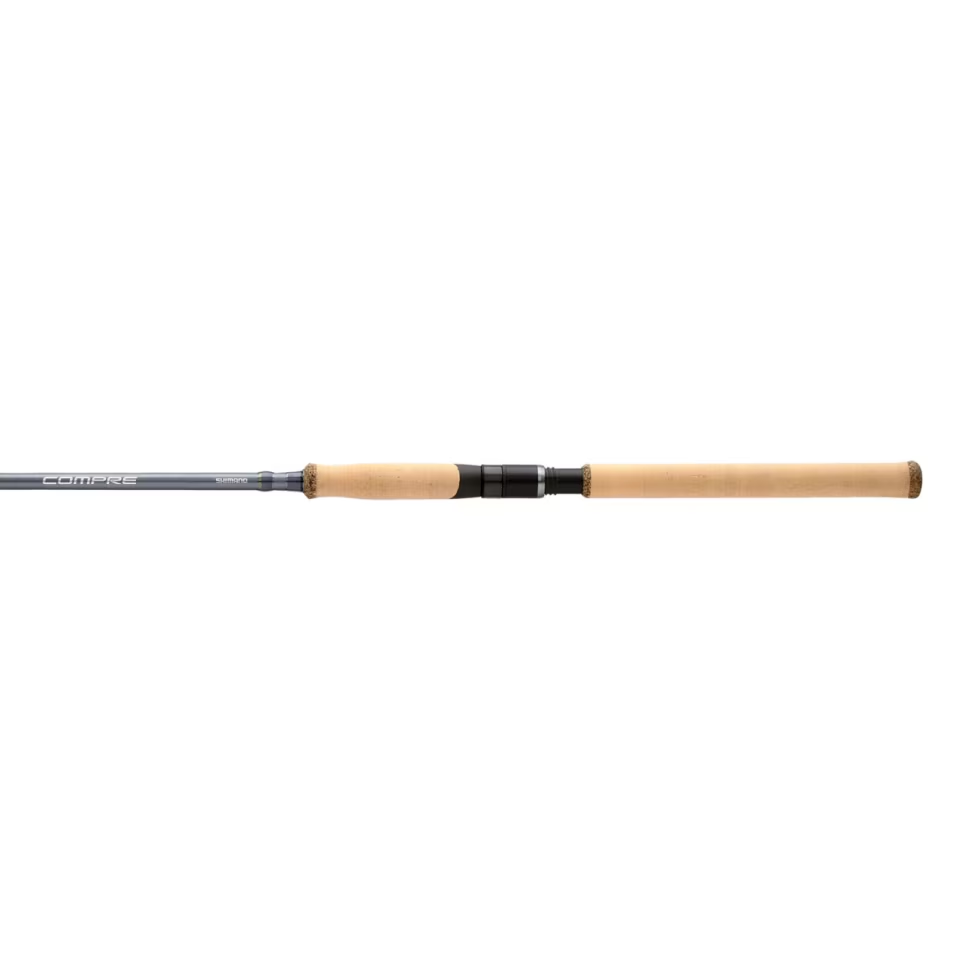
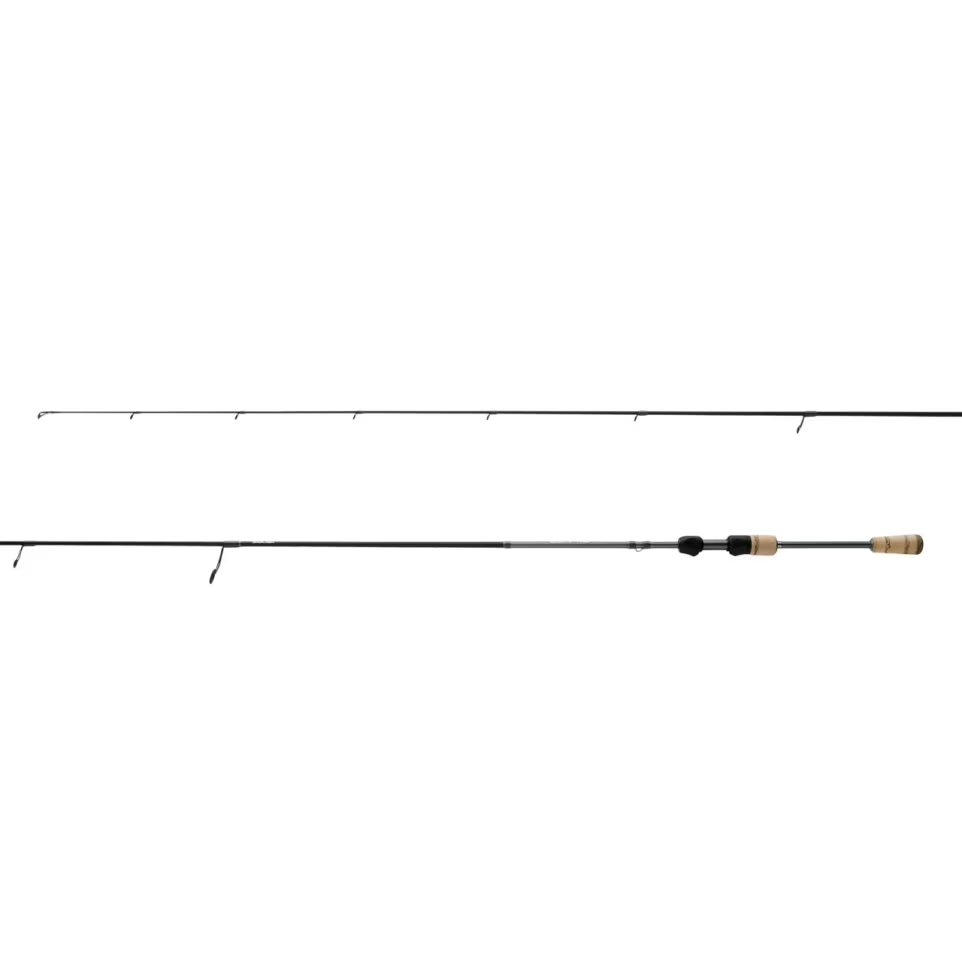
Shimano Compre Walleye Spinning Rod – Precision, Control, and Confidence on the Water
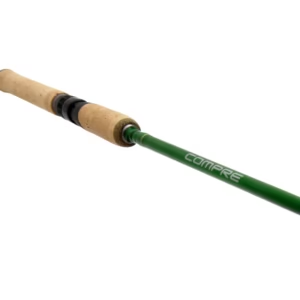
Discover a Better Fishing Experience
A successful day on the water often begins with equipment that feels dependable, balanced, and comfortable in your hands. The Shimano Compre Walleye Spinning Rod has been designed for anglers who value control, sensitivity, and practical performance when pursuing walleye in different fishing environments.
Whether you’re exploring freshwater lakes, working along rocky shorelines, or presenting a lure around submerged structures, the right rod can help make every movement more deliberate. Furthermore, a well-matched setup can make it easier to detect subtle bites, maintain control during a retrieve, and respond confidently when a fish takes the bait.
Shimano is widely recognized in the fishing industry for its commitment to angling equipment and thoughtful product development. Consequently, the Compre series deserves consideration from anglers seeking a reliable addition to their freshwater tackle collection.
Rather than focusing solely on catching more fish, this rod is intended to support a more controlled and enjoyable fishing experience. From carefully presenting soft plastics to working appropriate jigs and other compatible lures, versatility remains an important consideration when selecting your next fishing setup.
Designed for Walleye Fishing
Walleye fishing can require patience, accurate lure placement, and a good understanding of underwater conditions. Sometimes, fish respond to a subtle presentation, while other situations call for a more active retrieve. Therefore, choosing equipment that suits your preferred techniques can make a meaningful difference.
The Shimano Compre Walleye Spinning Rod is intended for anglers who appreciate the versatility of a spinning setup. This style of fishing equipment can be used with a wide range of compatible reels, lines, and artificial baits, depending on the rod’s specific specifications.
Sensitivity for More Informed Presentations
When fishing around rocky bottoms, weed edges, or submerged cover, the ability to interpret feedback through your setup can be valuable. Changes in lure movement, contact with underwater obstacles, and potential bites may require different responses.
A suitable spinning rod can help you maintain a better connection with your presentation. In addition, matching the rod with an appropriate reel and fishing line can contribute to a balanced setup that feels comfortable throughout an extended session.
Although no rod can guarantee that every bite will be detected, careful equipment selection can help anglers develop greater awareness of what is happening beneath the surface.
Control Throughout the Retrieve
Different walleye techniques place different demands on fishing equipment. For example, retrieving a soft plastic along the bottom requires a different approach from slowly working a minnow-style lure through open water.
With an appropriately matched setup, anglers can work their presentations at a controlled pace while adjusting to changing conditions. As a result, the fishing experience can feel more consistent and less demanding.
The ideal approach will depend on the model’s action, power, length, recommended lure weight, and line rating. These specifications should always be checked before a purchase to ensure compatibility with your preferred fishing methods.
Key Product Highlights
The following features explain the practical considerations that make this category of fishing rod worth exploring.
- Walleye-focused application: Suitable for anglers building a freshwater setup around walleye fishing.
- Spinning configuration: Designed for use with a compatible spinning reel.
- Versatile presentation options: Can support suitable lures and techniques when matched to the exact model specifications.
- Controlled lure handling: Helps anglers work their presentations with deliberate movements.
- Freshwater fishing suitability: Appropriate applications depend on the individual rod model and its manufacturer ratings.
- Customizable tackle setup: Can be paired with suitable line, terminal tackle, and artificial baits.
- Comfort-oriented selection: Proper rod length, grip design, reel balance, and overall weight should be considered for extended sessions.
- Technique flexibility: Can be incorporated into different approaches to walleye fishing when the selected configuration is appropriate.
Please confirm the exact model specifications before listing technical features, materials, dimensions, or performance claims.
Explore Different Walleye Fishing Techniques
One advantage of selecting a spinning rod is the opportunity to build a setup around your preferred style of fishing. However, versatility should always be evaluated against the rod’s actual ratings rather than assumed from its product name alone.
Jig Fishing
Jig fishing is a popular approach for targeting walleye, particularly when fish are holding close to the bottom or around underwater structures.
A compatible rod and line combination can help you maintain contact with the jig while adjusting the speed and height of your presentation. Meanwhile, careful attention to bottom composition and water depth can help you make more informed decisions about lure selection.
For best results, choose a jig weight that falls within the manufacturer’s recommended lure range. Excessively heavy lures can compromise the intended use of a rod and may cause damage.
Soft Plastic Presentations
Soft plastic baits offer anglers numerous options for adapting to water conditions and fish behavior. Paddle tails, finesse-style plastics, and other suitable designs can be selected according to the desired movement and presentation.
When the equipment is properly matched, the retrieve can be adjusted to suit the situation. For instance, a slower presentation may be useful when fish are less active, whereas a more pronounced movement may be appropriate under different conditions.
The most effective combination will depend on the target fish, water clarity, depth, and the particular rod’s capabilities.
Fishing with Minnow-Style Lures
Minnow imitations can be used to represent small baitfish, an important food source for many predatory freshwater species. Their effectiveness depends on factors such as lure profile, swimming action, retrieve speed, and seasonal conditions.
A compatible spinning setup allows anglers to experiment with different presentations without unnecessarily complicating their tackle selection. Nevertheless, the rod’s recommended lure rating should be checked before using larger or heavier artificial baits.
Fishing Around Underwater Structures
Submerged rocks, weed beds, drop-offs, and other changes in underwater terrain can provide valuable areas to investigate when searching for walleye.
Fishing around these locations requires attention to line tension, lure movement, and potential snags. A carefully balanced setup can help you maintain better control while presenting a bait close to the areas where fish may be feeding.
Because cover and water conditions vary, anglers should adapt their equipment and technique to the environment rather than relying on a single approach.
Pairing Your Rod with the Right Spinning Reel
A rod and reel should be selected as a complete system. Even a quality rod may feel unbalanced when paired with an unsuitable reel or an inappropriate line.
Reel Compatibility
When choosing a spinning reel, consider its size, weight, line capacity, drag performance, and compatibility with the rod. A well-balanced combination can feel more comfortable during repeated casts and retrieves.
Shimano spinning reels may be worth exploring when building a coordinated fishing setup. However, the most appropriate reel will depend on the exact rod model and your intended application.
Selecting the Right Fishing Line
Fishing line influences casting, sensitivity, abrasion resistance, and overall handling. Monofilament, fluorocarbon, and braided lines each offer different characteristics.
- Braided line: Often selected for its relatively low stretch and strong diameter-to-strength ratio.
- Fluorocarbon: Commonly used when abrasion resistance and low visibility in water are priorities.
- Monofilament: Offers stretch and forgiving handling that may suit particular fishing situations.
A leader can also be incorporated when appropriate. Ultimately, line selection should be guided by the rod’s recommended line rating, reel capacity, fishing environment, and personal preference.
How to Choose the Right Configuration
Before purchasing, consider where and how you intend to fish. A setup intended for casting lighter lures in open water may differ considerably from one used around heavier cover.
Rod Length
Rod length can influence casting distance, lure control, and maneuverability. Longer models may offer advantages in certain casting situations, whereas shorter models can be easier to manage in confined spaces.
Neither option is universally superior. The appropriate length depends on your fishing location, casting technique, and the manufacturer’s intended application.
Power and Action
Power describes a rod’s resistance to bending under load, while action generally describes where the rod bends most readily.
These characteristics influence how a rod handles different lure weights, hook-setting movements, and fish-fighting situations. Therefore, both should be considered alongside line and lure ratings.
Lure and Line Ratings
Manufacturer ratings provide essential guidance about the intended operating range of a fishing rod. Staying within those recommendations helps preserve appropriate handling and reduces the risk of equipment damage.
If the exact specifications are not displayed on the product page, consult the manufacturer’s documentation or contact the retailer before ordering.
Care and Maintenance
Proper care can help preserve your fishing equipment and support dependable performance over time.
After each trip, inspect the rod for visible damage, check the guides for rough edges, and remove accumulated dirt or residue. When necessary, clean the equipment according to the manufacturer’s recommendations.
The rod should be transported securely to prevent accidental impacts. In addition, avoid using it to lift fish beyond its intended capabilities or forcing a snag free by applying excessive pressure.
Before storing your setup, ensure that it is clean and dry. Regular inspection can help identify problems before your next fishing trip.
Why Consider the Shimano Compre Walleye Spinning Rod?
Selecting a fishing rod involves more than comparing brand names. The best choice should suit your techniques, provide an appropriate balance with your reel, and meet your expectations for comfort and handling.
For anglers assembling a dedicated walleye setup, the Shimano Compre Walleye Spinning Rod is a product worth evaluating alongside other rods in its intended category.
Its suitability should be judged by the specific model’s documented features, including its length, power, action, lure rating, line rating, and construction. By reviewing these details before ordering, you can make a more confident decision and select equipment that aligns with your fishing goals.
Frequently Asked Questions
Is this rod suitable for walleye fishing?
It is marketed for walleye fishing. However, the best applications depend on the exact model specifications and the techniques you intend to use.
Can it be paired with a Shimano spinning reel?
A compatible spinning reel can be considered. For the best balance, compare the rod’s specifications with the reel’s weight, size, and intended line capacity.
Which fishing line should I use?
Braided, fluorocarbon, and monofilament lines may all be appropriate in different circumstances. Follow the rod’s recommended line rating and consider your fishing environment when making a selection.
Can it be used for jig fishing?
Jig fishing may be suitable when the jig weight and technique fall within the rod’s intended operating range. Always verify the manufacturer’s lure rating before use.
What should I check before ordering?
Review the exact model number, rod length, power, action, lure rating, line rating, product condition, warranty terms, and shipping details. This information helps ensure that the product matches your expectations.
Find Your Next Fishing Setup
The right equipment can make each fishing session more organized, comfortable, and rewarding. By choosing a rod that matches your techniques and pairing it with suitable tackle, you can approach changing conditions with greater confidence.
Explore the available Shimano Compre Walleye Spinning Rod options, compare the listed specifications, and select the configuration that best fits your freshwater fishing needs.
Choose your equipment carefully, prepare your tackle thoughtfully, and make every trip an opportunity to improve your skills on the water.
Shimano Compre Walleye Spinning Rod
Understanding Walleye Behavior and Choosing the Right Approach
Successful freshwater fishing is often influenced by an angler’s ability to adapt to changing conditions. Although the right equipment can provide valuable support, fish behavior, water temperature, available forage, and seasonal patterns must also be considered.
The Shimano Compre Walleye Spinning Rod can be evaluated as part of a carefully selected setup for anglers who want to pursue walleye with greater consistency. By understanding the relationship between equipment and fishing technique, you can make better decisions about lure presentation, line selection, and casting strategy.
Reading Water Conditions
Walleye may be encountered around drop-offs, rocky areas, submerged vegetation, and other underwater features. However, their location can change according to light levels, water temperature, forage availability, and seasonal movement.
Consequently, exploring different depths can be more productive than repeatedly fishing the same location. A depth finder, where available, may help identify changes in bottom structure and potential areas of interest.
Additionally, wind direction and water clarity should be considered when selecting a presentation. Clear water may encourage a more subtle approach, while stained water may call for adjustments in lure visibility or movement.
The objective is to build a setup that allows you to respond to these variables without unnecessarily complicating your tackle collection.
Adjusting to Seasonal Conditions
Walleye behavior can vary throughout the year. During spring, fish may move into shallower areas associated with spawning activity. In summer, they may use deeper water or seek cooler conditions, depending on the lake and local environment.
During autumn, changing temperatures and forage movement can influence feeding patterns. Winter fishing presents its own challenges, particularly where ice conditions, local regulations, and specialized equipment must be considered.
These patterns should be treated as general guidance rather than fixed rules. Local observations and current conditions remain important when planning a trip.
Improving Casting Accuracy and Distance
Casting performance depends on several factors, including rod length, lure weight, line diameter, reel design, and casting technique. Therefore, a balanced setup should be prioritized over any single equipment feature.
Developing a Consistent Casting Motion
A smooth casting motion can help reduce unnecessary effort and improve presentation accuracy. Instead of relying entirely on force, anglers should allow the rod and lure to work together within the equipment’s intended range.
Before casting, check that the line is properly positioned and that the lure is securely attached. Also, ensure that the surrounding area is clear of people, branches, and other obstacles.
With regular practice, a controlled motion can help improve consistency across different casting situations.
Managing Wind and Casting Conditions
Wind can influence line movement, casting distance, and lure control. When casting into a strong headwind, a lower trajectory may help reduce the amount of line exposed to the air.
Crosswinds can also move the line away from the intended target. In such situations, adjustments to casting direction and retrieve speed may help maintain a more controlled presentation.
The best response depends on the location, available space, lure design, and equipment being used.
Building a Balanced Freshwater Tackle System
A fishing rod is only one part of an effective setup. Reels, line, hooks, lures, terminal tackle, and storage accessories should be selected according to the intended fishing method.
Selecting Suitable Artificial Lures
Different lures can be used to explore different depths and feeding responses.
- Jigs: Useful for controlled presentations near the bottom when the selected weight is appropriate.
- Soft plastics: Available in numerous shapes and swimming actions for adapting to different conditions.
- Minnow-style lures: Designed to imitate small baitfish and can be retrieved at different speeds.
- Crankbaits: Often selected when a particular diving depth or swimming action is required.
- Blade-style lures: May be useful for creating vibration during suitable presentations.
Not every lure is appropriate for every rod. Before making a selection, compare the lure’s weight with the specifications of the exact model.
Choosing Hooks and Terminal Tackle
Hooks, snaps, leaders, and other terminal components should be matched to the lure and target species. Their size and strength can affect presentation, reliability, and overall handling.
Lightweight presentations may require smaller components, whereas heavier applications may call for stronger tackle. Nevertheless, the balance between component size and intended use should always be considered.
Regular inspection is also recommended. Damaged hooks, worn knots, and compromised leaders should be replaced before they cause problems on the water.
The Importance of Rod Sensitivity
Sensitivity is often discussed when selecting equipment for jig fishing and other techniques in which subtle changes in lure movement matter.
However, sensitivity is influenced by the complete setup rather than the rod alone. Blank construction, line type, lure weight, water depth, and contact with the bottom can all affect the feedback experienced by the angler.
Maintaining Contact with Your Lure
When fishing close to the bottom, maintaining appropriate line tension can help you recognize changes in the presentation. Excessive slack may reduce feedback, while too much tension can interfere with natural lure movement.
A balanced retrieve allows you to interpret contact with rocks, vegetation, and other underwater features. Over time, this process can help you distinguish ordinary obstacles from potential bites.
Responding to Subtle Bites
Not every fish produces an obvious strike. Some bites may be experienced as a slight tap, an unexpected change in resistance, or a brief interruption in lure movement.
Remaining attentive can help you respond appropriately. Nevertheless, line movement caused by wind, current, or underwater structures should not automatically be interpreted as a bite.
Practice, observation, and familiarity with your equipment can gradually improve your ability to recognize these differences.
Fighting and Landing Fish Responsibly
Once a fish has been hooked, controlled pressure is generally preferable to sudden, excessive force. The reel’s drag should be adjusted appropriately, and the rod should be used within its intended limits.
Managing Line Tension
Maintaining steady pressure can help reduce unnecessary slack during a fight. At the same time, the drag should allow line to be released when the fish makes a strong run.
Avoid locking the drag excessively or attempting to lift a fish using the rod alone. Doing so can place unnecessary stress on the equipment.
Safe Fish Handling
If a fish is intended for release, minimize the time it spends out of the water. Wet hands, suitable landing tools, and careful hook removal can help reduce unnecessary handling.
Always follow local size limits, seasonal restrictions, and catch regulations. Responsible practices help preserve fisheries for other anglers and future generations.
Comparing Spinning Equipment for Different Fishing Needs
Anglers sometimes compare spinning rods with casting equipment when deciding how to organize their tackle.
Neither design is automatically better for every situation. Instead, the preferred option depends on personal comfort, technique, lure weight, and fishing conditions.
Spinning Rods
Spinning setups are commonly selected for their straightforward operation and compatibility with a wide range of lighter presentations. They can be a practical choice for anglers who regularly change lure types or fish in varied freshwater environments.
Casting Rods
Casting setups are frequently selected for applications that benefit from precise lure control or particular reel configurations. However, they may require additional practice to develop consistent casting technique.
The decision should be based on the demands of your fishing style rather than brand preference alone.
Maintaining Your Equipment for Long-Term Use
Routine maintenance can help preserve your fishing equipment and identify potential issues before they affect a trip.
Cleaning After Fishing
After use, remove dirt and residue from accessible surfaces with a soft cloth. If the equipment has been exposed to particularly dirty or harsh conditions, follow the manufacturer’s cleaning recommendations.
Avoid aggressive chemicals or cleaning methods that could damage finishes, grips, or other components.
Inspecting Guides and Connections
Rod guides should be checked for cracks, rough edges, or other damage that could affect the line. The reel seat and handle should also be inspected for looseness or visible wear.
If any component appears damaged, address the issue before using the rod again.
Transport and Storage
During transport, secure the rod so that it cannot slide around or be struck by other equipment. A suitable protective sleeve or case can help reduce the risk of accidental damage.
For storage, choose a dry location away from excessive heat and unnecessary pressure. Proper care is particularly valuable when equipment is used frequently throughout the fishing season.
Buying Considerations for Online Customers
Purchasing fishing equipment online offers convenience, but product information should be reviewed carefully before an order is placed.
Confirm the Exact Model
The product name alone may not provide enough information to determine whether a rod suits your needs. Check the model number and verify the specifications shown by the manufacturer or retailer.
Important details include:
- Rod length and number of sections.
- Power and action.
- Recommended lure weight.
- Recommended line rating.
- Handle and grip configuration.
- Product condition and included components.
- Warranty eligibility and return conditions.
These details help reduce uncertainty and allow you to compare products more effectively.
Review Shipping and Return Information
Before completing a purchase, review the retailer’s shipping methods, delivery estimates, tracking availability, and return policy.
International customers should also consider applicable customs charges, import duties, and local delivery arrangements. These costs and requirements may vary by destination.
Clear product information and transparent purchasing terms can make the buying process more straightforward.
Frequently Asked Questions – Part 2
Is this rod appropriate for beginners?
It may be worth considering for beginners interested in freshwater fishing. However, suitability depends on the exact model, the angler’s preferred techniques, and the ability to use equipment within its recommended ratings.
Can it be used in lakes and rivers?
The intended use should be confirmed through the manufacturer’s specifications. Freshwater environments differ in current strength, depth, obstacles, and target-fish behavior, so the appropriate setup will vary.
What reel size should I choose?
Choose a spinning reel that balances comfortably with the rod and accommodates the intended line. The manufacturer’s guidance and the exact model specifications should be used to narrow the selection.
Is braided line suitable?
Braided line may be suitable if its strength and diameter are compatible with the rod and reel. A leader can be added when appropriate for the fishing conditions and presentation.
How can I protect the rod during transport?
Use a suitable rod sleeve or protective case, secure it against movement, and avoid placing heavy equipment on top of it. Check the guides and blank for damage after transport.
Does the rod come with a warranty?
Warranty coverage should be confirmed through the retailer or manufacturer. Eligibility may depend on the specific product, proof of purchase, region, and applicable terms.
What makes a good walleye setup?
A good setup is one that matches the fishing technique, lure weight, line requirements, and expected conditions. Comfort, balance, and appropriate equipment ratings should take priority over unsupported performance claims.
Final Thoughts: Make Your Next Fishing Trip Count
Selecting suitable fishing equipment is an important step toward a more enjoyable experience on the water. The best results are often supported by thoughtful preparation, an understanding of local conditions, and consistent practice.
The Shimano Compre Walleye Spinning Rod can be considered as part of a freshwater fishing setup built around appropriate tackle and proven techniques. Before purchasing, verify the model-specific specifications and ensure that they align with your preferred methods.
With a balanced reel, suitable line, carefully selected lures, and responsible fishing practices, anglers can approach each trip with a clear plan and greater confidence.
Explore your available options, compare the technical details, and choose equipment that supports the way you enjoy fishing.
Additional SEO Content for the Product Page
Suggested Related Keywords
Use these related terms only where they fit the surrounding content naturally:
- Walleye fishing equipment
- Freshwater spinning rod
- Walleye jigging setup
- Spinning reel and rod combination
- Freshwater fishing tackle
- Walleye lure selection
- Fishing line and leader
- Rod power and action
- Freshwater angling accessories
- Fishing rod maintenance
Suggested Image Alt Text
- Shimano Compre Walleye Spinning Rod product image
- Freshwater spinning rod for walleye fishing
- Fishing rod and spinning reel setup for freshwater anglers
Alt text should describe the actual image shown rather than repeat the same phrase across every product photograph.
Suggested Product Page Structure
- Product overview and key benefits.
- Verified model specifications.
- Intended fishing applications.
- Recommended reel and line considerations.
- Care and maintenance guidance.
- Shipping, warranty, and returns.
- Frequently asked questions.
- Related fishing equipment.
Premium Fishing Tackle, Reels, Rods, Lures, and Saltwater Fishing Equipment
Discover High-Quality Fishing Equipment for Every Angler
Successful fishing begins with the right equipment. Whether you are preparing for an offshore adventure, exploring freshwater rivers, casting from the beach, or targeting powerful saltwater species, the right fishing setup can make every trip more productive and enjoyable. Our fishing tackle collection brings together essential tools, carefully designed rods, dependable reels, specialized lines, effective lures, and practical accessories for anglers of different experience levels.
From a reliable baitcaster reel for sale to advanced saltwater fishing reels, modern spinning rods, and specialized marine equipment, choosing suitable tackle allows you to approach each fishing environment with greater confidence. Furthermore, understanding the differences between rod actions, reel designs, line strengths, and lure presentations can help you select equipment that matches your fishing technique.
Popular searches such as all Shimano reels, spinning fishing reels for sale, saltwater baitcasting reels, and custom fishing equipment reflect the wide variety of products anglers consider when upgrading their fishing setups. Consequently, our collection focuses on helping customers explore different equipment categories, compare useful features, and identify products suited to their individual requirements.
Fishing Rods for Different Fishing Techniques
Fishing rods are designed to support different environments, target species, casting methods, and lure weights. Therefore, understanding the types of rods available is an important step toward building a balanced setup.
Spinning rods are widely used for freshwater fishing, inshore saltwater applications, and surf fishing. Casting rods are commonly selected for techniques that require precise lure placement and controlled line management. Meanwhile, surfcasting rods provide the casting length and leverage needed to reach productive areas beyond the shoreline.
When researching the difference in fish rods, consider rod length, power, action, construction materials, line ratings, and intended applications. A light spinning rod may be suitable for trout and panfish, whereas a stronger saltwater rod may be required for larger species and heavier terminal tackle.
The St. Croix Avid Inshore spinning rods new version are worth exploring for anglers interested in modern inshore spinning equipment. Similarly, the St. Croix Premier series is a product family to consider when comparing rod options for different fishing applications. Available specifications should always be checked against the exact model being purchased.
Anglers searching for a Shimano Tiralejo surf rod may be interested in equipment intended for surf fishing and shoreline casting. A suitable surf rod should match the angler’s preferred casting distance, lure or sinker weight, and target species.
Other useful searches include G. Loomis E6X, Dobyns Fury swimbait rod, Daiwa Tatula spinning rod, and Shimano pole. These product names can help anglers narrow their search according to brand preference and fishing technique.
Spinning Reels for Freshwater and Saltwater Fishing
Spinning reels remain a popular choice because they are versatile, relatively straightforward to operate, and available in sizes suited to many fishing environments. They can be used for light freshwater presentations, inshore fishing, and heavier saltwater applications when the reel is appropriately specified.
The Shimano Nasci spinning reel is a product to consider when comparing spinning reel options. Anglers may also research the Shimano Sahara 4000 XG, Shimano Sustain fishing reel, and Shimano Stella 25000 when looking for reels designed for different performance requirements.
For lighter fishing applications, the Daiwa Revros LT 1000 and Certate 2500 Daiwa are relevant model-specific searches. The BG2000 Daiwa is another useful product name for anglers comparing reel sizes and intended applications.
For saltwater fishing, the Shimano Saragosa SW-A is a model family worth considering. Likewise, the Penn Spinfisher reels and Penn Spinfisher VII 2500 are relevant searches for anglers evaluating spinning equipment for inshore and other suitable saltwater applications.
When comparing these products, consider drag performance, gear ratio, retrieve speed, corrosion resistance, spool capacity, body construction, and overall reel weight. In addition, verify the manufacturer’s specifications for the precise model and size.
Baitcasting Reels for Precision and Control
Baitcasting equipment is commonly selected by anglers who want controlled casting, direct lure presentation, and the ability to work with a broad range of suitable lures. Although baitcasting systems can require more practice than spinning setups, they can provide excellent control when matched with the correct rod, line, and casting technique.
If you are searching for a high quality baitcasting reel, compare the reel’s braking system, gear ratio, drag capacity, spool design, handle configuration, and compatibility with your preferred line.
A high speed casting reel can be useful when a fishing technique benefits from retrieving slack line quickly or working certain lures at a faster pace. However, the ideal retrieve speed depends on the lure, target species, and fishing conditions.
Anglers looking for saltwater baitcasting reels should pay particular attention to corrosion protection, frame strength, bearing protection, and maintenance requirements.
Popular product searches in this category include the Daiwa Lexa 300 HD, Shimano Tranx 400A, Abu Garcia Beast 400 low profile reel, and red baitcast reels. The Gomexus fishing reels search is also relevant to customers exploring reel products and configurations from this manufacturer.
Before choosing a reel, confirm whether it is designed for freshwater, saltwater, or both. A reel’s size, line capacity, and drag rating should be suitable for the species and fishing environment you intend to target.
Conventional Reels and Two-Speed Fishing Reels
Conventional reels are frequently considered for offshore fishing, trolling, bottom fishing, and situations where increased line capacity or heavy-duty construction is required.
The search term Shimano 2 speed reels refers to a category of reels that offers two selectable gear ratios. This feature can provide a faster retrieve in one setting and increased mechanical advantage in another, depending on the model.
Anglers exploring this category may also investigate all Shimano reels, Shimano Torium 20, Avet Raptor Plus, and Alutecnos products. Each model should be evaluated according to its intended fishing technique, line capacity, drag specifications, and target species.
The Penn Senator 14/0 is another notable model-specific search associated with large conventional fishing equipment. Likewise, 113H Penn and halibut reels are relevant searches for anglers researching conventional reels for heavier applications.
For larger offshore species, choosing an appropriately rated reel is especially important. Line capacity, drag performance, gear strength, and the quality of the rod and terminal tackle all contribute to the performance of the complete fishing system.
Electric Fishing Reels for Deep-Water Applications
Electric reels can assist anglers who regularly fish deep water or use heavy rigs that require repeated retrieval of substantial line lengths. They are particularly relevant to certain offshore and deep-drop fishing techniques.
The Shimano Beastmaster electric reel and Shimano electric fishing reels are useful searches for customers exploring powered reel options. When comparing electric models, review the manufacturer’s specifications for line capacity, retrieval speed, power requirements, operating controls, and intended fishing applications.
A suitable electric reel should be selected as part of a complete system. Rod compatibility, battery arrangements, electrical connections, line type, and the expected depth of fishing should all be considered before purchase.
Surfcasting Equipment for Shoreline Anglers
Surf fishing requires equipment that can handle repeated casting, changing coastal conditions, and the demands of fishing from beaches or other shore-access locations.
A surfcasting rod should be selected according to the weight of the rig, the casting technique, and the distance required. Longer rods can provide useful casting leverage, although casting distance also depends on technique, sinker weight, line diameter, and environmental conditions.
The Shimano Tiralejo surf rod is a relevant product search for anglers comparing dedicated surf equipment. When evaluating surf rods, check the recommended lure or sinker range, line rating, rod action, handle design, and transport length.
Pairing the rod with suitable spinning fishing reels for sale can help create a balanced setup. For saltwater use, routine cleaning and proper storage are important practices that can help maintain equipment condition.
Fishing Lines for Strength, Sensitivity, and Reliability
Fishing line is a fundamental part of any setup because it connects the angler to the lure, bait, and fish. The appropriate line depends on the fishing environment, target species, reel capacity, casting requirements, and terminal tackle.
Sufix 832 Firetiger is a useful model-specific search for anglers exploring braided line products. Customers researching Sufix line should compare the available breaking strengths, spool lengths, colors, and intended applications.
The FC Sniper line search is associated with Sunline’s FC Sniper fluorocarbon product family. Fluorocarbon is commonly considered for leader and main-line applications, depending on the particular product specifications and fishing method.
Anglers researching 400 pound mono are generally looking for very heavy monofilament line for specialized applications. Before purchasing, verify the actual breaking-strength rating, diameter, spool capacity, and suitability for the intended rig.
Line selection should never be based on breaking strength alone. Knot performance, abrasion resistance, visibility, stretch, and compatibility with the reel and rod are also important.
Fishing Lures for Different Species and Presentations
Fishing lures are available in many shapes, sizes, materials, and actions. Understanding the type of fishing lures available can help anglers choose effective presentations for different conditions.
Topwater lures are designed to operate at or near the water’s surface. Soft plastics offer adaptable presentations, while glide baits are often used to imitate larger prey. Jigs can be presented at different depths, depending on their design and the retrieve used.
The River2Sea Whopper Plopper lure and the commonly searched Wooper Ploper refer to searches associated with the Whopper Plopper topwater lure. Anglers may also investigate the Rebel Jumpin’ Minnow when comparing surface presentations.
The Deps glide bait search is relevant to anglers looking for glide-style swimbaits. Meanwhile, PowerBait Berkley is a useful search phrase for customers exploring Berkley PowerBait products.
When choosing a lure, consider water clarity, depth, current, available forage, weather conditions, and the behavior of the target species. Color, size, sound, and retrieve speed can all affect how a lure performs in a particular situation.
Hooks, Jigs, and Terminal Tackle
Hooks and terminal tackle are essential components of a dependable fishing setup. Selecting the appropriate hook style and size can improve bait presentation and help ensure compatibility with the target species.
Single hooks are used across many fishing techniques, including bait fishing, jigging, and selected lure applications. Their suitability depends on the hook design, gauge, point configuration, bait size, and local fishing regulations.
Jonah Jigs is another relevant product search for anglers exploring jigging tackle. Before purchasing jigs, check their weight, profile, hook configuration, and intended depth range.
A well-organized tackle selection should include the terminal components required for the fishing techniques you regularly use. Suitable swivels, leaders, weights, hooks, and other accessories can help make rig preparation more efficient.
Bait Storage and Fishing Organization
Keeping bait and tackle organized helps anglers prepare quickly and protect equipment during transport. Dedicated storage products can be particularly useful when fishing from boats, kayaks, piers, or remote shorelines.
The Bait Mule container search is relevant to anglers looking for bait-storage and transport solutions. Before purchasing, confirm the product’s dimensions, closure design, intended bait type, and compatibility with your fishing setup.
The Tactical Anglers Assault Pouch is another search term associated with tackle organization. Anglers comparing pouches and compact storage accessories should consider capacity, attachment options, material durability, and access to frequently used items.
For boat-based fishing, a reliable fishing products kill bag search may help customers investigate fish-storage bags designed for suitable marine applications. Product dimensions, insulation, drainage, cleaning requirements, and intended catch size should be reviewed before selection.
Marine Clothing, Footwear, and Fishing Accessories
Fishing clothing and footwear can help anglers remain comfortable while moving between shorelines, boat decks, wet surfaces, and changing weather conditions.
Grundéns backpack is a relevant search for anglers exploring carrying solutions from Grundéns. Compare storage capacity, compartment layout, materials, and weather protection according to the manufacturer’s specifications.
For wet environments, saltwater fishing waders may be appropriate when their construction and intended use match the conditions. Waders should be selected with attention to fit, material, insulation, and the risks associated with water depth and current.
Customers searching for Deck Boots Women’s, Xtratuf women’s deck boot, Xtra Tuffs women, or Xtratuf short boots may be looking for marine footwear designed for wet working and fishing environments. Check the exact model, sizing chart, tread design, and intended use before purchasing.
Similarly, Shimano Evair marine fishing shoes is a relevant model-specific search for anglers comparing lightweight footwear options. Proper fit and suitable traction are important considerations when moving around wet boat surfaces.
Gaffs and Specialized Marine Equipment
A gaff can be used to help secure certain fish during landing when its use is appropriate for the species, fishing method, and applicable regulations. The carbon fiber gaff search is relevant to anglers investigating gaffs made with lightweight composite materials.
When comparing gaffs, consider overall length, hook design, handle strength, grip, and the manufacturer’s intended application. Material alone does not determine performance, so the construction and ratings of the complete product should be reviewed.
The term marine rig can refer to different marine or fishing configurations. Customers should confirm the exact product category, components, and intended application before choosing a compatible setup.
Fishing Sunglasses and Accessories
Fishing sunglasses can help reduce glare and improve visual comfort in bright outdoor conditions. Polarized lenses are often considered for fishing because they can reduce reflected glare from the water’s surface.
Costa Rafael is a useful model-specific search for anglers comparing Costa eyewear. Likewise, Cut Costa may refer to searches for Costa eyewear or lens-cutting and replacement-related products. Verify the exact frame, lens, and replacement-part compatibility before purchasing.
Anglers searching for a G Loomis hat may also be interested in fishing apparel and accessories that complement their existing gear. Hat construction, fit, ventilation, and sun coverage are practical features to compare.
Custom Fishing Equipment and Personalized Setups
Different fishing environments often require different combinations of rods, reels, line, lures, and accessories. Therefore, custom fishing equipment can be an important consideration for anglers who want a setup tailored to their preferred species and techniques.
A personalized setup may involve choosing a specific rod length, reel size, retrieve ratio, line rating, or collection of terminal tackle. For instance, an angler who regularly fishes from shore may prioritize casting distance, whereas someone fishing from a boat may place greater importance on compact equipment, line capacity, and leverage.
Before selecting custom equipment, establish the target species, fishing location, expected conditions, and approximate budget. This information makes it easier to compare products and avoid purchasing components that do not work well together.
Fishing Reel Types: How to Choose the Right Option
Understanding the different fishing reels types available is useful when building a versatile tackle collection.
- Spinning reels: Commonly used for freshwater fishing, inshore saltwater fishing, and a wide range of general applications.
- Baitcasting reels: Often selected for casting control and techniques that benefit from precise lure placement.
- Conventional reels: Frequently used for trolling, bottom fishing, and applications that require suitable line capacity and mechanical strength.
- Two-speed reels: Designed with selectable gear ratios on compatible models to support different retrieval and lifting requirements.
- Electric reels: Used in certain deep-water applications where powered line retrieval is beneficial.
- Specialized surf reels: Selected according to shoreline casting requirements, line capacity, and the chosen surf-fishing technique.
The best option depends on the angler’s experience, intended species, fishing conditions, and the specifications of the rest of the setup.
Shopping for Fishing Reels and Tackle Online
When comparing baitcaster reel for sale listings, spinning fishing reels for sale, or specialized saltwater equipment, review more than the product title. Confirm the exact model number, reel size, retrieve orientation, gear ratio, line capacity, drag specifications, and warranty terms.
Brand and model searches can help narrow your options, but the precise product specification should guide the final decision. For example, the Shimano Quickfire 2, Nexave 2500HG, Shimano Thunnus 4000, Stradic 4000, and Daiwa LT spinning reel searches cover different product families and configurations.
Likewise, Penn 6500LL, Van Staal VR 50, Saltist, and Shimano ANRC850A Shimano neoprene cover are useful model-specific or accessory-related searches. Check the exact listing to distinguish a complete reel from a cover or other replacement accessory.
Customers researching J and H Tackle reviews may be comparing retailer experiences before making a purchase. Reviews can provide useful information about customer service, delivery, product descriptions, and return experiences. However, individual reviews should be considered alongside verified store policies, clear contact details, and the exact terms of sale.
Finding the Right Fishing Equipment for Your Next Trip
The right tackle collection should reflect the way you fish. Freshwater anglers may focus on lightweight spinning reels, casting rods, and versatile lures. Inshore anglers may prioritize corrosion-resistant components and practical storage. Offshore anglers may require heavier conventional reels, specialized lines, and equipment suited to demanding marine conditions.
From St. Croix Premier rods to Shimano reel families, Daiwa spinning equipment, Penn conventional reels, and specialized accessories, a careful comparison helps you make informed purchasing decisions.
Explore the specifications, check product compatibility, and select equipment that matches your preferred techniques. With a balanced setup and appropriate maintenance, your fishing gear can be prepared for a wider range of fishing opportunities.
Additional information
| MODEL/LENGTH | CPSWX56MHD — 5'6", CPSWX56MH2D — 5'6", CPSWX63MD — 6'3", CPSWX63MH2D — 6'3", CPSWX66MLD — 6'6", CPSWX66MD — 6'6", CPSWX66M2D — 6'6", CPSWX68MH2D — 6'8", CPSWX70MLD — 7'0", CPSWX70MD — 7'0", CPSWX70M2D — 7'0", CPSWX76MD — 7'6" |
|---|
Related products
-
SHIMANO TEREZ BW BFC CAST ROD
Price range: €346.73 through €667.45Select options This product has multiple variants. The options may be chosen on the product page -
SHIMANO ZODIAS PACK ROD
€268.71Select options This product has multiple variants. The options may be chosen on the product page -
SHIMANO EXPRIDE SPINNING B ROD
€286.05Select options This product has multiple variants. The options may be chosen on the product page
Reviews
There are no reviews yet.