
We Deliver Directly To Your Door


Description
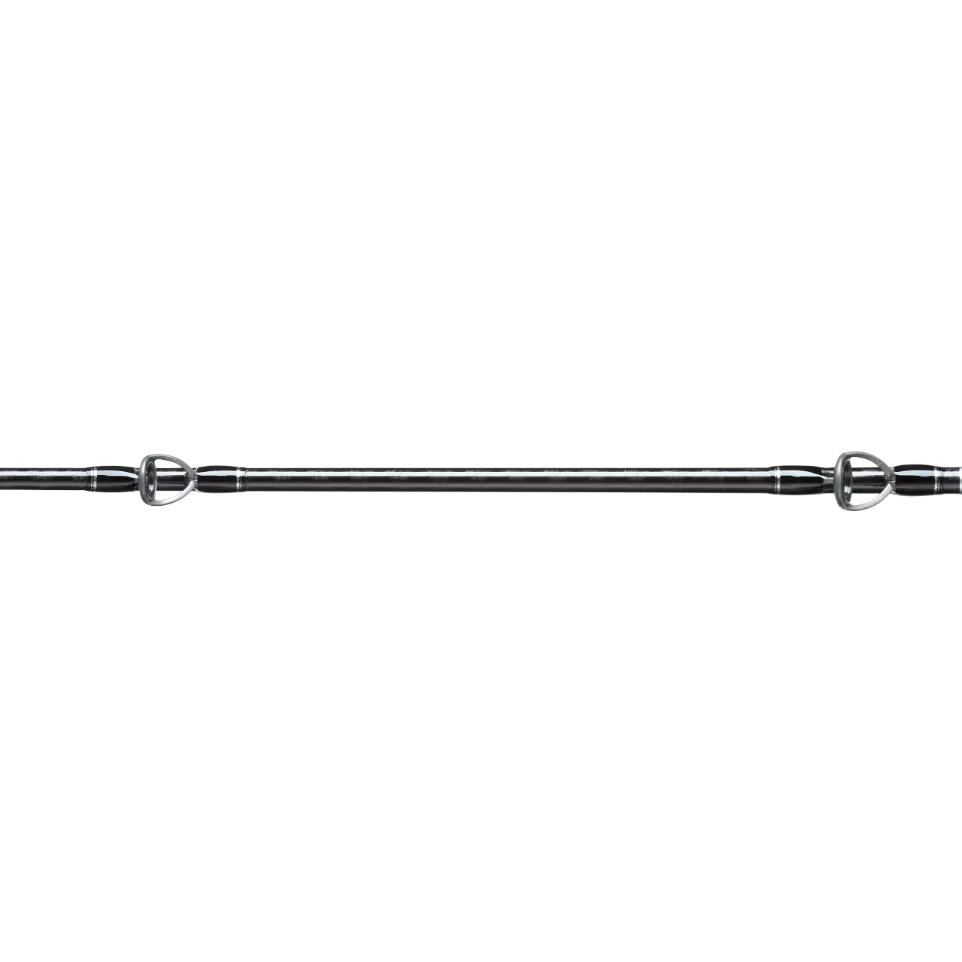
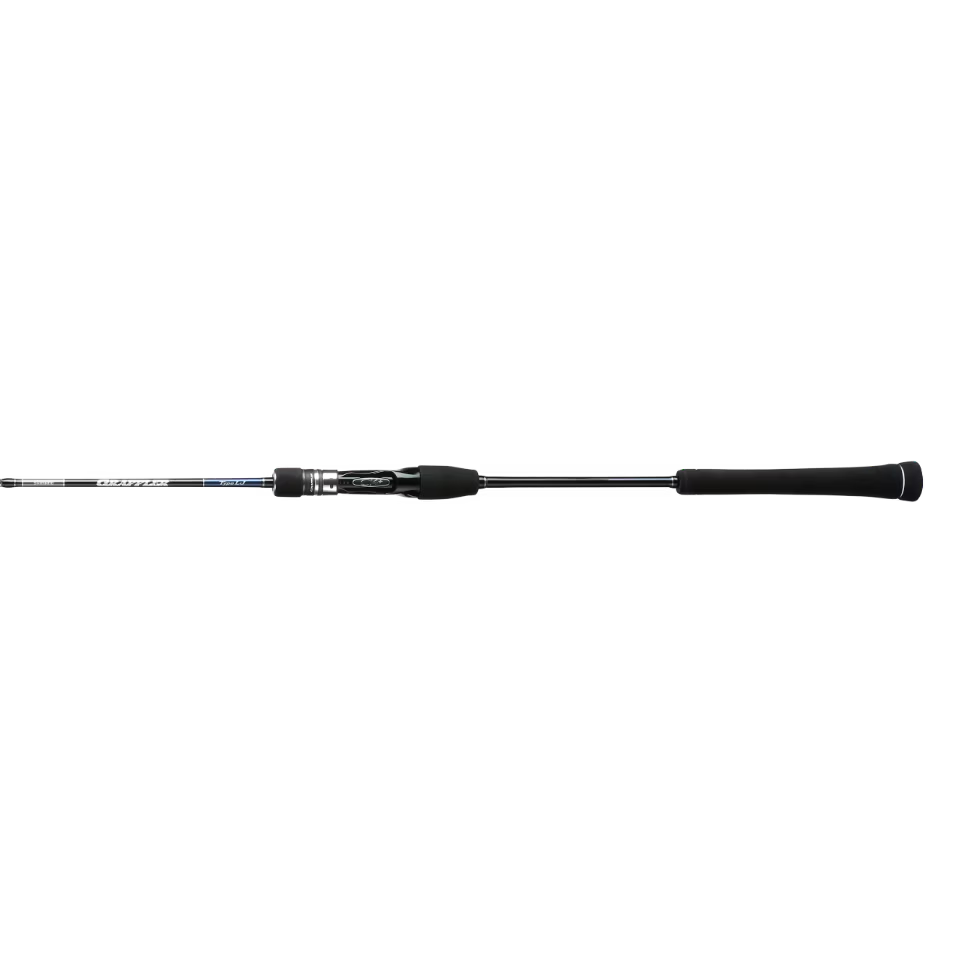
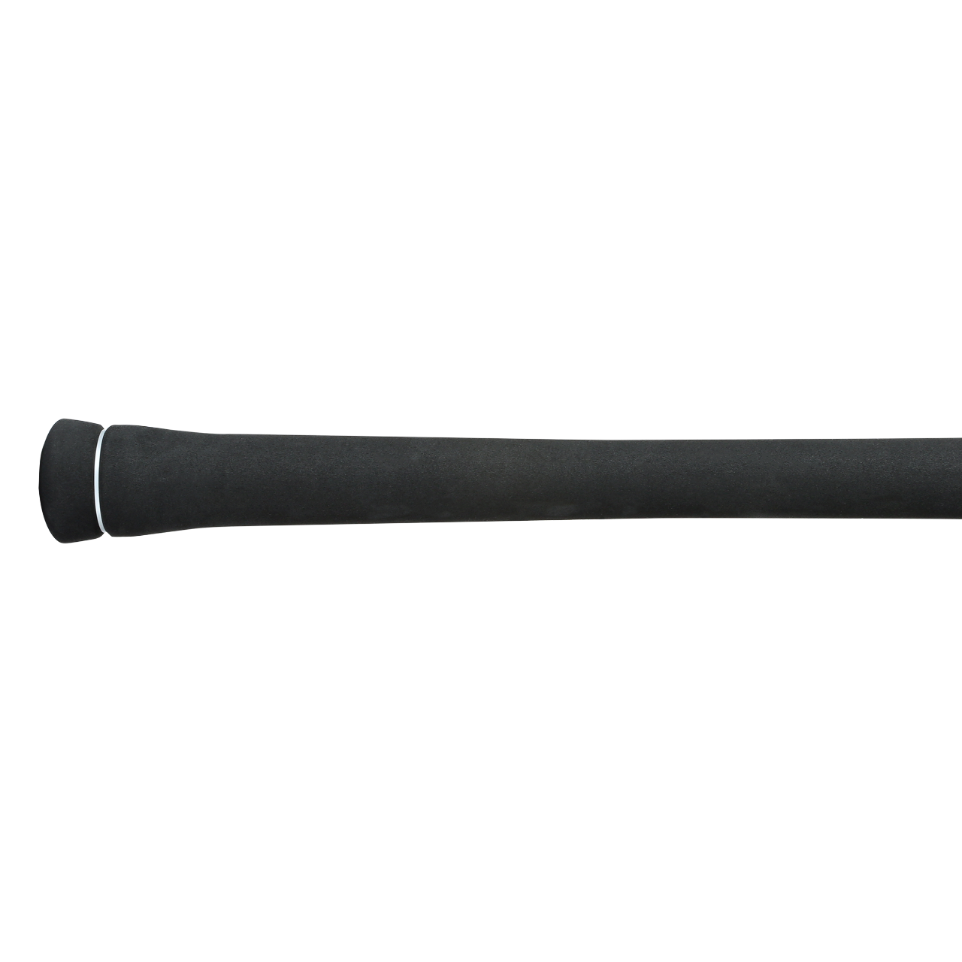
SHIMANO GRAPPLER TYPE LJ ROD – Advanced Light Jigging Performance for Serious Anglers

Premium Light Jigging Performance
Modern light jigging has been transformed by advances in rod construction, sensitivity, balance, and component technology. As a result, greater control can be achieved without sacrificing the power required when aggressive fish are hooked.
The SHIMANO GRAPPLER TYPE LJ ROD has been developed around this demanding style of fishing. Throughout its construction, responsiveness and controlled power are emphasized so that precise jig manipulation can be maintained from the first movement to the final fight.
Rather than being designed only for brute strength, this type of jigging rod is engineered around balance. Every movement of the lure can be managed with greater efficiency. At the same time, enough backbone can be provided for powerful fish and challenging saltwater conditions.
Consequently, anglers can be given a versatile platform for vertical jigging, light jigging, and other active offshore techniques.
Designed for Modern Jigging
Light jigging requires considerably more than simply dropping a lure and retrieving it. Instead, rhythm, cadence, rod movement, line control, and hook-setting timing must work together.
For that reason, a responsive blank is highly valuable.
The rod is designed to allow jig movement to be communicated efficiently through the blank. Furthermore, its balanced profile can help reduce unnecessary fatigue during extended sessions.
Whether fast presentations are being used or a more deliberate cadence is preferred, controlled movement can be maintained.
Built Around Angler Control
Control is placed at the center of the fishing experience.
A jig can be accelerated, paused, lifted, dropped, or manipulated through subtle rod movements. Because of this, the angler can respond more naturally to changing fish behavior.
Meanwhile, the blank’s power can be brought into play when a hooked fish begins to run.
This combination makes the platform suitable for anglers who want a refined offshore setup without moving into unnecessarily heavy tackle.
Why Light Jigging Requires a Specialized Rod
Precision Matters Below the Surface
A conventional rod can sometimes be used for jigging. However, specialized equipment is generally preferred because jigging places unique demands on the blank.
A dedicated light-jigging rod is expected to:
- Transfer rod movements efficiently
- Maintain control over vertical presentations
- Provide useful sensitivity
- Manage repeated lure movement
- Cushion sudden surges from hooked fish
- Support reliable hook penetration
- Remain comfortable during long sessions
Therefore, rod design becomes especially important.
The blank needs to respond quickly while still retaining enough progressive power. At the same time, the overall setup must remain balanced enough to prevent unnecessary strain.
A Balance Between Sensitivity and Power
Sensitivity allows subtle changes to be recognized.
Power allows those changes to be converted into effective fish-fighting pressure.
These qualities are sometimes treated as opposites. However, modern rod construction has allowed them to be combined more effectively.
As a result, a well-designed jigging rod can feel lively in the hand while still being capable of handling demanding fights.
Key Features
Responsive Blank Construction
The blank is engineered to provide a controlled response during jig manipulation. Consequently, energy can be transferred through the rod with less wasted movement.
This responsiveness can be particularly useful when different jigging cadences are being tested.
A sharp lift can be produced when an aggressive presentation is needed. Alternatively, smoother movements can be created when fish are responding to slower action.
Progressive Fighting Power
Once a fish is hooked, the role of the rod changes.
Instead of simply controlling the lure, pressure must now be managed through the entire tackle system. The blank is therefore designed to work progressively as load increases.
This can help maintain pressure while reducing the likelihood of abrupt shock being transferred directly to the hook or line.
Furthermore, progressive loading can make fish control feel more predictable.
Balanced Handling
Balance becomes increasingly important during vertical fishing.
Repeated jigging can involve hundreds of rod movements during a single session. Therefore, excessive weight or poor balance can quickly become noticeable.
A well-balanced setup allows more attention to remain focused on lure presentation and fish behavior.
Saltwater-Oriented Performance
Offshore fishing introduces additional challenges.
Salt spray, repeated casting or jigging, moisture, strong fish, and demanding conditions can all place additional stress on equipment. Proper maintenance should always be performed after saltwater use.
Nevertheless, equipment designed for saltwater jigging provides an appropriate foundation for these environments.
Jigging Technique and Rod Response
Fast Jigging Presentations
Fast jigging can be effective when predatory fish are actively feeding.
With rapid upward movements and controlled drops, a jig can be made to imitate fleeing or injured prey. The rod therefore needs to respond quickly enough for the intended cadence to be maintained.
Shorter, sharper movements can be generated without excessive effort.
Additionally, changes in rhythm can be introduced quickly when fish stop responding to a predictable presentation.
Slow and Controlled Presentations
Not every feeding situation calls for speed.
Sometimes, a slower presentation can be more productive. In such conditions, the jig may be allowed to fall naturally before being lifted with deliberate movements.
A responsive rod can help these subtle movements remain controlled.
Instead of forcing the lure through the water, a more measured presentation can be created.
Variable Cadence
One of the greatest advantages of a specialized jigging setup is versatility.
The cadence can be changed according to:
- Water depth
- Current strength
- Jig profile
- Target species
- Fish activity
- Water temperature
- Forage behavior
- Boat drift
Therefore, a single setup can be adapted to a wide range of conditions.
Offshore Applications
Vertical Jigging
Vertical jigging is one of the most natural applications for this style of rod.
The lure is worked beneath the boat while the rod is used to generate controlled movement. Because the presentation remains close to vertical, accurate jig control becomes especially important.
The angler can work through different depths while maintaining a consistent rhythm.
Nearshore Saltwater Fishing
Light jigging is not limited to deep offshore environments.
Nearshore structures, reefs, channels, and rocky areas can also provide productive opportunities. A responsive rod can help anglers search different depths while maintaining enough control around structure.
Boat-Based Fishing
Boat fishing places different demands on tackle compared with shore-based fishing.
The angle of the line can change as the boat moves. Current can create additional resistance. Meanwhile, fish can change direction rapidly.
A balanced jigging rod can help compensate for these changing conditions.
Targeting Powerful Saltwater Fish
Managing Sudden Runs
A hooked fish rarely behaves exactly as expected.
A strong initial run can be followed by a change in direction. A fish may dive toward structure or move beneath the boat.
During these moments, controlled rod loading becomes important.
Rather than relying entirely on maximum drag pressure, the rod can be used as part of the overall system.
Maintaining Consistent Pressure
Consistency is often more valuable than excessive force.
When pressure is maintained smoothly, the fish can be controlled while unnecessary stress on the terminal tackle is avoided.
Therefore, the rod should be viewed as an active component of the fighting system rather than simply a lever for pulling fish upward.
Product Highlights
- Specialized light-jigging design
- Responsive blank behavior
- Progressive fish-fighting performance
- Controlled jig manipulation
- Balanced handling for extended sessions
- Suitable for vertical saltwater presentations
- Designed for active lure control
- Versatile approach to different jigging cadences
- Built for anglers seeking refined offshore performance
- Compatible with properly matched saltwater reels and terminal tackle
Pairing the Rod With the Right Reel
Spinning Reel Selection
A properly matched spinning reel can complement the rod’s responsive characteristics.
The reel should provide sufficient line capacity, a smooth drag system, and appropriate gearing for the intended fishing environment.
Line capacity should be selected according to depth, current, target species, and expected run length.
Matching Reel Size
Oversized reels can unnecessarily affect balance.
On the other hand, an undersized reel may not provide enough capacity or drag capability for demanding applications.
Consequently, reel selection should be based on the complete tackle system rather than reel size alone.
Choosing the Right Fishing Line
Braided Main Line
Braided line is commonly selected for jigging because of its low stretch and high strength-to-diameter ratio.
Low stretch can improve communication between the jig and rod. Furthermore, it can help anglers recognize changes in lure movement and potential strikes.
However, line strength should always be matched to the rod, reel, leader, lure, and target species.
Fluorocarbon Leader
A fluorocarbon leader can provide abrasion resistance and a degree of stealth.
The leader should be selected according to the structure being fished and the species being targeted.
Knots should be tied carefully and tested before fishing.
Selecting the Right Jig
Jig Weight
Jig weight should be chosen according to depth and current.
A lightweight jig may be ideal in shallow or low-current environments. Conversely, heavier models can be required when deeper water or stronger current is encountered.
The goal is to maintain effective contact with the lure without using unnecessary weight.
Jig Profile
Different jig profiles create different underwater movements.
Slim profiles can be effective when a fast, vertical presentation is desired. Wider profiles can produce a different fall and movement pattern.
Therefore, carrying several profiles can increase adaptability.
Comfort During Long Fishing Sessions
Reduced Unnecessary Fatigue
Jigging involves repeated movement.
Over several hours, even small differences in balance can become noticeable. A comfortable setup can therefore contribute significantly to overall performance.
When the equipment feels balanced, attention can remain focused on lure movement, depth, sonar information, and fish activity.
Ergonomic Grip Control
The handle plays an important role in maintaining control.
A secure grip allows the rod to be manipulated confidently while pressure is applied during a fight.
Different anglers may naturally prefer different hand positions. Accordingly, personal comfort should always be considered when building the complete setup.
Built for Versatility
Changing Conditions
Fishing conditions are rarely static.
Wind can increase. Current can shift. Fish can move deeper. Feeding activity can change.
Because of this, versatility becomes valuable.
A capable light-jigging platform allows techniques to be modified without requiring an entirely different setup every time conditions change.
Multiple Jigging Styles
The same rod can be used with different approaches depending on the fishing situation.
A fast retrieve can be introduced when aggressive fish are active. A slower lift-and-fall presentation can be used when fish become less responsive.
In addition, pauses can be introduced between movements to create a less predictable presentation.
Who Is This Rod For?
Experienced Anglers
Experienced anglers can benefit from the level of control provided by specialized jigging equipment.
Small changes in rod movement can be intentionally introduced, allowing presentations to be refined according to fish behavior.
Developing Anglers
Specialized tackle can also be useful for anglers who are developing their jigging technique.
As experience increases, the importance of cadence, depth control, lure movement, and pressure management becomes easier to appreciate.
The right equipment can make these techniques more intuitive.
Offshore Fishing Enthusiasts
Anglers who regularly fish from boats can benefit from a setup designed around vertical presentations.
Whether reefs, drop-offs, offshore structures, or deeper water are being targeted, a specialized jigging rod can provide a strong foundation.
Fishing Technique Tips
Start With Controlled Movements
When beginning a jigging session, exaggerated movements are not always necessary.
A controlled cadence can be established first. From there, movement can be increased or reduced according to fish response.
Watch the Line
The line should not be ignored.
Changes in tension can indicate that the jig has reached the bottom or that a fish has interacted with the lure.
Therefore, visual line awareness should be combined with rod sensitivity.
Maintain Contact
Consistent contact with the jig can improve control.
Excess slack can make it more difficult to determine what is happening below the surface.
However, the appropriate amount of tension will vary with depth, current, jig weight, and technique.
Care and Maintenance
Rinse After Saltwater Use
Saltwater equipment should be rinsed with fresh water after use.
A gentle rinse can help remove salt residue without exposing components to unnecessarily aggressive water pressure.
Inspect the Guides
The guides should be checked regularly.
Small cracks, damaged inserts, or accumulated debris can affect line performance.
Before each major fishing trip, a quick inspection can help identify potential problems.
Store Properly
The rod should be stored in a dry environment when possible.
Extreme heat, unnecessary pressure, and prolonged exposure to moisture should be avoided.
During transportation, suitable rod protection should be used to reduce the possibility of accidental damage.
Why Specialized Jigging Equipment Matters
Fishing tackle is most effective when each component performs a complementary role.
The rod controls movement and absorbs pressure. The reel manages line retrieval and drag. The line provides the connection to the lure. The leader offers additional protection. The jig creates the underwater presentation.
When these components are properly matched, the overall system becomes more efficient.
That is why a purpose-built light-jigging platform can be a valuable addition to a serious saltwater setup.
A Refined Approach to Saltwater Fishing
The appeal of light jigging comes from its combination of technique and unpredictability.
A simple lure can be transformed through cadence, depth, rhythm, and movement. At the same time, a powerful fish can turn a subtle presentation into an intense battle within seconds.
For this reason, equipment must be capable of performing across both sides of the experience.
Responsiveness is needed during lure manipulation.
Power is needed during the fight.
Comfort is needed throughout the session.
Versatility is needed when conditions change.
The result is a fishing platform that can be used not merely to present a lure, but to actively control the entire presentation.
Final Buying Considerations
Before purchasing any light-jigging rod, several factors should be considered.
Consider Your Target Species
The intended species should influence rod power, line selection, leader strength, and reel choice.
Consider Fishing Depth
Deeper water generally creates greater demands for line capacity and jig control.
Consider Current
Strong current may require heavier jigs, which should be matched appropriately to the rod’s specifications.
Consider Your Jigging Style
Fast-action techniques and slow presentations can place different demands on rod response.
Consider the Complete Setup
The best results are usually achieved when rod, reel, line, leader, and jig are selected as a complete system.
Elevate Your Jigging Setup
A purpose-built light-jigging rod can provide the control, responsiveness, and fighting capability needed for demanding saltwater sessions.
The SHIMANO GRAPPLER TYPE LJ ROD is positioned for anglers who value refined lure manipulation while still requiring dependable performance when powerful fish are encountered.
From vertical presentations to changing offshore conditions, a balanced setup can make each movement more deliberate and each fight more controlled.
Most importantly, the right equipment allows anglers of different experience levels to focus on what matters most: understanding the water, presenting the lure effectively, and enjoying the fight when the bite finally comes.
Product Summary
The SHIMANO GRAPPLER TYPE LJ ROD is designed for anglers seeking a responsive and versatile platform for light jigging and saltwater fishing.
Its performance can be complemented with a properly matched reel, braided main line, fluorocarbon leader, and jig selected for the target environment.
With appropriate maintenance and balanced tackle selection, it can become a valuable component of a modern offshore fishing setup.
Explore the possibilities of light jigging with equipment designed around control, versatility, and confident fish fighting.
SHIMANO GRAPPLER TYPE LJ ROD
Designed Around the Complete Jigging Experience
Controlled Lure Presentation
Successful jigging is often determined by how naturally a lure can be presented.
Instead of relying on a single repetitive motion, anglers can create different actions through variations in speed, lift height, pause duration, and retrieve rate. Consequently, a responsive jigging platform becomes an important part of the presentation.
With the appropriate setup, the lure can be kept within the productive strike zone for longer periods. Furthermore, adjustments can be made quickly when fish behavior changes.
A deliberate movement can be used during slower periods. Conversely, a more aggressive cadence can be introduced when predators become active.
Efficient Energy Transfer
Every movement made at the handle ultimately influences the lure.
For this reason, unnecessary energy loss should be minimized wherever possible. A responsive blank allows more of the angler’s input to be converted into controlled lure movement.
This can make repeated jigging feel more efficient.
Moreover, improved control can be especially valuable when fishing at greater depths, where water resistance and line angle can reduce the effectiveness of subtle movements.
Understanding Jigging Cadence
High-Speed Cadence
A high-speed presentation can be used when active predators are being targeted.
Rapid lifts can cause the jig to accelerate through the water column. Meanwhile, controlled drops can create opportunities for reaction strikes.
This approach can be especially useful when baitfish are moving quickly or when fish are feeding aggressively.
However, speed should not be maintained simply for the sake of speed. Instead, the cadence should be adjusted according to fish response.
Medium-Speed Presentation
A moderate cadence can provide an effective middle ground.
The jig can be moved with deliberate lifts while enough pause time can be provided between movements.
As a result, the lure can remain active without becoming excessively aggressive.
This style can also be useful when fish are present but are not committing to extremely fast presentations.
Slow Jigging
Slow jigging is often associated with deliberate movements and extended pauses.
The lure may be lifted gradually and then allowed to fall under controlled tension. During the fall, the jig can produce an attractive action that may trigger strikes.
Because the movement is slower, rod response becomes particularly important.
Small changes can be introduced without unnecessarily disturbing the presentation.
Reading Fish Behavior
When Fish Follow but Do Not Strike
Sometimes fish can be detected around the lure without committing.
In such situations, the presentation can be changed.
The retrieve speed can be reduced. Alternatively, the jig can be paused longer or allowed to fall farther.
A different jig profile can also be introduced.
Therefore, observation should remain part of the process.
When Aggressive Strikes Occur
Aggressive strikes may require an immediate response.
The rod can be lifted decisively while reel pressure is maintained. At the same time, excessive force should be avoided.
A controlled hook-setting motion can help preserve the connection.
Once the fish is moving, pressure can be adjusted according to its direction and strength.
Rod Action and Fish Fighting
Progressive Loading
Progressive loading refers to how a rod bends as increasing pressure is applied.
A controlled bend can help distribute force along the blank rather than concentrating it at one point.
This becomes particularly useful when a fish makes sudden movements.
As pressure increases, more of the blank can become involved in the fight. Consequently, the rod can function as a shock-absorbing component of the tackle system.
Maintaining Hook Pressure
Hook retention is affected by several factors.
Line stretch, drag settings, hook design, fish movement, and rod action all contribute to the outcome.
A rod that loads progressively can help maintain pressure while reducing sudden changes in tension.
Nevertheless, proper drag adjustment remains essential.
Matching Drag Settings
Start Conservatively
Drag should not automatically be set to maximum.
A conservative starting point allows adjustments to be made after the fish is hooked.
If the fish begins moving toward open water, additional pressure can be applied. If structure is nearby, stronger control may be necessary.
The appropriate setting depends heavily on the target species and terminal tackle.
Use the Rod as Part of the System
The rod should not be expected to perform every task.
Instead, the rod, reel, line, leader, hook, and drag should work together.
During a fight, the rod can absorb sudden movements while the drag controls sustained runs.
By combining these functions, smoother pressure can be maintained.
Deep-Water Jigging Considerations
Managing Water Depth
Depth changes the way a jig behaves.
As the lure travels deeper, line resistance increases. Current can also create additional bow in the line.
Because of this, precise lure control can become more difficult.
A suitable jig weight should therefore be selected according to the conditions rather than based only on depth.
Maintaining Bottom Contact
Bottom contact can be important when fish are holding near structure or the seabed.
The jig should be allowed to reach the intended depth while unnecessary slack is minimized.
Once contact is established, the lure can be lifted and manipulated.
However, prolonged contact with rough structure should be avoided when possible.
Fishing Around Structure
Reefs and Rocky Areas
Reefs can hold a wide variety of predatory species.
They can also present significant abrasion hazards.
Strong line and an appropriate leader should therefore be selected according to the environment.
When a fish is hooked near structure, controlled pressure may be required immediately.
Drop-Offs
Drop-offs can create productive feeding zones.
The transition between shallow and deep water may concentrate baitfish and predators.
Jigs can be worked vertically through these areas while depth is monitored carefully.
Wrecks and Artificial Structure
Wrecks can offer excellent habitat for marine life.
However, they can also create challenging hook-setting conditions.
If a fish moves directly toward the structure, quick decisions may be required.
The tackle should therefore be prepared before the lure reaches the productive zone.
Selecting Terminal Tackle
Assist Hooks
Assist hooks are commonly used with vertical metal jigs.
They can provide a flexible connection that works well with moving lures.
Hook size should be selected according to the lure and target species.
Split Rings
Split rings provide the connection between the jig and terminal components.
High-quality rings should be used when powerful fish are expected.
They should also be inspected regularly for deformation or corrosion.
Swivels
Swivels can help manage line twist and facilitate terminal-tackle changes.
However, unnecessary hardware should be avoided when it interferes with lure action or balance.
Choosing Jig Colors
Natural Patterns
Natural finishes can be useful when fish are feeding on small baitfish.
Silver, metallic, and subdued patterns may imitate common forage.
These options can be especially useful in clear water.
High-Visibility Finishes
Bright colors can become useful when visibility is reduced.
Cloudy water, deeper depths, low-light periods, and strong current can all affect how easily a lure is seen.
Therefore, carrying contrasting finishes can provide additional flexibility.
Glow Patterns
Glow finishes can be valuable during deep-water fishing.
When natural sunlight becomes limited, additional visibility can help a jig remain noticeable.
The amount of glow required will depend on depth and water clarity.
Choosing Jig Shape
Slim Jigs
Slim-profile jigs are commonly associated with fast presentations.
Their shape can allow them to move quickly through the water column.
They may also be useful when targeting predators feeding on narrow-bodied baitfish.
Wider Jigs
Wider profiles can create different falling actions.
Depending on the design, more flutter can be produced during the descent.
This can be useful when fish are following the lure but not responding to a fast retrieve.
Asymmetrical Designs
Asymmetrical jigs can create irregular movement.
The unpredictable fall can resemble injured or disoriented prey.
Consequently, these designs can be valuable when a conventional cadence produces limited results.
Weather and Water Conditions
Wind
Wind can influence boat movement and line angle.
As the boat drifts, maintaining vertical contact with the lure can become more challenging.
Adjustments to boat positioning, jig weight, and retrieve speed may therefore be required.
Current
Current can have a significant impact on lure control.
Stronger current can push the line away from vertical.
In these conditions, a heavier jig may be needed to maintain useful contact.
However, excessive weight should be avoided because natural lure movement may be reduced.
Water Clarity
Clear water can allow fish to inspect a lure more carefully.
A natural presentation may therefore be preferred.
In stained water, vibration and visibility can become more important.
Seasonal Jigging Strategies
Warmer Water
During warmer periods, predator activity may increase.
Faster jigging presentations can therefore become effective.
However, feeding behavior will still vary by species and location.
Cooler Water
During cooler conditions, fish metabolism can change.
A slower presentation may sometimes be more productive.
Longer pauses can be introduced while the lure remains within the strike zone.
Transitional Periods
Seasonal transitions can create unpredictable fishing.
Bait movement may change rapidly, and predators may shift between depths.
A versatile setup becomes especially valuable during these periods.
Boat Positioning
Staying Above the Target Zone
Boat positioning can influence jigging success significantly.
When the boat remains above the intended structure, vertical lure control becomes easier.
Drift direction should therefore be monitored continuously.
Working With the Drift
The boat does not always need to remain stationary.
Controlled drift can allow a larger area to be covered.
As the boat moves, the jig can be worked through different sections of the structure.
This approach can increase the amount of water being explored.
Using Electronics With Jigging Gear
Fish Finders
Modern fish finders can provide valuable information about depth and underwater structure.
Fish arches, bait concentrations, bottom contours, and temperature changes can all help determine where the lure should be presented.
GPS Positioning
GPS can help productive areas be revisited.
When a particular depth or structure produces results, its location can be recorded.
This can make future sessions more efficient.
Combining Sonar and Technique
Electronics should support, rather than replace, fishing judgment.
The information provided can be combined with lure action, water conditions, and previous experience.
As a result, more informed decisions can be made throughout the session.
Travel and Storage
Rod Protection
Fishing rods can be vulnerable during transportation.
Protective sleeves and suitable cases can reduce accidental contact with hard surfaces.
Sections should be secured carefully before transport.
Avoid Excessive Pressure
Rods should not be stored under unnecessary bending pressure.
Heavy objects should never be placed directly on top of them.
Proper storage can help preserve long-term performance.
Saltwater Cleaning
After offshore use, equipment should be cleaned appropriately.
Freshwater rinsing should be performed without using excessive pressure around sensitive components.
The rod should then be allowed to dry completely before storage.
Building a Complete Light-Jigging Outfit
Rod
The rod establishes the foundation of the setup.
Its action, power, length, and intended lure range should be considered before other components are selected.
Reel
The reel should complement the rod’s balance and intended application.
Smooth drag performance and adequate line capacity are particularly important for saltwater use.
Main Line
Braided line is frequently selected because of its low stretch and compact diameter.
The appropriate strength depends on the species and environment.
Leader
Leader material should provide suitable abrasion resistance.
Its diameter and strength should be balanced against lure action and target species.
Jig
The jig should be selected according to depth, current, forage, and fish activity.
A variety of weights and profiles can provide greater adaptability.
Common Light-Jigging Mistakes
Using Too Much Jig Weight
A heavier jig is not automatically better.
Excessive weight can make a presentation unnatural and unnecessarily tiring.
Instead, only enough weight should be used to maintain useful lure control.
Maintaining One Cadence
Fish do not always respond to the same presentation.
If one rhythm produces no results, the cadence should be changed.
Speed, lift height, and pause duration can all be modified.
Ignoring the Fall
Many strikes can occur while a jig is descending.
Therefore, attention should not be focused exclusively on the upward movement.
Line behavior should be monitored during the fall.
Fighting Fish With Excessive Force
Too much pressure can increase the chance of tackle failure.
Controlled pressure is generally preferable.
Drag settings, rod angle, line strength, and fish direction should all be considered.
Improving Jigging Efficiency
Keep Movements Deliberate
Efficiency does not necessarily mean moving the rod faster.
Instead, each movement should have a purpose.
Short, controlled lifts can often be more sustainable than exaggerated movements.
Maintain a Consistent Rhythm
A repeatable rhythm makes it easier to recognize when something changes.
If a fish follows the lure or strikes during a particular portion of the cadence, that pattern can be repeated.
Experiment With Pauses
A pause can completely change the presentation.
After several lifts, the jig can be allowed to fall or suspend briefly.
This change can sometimes trigger a following fish into striking.
Light Jigging for Different Experience Levels
Beginners
New anglers can start with a simple cadence.
The primary objectives should be learning depth control, maintaining line awareness, and understanding how the jig responds.
Once these fundamentals become familiar, more complex techniques can be introduced.
Intermediate Anglers
Intermediate anglers can experiment with different jig profiles and cadences.
Depth changes can also be incorporated into the strategy.
By recording what works, a more systematic approach can be developed.
Advanced Anglers
Experienced anglers can fine-tune lure movement based on current, forage, fish position, and sonar readings.
Small changes can be introduced intentionally rather than randomly.
This level of control can make light jigging highly engaging.
Frequently Asked Questions
What is a light-jigging rod used for?
A light-jigging rod is designed primarily for manipulating metal jigs in saltwater environments while providing sufficient power for hooked fish.
Can this type of rod be used from a boat?
Yes. Boat-based vertical fishing is one of the most natural applications for this style of equipment.
Is braided line recommended?
Braided line is commonly used because low stretch can improve lure control and sensitivity. The correct strength should still be selected according to the target species and fishing environment.
What reel should be paired with a light-jigging setup?
The reel should be selected according to the rod specifications, line capacity, drag requirements, lure weight, and target species.
Can beginners use specialized jigging rods?
Yes. Specialized equipment can be used by anglers at different experience levels. Beginners may benefit from starting with straightforward jigging techniques before progressing to more advanced presentations.
How should the rod be cleaned after saltwater fishing?
A gentle freshwater rinse should be used after saltwater sessions. The equipment should then be dried thoroughly before storage.
What jig weight should be used?
The appropriate weight depends on depth, current, line diameter, boat drift, and desired presentation. The lightest suitable weight that maintains effective contact is often a practical starting point.
Are slow-jigging techniques supported?
A properly matched light-jigging setup can be used for controlled slow presentations when the rod and jig specifications are suitable for that technique.
How important is rod balance?
Balance is highly important during repeated jigging because prolonged sessions can place significant demands on the angler’s arms and wrists.
Should multiple jigs be carried?
Yes. Different weights, profiles, colors, and finishes can be useful because conditions and fish preferences can change throughout the day.
Light Jigging Versus Conventional Bottom Fishing
Lure Movement
Conventional bottom fishing often relies on bait remaining near the seabed.
Light jigging is more active.
The lure is continuously manipulated through the water column, allowing larger areas to be searched.
Angler Participation
Jigging requires active participation.
The angler controls cadence, depth, movement, and retrieve speed.
Because of this, the technique can be especially rewarding for those who enjoy hands-on fishing.
Mobility
A jig can be moved through different depths without replacing the entire bait presentation.
Consequently, water can be explored efficiently.
Light Jigging Versus Heavy Jigging
Equipment Weight
Heavy jigging typically requires stronger and heavier tackle.
Light jigging uses a more balanced approach, allowing anglers to work smaller or moderately sized metal jigs with greater comfort.
Technique
Heavy jigging often involves substantial physical effort.
Light jigging can be approached with more controlled movements.
The choice should therefore be based on target species, lure size, depth, and fishing conditions.
Why Technique Should Come Before Equipment
High-quality equipment can improve the fishing experience.
However, technique remains essential.
A premium rod cannot compensate for poor depth control, incorrect jig weight, inappropriate line selection, or ineffective boat positioning.
Therefore, the best results are usually achieved when equipment quality and fishing knowledge are developed together.
Performance-Oriented Buying Guide
Check Rod Specifications
Before purchase, the official specifications should be reviewed carefully.
Attention should be given to:
- Rod length
- Power
- Action
- Jig rating
- Line rating
- Piece configuration
- Handle design
- Weight
- Intended fishing style
These details should be compared with the conditions in which the rod will be used.
Match the Rod to the Jig
The lure should fall within the manufacturer’s recommended range.
Using a lure outside the intended specification can affect performance and potentially increase equipment stress.
Match the Line
Line strength should be appropriate for the rod and target species.
A balanced system is preferable to simply selecting the strongest available line.
Conversion-Focused Product Benefits
For anglers seeking a refined offshore setup, several practical advantages can be offered by a purpose-built light-jigging platform.
- More controlled jig manipulation
- Improved vertical presentation
- Balanced handling
- Progressive fighting response
- Adaptability across different cadences
- Suitable for a range of saltwater environments
- Designed around active angler participation
- Useful for both developing and experienced anglers
- Compatible with modern braided-line systems
- Excellent foundation for a complete jigging outfit
A Confident Choice for Modern Saltwater Anglers
Fishing technology continues to evolve.
As rod construction improves, anglers are provided with greater opportunities to refine technique without sacrificing the excitement of a hard fight.
Light jigging represents this evolution particularly well.
The technique combines lure control, depth awareness, boat positioning, tackle balance, and fish-fighting ability into one highly interactive experience.
A responsive rod becomes the connection between the angler and the lure.
Every lift can influence the presentation.
Every pause can create another opportunity.
Every change in cadence can reveal something about fish behavior.
When a strike finally occurs, the same equipment must transition immediately from lure manipulation to fish control.
That versatility is what makes specialized jigging tackle so valuable.
Final Thoughts
A successful saltwater setup should be built around the conditions rather than a single piece of equipment.
Depth should be considered.
Current should be considered.
Target species should be considered.
Lure weight should be considered.
Line and leader strength should be considered.
Most importantly, the complete setup should be comfortable enough to be used effectively throughout the fishing session.
The SHIMANO GRAPPLER TYPE LJ ROD fits into this approach by providing a specialized platform for anglers who want greater control over light-jigging presentations while retaining useful fighting capability.
Whether a controlled vertical presentation is being used, an aggressive cadence is being tested, or a slower fall is being explored, the right equipment can make each adjustment more deliberate.
Ultimately, successful jigging is created through the relationship between angler, tackle, lure, and environment.
When those elements are properly matched, more efficient presentations can be created, fatigue can be reduced, and every opportunity beneath the surface can be approached with greater confidence.
Product Highlights at a Glance
- Light-jigging focused construction
- Responsive lure control
- Progressive fish-fighting characteristics
- Balanced design for repeated movements
- Suitable for vertical saltwater techniques
- Adaptable presentation options
- Compatible with modern braided-line setups
- Useful across a variety of offshore environments
- Designed for anglers with different experience levels
- A strong foundation for a complete jigging system
Final Buying Reminder
Before ordering, the exact model specifications should always be checked against the intended reel, line, leader, jig weight, target species, and fishing environment.
With those factors properly matched, a dedicated light-jigging setup can provide an engaging combination of precision, control, comfort, and fighting performance.
Fish with intention. Adjust with confidence. Stay connected to the lure, and let the tackle work with you throughout the fight.
Premium Fishing Tackle, Lures, Rods, Reels & Essential Gear for Modern Anglers
Discover Better Fishing Equipment for Every Technique
Successful fishing is often supported by the right combination of tackle, technique, and preparation. Whether a new bass setup is being assembled, an offshore outfit is being upgraded, or specialized terminal tackle is being added to an existing collection, the equipment selected can influence the entire fishing experience.
From soft plastics and frog hooks to glide baits, crankbaits, spinning reels, and high-performance casting equipment, modern anglers are provided with an enormous selection of products. Consequently, choosing the right combination can sometimes feel overwhelming.
A carefully organized tackle selection can make that process easier.
Instead of purchasing equipment based only on popularity, each component can be selected according to the intended technique, target species, water conditions, and personal fishing style. Furthermore, products from established fishing tackle manufacturers can provide dependable construction and specialized performance when the correct model is chosen.
Build a Complete Fishing Setup
A complete fishing setup is rarely created around a single product.
Rather, rods, reels, line, hooks, lures, storage systems, tools, and accessories are combined to create a functional system. Because each component performs a different role, compatibility should be considered before a purchase is made.
Soft Plastics for Versatile Presentations
Soft-plastic baits continue to be valued because multiple presentations can be created from a single lure style.
Popular options such as yamamoto senkos, yamamoto worms, zoom magnum finesse worm, flick shake worm, fat ika, baby brush hog, and berkley powerbait maxscent flat worm can be incorporated into different bass fishing techniques.
Depending on rigging style, these baits can be presented around cover, along structure, through vegetation, or in open water.
Finesse Applications
Finesse fishing can be especially useful when bass are pressured or conditions become difficult.
A smaller presentation can be created with a finesse worm, drop-shot hook, or lightweight terminal setup. Meanwhile, subtle movements can be produced without requiring aggressive rod action.
The flick shake worm can be considered for anglers who want a compact presentation with active movement. Similarly, a zoom magnum finesse worm can be incorporated when a larger profile is preferred while a finesse-oriented approach is still desired.
Creature Baits and Compact Profiles
Creature baits can provide additional versatility.
The baby brush hog can be rigged in several ways and can be worked around vegetation, wood, docks, and other productive areas.
Meanwhile, specialized options such as the dstyle geelacanth and hideup coike 13mm creature bait can be considered when a more distinctive profile is desired.
Because fish behavior can change throughout a day, carrying multiple profiles can be advantageous.
Worm Hooks and Terminal Tackle
Hook selection can have a significant influence on soft-plastic presentations.
The hook should be matched to the bait size, rigging style, cover, and target species.
Worm Hooks
Traditional worm hooks remain a fundamental component of many bass tackle collections.
Different bends and gaps can be used to accommodate different bait shapes. Additionally, hook size should be selected according to the bait rather than simply choosing the largest available option.
The owner wide gap plus style is often associated with applications where additional clearance around a soft plastic is desired.
Similarly, specialized worm hooks can be selected for Texas-rigged presentations, weightless applications, and other soft-plastic techniques.
Frog Hooks
Heavy-cover fishing can place unusual demands on terminal tackle.
When hollow-body or soft-bodied frog fishing is being used, appropriate frog hooks can help create a reliable connection between the lure and the angler.
The hook should be selected according to the frog design and intended application.
Frog Fishing and Topwater Presentations
Surface fishing can be one of the most exciting forms of bass fishing.
When a fish explodes through the surface, the visual strike can make every cast memorable.
Ribbit Frogs
Ribbit frogs can be used for topwater presentations around vegetation and other shallow-water areas.
The lure can be retrieved across the surface or worked through selected cover according to the situation.
Because the bait can imitate a small amphibious prey profile, it can be especially useful around shallow vegetation.
Frog Fishing Lures
A broad range of frog fishing lures can be incorporated into a topwater collection.
Hollow frogs, soft-bodied frogs, and weedless designs can each provide different characteristics.
When dense vegetation is present, a weedless design can be advantageous. Conversely, open-water areas may allow for other topwater presentations.
Wakebaits and Surface Action
Topwater fishing does not stop with frogs.
Wakebaits can be used when a surface disturbance is desired without completely leaving the lure on top of the water.
The resulting wake can create a visible trail and vibration.
Furthermore, wake-style presentations can be adjusted through retrieve speed and rod position.
Hula Poppers and Popping Presentations
Classic surface designs such as hula poppers can provide a different type of topwater action.
A controlled retrieve can be interrupted by pauses, allowing the lure to remain in a productive area.
Likewise, a topwater lure popper can be useful when fish are responding to surface commotion.
Heddon Zara Spook
Walking-style topwater baits have long been valued for their side-to-side movement.
The heddon zara spook is associated with this style of presentation.
A rhythmic rod cadence can be used to create the walking action. However, patience is often required because strikes may occur during either movement or pauses.
Crankbaits for Searching Water
Crankbaits can be useful when larger areas need to be covered.
A moving lure can be retrieved through productive zones while changes in depth, structure, and cover are explored.
Selecting the Best Crankbait
The best crankbait depends on the fishing situation.
Running depth, buoyancy, profile, sound, action, and retrieve speed should all be considered.
Rather than searching for one universally superior lure, anglers can build a selection around different conditions.
Bandit 200 Crankbait
The bandit 200 crankbait can be considered when a compact diving presentation is desired.
Crankbaits in this category can be useful around structure where controlled deflection is part of the presentation.
When a lure contacts cover, the rod and reel can be used to maintain contact while reducing the likelihood of unnecessary snags.
Rebel Wee Crawfish
A rebel wee crawfish profile can imitate a small crustacean.
Such a presentation can be valuable around rocky banks, creek channels, and other areas where crawfish are present.
Because bass frequently encounter crawfish, compact crawfish-style hard baits can be useful additions to a search-oriented tackle collection.
Spinnerbaits and Reaction Fishing
Spinnerbaits can provide vibration, flash, and movement.
They can therefore be useful when bass need to be located across larger areas.
Booyah Covert Spinnerbait
The booyah covert spinnerbait can be considered when a compact spinnerbait presentation is preferred.
Blade configuration, skirt movement, and retrieve speed can all affect the lure’s behavior.
War Eagle Spinnerbait
A war eagle spinnerbait can also be included in a reaction-oriented tackle selection.
Spinnerbaits can be retrieved at different depths, allowing anglers to experiment with shallow, mid-depth, and deeper presentations.
Strike King Tumbleweed
The strike king tumbleweed can be considered when specialized lure action is desired.
As with all lure selections, the specific model should be matched to the intended presentation and manufacturer’s specifications.
Swimbaits for Larger Presentations
Larger soft and hard swimbaits can provide an entirely different approach.
A substantial profile can be useful when larger forage is present or when trophy-oriented fishing is being pursued.
Paddle Tail Swimbait
A paddle tail swimbait produces movement through its tail design.
As the lure is retrieved, the tail can generate vibration and water displacement.
The bait can be rigged on a jig head, weighted hook, or other compatible terminal system depending on the lure design.
Berkley Swimbaits
berkley swimbaits can be incorporated into a broader soft-plastic collection.
Different profiles and sizes allow anglers to adjust their presentations according to forage and water conditions.
Trash Fish Swimbait
A trash fish swimbait can provide a distinctive forage profile.
Such larger presentations can be used when bass are feeding on substantial prey or when an angler wants to create a more prominent silhouette.
Glide Baits for Trophy-Oriented Fishing
Glide baits have become increasingly popular among anglers targeting larger bass.
Their wide side-to-side movement can imitate a substantial prey item.
Glide Bait Rod Selection
A suitable glide bait rod should be selected according to lure weight and manufacturer’s recommendations.
Large lures can generate considerable casting loads, so appropriate equipment should always be used.
A dedicated glide bait rod can provide the necessary backbone for controlling larger presentations.
Glide Bait Rods and Casting Control
When glide bait rods are used, casting mechanics should be considered carefully.
A smooth loading motion can help reduce unnecessary stress on the equipment.
Additionally, the reel should have sufficient capacity and power for the intended lure.
Gantarel Jr and Compact Glide Presentations
The gantarel jr can be considered when a smaller multi-jointed swimbait profile is desired.
Its segmented design allows movement to be produced as the lure is retrieved.
This type of presentation can be particularly useful when fish are accustomed to smaller forage.
Rather than using a large bait in every situation, downsizing can sometimes create a more natural profile.
Mike Bucca Trick Shad
The mike bucca trick shad can provide another specialized bait option for anglers interested in realistic forage profiles.
A shad-style presentation can be particularly useful when baitfish are abundant.
The lure can be selected according to water clarity, forage size, depth, and fish activity.
Bucca Brand Swimbait Options
The broader bucca brand category can appeal to anglers looking for specialized swimbait designs.
Larger bait presentations often require dedicated rods, reels, and line systems.
Consequently, the complete setup should be considered before these lures are purchased.
Scrounger Jig Head Applications
A scrounger jig head can provide a distinctive soft-plastic presentation.
Its design can produce additional movement as the lure is retrieved.
When paired with an appropriate soft plastic, it can be used to create a swimming action that differs from a traditional jig head.
Jigs for Bottom Contact
Jigs remain among the most adaptable bass fishing lures.
They can be used around rocks, vegetation, wood, docks, and other forms of cover.
Jig Bass Fishing
In jig bass applications, trailer selection can be just as important as jig selection.
A trailer can alter the profile, movement, fall rate, and water displacement.
The yum covert trailer can therefore be considered when additional action is desired behind a jig or compatible presentation.
Free Rig and Drop-Shot Applications
Modern bass fishing includes numerous finesse and hybrid rigging systems.
Free Rig Weights
free rig weights can be selected according to bait size and desired fall characteristics.
Unlike some fixed-weight presentations, a free-rig configuration can allow the weight and bait to interact differently during the fall.
This can create an unusual presentation that may appeal to pressured bass.
Drop Shot Hooks
drop shot hooks are designed for presentations where the bait is suspended above the weight.
Hook size should be matched to the bait.
Additionally, line strength should be selected according to cover and target species.
Line Selection
Line is one of the most important parts of any fishing system.
Even a premium lure and rod can perform poorly when an unsuitable line is selected.
Berkley Trilene XL Fishing Line
berkley trilene xl fishing line can be considered for applications where manageable handling and low-memory characteristics are desired.
Monofilament can remain useful for various techniques, including certain topwater presentations.
Berkley Vanish
berkley vanish can be considered when fluorocarbon leader or main-line characteristics are desired.
Fluorocarbon is often selected because of its underwater properties and abrasion resistance.
FireLine
fireline can provide another option for anglers seeking a specialized braided-line construction.
Line selection should always be based on the lure, rod, reel, target species, and fishing environment.
Power Pro Fishing Line
power pro fishing line is another recognizable option within braided-line categories.
Braided line can be useful when increased strength relative to diameter is desired.
Power Braid Pro
The power braid pro category can also be considered by anglers comparing high-strength braided options.
When selecting braid, diameter, breaking strength, casting requirements, and reel compatibility should all be reviewed.
Knots Every Angler Should Know
Knots provide the connection between the fishing line and terminal tackle.
A reliable knot can therefore be extremely important.
How to Tie Palomar Knot
Learning how to tie palomar knot connections can be useful because the knot is widely used in many fishing applications.
The process should always be practiced before being relied upon with a large fish.
The line should be passed through the appropriate terminal eye, formed into the required configuration, and tightened carefully while maintaining proper alignment.
After the knot has been tightened, the tag end should be trimmed appropriately.
FG Knott
The fg knott, commonly referring to the FG knot, is often used for connecting braided main line to fluorocarbon or monofilament leader.
Its slim profile can be beneficial when the connection must pass through rod guides.
However, the knot requires practice to tie consistently.
Arbor Knot Reel Connection
The arbor knot reel connection is commonly associated with attaching line to a spinning reel spool.
Before loading the reel, the connection should be secured correctly and the line should be wound under appropriate tension.
Spinning Reels for Versatile Fishing
Spinning reels remain popular because they can be used across a wide range of fishing techniques.
They are particularly useful for lighter lures, finesse presentations, and situations where straightforward casting is preferred.
Shimano Spinning Reel Options
A shimano spinning reel can be selected according to rod power, line capacity, lure requirements, and target species.
Different reel sizes can provide different capacities and handling characteristics.
Shimano Nasci
The shimano nasci is a popular name within the spinning-reel category.
It can be considered when anglers are building a versatile setup for freshwater or suitable light-duty applications.
Daiwa Fuego 2500SH
The daiwa fuego 2500sh can also be considered for anglers seeking a compact spinning setup.
Reel size, retrieve ratio, line capacity, and overall weight should be compared against the selected rod.
Daiwa Fishing Reels
A broader selection of daiwa fishing reels can provide options across different price levels and fishing applications.
From finesse techniques to more demanding applications, the appropriate model can be selected based on specifications.
High-End Reel Performance
Experienced anglers may eventually seek equipment with enhanced refinement.
High End Fishing Reels
high end fishing reels can offer refined gearing, premium materials, sophisticated drag systems, and advanced construction.
However, price alone should not determine the selection.
The reel should still be matched to the fishing technique.
Stella Reel
A stella reel can be considered by anglers seeking premium spinning performance.
High-end equipment can be particularly appealing when smooth operation, precision, and long-term investment value are prioritized.
Baitcasting Reels
Baitcasting equipment can provide excellent control for heavier lures and experienced anglers.
Shimano Metanium Reel
The shimano metanium reel can be considered when a premium casting setup is desired.
A suitable rod should be selected to complement the reel’s intended application.
SLX MGL
The slx mgl can provide another option within Shimano’s baitcasting range.
The appropriate reel should be matched to lure weight, line selection, and preferred casting technique.
Calcutta Conquest
The calcutta conquest name is associated with premium baitcasting equipment.
Round-profile reels can be particularly appealing for anglers who value durability, power, and a distinctive mechanical feel.
Reel Shimano Baitcasting
When choosing a reel shimano baitcasting setup, anglers should consider braking systems, spool capacity, retrieve ratio, gear strength, and lure weight.
Lew’s Fishing Equipment
lew’s fishing equipment can also be considered when a casting-oriented setup is being developed.
Casting reels should be selected according to the technique being performed.
Cast Reel Fishing
In cast reel fishing, casting control can be influenced by spool design, braking, lure weight, rod action, and line diameter.
Therefore, a balanced rod-and-reel combination can be more effective than focusing on the reel alone.
Fishing Rod Selection
Rod selection should be based on intended use.
For Sale Fishing Rods
When browsing for sale fishing rods, specifications should be reviewed carefully rather than choosing solely according to price.
Rod length, power, action, lure range, line range, and construction should all be considered.
KVD Rods
kvd rods can be considered by anglers interested in technique-focused bass fishing equipment.
Different rod designs can be optimized for crankbaits, moving baits, plastics, or other specialized presentations.
Falcon Bucoo
The falcon bucoo series can also be considered when a bass-oriented rod is being selected.
The correct model should be matched to lure weight and technique.
Banshee Casting
banshee casting equipment can be considered when a casting-oriented rod is desired.
As always, exact specifications should be checked before pairing a rod with a reel or lure.
Fishing Electronics and Water Information
Modern fishing is increasingly supported by electronics.
Fishing Graph
A fishing graph can provide valuable information about depth, structure, vegetation, and potential fish-holding areas.
However, electronics should be treated as a tool rather than a guarantee.
Interpretation still depends on experience and understanding of the local fishery.
Tackle Storage
Organization can make a substantial difference on the water.
Plano 3600
The plano 3600 format is widely associated with compact tackle organization.
Small trays can be used to separate hooks, weights, terminal components, and smaller lures.
3700 4
Larger storage formats such as 3700 4 configurations can be considered when substantial tackle capacity is required.
The correct box size depends on the amount and type of equipment being carried.
Plano Tackle Organization
Organized storage can reduce wasted time.
Instead of searching through loose tackle, anglers can assign individual boxes to specific techniques.
For example, one box can be dedicated to soft plastics, another to terminal tackle, and another to topwater lures.
Fishing Tools and Accessories
Fishing accessories can improve convenience and efficiency.
Ego S2 Compact Rubber Net
The ego s2 compact rubber net can be considered when a landing net is needed for bass and other fish.
A rubberized net can be useful because the material can reduce unnecessary tangling with hooks.
Bubba Fishing Scale
A bubba fishing scale can be used when catch weight is being recorded.
A reliable scale can be particularly useful for tournament anglers, personal records, or simple catch documentation.
Millennium Boat Seat
A millennium boat seat can provide additional comfort during long days on the water.
Boat seating should be selected according to compatibility with the vessel and mounting system.
Fishing Kayak Accessories
Kayak fishing requires specialized organization.
Fishing kayaks accessories can include rod holders, tackle storage, anchor systems, electronics mounts, paddle management solutions, and safety equipment.
Because available deck space is limited, accessories should be selected carefully.
A compact setup can often be more practical than carrying excessive equipment.
Rain Gear and Fishing Clothing
Weather conditions can change quickly.
Gill Rain Gear
gill rain gear can be considered when protection from rain and spray is required.
Appropriate waterproof clothing can help anglers remain comfortable during changing weather.
Fishing Sweatshirts
fishing sweatshirts can provide an additional layer during cooler mornings and evenings.
Clothing should be selected according to temperature, wind, humidity, and activity level.
Finding Fishing Equipment Online
Online shopping has made fishing equipment more accessible.
Fishing Store Websites
fishing store websites can provide convenient access to rods, reels, lures, line, hooks, and accessories.
However, product specifications should always be verified before an order is placed.
Fishing Deals
Searching for fishing deals can help anglers compare prices.
Seasonal promotions, clearance events, bundle offers, and manufacturer promotions may provide opportunities to purchase equipment at reduced prices.
Nevertheless, the lowest price should not automatically determine the purchase.
Fishing Tackle Stores
Physical stores can still provide valuable benefits.
Fishing and Tackle Stores Near Me
Searching for fishing and tackle stores near me can be useful when equipment is needed quickly.
Local stores can also allow anglers to inspect rod actions, reel sizes, lure colors, and other physical characteristics before buying.
Fishing Gear Stores Near Me
Likewise, fishing gear stores near me can provide access to regionally appropriate products.
Local knowledge may also help anglers understand which techniques are currently productive.
Fishing Lure Selection
The term fishing lure covers an enormous range of products.
Crankbaits, spinnerbaits, jigs, frogs, swimbaits, jerkbaits, topwater plugs, and soft plastics can all be categorized as lures.
The right choice should be based on fish behavior rather than popularity alone.
New Bass Lures
Trying new bass lures can be enjoyable and can introduce different presentations into an established tackle collection.
However, new equipment should be tested under appropriate conditions.
Jerkbait Lures
jerkbait lures can be particularly effective when a suspending, floating, or diving baitfish presentation is needed.
Pauses can be incorporated between rod movements.
Jerkmaster
A jerkmaster style setup can be considered by anglers who frequently work jerkbaits.
Rod action and line choice can influence how sharply the lure responds.
Fishing Brands and Product Diversity
Today’s market includes an enormous range of manufacturers.
Some companies focus on rods, others specialize in soft plastics, hard baits, reels, hooks, storage, apparel, or accessories.
Fishing Tackle Manufacturers
Leading fishing tackle manufacturers continually develop new materials, actions, lure profiles, and construction methods.
Because technology changes over time, anglers can benefit from reviewing current specifications rather than relying exclusively on older product information.
Cordell USA
cordell usa products can be considered by anglers interested in established lure designs.
Rebel Fishing Lures
rebel fishing lures provide another category of hard-bait options.
Compact crankbaits and other profiles can be useful when smaller forage is being imitated.
Yum Lures
yum lures can be incorporated into a soft-plastic-focused tackle collection.
Different profiles can be selected for different rigging methods.
Live Bait and Natural Presentations
Artificial lures are not the only option.
Live Shrimp
live shrimp can be highly effective in suitable saltwater environments where regulations and local fishing practices permit their use.
Natural bait can produce a different scent and movement profile compared with artificial presentations.
Anglers should always follow local regulations concerning bait collection, transportation, and use.
Livefoo
Products or brands identified as livefoo should be evaluated according to their exact model and application before purchase.
Specialty Lures and Unique Presentations
Some tackle products are designed for highly specific situations.
Cutter Worm
A cutter worm can be incorporated into a soft-plastic selection when a distinctive profile is desired.
Rigging style can be adjusted according to cover and depth.
Suffix Revolve
The suffix revolve category can be considered when anglers are comparing fishing-line or tackle-related products under that name.
Exact specifications should be confirmed against the manufacturer’s current product information.
Badger Money
The badger money term can be incorporated into product discovery and category searches where the corresponding lure or tackle product is intended.
Lobina Rico
The lobina rico can be considered by anglers looking for specialized topwater or bass-oriented lure presentations.
Final Thoughts on Building a Modern Tackle Collection
A successful tackle collection does not have to contain every product available.
Instead, it should contain the equipment that supports the techniques actually being used.
Soft plastics can cover finesse and bottom-oriented presentations. Jigs can provide versatility around cover. Crankbaits can help search water. Spinnerbaits can create vibration and flash. Frogs can be used around vegetation. Meanwhile, swimbaits and glide baits can provide larger forage profiles.
The reel should then be matched to the rod, while line and terminal tackle should be selected according to the intended application.
Storage should also be considered.
A well-organized Plano 3600 or larger tackle system can make equipment easier to locate, while tools such as a landing net and fishing scale can add practical value.
Choose Equipment Around Your Fishing Style
Every angler approaches the water differently.
Some prefer finesse presentations. Others enjoy aggressive topwater fishing. Some anglers concentrate on trophy-sized bass using large swimbaits, while others prefer covering water with crankbaits and spinnerbaits.
Therefore, tackle should be selected around individual goals.
Prioritize Compatibility
A rod should be matched to the lure. The reel should complement the rod. The line should fit the technique. Hooks should fit the bait.
When these relationships are respected, the entire setup can perform more efficiently.
Fish With Confidence
Good tackle does not guarantee a catch.
However, appropriate equipment can remove unnecessary limitations and allow anglers to concentrate on the factors they can control.
Water temperature, depth, forage, weather, seasonal movement, presentation, and patience will still determine much of the outcome.
Nevertheless, when the right equipment is in hand, the fishing experience can become more enjoyable, organized, and productive.
Focused Product Category Summary
Whether you are searching for specialized soft plastics, premium reels, dependable fishing line, topwater lures, crankbaits, hooks, rods, or storage solutions, a carefully selected tackle collection can be built around your preferred techniques.
From yamamoto senkos and baby brush hog plastics to berkley swimbaits, jerkbait lures, wakebaits, frog fishing lures, and glide baits, different lure categories can be used to adapt to changing conditions.
Likewise, equipment from recognized names such as Shimano, Daiwa, Lew’s, Berkley, Owner, Plano, Yamamoto, YUM, Strike King, Booyah, War Eagle, Rebel, Heddon, and other established manufacturers can provide anglers with a broad range of options.
Before purchasing, however, the exact product specification should always be reviewed.
The ideal setup is ultimately the one that fits the angler, the technique, and the water being fished.
Additional information
| MODEL/LENGTH | GRPLJS63M — 6'3", GRPLJS63MH — 6'3", GRPLJC63M — 6'3", GRPLJC63MH — 6'3" |
|---|
Related products
-
SHIMANO TEREZ BW FULL ROLLER UNI BUTT ROD
€1,040.19Select options This product has multiple variants. The options may be chosen on the product page -
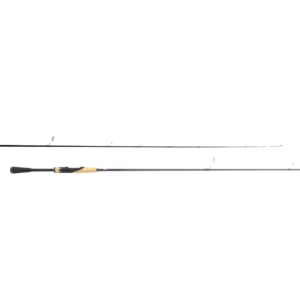
SHIMANO EXPRIDE SPINNING B ROD
€286.05Select options This product has multiple variants. The options may be chosen on the product page -

SHIMANO POISON ADRENA SPINNING B ROD
€372.73Select options This product has multiple variants. The options may be chosen on the product page
Reviews
There are no reviews yet.