
We Deliver Directly To Your Door


Description
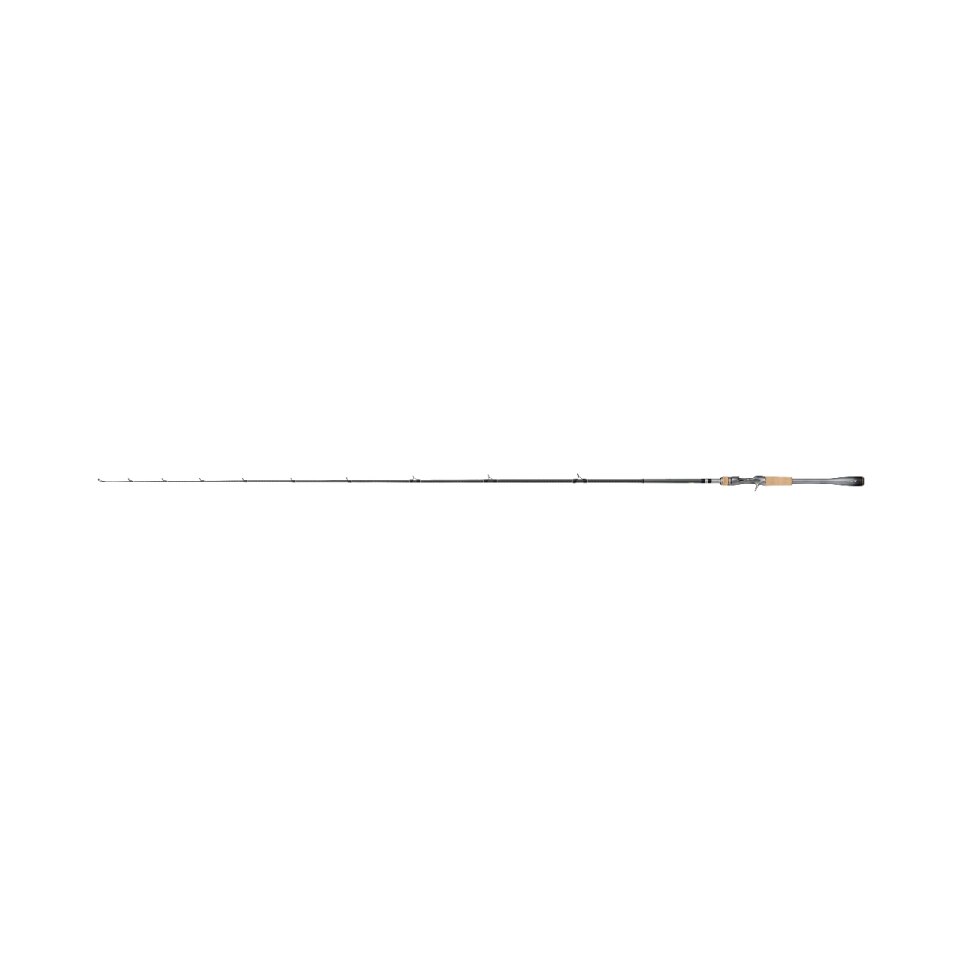
SHIMANO INSURGENCE CASTING INSHORE ROD
Premium Inshore Casting Performance for Technical Saltwater Fishing
Precision is demanded whenever artificial lures are being worked across shallow flats, mangrove edges, docks, oyster structure, and other demanding inshore environments. For those situations, a responsive casting platform can be provided without unnecessary bulk or sluggishness.
The SHIMANO INSURGENCE CASTING INSHORE ROD series has been developed specifically around that requirement. A fast-action design is provided, while advanced blank reinforcement is incorporated to improve responsiveness, casting control, and strength. As a result, technical presentations can be made with greater confidence, subtle lure movements can be detected more easily, and hard-running inshore fish can be managed when the pressure increases. zoom fishing lures, bubba scale
Rather than being designed as a generalized freshwater casting rod, the series has been purpose-built for technical saltwater applications. Redfish, snook, trout, and other popular inshore species can therefore be targeted with equipment that has been tuned around the demands of artificial-lure fishing.
Moreover, three casting models are offered, allowing the appropriate balance of finesse, versatility, and power to be selected. The lineup currently ranges from a 6’10” Medium Light model through 7′ Medium and 7′ Medium Heavy options.
Designed Around the Modern Inshore Angler
Technical inshore fishing can involve constantly changing conditions. One moment, a lure may need to be presented beside a dock. Shortly afterward, an accurate cast may be required beneath overhanging vegetation. Elsewhere, a longer presentation across open water may be preferred. sinking fishing braid, best spinning reels
Consequently, versatility has been built into the series without sacrificing the fast response expected from specialized inshore equipment.
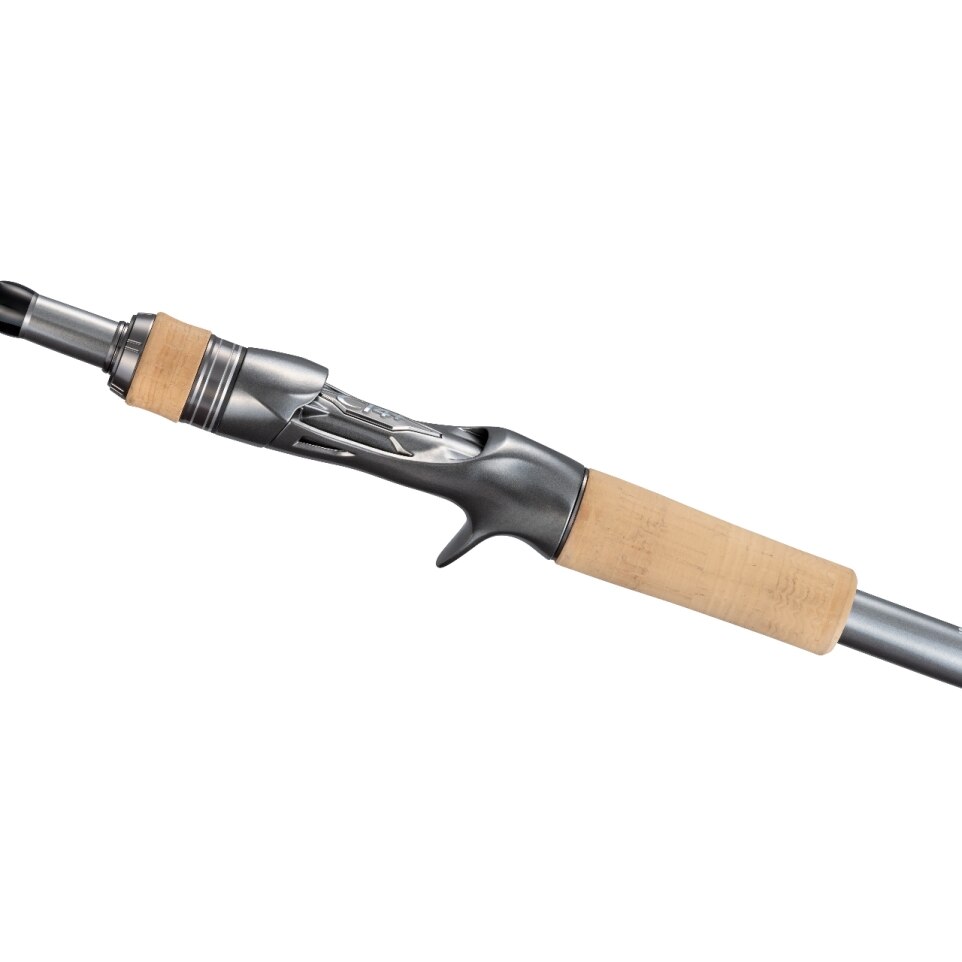
A lightweight construction is paired with structural reinforcement. Smooth line management is supported by Fuji guides. A lightweight CI4+ reel seat is also incorporated to establish a sensitive connection between the angler, reel, and blank. dice baits for bass fishing, abu garcia zenon mg-ltx low profile left hand reel,
The result is a platform that can be used for a wide range of artificial-lure techniques while maintaining the responsiveness needed when subtle changes in lure movement or bottom contact need to be recognized.
A Purpose-Built Casting Series for Inshore Applications
Fast Actions for Precise Presentations
A fast action is especially valuable when accuracy and immediate response are important. geecrack g crazy, top frog lure
With a faster blank response, casting movements can be translated efficiently into lure control. Additionally, quick recovery can help the rod settle rapidly after a cast, supporting controlled presentations around structure.
For anglers working soft plastics, topwater presentations, jerkbaits, and other artificial offerings, this type of response can be particularly useful. Instead of requiring excessive rod movement, smaller inputs can be used to influence the lure. osp saikoro dice rubber, neko hack
Furthermore, when a strike occurs, a responsive upper section can help communicate the initial contact quickly. The hookset can then be delivered with greater confidence while the stronger lower section is used to maintain pressure.
Accuracy Around Structure
Inshore fish are frequently associated with structure.
Mangroves, docks, grass lines, oyster bars, rock formations, seawalls, and submerged cover can all create productive holding areas. However, these same environments can make fish difficult to reach and even harder to land. ryugi limit offset worm hook, yellow magic popper
Therefore, casting accuracy becomes a major part of successful inshore fishing.
The series has been engineered around this requirement. Shimano’s Hi-Power X construction is used to reinforce the blank and reduce twisting, which is intended to contribute to improved casting accuracy and a crisper response.
As a result, controlled casts can be made toward tighter targets while maintaining the lightweight feel expected from premium technical tackle. g flag, dropshot weight
Advanced Hi-Power X Blank Construction
Reinforcement Where It Matters
At the heart of the design, Hi-Power X construction is used.
A diagonally wrapped carbon tape structure is applied to the outer portion of the blank, creating an X-pattern reinforcement. This construction is designed to reduce blank twist while increasing strength without adding unnecessary weight. flashy swimmer, kayak fishing accessories
That combination can be especially valuable during technical casting.
When a casting blank twists excessively, energy can be lost and accuracy can be affected. By controlling that movement, a more stable platform can be created. fishing frog, tatula 200
Additionally, improved blank stability can contribute to a sharper recovery after casting. This allows the rod to return to its neutral position quickly, supporting the crisp response that is expected when artificial lures are being worked aggressively.
Improved Casting Control
Accuracy is not only about distance. fishing frog, tatula 200
For inshore anglers, placement can often matter more than maximum range. A lure placed close to a shaded dock corner can produce a better opportunity than a lure launched far beyond the target.
Accordingly, blank stability is highly valuable. tatula xt, tackle shop fishing
With the Hi-Power X structure working to limit unwanted twisting, casting energy can be directed more efficiently. The result is intended to be a more controlled and responsive casting experience.
Strength Without Unnecessary Bulk
Inshore fishing often requires a difficult balance. super fluke, tail spinner
A rod must remain light enough to be handled throughout a long day, yet sufficient strength must be available when a powerful fish turns toward structure.
The Hi-Power X approach addresses this balance by reinforcing the blank without relying on excessive material. Shimano describes the construction as adding strength and limiting blank twist without adding extra weight. yum dingers, metro glide
Consequently, the design can remain responsive while still being prepared for demanding fights.
Fuji Guides for Smooth Line Management
Reliable Line Flow During Casting
Guide performance can have a noticeable influence on casting.
Every cast requires the fishing line to travel through the guide train efficiently. Excessive friction, poor alignment, or unnecessary resistance can negatively affect the overall presentation. bait and tackle shops, best bfs reel
For this reason, Fuji O Guides have been included in the series.
These guides are designed to promote smooth line flow while helping reduce friction and line twist. jig trailers, coike baits
That feature becomes particularly useful when braided line is being used, as braid is commonly selected for modern inshore applications because of its strength-to-diameter ratio and sensitivity.
Supporting Longer Casts
Long-distance casting is not always required inshore. Nevertheless, situations will arise where additional reach is valuable. fish bait store, fat frog, punch rig
Open flats, deeper channels, expansive grass edges, and shoreline targets may require longer presentations.
Smooth guide performance can help maintain efficient line movement during these casts. Therefore, greater casting distance can be pursued without making the entire setup feel cumbersome. huddleston swimbaits, ygk
Supporting Accurate Short Casts
Short-range accuracy is equally important.
Around docks and mangroves, a controlled low-distance cast may be preferred. In these situations, line management remains important because the lure must be delivered precisely rather than simply launched as far as possible. senko, grass piece lure
The guide system supports this style of fishing by maintaining smooth line flow and helping the blank work efficiently.
CI4+ Reel Seat for a Sensitive Connection
Lightweight Contact Between Angler and Rod
The reel seat serves as an important connection point. red eye shad, evo chatterbait
It holds the reel securely, but its influence extends beyond basic reel attachment. The materials and construction used in the reel seat can also affect the overall weight and sensitivity of a fishing rod.
A CI4+ reel seat has been incorporated into the series. live foot, johnson thinfisher
Shimano describes CI4+ as a lightweight, highly rigid carbon-based material designed to reduce weight while supporting sensitivity.
This creates a direct-feeling connection between the reel, rod, and angler. soft swimbaits, diawa reels
Enhanced Bite Awareness
Inshore strikes are not always dramatic.
A fish may crush a topwater lure aggressively. On another cast, a bite may feel like little more than a change in pressure. A soft plastic may simply stop moving. A lure can also contact vegetation or brush before a fish takes it. promo code for tackle warehouse, gary yamamoto senko
Therefore, sensitivity is valuable.
A lightweight reel seat combined with the responsive blank construction can help more information reach the angler’s hands.
That information may include lure movement, bottom contact, current changes, or subtle pressure from a fish. tackle warehouse slo, tackle warehouse phone number
Choosing the Right Model
6’10” Medium Light
The 6’10” Medium Light model has been designed for anglers who prioritize lighter presentations and a compact casting profile.
Its shorter length can be advantageous when casting around confined areas where a longer rod may be difficult to maneuver. kistler rods, chatterbai
At 6’10”, the model can provide a useful balance between casting accuracy and close-quarters control. Its Medium Light power is also positioned toward lighter inshore applications.
The manufacturer lists the model with a fast action, one-piece construction, and a 10–20 lb PowerPro line range.
This configuration can be considered when finesse-oriented artificial presentations are being prioritized. megabass karashi, owner hooks
Suitable Applications
- Light artificial lures
- Soft-plastic presentations
- Compact jerkbaits
- Smaller topwater lures
- Technical dock fishing
- Tight shoreline casting
- Light inshore species
- Precision-oriented presentations
7′ Medium
The 7′ Medium model provides a more generalized balance.
A seven-foot platform can be useful when additional casting range is desired without moving into a substantially longer rod. Meanwhile, Medium power provides a middle ground between finesse and heavier applications. zoom trick worm, mach spraying shad hard bait
This makes the model particularly attractive to anglers who prefer one casting rod capable of handling multiple inshore techniques.
The manufacturer lists this model with a fast action, one-piece construction, and a 15–20 lb PowerPro line range. daiwa baitcaster, roboworm
A Versatile Choice
A versatile setup can be valuable when conditions change throughout the day.
For example, a morning session may involve lightweight soft plastics around grass. Later, heavier artificial presentations may be introduced around deeper structure. rage bug, chug bug
Rather than changing equipment repeatedly, a Medium-power setup can provide a broader operating window.
7′ Medium Heavy
When additional power is required, the 7′ Medium Heavy model can be selected. tackle bait, suffix braid
A Medium Heavy blank provides greater backbone for stronger fish, heavier presentations, and situations where fish must be kept away from cover.
The model is listed with a fast action, one-piece construction, and a 20–30 lb PowerPro line range. fishing website, metro glide bait
Built for More Demanding Fights
Inshore fish can become extremely powerful when they reach structure.
A snook turning toward mangroves, a redfish pushing into heavy cover, or another hard-fighting species accelerating toward an obstruction can place substantial pressure on the tackle. g loomis imx pro, fishing braid
More power can therefore be advantageous.
The Medium Heavy model provides additional authority while retaining the fast-action characteristics of the series. okuma, bait & tackle
Artificial Lure Performance
Soft Plastics
Soft plastics remain among the most versatile tools used in inshore fishing.
They can be rigged in numerous ways and presented across grass, sand, oyster, channels, docks, and other environments. bass fishing spinning reels, berkley lab series minnow
A sensitive fast-action rod can help detect subtle changes as the lure is moved.
Bottom contact can be felt. Grass can be recognized. A tentative strike can be noticed. Additionally, small movements can be imparted without requiring exaggerated rod motion. tacticalbassin, 6th sense
The responsive design of the series makes it well suited to these technical presentations.
Jighead Presentations
Jigheads can be paired with soft plastics for a wide range of species.
When a jighead is bounced across the bottom, sensitivity becomes important because the lure’s contact with the substrate provides useful information. plano tackle boxes, fishing bait stores near me
A fast-action blank can help communicate those changes while also providing the quick response needed for a hookset.
Jerkbaits
Jerkbaits require controlled rod movements.
Short snaps, pauses, and directional changes are commonly used to produce an erratic presentation. netbait, freams
A responsive casting platform can make these movements easier to execute consistently.
Because the blank is designed around quick response, the lure can be manipulated without excessive movement from the angler. glidebaits, fishing and tackle shops near me
This can be particularly useful when fish are following a lure but refusing to commit.
Topwater Lures
Surface presentations can be highly visual and exciting.
Walking baits, poppers, and other topwater designs depend on rhythm and controlled rod movements. tackle boxes for fishing, fishing bait shop
A responsive rod can help maintain the cadence required to keep the lure moving correctly.
At the same time, the angler must be able to react quickly when a fish strikes. scumfrog, berkley trilene xl fishing line
The fast action of the series provides the responsiveness needed for this style of fishing.
Targeting Popular Inshore Species
Redfish
Redfish are among the classic targets for technical inshore anglers.
They can be encountered across flats, marsh edges, channels, oyster areas, and other coastal environments. fishing tackle shop, powerpro
Their powerful runs can place significant stress on the tackle, particularly when cover is nearby.
A properly matched model from the lineup can therefore provide the sensitivity required for artificial presentations while maintaining the backbone needed during the fight. fishing rod brands, hook sizes
Snook
Snook are known for explosive strikes and powerful runs.
When they are positioned around mangroves, docks, seawalls, or other structure, immediate control can become essential.
The fast-action design allows quick hook-setting responses, while the reinforced blank construction is intended to provide the strength and stability needed during demanding battles.
The Medium Heavy model can be particularly appropriate when heavier line and increased control are required.
Speckled Trout
Trout can require a more finesse-oriented approach.
Light artificial lures may be presented across grass flats, channels, and shallow areas where subtle lure movement is important. crankbait fishing, treble hook size chart
The lighter model can therefore be considered when a more delicate presentation is preferred.
Meanwhile, the sensitivity-focused construction can help subtle contact and tentative strikes become easier to recognize. bkk pon10ss, penn squall
Built for Technical Saltwater Fishing
Mangrove Edges
Mangroves can create highly productive fishing areas.
They can also create unforgiving conditions. drop shot weights, fishing sale
A lure may need to be placed close to the edge while enough control must be maintained to prevent a hooked fish from reaching the branches.
Accurate casting becomes essential.
The stable blank design and fast action provide the characteristics needed for controlled presentations in these environments. st. croix gxr bass spinning combo, crush city
Docks and Structure
Docks provide shade, current breaks, bait concentration, and ambush points.
However, they also create numerous opportunities for a hooked fish to become wrapped around structure. falcon pole, hags baits
A casting rod is particularly useful in these environments because the lure can be placed precisely under or beside the target area.
The compact 6’10” option can be advantageous when maneuverability is prioritized, while the seven-foot models can provide additional casting reach. shad rap, how to tie a snell knot
Grass Flats
Grass flats often demand a different presentation.
Lures may need to be retrieved just above the vegetation while maintaining enough sensitivity to recognize when grass has been contacted. quantum cabo spinning reel, jig lure
A responsive rod helps the angler distinguish between lure movement and environmental interference.
Additionally, the fast action can assist with quick hooksets when a fish strikes during the retrieve. huddleston swimbait, shimano vanford
Lightweight Performance for Long Days
Reducing Unnecessary Fatigue
Inshore fishing can involve hundreds of casts.
Consequently, rod weight can influence comfort over an entire day.
Heavy equipment may feel manageable during the first few casts. After hours of repeated casting, however, the accumulated fatigue can become noticeable. bass fishing equipment
The design philosophy behind the series is therefore centered on achieving strength without unnecessary weight.
Hi-Power X construction is used to reinforce the blank while maintaining a lightweight profile, while the CI4+ reel seat further contributes to reduced weight.
A Balanced Setup
Balance should also be considered.
A rod that feels properly matched with its reel can be easier to control throughout repeated casts.
For this reason, reel selection should be made according to the chosen model, lure range, line requirement, and personal fishing style.
The objective should be a setup that remains comfortable while still providing enough power for the intended species.
Why Sensitivity Matters in Inshore Fishing
Detecting Subtle Changes
Sensitivity should not be viewed only as a way to detect bites.
It can also provide information about the entire presentation.
A lure touching sand can feel different from one contacting rock. Vegetation can create another sensation. Current can change the way the lure loads the line.
By becoming familiar with these signals, anglers can gain greater awareness of what is happening beneath the surface.
The Carbon Monocoque concept used within the broader Insurgence family is designed to transmit vibration through the rear grip, while the CI4+ reel seat is intended to provide a sensitive connection between the reel and blank.
This focus on information transfer is particularly useful for technical lure fishing.
Casting Accuracy and Distance
Precision Before Maximum Range
A productive cast is not necessarily the longest cast.
Instead, accuracy is often more valuable.
A lure landing within inches of a mangrove opening can be more effective than one traveling substantially farther but missing the target.
The reinforced blank structure is intended to reduce twisting and improve casting accuracy.
Therefore, controlled casts can be prioritized without sacrificing the ability to reach distant targets when required.
Longer Presentations
Open water situations can require increased casting distance.
Smooth Fuji O Guides support line flow, allowing the line to travel through the guide train efficiently.
When combined with appropriate line, lure weight, reel settings, and casting technique, this can contribute to efficient long-range presentations.
One-Piece Construction
Consistent Blank Performance
All three casting models are listed as one-piece rods.
A one-piece construction can provide a continuous blank profile without a ferrule connection between sections.
For anglers fishing primarily from boats, kayaks, piers, or shorelines where transportation requirements are manageable, this configuration can be particularly appealing.
Why One Piece Can Matter
A continuous blank can contribute to a consistent feel from tip to butt.
For technical fishing, this can be valuable because the angler becomes familiar with how the rod loads, recovers, and transfers pressure.
Over time, that consistency can help improve casting rhythm and lure control.
Built Around Modern Inshore Techniques
Precision Soft-Plastic Fishing
Soft plastics can be worked slowly across the bottom, suspended through the water column, or retrieved quickly over vegetation.
Each technique requires different levels of control.
The fast-action design provides a responsive platform through which small rod movements can be transferred into the lure.
Consequently, greater precision can be achieved without requiring excessive physical effort.
Fast Moving Artificial Presentations
Not every fish responds to a slow presentation.
When baitfish are active, faster retrieves can be used to trigger reaction strikes.
Jerkbaits, spoons, topwaters, and other moving lures can be worked with a responsive casting setup.
The rod’s fast action supports rapid directional changes and quick lure manipulation.
Saltwater-Ready Design Philosophy
Designed for Coastal Environments
Saltwater fishing places unique demands on tackle.
Salt exposure, spray, humidity, sand, repeated casting, and powerful fish can all contribute to equipment wear.
The series has been developed specifically for inshore saltwater applications, with Fuji guides included as part of the component package.
Nevertheless, proper maintenance should always be performed after saltwater use.
Post-Fishing Care
After each saltwater session:
- Rinse the rod gently with fresh water.
- Avoid high-pressure spraying directly onto components.
- Allow the rod to dry completely.
- Inspect the guides for damage or salt buildup.
- Check the reel seat for debris.
- Store the rod in a dry location.
- Avoid leaving the rod exposed to unnecessary heat or direct sunlight for extended periods.
Proper care can help preserve the performance and appearance of premium fishing equipment.
Key Product Highlights
- Purpose-built for technical inshore fishing
- Fast-action blank design
- Hi-Power X reinforcement
- Reduced blank twisting
- Improved casting stability
- Lightweight construction
- Fuji O Guides
- CI4+ reel seat
- One-piece casting construction
- Designed for artificial-lure applications
- Multiple power options
- Suitable for redfish, snook, trout, and other inshore targets
- Available in 6’10” Medium Light, 7′ Medium, and 7′ Medium Heavy configurations
- Designed for precise presentations around docks, mangroves, flats, and structure
Model Comparison
| Model | Length | Power | Action | Construction | PowerPro Line |
|---|---|---|---|---|---|
| INC610ML | 6’10” | Medium Light | Fast | 1 Piece | 10–20 lb |
| INC70M | 7’0″ | Medium | Fast | 1 Piece | 15–20 lb |
| INC70MH | 7’0″ | Medium Heavy | Fast | 1 Piece | 20–30 lb |
Specifications are based on Shimano’s current product listing.
Who Is This Rod Designed For?
The series has been designed for anglers who place a high value on responsiveness, accuracy, and sensitivity.
It can be particularly well suited to:
Technical Inshore Anglers
Those who regularly fish artificial lures around structure can benefit from the quick response and casting control.
Tournament Anglers
When a limited number of opportunities are available, accurate lure placement and reliable hooksets become increasingly important.
Experienced Saltwater Anglers
Anglers who already understand lure behavior and want a more refined connection to their tackle can appreciate the sensitivity-focused construction.
Dedicated Artificial-Lure Fishermen and Fisherwomen
Those who prefer actively working lures rather than relying exclusively on bait can benefit from the fast-action platform.
Anglers Seeking a Premium Upgrade
A higher-end rod can provide improvements in weight, component quality, sensitivity, and overall refinement.
The Advantage of Technique-Specific Design
Generic rods can certainly catch fish.
However, specialized equipment can make technical fishing more enjoyable and controlled.
When the blank, action, power, guides, and reel seat have all been selected around a particular fishing environment, fewer compromises are required.
That principle has been applied to this series.
Instead of attempting to cover every possible freshwater and saltwater application, the design has been centered on technical inshore fishing.
As a result, the equipment can feel particularly natural when used for the presentations it was intended to support.
A Premium Tool for Modern Coastal Fishing
Modern inshore fishing has become increasingly technical.
Fish are pressured. Water clarity can vary. Bait movement changes throughout the day. Wind can alter lure control. Structure can determine whether a fish is landed or lost.
Consequently, tackle must provide more than basic strength.
Precision is needed.
Sensitivity is needed.
Control is needed.
And, importantly, the equipment must remain comfortable during long periods of casting.
The Insurgence casting lineup has been engineered around those demands.
Hi-Power X is used for structural reinforcement. Fuji O Guides are included for smooth line flow. CI4+ is incorporated into the reel seat for a lightweight and sensitive connection. Fast actions are provided across the casting models.
Together, these features create a refined platform for anglers who want to fish artificial lures with greater precision.
Final Buying Considerations
Choosing the right model should be based primarily on the species being targeted, lure weight, fishing environment, line strength, and preferred presentation.
For lighter applications, the 6’10” Medium Light can be considered.
For an adaptable all-around setup, the 7′ Medium can provide a balanced choice.
For heavier presentations and stronger fish around structure, the 7′ Medium Heavy can be preferred.
Regardless of model, the same design philosophy is maintained: fast response, controlled blank movement, sensitivity, and inshore-specific performance.
The result is a premium casting platform intended for anglers who want their equipment to contribute directly to better lure control and more confident fish fighting.
Product Summary
The SHIMANO INSURGENCE CASTING INSHORE ROD series represents Shimano’s dedicated approach to modern technical inshore fishing. Its fast actions, Hi-Power X construction, Fuji O Guides, CI4+ reel seat, and one-piece design have been combined to create a responsive platform for artificial-lure anglers.
Whether a lure is being skipped beside a dock, worked across a grass flat, presented along a mangrove edge, or retrieved through open coastal water, the appropriate model can provide the control required for precise presentations.
More importantly, the series has been developed to help the angler remain connected to the lure.
Every movement can matter.
Every contact can provide information.
Every strike can demand an immediate response.
With the appropriate model selected, a more refined connection between angler, lure, and fish can be created.
That is where this premium inshore casting series is intended to perform at its best.
ADVANCED PERFORMANCE, TECHNIQUES, AND BUYING GUIDE
Blank Performance and On-the-Water Response
A Blank Designed to React Quickly
Performance begins with the blank.
For technical coastal fishing, a responsive blank can be extremely valuable because lure control, hook-setting speed, casting accuracy, and fish-fighting authority can all be influenced by the way the blank loads and recovers.
The fast-action profile used throughout the casting lineup has been developed around that requirement. Instead of producing a slow, deep-loading response, the upper portion is designed to react quickly while power is retained farther down the blank.
As a result, short rod movements can be translated into useful lure movement. At the same time, pressure can be transferred efficiently when a fish is hooked.
Hi-Power X Reinforcement
Structural stability is provided through Shimano’s Hi-Power X construction.
A diagonally wrapped carbon-tape structure is used around the outside of the blank, creating an X-pattern reinforcement. According to Shimano, this construction is intended to reduce blank twist while adding strength without unnecessary weight.
That characteristic can be especially useful when casting toward structure.
During a forceful cast, unwanted blank twisting can reduce consistency. By controlling that movement, a more stable casting platform can be created.
Furthermore, the reduction in twisting can contribute to a crisper recovery after the lure has been launched.
Why Blank Recovery Matters
Blank recovery refers to how quickly the rod returns toward its neutral position after being loaded.
Fast recovery can be useful for several reasons.
First, accuracy can be improved because less residual movement remains after the cast.
Second, repeated casting can feel more controlled.
Third, lure manipulation can become more precise.
Finally, rapid recovery can help the angler react quickly when a strike occurs.
For artificial-lure fishing, these characteristics can make a meaningful difference.
Understanding Power and Action
Fast Action Explained
Action describes where a rod bends when pressure is applied.
With a fast-action design, the primary flex is concentrated toward the upper portion, while more of the lower blank remains relatively firm.
This produces a responsive feel.
When a twitch is applied, the tip can react quickly. When a fish is hooked, the stronger lower section can then contribute to maintaining pressure.
Why Fast Action Works Well for Artificial Lures
Artificial lures are controlled by the angler.
A rod must therefore do more than simply cast. It needs to help manipulate the lure.
Jerkbaits can be snapped.
Soft plastics can be hopped.
Topwater lures can be walked.
Poppers can be worked with short downward movements.
Spoons can be burned across open water.
Because each of these techniques relies on deliberate rod movement, a responsive action can provide greater control.
Lure-by-Lure Application Guide
Soft-Plastic Swimbaits
Soft-plastic swimbaits can be among the most versatile inshore offerings.
They can be rigged on jigheads, weighted hooks, weedless hooks, or other terminal configurations.
When paired with the appropriate model, the setup can be used to search grass flats, channels, current seams, shoreline edges, and deeper pockets.
A lighter configuration can be preferred for smaller presentations and finesse work. Meanwhile, a Medium or Medium Heavy model can be selected when larger plastics, stronger hooks, or heavier line are involved.
Recommended Technique
A controlled retrieve can be started close to the bottom.
The lure can then be allowed to rise slightly before being allowed to fall again.
During this process, subtle rod movements can be used to maintain contact.
If the lure begins collecting vegetation, the rod can be raised slightly to clear the obstruction.
When a fish strikes, a firm sweep can be applied while maintaining line tension.
Jerkbaits
Jerkbaits can be highly effective when fish are feeding on smaller baitfish.
Their effectiveness often depends on cadence.
A series of quick rod movements can be followed by a pause. The length of that pause can then be adjusted according to fish activity.
When fish are aggressive, shorter pauses may be productive.
When fish are less active, a longer pause can allow the lure to remain in the strike zone.
A fast-action blank is particularly useful for this style because quick rod movements can be transferred efficiently into the lure.
Working Jerkbaits Around Structure
When a jerkbait is being cast near docks or vegetation, accuracy becomes critical.
The lure should be placed close enough to the structure to reach fish without creating unnecessary snagging risk.
A responsive casting platform can make these repeated precision casts easier to execute.
Topwater Walking Baits
Topwater walking lures require rhythm.
The lure is typically made to move from side to side through controlled rod-tip movements and line management.
The process can feel almost mechanical once the correct cadence has been established.
A short downward twitch can be followed by controlled slack. Another twitch can then be introduced.
With practice, a consistent side-to-side motion can be created.
When Topwater Fishing Becomes Visual
One major attraction of topwater fishing is the visual feedback.
A fish may follow the lure before striking.
A swirl may appear behind it.
The water may suddenly explode.
Because the strike can happen instantly, a responsive rod can help maintain control once the fish commits.
However, the hookset should not be rushed merely because the strike looks dramatic. Maintaining tension and allowing the fish to load against the lure can often be more effective than immediately pulling hard.
Poppers
Poppers are frequently used around bait-rich flats, shoreline edges, and structure.
Their cupped faces can create surface disturbance when worked with short rod movements.
The ideal cadence may change from day to day.
A slow pop-and-pause retrieve can be effective under certain conditions.
At other times, a faster sequence can be used to imitate fleeing bait.
A fast-action rod can make these changes easier because the lure can be manipulated with controlled movements.
Metal Spoons
Spoons can provide an excellent search presentation.
They can be cast long distances, retrieved at varying speeds, and used through a broad section of the water column.
Their relatively compact profile can also make them useful when fish are feeding on small bait.
A balanced setup should be selected according to the spoon’s weight.
The lighter model can be appropriate for smaller spoons, while the stronger models can accommodate heavier presentations.
Bucktail Jigs
Bucktails can be productive when fish are holding near the bottom.
They can be bounced, dragged, lifted, or retrieved steadily.
Sensitivity becomes particularly important during these techniques because bottom composition can change throughout the retrieve.
A sandy bottom may produce a softer sensation.
Rock can feel sharper.
Grass can create intermittent resistance.
Once these differences are learned, the rod can become an information source rather than simply a tool for casting.
Redfish Fishing Techniques
Working Shallow Flats
Redfish are frequently targeted across shallow coastal environments.
On calm days, fish may be spotted before the cast is made.
In such situations, casting distance and accuracy can both become important.
The lure should be delivered ahead of the fish rather than directly onto it whenever possible.
A quiet presentation can then be allowed to enter the fish’s feeding path.
Matching the Rod to the Situation
The 6’10” Medium Light model can be considered when smaller lures and lighter presentations are being used.
The 7′ Medium model can provide a broader all-around option.
The 7′ Medium Heavy model can be preferred where heavier line, stronger hooks, or heavy cover is involved.
The correct selection should always be based on the lure, line, hook, structure, and expected fish size rather than species name alone.
Fishing Around Oyster Structure
Oyster areas can hold feeding redfish.
They can also be extremely unforgiving on tackle.
A fish that immediately turns toward oysters can create a difficult situation.
Accordingly, sufficient power should be maintained throughout the fight.
The rod should not be used as a winch.
Instead, steady pressure can be applied while the angler maintains an appropriate angle and allows the reel’s drag system to perform its role.
Snook Techniques
Fishing Mangrove Edges
Mangrove fishing demands precision.
A lure may need to be placed extremely close to the branches.
Once a fish strikes, rapid control can become necessary.
This is where a fast action and strong lower section can become useful.
The angler can establish pressure quickly while steering the fish away from the heaviest cover.
Skipping Lures
Some anglers prefer skipping soft plastics or other compact presentations underneath overhanging cover.
A shorter rod can sometimes provide greater maneuverability in confined casting environments.
The 6’10” configuration can therefore be attractive for anglers who frequently fish tight quarters.
Working Docks for Snook
Docks provide shade and ambush opportunities.
They also create numerous snag points.
Accurate casting should therefore be combined with disciplined fish control.
Once a fish is hooked, the rod can be held at an appropriate angle while pressure is maintained.
Abrupt high-angle lifting should be avoided.
Instead, controlled side pressure can be used when conditions allow.
Trout Techniques
Finesse Presentations
Trout can respond well to lighter artificial presentations.
Soft plastics, smaller jigheads, suspending plugs, and other compact lures can be worked through shallow water.
The lighter casting model can be considered when finesse is prioritized.
A sensitive blank can also help identify subtle lure movement and light strikes.
Long Pauses
A pause can be particularly important when fish are following but not committing.
The lure can be allowed to suspend or sink according to its design.
The rod tip should remain controlled.
When the line begins moving unexpectedly, pressure can be applied smoothly rather than immediately jerking the rod.
Casting Mechanics
Establishing a Consistent Casting Motion
Good casting begins before the rod moves.
Feet should be positioned comfortably.
The grip should remain relaxed.
The reel should be properly adjusted.
The lure should be allowed to load the blank naturally.
Then, a smooth acceleration can be applied.
Avoiding Excessive Force
Powerful casting does not necessarily produce longer casts.
When too much force is applied too quickly, the blank can be overloaded or the reel can become difficult to control.
Instead, the rod should be allowed to do much of the work.
A smooth loading motion can produce better efficiency.
Overhead Casting
An overhead cast can be used when maximum distance is desired.
The lure should be positioned at an appropriate distance from the rod tip.
The rod can then be loaded gradually before being accelerated toward the target.
The release point should remain consistent.
Practice should be focused on repeatability rather than maximum effort.
Sidearm Casting
Sidearm casting can be highly useful around docks and vegetation.
The lower casting trajectory can help keep the lure closer to the water.
A controlled sidearm motion can also reduce the height of the cast.
This can be useful when overhead branches are present.
Pitching Short Distances
When the target is very close, a pitch can be more efficient than a full cast.
The lure is allowed to swing slightly.
The rod is then loaded using a compact movement.
The lure can be directed toward the target with minimal disturbance.
This technique can be particularly useful around docks, seawalls, mangroves, and shoreline structure.
Reel Pairing
Selecting the Right Baitcasting Reel
A casting rod should be paired with a reel that complements its power and intended lure range.
For lighter applications, a compact low-profile reel can provide excellent balance.
For Medium and Medium Heavy applications, a slightly stronger baitcasting platform may be preferred.
The reel should provide:
- Smooth drag performance
- Appropriate spool capacity
- Reliable braking
- Comfortable palmability
- Suitable gear ratio
- Adequate corrosion resistance
- Good balance with the rod
Gear Ratio Selection
A moderate gear ratio can be versatile.
A faster ratio can be preferred for quickly picking up slack after a lure movement or hookset.
A slower ratio can provide additional torque when heavier lures are being retrieved.
Neither option is universally superior.
The ideal choice depends on technique.
Building a Balanced Casting Setup
Rod, Reel, and Line as One System
The rod should not be selected independently from the rest of the tackle.
A light rod paired with an oversized reel can become poorly balanced.
A powerful rod paired with a very small reel can similarly create an awkward setup.
Balance should therefore be considered from the beginning.
Example Light Setup
A lighter model can be paired with:
- Compact baitcasting reel
- 10–15 lb braid
- Fluorocarbon leader
- Small soft plastics
- Light jigheads
- Compact jerkbaits
Example All-Around Setup
A Medium model can be paired with:
- Mid-size low-profile reel
- 15–20 lb braid
- Fluorocarbon leader
- Medium soft plastics
- Jerkbaits
- Topwater plugs
- Spoons
Example Heavy Setup
The Medium Heavy model can be paired with:
- Strong baitcasting reel
- 20–30 lb braid
- Heavier fluorocarbon leader
- Larger plastics
- Heavier topwater lures
- Strong single-hook presentations
These are general setup concepts rather than mandatory specifications.
Braided-Line Selection
Why Braid Is Popular for Inshore Fishing
Braided line offers several characteristics that make it attractive for artificial-lure fishing.
A relatively small diameter can provide strong line capacity.
Low stretch can also help improve sensitivity and hook-setting response.
Furthermore, braid can be useful when long casts are required.
However, braid should always be selected according to the rod model, reel, target species, lure, structure, and fishing environment.
Choosing 10–20 Pound Braid
Lighter braid can be useful for finesse applications.
It can help smaller lures cast efficiently.
However, extremely light line should not automatically be selected simply because a lure is small.
Structure and fish size must also be considered.
A trout in open water presents a different challenge from a snook near mangroves.
Choosing 20–30 Pound Braid
Heavier braid can provide increased confidence around structure.
This can be especially valuable for larger fish or situations where the fish must be redirected quickly.
The Medium Heavy model’s listed PowerPro range extends to 30 lb, making that model naturally suited to stronger line applications.
Fluorocarbon Leader Selection
Why a Leader Can Be Useful
A fluorocarbon leader can serve several purposes.
It can provide abrasion resistance.
It can also create a less visible terminal connection under clear-water conditions.
Additionally, a leader allows the main braided line to remain optimized for casting and capacity while the terminal section is selected according to the fishing environment.
Leader Length
A short leader can be convenient when frequent lure changes are made.
A longer leader can provide additional abrasion protection when structure is involved.
The appropriate length should be determined by the fishing environment and personal preference.
Sensitivity and Bite Detection
More Than Just Feeling the Strike
Sensitivity should be understood as information transfer.
Every lure creates vibrations.
Every bottom surface produces feedback.
Every current change can alter tension.
Every fish interaction can produce a different signal.
The more clearly those signals are transmitted, the easier it can become to understand what is happening beneath the surface.
Shimano positions the Insurgence casting series around sensitivity, strength, and rapid action for technical inshore fishing.
Carbon Construction and Sensitivity
The Insurgence family uses advanced carbon construction and CI4+ components to reduce weight while maintaining rigidity.
Shimano specifically describes the CI4+ reel seat as lightweight and highly rigid, with sensitivity benefits created by its connection between the reel and rod.
For an angler working a lure slowly along the bottom, that direct connection can be particularly valuable.
Fuji Guides and Line Management
Smooth Line Flow
Guide quality affects the movement of line during every cast.
Fuji guides are included in the series and are described by Shimano as helping reduce line friction and twist while supporting smoother casting and durability under load.
This can become especially useful when repeated casting is involved.
A technical inshore session can involve hundreds of presentations.
Small improvements in line flow can therefore become noticeable over time.
Saltwater Maintenance
Rinsing After Every Session
Saltwater maintenance should never be overlooked.
After fishing, the rod should be rinsed gently with fresh water.
The objective should be to remove salt and debris without forcing water aggressively into sensitive components.
A gentle rinse is generally preferable to high-pressure spraying.
Guide Inspection
The guides should be checked regularly.
Look for:
- Cracks
- Chips
- Rough surfaces
- Salt deposits
- Loose components
- Damaged guide wraps
A damaged guide can affect line performance and may eventually damage fishing line.
Reel Seat Maintenance
The reel seat should also be kept clean.
Sand and salt crystals can accumulate around the locking mechanism.
These deposits should be removed before storage.
The reel should be detached when the equipment will not be used for an extended period.
Proper Storage
The rod should be stored somewhere dry.
Extreme heat should be avoided.
Direct sunlight should not be allowed to expose the rod unnecessarily for prolonged periods.
The blank should also be protected from impacts during transport.
A premium carbon rod can provide exceptional performance, but carbon construction should still be treated with care.
Buying Guide
Which Model Should Be Chosen?
Model selection should begin with the type of fishing being performed.
Choose the 6’10” Medium Light When:
- Smaller lures are being used.
- Finesse presentations are prioritized.
- Tight quarters are frequently encountered.
- Compact casting is important.
- Lighter line is preferred.
- Trout and other lighter inshore applications are emphasized.
Choose the 7′ Medium When:
- One versatile setup is desired.
- Multiple lure categories will be used.
- Moderate casting distance is important.
- A balanced combination of sensitivity and power is preferred.
- A broad range of inshore species will be targeted.
Choose the 7′ Medium Heavy When:
- Larger fish are expected.
- Heavy structure is present.
- Stronger braid is preferred.
- Heavier lures will be used.
- More backbone is required for fish control.
The official lineup confirms these three model configurations.
Comparing the Three Casting Models
| Feature | 6’10” ML | 7′ M | 7′ MH |
|---|---|---|---|
| Length | 6’10” | 7′ | 7′ |
| Power | Medium Light | Medium | Medium Heavy |
| Action | Fast | Fast | Fast |
| Construction | 1 Piece | 1 Piece | 1 Piece |
| Listed PowerPro Range | 10–20 lb | 15–20 lb | 20–30 lb |
| Primary Focus | Finesse | Versatility | Power |
| Ideal Environment | Open/light structure | Mixed inshore | Heavy structure |
| Casting Style | Precision | General purpose | Controlled power |
Specifications are based on Shimano’s current product listing.
Performance Around Common Inshore Environments
Flats
Flats generally reward accuracy.
Fish can be spread across large areas, which means a lure may need to be cast toward specific targets.
The seven-foot models can provide useful reach, while the shorter option can offer compact control.
Mangroves
Mangrove fishing can demand both accuracy and power.
The lure must be placed close to cover.
Once a fish strikes, the angler may need to apply pressure quickly.
The Medium Heavy model can be particularly useful where strong fish and heavy cover are expected.
Docks
Docks create complex casting angles.
Pitching, sidearm casting, and skipping can all become useful.
The shorter model can be easier to maneuver around tight areas.
Seawalls
Seawalls can concentrate bait and predators.
Long casts may sometimes be useful, particularly when fish are holding farther away.
A seven-foot rod can provide a useful balance between reach and maneuverability.
Channels and Current Seams
Current changes can create feeding opportunities.
Lures can be positioned along the edge of moving water.
Sensitivity becomes important because the lure’s behavior can change as it crosses current boundaries.
Common Mistakes to Avoid
Choosing Power Based Only on Fish Size
Fish size is only one consideration.
Structure, hook size, lure weight, line strength, and casting environment can all influence the appropriate power.
A smaller fish in heavy cover may require more control than a larger fish in open water.
Using Too Much Rod Force
A powerful hookset is not always a better hookset.
The rod should be allowed to load.
The reel drag should be properly adjusted.
Line tension should be maintained.
Excessive force can create unnecessary stress on tackle.
Ignoring Lure Weight
Lure weight should always remain within the manufacturer’s stated specifications.
Overloading a rod can affect casting performance and potentially damage the blank.
Underloading can also make a rod feel less responsive because the blank may not load efficiently.
Product FAQs
What type of fishing is this series designed for?
It has been developed for technical inshore fishing with artificial lures, particularly for species such as redfish, snook, and trout.
How many casting models are available?
Three casting models are currently listed: a 6’10” Medium Light, a 7′ Medium, and a 7′ Medium Heavy.
Are the casting models fast action?
Yes. The listed casting models use fast action.
Are these one-piece rods?
Yes. Shimano lists all three casting configurations as one-piece models.
What is Hi-Power X?
Hi-Power X is Shimano’s blank reinforcement construction using diagonally wrapped carbon tape to form an X-pattern around the blank. It is intended to improve strength and reduce unwanted blank twist without adding unnecessary weight.
Why are Fuji guides used?
Fuji guides are intended to provide smooth line flow while helping reduce friction and twist. Shimano also highlights their durability under load.
What is CI4+?
CI4+ is a lightweight, rigid carbon-based material used in Shimano components. In this series, it is incorporated into the reel seat to help reduce weight and support sensitivity.
Which model is best for trout?
The 6’10” Medium Light can be a strong choice when lighter lures and finesse-oriented presentations are being used. However, lure weight, line, cover, and personal technique should also be considered.
Which model is best for snook?
For snook around heavy cover, the 7′ Medium Heavy can provide additional control. In more open environments, the Medium model can offer a more versatile balance.
Which model is best for redfish?
The 7′ Medium can provide an adaptable choice for many redfish applications. The Medium Light can be selected for lighter presentations, while the Medium Heavy can be preferred around heavier structure.
Can braided line be used?
Yes. The listed PowerPro line ranges indicate that braid is considered within the intended setup range.
Is a fluorocarbon leader recommended?
A fluorocarbon leader can be useful when abrasion resistance or a lower-visibility terminal section is desired. The appropriate leader strength should be selected according to the target species and structure.
Is this a good choice for artificial lures?
Yes. The series has specifically been developed around technical inshore artificial-lure fishing.
Frequently Searched Buying Questions
What makes a good inshore casting rod?
A strong inshore casting rod should provide an appropriate combination of sensitivity, casting accuracy, manageable weight, suitable power, and reliable component construction.
The ideal combination depends heavily on the fishing environment.
Is a shorter rod better around mangroves?
A shorter rod can be easier to maneuver around confined cover.
However, a longer rod can provide additional casting reach and leverage.
The best choice depends on the angler’s casting style and the specific environment.
Is a Medium Heavy rod too powerful for trout?
For light trout presentations, a Medium Heavy rod may be unnecessarily powerful.
A lighter configuration can provide a more appropriate match.
However, if trout are being targeted around heavy structure while stronger line and larger lures are being used, the decision can change.
What is more important: rod power or action?
Both serve different purposes.
Action influences how quickly and where the rod bends.
Power influences how much force the blank can handle.
Therefore, the two characteristics should be considered together.
Premium Technical Inshore Fishing Equipment
Technical saltwater fishing rewards preparation.
The lure must be selected according to conditions.
Line must be matched to structure.
The reel must provide reliable control.
And the rod must connect all of these components into a responsive system.
That is why specialized inshore equipment can be so valuable.
A purpose-built casting platform can make repeated presentations more efficient while providing the sensitivity required to interpret subtle underwater information.
Precision Fishing Around Structure
Structure creates opportunity and risk at the same time.
Docks can hold predators.
Mangroves can provide shade.
Oyster bars can attract bait.
Grass edges can create feeding lanes.
Yet every one of these environments can increase the likelihood of a fish reaching cover.
A balanced casting setup can help the angler place the lure accurately and respond quickly when a fish strikes.
Lightweight Tackle for All-Day Casting
Modern artificial-lure fishing can involve constant movement.
Casting is repeated.
Lures are changed.
Positions are adjusted.
Drifts are followed.
Fish are searched for.
Because of this, unnecessary weight can become tiring.
A lightweight setup can help preserve comfort during long sessions.
The CI4+ reel seat and reinforced carbon construction are among the design elements Shimano uses to pursue this combination of low weight, sensitivity, and strength.
Advanced Technique: Reading the Lure
Learning Through Contact
An experienced angler does not simply retrieve a lure.
The lure is monitored.
Its resistance is felt.
The bottom is interpreted.
Current changes are recognized.
Vegetation is identified.
These signals can help determine whether the lure is being presented correctly.
A sensitive casting setup can make this learning process easier.
Detecting a Subtle Strike
Not every bite produces a dramatic hit.
Sometimes the lure simply stops.
Sometimes the line moves sideways.
Sometimes a small tap is felt.
At other times, the rod may suddenly become heavier.
The response should be controlled.
Instead of immediately reacting to every unusual sensation, the angler can learn to distinguish lure contact from genuine fish activity.
This is where sensitivity becomes more than a marketing feature.
It becomes part of the fishing process.
Advanced Technique: Fighting Fish Correctly
Maintaining Rod Pressure
Once a fish is hooked, consistent pressure should be maintained.
The rod should be allowed to work.
The drag should remain appropriately adjusted.
Sudden changes in pressure should be avoided whenever possible.
Steering Fish Away From Cover
When fishing around structure, the first seconds of the fight can be critical.
The fish should be guided away from the most dangerous obstacles.
Side pressure can often be useful.
The rod should not be held excessively high.
Instead, controlled pressure can be applied while the reel handles line recovery.
Long-Term Value
Designed for Serious Inshore Anglers
Premium tackle should be judged by more than appearance.
Its value should be considered through:
- Casting performance
- Sensitivity
- Weight
- Blank recovery
- Component quality
- Power distribution
- Technique compatibility
- Long-term usability
A rod that improves confidence can influence every cast.
A rod that communicates lure movement clearly can improve technique.
A rod that remains comfortable for an entire day can increase fishing enjoyment.
Those benefits can ultimately be more valuable than a simple specification sheet.
Final Product Positioning
A Refined Tool for Technical Anglers
Modern inshore fishing has become increasingly precise.
Fish are often targeted around structure where a few feet can determine success.
Lures are being worked through increasingly technical presentations.
Lightweight tackle is being favored for comfort.
Sensitivity is being valued because subtle information can make the difference between a missed opportunity and a successful hookset.
This casting lineup has been developed around those realities.
Its fast-action blanks provide quick response.
Hi-Power X reinforcement is used to control blank twist.
Fuji guides are incorporated for smooth line flow.
The CI4+ reel seat provides a lightweight connection between reel and blank.
Three model configurations allow the setup to be matched more closely to the intended application.
Consequently, anglers can select a configuration according to presentation style rather than simply choosing the most powerful model available.
Final Buying Checklist
Before purchasing, consider the following:
- Target species: trout, redfish, snook, or mixed inshore species
- Lure category: soft plastics, jerkbaits, topwaters, spoons, or jigs
- Lure weight: match the rod’s intended range
- Fishing environment: flats, docks, mangroves, grass, oyster structure, or open water
- Line strength: select braid according to cover and target species
- Leader: consider abrasion resistance and water clarity
- Rod length: shorter for maneuverability, longer for reach
- Power: lighter for finesse, heavier for control
- Action: fast response for technical lure work
- Reel: match size and weight to the selected rod
- Maintenance: rinse and inspect equipment after saltwater use
Why This Series Deserves Consideration
For anglers who spend long days casting artificial lures in coastal environments, tackle refinement can be genuinely valuable.
The right rod should disappear into the technique.
Casting should feel natural.
Lure movements should feel connected.
Bottom contact should be understandable.
Strikes should be communicated quickly.
Fish should be controlled confidently.
That combination is what specialized inshore equipment is intended to provide.
With its fast-action architecture, Hi-Power X reinforcement, Fuji guides, CI4+ reel seat, and three purpose-specific casting configurations, the series has been positioned as a premium option for anglers who want more control from every presentation.
For a dedicated coastal angler, that can translate into a more connected, precise, and enjoyable fishing experience.
Additional information
| MODEL/LENGTH | INC70M — 7'0", INC70MH — 7'0", INC610ML — 6'10" |
|---|
Related products
-
SHIMANO TEREZ BW SWORDFISH ROD
€450.75Select options This product has multiple variants. The options may be chosen on the product page -
SHIMANO TEREZ BW CONVENTIONAL SLICK BUTT ROD
Price range: €407.40 through €468.08Select options This product has multiple variants. The options may be chosen on the product page -
SHIMANO TEREZ BW FULL ROLLER UNI BUTT ROD
€1,040.19Select options This product has multiple variants. The options may be chosen on the product page
Reviews
There are no reviews yet.