
We Deliver Directly To Your Door
Description
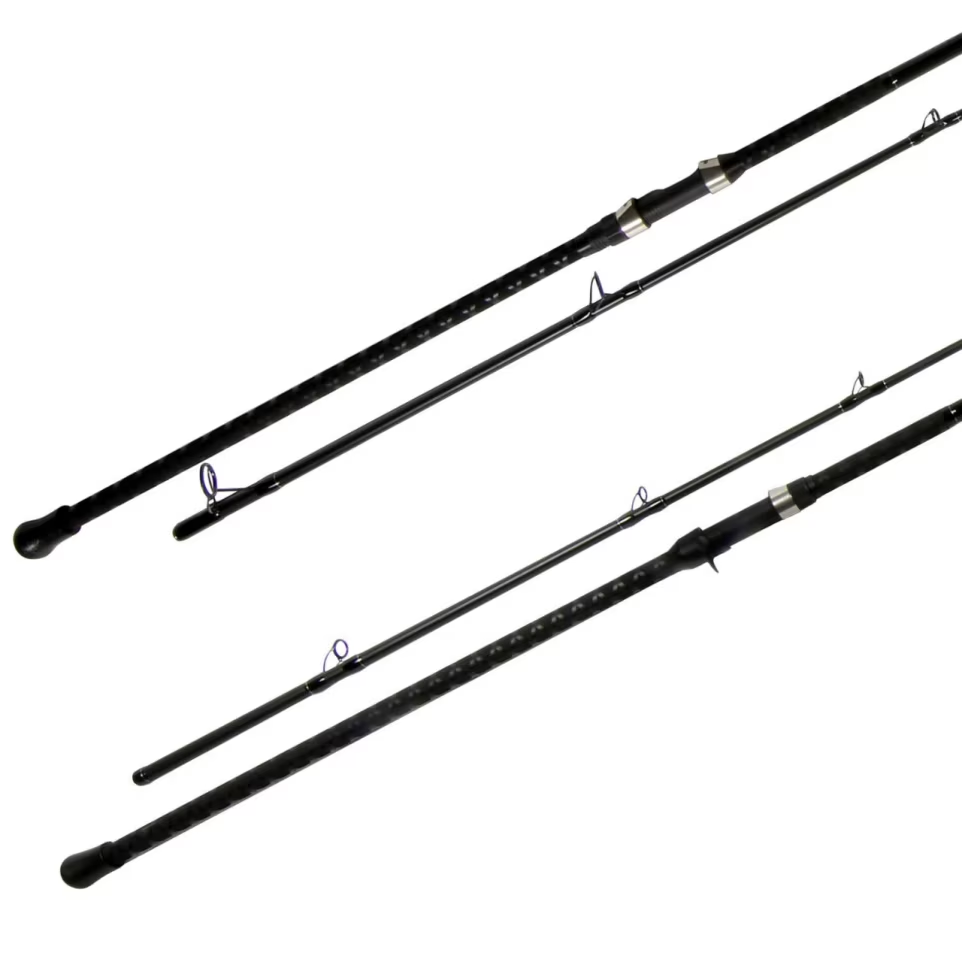
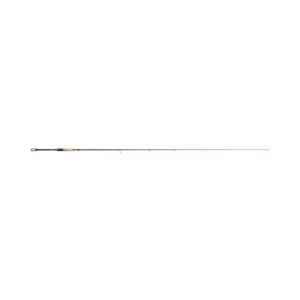
Shimano Speedmaster Surf Casting Rod – Performance, Control, and Confidence for Shore Anglers
The right fishing rod can make every cast more rewarding. Designed for anglers who value dependable performance, casting control, and a comfortable fishing experience, the Shimano Speedmaster Surf Casting Rod is a compelling option for building a capable shore-fishing setup. Whether you’re preparing for a weekend by the coast or planning longer sessions along open beaches, the right combination of rod, reel, and fishing line can make a meaningful difference.
Surf fishing often requires a balance of casting distance, sensitivity, and strength. Furthermore, changing tides, shifting currents, and different target species can create new challenges throughout the day. Therefore, selecting equipment that suits your preferred fishing conditions is essential.
The Speedmaster name is associated with Shimano’s performance-oriented fishing equipment. For anglers exploring a surf casting setup, this rod deserves consideration alongside the appropriate reel, line, terminal tackle, and preferred fishing techniques.
Discover the Shimano Speedmaster Surf Casting Rod
Designed for Demanding Shore-Fishing Conditions
Fishing from a beach, shoreline, or suitable coastal platform requires equipment that matches the environment. Unlike many short freshwater setups, surf fishing frequently involves casting beyond breaking waves while maintaining control over the line and terminal tackle.
The Shimano Speedmaster Surf Casting Rod is intended for anglers researching equipment for this style of fishing. Its suitability for a particular application should be assessed by checking the exact model specifications, including rod length, casting weight, line rating, action, and recommended reel compatibility.
Moreover, choosing the correct configuration helps anglers develop a more balanced setup. A suitable rod-and-reel combination can improve handling comfort, support consistent casting techniques, and make long sessions more enjoyable.
A Practical Choice for Dedicated Anglers
Every angler has different priorities. Some prefer covering a broad section of shoreline, while others focus on specific locations where current movement and underwater structure attract fish.
Consequently, equipment selection should reflect individual fishing goals rather than appearance alone. Before purchasing, consider the species you intend to target, the weight of your rig, the conditions you typically encounter, and the distance you need to cast.
The right setup can support a more organized and enjoyable fishing experience without requiring unnecessary equipment.
Key Product Highlights
The following features and considerations can help you evaluate this rod for your fishing setup.
- Surf-fishing application: Considered for anglers assembling equipment for beach and coastal fishing.
- Shimano brand heritage: Part of a product range that attracts anglers seeking established fishing tackle.
- Casting control: The appropriate rod configuration can help support consistent casting technique when matched with suitable tackle.
- Setup compatibility: Reel size, line rating, casting weight, and rod action should be checked against the exact model.
- Versatile fishing preparation: A suitable surf setup can be adapted to different rigs and target species within the manufacturer’s recommendations.
- Angler-focused selection: The correct specifications can help beginners and experienced anglers choose equipment suited to their individual needs.
- Coastal fishing potential: A properly matched outfit can support sessions from suitable beaches and other permitted shore-fishing locations.
Please confirm the exact model’s published specifications before listing technical measurements or performance claims on your product page.
Why Choose a Shimano Surf Casting Rod?
Casting Distance and Accuracy
Distance is an important consideration when fishing from the shore. In some locations, feeding fish may be found beyond the nearest breaking waves, making casting technique and equipment selection particularly important.
However, casting distance is influenced by several factors. Rod length and action, casting weight, line diameter, reel design, and the angler’s technique all contribute to the result. Weather conditions and wind direction can also affect casting performance.
For this reason, the best approach is to select a rod that suits your preferred casting style and the weights you use most frequently. When the complete setup is properly balanced, it becomes easier to develop a consistent casting motion and maintain control throughout the session.
Control When Fishing in Moving Water
Coastal environments are constantly changing. Tidal movement, waves, wind, and underwater features can influence how a fishing rig behaves once it reaches the water.
A suitable surf rod should therefore be selected according to the conditions in which it will be used. The correct casting-weight range is particularly important because an unsuitable rig may reduce control and compromise safe casting practices.
Additionally, anglers should consider the type of sinker, bait presentation, and fishing line required for their preferred method. Matching these elements can improve overall handling and help create a more dependable fishing system.
Comfort During Extended Sessions
Long fishing sessions can place repeated demands on your hands, wrists, shoulders, and arms. As a result, overall tackle balance deserves attention when choosing a new rod.
The rod’s weight, handle design, reel position, and grip should suit your physical comfort and fishing technique. Furthermore, a reel that balances appropriately with the rod can make repeated casting less tiring.
Whenever possible, compare the exact model’s dimensions and weight before purchasing. These details can help you determine whether the rod is appropriate for your fishing routine.
Choosing the Right Setup for Your Fishing Style
Selecting a Compatible Fishing Reel
A suitable reel is an essential part of a surf fishing outfit. Its size, spool capacity, drag performance, and line compatibility should be considered alongside the rod’s specifications.
Before ordering, check whether the particular Speedmaster model is designed for the reel configuration you intend to use. Product names can cover different regional versions and configurations, so the manufacturer’s model information should always take priority.
A balanced combination can help you manage line more effectively, maintain comfortable handling, and prepare for the conditions you expect to encounter.
Choosing the Appropriate Fishing Line
Fishing line selection depends on your target species, the structure of the fishing location, the rig being used, and the expected conditions.
Monofilament can offer stretch and practical handling characteristics, while braided line provides a different balance of diameter, sensitivity, and line capacity. Neither option is universally best for every surf fishing situation.
Instead, select a line that falls within the manufacturer’s recommended range for the exact rod and reel. Also, inspect your line regularly for abrasion, knots, and other signs of wear, particularly after fishing around rocks or rough underwater structure.
Matching Your Rig to the Conditions
The fishing rig should be selected according to the species, bait presentation, current strength, and local regulations. Sinker weight must remain within the rod’s stated casting limits.
Moreover, every component should be checked before casting. Secure knots, suitable terminal tackle, and an unobstructed casting area contribute to a safer and more controlled fishing experience.
Suitable Applications for Surf Anglers
Beach Fishing
Beach fishing offers opportunities to explore different depths, sandbars, channels, and areas where waves break along the shoreline. These features may change with the tide, so observation is an important part of locating productive water.
A properly selected surf fishing rod can form part of a setup for presenting bait from the beach. Your choice should reflect the distance required, the weight of the rig, and the conditions at the fishing location.
Coastal Fishing Sessions
Not every coastal fishing session takes place on an open sandy beach. Some anglers fish from suitable shorelines, designated fishing platforms, or other permitted locations.
Before using your equipment, assess the surroundings and check whether the location allows the intended fishing method. Rocks, strong currents, slippery surfaces, and sudden changes in weather can create additional risks.
With appropriate preparation, the right tackle can help you concentrate on presentation, line management, and the fishing experience itself.
Developing Your Casting Technique
Consistent casting comes from practice, correct equipment selection, and an understanding of how the rod responds to different casting weights.
Begin by checking the manufacturer’s casting recommendations and practising in an open area away from other people. Gradually develop a controlled casting motion rather than relying on excessive force.
As your technique improves, you can evaluate how different rigs, lines, and environmental conditions affect your results. This process can help you build confidence and make more informed adjustments to your setup.
How to Care for Your Fishing Rod
Cleaning After Coastal Use
Saltwater and airborne salt can accumulate on fishing equipment during coastal sessions. Therefore, appropriate cleaning and maintenance should be part of your regular routine.
After use, follow Shimano’s care instructions for the exact model. Where permitted by the manufacturer, rinse the rod gently with fresh water and allow it to dry thoroughly before storage. Avoid aggressive cleaning products or excessive water pressure.
Pay particular attention to the guides, handle, reel seat, and connection points. Inspect these areas for visible damage or unusual wear before your next outing.
Safe Storage and Transportation
Proper storage can help preserve the condition of your fishing equipment. Keep the rod in a suitable location where it will not be crushed, bent under heavy objects, or exposed unnecessarily to extreme temperatures.
During transportation, use an appropriate rod sleeve or protective case when compatible with the rod’s design. Secure the equipment to prevent movement, and avoid placing pressure on the guides or rod tip.
Before fishing, inspect the blank, guides, and joints for cracks, looseness, or other signs of damage. A damaged rod should not be used until it has been assessed appropriately.
Is the Shimano Speedmaster Surf Casting Rod Right for You?
Choosing a new fishing rod should begin with your intended use rather than a product name alone. Consider the following questions before placing an order:
- Do you primarily fish from beaches or other coastal locations?
- Does the rod’s length suit the spaces where you normally cast?
- Are your preferred sinkers and rigs within the published casting-weight range?
- Is the recommended line rating compatible with your fishing line?
- Can the rod be paired with a reel that offers suitable balance and capacity?
- Does the model’s transport length suit your available storage space?
- Have you checked the manufacturer’s warranty and care instructions?
If these requirements match your fishing plans, the Shimano Speedmaster Surf Casting Rod may be worth considering as part of your next equipment upgrade.
Shop Fishing Equipment with Confidence
A well-planned fishing setup begins with equipment that matches your needs. From selecting the correct rod to choosing compatible reels, lines, and terminal tackle, each decision contributes to the way your outfit performs on the water.
Explore the Shimano Speedmaster Surf Casting Rod and compare its published specifications with your preferred fishing technique before purchasing. By choosing suitable equipment and maintaining it properly, you can prepare for more organized, comfortable, and rewarding shore-fishing sessions.
Find the right fishing setup for your next coastal adventure and make every piece of equipment count.
Shimano Speedmaster Surf Casting Rod – Complete Guide to Shore-Fishing Performance
Understanding the Demands of Modern Surf Fishing
Adapting to Different Coastal Environments
Coastal fishing presents a variety of conditions that can influence equipment selection. Sandy beaches, shallow bays, exposed shorelines, and areas with stronger tidal movement each create different challenges. Consequently, anglers should consider the environment before choosing a rod, reel, and terminal tackle.
The Shimano Speedmaster Surf Casting Rod can be evaluated as part of a shore-fishing setup by examining the specifications of the exact model available. Rod length, casting-weight rating, action, and line recommendations are particularly important because they help determine which fishing methods can be supported.
Furthermore, the surrounding environment should influence the way each session is planned. Wind direction can affect casting accuracy, while changing water levels may alter access to productive fishing areas. By observing these conditions, anglers can make more informed decisions about where to fish and how to configure their equipment.
Preparing for Changing Tides
Tides influence water depth, current movement, and the accessibility of different coastal locations. In addition, fish may change their feeding locations as water moves across sandbars, channels, and submerged structures.
A suitable fishing rod is only one part of successful preparation. Local tide information, weather forecasts, bait selection, and knowledge of the fishing area should also be considered.
Before heading out, check local regulations and access restrictions. If strong currents, large waves, or hazardous weather are expected, choose a safer location or postpone the session.
Casting Technique and Equipment Compatibility
Why Rod Specifications Matter
Selecting a rod based on its intended application is more reliable than relying on a product name alone. Even rods within the same product family may differ in length, power, action, and recommended casting weights.
For that reason, the specifications supplied for your particular Shimano Speedmaster model should be reviewed before purchase. These details help determine whether the rod is suitable for the weights and techniques you intend to use.
A rod that is appropriately matched to the rig can support controlled casting and predictable handling. Conversely, using a weight outside the manufacturer’s recommendations may reduce control and create unnecessary equipment risks.
Improving Casting Consistency
Casting consistency is developed through repetition, correct technique, and suitable equipment. Rather than attempting to achieve maximum distance immediately, begin with controlled movements and a casting weight that falls within the manufacturer’s stated range.
As your technique develops, pay attention to your stance, grip, release timing, and follow-through. Additionally, make sure the line can move freely through the guides without tangles or obstructions.
Practice should always take place in an open area where other people are well clear of the casting path. This is especially important when using heavier surf-fishing rigs.
Selecting a Reel for Your Surf-Fishing Setup
Reel Balance and Handling
A reel should complement the rod rather than simply being selected because it has a large spool or high line capacity. The balance between these components can influence comfort during repeated casting and retrieval.
Before selecting a reel, confirm the rod’s reel-seat compatibility and the manufacturer’s recommendations. The intended fishing line, expected fish size, and local conditions should also be taken into account.
A well-matched outfit can make line management more convenient. Nevertheless, overall performance will depend on the complete combination of rod, reel, line, rig, and technique.
Drag Performance and Line Management
The drag system allows a reel to release line under controlled tension when a fish pulls away. Appropriate drag adjustment can help reduce the risk of line failure, although knots, abrasion, hook placement, and equipment condition also influence the outcome.
Before fishing, inspect the reel and verify that the spool is filled appropriately for the model. Avoid overfilling it, and check that the line is evenly distributed.
After each session, clean and maintain the reel according to its manufacturer’s instructions. Proper care is particularly important when equipment has been exposed to saltwater.
Choosing Fishing Line and Terminal Tackle
Monofilament and Braided Line
Monofilament and braided line offer different characteristics, so the choice should reflect the fishing method and equipment being used.
Monofilament provides stretch and can be convenient for many conventional fishing applications. Braided line generally offers a smaller diameter relative to its breaking strength, although abrasion protection and knot selection must be considered carefully.
Neither line type should be treated as the automatic choice for every surf-fishing situation. Instead, consult the rod’s line rating and the reel manufacturer’s guidance before deciding which option best suits your needs.
Leaders, Hooks, and Sinkers
Leaders and terminal tackle should be chosen according to the target species, bait presentation, seabed conditions, and local fishing regulations.
Sinker selection is especially important because the combined casting load must remain within the rod’s recommended limits. The weight of the sinker alone may not represent the entire load when bait and additional rig components are included.
Before casting, inspect the knots and connections. Replace damaged leaders, blunt hooks, and worn components rather than risking equipment failure during a fishing session.
Fishing Strategies for Different Shoreline Conditions
Fishing Along Sandy Beaches
Sandy beaches can offer access to channels, troughs, sandbars, and areas where waves create changes in water depth. These features may influence fish movement and feeding behaviour.
Observe the shoreline before choosing a casting direction. Changes in wave patterns, water colour, and current movement may help you identify areas worth investigating.
A suitable surf-fishing outfit can support bait presentation from the beach when its specifications match the intended rig. However, productive fishing also depends on timing, bait, species behaviour, and local conditions.
Fishing Around Structured Shorelines
Some coastal locations contain rocks, reefs, submerged obstacles, or man-made structures. Although these areas may provide habitat for different fish species, they can also increase the likelihood of line abrasion and snagging.
Choose tackle that is appropriate for the environment, and inspect the line regularly. In addition, avoid casting near swimmers, boats, or other anglers.
The rod should be used only within its intended application. If the manufacturer’s specifications do not support the required casting weight or fishing technique, another model should be selected.
Managing Wind and Weather
Wind can influence casting distance, line control, and the way a rig behaves after landing. Strong onshore or offshore winds may also create hazardous shoreline conditions.
Check the weather before leaving home and continue monitoring it during the session. Secure loose equipment, maintain a stable stance, and avoid exposed areas when waves or gusts make fishing unsafe.
Good preparation allows you to focus on fishing rather than reacting to preventable problems.
Maintenance for Long-Term Equipment Care
Cleaning and Inspection After Every Trip
Salt, sand, and moisture can gradually affect fishing equipment if they are allowed to accumulate. Therefore, a simple post-fishing routine should be followed after coastal sessions.
Use the manufacturer’s recommended cleaning procedure for the specific rod. Allow all components to dry properly before storing the equipment, and avoid using harsh chemicals that could damage finishes or materials.
During inspection, look for cracked guides, damaged wrapping, loose fittings, or visible changes in the rod blank. If a serious defect is discovered, stop using the rod until the problem has been assessed.
Protecting the Rod During Transport
Surf rods can be vulnerable to accidental impacts during transport. Placing them beneath heavy bags or allowing them to move freely inside a vehicle may cause damage that is not immediately obvious.
A protective sleeve or suitable rod case can help reduce these risks. Where a model consists of multiple sections, follow the manufacturer’s assembly and disassembly instructions.
Additionally, avoid using excessive force when connecting rod sections. Components should fit as intended, and any unusual looseness or resistance should be investigated before the rod is used.
Seasonal Storage
If the rod will not be used for an extended period, clean it, dry it thoroughly, and store it in a cool, dry location away from direct sunlight and excessive heat.
Keep it away from heavy objects and avoid placing pressure on the tip. Periodic inspections can help identify damage before the next fishing season begins.
What to Consider Before Purchasing
Confirming the Exact Model
Product naming can vary across regions and retail catalogues. As a result, the exact model code should be verified before a product description is published or an order is placed.
Check the official manufacturer’s listing or product documentation for:
- Rod length and transport length.
- Casting-weight range.
- Recommended line rating.
- Rod action and power.
- Number of sections.
- Blank construction and guide specifications.
- Handle design and reel-seat compatibility.
- Warranty terms and regional availability.
These details allow shoppers to compare products using reliable information rather than assumptions.
Matching the Rod to Your Budget
The purchase price is only one part of the total cost of a fishing setup. A compatible reel, suitable line, leaders, sinkers, hooks, and protective storage may also be required.
Therefore, consider the entire outfit when setting your budget. Buying equipment that suits your needs from the beginning may help avoid unnecessary replacements later.
Compare the exact model, included accessories, warranty coverage, and retailer policies before making your final decision.
Frequently Asked Questions
What is the Shimano Speedmaster Surf Casting Rod used for?
It is a product to consider when researching surf-casting equipment for shore fishing. The precise applications supported by a particular version should be confirmed through its published specifications.
Can this rod be used for beach fishing?
Suitability depends on the exact model, casting-weight range, rod length, and intended fishing technique. Confirm these details before using it for a specific beach-fishing setup.
Which reel should I choose?
Choose a reel that is compatible with the rod’s reel seat, line recommendations, and intended fishing conditions. Overall balance and spool capacity should also be considered.
What fishing line should I use?
The appropriate line depends on the model’s line rating, the target species, the fishing location, and the rig. Always follow the manufacturer’s recommendations.
How can I maintain a surf-fishing rod?
Clean it according to the manufacturer’s instructions, allow it to dry thoroughly, inspect the guides and blank, and store it where it will be protected from impacts and excessive heat.
Is this rod suitable for beginners?
Beginners should compare the model’s specifications with their intended fishing method and level of experience. A rod that matches the expected casting weights and offers comfortable handling is generally easier to learn with than an unsuitable setup.
Does casting distance depend only on the rod?
No. Casting distance is affected by technique, rod specifications, reel design, line diameter, casting weight, wind, and other environmental factors. Equipment compatibility and safe technique are essential.
Final Thoughts: Build a Better Surf-Fishing Setup
Choosing fishing equipment should be guided by the conditions you encounter and the techniques you enjoy. Rod specifications, reel compatibility, line selection, and regular maintenance all contribute to a more dependable outfit.
The Shimano Speedmaster Surf Casting Rod is worth evaluating if you are researching equipment for coastal fishing. Before purchasing, compare the exact model’s published details with your requirements and ensure that your reel, line, and rig are suitable for its intended use.
Prepare carefully, respect local fishing regulations, and maintain your tackle after every outing. With appropriate equipment and consistent practice, you can approach each fishing session with greater confidence.
Explore your options, compare the specifications, and choose fishing equipment that fits your next shore-fishing adventure.
Premium Fishing Rods, Reels, and Saltwater Tackle: A Complete Guide to Choosing the Right Fishing Gear
Discover Premium Fishing Equipment for Every Angling Adventure
Finding the right fishing equipment can make a significant difference in your overall fishing experience. Whether you are preparing for offshore tuna fishing, targeting powerful saltwater species, exploring freshwater lakes, or improving your surf fishing setup, the right combination of rods, reels, lures, and accessories can help you approach every trip with greater confidence.
Our comprehensive fishing gear collection brings together versatile equipment designed for different techniques, environments, and experience levels. From high-performance conventional reels and lightweight spinning reels to specialized jigging rods, surf casting equipment, and productive artificial lures, there are options for anglers seeking dependable performance across a wide range of fishing conditions.
Among the popular choices available to modern anglers are the Tsunami Trophy boat casting/jigging rods, Avet lever-drag conventional reels, Penn Slammer spinning reels, and Shimano Stella spinning reels. Each product category offers different advantages depending on the intended fishing technique, target species, line capacity requirements, and preferred fishing style.
Furthermore, selecting suitable fishing equipment involves more than comparing prices or choosing a familiar brand. Rod action, reel construction, drag performance, gear ratio, braking systems, corrosion resistance, and overall balance should all be considered before making a purchase.
Whether you are upgrading an existing setup or assembling a complete conventional combo, understanding these differences can help you choose fishing gear that supports your goals.
Explore Our Collection of Fishing Rods and Reels
Tsunami Trophy Boat Casting and Jigging Rods
Boat fishing often requires equipment that can handle demanding conditions while maintaining the sensitivity needed to detect bites and control presentations. Tsunami Trophy boat casting/jigging rods are designed for anglers exploring boat-based fishing techniques, including vertical jigging and presentations around productive offshore structures.
When choosing a boat rod, consider its length, power rating, action, lure-weight range, and compatibility with your preferred reel. A rod designed for heavier jigging may offer a different feel and loading profile from one intended for lighter presentations.
Additionally, pairing the rod with an appropriately sized conventional reel can help create a balanced setup for working artificial jigs, live baits, and other presentations.
Avet SX 6/4 MC Raptor Two-Speed Lever-Drag Conventional Reel
The Avet SX 6/4 MC Raptor two-speed lever-drag conventional reel is an option for anglers seeking a compact conventional reel with advanced drag and gear-shifting functionality.
Two-speed reels allow anglers to switch between gear ratios according to the demands of the fight. A higher gear can help retrieve line efficiently, while a lower gear can provide additional mechanical advantage when working against a powerful fish.
The magnetic cast-control system associated with MC models can also help anglers manage spool rotation during casting. Nevertheless, casting performance depends on the complete setup, including line selection, lure weight, spool tension, and casting technique.
Before purchasing, verify the exact model specifications, line capacity, drag ratings, and intended application to ensure that the reel matches your fishing requirements.
Penn Slammer Spinning Reels for Saltwater Fishing
Saltwater anglers often prioritize durability, smooth operation, and protection against harsh fishing conditions. Penn Slammer spinning reels are popular options to consider when assembling equipment for coastal fishing, boat fishing, and other demanding applications.
The Penn Slammer IV saltwater spinning reel range offers models intended for different fishing requirements. Depending on the selected size, these reels may suit applications ranging from lighter inshore fishing to heavier saltwater presentations.
When comparing a Penn Slammer spinning reel with other spinning reels, pay attention to the following features:
- Drag performance: Consider whether the available drag range suits your target species and line strength.
- Corrosion protection: Evaluate the reel’s construction and sealing features for your intended environment.
- Line capacity: Select a size that accommodates the line diameter and length required for your fishing technique.
- Gear ratio: Compare retrieval speed and cranking characteristics before choosing a model.
- Overall balance: Match the reel with a compatible spinning rod for comfortable handling.
For anglers considering a Penn Slammer 6500 or Penn Slammer IV 5500, the correct choice depends on the fishing application rather than size alone. Compare the specifications of the exact model before ordering.
Penn International VISX Two-Speed Lever-Drag Conventional Reels
Heavy offshore fishing can place substantial demands on reels, especially when targeting large tuna and other powerful pelagic species. Penn International VISX two-speed lever-drag conventional reels are designed for serious offshore applications where line capacity, drag control, and mechanical reliability are important considerations.
The Penn International 130 reel category is associated with specialized big-game fishing applications. However, anglers should distinguish between model families, reel sizes, and specific variants because their intended uses and specifications can differ significantly.
A suitable offshore reel should be selected according to target species, fishing depth, line class, rod compatibility, and the fishing method being used.
Additionally, inspect the manufacturer’s specifications for maximum drag, gear ratios, line capacity, and recommended line classes before choosing a reel for heavy-duty applications.
Understanding Different Types of Fishing Reels
Knowing what are the different kinds of fishing reels can help anglers narrow down their choices and avoid purchasing equipment that does not match their intended technique.
Spinning Reels
Spinning reels are widely used because they are versatile and relatively straightforward to operate. They are suitable for many freshwater and saltwater applications, depending on their design and size.
Popular options include the Penn Slammer spinning reel, Shimano Stella spinning reels, Shimano Twin Power fishing reels, Shimano Stradic fishing reel models, and Shimano Baitrunner OC.
A Shimano Stella 2500 may be considered for suitable lighter applications, while a Stella 5000 reel may be evaluated for more demanding presentations. The appropriate size depends on the target species, line requirements, rod rating, and fishing environment.
Likewise, a reel Shimano Stella 4000 or Shimano Stella 3000 can be considered when comparing mid-sized spinning setups.
Conventional Reels
Conventional reels are commonly selected for boat fishing, trolling, bottom fishing, and other applications where line capacity and mechanical leverage are important.
The Avet MXL 6/4 Raptor, Avet SX 5.3 G2, Avet LX 6/3 G2 two-speed reel, Shimano Tiagra 50W, and Talica 25II represent different options within the conventional reel market.
A fishing reel lever drag design allows the angler to adjust drag using a lever mechanism. Depending on the model, this arrangement can provide convenient drag adjustments for trolling, live-bait fishing, and other techniques.
However, not every conventional reel is intended for casting. Always confirm the manufacturer’s intended application before selecting a model.
Baitcasting Reels
Baitcasting reels are often favored by anglers seeking direct control over lure presentation and spool operation. They are frequently used for bass fishing, heavier freshwater lures, and selected saltwater applications.
Round baitcasting reels and large baitcasting reels offer different handling characteristics from low-profile baitcasters. The ideal choice depends on line capacity, lure weight, braking requirements, and the type of fish being targeted.
When comparing a baitcaster reel on sale with a premium model, evaluate the specifications rather than relying on the discount alone. A baitcaster for saltwater should be selected specifically for its suitability for saltwater use and maintained according to the manufacturer’s recommendations.
Electric Fishing Reels
Electric fishing reels can assist with retrieving line from significant depths and handling certain demanding offshore techniques. Daiwa electric fishing reels and the Shimano Beastmaster 9000 are examples worth researching when comparing electric reel options.
An electric reel battery must be compatible with the reel’s voltage, connection requirements, and power specifications. Before purchasing, review the manufacturer’s guidance for battery capacity, operating time, electrical protection, and charging arrangements.
Electric reels are particularly technique-specific, so confirm that the selected model suits your intended fishing method.
Choosing the Right Fishing Rod
A fishing rod should be matched to the reel, line, lure, and intended target species. Although many rods may appear similar, their construction, action, power, and intended applications can vary substantially.
Saltwater Surf Rods
Saltwater surf rods are designed for fishing from beaches and shorelines. Depending on the model, they may support long-distance casting, heavier sinkers, or presentations intended for coastal species.
Anglers researching surf fishing rods for sale may encounter options such as the St. Croix Mojo Surf, Century surf rods, and other specialized surf casting designs.
When comparing these rods, consider the casting-weight range, rod length, action, portability, and compatibility with the intended reel.
Shimano Trevala Jigging Rods
Shimano Trevala jigging rods are associated with specialized jigging applications. Their suitability depends on the particular model, power rating, jig weight, line class, and fishing depth.
For vertical jigging, rod balance and the ability to work a lure comfortably over repeated presentations can be important. A compatible conventional or spinning reel should also be selected according to the rod’s design.
Black Diamond and Phenix Fishing Rods
Black Diamond fishing rod models and Phenix fishing rod collections provide additional options for anglers comparing specialized rod designs.
The Phenix M1 inshore spinning rods, for example, can be evaluated for appropriate inshore presentations. Meanwhile, anglers considering an E6X G. Loomis rod should verify the exact model and specifications rather than assuming that every rod in a series serves the same purpose.
Compare rod power, action, handle design, material construction, and intended fishing techniques to find an option suited to your needs.
Artificial Fishing Lures for Different Conditions
Artificial lures allow anglers to imitate baitfish, crustaceans, frogs, and other prey. Choosing a lure that matches local forage, water conditions, and target species can improve presentation and help make fishing sessions more productive.
Yo-Zuri Surface Cruiser
The Yo-Zuri Surface Cruiser is a lure category to consider when researching surface presentations for suitable predatory fish.
Surface lures can create movement and disturbance that attract fish feeding near the water’s surface. Their effectiveness depends on factors such as retrieve speed, water conditions, lure size, and the behavior of the target species.
Before purchasing, check the exact model, size, color, and recommended use.
Berkley PowerBait
Berkley PowerBait products are available in different formulations and presentations for various fishing applications. Depending on the specific product, they may be used for freshwater species and other suitable fisheries.
When choosing PowerBait, consider the target species, presentation style, hook size, water clarity, and local fishing regulations.
Flat-Fall Jigs and Nichols Flutter Spoons
Flat-fall jigs and Nichols flutter spoons are artificial lure options worth considering for anglers exploring vertical presentations and other appropriate techniques.
Their movement during the fall can be an important part of the presentation. Nevertheless, the best lure weight and profile depend on depth, current, target species, and the speed at which the lure must descend.
Slither K Frog and Senko Soft Plastics
Frog-style lures and soft-plastic worms offer different approaches to freshwater fishing.
A Slither K frog can be researched for suitable frog-style presentations, while Senkos are commonly associated with soft-plastic bass fishing techniques.
When choosing these lures, consider hook compatibility, vegetation, water depth, and the presentation method you plan to use.
Build a Better Fishing Setup
The right equipment combination can make fishing more comfortable and help anglers fish according to their chosen technique.
Start by identifying your target species and environment. Next, choose a rod designed for the intended presentation. Then select a compatible reel, suitable line, and appropriate terminal tackle.
For example, a surf fishing setup may require a specialized surf rod and a spinning reel with suitable line capacity. In contrast, offshore jigging may call for a compatible jigging rod and a conventional reel selected for the expected depth and target species.
Finally, compare product specifications, availability, warranty information, and total purchase cost before placing your order.
Explore our fishing gear selection to compare rods, reels, lures, and accessories for your next angling adventure.
Premium Fishing Gear, Saltwater Reels, Surf Rods, and Fishing Tackle: Complete Buying Guide
Discover Advanced Fishing Reels for Freshwater and Saltwater Anglers
Choosing a suitable fishing reel requires an understanding of the techniques you enjoy, the species you target, and the conditions in which you fish. Although some reels are designed for versatility, others are built around specialized applications such as offshore trolling, vertical jigging, surf casting, or heavy-duty saltwater fishing.
Consequently, comparing different fishing reel types can help you identify the features that matter most before making a purchase. Whether you are researching a lightweight spinning reel, a powerful conventional reel, or a baitcasting reel for demanding applications, the objective remains the same: find equipment that matches your fishing requirements.
Shimano Curado 300 and Tranx 300 Baitcasting Reels
The Shimano Curado 300 is worth considering for anglers who prefer baitcasting equipment with a larger profile than many traditional low-profile reels. Depending on the exact version, it may be suitable for applications involving heavier lures, larger freshwater predators, and selected inshore fishing techniques.
The Tranx 300, sometimes searched for under the alternative spelling tran-x, is another baitcasting option for anglers comparing reel size, retrieve performance, and casting control.
When evaluating these reels, consider:
- Casting performance: Match the reel to the weight and aerodynamic profile of your intended lures.
- Gear ratio: Select a retrieve speed that supports your preferred technique.
- Line capacity: Check whether the spool accommodates the line diameter and length you require.
- Drag performance: Ensure the drag system is appropriate for your target species.
- Saltwater suitability: Verify the exact model’s recommended environment and maintenance requirements.
A larger baitcasting reel is not automatically the best choice for every application. Instead, compare the reel with your rod, lure selection, and target species before deciding.
Quantum Accurist Baitcast Reel
The Quantum Accurist baitcast reel is another product to investigate when comparing baitcasting equipment for lure presentation and casting control.
Baitcasting reels can provide direct spool control, which is useful for anglers who want to manage lure placement accurately. However, casting performance also depends on braking adjustments, spool tension, line condition, and casting technique.
If you are comparing a Quantum Accurist with other baitcasting reels, review the exact model specifications, available gear ratios, braking system, and recommended lure range. These details will help you determine whether the reel is suitable for your preferred style of fishing.
Avet MXL 6/4 Raptor and Avet SX 5.3 G2 Conventional Reels
Anglers researching conventional fishing reels may encounter several Avet models, including the Avet MXL 6/4 Raptor, Avet SX 5.3 G2, Avet SX 5.3 G2 lever-drag reels, and Avet MXL 5.8 G2 MC single-speed reel.
These models belong to a product category associated with conventional fishing applications, including selected boat fishing, live-bait presentations, and other techniques where spool control and drag adjustment matter.
Nevertheless, differences between models should be considered carefully. A magnetic cast-control version may offer different casting characteristics from a conventional configuration, while gear ratio and reel size influence retrieval and line capacity.
Before purchasing, compare the exact model designation, line capacity, drag specifications, and recommended applications. This is particularly important when choosing a reel for heavier saltwater fishing.
Avet LX 6/3 G2 Two-Speed Reel
The Avet LX 6/3 G2 two-speed reel is another option for anglers looking for a conventional reel with selectable gear ratios.
Two-speed mechanisms can provide flexibility during a fight. A faster gear can help retrieve slack line, while a lower gear may make it easier to turn the handle under heavier loads.
For anglers assembling a conventional combo, compatibility should be evaluated across the reel, rod, line, terminal tackle, and intended fishing method.
The reel should also be maintained according to the manufacturer’s recommendations, especially when used in saltwater environments.
Accurate Tern 2, Accurate Valiant 500N, and Accurate Fishing Reels
Accurate fishing reels are worth researching when comparing conventional reel designs and specialized saltwater equipment.
The Accurate Tern 2 and Accurate Valiant 500N are examples of models anglers may encounter when evaluating reel construction, gear ratios, drag performance, and intended fishing applications.
When looking for an accurate fishing reel, confirm the exact product model instead of relying solely on broad search terms such as fishing reel accurate or precise reels.
Consider the following factors:
- Intended fishing technique and target species.
- Line capacity and suitable line diameter.
- Gear ratio and handle ergonomics.
- Drag range and adjustment characteristics.
- Serviceability, maintenance, and warranty coverage.
The most appropriate reel is the one that fits your fishing needs and works effectively with the rest of your setup.
Heavy-Duty Offshore Fishing Reels and Tuna Equipment
Offshore fishing can demand specialized equipment because powerful fish, long runs, and substantial line loads place considerable stress on rods, reels, and terminal tackle.
For this reason, anglers targeting tuna and other large pelagic species should prioritize equipment compatibility, reliable drag performance, suitable line capacity, and proper maintenance.
Penn International 130 and Penn VSX 130
The Penn 130 International reel is associated with heavy-duty big-game fishing searches. Anglers may also search for Penn VSX 130 when investigating large conventional reels.
However, the exact model designation must be verified before comparing specifications. Different Penn International and VSX product families may have different constructions, features, and intended applications.
Before choosing a large offshore reel, evaluate:
- Line class and required line capacity.
- Rod compatibility and mounting arrangements.
- Drag settings appropriate to the intended fishing method.
- Gear ratios and retrieval requirements.
- Fishing regulations and responsible fish-handling practices.
Large offshore reels are specialized equipment. Therefore, they should be selected according to the actual requirements of the fishing trip rather than size alone.
Shimano Tiagra 50W and Tiagra 50 Reels
The Shimano Tiagra 50W and Tiagra 50 are search terms associated with conventional offshore fishing equipment.
When comparing these reels, confirm the precise model, spool capacity, drag specifications, gear ratios, and recommended line classes. The distinction between model variants matters because seemingly similar names do not guarantee identical specifications.
For anglers preparing a tuna fishing setup, the reel must be matched to a suitable rod, line, leader, hooks, and terminal tackle.
Additionally, a properly configured setup should be inspected before each trip. Check line condition, drag operation, connections, and the overall security of the reel mounting system.
Avet TRX 50W
The Avet TRX 50W is another product name to verify when researching conventional offshore reels. Before making a purchase, consult the manufacturer’s current product documentation or an authorized seller to establish the exact configuration and available specifications.
When evaluating any reel intended for large offshore species, avoid selecting equipment based only on advertised maximum drag. Practical performance also depends on line class, drag settings, rod design, fighting technique, and the overall condition of the tackle.
Tuna Popping Rods and Specialized Jigging Equipment
Tuna popping rods are designed around surface-lure presentations for suitable offshore predators. Their length, power, action, and casting-weight range must be appropriate for the lures being used and the conditions encountered.
A rod that is too light may struggle with the intended application, while an excessively heavy rod can make repeated casting tiring. Therefore, compare the manufacturer’s lure recommendations with your intended surface plugs and target species.
Selecting the Right Popping Rod
When comparing tuna popping rods, consider these essential features:
- Casting range: Match the rod to the weight of your surface plugs.
- Rod action: Choose an action that supports casting and lure movement.
- Power rating: Select a suitable rating for the expected fish and line class.
- Handle design: Consider comfort and leverage during extended fishing sessions.
- Reel compatibility: Ensure the rod is designed for the intended spinning or conventional reel.
The Tsunami jigging rod category also deserves consideration when researching equipment for vertical presentations. Jigging rods should be selected according to jig weight, water depth, current, line rating, and the fishing technique involved.
Similarly, a boat casting rod may be appropriate for casting from a vessel, but the exact model’s design should always be checked before use.
Surf Fishing Rods, Reels, and Shoreline Accessories
Surf fishing introduces different challenges from offshore boat fishing. Anglers may need to cast beyond breaking waves, manage changing currents, and maintain control over their line while fishing from beaches, jetties, or other shore-based locations.
Choosing suitable saltwater surf rods and compatible reels can improve casting comfort and help create a more balanced setup.
St. Croix Mojo Surf and St. Croix Legend Inshore Tournament Rods
The St. Croix Mojo Surf is a product line worth considering when researching dedicated surf fishing equipment. Model specifications should be checked to identify the appropriate rod length, power, action, and casting-weight range.
The St. Croix Legend Inshore Tournament series serves a different research category for anglers investigating specialized inshore rods. Rather than assuming that surf and inshore rods are interchangeable, compare their intended applications and manufacturer recommendations.
A surf rod should be matched with a reel that provides suitable line capacity and casting characteristics. The complete setup should also accommodate the weight of the sinker, bait, or lure being used.
Century Surf Rods and Shimano Speedmaster Surf Equipment
Century surf rods are another category to explore when comparing specialized shore fishing equipment.
Anglers researching the Shimano Speedmaster Surf Casting Rod or Shimano Speedmaster Surf Spinning Rod should distinguish between casting and spinning configurations. Each configuration is designed around a different reel type, so compatibility must be confirmed before ordering.
Likewise, the Shimano Tiralejo spinning surf and shore rod and Shimano Teramar Hi Casting Surf Shore Rod are search terms worth investigating when comparing specialized shoreline tackle.
When shopping for surf fishing rods for sale, consider the following:
- Beach conditions and casting distance requirements.
- Rod length and transport convenience.
- Recommended sinker or lure weight.
- Reel compatibility and suitable line capacity.
- Handle comfort and durability under repeated use.
An appropriate surf fishing setup should feel balanced throughout the casting motion and remain comfortable during extended sessions.
Penn Spinfisher VII and Other Saltwater Spinning Reels
Saltwater spinning reels are available in numerous sizes, with different models designed for different levels of fishing demand.
The Penn Spinfisher VII spinning reel, including the SSVII5500 model designation, is a product to research when comparing spinning reel specifications for suitable saltwater applications.
The Penn Spinfisher range and Penn Slammer range should not be treated as identical products. Compare their specific construction, sealing, drag systems, spool capacities, and manufacturer recommendations before choosing between them.
Penn Slammer IV 5500 and Penn Slammer 6500
The Penn Slammer IV 5500 and Penn Slammer 6500 are search terms commonly used by anglers comparing larger spinning reel options.
When choosing between reel sizes, consider whether the additional capacity or different dimensions provide a practical benefit for your intended fishing technique.
A larger reel can accommodate different line requirements, but it can also affect the overall weight and balance of the rod-and-reel combination.
Stradic Fishing Reel and Shimano Twin Power Fishing Reels
The Stradic fishing reel range is another option for anglers comparing versatile spinning equipment.
Shimano Twin Power fishing reels can also be evaluated by anglers looking for alternatives across different reel sizes and applications.
When comparing these product families, focus on the exact generation and size. A Shimano Stradic and a Twin Power model with similar spool dimensions may still differ in their construction, features, and intended positioning.
Shimano Stella Spinning Reels
Shimano Stella spinning reels are often researched by anglers comparing premium spinning reel options.
Searches may include the Shimano Stella 2500, Shimano Stella 3000, Shimano Stella 4000, and Stella 5000 reel. Each size should be evaluated according to its specific specifications and intended application.
A smaller reel may be suitable for lighter line and appropriate inshore or freshwater techniques, while a larger model may offer different line capacity and handling characteristics.
Nevertheless, reel size alone does not establish suitability. Always consider the target species, rod rating, line strength, and lure weight.
Shimano Beastmaster 9000 and Electric Reel Accessories
Electric fishing equipment can support selected deep-water techniques where manually retrieving large amounts of line would be demanding.
The Shimano Beastmaster 9000, also searched for as the Shimano Beast Master 9000, is a product to research when comparing electric reel options.
Before selecting an electric fishing reel, verify its power requirements, operating controls, line capacity, drag specifications, and recommended applications.
Choosing an Electric Reel Battery
An electric reel battery must meet the exact electrical requirements of the reel. Incorrect voltage or incompatible connections can damage equipment or create safety concerns.
Review the manufacturer’s instructions for battery voltage, capacity, connectors, charging equipment, and protection against water exposure.
Furthermore, consider how the battery will be secured and transported during a fishing trip. All electrical connections should be protected according to the manufacturer’s guidance.
Fishing Lures, Hooks, and Terminal Tackle
A suitable rod and reel combination is only one part of a complete fishing setup. Lures, hooks, leaders, swivels, and other terminal tackle must also match the target species and fishing conditions.
Blue Fox Vibrax Spinner
The Blue Fox Vibrax spinner, also searched for as a Vibrax spinner Blue Fox or blue fox spinner, is a lure category associated with spinning presentations.
When choosing a spinner, evaluate blade size, lure weight, color, and the depth at which you intend to fish. Water clarity and the behavior of local fish may also influence your choice.
Use a suitable rod and line combination that allows the lure to be retrieved comfortably while maintaining appropriate control.
Underwater Plugs and Surface Lures
Underwater plugs fishing involves selecting lures that operate beneath the water’s surface. Depending on their design, plugs may imitate baitfish through wobbling, rolling, diving, or other movements.
The Yo-Zuri Surface Cruiser belongs to a different presentation category focused on suitable surface applications.
When comparing underwater plugs and surface lures, consider the intended running depth, casting distance, hook configuration, and target species. A lure’s performance also depends on retrieve speed and environmental conditions.
Pork Rind for Fishing
Pork rind for fishing is a traditional bait or lure-trailer option used in certain fishing applications. Its suitability depends on the technique, hook arrangement, local availability, and relevant fishing regulations.
When considering natural or prepared bait products, check storage requirements and ensure that the selected product is appropriate for the species and waterway.
Owner Hooks and Other Fishing Accessories
Hook selection can influence bait presentation, hook penetration, and fish handling.
When researching Owner hooks, choose a style and size that match the intended bait, lure, line strength, and target species. Hook sharpness and condition should be inspected regularly.
Accessories such as line cutters, pliers, storage boxes, and sharpening tools can also make tackle preparation more convenient.
Fishing Accessories for a More Complete Setup
A dependable collection of fishing supplies includes more than rods and reels. Appropriate accessories help anglers prepare equipment, maintain tackle, organize lures, and adapt to changing conditions.
AccuSharp Knife Sharpener
The AccuSharp knife sharpener is an accessory to research when maintaining suitable fishing knives.
Always follow the manufacturer’s instructions, use a stable work surface, and keep fingers clear of the sharpening path. Knives should be stored safely when not in use.
Costa Hammerhead Fishing Sunglasses
Costa Hammerhead sunglasses are a product name to investigate when researching eyewear for fishing and outdoor activities.
When comparing fishing sunglasses, evaluate lens technology, visible-light transmission, glare reduction, fit, coverage, and the manufacturer’s product specifications.
Polarized lenses can reduce reflected glare from water under suitable conditions, helping anglers see more comfortably. However, performance varies with the lens, lighting, and viewing angle.
Fishing Jackets and Outdoor Apparel
Fishing jackets can help anglers prepare for changing weather and wet environments.
When selecting fishing apparel, consider waterproofing, breathability, wind resistance, freedom of movement, and the conditions in which the clothing will be worn.
Layering can also provide flexibility when temperatures change throughout the day. For offshore fishing, choose clothing and personal protective equipment appropriate to the expected weather and safety requirements.
How to Find Affordable Fishing Reels Without Sacrificing Compatibility
Anglers searching for fishing reels cheap, fishing reels for cheap, or a reel clearance offer should compare more than the advertised price.
A low-cost reel may be suitable for occasional fishing, while more demanding techniques may justify investing in a model with different construction, features, or service support.
Comparing Fishing Reels on Sale
When evaluating a discounted reel, review the following details:
- Model identity: Confirm the exact generation, size, and configuration.
- Condition: Determine whether the product is new, used, refurbished, or open-box.
- Warranty: Check what coverage is provided and which exclusions apply.
- Compatibility: Ensure that the reel matches the intended rod, line, and technique.
- Total cost: Account for delivery charges, taxes, and any necessary accessories.
A baitcaster reel on sale may represent good value if it suits your intended technique. Likewise, a spinning reel clearance offer may be worthwhile when the model’s features meet your requirements.
The objective should be to find a suitable product at a competitive price rather than buying equipment solely because it is discounted.
Where to Research Fishing Supplies and Tackle Shops
Anglers researching fishing supplies NYC, fishing gear NYC, or a tackle shop NYC may encounter retailers serving different fishing communities and product categories.
Searches may also include J&H Tackle, J and R Bait and Tackle, John Bait Shop, and other fishing retailers.
These phrases can help shoppers locate product catalogs, store information, and specialized equipment. However, retailer names should be verified independently before making assumptions about inventory, location, pricing, or shipping services.
When evaluating a tackle retailer, consider:
- Product authenticity and clear model specifications.
- Transparent pricing and shipping policies.
- Return conditions and warranty support.
- Availability of suitable replacement parts and accessories.
- Customer service and assistance with product selection.
If you are purchasing specialist equipment, confirm the precise model and its availability before completing the transaction.
Choosing the Best Conventional Combo
A conventional combo combines a compatible rod and conventional reel into a single fishing setup. This arrangement can simplify equipment selection, particularly for anglers assembling a boat fishing or offshore configuration.
However, not every conventional combo is suitable for every technique. The rod and reel must be designed to work together within their recommended line, lure, and load specifications.
How to Match a Conventional Reel to a Rod
First, identify the intended fishing method. Boat fishing, trolling, bottom fishing, and jigging may each require different equipment characteristics.
Next, compare the rod’s recommended line class with the reel’s capacity and drag specifications. A reel that holds the required line but is poorly matched to the rod may create an unbalanced or unsuitable setup.
Finally, consider handle comfort, reel-seat compatibility, maintenance needs, and transport requirements.
A well-matched conventional combo should provide practical compatibility without unnecessary weight or features that do not support your intended fishing technique.
Final Guide to Selecting Fishing Gear
Choosing suitable fishing equipment becomes easier when each component is evaluated according to its purpose.
For surf fishing, investigate specialized surf rods and compatible spinning reels. For freshwater casting, compare baitcasting reels and rods designed for your chosen lures. For offshore fishing, research conventional reels, suitable boat rods, and appropriate terminal tackle.
Premium products such as Shimano Stella spinning reels, Penn International conventional reels, Avet lever-drag reels, and Accurate fishing reels offer different options for anglers comparing specialized equipment. Meanwhile, lures such as Berkley PowerBait, Yo-Zuri surface plugs, Blue Fox spinners, and suitable jigging lures provide alternatives for different presentations.
Before purchasing, verify the exact model, compare specifications, review the seller’s terms, and ensure that every component suits the intended fishing environment.
Explore fishing rods, spinning reels, conventional reels, baitcasting equipment, artificial lures, and fishing accessories to build a setup that matches your technique, target species, and budget.
Additional information
| MODEL/LENGTH | SPMC100MH2 — 10'0", SPMC120MH2 — 12'0" |
|---|
Related products
-
SHIMANO TEREZ BW BFC CAST ROD
Price range: €346.73 through €667.45Select options This product has multiple variants. The options may be chosen on the product page -
SHIMANO OUTLIER ROD
€346.73Select options This product has multiple variants. The options may be chosen on the product page -
SHIMANO POISON GLORIOUS SPINNING ROD
Price range: €485.42 through €520.09Select options This product has multiple variants. The options may be chosen on the product page
Reviews
There are no reviews yet.