
We Deliver Directly To Your Door
Description
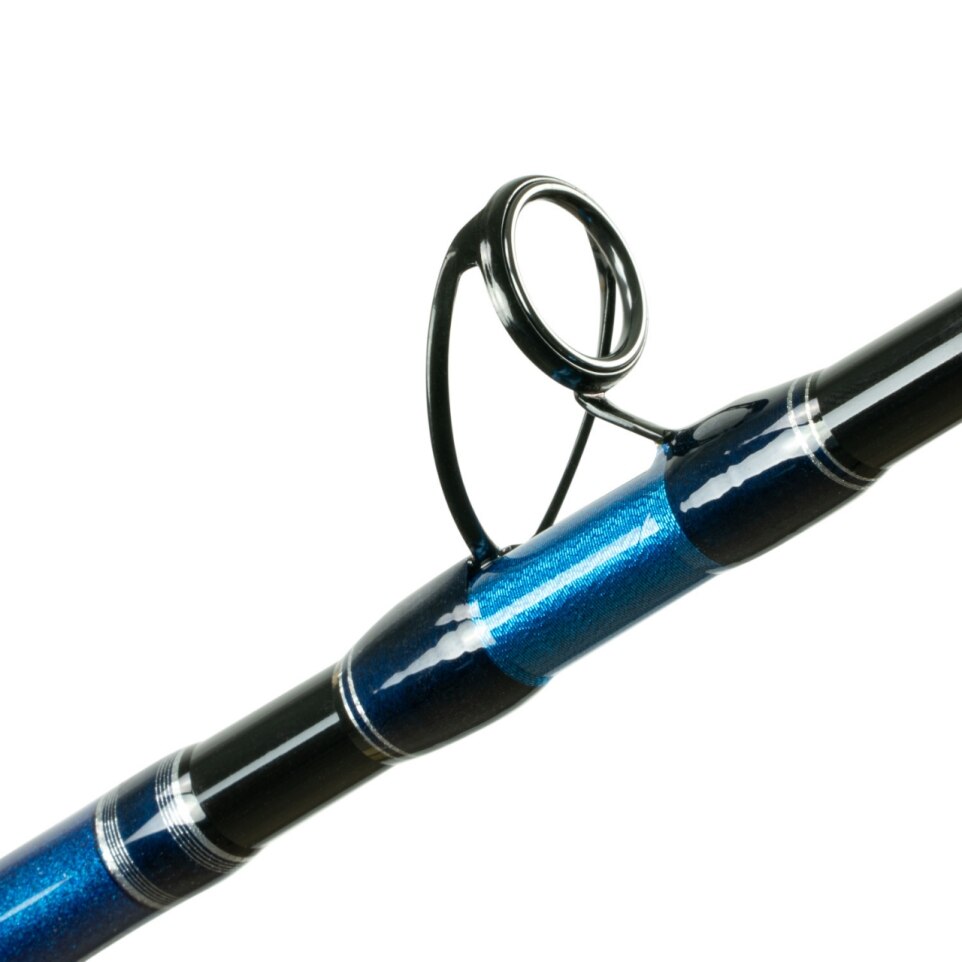
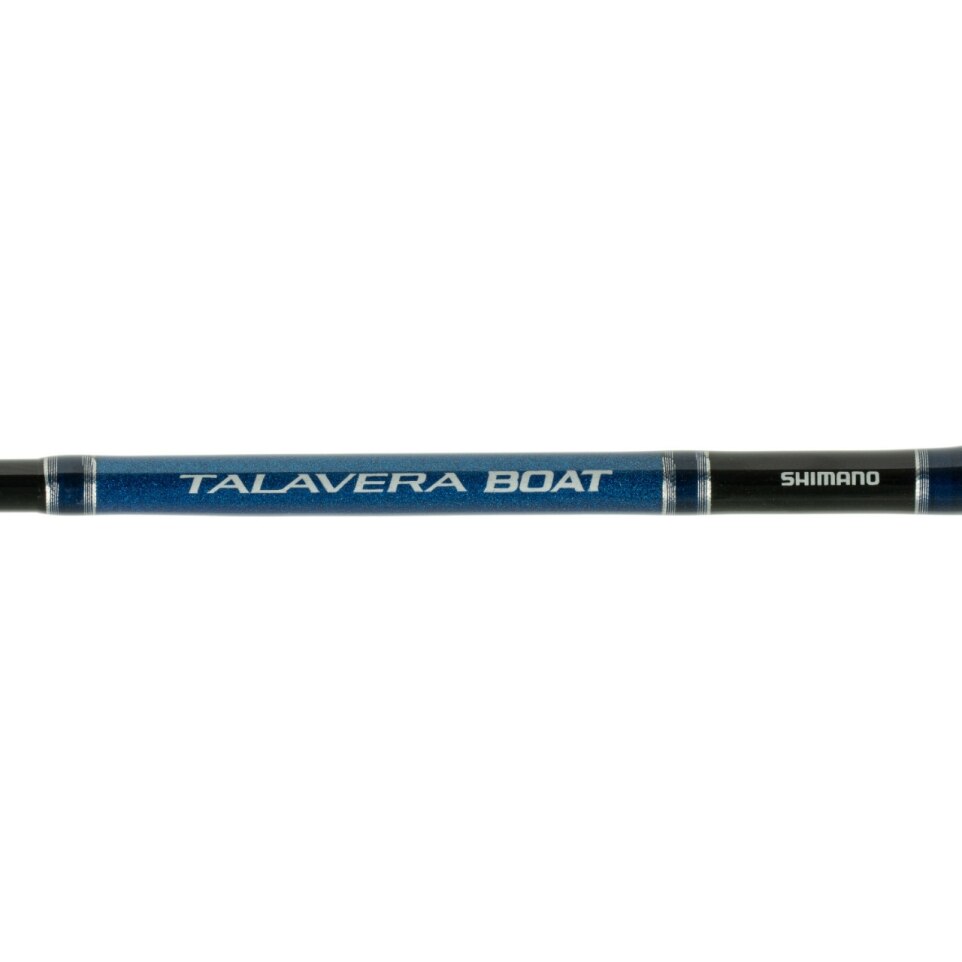
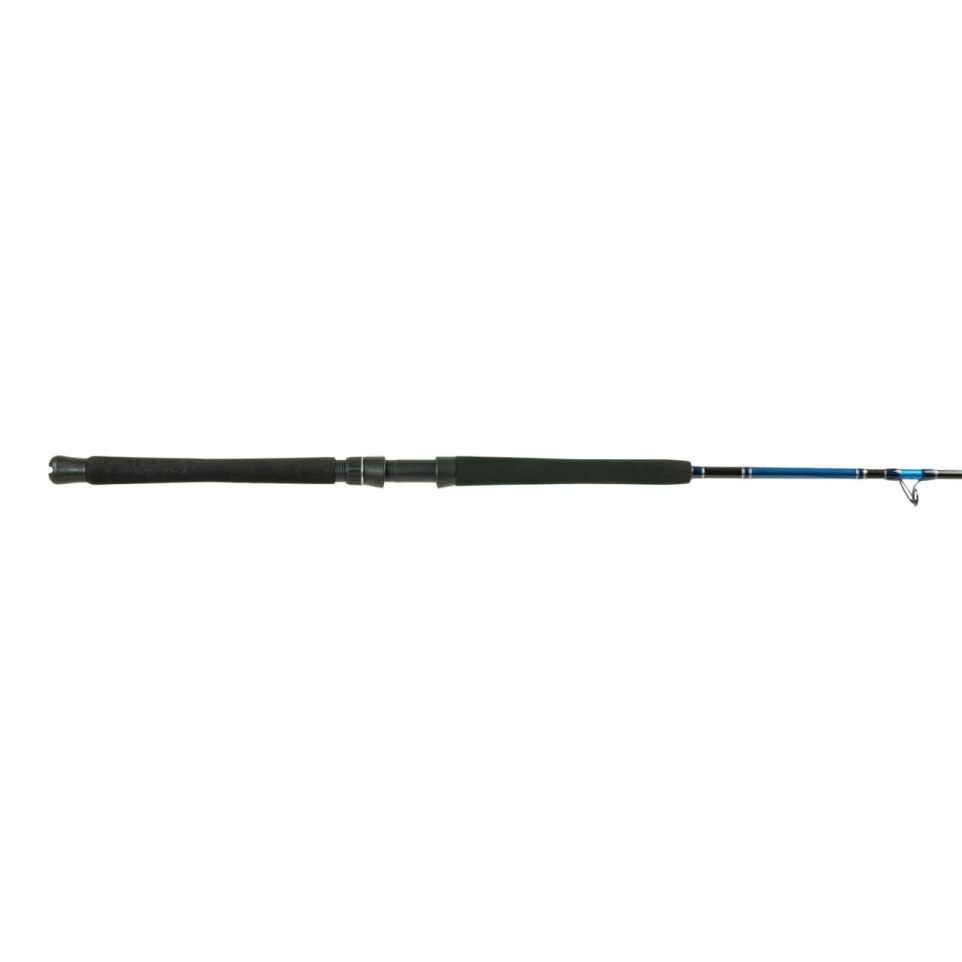
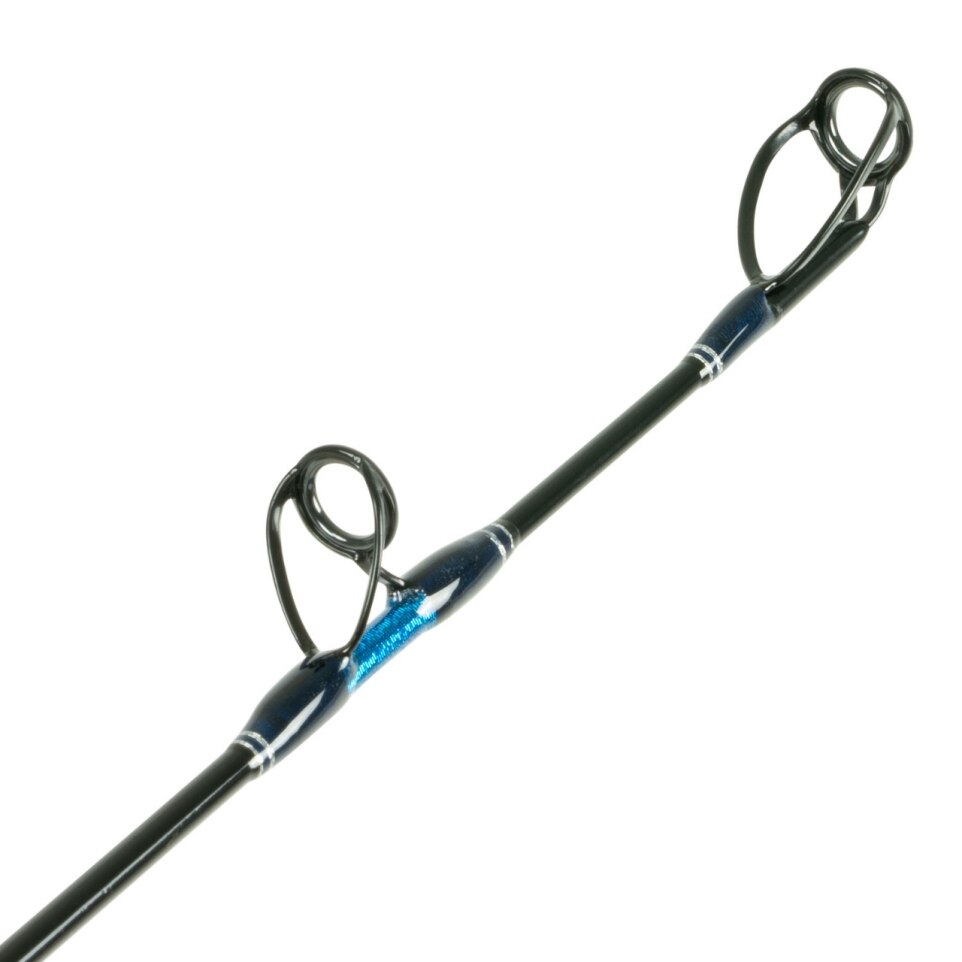
SHIMANO TALAVERA BOAT CASTING ROD
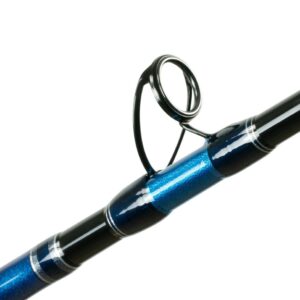
Built for Confident Offshore Casting
Reliable performance is expected when a rod is being taken offshore. For anglers who want dependable casting control, solid construction, and practical saltwater performance, the SHIMANO TALAVERA BOAT CASTING ROD has been designed as a versatile option for demanding boat-fishing situations. tackle warehouse, tackle warehouse tackle warehouse
A balanced fishing experience is provided through a carefully developed rod platform. At the same time, strength and responsiveness are combined so that greater control can be maintained throughout a day on the water.
Whether lighter presentations are being worked around structure or stronger tackle is being used against hard-pulling species, dependable handling can make a significant difference. Therefore, a capable boat casting rod should be selected according to the fishing style, target species, lure or bait requirements, and overall tackle setup. tacklewarehouse, american tackle warehouse
A Practical Choice for Boat Anglers
Boat fishing can require equipment that is adaptable. Conditions can change quickly, fish can move between depths, and different presentations may need to be worked during the same trip.
For that reason, versatility has been emphasized in this rod series. A responsive blank can help with lure control, while appropriate power can provide the leverage needed when pressure is placed on a fish.
Additionally, the overall design is intended to provide an enjoyable balance between performance and usability. Instead of being built around unnecessary complexity, the rod is focused on the essential characteristics that matter during real fishing situations. tackle warehouse america, tackle warehouse promo code
Designed Around Control
Control begins with the connection between the angler, rod, reel, and terminal tackle. When these components are properly matched, a more consistent fishing experience can be achieved.
Furthermore, casting accuracy can be supported by a well-balanced setup. Lure movement can also be managed more effectively when the rod responds predictably to changes in pressure.
Because boat fishing can involve repeated casting and retrieving, comfortable handling becomes especially important. Consequently, a rod that feels natural during extended sessions can help reduce unnecessary fatigue.
Useful for Different Presentations
Different fishing techniques can demand different levels of sensitivity, power, and casting control. A suitable conventional casting setup can be used for a range of presentations when the correct model has been selected. tackle, 15×3
Depending on the configuration, applications may include:
- Boat-based lure casting
- Saltwater structure fishing
- Nearshore casting
- Offshore species targeting
- Bait presentation
- Working lures around cover
- General recreational boat fishing
The exact application should always be matched with the specifications of the selected model.
Construction Intended for Saltwater Use
Saltwater environments can be demanding on fishing equipment. Exposure to spray, moisture, repeated loading, and heavy fish can place additional stress on rods and other tackle. fishing store, tackle warhouse
Accordingly, saltwater-oriented equipment is generally developed with durability and practical performance in mind. Proper care should still be provided after every trip, particularly when equipment has been exposed to salt.
A freshwater rinse, appropriate drying, and routine inspection can help preserve the condition of the rod and its components. coike bait, fishing warehouse
Blank Performance
The blank represents one of the most important parts of any fishing rod. Its action and power influence casting behavior, lure control, hook-setting response, and fish-fighting leverage.
With the appropriate model selected, a balanced relationship between flexibility and strength can be achieved. Moreover, the rod can be allowed to load during a cast while still providing useful backbone when pressure is applied.
This balance can be particularly valuable from a boat, where fish may change direction rapidly and available fighting space can be limited. tackle warehouse near me, coike
Controlled Power
Power should not be confused with stiffness alone. Instead, useful power is created through how the blank distributes load while a fish is being fought.
A properly matched rod can help maintain pressure without requiring excessive force from the angler. As a result, better control can be maintained during prolonged fights.
At the same time, the appropriate action can assist with casting and presentation. Therefore, model selection remains important when optimizing the overall setup. bass fishing gear, tackle warehouse coupons
Casting Performance on the Water
Casting from a boat presents its own challenges. Space can be restricted, wind can affect lure flight, and moving water can make accurate presentation more difficult.
A suitable casting rod can help provide the control needed to place a lure or bait where it needs to be. Additionally, consistent loading of the blank can contribute to smoother casting mechanics. tackle warehouse coupon, tackle warehouse coupon code
Accuracy can become especially valuable when fish are holding close to:
- Rocky structure
- Reefs
- Boat docks
- Current lines
- Drop-offs
- Underwater cover
- Nearshore structure
Rather than relying entirely on casting distance, effective boat fishing is often supported by accurate placement and controlled lure movement.
Improved Presentation Control
Lure presentation can be influenced by rod length, action, power, line choice, reel selection, and technique. Once those elements have been matched correctly, more precise movements can be produced.
Small changes in rod position can affect lure direction and depth. Likewise, controlled retrieves can be created by varying rod pressure and reel speed. tacklewarehouse.com, fishing gear
For anglers who prefer active lure fishing, this level of control can make the setup more enjoyable.
Designed for a Balanced Tackle Setup
A rod should not be considered independently from the rest of the tackle. Instead, the reel, line, leader, lure, hooks, and terminal connections should all be selected as part of one system.
For example, an appropriately sized conventional reel can complement the rod’s intended power range. Likewise, a suitable braided or monofilament line can influence casting behavior and overall sensitivity. berkley, fish warehouse
The following factors should be considered before purchase:
- Rod length
- Rod power
- Rod action
- Recommended line range
- Recommended lure or bait weight
- Reel compatibility
- Target species
- Fishing environment
- Preferred technique
Because model specifications can vary, the manufacturer’s specification chart should be consulted before a final selection is made.
Comfortable Handling for Extended Trips
Boat fishing can involve long hours of casting, retrieving, waiting, and fighting fish. Therefore, comfort can become just as important as raw strength. tackle wearhouse, tackle ware house
A well-balanced rod can reduce unnecessary strain during repeated movements. Additionally, a suitable handle configuration can provide a stable grip when pressure needs to be maintained.
During an extended fishing session, small ergonomic advantages can become increasingly noticeable.
Grip and Handling
Grip design influences how efficiently pressure can be transferred from the angler to the rod. A secure grip can also be useful when hands become wet or when a fish makes a sudden run.
Furthermore, comfortable handling can support more consistent technique. Instead of constantly adjusting the rod, the angler can remain focused on lure movement, bite detection, and fish control. bellows gill, tackle warehouse’
Strength When Fish Fight Back
A strong fish can quickly expose weaknesses in an unsuitable setup. Sudden runs, direction changes, and powerful head shakes can all create significant loading.
For this reason, the rod should be matched carefully with the expected species and tackle. Once the correct configuration has been chosen, useful fighting leverage can be created without unnecessarily overloading the equipment. tackle wharehouse, tackel warehouse
Pressure can then be maintained more consistently throughout the fight.
Hook-Setting Confidence
A controlled hook set depends on several factors, including line stretch, hook design, fish behavior, rod action, and angler technique.
A responsive rod can help transfer movement through the line when the hook is driven home. Nevertheless, technique remains essential, and the appropriate amount of pressure should always be applied according to the tackle being used.
Suitable for Recreational and Experienced Anglers
Fishing equipment should be capable of supporting different levels of experience. A practical rod can therefore be valuable for anglers who are developing their boat-fishing technique as well as experienced users who understand exactly how they want their tackle to perform.
Beginners can benefit from a setup that is predictable and manageable. Meanwhile, experienced anglers can appreciate the ability to fine-tune lure movement, casting technique, and fighting pressure. fishing line, jig
Consequently, versatility can become one of the most valuable characteristics in a boat rod.
Why Rod Selection Matters
Selecting a rod based solely on appearance or brand recognition is not recommended. Instead, the intended fishing application should always be considered first.
Species size, water conditions, lure weight, line strength, and fishing technique should all influence the decision.
For example, a light presentation may benefit from a more responsive configuration, while larger fish may require greater lifting power. Similarly, heavier lures may require a model designed to handle their additional casting load. curado dc, tackle shop
Therefore, the right configuration should be selected rather than assuming that one model will suit every situation.
Boat Fishing Versatility
One of the advantages of a versatile boat casting setup is the ability to adapt throughout the day. Fish may be located at different depths, weather conditions may shift, and bait activity can change.
Consequently, anglers can benefit from equipment that accommodates multiple techniques without compromising basic control. tackle warehouse discount code, bfs reels
A properly selected setup can be used for exploratory casting, targeted presentations, and active fish-fighting situations.
Nearshore Applications
Nearshore fishing often places anglers close to reefs, rocky areas, beaches, channels, and other productive structure.
In these environments, accurate casting can be more valuable than extreme distance. A responsive rod can assist with controlled placement while providing enough backbone for fish that attempt to return to cover.
Offshore Applications
Offshore fishing can involve larger fish, stronger currents, deeper water, and heavier tackle. The appropriate model should therefore be selected according to the specific offshore application. fishing line fishing, palomar knot
When matched correctly, a capable boat rod can provide the leverage and control required for demanding conditions.
Maintenance and Care
Even a durable saltwater rod should be maintained properly. Salt deposits should not be allowed to remain on guides, reel seats, handles, or other components for extended periods.
After use, the following routine can be followed:
- Rinse the rod with fresh water.
- Remove visible salt and debris.
- Allow the rod to dry completely.
- Inspect guides for damage or corrosion.
- Check the reel seat and handle area.
- Store the rod in a dry location.
- Avoid unnecessary impacts during transport.
Regular maintenance can help preserve appearance and functionality.
Storage
Proper storage is equally important. Rods should not be left where they can be crushed, bent excessively, or exposed to prolonged heat.
During transportation, protective rod tubes or suitable cases can be used. Moreover, rods should be secured so that guides and blank sections are not subjected to unnecessary impact. huddleston, tackleware
Pairing the Rod With a Reel
A compatible reel should be selected according to the rod’s specifications and intended application. Conventional reels can be particularly suitable when the setup is being used for boat-based casting and heavier presentations.
However, reel size should not be chosen simply because a larger reel appears stronger. Instead, balance, line capacity, drag requirements, and intended species should all be considered.
When the reel and rod are properly balanced, casting and fish fighting can feel considerably more controlled. tackle.warehouse, berkley choppo
Line Selection
Line selection should also be approached carefully. Braided line can provide high strength relative to diameter, while monofilament can provide additional stretch and different handling characteristics.
Fluorocarbon or other leader materials can be selected according to water clarity, abrasion concerns, and target species.
Ultimately, the line should remain within the recommended range for the selected rod. power pro braid, kicker fishing
Lure and Bait Considerations
The ideal presentation depends heavily on the species being targeted. Artificial lures can be used when active fish are being searched for, while bait can be preferred under other circumstances.
The rod’s recommended lure or bait range should always be respected. Overloading the blank can increase the risk of damage, particularly during casting.
Conversely, using a lure that is too light for the selected configuration may reduce casting efficiency and presentation control. yum dinger, yamamoto senko
Built for Practical Fishing Experiences
Fishing equipment is most valuable when it works naturally as part of the angler’s technique. Excessive complexity can distract from the actual experience.
A straightforward, capable rod can instead allow attention to remain where it belongs: reading the water, locating fish, making accurate casts, and responding to bites.
That practical approach is especially valuable during boat trips where conditions can change throughout the day. senko’s, abu garcia revo x spinning reel
Product Highlights
- Designed for boat-based casting applications
- Suitable for saltwater fishing environments
- Balanced performance and handling
- Available in multiple configurations depending on model
- Designed to work with compatible conventional reels
- Useful for lure and bait presentations
- Suitable for a variety of boat-fishing techniques
- Responsive handling for controlled presentations
- Powerful performance when matched with the correct tackle
- Built with practical saltwater fishing in mind
- Suitable for recreational and experienced anglers
- Maintenance-friendly design
- Adaptable to different fishing conditions
- Ideal for anglers seeking dependable boat-fishing equipment
Choosing the Correct Configuration
The correct model should always be selected according to the intended application. Length, power, action, line rating, lure rating, and other specifications can differ between individual configurations.
Before purchasing, anglers should compare the available models against their preferred fishing technique.
For lighter casting, a lighter configuration may be appropriate. On the other hand, heavier applications may require additional power and a stronger line rating. senko, hideup coike
Therefore, model selection should be based on actual fishing requirements rather than choosing solely by appearance.
Consider Your Target Species
Species size should be one of the first factors considered. Smaller species generally require less power, while larger and stronger fish may require a more robust setup.
Additionally, the structure being fished should be considered. Fish located around heavy cover may need to be controlled quickly, whereas open-water fish can sometimes be fought with more flexibility.
Consider Your Fishing Location
The environment can influence every part of the tackle system. Calm nearshore waters may call for different characteristics than exposed offshore conditions. deps sakamata shad, berkeley lab series
Current strength, depth, structure, wind, and expected fish size should therefore be considered before a rod is selected.
A Dependable Addition to a Boat Tackle Collection
A well-chosen casting rod can become one of the most useful pieces of equipment on a boat. It can be used during targeted trips, exploratory fishing, or general recreational outings.
Furthermore, having several configurations available can allow anglers to adapt quickly when conditions change.
Instead of being limited to a single presentation, the right selection can provide greater flexibility throughout the fishing day. popper lure, berkley chop block
Designed Around the Angler
Modern fishing equipment is increasingly expected to combine performance with usability. That balance has been considered in the development of this boat-focused casting platform.
Handling should feel controlled rather than cumbersome. Power should be available without making every cast unnecessarily demanding. At the same time, the rod should provide enough responsiveness for active fishing techniques.
As a result, a carefully matched setup can deliver a more enjoyable overall experience. hags prickly pear, tacklewharehouse
Confidence on Every Cast
Confidence is built through consistency. When equipment responds predictably, casting decisions can be made with greater assurance.
A controlled loading action can assist with smooth casts. Accurate lure placement can then be achieved with practice and proper technique.
Once the presentation reaches the intended area, rod responsiveness can help maintain contact with the lure or bait. tackle warehouse black friday, tackle warehouse promo codes
These small advantages can become increasingly valuable during a full day on the water.
Final Buying Considerations
Before adding this rod to a tackle collection, the following points should be reviewed:
- Confirm the exact model.
- Check the rod length.
- Review the power rating.
- Verify the action.
- Compare the recommended line range.
- Check the lure or bait rating.
- Match the rod with a suitable reel.
- Consider the intended target species.
- Consider whether fishing will be nearshore or offshore.
- Review the manufacturer’s current specifications before purchase.
By considering these details, a more suitable configuration can be selected.
Frequently Asked Questions
What is this rod designed for?
This boat-oriented casting series is intended for anglers who want controlled casting and fish-fighting performance from a boat. Specific applications depend on the individual model selected.
Can it be used in saltwater?
Yes, it is intended for boat-fishing applications that can include saltwater environments. Nevertheless, proper rinsing and maintenance should be performed after saltwater use. tackle warehouse website, tackle warehouse fishing
Can beginners use it?
Yes. A suitable configuration can be used by anglers at different experience levels. Beginners should select a power and lure rating that matches their intended fishing style.
Can different reels be used?
A compatible conventional reel should be selected according to the rod’s specifications. Reel size, line capacity, drag capability, and overall balance should be considered.
Is it suitable for lure fishing?
Yes, depending on the specific configuration. Lure weight and rod rating should always be checked before use.
Can bait be used?
Bait presentations can be supported when the selected model and terminal tackle are appropriate for the intended application. tacklewrehouse, tacklewarehouse promo code
How should the rod be maintained?
After saltwater exposure, the rod should be rinsed gently with fresh water and allowed to dry before storage. Guides, reel-seat areas, and other components should also be inspected regularly.
Why Choose a Dedicated Boat Casting Rod?
Boat fishing can place unique demands on tackle. Casting angles may be restricted, fish may be located around structure, and larger species can create significant pressure.
A dedicated boat casting rod can provide characteristics that are better suited to these conditions than a general-purpose freshwater setup.
When the appropriate model is selected, greater control can be achieved across casting, presentation, hook setting, and fish fighting.
Final Product Overview
The SHIMANO TALAVERA BOAT CASTING ROD is positioned as a practical choice for anglers seeking controlled boat-based casting, dependable handling, and versatile fishing performance.
Its value is best realized when the correct model is matched to the intended species, lure or bait, line, reel, and fishing environment. Furthermore, proper maintenance can help preserve performance through repeated use. tackle watehouse, tackelwarehouse
Whether an experienced angler is expanding a saltwater tackle collection or a developing angler is preparing for more serious boat fishing, a carefully selected configuration can provide a reliable foundation for a wide range of fishing situations.
Choose the configuration that matches your fishing style, pair it with compatible tackle, maintain it properly, and enjoy greater confidence every time you head onto the water.
Advanced Boat-Fishing Performance
Performance on the water is often determined by how well the complete tackle system works together. For that reason, the rod should be viewed as the central connection between the angler, reel, line, lure, and fish. tackleware house, shimano
When the setup has been matched correctly, greater control can be achieved throughout the fishing process. Casting can be made smoother, lure movement can be managed more precisely, and pressure can be maintained more effectively during a fight.
The SHIMANO TALAVERA BOAT CASTING ROD can therefore be considered by anglers who want a dedicated boat-fishing platform without sacrificing practical versatility.
A Balance of Power and Responsiveness
Power is important when strong fish are encountered. However, excessive stiffness can make casting and lure control less comfortable.
Instead, a useful balance should be achieved between strength and responsiveness. Through appropriate model selection, controlled loading can be maintained while sufficient backbone remains available when additional pressure is required. fishing tackle, bait and tackle
Consequently, the rod can be adapted to different fishing situations without forcing the angler into a single technique.
Built Around Real Fishing Conditions
Conditions on a boat rarely remain completely predictable. Wind direction can change, current can strengthen, and fish can move from one area to another.
Because of these variables, adaptable equipment can be highly valuable.
A versatile casting setup allows anglers to change presentations as conditions develop. Additionally, different lure sizes and line configurations can be accommodated when the correct rod model has been selected. gloomis, trapper
Working Around Structure
Structure is often associated with productive fishing. Rocks, reefs, submerged objects, docks, vegetation, and other underwater features can provide shelter for fish.
However, structure also creates additional challenges. Once a fish has been hooked, it may attempt to return to cover.
At that point, controlled lifting power can become essential. A properly matched rod can help maintain steady pressure while reducing unnecessary slack. tackle warehouse fishing rods, tackle warehouse gift card
Open-Water Applications
Open-water fishing can require a different approach. Fish may have more space to run, while current and wind can influence lure movement.
In these situations, a responsive setup can help maintain contact with the presentation. At the same time, sufficient power can be retained for longer fights.
The ideal configuration will depend on the species, depth, line choice, and lure or bait being used.
Casting Accuracy Matters
Distance can be useful, but accuracy is frequently more important from a boat. tackle warehosue, coupon codes for tackle warehouse
A precisely placed lure can reach feeding fish, structure edges, current seams, and other productive areas. Therefore, casting control should be considered when choosing a rod.
With practice, anglers can develop repeatable casting movements. Once those movements have been matched with a suitable rod, more consistent presentations can be produced. tackle warehouse fishing tackle, tackle warehouse.com
Short-Range Precision
Not every cast needs to be long. In many boat-fishing situations, fish can be found surprisingly close to the boat.
Short-range casting can require precise control because the lure needs to land in a specific location without disturbing nearby fish.
A responsive rod can assist with this type of presentation when the selected model is properly matched to the lure.
Longer Casting Situations
Longer casts can become useful when fish are holding away from the boat. Wind, lure weight, line diameter, and casting technique will all influence the final distance.
Rather than focusing solely on maximum range, a balanced setup should be used to achieve a combination of distance and accuracy.
Lure Control and Presentation
Lure performance is influenced by much more than the lure itself. Rod action, line type, reel speed, water movement, and angler technique can all affect how a presentation behaves. tackle warehouse fishing tackle, tackle warehouse.com
A suitable casting rod can provide a direct connection between hand movements and lure movement.
Small changes can then be introduced into the retrieve. Twitching, lifting, pausing, sweeping, and steady retrieves can each be performed according to the selected presentation.
Working Artificial Lures
Artificial lures can be highly effective when actively feeding fish are being targeted. Different lure styles may require different retrieval patterns. heddon super spook, coike 17mm
For example, a casting setup can be used to deliver a lure toward structure and then control its movement during the retrieve.
Additionally, changes in speed can be introduced when fish are following without striking.
Bait Presentation
Bait fishing can also benefit from appropriate rod selection. Depending on the technique, a rod can be used to position bait accurately while maintaining enough sensitivity to detect activity. rod, glide bait
However, hook-setting technique should always be adapted to the species and terminal tackle being used.
Fish-Fighting Control
The moment a fish strikes can create rapid changes in pressure. A sudden run can be followed by a direction change, jump, or attempt to reach nearby cover.
During these moments, the rod becomes an important part of the control system.
A properly selected model can help maintain a consistent bend while pressure is applied. Meanwhile, the reel drag should be configured appropriately so that excessive strain is not placed on the tackle. swim baits, spinning reel
Maintaining Pressure
Consistent pressure can help reduce opportunities for a fish to create slack in the line.
Instead of relying entirely on arm strength, anglers can use the rod’s bend and the reel’s drag system together.
This approach can produce smoother fights while helping protect the line and terminal tackle.
Managing Sudden Runs
When a fish changes direction quickly, the rod should be allowed to respond naturally. fish for tackle, finisher 4
Abrupt movements should be avoided whenever possible. Controlled rod positioning can help maintain line tension while the reel is used to recover line.
Ultimately, fish-fighting technique should remain appropriate for the species and equipment being used.
Rod and Reel Balance
A rod can perform differently depending on the reel that has been installed.
An oversized reel may create unnecessary weight, while an undersized reel may lack sufficient line capacity or drag capability for the intended application.
Therefore, balance should be considered carefully.
Selecting the Reel
When choosing a reel, attention should be given to:
- Line capacity
- Drag performance
- Gear ratio
- Weight
- Handle design
- Retrieval speed
- Compatibility with the rod
- Target species
A well-matched reel can make the entire setup feel more natural.
Matching Line
Line selection should be based on the rod’s recommended range and the intended fishing conditions.
Braided line can provide high strength with relatively small diameter. Monofilament can provide additional stretch and forgiving handling. Leader material can then be selected according to abrasion resistance and presentation requirements. drop shot rig, swimmer jig
Because each fishing application is different, no single line type should automatically be considered ideal for every situation.
Saltwater Readiness
Saltwater can be harsh on fishing equipment. Even when a rod has been designed for marine applications, routine maintenance should still be treated as essential.
Salt residue can accumulate around guides and fittings if equipment is not cleaned after use.
Post-Trip Cleaning
A simple cleaning routine can help extend equipment life.
After fishing, the rod should be gently rinsed with fresh water. Excess water should then be removed, and the rod should be allowed to dry completely before storage. wacky rig hooks, coike lure
Aggressive pressure should generally be avoided during rinsing because excessive force can drive water and debris into sensitive areas.
Regular Inspection
Before each trip, the rod can be inspected for visible damage.
Attention should be given to:
- Guide inserts
- Guide frames
- Reel-seat components
- Handle areas
- Blank surfaces
- Connection points
- Signs of impact
- Loose components
If damage is discovered, the rod should be evaluated before being returned to service.
Transporting the Rod Safely
Fishing rods can be damaged during transportation even when they are handled carefully on the water.
For that reason, protective storage should be considered when traveling to and from the launch point.
A suitable rod tube or protective case can help prevent accidental impacts. Moreover, rods should not be placed underneath heavy equipment.
Boat Storage
When the rod is not being used, it should be secured in a location where it cannot roll, fall, or become trapped.
Loose rods can be exposed to unnecessary damage when equipment is moved around the boat.
Simple organization can therefore protect the investment while keeping the tackle ready for immediate use.
Product Benefits at a Glance
- Boat-focused casting performance
- Useful for saltwater applications
- Balanced handling
- Versatile fishing potential
- Suitable for different presentations
- Designed to complement compatible conventional reels
- Useful around structure
- Capable of supporting controlled fish fighting
- Suitable for recreational fishing
- Appropriate for experienced anglers
- Maintenance-friendly with proper care
- Available in different model configurations
- Built around practical fishing requirements
- Designed for confident casting and controlled presentations
Choosing the Right Power
Rod power determines how much resistance can be handled before the blank reaches its working limit.
Light-power configurations can be useful for lighter presentations and smaller species. Medium and heavier configurations can provide increased control when larger fish or heavier tackle are involved.
Therefore, the appropriate power should be selected based on the intended application.
Lighter Applications
A lighter setup can provide a more engaging experience when smaller species are targeted.
More sensitivity can often be appreciated when lighter lures are being worked. Additionally, lighter tackle can make repeated casting more comfortable.
Heavier Applications
Greater power may be preferred when stronger fish are expected.
Heavy structure, powerful currents, and larger terminal tackle can all increase the demand placed on the rod.
In those situations, a stronger configuration can provide additional leverage.
Understanding Rod Action
Action describes where the rod bends under load.
Fast-action designs generally concentrate more of the bend toward the upper section, while slower actions can distribute the bend farther down the blank.
The correct action depends on the intended technique.
Fast Action
Fast action can provide a responsive feel and quick transfer of movement.
This characteristic can be useful when precise lure control and direct hook-setting response are desired.
Moderate Action
Moderate action can provide a more progressive bend.
Such behavior can be useful when casting certain lure types or when a more forgiving fighting response is preferred.
The best option should therefore be determined according to technique rather than general preference alone.
Building a Complete Boat-Fishing System
A quality rod becomes more useful when the surrounding tackle has also been selected carefully.
The complete system may include:
- Casting rod
- Conventional reel
- Main fishing line
- Leader
- Hooks
- Swivels
- Lures or bait
- Terminal tackle
- Landing equipment
- Rod protection
Each component contributes to overall performance.
Terminal Tackle
Hooks and terminal connections should be matched to the target species.
A powerful rod paired with weak terminal tackle can still result in lost fish. Likewise, heavy components can negatively affect lighter presentations.
Balance should therefore be maintained throughout the system.
Comfort During Long Fishing Sessions
Repeated casting can place considerable demand on the hands, wrists, shoulders, and arms.
A balanced rod can help make these repetitive movements more manageable.
Additionally, a suitable grip can provide better control when the rod is being held for extended periods.
Ergonomic Considerations
Handle shape, length, grip material, and overall weight can influence comfort.
Anglers should consider how the rod feels after several hours rather than judging comfort from a brief inspection.
A comfortable setup can encourage better technique and reduce unnecessary adjustments.
Suitable for Different Fishing Styles
One of the most useful characteristics of a versatile boat casting setup is adaptability.
The same general platform can support different approaches depending on the selected model and tackle.
Active Casting
Active casting can be used when fish need to be located across a broad area.
Lures can be presented around structure, current, or visible feeding activity.
Targeted Casting
Targeted casting can be used when fish have already been located.
In this situation, accuracy becomes particularly important.
Structure Fishing
Structure fishing can require stronger tackle because fish may attempt to use cover after being hooked.
The appropriate rod power should therefore be selected according to the expected conditions.
Confidence Through Consistency
Good fishing equipment does not replace technique. Instead, it supports the angler’s ability to apply technique consistently.
When the rod, reel, line, and lure have been matched correctly, fewer compromises may be required.
As a result, attention can be focused on reading the water, identifying productive areas, and responding to fish behavior.
A Practical Investment for Anglers
Fishing equipment should provide value beyond a single outing.
A versatile rod can become part of a tackle collection for repeated trips. Proper care can further help preserve its usefulness over time.
Before purchase, however, the exact model specifications should be verified.
Verify Before Ordering
Because product configurations can differ, the following information should be checked against the current manufacturer’s listing:
- Exact model number
- Rod length
- Power
- Action
- Line rating
- Lure rating
- Handle configuration
- Guides
- Rod weight
- Recommended application
This step helps ensure that the selected configuration matches the intended fishing style.
Frequently Asked Questions
Is this a general-purpose fishing rod?
It is designed around boat casting applications, although the practical use will depend on the individual model and its specifications.
Can it be used for offshore fishing?
Appropriate configurations can be considered for offshore applications. However, the target species, lure weight, line rating, and expected fighting conditions should be reviewed before selection.
Is it suitable around reefs?
A properly powered configuration can be useful around reef and other structure. Greater power may be preferred when fish need to be controlled quickly.
Can braided line be used?
Braided line can be used when it falls within the rod’s recommended line range and is properly matched with the reel and terminal tackle.
How often should it be cleaned?
Cleaning should be performed after saltwater exposure. Regular inspection should also be conducted to identify wear or damage early.
Does rod length affect casting?
Yes. Rod length can influence casting mechanics, lure control, leverage, and overall handling. The appropriate length should be chosen according to the fishing environment and technique.
Final Performance Perspective
A successful boat-fishing setup is built around compatibility.
The rod should complement the reel. The line should match the rod and target species. The lure or bait should remain within the recommended range. Finally, the angler’s technique should be adapted to the conditions.
When those elements are aligned, a more controlled fishing experience can be achieved.
The SHIMANO TALAVERA BOAT CASTING ROD can serve as a strong foundation for anglers seeking a versatile platform for boat-based fishing. Its practical orientation makes it suitable for a variety of applications when the correct configuration has been selected.
For the best results, anglers should review the exact specifications of the model they intend to purchase and build the rest of the tackle system around those requirements.
Final Buying Summary
Key advantages include:
- Boat-focused design
- Versatile casting applications
- Controlled lure presentation
- Useful fish-fighting leverage
- Saltwater-oriented applications
- Compatible with conventional reel setups
- Multiple configuration possibilities
- Suitable for different experience levels
- Practical maintenance requirements
- Strong potential for recreational and serious boat fishing
A carefully selected configuration can provide the combination of control, versatility, and confidence needed for productive days on the water.
Select the model that matches your target species, fishing environment, line, lure, and preferred technique—and make every cast count.
Additional information
| MODEL/LENGTH | TEC66MHC — 6'6", TEC66HC — 6'6", TEC66XHC — 6'6", TEC70MHC — 7'0", TEC70HC — 7'0" |
|---|
Related products
-
SHIMANO TEREZ BW SPIN SLICK BUTT ROD
€407.40Select options This product has multiple variants. The options may be chosen on the product page -
SHIMANO ZODIAS PACK ROD
€268.71Select options This product has multiple variants. The options may be chosen on the product page -

SHIMANO POISON ADRENA SPINNING B ROD
€372.73Select options This product has multiple variants. The options may be chosen on the product page
Reviews
There are no reviews yet.