We Deliver Directly To Your Door

Description
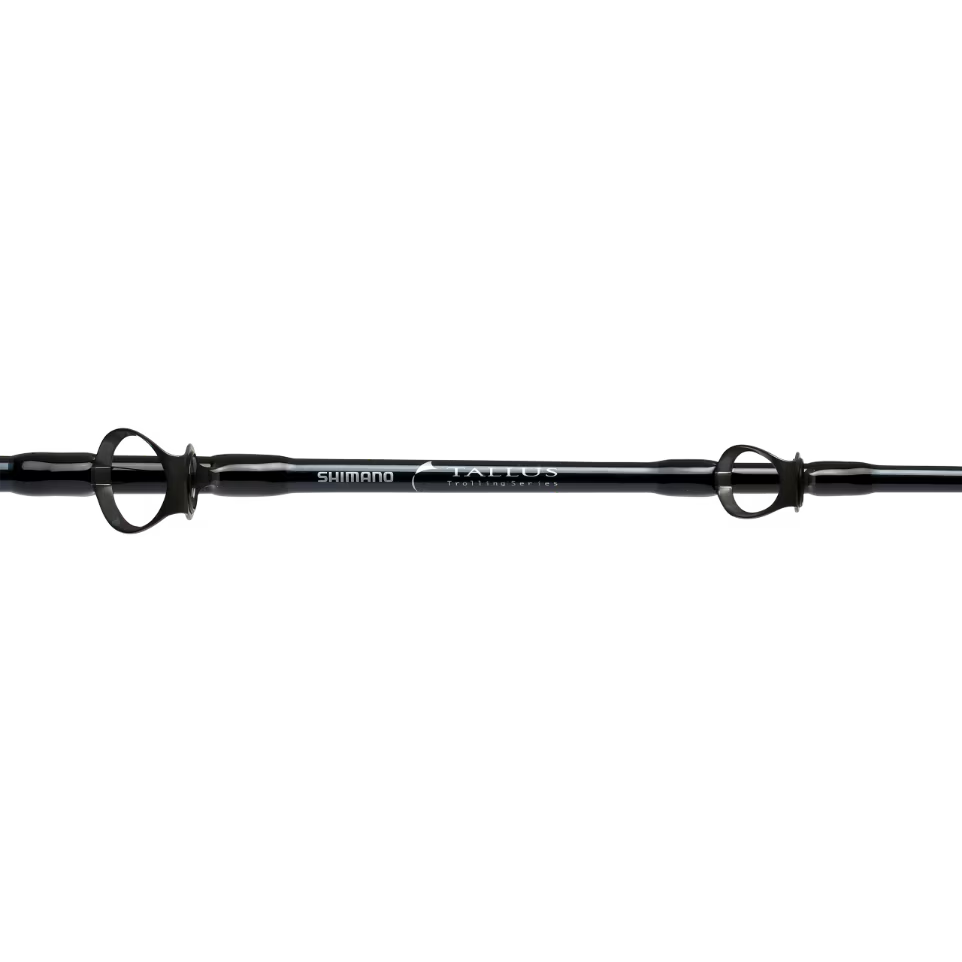
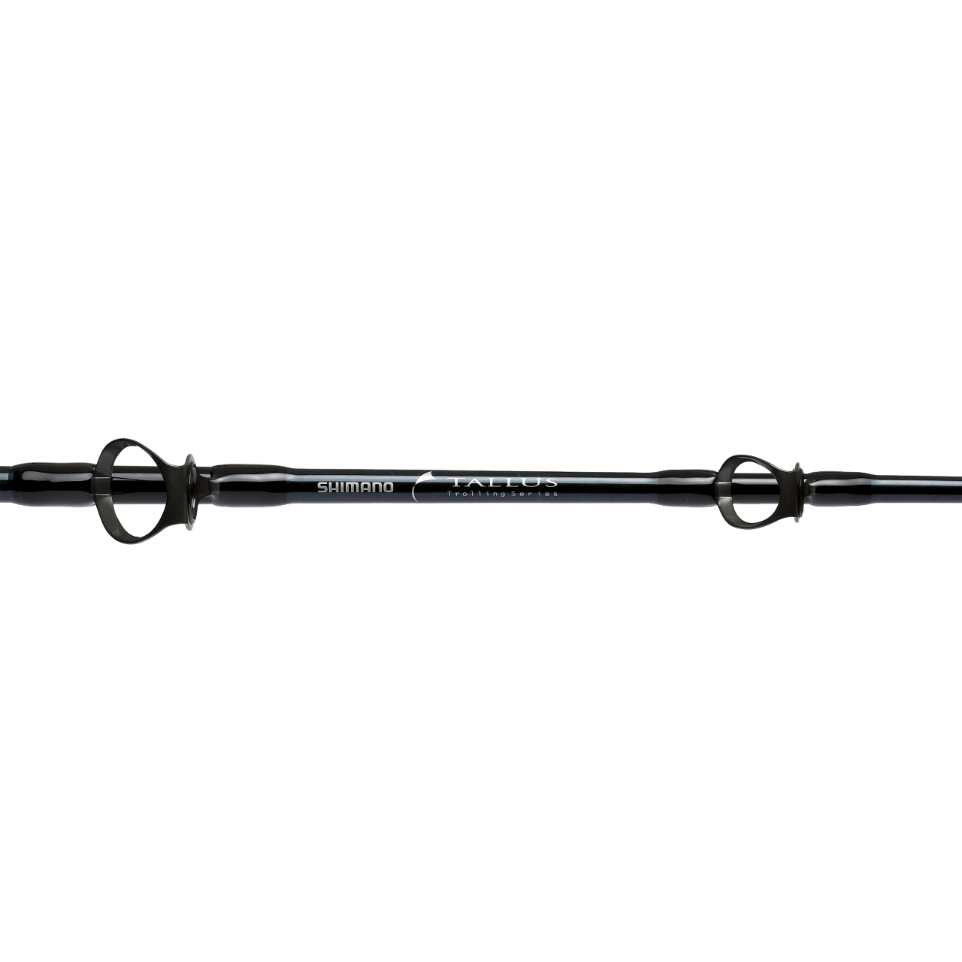
Shimano Tallus Trolling Ring Guided Rod – Reliable Performance for Serious Anglers
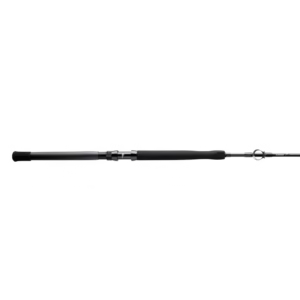
Discover Confidence on Every Trolling Trip
Successful trolling depends on the right combination of preparation, technique, and dependable equipment. The Shimano Tallus Trolling Ring Guided Rod is a product to consider when building a fishing setup designed for controlled presentations, consistent line management, and confidence during demanding days on the water.
Whether you are an experienced offshore angler or someone developing new trolling techniques, choosing a suitable rod can make your fishing experience more comfortable and organized. A well-matched setup can help maintain a consistent lure presentation while allowing you to respond confidently when a fish strikes.
Moreover, selecting equipment from an established fishing tackle manufacturer gives anglers a recognizable starting point when comparing rods for their preferred fishing style. By considering rod length, power, action, line rating, and compatibility with the intended reel, you can make a more informed purchasing decision.
Why Choose a Trolling Rod for Your Fishing Setup?
Designed Around the Needs of Trolling Anglers
Trolling involves presenting bait or artificial lures while a boat is moving through the water. Consequently, the rod must be selected with attention to line movement, lure resistance, fishing depth, and the species being targeted.
A trolling rod with a ring-guided configuration can be considered by anglers who prefer a conventional line-guiding arrangement. The guides help direct fishing line along the rod, while the overall setup must be matched to the reel, line, and fishing conditions.
However, the ideal rod depends on more than its appearance or brand name. The target species, expected fish size, trolling speed, lure weight, and boat configuration should all be considered before a final purchase is made.
Suitable for Different Trolling Approaches
Trolling techniques can vary considerably depending on the location and species being pursued. Some anglers concentrate on nearshore waters, while others venture farther offshore in search of powerful game fish.
For that reason, the correct rod configuration should be chosen according to the manufacturer’s stated specifications. Before purchasing, check the individual model’s recommended line rating, lure weight, rod power, and reel compatibility.
Key Product Highlights
- Product: Shimano Tallus Trolling Ring Guided Rod
- Category: Fishing rod
- Primary application: Trolling, subject to the selected model’s specifications
- Guide configuration: Ring-guided design
- Intended users: Recreational anglers and experienced fishing enthusiasts
- Setup compatibility: Select a compatible reel and fishing line based on the manufacturer’s recommendations
- Buying consideration: Confirm the exact model, length, power, action, and line rating before ordering
Understanding Ring-Guided Rod Construction
The Role of Fishing Rod Guides
Rod guides help keep fishing line aligned as it travels along the blank. During normal use, the line moves through these guides as an angler lets line out, retrieves it, or responds to changing tension.
Proper line alignment can contribute to an organized fishing setup. Nevertheless, performance will depend on the complete rod design, guide quality, reel alignment, line selection, and how the equipment is maintained.
Why Setup Compatibility Matters
A rod should not be selected in isolation. Instead, its specifications should be compared with the reel and line that will be used.
For example, an appropriate reel can help maintain balanced handling, while a correctly rated line can help keep the setup within its intended operating range. The recommended drag setting should also be observed to avoid placing unnecessary stress on the equipment.
Practical Benefits for Trolling Enthusiasts
More Informed Equipment Selection
Choosing the right fishing rod starts with understanding the conditions in which it will be used. Water depth, trolling speed, lure resistance, and the likely size of the target fish all influence the decision.
Furthermore, a rod that suits one trolling application may not be the best choice for another. Reviewing the exact product specifications helps reduce guesswork and supports a more suitable purchase.
A Setup Built Around Your Fishing Goals
Every angler approaches fishing differently. Some prioritize extended time on the water, while others focus on particular species or specialized trolling techniques.
Therefore, the rod should be evaluated according to your individual requirements rather than broad claims about universal performance. Pairing compatible equipment can help create a setup that feels appropriate for your preferred style of fishing.
How to Choose the Right Trolling Equipment
Check the Rod Specifications
Before placing an order, review the following details for the exact model:
- Rod length and transport requirements
- Power rating and intended application
- Action and blank construction
- Recommended line class
- Compatible reel type
- Manufacturer guidance for lure or weight limits
- Guide condition and overall finish, where applicable
These details should be confirmed against the manufacturer’s product information or the retailer’s verified listing.
Match Your Reel and Fishing Line
A balanced combination can improve handling and help the equipment operate within its intended limits. Select a reel that fits the rod’s design and a line that falls within the recommended rating.
Additionally, check the reel’s drag system and line capacity against your intended fishing conditions. Avoid exceeding the manufacturer’s recommendations, even when targeting larger fish.
Care and Maintenance
Inspect the Guides Before Fishing
Before each trip, examine the guides for visible damage, looseness, or sharp edges. Damaged guides can affect line movement and may cause premature line wear.
If a guide appears cracked, bent, or otherwise compromised, have the rod assessed before use.
Clean and Store Your Equipment Properly
After fishing, clean the rod according to the manufacturer’s care instructions. Saltwater exposure requires particular attention because salt residue can accumulate on components and contribute to corrosion over time.
Allow the equipment to dry appropriately before storage. In addition, protect the rod from unnecessary impacts, excessive bending, and pressure during transport.
Frequently Asked Questions
What is the Shimano Tallus Trolling Ring Guided Rod used for?
It is a trolling-category fishing rod intended for anglers who need a rod suited to presenting bait or lures while a boat is moving. The precise application depends on the specific model and its published specifications.
Can this rod be used in saltwater?
Suitability should be verified against the manufacturer’s specifications for the exact model. When fishing in saltwater, follow the recommended cleaning and maintenance procedures to help protect the equipment.
Which reel should be paired with this rod?
Choose a reel that is compatible with the rod’s configuration and recommended application. Reel type, line capacity, drag performance, and overall balance should be considered before purchase.
Is this rod suitable for beginners?
Anglers at different experience levels can evaluate trolling equipment according to their needs. Beginners should first confirm that the rod’s power, length, and line rating are appropriate for their intended fishing conditions.
How can I confirm that I am ordering the correct model?
Review the product title, model number, available specifications, and photographs supplied by the retailer. If any details are missing, request confirmation before completing your purchase.
Find the Right Equipment for Your Next Fishing Trip
Choosing a trolling rod is an important step toward building a dependable fishing setup. By checking compatibility, reviewing the model specifications, and following appropriate maintenance practices, you can make a purchase that better matches your fishing goals.
Explore the Shimano Tallus Trolling Ring Guided Rod listing, confirm the specifications of the available model, and select the configuration that suits your preferred trolling application.
Choose carefully, prepare your tackle, and make every fishing trip count.
Shimano Tallus Trolling Ring Guided Rod – Detailed Buying Guide and Fishing Applications
Understanding Trolling Conditions and Rod Selection
Successful fishing equipment selection begins with an understanding of the environment in which it will be used. Water depth, current strength, boat speed, target species, and lure presentation can all influence the type of rod that should be selected.
For this reason, anglers are encouraged to evaluate their usual fishing conditions before choosing a particular configuration. A setup intended for light nearshore trolling may differ considerably from equipment selected for heavier offshore applications.
Fishing in Nearshore Waters
Nearshore fishing can provide opportunities to target a variety of species without traveling far from the coastline. However, the appropriate equipment will depend on the local fish population, water conditions, and techniques being used.
When a trolling rod is selected for these environments, its length, power, and line rating should be considered alongside the resistance created by the lure or bait. Furthermore, the reel should be capable of holding the required line while providing suitable drag adjustment.
Offshore Fishing Considerations
Offshore fishing may involve deeper water, stronger currents, and larger target species. Consequently, the equipment must be selected with greater attention to the expected load and the manufacturer’s stated operating limits.
A suitable rod and reel combination can help anglers manage line tension and respond to changes during a fight. Nevertheless, no single rod configuration should be assumed to suit every offshore technique.
Before departure, check the rod’s specifications, inspect the reel, and ensure that the line and terminal tackle are appropriate for the intended application.
The Importance of Rod Power and Action
What Does Rod Power Mean?
Rod power describes the general amount of force required to bend a rod. Common classifications include light, medium, heavy, and extra-heavy, although exact labels and ratings vary between manufacturers.
A lighter configuration may be appropriate for smaller targets and lighter presentations, whereas heavier equipment may be required when greater resistance is expected. However, the correct selection must always be based on the specific model’s rating and intended use.
How Rod Action Affects Handling
Rod action describes where and how a rod bends under load. Depending on the design, the bend may be concentrated closer to the tip or distributed farther down the blank.
This characteristic can influence how a rod responds when line tension changes. Therefore, anglers should consider the intended trolling technique, lure behavior, and expected fighting conditions when reviewing action specifications.
Building a Balanced Trolling Setup
Selecting a Compatible Reel
A compatible reel should be selected according to the rod’s design and the requirements of the fishing environment. Line capacity, drag performance, gear ratio, and handling comfort are all relevant considerations.
In addition, the reel should fit securely and remain balanced when the equipment is held in its intended fishing position. A suitable combination can make handling more comfortable during extended periods on the water.
Choosing the Appropriate Fishing Line
Fishing line must be matched to the rod rating, reel capacity, and expected fishing conditions. Monofilament, fluorocarbon, and braided lines each have different characteristics, so the choice should reflect the technique being used.
For example, line diameter can affect reel capacity and water resistance. Likewise, knot strength, abrasion resistance, and stretch should be considered before a final selection is made.
Always remain within the line recommendations supplied for the particular rod and reel.
Reviewing Terminal Tackle
Hooks, leaders, swivels, and other terminal tackle should be selected according to the target species and applicable fishing regulations. Their ratings should also be compatible with the rest of the setup.
Furthermore, every connection should be checked before fishing begins. Worn leaders, damaged knots, and corroded hardware can introduce weak points into an otherwise suitable system.
Improving Your Trolling Technique
Maintaining a Consistent Presentation
A controlled presentation can be important when bait or artificial lures are being trolled behind a moving boat. Speed, lure depth, line length, and water conditions may all influence how the presentation behaves.
For this reason, changes should be made gradually while the lure’s movement is observed. If the presentation becomes inconsistent, review the trolling speed, line arrangement, and lure suitability before changing other components.
Monitoring Line Tension
Line tension should be monitored throughout the trolling process. Excessive tension can place unnecessary stress on equipment, while insufficient tension may make it more difficult to recognize certain changes in the line.
A properly adjusted drag system can help manage resistance when a fish takes the bait. However, drag settings should be selected according to the line strength, hook arrangement, reel instructions, and target species.
Responding to a Fish Strike
When a fish strikes, the response will depend on the trolling setup, hook type, and species being targeted. Sudden movements should be avoided when they could create excessive pressure on the line or equipment.
Maintain control of the rod, monitor line movement, and follow the appropriate technique for the hook and reel configuration. In addition, coordination among people fishing from the same boat can help reduce tangles and improve safety.
Comfort and Practical Handling
Preparing for Extended Fishing Sessions
Fishing for several hours can place repeated demands on the hands, arms, and shoulders. Therefore, equipment weight, grip comfort, rod balance, and storage arrangements should be considered when selecting a setup.
The most appropriate configuration is one that matches the intended application while remaining manageable for the person using it. Whenever possible, review the published rod dimensions and weight before ordering.
Transporting Fishing Equipment
Fishing rods should be transported in a manner that reduces the likelihood of impacts, pressure, and accidental bending. A suitable rod case or protective sleeve may help prevent damage during travel.
Before placing the equipment in a vehicle or boat storage compartment, ensure that it cannot move freely or become trapped beneath heavier objects.
Product Inspection Before Purchase
Confirming the Exact Model
Product names can sometimes be presented differently across retailers. As a result, the exact model number should be checked before an order is placed.
Confirm the available length, power rating, action, line rating, and guide configuration using reliable product information. If any details are unavailable, ask the retailer to clarify them rather than relying on assumptions.
Checking Product Condition
For new equipment, review the seller’s description, included items, warranty terms, and return policy. If a used rod is being considered, additional attention should be given to the blank, guides, reel seat, handle, and any signs of previous repairs.
Visible damage should be investigated before purchase. In particular, cracks, loose guides, damaged guide inserts, and an unstable reel seat may affect usability.
Caring for Fishing Rod Guides
Inspecting the Guide Inserts
Guide inserts help provide a smooth surface for fishing line to travel across. If an insert is chipped or damaged, the line may be exposed to unnecessary abrasion.
Accordingly, inspect the guides periodically and before demanding fishing sessions. A damaged component should be repaired or replaced appropriately before the rod is returned to use.
Preventing Corrosion and Residue
Salt, sand, and moisture can accumulate on fishing equipment during regular use. When fishing in saltwater, follow the manufacturer’s cleaning instructions and avoid leaving salt residue on the rod’s components.
After cleaning, allow the equipment to dry under suitable conditions. Harsh chemicals and abrasive materials should be avoided unless they have been specifically approved for the product.
Responsible and Sustainable Fishing
Following Local Regulations
Fishing regulations may specify minimum sizes, catch limits, restricted seasons, protected species, or permitted equipment. These requirements vary by location and should be reviewed before each trip.
Responsible anglers should also respect protected habitats and avoid retaining fish that must legally be released.
Handling Fish Carefully
When catch-and-release fishing is practiced, handling should be kept as brief as reasonably possible. Suitable tools can help reduce unnecessary contact, while appropriate handling techniques can minimize avoidable stress to the fish.
Furthermore, fishing lines and discarded tackle should never be left in the water or along the shoreline. Proper disposal helps protect wildlife and keeps fishing environments cleaner.
Who Should Consider This Trolling Rod?
Recreational Anglers
Recreational anglers may consider this product when assembling a trolling setup for planned fishing trips. The final choice should be guided by the intended species, preferred fishing environment, and model specifications.
Experienced Fishing Enthusiasts
More experienced anglers may evaluate the rod alongside their existing reels, lines, and trolling equipment. Compatibility, intended load, and the particular requirements of their fishing technique should remain central to the decision.
Anglers Upgrading Their Equipment
When upgrading an existing setup, it is useful to identify the limitations of the current equipment first. For example, an angler may need a different length, a particular line rating, or a rod designed for a specific reel arrangement.
By comparing verified specifications rather than relying solely on product names, buyers can make a more informed decision.
Frequently Asked Questions About Trolling Equipment
Does rod length affect trolling performance?
Yes. Rod length can influence line positioning, handling, storage, and the way equipment is arranged around a boat. The most suitable length depends on the fishing technique and the space available.
Can one rod be used for different trolling techniques?
Some rods can support more than one application when all operating requirements are met. Nevertheless, the suitability of this model for a particular technique must be confirmed through its specifications.
How often should the guides be inspected?
A brief inspection before every fishing trip is a sensible practice. Additional checks should be performed after an impact, an equipment malfunction, or any situation that could have damaged the guides.
What should be checked after saltwater use?
Follow the manufacturer’s instructions for cleaning the rod, guides, reel seat, and handle. Inspect the equipment for residue, corrosion, loosened components, and visible damage before storage.
How can buyers avoid ordering the wrong configuration?
Verify the exact model number and compare the listed specifications with the manufacturer’s information. When the listing is incomplete, obtain clarification before completing the transaction.
Make an Informed Choice for Your Next Fishing Trip
The right fishing equipment should support your preferred technique while remaining compatible with your reel, line, and target species. Careful product selection, regular inspection, and responsible maintenance can all contribute to a more dependable fishing setup.
The Shimano Tallus trolling range may be worth evaluating for anglers seeking equipment for trolling applications. However, the precise capabilities of the ring-guided model should be established from its verified specifications before purchase.
Review the product listing, confirm the configuration, and choose equipment that matches your actual fishing requirements.
Prepare your tackle carefully, respect the water, and enjoy a more organized fishing experience.
Premium Fishing Tackle, Saltwater Fishing Reels, Surf Rods and Essential Angling Gear
Discover High-Performance Fishing Gear for Every Adventure
Whether you are preparing for an offshore tuna expedition, searching for reliable surf casting fishing rods, or upgrading your inshore spinning setup, choosing the right fishing equipment can make a meaningful difference on the water. At our fishing tackle store, a comprehensive selection of fishing rods, saltwater reels, terminal tackle, lures, apparel, and fishing accessories is brought together to help anglers prepare for their next adventure.
From powerful conventional reels to lightweight freshwater spinning combinations, the right equipment can support better casting control, smoother line management, and dependable performance in demanding conditions. Furthermore, by understanding the differences between reel designs, rod actions, line capacities, and fishing techniques, anglers can make more informed purchasing decisions.
Our collection covers premium fishing tackle for beginners, experienced anglers, surf fishing enthusiasts, offshore specialists, and dedicated inshore fishermen. Whether you need a dependable shore fishing pole, an advanced electric reel, or a specialized rod for targeting powerful saltwater species, the appropriate combination can be selected according to your fishing environment and personal preferences.
Explore popular equipment from Shimano, Daiwa, Penn, Avet, Century, St. Croix, Okuma, and other established fishing tackle brands. In addition, discover essential accessories designed to support organized tackle storage, efficient rigging, and enjoyable days on the water.
Explore Our Saltwater Fishing Reels Collection
Saltwater fishing reels are designed for a wide range of applications, including surf fishing, bottom fishing, trolling, jigging, and offshore big-game fishing. However, not every reel is suited to every technique. Reel construction, drag performance, line capacity, gear ratio, corrosion resistance, and overall size should all be considered before making a selection.
Penn Saltwater Fishing Reels for Demanding Conditions
Penn saltwater fishing reels are popular among anglers who require practical equipment for a variety of marine fishing applications. Depending on the model, these reels may be suitable for casting, trolling, bottom fishing, or targeting larger offshore species.
The Penn Battle III offers a versatile spinning reel option for anglers who want a practical combination of casting performance and everyday usability. Meanwhile, Penn Squall reels provide conventional and other specialized configurations depending on the model, making it important to match the reel to the intended technique.
Anglers targeting powerful pelagic species may also consider Penn tuna reels and the established Penn International reel family.
For those preparing heavier offshore tackle, the Penn International 50W and Penn 130 Vis deserve consideration within their respective big-game equipment categories. The Penn 70 reel and Penn Senator range are additional search terms associated with heavier conventional fishing setups.
When comparing these products, pay attention to the intended line class, drag specifications, frame construction, spool capacity, and recommended fishing applications.
Penn International and Senator Offshore Equipment
Heavy-duty offshore fishing requires equipment that has been selected for the intended target species and fishing method. A Penn International 50W, a Penn 70 reel, and a Penn Senator combo should not automatically be considered interchangeable because their intended applications and specifications can differ substantially.
A Penn Senator combo may appeal to anglers looking for a coordinated rod-and-reel setup. By contrast, specialized big-game equipment should be selected according to the strength of the line, fishing technique, boat configuration, and expected demands of the target species.
The Penn 130 Vis and related high-capacity equipment are terms commonly associated with serious offshore tackle research. Before purchasing, confirm the precise model designation and manufacturer specifications.
Penn Authority Spinning Reel ATH6500
The Penn Authority spinning reel ATH6500 is a model-specific option worth evaluating when comparing premium saltwater spinning reels. Before choosing this reel, examine its drag range, line capacity, retrieve ratio, weight, and intended applications.
A correctly matched spinning reel can support controlled retrieves, effective casting, and consistent line management. Nevertheless, the appropriate reel size depends on the rod, target species, line type, and fishing conditions rather than the model number alone.
Shimano Fishing Reels for Precision and Versatility
Shimano fishing reels are available across numerous categories, including freshwater spinning, saltwater spinning, baitcasting, conventional fishing, jigging, and electric fishing applications. Selecting the right model begins with identifying the technique you intend to use.
Shimano Stella FK Spinning Reel 3000
The Shimano Stella FK spinning reel 3000 is a premium spinning reel option for anglers seeking refined reel operation and versatile fishing performance.
A 3000-size spinning reel may be suitable for a range of freshwater and selected inshore applications, depending on the specific reel specifications and the tackle combination. Its suitability should be assessed against the rod’s recommended line rating, target species, and expected fishing conditions.
When comparing premium spinning reels, consider:
- Retrieve performance: Smooth and controlled line recovery is important during repeated casting and retrieving.
- Drag adjustment: Consistent drag control helps manage changing pressure during a fight.
- Weight and balance: Reel weight affects the balance and comfort of the complete rod-and-reel combination.
- Line capacity: Sufficient capacity should be available for the selected line and intended fishing application.
- Maintenance: Proper cleaning and servicing can help preserve performance over time.
Shimano Stradic 4000 Reel and Line Capacity
The Shimano Stradic 4000 reel is a versatile model to consider for anglers evaluating medium-sized spinning tackle. Its suitability depends on the target species, rod length, fishing environment, and line selection.
When researching Shimano Stradic 4000 line capacity, always check the specifications for the exact generation and regional model. Capacity may vary according to spool design and whether monofilament, fluorocarbon, or braided line is being used.
The Stradic reel family offers multiple sizes, so the appropriate choice should be based on actual capacity requirements instead of the assumption that every model offers identical performance.
Shimano Nasci and Twin Power XD FB
The Shimano Nasci and Shimano Nasci reel searches are relevant to anglers comparing practical spinning reel options for everyday fishing. A Nasci reel may suit different freshwater and selected saltwater applications depending on its exact configuration and the manufacturer’s recommendations.
For anglers exploring more specialized spinning equipment, the Twin Power XD FB is another model to investigate. As with other reels, confirm the exact version, retrieve ratio, spool capacity, and intended use before ordering.
A properly selected reel should complement the rod and line rather than simply being chosen because of its name or price.
Shimano Twin Power SW and Electric Reels
The Shimano Twin Power SW belongs to the saltwater spinning reel category and may be considered by anglers seeking equipment for demanding marine fishing applications. Model selection should reflect the intended target species and the fishing technique.
For deep-water applications, the Shimano electric reel category offers a different approach to line retrieval. Searches for Shimano reel electric and Daiwa electric reels reflect the needs of anglers researching powered fishing equipment.
An electric reel can be useful in applications involving substantial line retrieval or repeated deep-water presentations. However, electrical compatibility, power requirements, line capacity, retrieve speed, and the manufacturer’s intended use should all be reviewed before purchase.
Premium Conventional Reels for Offshore Fishing
Conventional reels are often selected for trolling, deep-water fishing, bottom fishing, and other techniques where spool capacity and controlled line management are important.
Okuma Makaira 80W and Makaira 50W
The Okuma Makaira 80W and Makaira 50W search terms are associated with heavy-duty offshore reel research. These model designations should be checked against the manufacturer’s current product documentation to establish the exact specifications and available configurations.
When comparing large conventional reels, evaluate the following:
- Intended line class and fishing technique.
- Maximum and usable drag specifications.
- Spool capacity for the chosen line diameter.
- Frame and gear construction.
- Reel weight and compatibility with the selected rod.
- Maintenance requirements and availability of replacement parts.
A correctly matched offshore reel can provide the line capacity and mechanical control needed for demanding fishing conditions. Even so, larger reels are not automatically better for every situation; the best choice is the model suited to the intended application.
Avet Reels for Sale: SX Raptor, MXL, LX, HXW and Other Models
Avet reels are frequently considered by anglers looking for specialized conventional fishing equipment. Searches for Avet reels on sale and Avet reels for sale may include compact models, mid-sized reels, and heavier offshore configurations.
Popular model-specific searches include:
- Avet SX Raptor.
- Avet MXL 5.8 line capacity.
- Avet LX.
- Avet HXW.
- HXW Raptor.
When comparing these reels, check the exact generation and configuration. For example, Avet MXL 5.8 line capacity should be verified against the manufacturer’s published specifications for the particular spool and line type.
The same approach should be used when evaluating the SX Raptor, LX, HXW, and HXW Raptor. Specifications can vary by version, and the best reel depends on the line class, target species, and fishing technique.
Talica Reels and Shimano Trinidad
Talica reels are designed for anglers researching specialized conventional fishing tackle. Depending on the particular model, these reels may be considered for offshore fishing techniques where line capacity, drag performance, and controlled operation are important.
The Shimano Trinidad is another established name in conventional reel research. When comparing these products, consider spool capacity, gear ratio, retrieve speed, reel weight, and compatibility with the selected rod.
A conventional reel should be selected as part of a complete fishing system. Rod power, line rating, terminal tackle, and fishing conditions all influence the overall performance of the setup.
Penn Torque 25NLD2 and Calcutta 150
The Penn Torque 25NLD2 and Calcutta 150 represent additional model-specific searches for anglers comparing different conventional and baitcasting-style reel categories.
Because product generations and regional configurations can differ, verify the precise model designation before relying on any published specification. Pay particular attention to the intended technique, spool capacity, drag system, and compatibility with the rod.
Saltwater Baitcaster Reels and Baitcasting Equipment
Saltwater baitcaster reels offer a different casting and retrieval experience from traditional spinning reels. They can provide direct spool control and may be preferred for specific lure presentations, vertical techniques, and other applications when the reel is correctly matched to the angler’s needs.
Choosing Saltwater Baitcaster Reels
When shopping for saltwater baitcaster reels, evaluate the reel’s corrosion protection, braking system, spool design, gear ratio, drag performance, and line capacity.
Saltwater exposure can place additional demands on reel components. Therefore, routine rinsing, appropriate maintenance, and adherence to the manufacturer’s care instructions are especially important.
A baitcasting reel may be suitable for anglers who want to control spool rotation during a cast. Nevertheless, casting distance and accuracy are affected by several factors, including lure weight, rod action, braking adjustment, wind, and casting technique.
Electric Baitcasting Reel Options
An electric baitcasting reel is a specialized search category that should be evaluated carefully. Powered conventional or deep-water reels are not necessarily equivalent to ordinary baitcasting reels, and the terminology used by different retailers may vary.
Before purchasing any electric reel, confirm its actual operating mechanism, power supply, line capacity, retrieve functions, and intended application.
Baitcasting Reel Clearance
Anglers searching for baitcasting reel clearance can compare discounted models, previous-generation equipment, and seasonal promotions. A lower price can offer good value when the reel’s specifications match the intended fishing technique.
Before buying a clearance reel, verify the condition, included accessories, warranty coverage, model year, and return policy. A discounted reel that does not suit the target species or rod is unlikely to be the best long-term purchase.
Daiwa BG MQ Spinning Reel and Daiwa Electric Reels
The Daiwa BG MQ spinning reel is another model worth considering when comparing spinning tackle for a range of fishing environments. Review the specific size, drag rating, line capacity, and recommended application before selecting the reel.
For anglers interested in powered equipment, Daiwa electric reels are a separate category with specialized features. These reels should be evaluated according to their power requirements, intended depth range, line capacity, retrieval capabilities, and compatibility with the fishing setup.
The most suitable reel is the one that provides the required performance without unnecessary weight or complexity.
Explore High-Performance Fishing Rods
Fishing rods are available in many lengths, powers, actions, and construction styles. The right rod can improve casting control, lure presentation, sensitivity, and the ability to manage a fish under pressure.
Types of Fishing Poles and Types of Fishing Poles Explained
Understanding the types of fishing poles available can help anglers select equipment suited to their preferred technique.
Common rod categories include:
- Spinning rods: Designed for use with spinning reels and suitable for many freshwater and saltwater applications.
- Casting rods: Designed for baitcasting or compatible conventional reels, depending on the model.
- Surf rods: Built for casting from beaches and shorelines, with length and power selected according to conditions.
- Conventional offshore rods: Designed for trolling, bottom fishing, and other boat-based techniques.
- Jigging rods: Built for presenting jigs with controlled movements and managing fish during vertical fishing.
- Travel rods: Constructed in multiple sections or compact formats for easier transportation.
- Centerpin rods: Used for specialized float fishing techniques.
- Electric-reel rods: Selected to match the reel, line class, fishing depth, and expected load.
These categories overlap in some applications, so product specifications should always be checked before purchasing.
How Long Is a Fishing Rod?
The answer to the question “how long is rod” depends on the particular model and fishing application. Fishing rods are manufactured in many lengths, ranging from compact models for confined environments to long surf rods designed for shoreline casting.
A shorter rod may provide practical control in tight spaces or on a boat. Conversely, a longer rod can offer useful casting leverage in surf fishing when the rod’s power, action, and casting rating are appropriate.
When selecting a rod, consider the available casting space, transport requirements, target species, lure or sinker weight, and the angler’s comfort.
Century Surf Rods and Saltwater Surf Casting Rods
Surf fishing requires tackle that suits the shoreline, casting distance, target species, and local conditions. Saltwater surf casting rods are available in different lengths and power ratings to accommodate a range of bait and lure presentations.
Century Surfmachine Elite
The Century Surfmachine Elite is a model-specific search for anglers researching specialized surf fishing equipment. Before purchasing, review the exact version’s length, power, action, recommended casting range, and intended application.
A surf rod should be selected according to the sinker or lure weight it is designed to cast. Using unsuitable weights can compromise casting performance and may create safety concerns.
Century Surf Rod Selection
A Century surf rod may be considered by anglers comparing specialized shoreline casting equipment. The ideal rod depends on beach conditions, surf height, current, target species, and the weight of the terminal tackle.
For improved comfort and control, compare grip dimensions, rod balance, transport length, and the casting technique required.
Tsunami Airwave Elite Light Surf Spinning Rod
The Tsunami Airwave Elite light surf spinning rod is a search term for anglers exploring lighter surf-oriented spinning tackle. The correct model should be chosen according to its rated lure or sinker weight, rod length, line rating, and intended fishing conditions.
Light surf tackle may be useful when targeting smaller species or presenting appropriately weighted lures. However, the selected setup must still be suitable for the surf, current, and expected fish size.
Fishing Rod for Surf Fishing
When choosing a fishing rod for surf fishing, start by identifying whether you will primarily use bait, metal lures, soft plastics, or other presentations.
Consider these selection factors:
- Length: Choose a length that balances casting requirements with comfort and control.
- Power: Match rod power to the expected fish size and casting load.
- Action: Select a suitable action for the casting technique and desired presentation.
- Casting rating: Keep lure and sinker weights within the manufacturer’s recommended range.
- Reel compatibility: Balance the rod with an appropriately sized spinning or conventional reel.
- Transport: Consider whether a one-piece, two-piece, or travel design suits your needs.
A well-matched surf setup can make repeated casting more comfortable and help maintain control in changing shoreline conditions.
Shimano Trevala Rods and Shimano Trevala PX
Shimano Trevala rods are associated with specialized saltwater fishing applications, including jigging techniques. When choosing a Trevala model, examine its length, power, action, line rating, and intended jig weight.
The Shimano Trevala PX is another model-specific search for anglers comparing jigging rod options. As with other fishing rods, the appropriate version should be selected according to the intended species, fishing depth, jigging style, and reel configuration.
A jigging rod should work as part of a coordinated system. The rod, reel, line, leader, and jig should be matched so the tackle can be used comfortably and within its intended specifications.
Dark Matter SPS Inshore Travel Spinning Rods
Dark Matter SPS inshore travel spinning rods are relevant to anglers seeking portable equipment for inshore fishing. A travel rod can be convenient when space is limited, when equipment needs to be carried during a trip, or when a compact transport format is preferred.
Before purchasing, compare the assembled length, collapsed length, number of sections, power, action, line rating, and lure rating.
A travel rod should be evaluated on its actual specifications rather than on portability alone. The chosen model must be appropriate for the lures, line, target species, and fishing conditions in which it will be used.
St. Croix Avid Inshore and Mojo Inshore Spinning Rods
St. Croix fishing rods are available in multiple series and configurations for different fishing styles. When comparing the St Croix Avid Inshore spinning rod with the St Croix Mojo Inshore Spinning, consider the specifications of the exact models rather than assuming that every rod in a series is identical.
The Avid Inshore and Mojo Inshore ranges can be researched by anglers looking for rods intended for inshore applications. Check the casting or lure rating, line rating, power, action, length, and recommended technique before ordering.
The spelling variants saint croix fishing rods and st croix fishing rods may also appear in online searches. Regardless of the search phrase used, selecting the right model begins with matching the rod to the fishing application.
Phenix Fishing Rods and Hunter Rods
Phenix fishing rod searches cover a range of rod options that should be evaluated according to their exact specifications and intended use.
Hunter rods are another product search term for anglers exploring alternative rod brands and designs. Before purchasing any rod, confirm the model name, available lengths, power options, line ratings, lure ratings, and manufacturer recommendations.
The right rod should complement the reel and line, provide the required casting or presentation characteristics, and remain comfortable during extended fishing sessions.
Tsunami Trophy Series and Other Fishing Rod Options
The Tsunami Trophy Series offers another category for anglers comparing fishing rods for different environments. Depending on the exact model, rods may be intended for particular saltwater, freshwater, boat, or shoreline applications.
When comparing rods, look beyond the series name. Rod length, action, power, construction, and rated casting weights are essential considerations.
A suitable rod can support more controlled lure presentation and help the angler manage tackle efficiently throughout the day.
Essential Lures, Jigs, Hooks, and Terminal Tackle
A dependable fishing setup includes more than a rod and reel. Lures, hooks, leaders, swivels, clips, and other terminal tackle components help connect the equipment to the intended fishing technique.
Shimano Flat Fall Jig
The Shimano Flat Fall Jig is a model-specific lure search associated with jigging presentations. Select the appropriate size and weight according to the fishing depth, current, target species, and recommended use.
Jigging technique can vary considerably between shallow inshore locations and deeper offshore environments. Consequently, lure weight should be chosen according to the conditions rather than simply selecting the heaviest available option.
Jackhammer ChatterBait
The Jackhammer ChatterBait is a specific lure name that anglers may encounter when researching vibrating bladed jig presentations. Before purchasing, confirm the model, weight, color, and intended target species.
Lure selection should be based on water clarity, depth, vegetation, current, and the type of retrieve required. Using an appropriate lure can help create a presentation suited to the fishing conditions.
Ben Parker Magnum Flutter Spoon
The Ben Parker Magnum Flutter Spoon is another model-specific lure search. When comparing spoon options, consider the weight, dimensions, finish, and intended application.
A flutter spoon’s suitability depends on the fishing technique and target species. Check the product specifications and recommended rigging method before using it.
Yo-Zuri Mag Speed and Tsunami Lures
Yo-Zuri Mag Speed is a search term for anglers researching lure products from the Yo-Zuri range. Confirm the exact product name and version before comparing its characteristics.
Tsunami lures also cover a broad category of fishing presentations. Depending on the specific lure, relevant selection factors can include diving depth, sinking rate, weight, color, hook arrangement, and recommended retrieve.
PowerBait Trout and StormR
PowerBait trout searches are commonly associated with trout fishing bait products. The exact formulation, presentation, and intended application should be checked on the product packaging.
StormR is another brand-related search term that may lead anglers to specialized fishing apparel or equipment. Verify the precise product category and specifications before purchase.
Super Strike Needlefish and Breachway Bomber
The Super Strike Needlefish is a specific lure search for anglers researching needlefish-style presentations. The appropriate model should be chosen according to its weight, size, finish, and intended fishing conditions.
Breachway Bomber is another product-specific search phrase. Check the exact product listing and model details before comparing its intended use with other lures.
Fishing Hooks, Swivels, Clips, and Connection Accessories
Small terminal tackle components can make a substantial difference to rigging convenience and overall setup organization.
Kinds of Hook and Types of Fishing Hooks
Understanding the kinds of hook available can help anglers select suitable tackle for their bait, target species, and fishing technique.
Common hook categories include:
- J-hooks: Widely used for a range of bait presentations.
- Circle hooks: Designed with a curved shape and commonly used in applications where hook placement and handling practices are important.
- Treble hooks: Feature multiple points and are commonly found on many hard-bodied lures.
- Baitholder hooks: Include features intended to help keep certain baits in position.
- Wide-gap hooks: Often used with selected soft-plastic presentations.
- Octopus-style hooks: Used in a variety of bait-fishing rigs, depending on the model.
Hook selection should reflect the bait size, target species, local regulations, and intended rigging method. Always confirm that the chosen hook is suitable for the application.
Small Snap Swivels and Fishing Clips
Small snap swivels and fishing clips are useful search terms for anglers comparing terminal tackle and connection accessories.
Depending on their design, these components can help connect lures, leaders, and other tackle elements. However, the correct size and strength are important. An undersized connector may not be suitable for the intended fishing load.
Before purchase, compare material, breaking strength, corrosion resistance, snap design, and compatibility with the lure or leader.
Rod Leash and Coil Lanyards
A rod leash can help secure selected fishing equipment when used correctly, while coil lanyards are commonly researched for tethering compatible tools and accessories.
When choosing a leash or lanyard, check its intended use, attachment method, length, material, and load rating. These products should not be assumed to be interchangeable, and each should be used according to the manufacturer’s directions.
Anvil Cutters and Chum Cutter
Anvil cutters and chum cutter searches may relate to specialized tools used in particular fishing or bait-preparation applications. Confirm the exact product type before purchase, particularly when comparing cutting tools for different materials.
Choose tools that are appropriate for the task, comfortable to handle, and easy to maintain. Keep sharp tools secured during transport and use them in accordance with their safety instructions.
Fishing Accessories, Tackle Bags, and Apparel
A well-organized fishing kit makes it easier to transport essential equipment and prepare for changing conditions. Storage, clothing, and small accessories can be just as important to a well-planned outing as the rod and reel.
Evolution Tackle Bag
The Evolution Tackle Bag search term is relevant to anglers researching equipment storage. Before selecting a tackle bag, compare its capacity, compartments, internal organization, material, carrying system, and resistance to water exposure.
A suitable bag should provide enough space for the tackle you actually carry without becoming unnecessarily bulky.
Bass Hoodie
A bass hoodie can be a practical apparel choice for anglers who want comfortable clothing during fishing trips and everyday activities. When comparing hoodies, consider fabric weight, fit, ventilation, pocket design, and care requirements.
Fishing apparel should be selected according to the expected weather and the level of movement required throughout the day.
Godeep MTK and Yeehaa Tackle
Godeep MTK and Yeehaa Tackle are additional search terms for anglers researching particular tackle brands or products. Verify the exact item, manufacturer details, and specifications before comparing prices or making a purchase.
A clear product description should identify the intended application, available options, included accessories, and relevant care instructions.
Joe Bags, M3 Tackle, and Fishing Accessories
Joe Bags and M3 Tackle are further brand or product-related search phrases that may be relevant to tackle research. Because names can refer to different products or sellers, confirm the exact item before ordering.
Similarly, coil lanyards, fishing clips, rod leashes, and storage accessories should be chosen based on their intended purpose rather than their names alone.
Crab Nets, Cast Nets, and Bait Collection Equipment
Bait collection and other specialized fishing tasks can require equipment that differs from conventional rod-and-reel tackle.
Crab Nets
Crab nets are used in various recreational and commercial settings, depending on the equipment design and applicable local regulations. When comparing crab nets, consider dimensions, mesh construction, handle or rope arrangements, portability, and intended use.
Local regulations governing species, seasons, permitted equipment, and catch limits should be checked before use.
Betts Hi Tider Mono Cast Net
The Betts Hi Tider Mono cast net is a specific search term for anglers researching cast-net equipment. When choosing a cast net, review its radius or diameter, mesh size, material, weight, and intended bait-catching application.
The appropriate net depends on the local bait species, water depth, conditions, and regulations. Confirm the exact product specifications and practice safe casting techniques before use.
Fishing Sunglasses, Tools, and Specialized Equipment
Fishing accessories can help anglers prepare for long sessions in changing weather and light conditions. Depending on the application, useful equipment may include suitable sunglasses, secure tool storage, cutting accessories, and protective apparel.
Benchmade Water Series
The Benchmade Water Series is a model-family search that should be checked against the manufacturer’s current product information. Verify the exact item, materials, intended use, maintenance requirements, and applicable warranty information.
When evaluating specialized tools, select products according to the intended task and follow the manufacturer’s safety guidance.
Finding Fishing Tackle in New York and Online
Anglers searching for fishing tackle NYC may be looking for local tackle retailers, specialized bait shops, or online suppliers that offer delivery.
Coney Island Hook & Bait Shop is a location-specific search phrase that may be useful when researching local fishing supplies. Verify current business details, product availability, operating hours, and location before visiting.
Other searches, including M3 Tackle, Yeehaa Tackle, and Godeep MTK, may help anglers compare product ranges and supplier offerings. Availability and pricing can change, so check the current listing before making a purchase.
When shopping online, compare the total cost, shipping options, return conditions, warranty coverage, and mode
Additional information
| MODEL/LENGTH | LC59XXHSBBLA — 5'9", TLC66MHSBBLA — 6'6", TLC66HSBBLA — 6'6", TLC70MHSBBLA — 7'0", TLC70MHSBK — 7'0", TLC70MSBBLA — 7'0", TLC70HSBBLA — 7'0", TLC76MHSBK — 7'6" |
|---|
Related products
-
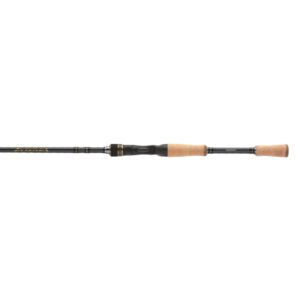
SHIMANO INTENZA CASTING A ROD
€156.02Select options This product has multiple variants. The options may be chosen on the product page -
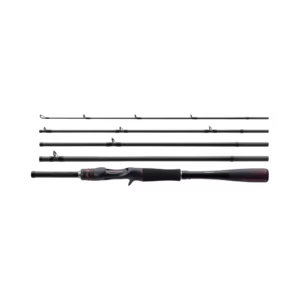
SHIMANO ZODIAS PACK ROD
€268.71Select options This product has multiple variants. The options may be chosen on the product page -
SHIMANO POISON GLORIOUS SPINNING ROD
Price range: €485.42 through €520.09Select options This product has multiple variants. The options may be chosen on the product page
Reviews
There are no reviews yet.