
We Deliver Directly To Your Door
Description
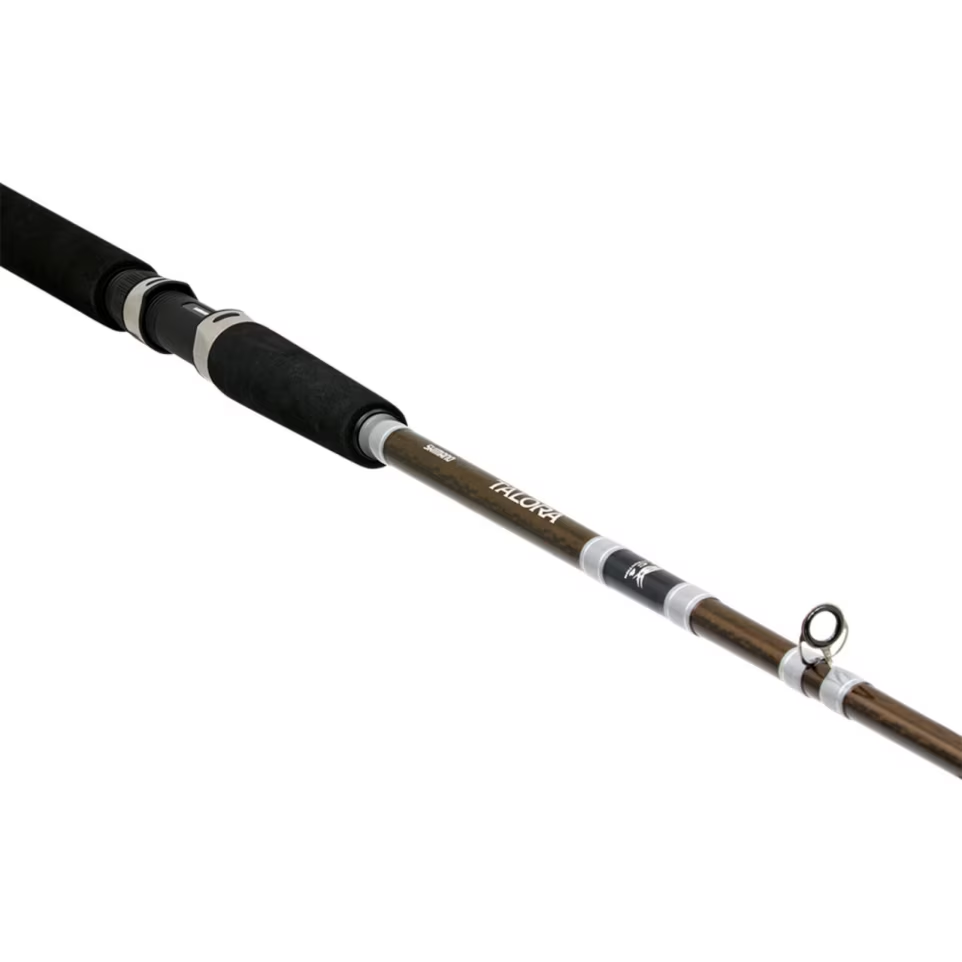
Shimano Talora Copper/Leadcore Rod – Precision Trolling Performance

Discover a Reliable Rod for Controlled Trolling Presentations
Successful trolling requires the right combination of equipment, technique, and patience. Whether you are exploring familiar fishing grounds or searching for new opportunities on open water, a dependable rod can help you maintain control over your presentation. The Shimano Talora Copper/Leadcore Rod is a product to consider when building a trolling setup designed around copper line, leadcore line, and carefully managed lure presentations.
For anglers who value consistency, practical functionality, and dependable equipment, choosing a rod that suits the intended fishing method is essential. Furthermore, the right setup can help make line management more convenient while supporting a more organized approach to trolling.
Different fishing conditions call for different equipment choices. Therefore, anglers should consider their target species, preferred trolling speed, line type, lure weight, and boat setup before selecting a rod. When these factors are matched appropriately, a more controlled and enjoyable fishing experience can be achieved.
Why Choose a Copper or Leadcore Trolling Rod?
Designed Around Specialized Trolling Techniques
Copper and leadcore lines are commonly used in trolling applications where controlled lure depth is important. Because these lines have different handling characteristics, the rod selected for a particular setup should be compatible with the intended line system and fishing technique.
A suitable trolling rod can help support line management, maintain a consistent presentation, and provide a practical connection between the angler and the equipment. Additionally, a properly matched rod and reel combination can make repeated trolling passes easier to manage.
Practical Equipment for Dedicated Anglers
A well-planned trolling setup is built around compatibility rather than individual specifications alone. Consequently, the rod should be evaluated alongside the reel, line capacity, terminal tackle, lure selection, and the conditions in which it will be used.
For recreational anglers and experienced boat fishermen alike, the goal is to create a balanced setup that can be used confidently throughout a fishing trip.
Key Product Highlights
- Product: Shimano Talora Copper/Leadcore Rod
- Fishing application: Trolling setups using compatible copper or leadcore line
- Primary consideration: Controlled lure presentations and practical line management
- Suitable users: Anglers building or upgrading a dedicated trolling setup
- Recommended pairing: A compatible trolling reel and line system
- Selection advice: Confirm the exact model, rod length, power, action, line rating, and lure rating before purchasing
Note: Exact specifications and included features should be confirmed against the manufacturer’s information for the specific model being sold.
Improve Your Trolling Setup
Match Your Rod to Your Fishing Conditions
Trolling performance is influenced by more than the rod itself. Water depth, boat speed, current, lure design, and line characteristics can all affect how a presentation behaves. For that reason, a thoughtful equipment selection process is recommended before heading onto the water.
For example, anglers fishing different depths may need to adjust their line system, lure selection, or trolling arrangement. Similarly, the target species and expected fighting conditions should be considered when choosing a suitable rod and reel combination.
By planning these details in advance, anglers can spend less time correcting equipment mismatches and more time concentrating on their fishing strategy.
Pair It With Compatible Equipment
A balanced setup begins with a reel that accommodates the chosen line system. The reel’s capacity, drag performance, and compatibility with the intended line should be checked before use. In addition, line connections, rod guides, and other contact points should be inspected regularly to help identify wear or damage.
Suitable lures and terminal tackle should also be selected according to the target species and local fishing conditions. As a result, the complete setup can be organized around the presentation rather than relying on the rod alone.
Who Can Benefit From This Trolling Setup?
Recreational Boat Anglers
For anglers who enjoy spending time on lakes and other suitable waterways, a specialized trolling setup can provide a practical approach to covering water. Different presentations can be tested methodically, while changes in depth, speed, and lure choice can be made as conditions develop.
Experienced Trolling Enthusiasts
Anglers with established trolling routines may appreciate equipment selected specifically for their preferred techniques. However, even experienced users should verify the rod’s specifications and intended line compatibility before adding it to an existing collection.
Anglers Building a New Setup
Those entering copper or leadcore trolling can benefit from taking a system-based approach. Rather than choosing components independently, the reel, rod, line, and terminal tackle should be considered together. This can make the selection process more straightforward and help reduce compatibility issues.
Care, Maintenance, and Responsible Use
After each fishing trip, the rod should be inspected for visible damage, loose fittings, or signs of excessive wear. Where appropriate, salt, dirt, and other residue should be removed according to the manufacturer’s care recommendations. The equipment should then be allowed to dry properly before storage.
During transport, the rod should be secured to reduce the risk of impact or unnecessary pressure. Furthermore, it should not be stored beneath heavy equipment or exposed to conditions outside the manufacturer’s recommended limits.
Before every outing, inspect the guides, reel seat, connections, and line for potential problems. If any damage is identified, the affected equipment should be assessed before being used again.
Frequently Asked Questions
What is a copper or leadcore trolling rod used for?
It is intended for trolling applications in which compatible copper or leadcore line is used to help manage lure presentation and depth. The appropriate model depends on the fishing method and the rest of the setup.
Can this rod be paired with any trolling reel?
Not necessarily. Reel compatibility should be checked against the specific rod model, reel-seat design, line requirements, and intended fishing application.
Is it suitable for beginners?
It may be considered by beginners interested in specialized trolling. Nevertheless, new anglers should first understand the basics of line handling, reel setup, trolling safety, and local fishing regulations.
What specifications should be checked before ordering?
Confirm the model number, rod length, power, action, line rating, lure rating, number of sections, and manufacturer guidance. These details are important because specifications can vary between models.
Choose Equipment That Supports Your Fishing Goals
A successful fishing setup starts with equipment that suits the technique being used. By considering line compatibility, target species, water conditions, and the rest of the trolling system, anglers can make a more informed purchasing decision.
Explore the Shimano Talora Copper/Leadcore Rod for your trolling equipment selection, and verify the specifications of the exact model before ordering. With careful preparation and appropriate equipment, your next fishing trip can be approached with greater confidence and a setup tailored to your needs.
Shimano Talora Copper/Leadcore Rod – Complete Trolling Guide and Buying Considerations
Understanding the Role of Specialized Trolling Equipment
Why Equipment Compatibility Matters
Trolling is a fishing technique in which a lure or bait is presented while a boat is moving through the water. Although the method may appear straightforward, several factors must be considered before a successful presentation can be achieved. Rod selection, line type, reel capacity, lure movement, and boat speed all contribute to the overall setup.
For this reason, equipment should be selected according to the conditions in which it will be used. A rod designed for one trolling application should not automatically be assumed to be suitable for every other technique. Instead, its specifications should be reviewed carefully before a purchase is made.
When copper or leadcore line is used, the equipment must be matched to the characteristics of that line. The line system, reel, rod guides, and drag settings should work together as a coordinated arrangement. Consequently, the angler can spend more time concentrating on lure presentation and less time addressing avoidable equipment problems.
Choosing Equipment for Consistent Presentations
Consistency is an important consideration when trolling. Lures should be presented at an appropriate depth and speed for the target species, while the selected equipment should remain within its recommended operating limits.
Moreover, fishing conditions may change throughout the day. Wind, current, water clarity, temperature, and fish activity can influence the effectiveness of a particular approach. Therefore, adjustments may be required as the fishing environment develops.
A carefully selected rod can form part of a dependable system. However, results should never be attributed to the rod alone, since technique, conditions, and the compatibility of the complete setup also play important roles.
Copper Line and Leadcore Line: Understanding the Differences
How Copper Line Is Used
Copper line is commonly incorporated into specialized trolling systems where its sinking characteristics are used to help position a lure at a desired depth. The amount of line deployed, boat speed, lure resistance, and other setup variables can affect the resulting presentation.
Because copper line can be relatively heavy and may require specialized handling, the reel and rod should be selected according to the manufacturer’s recommendations. Appropriate storage and careful handling are also important, particularly when the line is being retrieved, deployed, or maintained.
Before purchasing a rod for this application, anglers should confirm that the specific model is intended to support the chosen copper-line arrangement.
How Leadcore Line Is Used
Leadcore line incorporates a lead core beneath an outer braided covering. It is used in trolling applications where the sinking properties of the line help bring a presentation below the surface.
The depth reached will depend on several variables, including the length of line deployed, boat speed, lure design, and the diameter and characteristics of the line. As a result, a single depth estimate should not be treated as universal for every setup.
When a rod is being selected for leadcore use, the recommended line range and intended application should be checked. Additionally, the reel must have adequate capacity for the line and any backing that may be required.
Which Line Should You Choose?
The choice depends on your preferred trolling technique, target species, and the equipment already available.
- Copper line: Considered for specialized presentations where its sinking properties and line deployment are appropriate.
- Leadcore line: Often selected for trolling presentations where controlled depth is required.
- Conventional trolling line: May be suitable for other applications, depending on the target species and fishing conditions.
Neither option should be regarded as universally superior. Instead, the most suitable choice is determined by the fishing environment and the compatibility of the entire setup.
Selecting a Suitable Rod and Reel Combination
Reel Capacity and Line Management
A reel should be selected with sufficient capacity for the intended line arrangement. The main line, backing, and any additional line required for the fishing method should all be considered before the reel is purchased.
Furthermore, the drag system should be appropriate for the expected fish and the line being used. Drag settings that are too tight can increase the risk of line failure, while unsuitable settings may make fish control more difficult.
The reel should also fit securely into the rod’s reel seat. Once assembled, the complete setup should be checked for stability, comfortable handling, and proper operation.
Rod Power and Action
Rod power describes the general resistance of a rod to bending under load, whereas action describes where and how the rod bends. Both characteristics influence how a rod behaves during use.
A suitable combination should be selected according to the manufacturer’s intended application and the requirements of the fishing technique. For specialized trolling, the recommended line rating and any guidance concerning compatible reels should be reviewed alongside these characteristics.
Since specifications can differ between models, the exact power and action of the product should not be assumed without verification.
Rod Length and Boat Configuration
Rod length can affect equipment spacing, handling, and the arrangement of multiple lines around a boat. The most practical option depends on the available space, rod holders, fishing method, and the number of presentations being managed.
For example, a boat equipped for several trolling lines may require a different arrangement from a smaller vessel used for a single presentation. Accordingly, the rod’s length should be considered in relation to the complete boat setup.
Before ordering, compare the product’s actual dimensions with your storage arrangements and rod-holder configuration.
Preparing for a Successful Fishing Trip
Inspect Your Equipment Before Departure
Preparation helps reduce the risk of avoidable problems on the water. Before leaving, inspect the rod for cracks, loose fittings, damaged guides, or other visible defects. The reel should also be checked for smooth operation and secure attachment.
Next, examine the fishing line for signs of abrasion, fraying, deformation, or other damage. Connections and terminal tackle should be reviewed as well, particularly when the setup has been stored for an extended period.
Any component that appears damaged should be evaluated before use. This is especially important when equipment will be exposed to sustained loads during trolling.
Organize Your Tackle
A well-organized tackle selection can make adjustments easier throughout a fishing session. Lures, leaders, swivels, replacement line, and other accessories should be stored securely and arranged so that they can be accessed when needed.
In addition, the chosen tackle should be appropriate for the target species and local regulations. There is little benefit in carrying equipment that is unsuitable for the intended fishing environment.
By organizing these essentials in advance, anglers can make changes more efficiently when conditions require a different approach.
Monitor Conditions While Trolling
Water and weather conditions should be monitored throughout the trip. Changes in wind, current, visibility, and fish activity may influence how a presentation performs.
Similarly, boat speed should be managed according to the selected lure and fishing technique. Where available, depth-finding equipment can help provide additional information about underwater structure and the position of fish.
Adjustments should be made methodically rather than changing several variables at once. This approach makes it easier to evaluate which changes appear to improve the presentation.
Caring for Your Trolling Rod
Cleaning After Use
After each trip, clean the rod according to the manufacturer’s recommendations. Freshwater rinsing may be appropriate for removing salt and surface residue, but the cleaning method should be compatible with the product’s materials and construction.
The rod should be dried properly before being stored. Excess moisture should not be left around fittings, guides, or other areas where it could contribute to deterioration.
Harsh cleaning products and abrasive materials should be avoided unless their use is specifically approved by the manufacturer.
Safe Storage and Transportation
During transportation, the rod should be secured so that it cannot move excessively or strike other equipment. Protective rod sleeves or suitable storage compartments may help reduce accidental damage.
When the equipment is not being used, store it in a dry location away from excessive heat, unnecessary pressure, and other conditions that may damage its materials.
Heavy objects should not be placed on top of the rod. Likewise, the line and reel should be stored in a way that prevents unnecessary strain on the guides and fittings.
Routine Maintenance
Regular inspection helps identify problems before they become more serious. Reel-seat connections, guides, handles, and other accessible components should be examined periodically.
If loose fittings or damaged parts are discovered, the manufacturer’s maintenance guidance should be followed. Repairs should not be improvised when doing so could compromise the equipment’s safe operation.
With appropriate care, the rod can remain part of an organized fishing system for repeated use, although its service life will depend on handling, storage, maintenance, and operating conditions.
Buying Considerations for Online Shoppers
Verify the Exact Product Model
Product names may be used across different rod configurations or variations. Consequently, the exact model number should be checked before an order is placed.
The product listing should clearly identify the rod’s length, power, action, recommended line range, lure rating where applicable, and number of sections. Any information about compatible reels or intended line types should also be reviewed.
If these details are missing, confirmation should be obtained from the seller before purchase. This is preferable to relying on assumptions based solely on the product name.
Compare Features Rather Than Price Alone
Price is an important purchasing consideration, but it should not be the only factor. Compatibility, intended use, manufacturer support, warranty conditions, and product authenticity should also be evaluated.
Additionally, buyers should review shipping information, return conditions, and any applicable import charges before completing an international order.
A product that meets the requirements of the intended fishing method may offer greater practical value than one selected solely because it has a lower advertised price.
What to Check Before Checkout
- Confirm the full product name and model number.
- Review the manufacturer’s specifications.
- Verify compatibility with the intended line system.
- Check the reel-seat and reel compatibility.
- Confirm the listed price and product availability.
- Review shipping, returns, and warranty information.
- Contact the seller if essential specifications are unclear.
These checks can help buyers make a more informed decision and reduce the likelihood of ordering an unsuitable configuration.
Frequently Asked Questions About Copper and Leadcore Trolling
Can copper and leadcore line be used with the same rod?
Compatibility depends on the rod’s specifications and the requirements of the individual line systems. The product should not be assumed to support both applications unless the manufacturer confirms that it is suitable for them.
Does a specialized trolling rod determine lure depth?
No. Lure depth is influenced by the line type, the amount of line deployed, trolling speed, lure characteristics, and other conditions. The rod is one component of the overall system rather than the sole determinant of depth.
Is a dedicated reel required?
The appropriate reel depends on the intended application and the rod’s compatibility requirements. A reel with suitable capacity, drag performance, and mounting compatibility should be selected for the chosen line system.
How often should the rod be inspected?
A visual inspection should be performed before and after fishing trips, with more detailed checks carried out periodically. Any signs of damage should be addressed before the equipment is used again.
Can this rod be used in saltwater?
The suitability of a particular model for saltwater should be confirmed through the manufacturer’s product information. After use in saltwater, cleaning and maintenance should be carried out according to the manufacturer’s guidance.
Final Thoughts: Build a Setup Around Your Fishing Technique
Selecting the right trolling equipment requires attention to compatibility, line management, fishing conditions, and maintenance. Although individual components each have a role, the complete setup should be considered as a coordinated system.
The Shimano Talora Copper/Leadcore Rod can be evaluated as part of a specialized trolling equipment selection, provided that the exact model’s intended application and specifications have been verified.
By checking the product details, pairing the rod with suitable equipment, and preparing carefully before each trip, anglers can make purchasing decisions that better reflect their fishing goals.
Explore the product specifications, confirm compatibility with your preferred trolling method, and select equipment that supports your approach to fishing.
Fishing Rods, Reels, Lures and Saltwater Tackle: A Complete Angler’s Guide
Discover Quality Fishing Gear for Every Fishing Adventure
Successful fishing begins with choosing equipment that suits your fishing location, target species, preferred technique, and personal experience. Whether you are preparing for an offshore trip, exploring an inshore estuary, casting along a sandy beach, or fishing freshwater lakes and rivers, the right tackle can make each outing more productive and enjoyable.
At our fishing tackle store, anglers can explore a wide variety of fishing rods, spinning reels, baitcasting reels, conventional reels, braided lines, artificial lures, terminal tackle, and essential fishing accessories. From versatile everyday equipment to specialized offshore setups, each category offers different advantages for particular fishing conditions.
Our selection covers recognized names such as Shimano, Penn, Daiwa, Avet, St. Croix, Century, Tsunami, Yo-Zuri, Berkley, Costa Del Mar, and Dexter Russell. Consequently, anglers can compare equipment designed for different techniques, budgets, and levels of experience before making an informed purchase.
Whether you are researching a Century rod, comparing a Quantum baitcaster reel, or searching for a Shimano Tranx 300 HG, understanding the intended application of each product helps you choose tackle with confidence.
Explore Our Fishing Tackle Categories
-
Fishing rods: Surfcasting rods, inshore rods, offshore trolling rods, conventional rods, and custom fishing poles.
-
Fishing reels: Spinning reels, baitcasting reels, conventional lever-drag reels, and electric deep-drop reels.
-
Fishing lures: Topwater pencils, vibration lures, bucktails, butterfly jigs, and artificial soft baits.
-
Fishing line: PowerPro braided fishing line, PowerPro Super Slick V2, and Cortland C16 line options.
-
Terminal tackle: Octopus hooks, circle hooks, Owner fish hooks, and VMC SureSet circle hooks.
-
Fishing tools: Dexter Russell fillet knives, boning knives, serrated knives, fishing pliers, and blade accessories.
-
Fishing apparel and accessories: Penn reels apparel, Costa Del Mar sunglasses, and other useful fishing essentials.
H2: Fishing Rods for Surfcasting, Inshore Fishing and Offshore Adventures
A fishing rod influences casting distance, lure presentation, sensitivity, hook-setting performance, and the amount of control available when fighting a fish. Therefore, selecting a rod should involve more than choosing a familiar brand or an attractive design.
Rod length, power, action, line rating, lure rating, handle design, and construction should all be considered. In addition, the rod should be matched to the reel and fishing line being used.
H3: Century Rods and Long-Distance Surfcasting


A Century rod may appeal to anglers looking for specialized surfcasting equipment, particularly when long-distance casting and efficient energy transfer are important considerations. Surfcasting rods are commonly selected according to casting technique, sinker weight, bait presentation, and the conditions encountered along the shoreline.
For anglers researching the best surf casting rod for distance, several characteristics deserve attention:
-
Rod length and casting action.
-
Sinker and lure weight compatibility.
-
Blank recovery and casting technique.
-
Guide arrangement and line management.
-
Handle length, grip comfort, and overall balance.
-
The ability to manage beach conditions and the intended target species.
A longer rod does not automatically guarantee greater distance. Instead, the best results are generally achieved when rod specifications, casting mechanics, line diameter, reel performance, and terminal tackle are appropriately matched.
H3: Shimano Surf Rods for Beach and Coastal Fishing


Shimano surf rods are worth exploring when building a setup for beaches, coastal points, sandy shorelines, and other open-water casting environments. Depending on the model, surf rods may be designed for spinning or conventional reels and for different casting weights.
When comparing surf fishing equipment, consider the following:
-
Casting distance: Match rod length and power to the weight being cast.
-
Sensitivity: Choose a design that suits the bait or lure presentation.
-
Durability: Consider guide materials, blank construction, and proper maintenance.
-
Comfort: Evaluate the grip and handle length for repeated casting.
-
Compatibility: Confirm that the reel seat accommodates your chosen reel.
A properly matched surf fish rod can help anglers maintain better control over their presentations while adapting to changing wind, current, surf height, and shoreline structure.
H3: Phoenix Rods, Phoenix Fishing Poles and Custom Fishing Poles
Custom fishing poles provide another option for anglers who prefer equipment tailored to particular requirements. Depending on the builder and available components, a custom rod may be configured around:
-
Preferred rod length, power, and action.
-
Spinning or conventional reel compatibility.
-
Guide placement and handle configuration.
-
Cork, EVA, or other grip materials.
-
Specific lure weights and fishing line ratings.
-
Freshwater, inshore, surf, or offshore applications.
For anglers who spend considerable time on the water, a well-fitted rod can offer a comfortable, personalized fishing experience. Nevertheless, custom specifications should always be selected according to the intended application rather than appearance alone.
H3: St. Croix Avid Inshore and St. Croix Premier Rods


The St. Croix Avid Inshore range and St. Croix Premier rod collection are relevant search terms for anglers comparing rods for different fishing environments. Before choosing either option, verify the specific model, length, power, action, line rating, and lure rating.
Inshore anglers often require a combination of casting control, manageable weight, and sensitivity. By contrast, anglers working heavier cover or targeting larger fish may prioritize additional power and suitable line capacity.
When selecting a rod, consider how it will be used alongside your reel, hooks, lures, and fishing line. A balanced setup is generally more practical than selecting individual components without considering their compatibility.
H3: Shimano Tallus Blue Water Series


The Shimano Tallus Blue Water Series is a relevant category for anglers exploring offshore-oriented rod options. Bluewater fishing can involve trolling, live-bait fishing, and other techniques that require equipment matched to the intended species and fishing conditions.
Before ordering a Tallus rod, review the exact model specifications and determine whether the rod is designed for trolling, stand-up fishing, or another application. Reel compatibility, line class, rod action, and fighting-harness requirements may also influence the decision.
For offshore anglers, the goal is to build a coordinated system in which the rod, reel, line, leader, and terminal tackle work together.
H3: Hawk Rods and Other Specialized Fishing Rods
Anglers researching Hawk rods, surfcasting equipment, and different types of fishing rods should compare the intended use of each model before choosing a setup. A rod developed for offshore trolling may not deliver the same performance as a light spinning rod used for freshwater fishing.
Common rod categories include:
-
Spinning rods: Designed for spinning reels and a broad range of fishing techniques.
-
Baitcasting rods: Built to accommodate baitcasting reels and controlled lure presentations.
-
Surfcasting rods: Designed for casting from beaches and other coastal locations.
-
Conventional rods: Used with conventional reels for trolling, bottom fishing, and offshore applications.
-
Inshore rods: Suited to estuaries, bays, flats, and coastal fishing environments.
-
Stand-up trolling rods: Designed for particular offshore fighting techniques.
-
Custom rods: Configured according to individual preferences and fishing requirements.
Understanding these different types of fishing rods makes it easier to compare products and select an option suited to your next fishing adventure.
H2: Shimano Tranx Baitcasting Reels for Powerful Fishing Applications

Baitcasting reels are popular among anglers who value casting control, direct lure handling, and the ability to manage heavier presentations. However, reel size, braking systems, gear ratio, line capacity, and drag performance should be evaluated according to the fishing technique.
H3: Shimano Tranx 300 HG
The Shimano Tranx 300 HG is a useful model-specific search term for anglers comparing low-profile baitcasting reels. The high-gear designation generally indicates a faster retrieve configuration within the relevant product series, although the exact gear ratio should be confirmed for the model and market.
Before purchasing a Tranx 300 HG, review the manufacturer’s specifications for:
-
Gear ratio and line retrieval per handle turn.
-
Maximum drag and practical drag adjustment.
-
Mono and braided line capacity.
-
Reel weight and handle configuration.
-
Braking system and casting control.
-
Recommended lure weights and fishing applications.
A reel’s retrieve speed can influence how quickly a lure is recovered, but the appropriate gear ratio also depends on lure resistance, target species, and the angler’s preferred presentation.
H3: Shimano Tranx 200
The Shimano Tranx 200 offers another model name to consider when comparing compact baitcasting equipment. The exact specifications, retrieve configuration, and availability should be checked against the intended version.
Anglers searching for a Tranx 200 may be comparing reel dimensions, casting performance, line capacity, and suitability for inshore fishing. These details are especially important when choosing a reel for repeated casting or working artificial lures around structure.
When a smaller reel is being considered, check whether its capacity and drag characteristics are suitable for the intended target species. In addition, match the reel to a compatible baitcasting rod and an appropriate line rating.
H3: Quantum Baitcaster Reel and Inshore Baitcasting Equipment
A Quantum baitcaster reel may be considered by anglers comparing alternative baitcasting systems. The most suitable choice depends on the specific model, available features, intended lure weights, and expected fishing conditions.
An inshore baitcaster is commonly selected for controlled casts around docks, mangroves, rocks, grass beds, and other structures. These environments may require accurate lure placement and dependable drag adjustment.
When comparing baitcasting reels, pay attention to the braking system, spool design, handle ergonomics, gear ratio, and ease of maintenance. Furthermore, ensure that the line and rod are matched to the reel’s intended use.
H2: Saltwater Spinning Reels for Coastal and Offshore Fishing
Saltwater spinning reels are used in a wide range of environments, from shallow inshore waters to exposed beaches and offshore locations. Nevertheless, the protection offered against water intrusion, corrosion resistance, drag design, and maintenance requirements can differ significantly between models.
H3: Fully Sealed Saltwater Spinning Reels
Anglers searching for fully sealed saltwater spinning reels should examine the actual sealing system rather than relying on the description alone. A reel may protect selected internal components without being completely waterproof or suitable for full submersion.
Important comparison points include:
-
Protection around the drag system.
-
Sealing at the body, rotor, and handle interfaces.
-
Corrosion-resistant materials and finishes.
-
Drag capacity and consistency.
-
Ease of cleaning and servicing.
-
Manufacturer guidance on saltwater exposure.
After fishing in saltwater, follow the manufacturer’s cleaning instructions. Appropriate rinsing, drying, and scheduled maintenance can help preserve reel performance and service life.
H3: Tsunami Shield Spinning Reels and Shield II SeaTech Surf Combo
The Tsunami Shield spinning reels and Shield II SeaTech surf combo are useful search terms for anglers comparing saltwater spinning equipment and surf-fishing setups.
When evaluating a surf combo, consider the rod length, reel size, line capacity, casting-weight range, and intended target species. A coordinated rod-and-reel package can simplify equipment selection, particularly for anglers assembling a new beach-fishing setup.
For standalone spinning reels, examine the specifications of the precise model being offered. Do not assume that different Shield products share the same sealing, drag, or line-capacity characteristics.
H3: Shimano Stradic FM and Stradic Reels


The Shimano Stradic FM is a relevant option for shoppers comparing spinning reels for freshwater and saltwater applications, subject to the requirements of the particular model and local product specifications.
Searches for Stradic reels, Shimono Stradic, and the occasionally misspelled phrase stratic reels may reflect shoppers looking for the same general product family. For accurate shopping results, the manufacturer’s spelling and the complete model designation should be used.
Before choosing a Stradic reel, compare:
-
Reel size and overall weight.
-
Gear ratio and retrieve speed.
-
Drag configuration.
-
Line capacity.
-
Intended fishing environment.
-
Compatibility with the selected rod.
Correct sizing can help create a balanced outfit for casting lures, presenting bait, or fishing in changing coastal conditions.
H3: Shimano Twin Power FE Spinning Reels
The Shimano Twin Power FE spinning reels are another model-specific search phrase for anglers researching premium spinning equipment. Specifications should be confirmed for the exact regional model and size because features may vary across generations and product variants.
When comparing a Twin Power reel with other spinning reels, consider the intended application, reel weight, gear ratio, drag system, and resistance to the conditions in which it will be used.
A reel intended for light lure fishing will have different practical requirements from equipment intended for larger saltwater species. Consequently, the target species and fishing technique should guide the purchase.
H3: Shimano Saragosa 10000 Specs and Shimano 5000 Reel Options
Searches for Shimano Saragosa 10000 specs and a Shimano 5000 reel often indicate that shoppers are comparing reel sizes and line capacities.
The Saragosa 10000 designation should be checked against the specific generation and regional model. Similarly, Shimano offers different reel families in size 5000, so the number alone does not identify a unique reel or determine its full capabilities.
Compare the following details before purchasing:
-
Mono and braided line capacity.
-
Maximum drag and recommended practical settings.
-
Gear ratio and line recovery.
-
Reel weight and body construction.
-
Handle configuration.
-
Intended species and fishing environment.
These comparisons can help determine whether a reel is suitable for surf fishing, inshore applications, jigging, or particular offshore techniques.
H3: Salt X Reel and Salt X 2
The phrases Salt X reel and Salt X 2 can appear in searches for saltwater fishing equipment. Because similar names can refer to different products or versions, the manufacturer, product category, and complete model designation should be verified before an item is listed or purchased.
When comparing saltwater reels, examine their actual construction, drag performance, line capacity, and recommended maintenance procedures. A product name alone should not be treated as proof of a specific sealing level or performance rating.
H2: Penn Fishing Reels for Surf, Inshore and Offshore Applications


Penn fishing equipment spans several reel categories, including spinning reels and conventional reels intended for different fishing applications. The correct choice depends on the precise model, reel size, target species, line requirements, and fishing environment.
H3: Penn Slammer 4 DX and Penn Slammer 7500
The Penn Slammer 4 DX and Penn Slammer 7500 are relevant model-specific search terms for anglers exploring robust spinning-reel options.
When comparing a Slammer IV DX reel with a Slammer 7500, verify the exact product designation and generation. Size numbers, DX labels, and generation names should not be assumed to indicate identical specifications across the entire product family.
Important details include drag construction, line capacity, gear ratio, weight, and the manufacturer’s stated protection against water intrusion.
For saltwater anglers, regular cleaning and appropriate maintenance remain important even when a reel is designed with protective features.
H3: Penn Battle 3 DX and Penn Battle 3 DX 4000
The Penn Battle 3 DX and Penn Battle 3 DX 4000 are relevant phrases for shoppers researching spinning reels for everyday fishing applications.
A size 4000 reel may be considered for medium-weight inshore or general-purpose fishing, depending on its exact specifications and the intended target species. However, rod compatibility and line capacity should be checked before making a purchase.
When comparing Battle reels, consider the spool capacity, drag system, handle comfort, weight, and gear ratio. Matching these characteristics to the intended technique can help produce a more comfortable and efficient fishing setup.
H3: Penn Battle Reels and Penn Battle 4 1000
Searches for Penn Battle reels and Penn Battle 4 1000 can reflect interest in different generations and sizes within the Battle range.
The exact generation should be confirmed because product names that contain a number may refer to different revisions. Likewise, a size 1000 reel will generally suit different applications from a larger surf-oriented spinning reel.
For lighter fishing applications, examine the rod’s line rating and casting range alongside the reel’s capacity and drag specifications.
H3: Penn Pursuit 4000 and Penn Pursuit IV Spinning Reel
The Penn Pursuit 4000 and Penn Pursuit IV spinning reel are useful search terms for shoppers comparing accessible spinning-reel options.
When evaluating a Pursuit reel, consider whether its size and construction suit your preferred fishing environment. A general-purpose spinning reel can be practical for many applications, but it should still be selected according to the expected load, fishing line, and rod specifications.
Compare the exact product generation, gear ratio, drag system, spool capacity, and overall weight before choosing between available models.
H3: Penn Z Series, Penn SQL20LW and Penn Squall 50VSW
The phrases Penn Z Series, Penn SQL20LW, and Penn 50VSW Squall cover different model-specific searches and should not be treated as interchangeable products.
The SQL20LW designation is associated with a Penn Squall low-profile conventional reel listing in some product ranges, while 50VSW identifies a different size and configuration within the Squall family. Check the precise model name and manufacturer documentation before publishing technical specifications.
For conventional reels, buyers should compare:
-
Gear ratios and available gear configurations.
-
Line capacity and line class.
-
Drag system and adjustment range.
-
Frame construction and overall weight.
-
Trolling, bottom-fishing, or other intended applications.
These considerations are particularly important when choosing equipment for heavier saltwater fishing.
H3: Penn International Reels and International VISX 2-Speed Reels


Penn Internationals are associated with conventional offshore reel searches, including the International VISX reel 2-speed 440/50 phrase supplied for this SEO page.
Because the latter phrase may combine a product designation with additional catalog or specification information, it should be checked against the exact listing before being used as a formal product title.
Two-speed conventional reels provide different retrieve ratios for different stages of a fishing fight, depending on the model. A higher gear can assist with faster line recovery, while a lower gear can provide additional mechanical advantage.
Before buying an International reel, verify the precise model, line capacity, gear ratios, drag specifications, and intended fishing application.
H3: Penn 130VSX and Penn 130 Offshore Reel Searches
The Penn 130VSX, Penn 130, and Penn 130VSX offshore reel search family reflects interest in heavy-duty conventional fishing equipment.
Large offshore reels should be selected according to the target species, line class, fishing method, rod compatibility, and expected loads. Their weight and dimensions may also require appropriate boat-mounted equipment or a compatible stand-up setup.
Before ordering, confirm the manufacturer’s precise model name and published specifications. A reel’s size designation alone should not be used to infer its maximum drag or line capacity.
H2: Avet Conventional Reels and Lever-Drag Fishing Equipment


Avet conventional reels are commonly researched by anglers comparing lever-drag equipment for offshore fishing, trolling, and other demanding applications. Different reel models offer different dimensions, capacities, gear ratios, and drag configurations.
H3: Avet Raptor HXW 5/2
The Avet Raptor HXW 5/2 is a model-specific search term for anglers exploring two-speed conventional reel configurations.
Before selecting this reel, verify the complete model designation, line capacity, drag specifications, gear ratios, and compatible rod requirements. These details can help determine whether the reel suits the intended offshore technique.
H3: Avet MXJ 6/4 MC Raptor Two-Speed Lever-Drag Conventional Reel
The Avet MXJ 6/4 MC Raptor 2-speed lever drag conventional reel phrase targets shoppers seeking a specific configuration of Avet conventional equipment.
When reviewing this product, check the model suffixes carefully. Terms such as MC, Raptor, and two-speed indicate details that should be matched against the manufacturer’s exact product documentation rather than interpreted from the name alone.
A lever-drag reel should be adjusted according to the fishing line, leader strength, rod, and intended fishing method. Appropriate drag settings can help reduce unnecessary strain on the tackle.
H3: Avet HX 2-Speed Lever-Drag Reel and Avet 30
The Avet HX 2-speed lever-drag reel and Avet 30 are additional product-specific search phrases for anglers comparing conventional reels.
Since these names can refer to different reel configurations, the exact product and generation should be verified before specifications are published. Compare line capacity, gear ratios, drag performance, spool dimensions, and reel weight to determine the suitability of each option.
H2: Electric Fishing Reels for Deep-Drop Applications
Electric fishing reels can help reduce the physical effort involved in retrieving heavy rigs from deeper water. They are often considered for deep-drop fishing, specialized offshore applications, and situations in which substantial amounts of line must be recovered.
H3: Hooker Electric Fishing Reel and Daiwa Electric Reel
The Hooker electric fishing reel and Daiwa electric reel are relevant search phrases for anglers exploring powered reel systems.
Before purchasing an electric reel, verify its power requirements, retrieve functions, line capacity, rated application, and compatibility with the rod and fishing setup.
Anglers comparing a Daiwa electric reel with other powered equipment should also consider the availability of compatible batteries or power supplies, cable arrangements, servicing requirements, and the manufacturer’s instructions for operation.
H3: Electric Deep-Drop Reels and Shimano 50W Reels
Electric deep-drop reels and Shimano 50W reels represent two additional searches that may lead anglers toward specialized offshore equipment. However, a 50W designation should not be assumed to indicate an electric drive; the exact product name and reel type must be confirmed.
Deep-drop fishing can involve heavy sinkers, substantial line capacity, and long retrieval distances. Consequently, rod compatibility, line strength, power arrangements, and safe operating procedures should be reviewed before selecting equipment.
H2: Fishing Lures for Topwater, Jigging and Artificial Bait Presentations


Artificial fishing lures are designed to imitate prey, create movement, produce vibration, or attract attention through color and presentation. Choosing the right lure depends on water clarity, depth, current, target species, and fishing technique.
H3: Yo-Zuri Hydro Pencil and Yo-Zuri Top Knock
The Yo-Zuri Hydro Pencil is a relevant search term for anglers exploring topwater lure presentations. Pencil-style lures are commonly worked with rod-tip movements that produce side-to-side action, depending on the lure’s design and retrieve technique.
The phrase Yo Zuri top knock should be matched to the exact Yo-Zuri product name before being used as a formal listing title. Accurate product identification helps shoppers locate the intended lure and reduces confusion between similar models.
When selecting a topwater lure, compare its length, weight, buoyancy, hook arrangement, and intended target species.
H3: Blue Fox Classic Vibrax and Spinner Vibrax Blue Fox


The Blue Fox Classic Vibrax and spinner Vibrax Blue Fox phrases target anglers looking for rotating-blade fishing lures.
Spinner-style lures create flash and vibration as the blade rotates through the water. Their effectiveness depends on the retrieve speed, water conditions, fish behavior, and the size of the lure.
When comparing Vibrax options, examine the specific model, blade size, body weight, color, and hook configuration. Choose a presentation that can be retrieved at a suitable speed for the intended fishing conditions.
H3: Cotton Cordell Pencil Popper Fishing Lure and Bone Spook
The Cotton Cordell Pencil Popper fishing lure and Bone Spook are relevant searches for anglers interested in surface presentations.
Topwater lures can be useful when fish are feeding near the surface or when visual strikes are part of the intended fishing experience. Nevertheless, lure size, retrieve style, and hook configuration should be matched to the target species.
The phrase bone spook appears twice in your supplied keyword list. It can be used naturally in the same product category rather than repeated unnaturally throughout the page.
H3: Bomber Fishing Lures and Breachway Bomber Lure


Bomber fishing lures are a useful category search for anglers exploring hard baits for freshwater and saltwater fishing. The Breachway Bomber lure phrase should be checked against the precise model and product listing to ensure that the intended lure is identified correctly.
When comparing hard baits, review diving depth, body shape, buoyancy, running action, hook size, and recommended retrieval techniques. These details help determine whether a lure is suited to shallow structure, open water, current, or deeper presentations.
H3: Berkley PowerBait Minnowtator Fishing Soft Bait
The phrase Berkley PowerBait Minnowtator fishing soft bait is intended for anglers researching artificial soft-bait options.
Because product names and spellings can vary across retailer listings, verify the exact Berkley model before publishing a final product title. Soft-bait selection should take into account body profile, length, color, flexibility, and compatibility with the chosen hook or jig head.
The related search phrase Berkly Power Bait can be incorporated naturally into a brand and product discovery section, while the official Berkley spelling should be retained in the product title when appropriate.
H3: Shimano Butterfly Jig and Flat Fall Jig Fishing


The Shimano Butterfly Jig and flat fall jig fishing searches relate to metal-jig presentations used in appropriate saltwater applications.
Jig selection depends on water depth, current strength, target species, and the speed at which the lure needs to reach the intended fishing zone. The jig’s weight and profile should also be compatible with the rod and line.
Before purchasing, compare the lure weight, hook arrangement, intended action, and recommended technique. Appropriate jigging equipment can help maintain better control over the presentation.
H3: John Skinner Bucktails and Nomad Lures
John Skinner bucktails and Nomad lure are useful searches for anglers exploring specialized lure options.
Bucktail jigs are commonly used with varied retrieve speeds and presentations around structures, current seams, and other fish-holding areas. The appropriate weight depends on depth, current, and the degree of contact the angler wants to maintain with the lure.
Nomad products should be selected according to the exact lure model and its intended application. Product-specific descriptions should explain the design, recommended presentation, and suitable fishing environment without assuming that all models share the same characteristics.
H3: I Wing, Phantom Spider and Hopkins Shorty
The phrases I Wing, Phantom Spider, and Hopkins Shorty are additional lure-related keywords supplied for this SEO page.
Because these names may refer to particular models or product families, the exact manufacturer, spelling, and product type should be confirmed before assigning technical specifications.
When creating individual listings, include verified details such as lure weight, length, construction, hook configuration, and recommended presentation. This information is more useful to shoppers than keyword repetition alone.
H3: Pork Rind Baits and Artificial Bait Options
Pork rind baits are a traditional bait category associated with particular fishing presentations, including their use as trailers on suitable jigs.
When comparing natural and artificial bait options, consider storage, local fishing regulations, durability, compatibility with the hook, and the presentation required for the target species.
Whether an angler chooses a soft plastic, metal jig, spinner, or natural bait, the best starting point is to identify the fishing conditions and choose equipment suited to those conditions.
H2: Fishing Line, Braided Line and Line-Diameter Comparisons
Fishing line connects the reel to the terminal tackle and plays an important role in casting, sensitivity, knot strength, and fish control. The correct choice depends on the fishing method, rod specifications, reel capacity, and expected conditions.
H3: PowerPro Braided Fishing Line
PowerPro braided fishing line is a relevant search term for anglers comparing braided line options.
Braided line is commonly chosen for its relatively small diameter for a given strength class, low stretch compared with many monofilament lines, and sensitivity. However, the exact performance depends on the line construction, diameter, rating, knots, and condition.
Before purchasing braided line, compare the labeled breaking strength, spool length, diameter, color, and compatibility with the intended reel.
H3: PowerPro Super Slick V2 Diameter Chart
The PowerPro Super Slick V2 diameter chart phrase indicates a specific information need: comparing line diameters across breaking-strength ratings.
For accurate purchasing guidance, use the manufacturer’s current chart for the exact product and market. Diameter measurements should not be assumed to be identical across all braided-line brands or constructions.
When comparing lines, remember that stated breaking strength, measured diameter, knot strength, and actual performance are related but distinct characteristics. A thinner line may increase capacity in some setups, but it must still meet the requirements of the intended fishing application.
H3: Cortland C16
Cortland C16 is another model-specific line search phrase. Before listing its properties, confirm the precise product name and line category from the manufacturer’s documentation.
Line selection should be based on the intended fishing technique, compatibility with the reel and rod, and the performance characteristics required by the angler. Verified product specifications can help shoppers compare options more confidently.
H2: Fishing Hooks and Terminal Tackle


Terminal tackle includes hooks and other components attached to the end of a fishing line. Although these items may be small, the correct selection can influence bait presentation, hook placement, rig durability, and overall fishing performance.
H3: Octopus Hooks and Owner Fish Hooks
Octopus hooks and Owner fish hooks are relevant search terms for anglers assembling bait rigs and other terminal-tackle arrangements.
When selecting hooks, consider the target species, bait size, hook shape, wire strength, and local regulations. Hook size numbering can differ across hook styles and manufacturers, so size numbers should not be compared without checking the relevant specifications.
H3: VMC SureSet Circle Hook
The VMC SureSet circle hook phrase should be verified against the exact product designation before its specifications are published.
Circle hooks are designed with a curved geometry that can promote particular hook-placement outcomes when used with suitable bait and technique. However, results depend on the hook design, fishing method, and how the line is managed.
Always check local rules concerning hook type, especially in fisheries with requirements for circle hooks or restrictions on particular bait and rig configurations.
H2: Dexter Russell Knives and Fishing Preparation Tools


Suitable preparation tools can make fish handling and cleaning more organized. When choosing a knife, consider blade length, flexibility, edge design, handle grip, corrosion resistance, and the task for which it will be used.
H3: Dexter Russell Fillet Knife
The Dexter Russell fillet knife is a relevant search term for anglers looking for equipment used in fish preparation.
Fillet knives are commonly selected according to blade flexibility, length, and the size of the fish being cleaned. A suitable blade can help with controlled cuts while reducing unnecessary waste.
After use, clean and dry the knife according to the manufacturer’s guidance. Store it securely and keep the blade protected when it is not in use.
H3: Dexter Boning Knife and Dexter Serrated Knife
The phrases Dexter boning knife and Dexter serrated knife cover different cutting requirements.
A boning knife is designed for work around bones and joints, while a serrated blade is suited to tasks that benefit from a toothed cutting edge. The exact use depends on the blade design and product specifications.
When choosing between these tools, verify the blade length, handle design, intended application, and maintenance instructions.
H3: Bubba Blade and Tsunami Pliers


The Bubba Blade and Tsunami pliers search terms are relevant to anglers assembling practical fishing tools.
Pliers may be used for handling terminal tackle, adjusting suitable components, and assisting with hook removal. Select tools with a grip and construction appropriate for the intended environment.
For knives and pliers alike, safe handling and routine cleaning are important. Always use the correct tool for the task and follow the manufacturer’s instructions.
H2: Fishing Sunglasses, Apparel and Tackle-Shop Accessories
Fishing accessories can support comfort and convenience during long days on the water. Sunglasses, protective apparel, and appropriate tools should be chosen according to the environment and the user’s needs.
H3: Costa Cut and Costa Del Mar Mag Bay
The phrases Costa Cut and Costa Del Mar Mag Bay are relevant to shoppers researching fishing eyewear.
When comparing sunglasses, check the exact frame model, lens color, polarization, fit, and intended use. Polarized lenses can help reduce reflected glare from water under suitable conditions, but they do not replace appropriate eye protection or awareness of changing surroundings.
Because the supplied keyword Costa Cut appears twice, it should be incorporated naturally rather than repeated excessively.
H3: Penn Reels Apparel
Penn reels apparel is a useful search phrase for anglers interested in branded fishing clothing and accessories.
When preparing apparel listings, include verified details about sizing, material, fit, color, care instructions, and availability. Clear sizing information can help shoppers select products that meet their preferences.
H2: Finding Fishing Reel Suppliers and Tackle Retailers
Anglers searching for fishing reel suppliers, John’s Bait & Tackle, J and J Tackle, JN Fishing, and Baitmule may be comparing retailers, tackle resources, or product availability.
Before choosing a supplier, verify the exact business identity, current product range, shipping policies, return terms, and warranty arrangements. Similar business names can refer to different retailers, so the correct website and business details should be confirmed before making purchasing decisions.
For online tackle shopping, useful product pages should include:
-
Accurate manufacturer and model names.
-
Verified specifications and product photographs.
-
Clear prices and available variants.
-
Shipping estimates and return conditions.
-
Warranty information where applicable.
-
Secure checkout and accessible customer support.
These details help build trust while making it easier for customers to compare fishing equipment and place informed orders.
H2: Choosing the Right Fishing Setup
The equipment you select should reflect the fishing environment, target species, and preferred technique. A coordinated setup generally provides a more practical starting point than choosing a rod, reel, and line independently.
H3: Surfcasting Setup
For surfcasting, consider a suitable surf rod, a compatible spinning or conventional reel, appropriate line capacity, and terminal tackle matched to the casting weight.
Anglers researching a Century rod, Shimano surf rods, or the best surf casting rod for distance should compare the exact specifications and consider how casting technique affects performance.
H3: Inshore Baitcasting Setup
An inshore setup may include a suitable baitcasting rod, a compatible reel such as a verified Shimano Tranx or Quantum model, and line appropriate for the target species and surrounding structure.
The Shimano Tranx 300 HG, Tranx 200, and other baitcasting reels should be compared according to their actual specifications rather than name recognition alone.
H3: Offshore Conventional Setup
Offshore fishing may require conventional equipment from product families such as Avet, Penn International, Penn Squall, or other appropriate manufacturers.
For example, searches for the Avet Raptor HXW 5/2, Avet HX 2-speed lever-drag reel, and Penn International VISX indicate specific equipment interests that should be matched to the target species, line class, and fishing technique.
H3: Lure-Fishing Setup
For lure fishing, choose a rod with an appropriate casting range, a reel that suits the technique, and a line compatible with the setup.
Lures such as the Yo-Zuri Hydro Pencil, Blue Fox Classic Vibrax, Cotton Cordell Pencil Popper, and Shimano Butterfly Jig are designed for different presentations. Their intended use should guide the selection.
H2: Frequently Asked Questions About Fishing Equipment
H3: How do I choose between spinning and baitcasting reels?
Spinning reels are versatile and can be suitable for many fishing techniques. Baitcasting reels offer a different casting and spool-control system that can be useful for particular lure presentations. The best choice depends on experience, lure weight, target species, and fishing conditions.
H3: What should I compare when choosing a saltwater reel?
Compare line capacity, drag specifications, construction, sealing features, gear ratio, reel weight, and maintenance requirements. Verify the exact model specifications before comparing products.
H3: Are all surf rods designed for long-distance casting?
No. Surf rods vary in length, power, action, and intended casting weight. Distance also depends on casting technique, line diameter, reel performance, and the weight being cast.
H3: How do I choose braided fishing line?
Consider the intended breaking strength, line diameter, spool capacity, knot compatibility, and fishing environment. Consult the manufacturer’s specifications for the precise line product.
H3: Why should product model numbers be checked?
Model numbers can distinguish different sizes, generations, gear ratios, and product configurations. Verifying the complete model helps prevent incorrect purchases and inaccurate website descriptions.
SEO keyword coverage and publishing recommendations
The supplied keyword list includes multiple brands, specific model numbers, misspellings, repeated phrases, and terms that may refer to separate product categories. For better search visibility, use the terms in relevant category pages and individual product descriptions rather than placing every phrase on every product page.
Additional information
| MODEL/LENGTH | TLA70MCA — 7'0", TLA80MC2A — 8'0", TLA90MC2A — 9'0" |
|---|
Related products
-
SHIMANO TEREZ BW SPIN SLICK BUTT ROD
€407.40Select options This product has multiple variants. The options may be chosen on the product page -
SHIMANO ZODIAS SPINNING B ROD
€225.37Select options This product has multiple variants. The options may be chosen on the product page -
SHIMANO POISON ULTIMA BASS ROD
Price range: €849.49 through €858.16Select options This product has multiple variants. The options may be chosen on the product page
Reviews
There are no reviews yet.