
We Deliver Directly To Your Door
Description
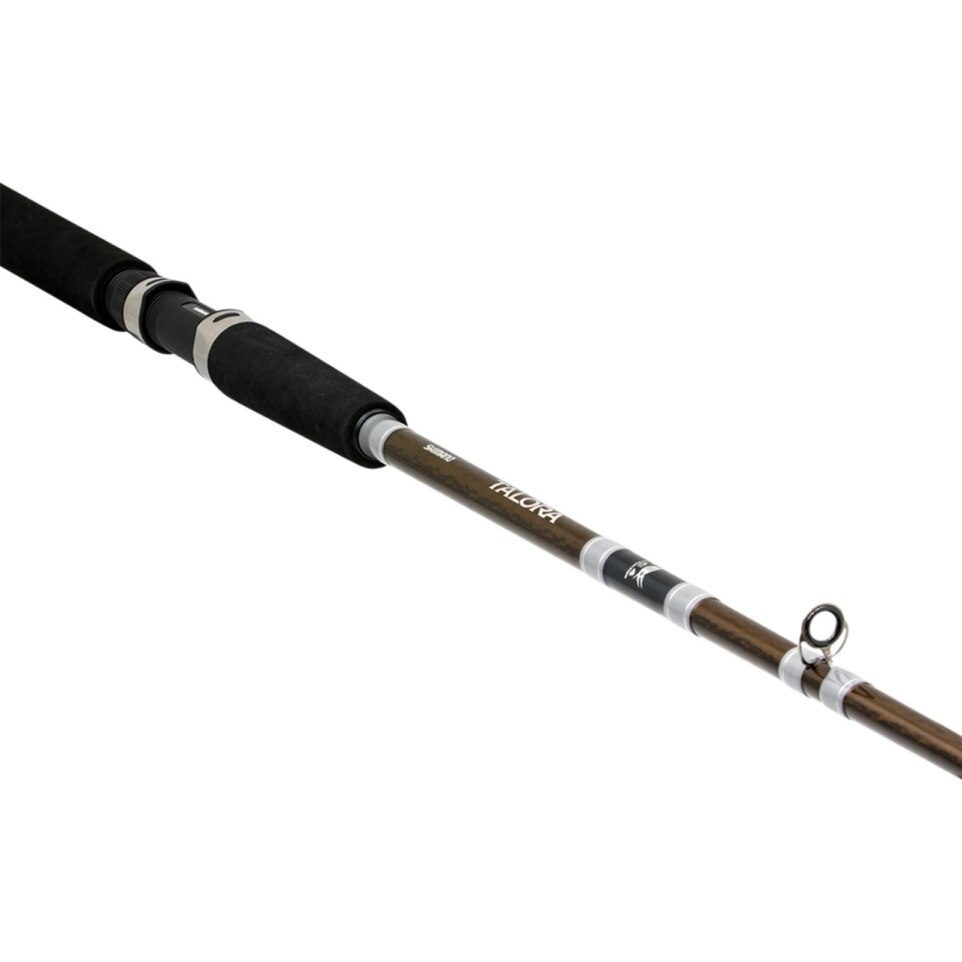
Shimano Talora Dipsey Diver Trolling Rod – Reliable Performance for Great Lakes and Open-Water Fishing
Product Overview
Successful trolling requires a dependable rod that can handle changing water conditions, demanding presentations, and the steady pressure created by diving devices and hard-fighting fish. The Shimano Talora Dipsey Diver Trolling Rod is a product to consider when building a trolling setup designed for controlled presentations and consistent performance on the water.
For anglers who enjoy targeting salmon, trout, and other suitable game fish, selecting the right rod can make a meaningful difference. A well-matched trolling rod helps maintain line control, supports effective lure presentation, and provides the leverage needed when a fish takes the bait. Furthermore, an appropriate rod can help distribute pressure through the setup during a prolonged fight.
Whether you are refining an established trolling system or preparing for a new season, careful equipment selection is essential. The right combination of rod, reel, fishing line, and terminal tackle allows a more organized approach to trolling while helping anglers adapt to different depths and conditions.
Designed for Controlled Trolling Presentations
Maintaining Consistent Pressure
Dipsey diver trolling depends on a coordinated fishing system. The diver is used to take a lure down through the water column while also helping position the presentation away from the boat. Consequently, the rod must be matched to the diver, line type, reel, and intended fishing conditions.
A suitable trolling rod provides the foundation for this arrangement. When the complete setup has been matched correctly, anglers can monitor rod movement, recognize changes in tension, and respond more effectively when a fish strikes.
Moreover, consistent pressure is important throughout the fight. Sudden changes in tension may increase the risk of losing a fish, particularly when hooks are small or the fish makes an unexpected run. Therefore, appropriate rod selection and careful drag adjustment should be treated as parts of the same system.
Supporting Long Sessions on the Water
Trolling often involves extended periods of monitoring several lines, adjusting presentations, and responding to changing conditions. For this reason, equipment selection should take comfort, control, and practical handling into account.
The rod should be selected according to the intended fishing environment and the diver configuration being used. Line rating, rod action, power, length, and lure requirements should all be checked against the manufacturer’s specifications before purchase.
Key Product Highlights
- Trolling-focused application: Intended for consideration in fishing systems built around controlled trolling presentations.
- Dipsey diver compatibility: Select the appropriate model and rating for your diver size, line type, and target depth.
- Versatile fishing applications: Can be considered for suitable salmon and trout trolling setups when specifications match the intended use.
- System-based performance: Designed to be evaluated alongside the reel, fishing line, diver, leader, and lure.
- Equipment selection flexibility: Helps anglers build a setup around their preferred trolling method and fishing conditions.
- Suitable for planned fishing trips: An option to evaluate when upgrading equipment or assembling a dedicated trolling outfit.
Important: Confirm the exact model, rod length, power, action, line rating, and construction details with the seller or manufacturer’s specifications. These details should not be assumed where they have not been verified.
Why Rod Selection Matters in Dipsey Diver Fishing
Balancing the Diver and Fishing Line
A dipsey diver introduces additional resistance into the fishing system. The amount of pressure depends on the diver model, its settings, trolling speed, line diameter, and depth. As a result, the selected rod must be appropriate for the total load rather than the lure alone.
Before purchasing, anglers should review the recommended line range and the diver manufacturer’s guidance. In addition, the reel should provide sufficient capacity for the chosen line and the expected fishing conditions.
A balanced combination can make the equipment easier to manage. Conversely, a poorly matched setup may create excessive loading, inconsistent presentation, or difficulty maintaining the desired depth.
Matching the Rod to Your Target Species
Salmon and trout are commonly targeted by trolling anglers, although the correct equipment depends on the species, size, location, and fishing method. A setup used for smaller fish in protected water may differ considerably from one intended for powerful fish in deep or open water.
Therefore, anglers should consider the expected size of their catch and the resistance generated by their trolling equipment. The manufacturer’s line and lure recommendations should guide the final decision.
Building a Complete Trolling Setup
Choosing a Compatible Reel
A suitable trolling reel should be matched to the rod’s intended use and recommended line rating. Line capacity, drag consistency, gear ratio, and ease of operation are important considerations.
Additionally, the reel should be capable of handling the fishing line and the diver configuration without exceeding its intended operating limits. A well-matched reel and rod can make it easier to manage line deployment and respond when a fish takes the lure.
Selecting the Right Fishing Line
Fishing line influences depth, resistance, sensitivity, and overall system behavior. Monofilament, braided line, and other specialized trolling lines can perform differently under comparable conditions.
However, compatibility must be checked before a change is made. The line diameter and type may affect diver performance, so the diver’s instructions should be consulted when building or modifying a setup.
Pairing Lures and Leaders
Lure selection should be based on the target species, water clarity, depth, temperature, and local feeding patterns. Spoons, plugs, and other appropriate trolling lures may be considered according to the fishing situation.
Meanwhile, leader length and material should be selected to suit the lure and target fish. Knots, swivels, clips, and connections should be inspected before every trip to reduce the likelihood of equipment failure.
Practical Benefits for Trolling Anglers
Better Organization on the Boat
A dedicated trolling setup can make equipment management more straightforward. When each rod is matched to a defined role, anglers can keep presentations organized and make adjustments without repeatedly rebuilding their tackle.
For boat anglers, this can be particularly helpful when several lines are being fished simultaneously. Nevertheless, rod placement, line separation, and safe handling should always be considered when working with multiple presentations.
Greater Confidence Through Preparation
Confidence comes from understanding the equipment and using it within its intended limits. Before departure, check the guides, reel seat, handle, line, knots, drag, and terminal connections.
Furthermore, inspect the rod for visible damage before each outing. If cracks, loose components, or other signs of damage are discovered, the equipment should be evaluated before it is returned to service.
Who Should Consider This Trolling Rod?
This product may be worth evaluating for:
- Anglers developing a dedicated dipsey diver trolling setup.
- Salmon and trout anglers seeking equipment suited to their preferred trolling method.
- Boat anglers replacing an existing rod after reviewing their current equipment requirements.
- Fishing enthusiasts assembling a coordinated rod, reel, line, and lure combination.
- Experienced anglers who understand the importance of matching tackle to the intended load.
- Newer anglers who are prepared to verify specifications and learn safe trolling practices before use.
Product Specifications and Buying Considerations
Before adding this rod to your cart, compare the available model with your fishing requirements.
- Brand: Shimano
- Product name: Talora Dipsey Diver Trolling Rod
- Fishing technique: Dipsey diver trolling, subject to model compatibility
- Potential target species: Salmon and trout, depending on local conditions and equipment ratings
- Rod length: Verify the selected model
- Power rating: Verify manufacturer specifications
- Action: Verify manufacturer specifications
- Line rating: Confirm the recommended range for the exact model
- Construction and guide details: Check the official product information
- Reel compatibility: Match the reel and line to the rod’s recommendations
Reviewing these details helps ensure that the chosen product is appropriate for the planned fishing environment. If a specific specification is important to your setup, confirm it before completing the purchase.
Make Your Next Trolling Trip Count
Preparation, compatible equipment, and an understanding of local fishing conditions can all contribute to a more rewarding day on the water. By evaluating the rod alongside the rest of your trolling system, you can make a more informed purchasing decision and avoid unnecessary equipment mismatches.
Explore the Shimano Talora range, compare the available specifications, and choose a configuration that fits your preferred fishing style. With the correct setup and responsible equipment handling, your next trolling trip can be approached with greater confidence.
Frequently Asked Questions
What is a dipsey diver trolling rod used for?
It is intended for a trolling arrangement that uses a dipsey diver to take a lure deeper and position the presentation away from the boat. The correct rod depends on the diver, line, reel, and intended target species.
Can this rod be used for salmon fishing?
It may be suitable for salmon trolling if the exact model’s power, line rating, and other specifications match the fishing conditions. Always verify compatibility before use.
What reel should be paired with this rod?
Choose a reel that matches the rod’s recommended line rating, intended trolling application, and expected fish size. Line capacity and drag performance should also be considered.
Which fishing line should be used?
The correct line depends on the rod specifications, diver configuration, target depth, and fishing method. Consult both the rod and diver manufacturers’ recommendations before selecting a line.
Is this rod suitable for beginners?
Anglers who are learning to troll can consider it after confirming that the model suits their equipment and experience level. Learning to set the drag, deploy a diver, manage lines, and handle fish safely is equally important.
What should I check before buying?
Confirm the exact model, length, power, action, line rating, construction details, availability, and warranty terms. These checks help ensure that the product matches your requirements.
Final Buying Note
Choose your equipment according to verified specifications rather than the product name alone. When the rod, reel, line, diver, and lure have been matched appropriately, the complete setup can be used more effectively within its intended fishing conditions.
Shimano Talora Dipsey Diver Trolling Rod – Advanced Fishing Guide and Buying Advice
Understanding Dipsey Diver Trolling Techniques
How a Dipsey Diver Works
Effective trolling begins with an understanding of how the entire fishing system operates. A dipsey diver is used to move a fishing presentation beneath the surface while helping position the line away from the boat. As the boat moves forward, water resistance acts on the diver, allowing it to descend according to its design, settings, and operating conditions.
However, the actual running depth is influenced by several variables. Trolling speed, line diameter, the amount of line deployed, diver size, and lure resistance can all affect the result. Consequently, a single depth estimate should not be treated as a guarantee.
For better consistency, anglers should follow the diver manufacturer’s instructions and record the settings used during successful outings. Over time, these records can provide a useful reference for repeating productive presentations.
Why Rod Compatibility Matters
Because additional resistance is created by the diver, the rod must be suited to the demands of the complete setup. A rod that has been selected according to the manufacturer’s recommendations can provide an appropriate foundation for managing the load.
In addition, the reel, line, and terminal connections must be compatible with the intended technique. Excessive pressure should never be placed on equipment that has not been rated for the application.
Before fishing begins, the rod should be inspected and the diver should be attached securely. The drag should also be adjusted according to the reel manufacturer’s guidance and the expected fishing conditions.
Planning a Productive Trolling Session
Assessing Water Conditions
Water conditions can change throughout the day. Temperature, clarity, current, wind, and wave activity may influence fish location and lure presentation. Therefore, a flexible approach should be adopted rather than relying on a single setup for every situation.
During the planning stage, anglers should review local fishing reports and regulations. Weather forecasts should also be checked, especially when an outing is planned on large lakes or open water.
Once the boat is on the water, observations can be used to guide adjustments. If fish activity changes, lure selection, trolling speed, and presentation depth may need to be reconsidered.
Choosing a Starting Depth
Fish may occupy different parts of the water column according to season, temperature, available forage, and other environmental conditions. Consequently, the most productive depth can vary between locations and fishing trips.
Where reliable sonar or other depth-finding equipment is available, it can be used to identify promising areas. Nevertheless, readings should be interpreted alongside local knowledge and observed fish behavior.
A systematic approach is often more useful than making several unrecorded adjustments. By changing one variable at a time, anglers can better understand which presentation changes appear to influence results.
Improving Lure Presentation
Selecting Appropriate Lures
Lures should be chosen according to the target species and the conditions in which they will be presented. Spoons, plugs, and other suitable trolling lures may be considered when their running characteristics are compatible with the intended setup.
Colour, profile, movement, and running depth can all influence a lure’s effectiveness. However, no single colour or design should be assumed to work equally well in every body of water.
For this reason, a small selection of proven options can be more useful than carrying numerous unfamiliar patterns without a clear plan. Local fishing experience should be used to guide the final selection.
Maintaining Consistent Movement
A lure’s action is affected by its design, trolling speed, line configuration, and the resistance of the complete rig. Accordingly, the presentation should be checked before it is deployed at the intended fishing depth.
Where practical, observe the lure’s movement near the boat before sending it farther away. Unusual rotation, damaged components, or tangled leaders should be corrected before fishing continues.
Moreover, hooks and connecting hardware should be checked regularly. A damaged split ring or blunt hook can compromise an otherwise well-prepared presentation.
Rod Handling During a Fish Fight
Managing Pressure Carefully
When a fish strikes, the rod and reel should be used together to maintain controlled tension. Sudden, forceful movements may increase stress on the line, knots, hooks, and rod components.
Instead, a steady approach should be maintained while the fish is brought under control. The reel drag should be allowed to perform its intended function, and excessive force should be avoided.
The correct technique will depend on the rod design, reel configuration, target species, and conditions. Therefore, the manufacturer’s handling recommendations should be followed whenever they are available.
Bringing Fish Toward the Boat
As a fish approaches, line management becomes increasingly important. Other deployed lines should be monitored, and unnecessary crossing should be avoided whenever possible.
A suitable landing net or other legal landing equipment should be prepared in advance. Furthermore, hooks should be handled with appropriate tools to reduce the risk of injury.
If a fish is intended for release, it should be handled promptly and carefully in accordance with local regulations and responsible fishing practices.
Building a Balanced Boat Tackle System
Organizing Multiple Rods
Many trolling anglers operate several presentations simultaneously. In such circumstances, each rod should have a clearly defined role, and the arrangement should allow lines to be monitored without creating unnecessary tangles.
Rod holders must be appropriate for the rod and the loads created during trolling. They should be mounted securely and checked before departure.
Additionally, line spacing and diver settings should be planned carefully. Different presentations may be used to explore separate depths or positions, but the configuration must remain manageable and safe.
Keeping Essential Equipment Accessible
A well-organized boat makes adjustments easier and helps reduce unnecessary delays. Frequently used items should be stored where they can be reached safely without interfering with boat operation.
Useful equipment may include:
- Fishing pliers and hook-removal tools.
- Spare leaders and appropriate terminal tackle.
- Replacement lures and hooks.
- Line cutters and measuring tools.
- A suitable landing net.
- Protective storage for rods and reels.
- Navigation, communication, and safety equipment.
Although tackle preparation is important, personal safety should remain the priority. All required flotation devices and emergency equipment should be available and maintained according to applicable rules.
Seasonal Considerations for Trolling Anglers
Spring Fishing
During spring, water temperatures and fish locations may change as seasonal conditions develop. As a result, trolling plans should be adjusted according to local observations rather than fixed assumptions.
A selection of lures with different running characteristics can help anglers explore productive areas. At the same time, equipment should be kept organized so that changes can be made efficiently.
Before each outing, check current regulations, seasonal restrictions, and any local advisories that may affect fishing access.
Summer Fishing
Summer conditions may require anglers to reconsider trolling depth and timing. Changes in water temperature, light levels, and fish activity can influence where presentations are most effective.
Nevertheless, the correct strategy will vary by location and species. Local reports and reliable observations should be used to guide decisions.
Equipment should also be monitored during longer trips. Fishing line, knots, leaders, and terminal connections may need to be checked more frequently when the setup is exposed to extended use.
Autumn Fishing
Autumn can bring changing weather and different fish movement patterns. Therefore, flexibility is especially important when planning trolling sessions.
Before leaving the dock, review wind conditions, visibility, and the expected weather. If conditions deteriorate, a safer location or a postponed outing may be the better decision.
Winter Preparation and Storage
When fishing activity decreases, tackle should be cleaned, inspected, and stored properly. Any damage identified during the season should be addressed before the next trip.
The rod should be protected from unnecessary impact, excessive bending, and prolonged exposure to unsuitable storage conditions. Reels should be maintained according to their manufacturers’ instructions.
By preparing equipment during the off-season, anglers can reduce the amount of work required when fishing resumes.
Maintaining Your Fishing Rod
Cleaning After Use
Regular cleaning helps remove dirt, residue, and other material accumulated during fishing. After use, the rod should be cleaned using a method suitable for its materials and finish.
If the equipment has been exposed to saltwater, appropriate rinsing and drying procedures should be followed. Care should be taken to avoid forcing water or cleaning products into components that are not designed for such exposure.
Once the rod has been cleaned, it should be allowed to dry before being stored in a protective location.
Inspecting Guides and Connections
Rod guides help direct line movement along the blank. Therefore, they should be checked for visible damage, looseness, or rough areas that could affect the line.
The handle, reel seat, and other connection points should also be inspected. If a component is loose or damaged, the rod should not be used until the problem has been assessed.
Furthermore, fishing line should be examined for abrasion and wear. Replacing compromised line can help reduce the chance of failure during a demanding fight.
Protecting the Rod During Transport
Fishing rods can be damaged when they are allowed to move freely in a vehicle or boat. A suitable rod sleeve, case, or secure storage arrangement can help reduce unnecessary impacts.
The rod should not be placed beneath heavy equipment or stored where doors, lids, or other moving parts can strike it. In addition, the manufacturer’s guidance should be followed when transporting multi-piece models.
Common Trolling Mistakes to Avoid
Using an Incompatible Diver
An incorrectly matched diver can place excessive resistance on the fishing system. Consequently, the rod, reel, and line should be checked against the diver’s intended operating range.
Never assume that every trolling rod can handle every diver configuration. Manufacturer recommendations should be treated as the primary reference.
Ignoring Line Condition
Damaged line may fail under pressure even when the rod and reel are otherwise suitable. Regular inspection is therefore essential.
Knots, leaders, swivels, and clips should be checked before fishing begins. Any component showing significant wear should be replaced before the setup is redeployed.
Changing Too Many Variables
When results are inconsistent, changing several parts of the presentation at once can make it difficult to identify the cause. Instead, adjustments should be made methodically whenever conditions permit.
For example, an angler may begin by reviewing trolling speed before changing lure colour or depth. Notes can then be used to compare the outcomes of different presentations.
Neglecting Safety
Trolling equipment must be managed without compromising safe boat operation. Lines, hooks, and rod holders can create hazards when they are not organized properly.
The operator should remain attentive to navigation and surrounding traffic. Fishing adjustments should never interfere with the safe control of the boat.
How to Evaluate Value Before Purchasing
Consider the Intended Application
The most suitable rod is not necessarily the one with the greatest number of features. Instead, value should be evaluated according to compatibility, intended use, construction, warranty coverage, and expected service requirements.
A rod that suits the intended diver and target species may provide more practical value than an unsuitable alternative with a higher price.
Review the Specifications
Before purchasing, compare the model’s length, power, action, line rating, and other published details. These characteristics should be checked against the equipment already owned.
If specifications are missing from a listing, the seller should be contacted before an order is placed. Clear information helps reduce uncertainty and supports a more informed decision.
Check Availability and Warranty Terms
Product availability, included accessories, shipping conditions, and warranty coverage can vary by retailer and location. Therefore, these details should be reviewed independently of the product description.
Customers should also confirm the return policy before purchasing, especially when ordering specialized fishing equipment online.
Frequently Asked Questions: Advanced Buying Guide
How do I know whether the rod matches my diver?
Compare the rod’s official line and lure recommendations with the diver manufacturer’s requirements. If the recommended ranges are unclear, seek confirmation from the manufacturer or seller.
Can I use braided line with this setup?
Braided line may be used in some trolling configurations, but compatibility depends on the rod, diver, reel, line diameter, and fishing method. The relevant manufacturer guidance should be consulted before making a change.
Does trolling speed affect diver depth?
Yes. Trolling speed can influence the forces acting on a diver, although the actual effect depends on the diver’s design, line, settings, and other conditions. Depth charts should therefore be treated as estimates for their stated configurations.
How often should I inspect the rod?
A basic inspection should be completed before each outing. More detailed checks should be performed whenever damage is suspected or after the rod has been exposed to unusual loads.
How should the rod be stored?
Store it in a clean, dry, protected location where it cannot be bent, crushed, or struck by other equipment. Follow the manufacturer’s instructions for any specific storage requirements.
Is professional maintenance necessary?
Routine cleaning and inspection can be performed by the owner. However, structural damage, faulty connections, or other significant problems should be assessed by a qualified repair service or the manufacturer.
Final Buying Guide: Choose Equipment With Confidence
A successful trolling system is built around compatibility, preparation, and careful equipment management. The rod should be selected according to its verified specifications and the requirements of the intended fishing technique.
Before ordering, compare the available model with your reel, fishing line, diver, and target species. Review the seller’s product information and confirm any specification that could affect compatibility.
For anglers who value organized tackle and a planned approach to open-water fishing, the Shimano Talora range can be explored as part of a broader equipment selection process. The final choice should be guided by verified product details rather than assumptions based on the product name.
Prepare your setup, verify the specifications, and select fishing tackle that supports your preferred trolling approach.
Premium Fishing Tackle, Rods, Reels, Lures, and Essential Angling Gear
Discover Quality Fishing Equipment for Every Angling Adventure
Success on the water begins with dependable equipment, thoughtful preparation, and the right combination of fishing tackle. Whether you are preparing for surf casting, targeting largemouth bass, exploring offshore waters, or enjoying a freshwater fishing trip, the right rods, reels, lures, hooks, and accessories can make every outing more rewarding.
Our fishing tackle collection brings together equipment for beginners, experienced anglers, and dedicated sport-fishing enthusiasts. From advanced spinning reels and powerful conventional reels to lightweight travel rods, specialized jigging equipment, braided fishing lines, and effective artificial lures, every category serves a practical purpose on the water.
Popular equipment searches include Okuma Rockaway rods, Van Staal reels, Shimano spinning reels, Penn fishing reels, Daiwa tackle, St. Croix inshore rods, and PowerPro braided line. These product families offer different features and applications, allowing anglers to compare equipment according to fishing conditions, target species, casting distance, line capacity, and personal preference.
Whether a new setup is being assembled or an existing collection is being upgraded, choosing compatible fishing equipment is an important step toward improving performance and confidence.
Explore Fishing Rods for Different Fishing Techniques
Surf Casting Rods for Shore-Based Angling
Surf fishing requires equipment that can handle long casts, changing coastal conditions, and the demands of fishing from beaches, jetties, and other shorelines. A suitable surf rod provides the casting reach, power, and control needed for presenting baits or artificial lures beyond the breaking waves.
The Okuma Rockaway, Phenix Black Diamond surf rod, and St. Croix Mojo Surf rod are useful product names to investigate when comparing surf-fishing equipment. Each model should be evaluated according to its specifications, including length, power, action, recommended line rating, lure weight, and intended fishing technique.
What Are Surf Rods?
Surf rods are fishing rods designed primarily for casting from shore into coastal waters. They are generally longer than many conventional freshwater rods because additional length can help generate casting distance and improve line control.
When asking, what is a surf rod, consider the conditions in which it will be used. Beach anglers may prefer a rod designed for long-distance casting, while anglers fishing around rocks or strong currents may prioritize control, strength, and durability.
Before choosing a rod for surf casting, consider these factors:
- Rod length: Match the length to casting distance, shoreline conditions, and your physical comfort.
- Power: Choose suitable power for the target species, lure weight, and expected resistance.
- Action: Select an action that complements your casting style and preferred presentation.
- Line rating: Stay within the manufacturer’s recommended specifications.
- Transportability: Consider a travel rod if equipment must fit into luggage or a compact vehicle.
A well-matched rod can support a more controlled presentation, reduce unnecessary fatigue, and make it easier to adapt to different fishing conditions.
St. Croix Inshore Rods and Mojo Inshore Spinning Rods
Inshore fishing often involves targeting species around estuaries, flats, mangroves, channels, docks, and coastal structures. The right rod should provide a balance of sensitivity, casting accuracy, and sufficient power for the environment.
Anglers comparing St. Croix inshore rods may also search for the St. Croix Mojo Inshore spinning rod. These search terms reflect interest in purpose-built inshore equipment for working artificial lures and presenting natural baits.
When comparing inshore rods, consider the type of reel being used, the size of the lures, the strength of the fishing line, and the species being targeted. A lighter setup may be appropriate for smaller inshore fish, while heavier equipment may be necessary around structures or when stronger fish are expected.
Jigging Rods for Vertical and Offshore Fishing
Jigging is a versatile fishing method that uses weighted lures to attract fish through controlled movements of the rod. Depending on the technique, anglers may fish vertically, work deeper water, or present specialized jigs at different speeds.
The Daiwa Harrier jigging rod, Shimano Trevala jigging rod, and slow-pitch jigging rod category are relevant options to compare when building a dedicated jigging setup.
A slow-pitch jigging rod is designed to complement a controlled jigging rhythm and the movement of compatible jigs. Before purchasing, confirm the rod’s jig-weight range, line rating, construction, and compatibility with your reel.
For anglers targeting fish offshore, a suitable jigging rod can help maintain contact with the lure and provide more control during the retrieve.
Travel Rods for Anglers on the Move
A travel rod is a practical choice for anglers who need compact equipment for holidays, road trips, remote destinations, or air travel. Multi-piece designs can simplify transport while providing a useful fishing setup when assembled correctly.
The St. Croix travel rod search category is relevant to anglers comparing portable rods for freshwater, inshore, or other suitable fishing applications. Always verify the model’s assembled length, packed dimensions, power, action, and intended line range before selecting a travel rod.
A compact rod can be paired with an appropriately sized spinning reel, suitable fishing line, and a small selection of versatile lures to create a convenient travel fishing kit.
Find Fishing Reels for Freshwater, Inshore, and Offshore Applications
Spinning Reels for Versatile Fishing Performance
Spinning reels are popular because they can accommodate a wide range of fishing techniques. They are commonly used for casting artificial lures, presenting natural baits, fishing from shore, and targeting species in freshwater or saltwater.
Anglers researching Shimano Stella FK spinning reel 4000, Shimano Stradic 5000 spinning reel, Shimano 4000 Sahara, Shimano Nasci 500, and Stradic 3000 are often comparing reel size, retrieve performance, drag capability, and overall suitability for their preferred fishing method.
The Shimano Stella FK, for example, belongs to a premium spinning-reel family. When considering a 4000-size reel, check the exact model specifications and compare its line capacity, gear ratio, weight, drag rating, and intended environment against your needs.
Other popular search categories include:
- Shimano Twin Power spinning reels
- Stradic FK 5000
- Saragosa 5000 and Saragosa 6K
- Tsunami Shield 5000
- Penn Fierce 1000
- Penn Pursuit 8000
- Penn Battle fishing reels
- Penn Authority spinning reels
- Van Staal spinning reels
- Daiwa Saltiga 5000
- Quantum Cabo 80
- Maxel fishing reels
Each reel should be selected according to its intended application rather than its name alone. A smaller spinning reel may suit light tackle and smaller species, whereas a larger reel may be better suited to heavier line, stronger fish, or demanding saltwater conditions.
Penn Fishing Reels for Demanding Fishing Conditions
The Penn brand is widely associated with saltwater fishing equipment and offers several reel families for different fishing applications. Anglers comparing Penn Battle fishing reels, Penn Pursuit 8000, Penn Fierce 1000, and Penn Authority spinning reels should consider their preferred fishing technique and the specifications of each individual model.
Penn reels are available in different configurations, depending on the product family. These may include spinning reels, conventional reels, low-profile baitcasters, and specialized trolling equipment.
When choosing a Penn reel, evaluate the following:
- Gear ratio and retrieve speed.
- Maximum drag rating and usable drag performance.
- Spool capacity for the selected line.
- Reel weight and balance with the rod.
- Corrosion-resistance features and maintenance requirements.
- Compatibility with the intended lure or bait weight.
The Penn Fathom low-profile category may appeal to anglers looking for a compact baitcasting-style reel for appropriate applications. Meanwhile, Penn Fathom 2-speed reels, Penn Squall 2-speed, and Penn tuna fishing reels are relevant searches for anglers comparing conventional equipment for heavier-duty fishing.
The right choice depends on the fish being targeted, the environment, and the manufacturer’s specifications for the particular reel.
Shimano Reels for Specialized Fishing Techniques
Shimano offers reel families designed for a variety of fishing styles, including spinning, baitcasting, jigging, and offshore fishing. Different models provide different combinations of gear ratios, spool capacities, braking systems, and retrieve characteristics.
Popular searches include Shimano Calcutta 200, Shimano Tranx 401, Shimano Speedmaster reel, Shimano Beastmaster 9000, and Shimano Stella FK spinning reel 4000.
The Calcutta 200 category is associated with compact round baitcasting reels, while the Tranx family includes reels intended for demanding casting applications. The Beastmaster 9000 is an electric reel model, so compatibility with the appropriate power supply is particularly important.
When comparing Shimano equipment, make sure the selected reel matches the rod, line, lure weight, and target species. A properly balanced setup can improve comfort, casting control, and confidence during extended fishing sessions.
Van Staal Reels for Saltwater Anglers
Saltwater anglers often compare Van Staal reels when looking for specialized equipment for surf fishing and other coastal applications. Relevant searches include Van Staal VR51, Van Staal VS 200, Van Staal spinning reels, and the broader term Van Staal reel.
These products should be compared using their individual specifications, including reel size, line capacity, drag system, retrieve rate, construction, and maintenance recommendations.
Anglers may also encounter the spelling variations “Van Staal” and “Van Stal” in online searches. Using the correct product name helps identify the intended model, while related search variations can help customers discover relevant product listings.
For surf and saltwater fishing, equipment should be selected with the environment and fishing technique in mind. Proper cleaning, inspection, and maintenance remain important even when a reel incorporates saltwater-oriented construction.
Daiwa Saltiga and Lexa HD Reels
Daiwa equipment is another important consideration for anglers comparing reels across freshwater, inshore, and offshore fishing categories.
The Daiwa Saltiga 5000 search term is relevant to anglers exploring premium saltwater spinning equipment. The Daiwa Lexa HD category is also useful for those researching reels designed for heavier casting applications.
When selecting between these reel families, consider the differences in design and intended use. A spinning reel and a low-profile baitcasting reel operate differently and may require different rods, line types, and casting techniques.
Anglers should also compare drag performance, retrieve ratio, spool capacity, total weight, and manufacturer-recommended maintenance.
Fishing Lines, Braided Line, and Terminal Tackle
PowerPro Braided Line for Casting and Line Control
Fishing line is a vital part of every setup because it connects the angler to the lure or bait. The selected line affects casting distance, sensitivity, knot selection, spool capacity, and the ability to manage fish under pressure.
PowerPro braided line is a relevant search for anglers comparing braided fishing lines for spinning reels, baitcasting reels, and other compatible fishing equipment.
Braided line is commonly chosen for its high strength relative to diameter and its sensitivity. However, the correct line strength depends on the fishing environment, the target species, the reel’s capacity, and the rod’s recommended line rating.
Other related searches include JGK X8 braided line and general casting fishing reels. When choosing braided line, consider:
- Line diameter and breaking strength.
- Spool capacity and casting requirements.
- Abrasion risks around rocks, timber, and other structures.
- Knot strength and the use of suitable leader material.
- Compatibility with the reel and rod.
- Fishing regulations and the demands of the target species.
A properly selected line can help maintain a balanced setup and provide more consistent performance.
Hooks and Quality Fishing Accessories
Hooks are among the most important components of fishing tackle. Their shape, size, wire strength, and point design should be matched to the target species, bait or lure, and fishing technique.
When evaluating hooks and other quality fishing tackle, anglers should consider corrosion resistance, sharpness, appropriate sizing, and the intended fishing environment.
Terminal tackle also includes snaps, swivels, leaders, and other connecting components. Each component should be selected according to the loads it may experience during casting and fighting fish.
The Decoy Egg Snap is a useful product search for anglers looking for a specialized connection option. Before purchasing, confirm the manufacturer’s specifications and ensure that the selected size and strength are appropriate for the intended lure and line setup.
Reliable terminal tackle supports a more organized fishing system and helps reduce the risk of equipment mismatches.
Artificial Fishing Lures for Different Target Species
Hard Baits, Fishing Plugs, and Pencil Poppers
Artificial lures are available in many shapes, weights, and actions. Their purpose is to imitate prey, create movement, or trigger a fish’s feeding response.
A fishing plug may be designed to dive, suspend, float, or move across the surface, depending on its construction. Surface lures, including pencil poppers, are often used when fish are feeding near the top of the water.
The Cotton Cordell Pencil Popper is a relevant search for anglers comparing surface presentations. The lure’s suitability depends on its size, casting weight, retrieve style, and the species being targeted.
Other lure searches include:
- Bomber lures
- Megabass baits
- Kastmasters
- Blue Fox Vibrax spinner
- Blue Fox Classic Vibrax spinner
- Flying fish lure
- Storm Shad lures
- Tsunami Glass Minnow
- RonZ lures
- Nomad Designs lures
Each lure family serves different applications. Spinners create flash and vibration, metal casting lures can provide distance, and soft-plastic or minnow-style presentations can imitate various prey profiles.
Choose lures according to local forage, water clarity, depth, current, weather, and the feeding behavior of the target species. Varying the retrieve can also help determine which presentation is most effective.
Soft Plastics, Swimbaits, and Specialized Lures
Soft-plastic lures offer flexibility for anglers targeting bass, inshore species, and other predatory fish. Different profiles can imitate baitfish, shrimp, worms, and other common prey.
The Little Creeper Trash Fish is a relevant product search for anglers researching specialized soft-plastic swimbaits. The exact model, size, color, and recommended rigging method should be verified before purchase.
The Huddleston Deluxe category is another relevant search for anglers exploring larger swimbaits and specialized presentations. These lures should be paired with equipment capable of handling their actual weight.
Other useful searches include Egret Baits Vudu Shrimp and Tsunami Glass Minnow. Shrimp imitations may be appropriate for selected inshore environments, while small baitfish profiles can be useful for matching local forage.
When choosing soft plastics, consider:
- Lure size and profile.
- Weight and swimming action.
- Hook size and rigging method.
- Water clarity and depth.
- The strength of the rod and line.
- Whether the lure is intended for freshwater or saltwater use.
Matching the lure to the target species and fishing conditions can make presentations more effective and help anglers use their tackle more confidently.
Essential Fishing Tools, Storage, and Accessories
Fishing Pliers and Fillet Knives
Fishing tools help anglers handle tackle, maintain equipment, and prepare catches where legally permitted.
Bubba fishing pliers are a relevant search for anglers comparing tools used for tasks such as removing hooks, cutting compatible fishing line, and handling terminal tackle. Always verify the tool’s intended functions and cutting capacity.
A Bubba knife is another useful search for anglers comparing fishing knives and fillet knives. Knife selection should be based on blade design, handle grip, maintenance, and the intended cutting task.
For safe handling, keep blades covered when not in use, work on a stable surface, and follow appropriate fish-handling practices.
Fishing Backpacks and Storage Solutions
A practical storage system helps keep tackle organized and makes it easier to transport equipment between fishing locations.
The Largemouth 3.0 tackle backpack is a relevant search for anglers comparing portable storage solutions. Before choosing a backpack, examine its dimensions, compartment layout, tackle-box compatibility, material, and comfort when fully loaded.
Other useful storage options include fishing buckets, tackle boxes, lure wallets, and compact accessory cases.
A well-organized tackle system can help anglers locate hooks, lures, leaders, pliers, and other essentials without unnecessary delays.
Electric Fishing Reels and Reel Batteries
Electric fishing reels can be useful for specialized deep-water and offshore applications. However, the correct battery and power configuration must be confirmed for the exact reel model.
Searches such as electric fishing reel battery, reel battery, and Shimano Beastmaster 9000 reflect interest in electric reel systems and compatible power accessories.
Before purchasing a battery, check the reel manufacturer’s voltage requirements, connector type, current requirements, battery capacity recommendations, and charging instructions. Never assume that a battery will be compatible simply because it is marketed for fishing equipment.
Correct power-system selection supports reliable operation and helps protect both the reel and the battery.
Build a Complete Fishing Setup
Choosing individual products is only one part of assembling a dependable fishing system. The rod, reel, line, terminal tackle, and lure must work together.
For example, a surf-casting setup may combine a suitable surf rod, a compatible spinning reel, braided line with an appropriate leader, and a lure designed for the target species. An inshore setup may prioritize casting accuracy, manageable weight, and the ability to work lures around coastal structures.
An offshore jigging setup may require a specialized jigging rod, a compatible reel, line appropriate for the depth and expected fish, and jigs matched to the current and fishing technique.
Before completing a purchase, review the following checklist:
- Confirm the target species and fishing environment.
- Match the reel size and type to the rod.
- Check the rod’s lure-weight and line ratings.
- Verify the fishing line’s strength and diameter.
- Select suitable hooks, snaps, leaders, and lures.
- Check whether accessories are included or sold separately.
- Review the manufacturer’s care and maintenance instructions.
These steps can help reduce incompatible purchases and make it easier to create a setup that meets your specific needs.
Find Fishing Suppliers and Compare Tackle Options
Anglers searching for fishing suppliers near me, casting reels for sale, or specialized fishing equipment should compare product availability, model specifications, shipping options, and customer support before ordering.
When comparing suppliers, confirm that product descriptions match the exact model being sold. This is especially important for reels that have multiple generations, sizes, gear ratios, and regional variations.
For higher-value fishing equipment, review warranty terms, return conditions, delivery estimates, and the availability of replacement parts.
A reliable tackle-shopping experience should make it easier to understand product differences and choose equipment that suits your fishing plans.
Frequently Asked Questions About Fishing Tackle
What Is a Surf Rod Used For?
A surf rod is designed primarily for fishing from shorelines such as beaches and coastal structures. Its length, power, and action can help anglers cast beyond breaking waves and control their line in coastal conditions.
Which Fishing Reel Is Suitable for Saltwater Fishing?
The answer depends on the target species, fishing method, line capacity, and environment. Reel families such as Penn Battle, Shimano Saragosa, Daiwa Saltiga, and Van Staal offer models worth comparing, but individual specifications should always be checked before choosing a reel.
Is Braided Line Suitable for Spinning Reels?
Yes. Many spinning reels can be used with braided fishing line when the line is spooled correctly and the setup follows the reel manufacturer’s recommendations. Suitable backing, knots, and leader material may also be required.
How Should I Choose a Jigging Rod?
Consider the depth, current, jig weight, target species, line strength, and whether you plan to use slow-pitch or another jigging technique. Select a rod whose specifications match the intended presentation.
What Should I Consider When Buying a Travel Rod?
Review its packed dimensions, assembled length, power, action, line rating, lure rating, and construction. The rod should fit your transport needs while remaining suitable for the fishing environment.
Choose Your Next Fishing Tackle Upgrade
The right fishing equipment is determined by how it will be used, not simply by the popularity of a product name. By comparing specifications and matching each component to your preferred fishing method, you can build a more practical and dependable setup.
Explore fishing rods, spinning reels, baitcasting reels, braided lines, artificial lures, hooks, tools, and tackle-storage solutions to find equipment that suits your next fishing adventure. Whether you are researching an Okuma Rockaway surf rod, a Shimano Stella FK spinning reel, a Penn fishing reel, a Daiwa Saltiga, a Van Staal reel, or specialized jigging tackle, informed product comparisons can help you make a more confident choice.
Prepare your tackle, check your equipment, and choose gear that supports the fishing experience you want to enjoy.
Additional information
| MODEL/LENGTH | TLA70MA — 7'0", TLA80MH2A — 8'0", TLA90M2A — 9'0", TLA90MH2A — 9'0", TLA96MH2A — 9'6", TLA106M2A — 10'6", TLA100MH2A — 10'0" |
|---|
Related products
-
SHIMANO TEREZ BW ROLLER STRIPPER UNI BUTT ROD
Price range: €494.09 through €606.78Select options This product has multiple variants. The options may be chosen on the product page -
SHIMANO TEREZ BW BFC CAST ROD
Price range: €346.73 through €667.45Select options This product has multiple variants. The options may be chosen on the product page -
SHIMANO POISON GLORIOUS SPINNING ROD
Price range: €485.42 through €520.09Select options This product has multiple variants. The options may be chosen on the product page
Reviews
There are no reviews yet.