We Deliver Directly To Your Door
Description
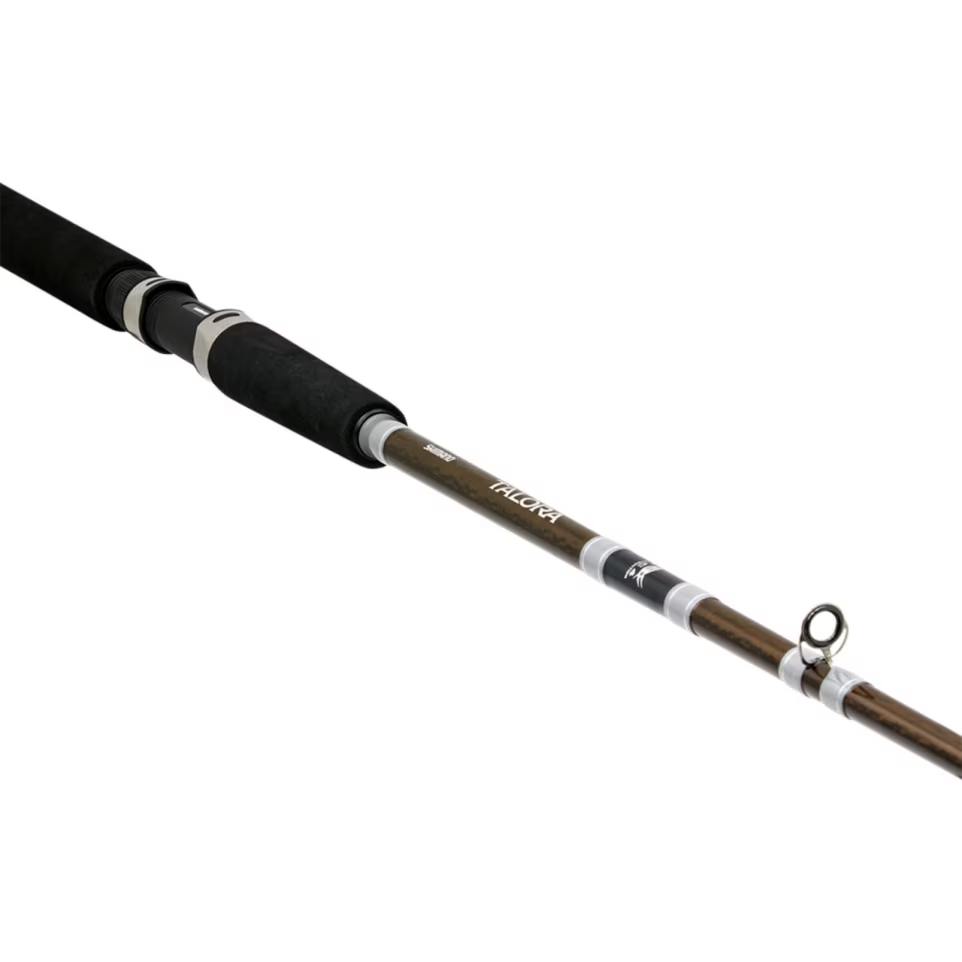
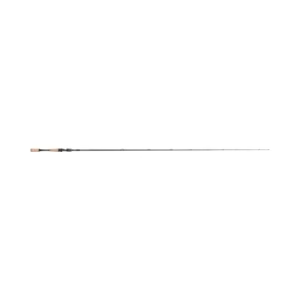
SHIMANO TALORA DOWNRIGGER ROD – Reliable Performance for Controlled Trolling

Discover a Better Trolling Experience
Successful trolling often depends on maintaining consistent lure depth, controlling line movement, and responding confidently when a fish strikes. The right fishing rod can help anglers manage these tasks while enjoying a more organized and rewarding experience on the water.
The Shimano Talora Downrigger Rod is designed for anglers exploring downrigger fishing and controlled-depth trolling techniques. Whether you are preparing for a freshwater fishing trip, targeting salmon, or working on a carefully planned trolling presentation, choosing equipment suited to your approach can make a meaningful difference.
Moreover, a dedicated downrigger setup helps create a more coordinated connection between the angler, fishing line, terminal tackle, and downrigger system. As a result, attention can remain focused on lure presentation, boat positioning, and the conditions that influence fish activity.
From experienced anglers refining their trolling methods to newcomers building their first specialized setup, selecting the right rod is an important step toward greater confidence on the water.
Why Choose a Dedicated Downrigger Fishing Rod?
Designed Around Controlled-Depth Fishing
Downrigger fishing allows anglers to present lures at selected depths with the help of a downrigger weight and release system. This approach can be particularly useful when fish are holding below the surface or when a consistent presentation is required throughout a trolling pass.
A suitable rod should complement the equipment used in this technique. Its action, power, length, line rating, and construction should be considered alongside the downrigger release, reel, and target species.
Furthermore, the correct setup can help make line management more predictable and keep the overall trolling arrangement organized. Although no rod can guarantee a catch, suitable equipment can support a more controlled and enjoyable fishing experience.
A Practical Choice for Dedicated Anglers
Specialized trolling equipment is valuable when fishing methods require a different approach from ordinary casting. Rather than selecting a rod solely by appearance, anglers should consider how it will perform within their complete fishing system.
For example, a downrigger setup may be used during extended trolling sessions, repeated passes through productive water, and presentations that require careful attention to depth. Therefore, comfort, appropriate rod specifications, and compatibility with the intended reel deserve careful consideration.
Key Product Benefits
- Purpose-oriented fishing setup: Suitable for anglers researching equipment for downrigger trolling.
- Controlled lure presentation: Complements techniques that rely on presenting baits or lures at selected depths.
- Versatile trolling applications: Can be considered for appropriate freshwater trolling setups, subject to the specific model specifications.
- Equipment compatibility: Should be matched with a suitable trolling reel, line, release system, and target species.
- Useful for planned fishing trips: Supports a dedicated approach to organizing trolling equipment.
- Options for different fishing preferences: The correct model can be selected according to rod length, power, action, and line rating.
How to Choose the Right Downrigger Setup
Match the Rod to Your Target Species
The species you intend to catch should influence your equipment selection. Salmon, trout, and other freshwater game fish can differ in size, fighting behavior, and preferred fishing conditions.
Consequently, it is important to check the manufacturer’s recommended line range and rod power before making a purchase. A setup intended for smaller fish may not be appropriate for larger, harder-fighting species.
Consider Rod Action and Power
Rod action describes how the blank bends under load, while power refers to its overall resistance to bending. Both characteristics influence how a rod responds during trolling and when pressure is applied to a fish.
However, the ideal combination depends on the specific model and fishing application. Always consult the product’s published specifications instead of assuming that every rod in a product family has the same characteristics.
Check Reel and Line Compatibility
A well-balanced trolling setup starts with compatible components. The reel should suit the rod’s intended use, while the selected fishing line should fall within the recommended range.
Additionally, the downrigger release and weight should be used according to the equipment manufacturer’s instructions. Proper adjustment helps keep the setup organized and reduces unnecessary complications during a fishing session.
Improve Your Time on the Water
Prepare for Consistent Trolling Presentations
Consistency is an important part of effective trolling. Boat speed, lure selection, line management, and depth all influence how a presentation moves through the water.
With a suitable rod and properly matched equipment, anglers can focus on these variables more efficiently. In addition, keeping tackle organized and checking connections before departure can help prevent avoidable interruptions.
Build a Setup That Suits Your Fishing Style
Every angler has different preferences. Some prioritize lightweight equipment for long sessions, while others focus on strength, durability, or compatibility with an existing reel collection.
For that reason, the best purchase should be based on your target species, fishing location, preferred techniques, and budget. Comparing the available model specifications will help you make an informed decision.
Product Specifications
Before purchasing, confirm the specifications for the exact model being offered.
- Brand: Shimano
- Product name: Talora Downrigger Rod
- Product category: Fishing rod
- Intended application: Downrigger trolling, subject to model specifications
- Rod length: Check the selected model
- Power: Check the manufacturer’s specification
- Action: Check the manufacturer’s specification
- Line rating: Check the manufacturer’s specification
- Construction and guides: Confirm from the exact product listing
- Reel compatibility: Verify against the rod’s specifications
- Package contents: Confirm with the seller
Find the Right Equipment for Your Next Trip
Choosing fishing equipment should be an informed decision rather than a guessing game. By reviewing rod specifications, considering your preferred trolling method, and matching the equipment to your target species, you can build a setup that supports your fishing goals.
Explore the available options, check compatibility with your existing tackle, and choose the configuration that best fits your needs.
Prepare your gear, plan your approach, and make every fishing trip count.
SHIMANO TALORA DOWNRIGGER ROD 2
Understanding Downrigger Trolling Techniques
Present Lures at the Desired Depth
Successful trolling often involves presenting a lure where fish are most likely to encounter it. However, fish location can change with water temperature, light levels, available forage, and seasonal conditions.
A downrigger system can help anglers position their presentations at selected depths. When the rod, reel, release mechanism, and fishing line are properly matched, the complete arrangement can be managed more effectively throughout a trolling session.
Furthermore, depth adjustments can be made as conditions change. By paying attention to sonar readings, underwater structure, and observed fish activity, anglers can refine their approach rather than relying on a single depth throughout the day.
Maintain a Consistent Trolling Approach
Boat speed can influence lure movement, line angle, and the way bait travels through the water. Therefore, it is helpful to maintain an appropriate speed for the selected lure and target species.
Nevertheless, the best speed will depend on the fishing conditions and the presentation being used. Changes in wind, current, water clarity, and boat direction may require adjustments.
A carefully selected trolling rod forms one part of this wider system. When combined with suitable terminal tackle and an appropriate reel, it can contribute to a more organized fishing arrangement.
Choosing Fishing Line for Your Setup
Understand Line Strength and Diameter
Fishing line should be selected according to the rod’s specifications, reel capacity, target species, and fishing environment. Line strength alone does not determine whether a setup will perform well.
For example, line diameter can affect water resistance and the amount of line held on a reel. In addition, knots, leader material, hooks, and release tension can influence the reliability of the entire arrangement.
Before rigging your equipment, check the recommended line range for the exact rod model. This is especially important when preparing for larger fish or fishing in areas where additional control may be required.
Consider Monofilament and Braided Line
Monofilament and braided fishing lines offer different characteristics. Monofilament provides stretch, which can help absorb sudden movements during a fight. Braided line generally offers a smaller diameter for a given breaking strength and less stretch, although its suitability depends on the application.
Consequently, your choice should reflect the rod’s recommendations, the release system being used, and your personal preferences. A suitable leader may also be required to accommodate the target species and fishing conditions.
Pairing the Rod With a Suitable Reel
Balance and Compatibility Matter
The reel is an important part of any trolling arrangement. A compatible model should provide appropriate line capacity, dependable drag performance, and practical handling for the intended fishing method.
However, compatibility should never be assumed from brand name alone. Check the rod’s specifications and confirm that the reel can be mounted securely and used comfortably.
A balanced combination can make equipment easier to manage during long sessions. Moreover, familiarizing yourself with the drag adjustment and line-release procedure before reaching the fishing location can help reduce confusion when a fish strikes.
Inspect Your Equipment Before Departure
A few simple checks can help prevent interruptions during a trip.
- Inspect the rod for visible damage before use.
- Confirm that the reel seat is secure.
- Check guides for damage or rough edges.
- Examine the line for wear, abrasion, or weakened sections.
- Test knots and leader connections.
- Verify the operation of the downrigger release.
- Confirm that all equipment is appropriate for the planned fishing conditions.
Although these steps require little time, they can help identify problems before the setup is placed under load.
Fishing Applications and Target Species
Freshwater Trolling
Freshwater trolling is used across lakes, reservoirs, and other suitable waterways. Depending on local conditions and the selected equipment, anglers may target trout, salmon, and other species that respond to moving presentations.
A dedicated downrigger arrangement can be useful when fish are holding at depths that are difficult to reach consistently with conventional surface presentations.
Even so, species, location, and tackle requirements should be considered before selecting a rod. Check local fishing regulations and any restrictions relating to bait, hooks, seasons, and permitted equipment.
Salmon Fishing
Salmon fishing can involve changing depths, varying water temperatures, and fish that respond differently as conditions evolve. A properly configured trolling setup can help anglers maintain a controlled presentation while covering productive water.
In addition, appropriate line selection and careful drag adjustment can support better management when a fish makes a sudden run.
The rod’s exact power and line rating should be matched to the intended salmon fishery. Not every model is suitable for every species, fish size, or trolling environment.
Lake and Reservoir Fishing
Large lakes and reservoirs can provide extensive opportunities for trolling. However, productive areas may change throughout the day as fish move between depths or follow available forage.
By combining a suitable rod with reliable depth information and consistent boat control, anglers can explore different sections of the water more systematically.
Preparation is equally important. Check weather conditions, plan your route, and make sure all required safety equipment is available before setting out.
Comfort and Equipment Management
Prepare for Extended Fishing Sessions
Trolling trips can involve long periods on the water, so equipment handling deserves consideration. Rod length, reel weight, mounting position, and access to other tackle can all influence comfort.
Therefore, think about how the rod will be positioned in your boat and how easily the reel can be reached during normal operation. An organized layout can make line management and equipment adjustments more convenient.
The most appropriate configuration will depend on your boat, available rod holders, fishing method, and the manufacturer’s recommendations.
Keep Your Fishing Area Organized
A well-organized fishing space allows anglers to concentrate on their presentation instead of searching for essential items.
Keep spare leaders, hooks, lures, tools, and other frequently used accessories in designated locations. Furthermore, make sure that loose line and equipment cannot interfere with boat controls or create a tripping hazard.
After the trip, rinse and store equipment according to the manufacturer’s care instructions, particularly when it has been exposed to salt, dirt, or repeated moisture.
Care and Maintenance for Long-Term Use
Clean the Rod After Fishing
Routine care helps preserve the condition of fishing equipment. After each trip, inspect the rod for dirt, debris, and signs of wear.
Where appropriate, wipe down the blank and handle with a soft cloth. If the equipment has been exposed to saltwater, follow the manufacturer’s cleaning recommendations to reduce salt residue.
Avoid harsh chemicals or cleaning methods that may damage the finish, handle materials, guides, or other components.
Store Equipment Correctly
Fishing rods should be stored where they are protected from unnecessary pressure, impact, and extreme environmental conditions.
Avoid placing heavy objects on top of the rod or leaving it in a position where it could be bent accidentally. When transporting the equipment, use a suitable protective case or storage arrangement if available.
Additionally, inspect the rod periodically, even during periods when it is not being used. Early identification of damage can help prevent equipment problems during a future trip.
Common Mistakes to Avoid When Selecting Trolling Gear
Choosing Equipment Without Checking Specifications
One common mistake is selecting a rod based on appearance or price alone. Although both may influence a purchase decision, they do not establish whether the equipment is appropriate for a particular application.
Instead, review the rod’s length, power, action, recommended line range, and intended use. These details should be compared with the reel, line, and target species.
Ignoring the Complete Fishing System
A rod cannot compensate for every weakness elsewhere in the setup. Poor knots, unsuitable line, an incorrectly adjusted release, or an incompatible reel can affect the fishing experience.
For that reason, each component should be selected and maintained as part of a complete system. Proper setup and responsible use remain essential, regardless of the equipment chosen.
Neglecting Local Conditions
Water depth, current, weather, boat configuration, and local regulations can all affect the suitability of a trolling setup.
Before fishing, research the intended location and confirm which methods and equipment are permitted. This preparation can help you choose more appropriate tackle and enjoy a safer, more responsible outing.
What to Consider Before Purchasing
Before adding this product to your fishing collection, consider the following questions:
- Does the rod’s intended application match your preferred trolling technique?
- Is the available length suitable for your boat and rod-holder arrangement?
- Does the power rating match your target species?
- Is the recommended line range compatible with your existing reel?
- Are the rod’s guides, handle, and other features suitable for your needs?
- Does the seller provide clear information about the exact model?
- Are warranty coverage, shipping terms, and return conditions available for review?
By addressing these questions, you can make a more confident purchasing decision and reduce the likelihood of selecting unsuitable equipment.
Frequently Asked Questions
What is a downrigger fishing rod used for?
A downrigger fishing rod is intended for use in trolling systems where a downrigger helps position a fishing presentation at a selected depth. The appropriate rod depends on the model’s specifications and the intended fishing application.
Can this type of rod be used for salmon fishing?
Some downrigger rods are suitable for salmon trolling. However, suitability should be confirmed by checking the exact model’s power, line rating, and intended use against the requirements of your target fishery.
Which reel should be paired with this rod?
Choose a reel that fits the rod securely and meets the requirements of your fishing method. Line capacity, drag performance, balance, and the manufacturer’s recommendations should all be considered.
Is the rod suitable for beginners?
Anglers who are new to trolling can benefit from learning how to assemble and operate a compatible setup. Before purchasing, beginners should verify the model specifications and seek guidance on safe downrigger operation.
How should the rod be maintained?
Inspect it regularly, clean it according to the manufacturer’s instructions, protect it during transport, and store it where it will not be subjected to unnecessary pressure or impact.
Can it be used in saltwater?
Saltwater suitability should not be assumed. Confirm the manufacturer’s guidance for the exact model, including the recommended care routine and any restrictions on its intended environment.
How can I choose the correct rod length?
Consider your boat layout, available rod holders, trolling technique, and the manufacturer’s available model options. The most suitable length is the one that fits your intended application and equipment configuration.
Final Thoughts: Prepare for Your Next Trolling Adventure
Selecting the right fishing equipment begins with understanding your goals. Whether you are refining a salmon trolling setup, exploring controlled-depth presentations, or upgrading your existing tackle, careful product selection can help you prepare more effectively.
Compare the available specifications, confirm compatibility with your existing gear, and consider the conditions in which you intend to fish. With thoughtful preparation and responsible equipment care, you can make better-informed choices for future trips.
Explore the available product details and select the configuration that best matches your fishing plans. Your next outing starts with equipment chosen for the right reasons.
Premium Fishing Rods, Reels, Lures, and Tackle: The Complete Fishing Equipment Collection
Discover Quality Fishing Gear for Every Adventure
The right fishing equipment can make every trip more productive, comfortable, and enjoyable. Whether you are preparing for a surf fishing session, planning an offshore expedition, targeting striped bass along the coast, or exploring freshwater lakes and rivers, choosing dependable tackle is an important part of the experience.
Our fishing tackle collection brings together a wide variety of fishing rods, spinning reels, baitcasting reels, electric reels, fishing lines, terminal tackle, lures, and essential accessories. From beginner-friendly setups to specialized equipment for experienced anglers, there are options for different fishing techniques, environments, and budgets.
Furthermore, selecting the correct combination of rod power, reel capacity, line strength, and lure weight can improve casting accuracy, presentation, and control. Consequently, anglers can build a setup that matches their preferred fishing style rather than relying on equipment that may not suit their needs.
Explore products and equipment associated with trusted names such as Shimano, Daiwa, Penn, Accurate, Avet, St. Croix, G. Loomis, Phenix, Tsunami, Costa, Mustad, VMC, and PowerPro. Each category serves a different purpose, allowing you to compare available designs and choose the equipment that best supports your next fishing adventure.
Explore Our Fishing Equipment Collection
Fishing Rods for Freshwater, Saltwater, and Surf Fishing
A fishing rod should be selected according to the species being targeted, the fishing environment, the weight of the lures or sinkers being used, and the preferred presentation. For example, a lightweight inshore rod may be suitable for casting artificial lures around shorelines, while a longer surf rod may be better suited to casting beyond breaking waves.
The St. Croix Premier Series spinning rod is a useful reference for anglers comparing traditional spinning setups. Likewise, a St. Croix Premier casting rod may appeal to anglers who prefer baitcasting equipment and greater control over their lure presentation.
Other options worth exploring include a St. Croix fishing rod, a G. Loomis rod, a G. Loomis rod and reel setup, and a Phenix rod. Each model should be compared according to its specifications, intended application, power, action, and lure rating.
For coastal and specialized applications, anglers can also investigate the following categories:
- Surf fishing rods for beaches, sandy shorelines, and open coastal water.
- Inshore rods for targeting fish around bays, estuaries, docks, and marshes.
- Casting rods for baitcasting reels and controlled lure presentations.
- Spinning rods for versatile fishing applications.
- Slow-pitch jigging rods for presenting metal jigs with controlled movements.
- Boat rods for fishing from boats and offshore platforms.
- Specialized wire-line rods for compatible trolling applications.
- Electric reel-compatible rods for deep-drop fishing when the rod and reel specifications are matched.
Surf Fishing Rods and Beach Fishing Equipment
Surf fishing requires equipment that can handle repeated casting, changing weather, and the demands of fishing from exposed shorelines. A fishing rod for beach fishing should be selected according to the distance required, the weight of the rig, the surf conditions, and the size of the fish being targeted.
Longer rods are often used when additional casting distance or line control is needed. However, a longer rod is not automatically the best choice for every angler. Casting technique, rod action, sinker weight, and personal comfort also influence performance.
When comparing surf fishing spinning rods, consider blank construction, guide design, handle length, reel-seat compatibility, and the recommended casting range. Similarly, surf fishing poles should be assessed according to whether they are intended for light bait fishing, heavier sinker rigs, or artificial lure presentations.
Popular categories to explore include the Tsunami Tidal Pro, Century Slingshot, and other surf-oriented rod designs. Availability and exact specifications should be checked for each model before purchasing.
A suitable surf setup may also include:
- A compatible spinning reel with sufficient line capacity.
- Abrasion-resistant leader material.
- PowerPro fishing braid or another suitable main line.
- Bank sinkers matched to the surf conditions.
- A durable surf bag for carrying tackle.
- Weather-appropriate clothing and protective accessories.
Tsunami and Specialized Inshore Rods
Inshore anglers often need equipment that balances sensitivity, casting control, and the strength required to manage fish around structure. A Tsunami slow pitch jigging rod is designed for a specialized jigging technique, while a Tsunami SeaTech spinning rod can be considered by anglers comparing spinning-rod options for their intended application.
The Tsunami Tidal Pro and Dark Matter inshore rods are additional names that may be relevant when comparing coastal fishing equipment.
For anglers exploring the Mojo Inshore range, rod length, power, action, and lure ratings should be reviewed before a model is selected. The same approach applies to other specialized rods, including an Ocea rod, a Shimano Poison Adrena B casting rod, and models intended for specific baitcasting or jigging applications.
Choosing the right rod is not simply a matter of selecting the most expensive option. Instead, the best match depends on the fish being pursued, the available fishing locations, and the techniques that will be used most frequently.
Premium Fishing Reels for Every Technique
Spinning Reels for Versatile Fishing
Spinning reels remain a popular choice because they can accommodate a broad range of fishing techniques. They are used for casting artificial lures, presenting natural bait, fishing from shore, and targeting fish from boats.
When comparing spinning reels, examine the gear ratio, maximum drag specification, spool capacity, retrieve direction, weight, and recommended line range. Saltwater anglers should also pay attention to the manufacturer’s maintenance instructions and the reel’s suitability for exposure to salt and moisture.
The Shimano Vanford 2500 is a model anglers may consider when evaluating lightweight spinning reel options. The Shimano Stella 4000 is another product to compare when looking for a premium spinning reel, while the Shimano Stradic spinning reel offers a separate option for anglers assessing versatile spinning equipment.
Additional reel categories and models include:
- Stradic spinning reel: A versatile category to consider for everyday fishing applications.
- Stradic: Compare the exact generation and size to ensure compatibility with your rod and fishing technique.
- Shimano 5000 spinning reel: A size category that may suit heavier applications, depending on the specific model.
- Penn 1000 spinning reel: A smaller reel-size category for appropriate light-tackle applications.
- Penn 4000 spinning reel: A versatile size category that can suit various inshore and general-purpose setups.
- Penn Clash 5000: A model to investigate when comparing larger spinning reels.
- Daiwa Saltiga 4000: An option to evaluate for demanding saltwater applications.
- Daiwa Exist 5000: A reel model to compare according to its intended use and specifications.
- Tsunami Shield spinning reel: A model to consider for compatible saltwater fishing applications.
- Tsunami Shield II spinning reel: A related option to investigate when comparing reel designs.
- Penn saltwater spinning reels: A broader category for anglers seeking reels designed for marine fishing.
- Quantum spin reel: An additional category to explore when comparing spinning equipment.
Shimano Baitcasting Reels and Precision Casting Equipment
Baitcasting reels are frequently chosen for applications where anglers want direct spool control, precise lure placement, and a setup matched to particular casting techniques. However, they require appropriate settings and casting practice to minimize spool overrun and backlash.
A bait casting reel should be evaluated according to braking adjustments, spool design, gear ratio, retrieve direction, line capacity, and compatibility with the intended rod.
The Shimano Curado 300K CU300K is a model to investigate when comparing larger baitcasting reel options. Similarly, the Shimano Calcutta Conquest MD 301XGLH left-hand baitcast model may interest anglers seeking a specialized baitcasting setup with a left-hand retrieve configuration.
Other relevant choices include Shimano baitcasting reels, TranX reels, and the Accurate Tern 400. Each model should be evaluated using its own specifications rather than assumed to have identical capabilities.
Anglers may also compare:
- Penn Fathom 300 for its intended conventional reel applications.
- Penn Fathom 2 Speed for fishing techniques that benefit from selectable gear ratios.
- Penn Fathom 2 Lever Drag for anglers evaluating lever-drag conventional reel designs.
- Penn Jigmaster 500L for conventional reel comparisons.
- Penn Jigmaster as a broader model family to investigate.
- Penn Torque for anglers comparing premium conventional reel options.
- Avet SX G2 for those interested in compact conventional reel designs.
- Avet reels official website as a useful search phrase for locating manufacturer information and checking current product specifications.
Before purchasing a baitcaster or conventional reel, confirm that its line capacity, drag range, gear ratio, and intended application align with your fishing plans.
Electric Reels for Deep-Drop Fishing
Electric reels are designed to assist with line retrieval in applications where long drops, heavy rigs, or repeated retrieves may be demanding. They are particularly relevant to certain offshore and deep-water fishing techniques.
When researching Shimano electric reels, compare the available models according to line capacity, retrieval speed, power requirements, drag specifications, and manufacturer-approved applications.
The broader category of electric reel fishing includes a variety of setups, from specialized deep-drop equipment to other powered retrieval systems. A deep drop electric reel should be selected according to the depth, rig weight, target species, and boat configuration.
Rod compatibility is especially important. An electric reel must be paired with a rod designed to handle the anticipated load, while the electrical supply and connections should follow the manufacturer’s instructions.
Understanding Different Types of Fishing Reels
For anglers wondering what is fishing reel equipment and how it works, a fishing reel is a device used to store, release, retrieve, and control fishing line. Its design affects casting, line management, drag performance, and the way a fish can be played.
The main types of fishing reel include spinning reels, baitcasting reels, conventional reels, fly reels, and electric reels. Although these categories can overlap in certain specialized applications, each serves different fishing needs.
When researching different type of reels, consider the following:
- Spinning reels are commonly selected for versatile casting applications.
- Baitcasting reels offer spool control for suitable casting techniques.
- Conventional reels are often used for boat fishing, trolling, and heavier presentations.
- Fly reels are designed for fly-fishing line systems.
- Electric reels assist retrieval in appropriate deep-water applications.
Understanding these distinctions makes it easier to compare equipment and avoid purchasing a reel that does not suit your preferred technique.
Fishing Line, Braid, and Leader Materials
PowerPro Fishing Line and Braided Fishing Line
Fishing line plays an important role in casting, sensitivity, abrasion management, and the transfer of pressure during a fight. The correct line depends on the reel, rod, fishing environment, target species, and selected rig.
Power Pro fishing line is a useful search term for anglers exploring braided fishing line. Likewise, Power Pro fishing braid refers to the broader product category anglers may compare when choosing a braided main line.
Braided lines are commonly valued for their relatively small diameter for a given rated strength and their sensitivity. Nevertheless, abrasion resistance varies according to the line construction, diameter, coating, and contact conditions. Knots, guides, leaders, and spool capacity should all be considered.
When selecting braided fishing line, compare:
- Rated breaking strength and line diameter.
- Spool length and compatibility with reel capacity.
- Color options appropriate to your fishing conditions.
- Knot requirements and leader compatibility.
- The manufacturer’s recommendations for loading and maintenance.
Braided line is not automatically the best choice for every fishing application. Monofilament and fluorocarbon materials may be more appropriate in some circumstances.
Ande Premium Monofilament Leader and Momoi Diamond Mono
Leader material is often selected according to abrasion exposure, water conditions, bait presentation, and the teeth or structure associated with the target species.
Ande Premium Monofilament Leader is a product phrase to consider when comparing monofilament leader options. Momoi Diamond Mono is another name anglers may investigate when reviewing monofilament fishing line.
A monofilament leader may provide stretch and can be suitable for many bait and lure presentations. However, leader diameter and strength should be selected according to the expected load, knot performance, and fishing environment.
For surf fishing, inshore fishing, and boat fishing, make sure the leader is compatible with the main line and the intended terminal tackle.
Fishing Lures for Striped Bass and Coastal Predators
Choosing the Best Lures for Striped Bass
Striped bass fishing can involve a range of presentations, from swimming plugs and soft plastics to bucktails, metal jigs, and surface lures. The most suitable lure depends on water temperature, depth, current, forage, visibility, and the behavior of the fish.
Anglers searching for the best lures for striped bass should consider how a lure will move through the water, how deeply it will run, and whether its profile resembles available forage.
The term fishing lures for striped bass covers several useful categories:
- Swimmers for covering water and presenting a moving baitfish profile.
- Soft plastics for flexible presentations and different retrieval speeds.
- Bucktail jigs for adaptable presentations around current and structure.
- Metal jigs for casting distance and vertical applications.
- Surface lures for suitable conditions when fish feed near the top.
- Paddle-tail swimbaits for movement and vibration during retrieval.
Little Neck Swimmer and Other Hard Baits
The Little Neck Swimmer is a product name anglers may investigate when comparing swimming plugs. Swimmers can be selected according to their size, running depth, action, buoyancy, and intended retrieval speed.
Other lure names worth researching include Yo-Zuri-style swimming plugs, Blue Fox lures, and the Kastmaster fishing lures category. The correct choice depends on the conditions and target species rather than brand recognition alone.
Soft Plastics, Shads, and PowerBait
Soft plastics provide flexibility in profile, size, color, and action. They can be rigged with different jig heads, hooks, or weighted systems to suit the fishing depth and current.
The Wild Eye Shad is a product phrase associated with shad-style lure searches. PowerBaits is another useful search term when comparing soft bait products, while Vudu Lures may be relevant to anglers exploring artificial bait options.
The phrase NLBN 5 inch straight tail can be used when researching straight-tail soft plastics. Before purchasing, confirm the actual length, package contents, recommended hook size, and intended rigging method.
Shimano Butterfly Flat Fall Jig and Specialized Jigs
Jigs can be used in a range of environments, including open water, reefs, and offshore fishing grounds. A jig’s weight and shape influence how quickly it sinks and how it responds to angler movements.
The Shimano Butterfly Flat Fall Jig is a model to investigate when comparing metal jigging lures. For slow-pitch applications, pair a suitable jig with a compatible rod, reel, and line system.
Other useful tackle categories include Mustad hooks and accessories, VMC terminal tackle, and specialized rigging components. Always check the exact product model and specifications before ordering.
Terminal Tackle, Sinkers, and Rigging Accessories
Terminal tackle can influence bait presentation, casting performance, and the way a rig behaves in current or around structure.
Sinkers and Weighted Rigs
A bank sinker is a common tackle category used in various bait-fishing applications. Sinkers should be selected according to current, depth, casting needs, bottom conditions, and rod casting ratings.
A no snagg sinker search may help anglers explore sinker designs intended to reduce snagging in certain conditions. Actual performance depends on the shape, bottom structure, rig arrangement, and retrieval method.
For soft-plastic fishing, a VMC Half Moon Wacky Weight is a product phrase to investigate when comparing weighted rigging accessories. Confirm its intended application and compatibility with the bait and hook being used.
Cajun Thunder Popping Cork
A Cajun Thunder popping cork can be considered by anglers who use suspended bait or soft-plastic presentations in suitable inshore environments. Popping corks can create sound and surface disturbance while helping keep bait at a selected depth.
Rigging choices should be adapted to local conditions, target species, leader length, and bait presentation. The appropriate setup will vary according to water depth and current.
Winthrop Butt and Boat-Fishing Accessories
A Winthrop butt is a phrase associated with specialized rod components that may be relevant to anglers researching offshore and conventional tackle. Before choosing any rod butt or fighting component, verify its fit, dimensions, intended rod system, and manufacturer specifications.
Other accessories may include reel seats, rod holders, fighting components, replacement parts, and compatible boat-fishing equipment.
Fishing Accessories for Comfort and Organization
Surf Bag and Surf Fishing Storage
A well-organized tackle bag can help anglers transport essential gear while keeping terminal tackle, lures, leaders, and tools accessible.
A surf bag can be useful when fishing along beaches, jetties, and other shorelines. Similarly, surf bag fishing searches may help identify storage systems designed for carrying plugs, weights, and rigging accessories.
When comparing bags, review their dimensions, storage compartments, closure design, material, drainage, and resistance to saltwater exposure. Capacity should be balanced against comfort, especially when long walks along the beach are involved.
A bucktail pouch may also be useful for anglers who want to organize bucktail jigs and related accessories. Select a storage solution that keeps hooks protected and makes tackle easy to identify.
Costa Polarized Sunglasses and Eye Protection
Polarized sunglasses can reduce certain types of reflected glare from the water, potentially making it more comfortable to observe the surface and surrounding environment. However, visibility depends on light, water conditions, lens properties, and viewing angle.
Costa polarized sunglasses are a relevant search phrase for anglers comparing fishing eyewear. Costa Cut sunglasses is another product phrase to investigate when reviewing available frames and lens options.
When choosing sunglasses, compare lens color, polarization, fit, coverage, frame construction, and the manufacturer’s stated UV protection. The best lens depends on lighting and personal preference.
An adjustable eyewear retainer can help keep sunglasses secure during casting, boat travel, and other outdoor activities. A properly fitted retainer is particularly useful when movement and wind may cause eyewear to shift.
Neoprene Fishing Gloves and Boat Boots
Comfort and protection matter during long fishing sessions, especially in cold, wet, or exposed environments.
Neoprene fishing gloves may help provide insulation and a more secure grip in suitable conditions. However, glove thickness can affect dexterity, so anglers should consider whether they need sensitivity for tying knots, handling hooks, or adjusting small tackle components.
Boat boots can also be considered when preparing for wet decks and changing weather. Compare fit, traction, water resistance, insulation, and compatibility with the surfaces where they will be worn.
Fishing accessories should support safety and comfort without interfering with equipment handling.
Fishing Equipment for New York and Coastal Anglers
Anglers searching for fishing equipment NYC may be comparing tackle for beaches, piers, boats, rivers, and coastal waterways around New York. The correct equipment depends on the specific location, access rules, target species, and fishing technique.
A versatile coastal tackle collection may include:
- Surf rods and suitable spinning reels.
- Braided main line and appropriate leader material.
- Swimmers, soft plastics, bucktails, and metal jigs.
- Sinkers and terminal tackle for natural-bait rigs.
- Polarized sunglasses and protective clothing.
- A practical surf bag or tackle storage system.
- Spare hooks, leaders, and basic maintenance accessories.
Before fishing, check local regulations, seasonal restrictions, licensing requirements, and site-specific access rules. These can change according to location and target species.
Comparing Fishing Brands and Equipment
Shimano and Daiwa
Shimano equipment spans spinning reels, baitcasting reels, conventional reels, rods, and specialized fishing systems. Product names such as Shimano Vanford 2500, Shimano Stella 4000, Shimano Curado 300K CU300K, and Shimano Calcutta Conquest MD 301XGLH left handle baitcast represent different categories and should be evaluated according to their individual specifications.
The phrase Exsence may also be useful when researching Shimano fishing equipment associated with specialized applications. Product generation, regional availability, and exact model designation should be checked before ordering.
Daiwa Japan is a search phrase anglers may use to explore Daiwa products and manufacturer information. Models such as the Daiwa Exist 5000 and Daiwa Saltiga 4000 should be compared according to their intended applications, drag systems, line capacity, and other published specifications.
Penn, Accurate, and Avet
Penn products cover a range of spinning and conventional fishing equipment. Anglers can compare Penn saltwater spinning reels with conventional models such as the Penn Fathom 2 Speed, Penn Fathom 2 Lever Drag, Penn Torque, and Penn Jigmaster 500L.
The Accurate Tern 400 is another model to research when comparing conventional reels. Specifications should be checked carefully because reel sizes, gear ratios, and retrieve configurations can differ across a product family.
The Avet SX G2 is a further model worth comparing for appropriate conventional fishing applications. When researching the Avet reels official website, use the manufacturer’s product information to confirm current model details and compatibility.
St. Croix, G. Loomis, Phenix, and Tsunami
Rod selection involves more than brand preference. Blank construction, length, action, power, handle configuration, guide design, and lure ratings can all affect suitability.
The St. Croix fishing rod, St. Croix Premier Series spinning rod, and St. Croix Premier casting rod are useful phrases when comparing spinning and casting equipment.
Anglers can also research a G. Loomis rod, a G. Loomis rod and reel setup, and a Phenix rod according to their intended fishing techniques.
For specialized applications, the Tsunami slow pitch jigging rod, Tsunami SeaTech spinning rod, Tsunami Tidal Pro, and Mojo Inshore product categories may provide additional options for comparison.
Costa, Mustad, VMC, and Other Tackle Brands
A complete tackle setup includes more than a rod and reel. Hooks, line, lures, sinkers, sunglasses, storage bags, and protective accessories also contribute to a practical fishing kit.
Anglers can explore Costa Cut sunglasses, Mustad hooks, VMC Half Moon Wacky Weight products, PowerPro fishing braid, and other compatible accessories to complete their equipment selection.
The goal is to build a balanced system in which every component is appropriate for the technique, location, and target species.
How to Choose the Right Fishing Rod and Reel
Consider Your Fishing Environment
Start by identifying where you will fish most frequently. Freshwater lakes, rivers, beaches, estuaries, piers, and offshore waters can require different equipment.
For example, a light inshore spinning setup may be suitable for smaller artificial lures, while heavier surf equipment may be necessary for casting larger sinkers and bait into moving water.
Match Rod Power and Action
Rod power describes its general resistance to bending under load, while action describes where the rod tends to bend. Both characteristics influence lure control, casting, hook setting, and fish-fighting performance.
Always review the manufacturer’s specifications. A rod should be matched to the weight of the lure or rig rather than selected by length alone.
Match Reel Size to the Rod
The reel should balance comfortably with the rod and accommodate the intended fishing line. A reel that is too small may not provide the required line capacity, while an unnecessarily large reel may increase weight and fatigue.
When comparing a Shimano Stella 4000, Penn 4000 spinning reel, or other similarly categorized models, examine the actual line capacity and specifications rather than assuming all reels with the same size designation are equivalent.
Choose the Right Line and Leader
Line selection should be based on the expected load, casting requirements, cover, and abrasion exposure. Braided line may provide sensitivity and useful line capacity, while monofilament can offer stretch and other characteristics that suit particular presentations.
Leader material should be compatible with the main line and the terminal tackle. Knots should be tied correctly and inspected regularly.
Review the Total Setup
A balanced setup combines the rod, reel, line, leader, lure or bait rig, and accessories. Before purchasing, verify that each component is appropriate for the others.
This process can help reduce unnecessary spending and make equipment selection more straightforward.
Fishing Rod Length Chart: Understanding Rod Dimensions
A fishing rod length chart can help compare rod sizes and intended applications. However, no single chart can determine the perfect rod for every angler because casting ability, lure weight, shoreline access, and target species vary.
| Rod category | Common considerations |
|---|---|
| Short spinning rods | Compact environments and close-range presentations |
| Medium-length spinning rods | General-purpose freshwater and inshore fishing |
| Long surf rods | Beach casting, line control, and suitable surf rigs |
| Casting rods | Baitcasting reel compatibility and lure control |
| Slow-pitch jigging rods | Controlled jig movement and vertical presentations |
| Boat rods | Boat-based bait fishing, trolling, or other specified applications |
| Electric reel rods | Compatibility with powered retrieval systems and expected loads |
These descriptions are general guidance rather than universal length specifications. Always check the individual rod’s published length, power, action, line rating, and lure rating.
Specialized Tackle and Additional Search Categories
Anglers researching specialized products may encounter terms that describe particular components, techniques, or equipment families. Each should be checked against the manufacturer’s documentation to ensure that the product matches the intended application.
Additional Rod and Reel Searches
Useful product searches include Shimano baitcasting reels, Penn saltwater spinning reels, Quantum spin reel, Penn Fathom 300, Penn Clash 5000, Daiwa Saltiga 4000, and Accurate Tern 400.
For specialized fishing, anglers may also investigate ocean reels, wire rods, deep drop electric reel systems, and conventional reel configurations. The correct selection depends on the rod, rig, fishing depth, and expected load.
Additional Lure and Accessory Searches
Further categories include Nomad Squidtrex fishing lures, Godeep fishing products, carlson spreader bar equipment, and hal lock tackle components. Exact product names and spelling should be verified before creating product listings or placing orders.
The phrase Megalodon fishing may also be useful for researching fishing-related products or content, depending on the intended brand or product context.
For anglers interested in fishing apparel, G Loomis hats may be another relevant accessory search. As with all branded merchandise, confirm the precise product, seller, and availability before purchasing.
Baitcasting, Conventional, and Specialized Reel Deals
Shoppers looking for baitcaster clearance or spinning reel deals should compare more than the advertised price. Consider the reel’s condition, warranty, generation, included accessories, return policy, and suitability for the intended technique.
A lower price is only useful when the product matches the fishing application and meets the buyer’s requirements. Verify the exact model number and retrieve configuration, especially when choosing specialized conventional reels or left-hand baitcasting models.
Fishing Equipment Maintenance and Care
Proper maintenance can help preserve fishing equipment and support consistent performance. Saltwater anglers should pay particular attention to manufacturer-approved cleaning and storage procedures.
After Saltwater Fishing
Rinse equipment according to the manufacturer’s instructions, avoiding excessive water pressure and practices that may force moisture into bearings or internal mechanisms. Dry the gear thoroughly before storage.
Inspect Fishing Line
Check line for abrasion, fraying, discoloration, and other signs of damage. Replace compromised sections and inspect leaders, knots, hooks, and terminal tackle before each trip.
Store Rods and Reels Correctly
Store rods in a protected location where they will not be bent, crushed, or exposed to unnecessary heat. Reels should be kept clean and dry, with maintenance performed according to the relevant service guidance.
Protect Lures and Accessories
Separate sharp hooks, organize sinkers, and keep small components in appropriate storage compartments. A well-organized surf bag or tackle box makes it easier to identify missing items and prepare for future trips.
Build Your Fishing Setup with Confidence
Choosing fishing equipment becomes easier when the intended application is clear. Start with the fishing environment and target species, then select the rod, reel, line, and terminal tackle that work together.
Whether you are researching a Shimano Vanford 2500, a Shimano Stella 4000, a Penn Fathom 2 Speed, an Accurate Tern 400, a St. Croix Premier Series spinning rod, or a Tsunami slow-pitch jigging rod, compare current specifications and intended uses before making your decision.
For surf anglers, a suitable surf rod, reliable reel, appropriate leader, and practical tackle storage can form the foundation of a useful setup. For inshore anglers, rod sensitivity, lure control, and line management may be especially important. Offshore anglers may need specialized conventional reels, suitable boat rods, or electric reel systems for particular techniques.
Explore the available fishing rods, reels, lures, lines, and accessories to find equipment that fits your experience, preferences, and budget.
Choose compatible gear, prepare carefully, and make every fishing trip an opportunity to improve your skills.
Additional information
| MODEL/LENGTH | TLA70MLA — 7'0", TLAF70MA — 7'0", TLA80ML2A — 8'0", TLA80M2A — 8'0", TLA86M2A — 8'6", TLA86MH2A — 8'6" |
|---|
Related products
-
SHIMANO INTENZA CASTING A ROD
€156.02Select options This product has multiple variants. The options may be chosen on the product page -
SHIMANO CURADO CASTING ROD
€182.03Select options This product has multiple variants. The options may be chosen on the product page -
SHIMANO POISON GLORIOUS CASTING ROD
Price range: €468.08 through €494.09Select options This product has multiple variants. The options may be chosen on the product page
Reviews
There are no reviews yet.