
We Deliver Directly To Your Door
Description
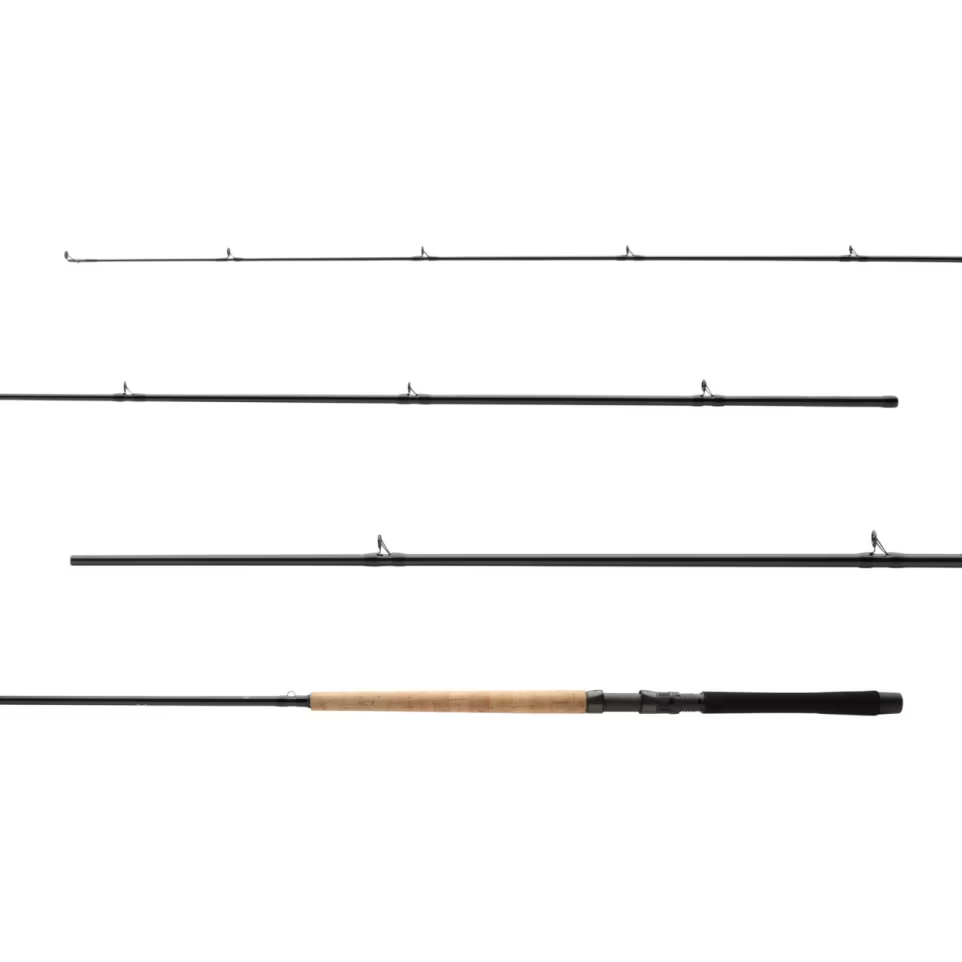
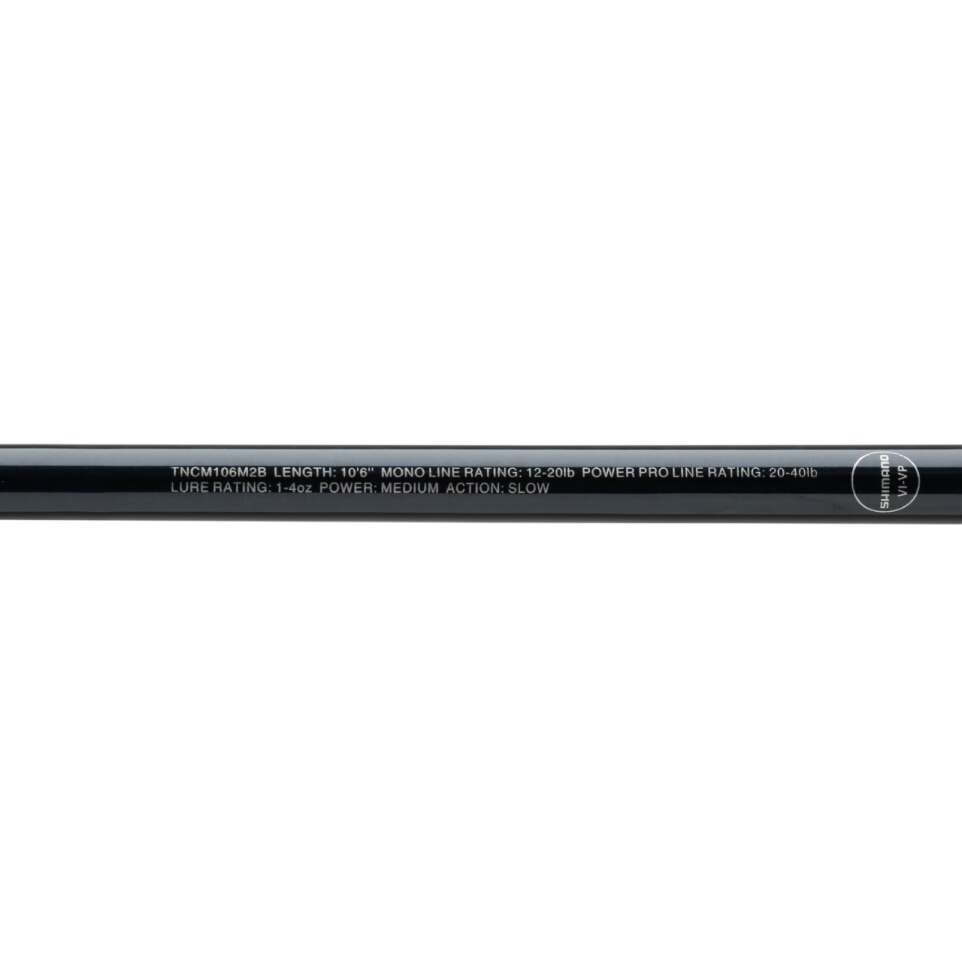
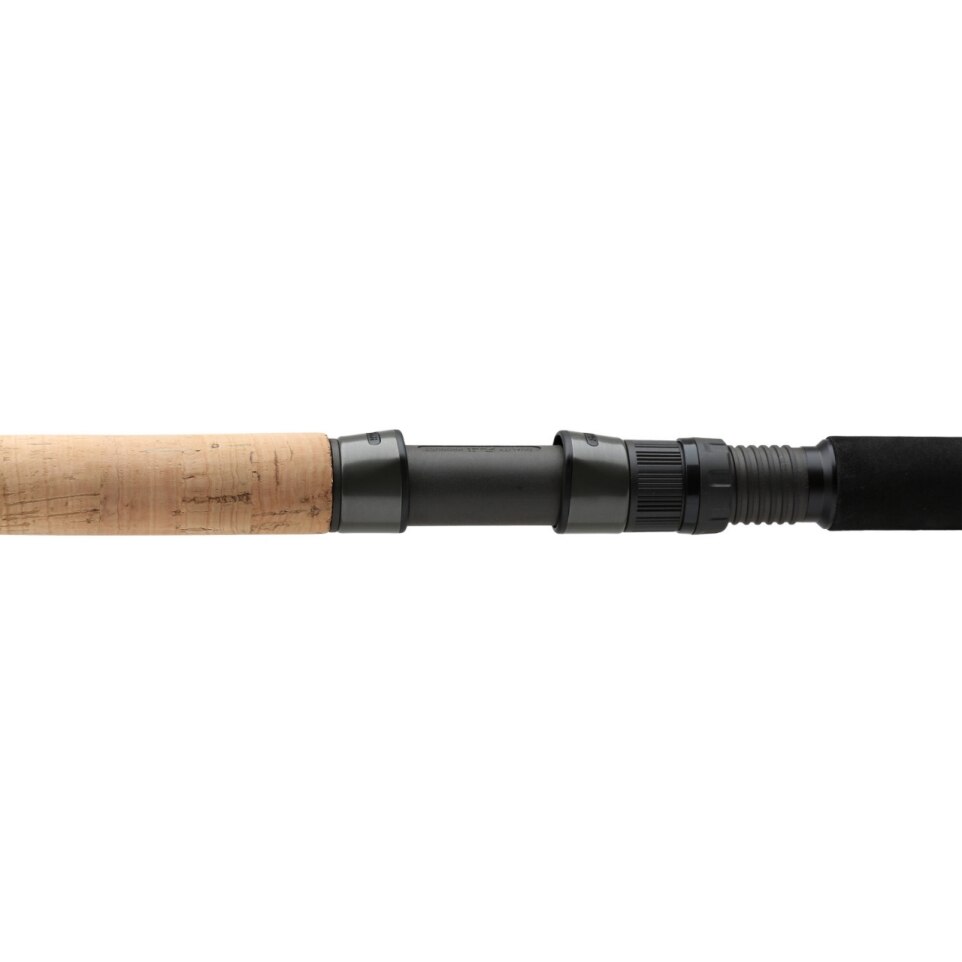
SHIMANO TECHNIUM MOOCHING B SALMON STEELHEAD ROD
Built for Refined Salmon and Steelhead Fishing
A dependable rod can make a meaningful difference when every drift, presentation, and controlled fight matters. For anglers who enjoy the technical side of salmon and steelhead fishing, a carefully designed mooching rod is valued for its balance, responsiveness, and ability to provide controlled pressure throughout a fight.
The SHIMANO TECHNIUM MOOCHING B SALMON STEELHEAD ROD has been designed for anglers who appreciate a deliberate and controlled approach to fishing. Its purpose is not simply to provide strength. Instead, a balanced combination of sensitivity, handling, and fish-fighting performance is provided so that greater control can be maintained from the first presentation through the final landing.
Mooching is a specialized fishing technique. Therefore, equipment used for it must be capable of supporting precise presentations while also providing enough control when powerful salmon or steelhead begin to run. A rod that feels balanced in the hand can make long sessions more comfortable. Likewise, a responsive blank can help subtle changes in pressure and movement be detected.
For that reason, this rod can be considered by anglers who want their equipment to complement an intentional fishing style rather than overpower it.
Designed Around the Mooching Experience
Mooching is often associated with patience, awareness, and controlled movement. Unlike techniques that depend heavily on aggressive casting or rapid retrieval, a mooching setup is frequently used with a more measured approach.
Consequently, the rod becomes an important part of the overall system.
The blank needs to respond smoothly. The handle needs to remain comfortable during extended use. The reel connection needs to feel secure. Furthermore, the entire setup should work together without creating unnecessary fatigue.
The design philosophy behind this series is centered around those requirements.
Rather than being created solely around maximum power, the rod is intended to provide a controlled connection between angler and fish. That connection becomes particularly valuable when salmon or steelhead change direction unexpectedly.
Because fighting a powerful fish can involve repeated surges, sudden runs, and changes in pressure, controlled rod loading can be highly beneficial.
A Salmon and Steelhead Rod for Technical Anglers
Salmon and steelhead are respected for their strength and fighting ability. However, their appeal goes beyond their size or power.
Their behavior can make the fishing experience highly technical.
A successful presentation may require attention to depth, current movement, bait positioning, line control, and subtle changes in the water. Therefore, equipment that allows those details to be managed efficiently can add considerably to the experience.
This rod has been created with that style of fishing in mind.
The result is an option for anglers who want equipment that feels purposeful rather than excessive. The rod can be incorporated into a dedicated mooching setup, while its overall characteristics can also appeal to experienced salmon and steelhead anglers who value controlled presentations.
Key Features at a Glance
- Specialized mooching design
- Suitable for salmon and steelhead applications
- Responsive blank construction
- Controlled fish-fighting characteristics
- Balanced handling for extended sessions
- Designed for deliberate presentations
- Well suited to experienced anglers
- Built around precision and control
- Comfortable for technical fishing approaches
- Designed to complement dedicated mooching setups
Controlled Power When It Matters
Power is important when targeting salmon and steelhead. However, useful power is not necessarily the same as maximum stiffness.
A rod that loads progressively can help pressure be applied more smoothly. As a result, sudden changes in force can be managed more effectively during a fight.
This characteristic can be especially useful when a fish makes a powerful run.
Instead of forcing the angler to rely entirely on the reel and drag system, the rod can contribute to maintaining consistent pressure. Furthermore, a responsive blank can help absorb some of the sudden movements generated by a fighting fish.
That balance between control and strength is particularly valuable during longer battles.
Sensitivity for Better Awareness
Sensitivity is another important consideration for technical fishing.
Subtle changes can occur during a presentation. Line movement can change. Current pressure can shift. A fish can approach or interact with the bait without immediately committing.
For those reasons, awareness of what is happening at the end of the line can be extremely valuable.
A responsive rod can help provide that connection.
Rather than relying exclusively on visual signals, anglers can benefit from the information transferred through the rod and line. This can make it easier to recognize changes in pressure and react appropriately.
As a result, a sensitive setup can contribute to a more controlled and engaging fishing experience.
Built for the Salmon and Steelhead Pursuit
Salmon Fishing Applications
Salmon fishing can place demanding requirements on fishing equipment.
Large fish can generate considerable pressure, especially when current is involved. Therefore, the equipment must be capable of maintaining control without becoming unnecessarily cumbersome.
The rod is intended to support anglers who approach salmon fishing with patience and precision.
Whether a presentation is being worked carefully or a hooked fish is being managed through changing water conditions, the importance of balanced equipment becomes clear.
A well-matched rod can allow pressure to be adjusted naturally. Consequently, anglers can remain more involved in the fight rather than simply attempting to overpower the fish.
Steelhead Fishing Applications
Steelhead are known for their speed, strength, and unpredictable movements.
A hooked steelhead may make a sudden run before changing direction or moving into stronger current. Therefore, a responsive rod can be particularly useful when the fish begins testing the entire setup.
The rod’s role is not limited to casting or presentation.
During the fight, it becomes part of the angler’s control system.
By maintaining an appropriate bend and applying consistent pressure, the angler can work with the fish rather than attempting to force every movement. This approach can help create a smoother and more controlled fight.
Why Rod Balance Matters
Balance is often overlooked when fishing equipment is selected.
Yet, balance can become increasingly noticeable during a long day on the water.
If a rod feels awkward or unnecessarily heavy in the hand, fatigue can gradually become more apparent. Conversely, a balanced setup can make repeated presentations feel more natural.
For mooching in particular, where patience and consistent control are important, comfort should not be treated as an afterthought.
The overall design is therefore intended to provide a purposeful fishing experience where handling remains an important part of performance.
Comfortable Handling During Long Sessions
Fishing trips do not always last for a short period.
Several hours may be spent maintaining a presentation, adjusting position, monitoring the water, or waiting for the right opportunity.
During those periods, comfortable handling becomes increasingly important.
A rod that works naturally with the angler’s movements can reduce unnecessary effort. Furthermore, smooth handling can make it easier to remain focused on the fishing itself.
This makes the rod suitable for anglers who appreciate equipment designed around the complete fishing experience rather than a single performance characteristic.
A Purpose-Built Approach to Mooching
Mooching rewards patience.
The technique has its own rhythm, and anglers who practice it often develop a strong understanding of presentation and water movement.
Consequently, the equipment used should support that rhythm.
The rod can be viewed as an extension of the angler’s technique. Subtle movements can be transmitted through the blank, while pressure can be adjusted as conditions change.
This can be particularly useful when fishing in environments where salmon and steelhead are present and careful presentation is required.
Precision Over Excess
Modern fishing equipment can sometimes emphasize maximum strength, maximum distance, or maximum speed.
Those characteristics have their place.
However, they are not always the most important considerations for a specialized technique.
For mooching, precision can be more valuable than excess.
A controlled presentation can be maintained more effectively when the rod responds predictably. Similarly, a smooth fish-fighting action can provide advantages when a fish changes direction.
Therefore, the overall appeal of this model lies in its balanced approach.
Designed for Experienced Anglers
Experienced anglers often know exactly what they expect from their equipment.
They understand that small differences in balance, responsiveness, and control can affect the way a setup feels throughout a fishing session.
This rod is particularly suited to those who appreciate specialized equipment.
It can be selected by anglers who already understand mooching fundamentals and want equipment that complements their technique. At the same time, it can also be considered by developing anglers who want to build a more dedicated salmon and steelhead setup.
From Presentation to Hookset
Every stage of fishing matters.
The initial presentation establishes how the bait or lure is positioned. The next stage involves monitoring movement and maintaining awareness.
Then comes the critical moment when a fish interacts with the presentation.
At that point, the rod becomes especially important.
A responsive blank can help the angler maintain a controlled connection while pressure is increased. Rather than relying on abrupt movements, a smoother approach can be used.
Once the fish is hooked, the same characteristics remain useful.
Fish-Fighting Control
A successful hookup is only part of the process.
Landing the fish requires continued attention.
Salmon and steelhead can create powerful runs that place significant pressure on the line, reel, guides, and rod. Consequently, the angler needs to maintain awareness throughout the fight.
The rod can help absorb movement while allowing pressure to remain consistent.
This is where a well-designed fishing rod can become particularly valuable.
Instead of treating the rod as simply a tool for delivering a bait, it can be regarded as a complete fish-management component.
Working With the Fish
The best fights are often controlled rather than rushed.
When a fish runs, pressure can be managed. When it slows, the angler can regain line. When direction changes occur, the rod can be repositioned accordingly.
This approach allows the angler and equipment to work together.
For salmon and steelhead, that cooperation can be especially important because the fish may exploit current, structure, or open water during the fight.
A responsive setup gives the angler greater opportunity to react naturally.
Fishing in Changing Conditions
Water conditions are rarely identical from one fishing trip to another.
Current speed can change. Water levels can fluctuate. Weather conditions can influence fish behavior. Visibility can also vary.
Therefore, versatility within a specialized fishing setup can be valuable.
The rod is intended to provide controlled handling across the practical situations encountered during salmon and steelhead fishing.
Whether conditions are calm or more demanding, the emphasis remains on maintaining a connection with the presentation and fish.
Current and Fish Pressure
Current can significantly influence the way a hooked fish behaves.
A salmon or steelhead moving with current can generate considerably more pressure than the same fish fighting in calmer water.
Therefore, rod control becomes even more important.
A properly balanced rod can help the angler respond to those changes without relying entirely on brute force.
Pressure can be adjusted gradually, while the rod’s action can assist with maintaining a controlled bend.
An Investment in Better Fishing Experiences
Quality fishing equipment is not only about specifications.
It is also about the experience created on the water.
The right rod can make a presentation feel smoother. It can make a fight feel more connected. It can help the angler remain comfortable throughout a long session.
Most importantly, it can make the process of fishing more enjoyable.
For anglers who regularly pursue salmon and steelhead, investing in a specialized rod can therefore be a practical decision.
Who Is This Rod For?
This model can be considered by:
- Salmon anglers seeking specialized equipment
- Steelhead anglers who value responsive handling
- Mooching enthusiasts
- Anglers developing a dedicated salmon setup
- Experienced anglers who prefer technical presentations
- Fishing enthusiasts who value controlled fish fighting
- Anglers looking for balanced equipment
- Individuals building a specialized salmon and steelhead collection
Why Choose a Specialized Mooching Rod?
A general-purpose rod can be useful in many situations.
However, specialized fishing techniques often benefit from specialized equipment.
Mooching is a good example.
Because the technique emphasizes presentation, control, and awareness, equipment designed around those principles can provide a more natural experience.
The rod can therefore be selected by anglers who want their equipment to match the way they fish.
A Refined Choice for Dedicated Anglers
Fishing equipment should support the angler rather than distract from the experience.
That principle is reflected in the overall approach of this model.
Instead of unnecessary complexity, the focus is placed on the characteristics that matter during technical fishing: control, responsiveness, comfort, and dependable handling.
As a result, the rod can become a valuable component of a dedicated salmon or steelhead setup.
Bring More Control to Every Session
Every fishing trip presents a new opportunity.
The water may behave differently. Fish may respond differently. Conditions may change throughout the day.
Having equipment that can adapt to those changes allows the angler to remain focused.
With its specialized purpose and controlled fishing characteristics, this model can be used to create a more deliberate approach to salmon and steelhead fishing.
The experience becomes less about forcing the equipment to perform and more about allowing the equipment to complement the angler.
Product Highlights
Specialized Application: Designed around mooching and salmon/steelhead fishing.
Controlled Action: Intended to provide smooth pressure management during presentations and fights.
Responsive Feel: Designed to help anglers maintain awareness of movement and pressure.
Balanced Handling: Suitable for extended fishing sessions where comfort matters.
Technical Performance: A strong choice for anglers who appreciate precision and control.
Dedicated Purpose: Developed for anglers who want equipment that matches a specialized fishing technique.
Fish-Fighting Support: Designed to help maintain consistent pressure when powerful fish make runs.
Versatile Salmon Use: Suitable for anglers pursuing different salmon and steelhead scenarios.
Final Thoughts
The right fishing rod can change the way an entire setup feels.
For anglers who enjoy the deliberate nature of mooching, control and responsiveness can be more valuable than simply having maximum power.
A balanced design allows attention to remain on the water, the presentation, and the fish. Furthermore, responsive handling can make the fight more engaging while helping pressure be managed throughout the encounter.
The SHIMANO TECHNIUM MOOCHING B SALMON STEELHEAD ROD is therefore positioned as a specialized option for anglers who want a purposeful tool for salmon and steelhead fishing.
Whether it is being used during a dedicated mooching trip, added to a specialized salmon setup, or selected as part of a broader collection of premium fishing equipment, its value can be found in the combination of control, handling, and technique-focused design.
For anglers who believe that fishing is about more than simply catching a fish, specialized equipment can make every part of the experience more rewarding.
From the first presentation to the final landing, the right rod can help create a smoother connection between angler, tackle, and fish.
And ultimately, that connection is what makes technical salmon and steelhead fishing so memorable.
Performance, Technique, and Practical Fishing Applications
Understanding the Role of a Specialized Rod
A specialized fishing rod is often selected because of how well it complements a particular technique. While a versatile rod may cover several applications, a purpose-oriented model can provide a more focused experience.
For salmon and steelhead anglers, that distinction can be important.
These fish can be targeted in environments where current, depth, structure, and presentation all influence the outcome. Therefore, equipment must be capable of responding to more than just the weight of the fish.
The overall fishing system should work together.
The reel should provide dependable line management. The line should be properly matched to the application. The terminal setup should be appropriate for the intended presentation. Most importantly, the rod should provide the control required to bring all those components together.
That is where a dedicated mooching design can become particularly valuable.
A More Connected Fishing Experience
Connection is one of the most important characteristics of quality fishing equipment.
When a rod communicates movement effectively, the angler can become more aware of what is happening beneath the surface.
Small changes in tension may be noticed. Movement caused by current can be distinguished from activity around the bait. A subtle pickup may be recognized before a full strike develops.
As a result, fishing becomes more interactive.
Instead of simply waiting for a dramatic bite, the angler can remain involved throughout the presentation.
That involvement can make technical fishing more rewarding.
Designed for Controlled Presentations
Maintaining a Consistent Presentation
Consistency can be critical when fishing for salmon and steelhead.
A presentation that moves naturally through the water may be more effective than one that is constantly disrupted by unnecessary movement.
Therefore, control over the rod can contribute directly to presentation quality.
The angler can make small adjustments without introducing excessive movement. Likewise, changes in depth or line position can be managed more deliberately.
This approach can be especially useful during mooching, where patience and controlled movement are central to the technique.
Adapting to Different Water Conditions
No two fishing locations behave exactly the same.
One area may feature relatively calm water, while another may contain stronger current. Depth can vary considerably, and fish may occupy different parts of the water column.
Consequently, equipment must be capable of supporting adjustments.
The rod can be used as part of that adjustment process.
Through changes in angle, pressure, and positioning, anglers can adapt their presentation while maintaining a connection with the terminal tackle.
This can be particularly helpful when conditions change throughout the day.
Blank Response and Fishing Feel
Why Blank Characteristics Matter
The blank forms the structural foundation of a fishing rod.
Its behavior influences how the rod feels during casting, presentation, and fish fighting. A blank that responds predictably can give the angler greater confidence.
For specialized salmon and steelhead applications, that predictability can be especially useful.
The angler needs to know how the rod will respond when pressure is increased. Likewise, the rod should provide a controlled transition when a fish begins to run.
A smooth response can make those moments easier to manage.
Progressive Loading
Progressive loading can provide a useful balance between sensitivity and power.
As pressure increases, the rod can gradually engage more of its blank rather than behaving like a rigid lever.
This characteristic can be advantageous when dealing with fish that make sudden movements.
Instead of transferring every change in force directly to the line, the rod can contribute to absorbing those movements.
That can help create a smoother fight.
Salmon Fishing With Greater Control
Targeting Powerful Fish
Salmon can be remarkably strong fighters.
Their runs can be long and powerful, particularly when current is involved. Therefore, equipment should be selected with the realities of the fight in mind.
A specialized setup allows the angler to maintain control while still allowing the fish to move.
This balance is important.
Too much pressure can create unnecessary strain on the system. Too little pressure can allow the fish to gain distance or reach difficult structure.
A responsive rod can help the angler find the appropriate middle ground.
Managing Long Runs
Long runs require patience.
When a salmon takes line rapidly, an angler may need to allow the reel’s drag system to work while maintaining appropriate rod position.
The rod can help maintain a consistent bend during this process.
Once the fish begins slowing down, pressure can be increased gradually.
This creates a controlled sequence:
- The fish makes a run.
- Pressure is maintained.
- The rod absorbs movement.
- The reel manages line.
- The angler regains line when conditions allow.
- Pressure is adjusted as the fish changes direction.
Such a process can help reduce unnecessary movements during the fight.
Steelhead Applications
Handling Fast-Moving Fish
Steelhead are often associated with speed and sudden directional changes.
A fish may move downstream, turn across the current, or accelerate toward the angler.
Because of that unpredictability, reaction speed matters.
A responsive rod can help the angler react to those changes while maintaining a controlled connection.
Rather than depending exclusively on rapid reel turns, the angler can use rod position and pressure to influence the fight.
Maintaining Pressure Without Overpowering
Consistent pressure is generally preferable to uncontrolled force.
When a fish is moving aggressively, sudden increases in pressure can place unnecessary stress on the tackle.
A smoother approach can be more manageable.
The rod can be kept loaded while adjustments are made according to the fish’s movements.
Consequently, the fight becomes more deliberate.
The Importance of Rod Control
Rod Angle and Pressure
Rod angle can influence how pressure is distributed throughout the setup.
By changing the angle, anglers can alter the direction in which force is applied.
This can become particularly important when a fish changes direction.
Rather than keeping the rod in one fixed position, experienced anglers can make small adjustments to respond to the fish.
The result is greater control.
Working With the Reel
The rod and reel should never be considered completely separate components.
They function as a system.
The rod provides leverage, absorbs movement, and maintains a connection. The reel controls line retrieval and drag.
When both are properly matched, the angler can manage fish more efficiently.
Therefore, selecting an appropriate rod is an important part of building a complete setup.
Comfort During Extended Fishing Trips
Reducing Unnecessary Fatigue
Long fishing sessions can place considerable demands on the hands, wrists, shoulders, and arms.
A balanced rod can help reduce unnecessary effort.
This becomes particularly relevant when repeated presentations are being made throughout the day.
Instead of constantly correcting an awkward setup, the angler can focus more attention on the water.
Comfort may not always be the first feature considered when purchasing fishing equipment. However, it can become one of the most appreciated characteristics after several hours on the water.
Designed for Focus
Fishing requires concentration.
Anglers monitor current, weather, bait movement, line position, fish activity, and surrounding conditions.
Equipment should therefore feel natural enough that it does not become a distraction.
A well-balanced setup can help create that feeling.
The rod should become part of the fishing process rather than something the angler constantly has to think about.
Building a Complete Mooching Setup
Pairing With the Right Reel
The reel selected for a mooching setup can have a major influence on overall performance.
A suitable reel should provide smooth line management and dependable drag performance.
However, balance should also be considered.
An overly heavy reel can alter the way the rod feels. Conversely, an appropriately matched reel can create a more comfortable overall setup.
Therefore, anglers should consider the rod and reel together rather than choosing either component in isolation.
Selecting Appropriate Line
Line selection should be based on the intended application, fishing conditions, and target species.
Strength is important, but it is not the only factor.
Line diameter, stretch, visibility, handling, and compatibility with the reel should also be considered.
A well-matched line allows the rod to perform more naturally.
Furthermore, the overall system can become easier to control during presentations and fish fights.
Terminal Tackle Considerations
Matching the Presentation
Terminal tackle should complement the intended fishing technique.
Hooks, leaders, weights, bait, and other components can all influence how a presentation behaves.
Therefore, the rod should be viewed as one part of a larger system.
When the components are properly matched, the entire setup can feel more predictable.
That predictability can be particularly helpful when targeting experienced and powerful fish.
Maintaining a Natural Presentation
Natural movement can be highly valuable during salmon and steelhead fishing.
Excessive drag, awkward positioning, or unnecessary movement may negatively influence the presentation.
A controlled rod can help minimize those issues.
By allowing subtle adjustments to be made, the angler can work toward a more natural presentation.
A Technical Approach for Serious Anglers
Precision on the Water
Technical anglers often appreciate equipment that responds to small changes.
A slight adjustment in rod angle can alter line position.
A controlled lift can change presentation depth.
A small movement can influence how bait behaves.
These details may appear minor, yet they can become important when fish are selective.
Therefore, precision remains an important consideration.
Confidence Through Familiarity
Confidence is built through repeated experience.
As anglers become familiar with their equipment, they learn how it responds under different conditions.
They begin to recognize how much pressure can be applied.
They understand how the rod loads.
They learn how the setup reacts when a fish changes direction.
This familiarity can make a significant difference.
A dedicated rod can become a trusted component of that process.
Fishing Different Salmon Species
Adapting to Species and Conditions
Salmon fishing is not a single uniform experience.
Different species can display different fighting characteristics. Size can vary, environmental conditions can change, and fishing methods can differ.
Therefore, anglers should always consider the specific conditions in which they intend to fish.
A specialized mooching rod can be particularly useful when the technique and target species align with its intended application.
Chinook Salmon
Chinook are recognized for their substantial size and strength.
When hooked, they can generate tremendous pressure.
A controlled setup becomes especially valuable in those situations.
The angler must be able to manage sustained pressure while allowing the fish enough freedom to avoid sudden tackle failure.
Coho Salmon
Coho can provide an energetic fight and may make fast movements during the battle.
Responsive equipment can help the angler react to those changes.
Controlled rod handling can also contribute to maintaining consistent pressure.
Other Salmon Applications
Depending on local regulations and fishing conditions, anglers may encounter other salmon species.
The appropriate setup should always be determined according to the species, environment, legal requirements, and intended technique.
Equipment should never be selected solely because it is associated with a particular species name.
The complete fishing scenario should always be considered.
Steelhead Fishing Strategy
Reading the Water
Successful steelhead fishing often begins before the first cast or presentation.
Water structure should be considered.
Current seams, pools, runs, transitions, and holding areas can all influence where fish may be positioned.
Once the location is identified, presentation can be adjusted accordingly.
A responsive rod supports those adjustments by allowing the angler to maintain better control over line and terminal tackle.
Staying Patient
Patience remains one of the most valuable qualities in technical fishing.
Not every presentation will produce a strike.
Not every movement will indicate a fish.
Not every change in current requires an immediate adjustment.
Learning to distinguish meaningful signals from normal water movement can improve the overall fishing experience.
A sensitive and responsive setup can support that learning process.
Durability and Long-Term Use
Equipment That Becomes Part of the Routine
A fishing rod can become a long-term part of an angler’s equipment collection.
With appropriate care, specialized tackle can be used across many fishing seasons.
Proper storage should therefore be treated as important.
The rod should be protected from unnecessary impacts and stored in an appropriate environment when not being used.
Likewise, guides, reel connections, and other components should be inspected regularly.
Cleaning After Use
Saltwater and freshwater environments can both expose fishing equipment to contaminants.
After fishing, appropriate cleaning practices should be followed according to the manufacturer’s recommendations.
Salt residue should not be allowed to accumulate unnecessarily.
Connections should be checked.
The blank should be inspected for signs of damage.
By following sensible maintenance practices, anglers can help preserve the performance and appearance of their equipment.
Practical Maintenance Checklist
Before and after fishing, consider the following:
- Inspect the blank for visible damage
- Check guides for irregularities
- Confirm that reel connections are secure
- Clean equipment appropriately after saltwater use
- Store the rod safely
- Avoid unnecessary impacts
- Keep the rod protected during transportation
- Inspect the setup before every major fishing trip
Transportation and Storage
Protecting the Rod Between Trips
Fishing rods can be vulnerable during transportation.
A rod that performs perfectly on the water can still be damaged by careless handling away from the water.
Therefore, appropriate protection should be used whenever possible.
During vehicle transportation, the rod should be positioned where it will not be crushed or struck by other equipment.
When traveling longer distances, a suitable rod case or protective tube can provide additional security.
Why Specialized Equipment Can Improve Confidence
Confidence Is Part of Performance
Fishing success is influenced by many factors.
Location matters.
Weather matters.
Technique matters.
Fish behavior matters.
Equipment also matters.
When anglers trust their equipment, they can focus more completely on the fishing process.
Confidence does not guarantee success. Nevertheless, confidence can encourage better decision-making and more deliberate technique.
That is especially valuable when targeting strong fish.
A Premium-Minded Choice for Anglers
The appeal of specialized fishing equipment is often found in the details.
Balance matters.
Response matters.
Comfort matters.
Control matters.
Durability matters.
When those characteristics are considered together, a fishing rod can feel significantly more purposeful.
For anglers who spend considerable time pursuing salmon and steelhead, such characteristics can become increasingly important.
Product Benefits
Specialized Technique Support
A dedicated design can help anglers maintain greater control during technical presentations.
Salmon and Steelhead Focus
The rod is suited to anglers who regularly pursue these powerful game fish.
Responsive Handling
Subtle changes in movement and pressure can be easier to recognize with a responsive setup.
Controlled Fish Fighting
Progressive rod response can assist with maintaining pressure while fish make sudden runs.
Long-Session Comfort
Balanced handling can make extended time on the water more enjoyable.
Technique Development
A specialized setup can help anglers become more familiar with controlled presentations and fish management.
Versatile Setup Compatibility
The rod can be incorporated into a carefully matched mooching system consisting of an appropriate reel, line, and terminal tackle.
Frequently Asked Questions
What type of fishing is this rod intended for?
It is intended primarily for mooching applications involving salmon and steelhead. Its specialized characteristics are aimed at anglers who value controlled presentations and fish-fighting performance.
Is it suitable for beginners?
It can be considered by developing anglers; however, beginners should first become familiar with basic salmon and steelhead fishing principles, local regulations, and appropriate tackle selection.
Can experienced anglers benefit from it?
Yes. Experienced anglers can particularly appreciate specialized handling, responsive performance, and the ability to build a dedicated setup around a particular fishing technique.
Why use a dedicated mooching rod?
A specialized model can provide characteristics that are better aligned with controlled mooching presentations than a general-purpose fishing rod.
Can it be used for steelhead?
The design is intended to support salmon and steelhead applications. The specific suitability should always be considered alongside the fishing environment and intended technique.
How should the rod be maintained?
Regular inspection, appropriate cleaning, careful transportation, and safe storage should be practiced. Manufacturer care instructions should always take priority.
Final Buying Considerations
Choosing fishing equipment should begin with the intended use.
Consider the species being targeted.
Consider the fishing environment.
Consider the technique.
Consider the reel.
Consider the line.
Consider the angler’s experience.
When these factors are aligned, the result can be a much more enjoyable fishing setup.
For anglers focused on technical salmon and steelhead fishing, a purpose-oriented rod can provide an important foundation.
The goal is not simply to own another piece of equipment.
The goal is to have equipment that supports the way you fish.
Bring Your Technique Together
A successful fishing setup is created through compatibility.
The rod works with the reel.
The reel works with the line.
The line works with the terminal tackle.
The terminal tackle works with the presentation.
Finally, the entire system works with the angler.
When those relationships are balanced, fishing becomes more intuitive.
That is where specialized equipment can provide its greatest value.
The experience becomes more controlled, more connected, and more enjoyable.
Conclusion
For anglers who pursue salmon and steelhead with a deliberate approach, equipment selection should be based on more than basic strength.
Responsiveness, balance, comfort, control, and technique compatibility should all be considered.
A specialized mooching setup can provide an engaging way to approach these powerful fish while allowing the angler to remain closely connected to the presentation.
The SHIMANO TECHNIUM MOOCHING B SALMON STEELHEAD ROD is positioned for anglers who value that connection.
Its role is not simply to provide leverage.
It is intended to become part of a complete fishing system where presentation, sensitivity, pressure management, and comfort work together.
Whether a dedicated salmon angler is refining an existing setup or a steelhead enthusiast is looking for a more specialized approach, the right equipment can make every session feel more purposeful.
Ultimately, great fishing equipment should allow the angler to spend less time thinking about the limitations of the tackle and more time focused on the water.
That is the real value of a purpose-built fishing rod.
J&H Tackle – Fishing Reels, Surf Rods, Lures & Premium Fishing Gear
Discover Quality Fishing Gear at J&H Tackle
Finding the right fishing equipment can make every trip more productive, comfortable, and enjoyable. Whether you are preparing for a surf fishing adventure, upgrading your reel collection, selecting a new rod, or searching for dependable lures and accessories, choosing the right tackle matters. For anglers researching j and h tackle, J& H Tackle, J&H Tackle New York, or J and H Tackle, the world of fishing equipment offers an enormous selection of rods, reels, lures, terminal tackle, apparel, and accessories.
From traditional spinning reels to powerful conventional designs, modern fishing equipment is available for almost every species and fishing environment. Anglers can explore different types of fishing reels, specialized surf rods, inshore casting equipment, deep-drop reels, electric reels, and high-performance tackle designed for demanding saltwater applications.
The right combination of rod, reel, line, lure, and terminal tackle can significantly improve the fishing experience. Therefore, understanding the types of fishing reels, different kinds of fishing reels, and applications of each design is an important part of choosing equipment.
Whether you are an experienced saltwater angler or someone purchasing their first serious fishing setup, this guide explores the equipment categories, technologies, and fishing applications associated with modern tackle.
J&H Tackle and the Modern Angler
Searches such as j and h tackle, j&h tackle new york, jandh, jand h, j h tackle, jandhtackle, j and h tackle oakdale, jandh tackle, and j&h tackle oakdale are commonly associated with anglers looking for a broad selection of fishing equipment.
A modern tackle destination should make it easier for anglers to compare equipment based on fishing style, target species, water conditions, and personal preferences.
Saltwater anglers, for example, may prioritize corrosion resistance, powerful drag systems, large line capacities, and strong construction. Inshore anglers may instead prefer lightweight spinning reels, responsive rods, and compact tackle. Surf anglers typically need equipment capable of casting long distances while handling changing conditions.
This is why understanding types of reels, different types of reels, and reel types is so important before purchasing equipment.
Types of Fishing Reels
One of the first decisions an angler makes when building a fishing setup is selecting the appropriate reel.
There are several major categories of fishing reels, each designed around different fishing techniques.
Understanding the different types of fishing reels can help anglers select equipment that matches their technique.
Spinning Reels
Spinning reels remain among the most versatile reel designs available.
A spinning reel is mounted beneath the fishing rod and uses a fixed spool with a bail system to control the fishing line. This configuration makes spinning equipment particularly popular for beginners, inshore anglers, freshwater fishermen, and surf anglers.
For anglers searching for spinning reels for sale, there are many options available across different price points and performance categories.
Modern spinning reels can feature:
- Lightweight aluminum or composite bodies
- Sealed bearings
- Powerful drag systems
- High-capacity spools
- Braided-line compatibility
- Anti-reverse systems
- Corrosion-resistant components
- Multiple gear ratios
- Ergonomic handles
The appropriate spinning reel depends on the target species, fishing environment, line strength, lure weight, and rod configuration.
Types of Spinning Reels
The phrase types of spinning reels can describe several practical categories.
Light spinning reels are commonly used for smaller freshwater species and finesse applications. Medium spinning reels can be useful for inshore fishing and general-purpose applications. Larger spinning reels are commonly selected for surf fishing and heavier saltwater applications.
Anglers searching for different fishing reels should therefore consider reel size in addition to reel design.
Surf Fishing Reels
Surf fishing presents unique challenges.
An angler may need to cast beyond breaking waves, manage heavy sinkers, withstand salt spray, and fight powerful fish. As a result, equipment used for surf fishing is generally selected for durability, casting distance, line capacity, and corrosion resistance.
A quality surf reel can be paired with a long surf rod to create a balanced setup.
When comparing surf fishing rod and reel combinations, anglers should consider:
- Rod length
- Casting weight
- Reel size
- Spool capacity
- Gear ratio
- Drag strength
- Line type
- Target species
- Surf conditions
A properly balanced setup can make repeated casting more comfortable.
Surf Fishing Rods and Surf Rods
A surf fishing rod is designed to help anglers cast bait or artificial lures from beaches, jetties, and other shoreline environments.
Surf rods are commonly available in different lengths, powers, actions, and casting ranges.
Longer rods can help increase casting distance when paired with suitable casting techniques. Shorter surf rods may offer improved maneuverability in certain environments.
When shopping for surf rods, anglers should evaluate the rod’s intended application instead of choosing purely by length.
Important characteristics include:
- Rod power
- Rod action
- Length
- Number of sections
- Casting weight
- Construction materials
- Handle design
- Guide configuration
The phrase fishing rods for surf casting covers a broad category of rods designed for shoreline casting.
Conventional and Baitcasting Reels
Another major category includes conventional and baitcasting-style reels.
These reels are often selected by experienced anglers who require greater control, line capacity, or specialized performance.
Conventional reels are frequently used for offshore fishing, bottom fishing, trolling, surf applications, and other demanding techniques.
They can provide strong mechanical leverage and substantial line capacity.
For serious saltwater fishing, anglers may look toward brands and models such as Avet reels, Avet MXL, Avet JX, Avet SXJ, and Avet LX Raptor.
Avet Reels
Avet has become well known among anglers seeking powerful conventional reels and lever-drag systems.
Different Avet reel models are designed for different fishing applications.
The Avet MXL is associated with a versatile class of conventional reels that can be used for a variety of saltwater techniques.
Anglers may also encounter searches such as:
- avet reels for sale
- avet reel
- avet mxl
- avet mxl 5.8
- avet mxl raptor
- avet sxj
- avet jx
- avet lx raptor
- avet raptor plus lever drag reel
- avet 80w
- avet trx 80w
- avet trx 130
These search terms represent different reel sizes and configurations intended for different fishing situations.
Avet MXL and Avet MXL 5.8
The Avet MXL category is popular among anglers looking for a compact but capable conventional reel.
Gear ratio is an important consideration when comparing reel configurations. A faster retrieve can be useful when quickly recovering line or working certain lures, while slower configurations may provide additional torque for particular applications.
The Avet MXL 5.8 designation is associated with a faster gear configuration.
However, selecting a reel should involve more than simply choosing the highest gear ratio. The target species, lure type, line strength, fishing depth, and preferred technique should all be considered.
Avet Raptor Reels
The Avet LX Raptor and Avet MXL Raptor belong to a performance-oriented category of conventional reels.
Raptor-style configurations are often considered when anglers need stronger drag performance and robust construction.
For anglers researching an Avet Raptor Plus lever drag reel, it is useful to evaluate:
- Maximum drag requirements
- Line capacity
- Gear ratio
- Spool design
- Handle configuration
- Reel weight
- Target species
- Fishing depth
A reel should always be matched with a rod capable of handling the same application.
Avet TRX Reels
Large offshore species require equipment capable of handling heavy line, significant drag pressure, and extended fights.
The Avet TRX 80W and Avet TRX 130 represent large conventional reel categories intended for demanding offshore applications.
Large reels are generally selected when anglers need substantial line capacity and heavy-duty performance.
The right offshore setup can include:
Heavy-duty rod + large conventional reel + appropriate braided backing + suitable top shot + heavy leader + properly selected terminal tackle.
The exact configuration should be based on the target species and local fishing regulations.
Van Staal Reels
Another name frequently encountered when researching premium saltwater spinning equipment is Van Staal.
Van Staal reels are particularly associated with saltwater anglers who value sealed construction and durability in demanding environments.
The Van Staal VR75 is one example of a larger spinning reel configuration that may appeal to anglers targeting strong saltwater species.
When researching Van Staal reels, anglers should compare:
- Reel size
- Line capacity
- Gear ratio
- Drag performance
- Weight
- Sealing
- Handle design
- Intended fishing environment
A sealed saltwater reel can be especially useful for anglers who frequently encounter spray, surf, and harsh coastal conditions.
Penn Authority
Penn Authority reels represent another category of high-performance saltwater spinning equipment.
Penn has a long history within saltwater fishing, and modern reel designs can offer anglers a combination of durability, drag performance, and corrosion resistance.
When selecting a reel such as a Penn Authority, consider whether the reel size matches the rod and intended fishing technique.
A large reel paired with a lightweight rod can create an unbalanced setup. Likewise, a small reel may not provide sufficient line capacity or drag performance for heavy surf fishing.
Penn Slammer Reels
The Penn Slammer series is another important category for saltwater anglers.
Common searches include:
- Penn Slammer 3500
- Penn Slammer 4500
Smaller sizes can be suitable for lighter inshore applications, while larger sizes may be considered for stronger species and heavier tackle.
The best reel size depends on the complete setup rather than the reel alone.
Penn Squall Reels
Conventional reel shoppers may also encounter the Penn Squall family.
Searches such as Penn Squall 2 and Penn Squall 50 reflect interest in different configurations.
Conventional reels can be especially useful for anglers who want greater line capacity and mechanical control for offshore, bottom, or trolling applications.
Before choosing a conventional reel, determine:
- Target species
- Fishing depth
- Line size
- Bait or lure weight
- Required drag
- Rod power
- Preferred retrieve speed
Deep Drop Fishing Reels
Deep-drop fishing requires specialized equipment.
At substantial depths, anglers may need considerable line capacity and significant mechanical power. Traditional manual reels can be used for some applications, but electric reels can reduce the physical effort involved in retrieving heavy rigs from deep water.
For anglers researching deep drop fishing reels, important factors include:
- Line capacity
- Retrieval speed
- Gear strength
- Drag system
- Corrosion resistance
- Power requirements
- Rod compatibility
Electric Reels
An electric reel can be particularly useful for deep-water fishing.
Electric assistance allows anglers to retrieve line without relying entirely on manual cranking.
However, electric reels should be selected according to the intended depth, target species, rig weight, and power requirements.
Deep-drop fishing can place considerable stress on equipment, so every component of the system should be matched appropriately.
Shimano Fishing Reels
Shimano is another major name in the fishing industry.
Anglers researching premium reels may encounter models such as Shimano Stratic, Vanford, and other spinning reel families.
The Vanford category is particularly associated with lightweight spinning applications.
When comparing lightweight spinning reels, anglers should consider the balance between:
- Weight
- Gear ratio
- Drag performance
- Line capacity
- Retrieve rate
- Body construction
- Handle design
A lightweight reel can make repeated casting more comfortable, especially when paired with a balanced rod.
Fishing Reel Sale and Reels for Sale
Anglers frequently search for fishing reel sale, fishing reels sale, fish reel sale, and reels for sale when upgrading equipment.
However, price should not be the only consideration.
A discounted reel may not be the best choice if it does not match the intended application.
Instead, compare:
Reel Size
The reel should match the rod and target species.
Drag
The drag should provide appropriate control without exceeding the capabilities of the rod, line, or leader.
Line Capacity
Saltwater fishing can require substantial line capacity, particularly when targeting powerful species.
Gear Ratio
A higher gear ratio can provide faster line recovery, while lower ratios can provide increased mechanical advantage.
Construction
Saltwater anglers should pay particular attention to corrosion-resistant materials and protective features.
Balance
A reel should complement the rod instead of making the overall setup excessively heavy or awkward.
Different Kinds of Fishing Reels
There is no single best reel for every angler.
The different kinds of fishing reels exist because fishing techniques vary significantly.
A lightweight spinning reel might be perfect for inshore fishing but unsuitable for deep offshore applications.
Similarly, a large conventional reel may be ideal for offshore fishing but unnecessary for small freshwater species.
The main categories include:
- Spinning reels
- Conventional reels
- Baitcasting reels
- Surf reels
- Offshore reels
- Electric reels
- Fly reels
- Specialized jigging reels
Understanding these kinds of reels allows anglers to purchase equipment according to actual fishing requirements.
Fishing Lures and Artificial Baits
A fishing setup is incomplete without appropriate lures or bait.
Modern anglers have access to a huge selection of artificial lures designed to imitate baitfish, shrimp, crustaceans, insects, and other prey.
Popular lure categories include:
- Soft plastics
- Swimbaits
- Jigs
- Poppers
- Plugs
- Spoons
- Bucktails
- Topwater lures
- Popping cork rigs
Gulp Fishing Baits
Gulp fishing baits are well known among anglers looking for artificial bait presentations.
Gulp-style soft baits can be used in a variety of fishing situations, depending on the specific bait profile and target species.
When choosing artificial bait, anglers should consider:
- Water clarity
- Current
- Depth
- Target species
- Natural forage
- Hook size
- Retrieval speed
Berkley PowerBait Minnow and Soft Baits
Berkley PowerBait Minnow and other soft-bait designs can provide realistic profiles for anglers targeting species that feed on smaller baitfish.
Soft plastics can be rigged in multiple ways depending on the fishing technique.
A soft bait can be presented under a float, on a jighead, behind a popping cork, or as part of another specialized rig.
Storm WildEye Swim Shad
The Storm WildEye Swim Shad is another well-known style of soft-bodied swimbait.
Swimbaits are designed to produce a swimming action that resembles natural baitfish.
When choosing a swimbait, consider:
- Size
- Color pattern
- Swimming action
- Hook configuration
- Water depth
- Target species
Super Strike Lures
Super Strike lures are associated with saltwater lure fishing and can be especially relevant to anglers pursuing predatory coastal species.
Artificial plugs can be particularly effective when predators are actively feeding near the surface or in the surf zone.
The appropriate lure depends heavily on water conditions and the behavior of the target fish.
Hopkins Shorty
The Hopkins Shorty represents another lure category familiar to saltwater anglers.
Metal spoons can be useful because they can cast long distances and imitate fleeing baitfish.
For surf anglers, casting distance can be especially important when fish are holding beyond the immediate shoreline.
Tsunami Fishing Equipment
Tsunami produces a variety of rods, reels, lures, and saltwater accessories.
Anglers researching products such as the Tsunami Airwave or Tsunami Evict may be looking for equipment suitable for surf and inshore applications.
The appropriate Tsunami product depends on the technique, target species, and fishing environment.
Dark Matter Rods
Dark Matter SPS Inshore Casting Rods and Dark Matter SPS Inshore Spinning Rods are examples of rods designed around inshore applications.
When selecting an inshore rod, anglers should consider the lure weights they intend to use and the size of fish they expect to encounter.
Casting rods are generally paired with compatible casting reels, while spinning rods are designed for spinning reel configurations.
Dark Matter Psychedelic Rod
The Dark Matter Psychedelic Rod represents another rod category that may appeal to anglers looking for distinctive equipment.
Beyond appearance, however, rod selection should always prioritize performance characteristics.
Important specifications include:
- Length
- Power
- Action
- Lure rating
- Line rating
- Handle configuration
- Number of sections
Phenix Rods
Phenix rods are another option for anglers comparing performance-oriented fishing rods.
Rod selection becomes particularly important when building specialized setups.
For example, an angler fishing light inshore lures may prefer a responsive rod with a lighter power rating. A surf angler targeting larger fish may instead require a longer, heavier rod capable of launching larger baits.
Goofish Rods and J Rods
Searches for Goofish rod and j rods reflect interest in specialized and general-purpose rod categories.
Rather than selecting equipment solely according to brand recognition, anglers should compare the actual specifications.
A well-matched rod and reel combination can improve casting comfort, lure control, hook-setting performance, and fish-fighting ability.
Shogun 2.0
The Shogun 2.0 category can also attract anglers searching for specialized fishing equipment.
When evaluating any fishing rod or reel, product specifications should be compared against the intended application.
Surf Casting Equipment
Surf casting requires a coordinated setup.
A long surf fishing pole can help provide casting leverage, while an appropriately sized spinning or conventional reel can provide line capacity and drag performance.
For anglers searching for surf fishing rod options, the ideal setup depends on:
- Beach conditions
- Target species
- Bait weight
- Casting distance
- Line strength
- Sinkers
- Leader length
- Fishing technique
A heavy sinker paired with an unsuitable rod can make casting difficult and may damage equipment.
Fishing Reels for Saltwater
Saltwater fishing places additional demands on equipment.
Salt, sand, moisture, and repeated exposure to harsh environments can accelerate corrosion and wear.
Therefore, saltwater anglers should prioritize appropriate maintenance.
After a saltwater trip, equipment should be cleaned according to the manufacturer’s recommendations.
Avoid excessive high-pressure spraying directly into reel mechanisms, because forcing water into bearings and internal components can create additional problems.
Proper storage is equally important.
Choosing the Right Reel Type
When comparing types of reels for fishing, start with the technique rather than the brand.
Ask:
What species am I targeting?
A small inshore species may require dramatically different tackle from offshore gamefish.
Where am I fishing?
Freshwater, inshore saltwater, surf, offshore, and deep-drop environments all impose different requirements.
What line am I using?
Braided line, monofilament, and fluorocarbon have different characteristics and capacity requirements.
What lure or bait am I using?
Lure weight influences rod selection and reel configuration.
How far do I need to cast?
Long-distance surf casting requires a setup capable of handling the casting weight and line capacity.
Fishing Tackle for Different Environments
The best tackle is application-specific.
Inshore Fishing
Inshore anglers commonly use lightweight or medium spinning reels paired with responsive rods.
Soft plastics, plugs, spoons, and popping cork rigs can all be useful depending on the target species.
Surf Fishing
Surf anglers commonly favor longer rods, larger reels, and equipment capable of handling saltwater exposure.
Offshore Fishing
Offshore fishing often requires conventional reels, powerful spinning reels, or specialized trolling equipment.
Deep-Drop Fishing
Deep-drop applications can require heavy conventional or electric reels with substantial line capacity.
Popping Cork Fishing
The Cajun Thunder popping cork is associated with a popular presentation technique for attracting predatory fish.
A popping cork can create surface disturbance while suspending bait or an artificial lure beneath it.
This style of fishing can be particularly useful when fish are feeding in shallow or moderately deep water.
The correct leader length depends on water depth and where the fish are holding.
Huddleston Lures
Huddleston products are associated with realistic swimbait presentations.
Large swimbaits can be effective when targeting predatory species that feed on substantial prey.
However, anglers should ensure that the rod, reel, line, and terminal tackle are all rated appropriately for the lure’s weight.
Otter Tails
Otter tails and similar soft-bait profiles can be incorporated into different fishing presentations depending on the species and rigging method.
Soft plastics provide anglers with flexibility because they can often be rigged and retrieved in multiple ways.
Tattoo Fishing Lures
The search phrase tattoo fishing lures can refer to specialized lure designs and patterns sought by anglers looking for distinctive artificial bait presentations.
Lure appearance can matter in certain situations, but action, profile, size, and presentation are often equally important.
Costa del Mar Camo Sunglasses
Fishing eyewear is another important part of a complete tackle setup.
Costa del Mar camo sunglasses and similar polarized sunglasses can help reduce glare from the surface of the water.
Polarized lenses can make it easier to see beneath surface glare under suitable lighting conditions.
For anglers spending long hours outdoors, sunglasses can also provide protection from bright sunlight and wind.
G.Loomis Hats and Fishing Apparel
Accessories such as a G Loomis hat can provide additional sun protection during long fishing sessions.
Fishing apparel is not simply about appearance. Hats, sunglasses, moisture-managing clothing, and protective layers can make extended days on the water more comfortable.
Bubba Fishing Knives
Bubba knives are another category of fishing accessories frequently considered by anglers.
A quality fishing knife can be useful for tasks such as preparing bait, cutting line, cleaning fish, and other appropriate fishing-related tasks.
Knives should always be handled and stored safely, particularly around boats and wet environments.
J&H Tackle Reviews
When researching J&H Tackle reviews, anglers should evaluate feedback in context.
One person’s ideal setup may not be appropriate for another angler.
For example, a surf angler may prioritize casting distance and corrosion resistance, while an inshore angler may prioritize low weight and lure control.
When reading reviews, focus on comments related to:
- Durability
- Performance
- Customer experience
- Product selection
- Reel smoothness
- Drag performance
- Rod sensitivity
- Saltwater resistance
- Long-term reliability
Building a Complete Fishing Setup
A complete fishing setup involves more than selecting a reel.
A typical setup can include:
Fishing rod → fishing reel → fishing line → leader → terminal tackle → lure or bait → accessories
Every component should work together.
For example, pairing an extremely heavy reel with a lightweight rod can make the setup uncomfortable. Likewise, selecting a powerful rod with an undersized reel may create an unbalanced combination.
Why Reel Matching Matters
Reel matching influences casting, retrieval, fatigue, and fish-fighting performance.
A properly matched setup should feel balanced in the hand.
When holding the completed rod and reel combination, the angler should be able to comfortably maintain the rod position without excessive wrist strain.
This becomes especially important during long surf sessions where hundreds of casts may be made.
Comparing Different Reels
The phrase different reels covers an enormous range of equipment.
Rather than asking which reel is universally best, anglers should ask which reel is best for their particular fishing application.
Spinning Reel
Excellent versatility and easy casting.
Conventional Reel
Useful for heavy-duty applications and substantial line capacity.
Baitcasting Reel
Provides control and accuracy for suitable casting applications.
Electric Reel
Useful for specialized deep-water fishing.
Large Offshore Reel
Designed for powerful fish and demanding offshore applications.
Reel Types and Fishing Techniques
Understanding fishing reel type can simplify the purchasing process.
For light inshore fishing, a compact spinning reel may be ideal.
For surf fishing, a larger spinning reel or conventional reel may be preferable.
For offshore trolling, a heavy-duty conventional reel may be appropriate.
For deep-drop fishing, a powerful conventional or electric reel may provide the necessary capacity and retrieval performance.
Selecting Spinning Reels for Sale
When browsing spinning reels for sale, compare more than the advertised price.
Check:
- Reel size
- Weight
- Gear ratio
- Drag rating
- Bearings
- Spool capacity
- Line retrieval
- Construction
- Saltwater compatibility
- Warranty
- Intended application
A more expensive reel is not automatically better for every angler.
The best purchase is one that matches the fishing technique.
Surf Fishing Rod and Reel Combos
A balanced surf setup may include a long surf rod paired with a medium-to-large spinning reel.
The rod should be rated for the sinker and bait combination.
The reel should have enough capacity for the chosen line and sufficient drag for the target species.
The line should also be selected according to casting requirements and environmental conditions.
For example, braided line can provide high strength relative to diameter, while monofilament may offer additional stretch and different handling characteristics.
Rod Action and Power
Two of the most important rod specifications are action and power.
Action describes where the rod bends under load.
Power describes how much force is required to bend the rod.
A fast-action rod may provide a responsive feel and quick recovery, while a slower action can provide a different loading and casting characteristic.
Rod power can range from light through heavy and beyond.
Choosing the appropriate combination depends on lure weight, line strength, target species, and fishing technique.
Choosing Lures for Surf Fishing
Surf anglers can choose from a wide variety of artificial lures.
Common options include:
- Metal spoons
- Swimbaits
- Plugs
- Topwater lures
- Bucktails
- Soft plastics
- Jigs
Long-casting lures can be useful when fish are feeding farther from shore.
However, lure choice should also account for wind, waves, current, water clarity, and natural forage.
Maintenance of Fishing Reels
Proper maintenance can extend the service life of fishing equipment.
After saltwater use:
- Follow the manufacturer’s cleaning instructions.
- Remove visible salt and debris.
- Dry the equipment thoroughly.
- Store reels in a dry environment.
- Inspect the line for abrasion.
- Check the drag and handle.
- Service internal components according to manufacturer recommendations.
Regular maintenance is particularly important for expensive saltwater equipment.
Finding the Right Fishing Equipment
Whether you are searching for j and h, j & h, j&h tackle, jnh tackle, jand h tackle, or j h tackle, the most important factor is selecting equipment based on your actual fishing needs.
A good tackle selection should make it easier to compare rods, reels, lures, accessories, and other equipment.
Instead of purchasing the most expensive item available, consider the complete fishing system.
Shop Fishing Reels, Rods and Tackle With Confidence
The world of fishing equipment continues to evolve.
Modern anglers have access to lightweight spinning reels, powerful conventional reels, sealed saltwater reels, specialized deep-drop equipment, electric reels, premium surf rods, inshore casting rods, soft plastics, swimbaits, spoons, plugs, and countless accessories.
From Avet reels and Van Staal reels to Penn, Shimano, Tsunami, Phenix, Dark Matter, Super Strike, Berkley, Storm, Gulp, and other fishing equipment categories, there are options for nearly every fishing environment.
The key is to match the equipment with the application.
Whether your goal is surf casting from the beach, working artificial lures around an inshore structure, dropping bait into deep water, or pursuing powerful offshore species, the correct combination of rod, reel, line, lure, and terminal tackle can make your time on the water more enjoyable.
Final Guide to Choosing Your Next Reel
When comparing types of fishing reels, different types of reels, types of reels, different kinds of fishing reels, different fishing reels, kinds of reels, and reel types, remember that every category has a purpose.
A spinning reel can provide versatility.
A conventional reel can provide power and capacity.
A specialized surf reel can support long-distance shoreline casting.
An electric reel can assist with deep-water retrieval.
A heavy-duty offshore reel can provide the capacity and drag required for powerful gamefish.
Therefore, the right choice is determined by the fishing situation—not simply by popularity.
For anglers researching fishing reels for sale, fishing reel sale, fishing reels sale, fish reel sale, reels for sale, or specialized products such as Avet reels for sale, careful comparison can help ensure the selected equipment fits the intended application.
Likewise, when selecting surf rods, a surf fishing pole, fishing rods for surf casting, or a dedicated surf fishing rod, the rod’s specifications should be matched to the lure or sinker weight and expected fish size.
With the right equipment, preparation becomes easier, casting becomes more comfortable, and anglers can spend more time focused on the experience that matters most—fishing.
J&H Tackle: Advanced Guide to Fishing Reels, Surf Rods, Lures and Saltwater Tackle
Understanding Advanced Fishing Reel Selection
Selecting the correct fishing reel becomes increasingly important as anglers move from basic recreational fishing into specialized techniques. The variety of modern tackle can be impressive, yet that variety also means that anglers have more opportunities to select equipment that closely matches their preferred style.
When researching j and h tackle, J& H Tackle New York, J&H Tackle, JandH, or J and H Tackle Oakdale, anglers may encounter an extensive selection of spinning reels, conventional reels, surf equipment, rods, artificial lures, accessories, and saltwater tackle.
The right choice depends on the intended application.
For example, a light spinning reel may be perfectly suited to inshore fishing while being completely inappropriate for heavy offshore work. Conversely, a large conventional reel may offer more power than necessary for lightweight lure fishing.
Therefore, understanding the characteristics of each fishing reel type is one of the best ways to make an informed purchase.
Spinning Reel Technology
Spinning reels remain one of the most widely used reel designs because they offer versatility and relatively simple operation.
The fixed-spool design allows anglers to cast lightweight lures and baits without the same spool-control requirements associated with some other reel types.
This makes spinning equipment especially useful for:
- Inshore fishing
- Surf fishing
- Freshwater fishing
- Light saltwater fishing
- Artificial lure fishing
- Live-bait fishing
- General-purpose angling
When comparing spinning reels for sale, anglers should look beyond appearance and price.
The reel’s internal gearing, drag system, spool design, line capacity, body construction, and intended application should all be evaluated.
Lightweight Spinning Reels
Lightweight spinning reels are particularly popular among anglers who make repeated casts.
Reducing overall tackle weight can improve comfort during long fishing sessions.
A lightweight reel can be paired with a responsive rod for techniques that involve constant lure movement.
However, lightweight construction should not be confused with inadequate durability. The reel still needs to provide enough strength for the intended fish.
For this reason, anglers should always compare the manufacturer’s specifications before selecting a reel.
Medium Spinning Reels
Medium-sized spinning reels provide an excellent balance between versatility and power.
They can be used for a broad range of inshore and general saltwater applications.
A medium spinning setup may be appropriate for anglers targeting species with moderate fighting strength while using artificial lures, live bait, or soft plastics.
The combination of a medium spinning reel and a properly matched rod can create an extremely versatile fishing outfit.
Large Spinning Reels
Large spinning reels are often selected for surf fishing and heavier saltwater applications.
The larger spool can provide additional line capacity while allowing anglers to use stronger line.
This becomes particularly useful when fish can make long runs or when the angler needs to cast significant distances from shore.
When comparing larger reels, pay particular attention to:
- Spool capacity
- Drag performance
- Gear ratio
- Weight
- Corrosion resistance
- Retrieve rate
- Handle strength
- Bail construction
Surf Fishing Reel Selection
Surf fishing requires specialized considerations.
Waves, wind, sand, saltwater, and long casting distances can create demanding conditions.
A surf reel therefore needs to be selected carefully.
A good surf setup generally requires a reel that balances:
Casting distance + line capacity + drag performance + durability + comfort
A reel that performs well in calm inshore water may not necessarily be ideal for repeated surf exposure.
Surf Rod Length
The length of a surf fishing rod can influence casting distance, lure control, and overall handling.
Longer surf rods can provide additional casting leverage.
However, longer does not automatically mean better.
The ideal length depends on:
- Angler height
- Casting style
- Lure or sinker weight
- Beach conditions
- Target species
- Desired casting distance
- Rod power
A rod that is too long or too powerful can be uncomfortable for anglers who prefer lightweight tackle.
Surf Rod Action
Rod action describes how much of the rod bends when pressure is applied.
A fast-action surf rod typically bends closer to the tip.
A moderate-action design may load farther down the blank.
Different actions can produce different casting characteristics.
When researching surf rods, anglers should therefore consider both action and power rather than relying solely on rod length.
Surf Casting Rod and Reel Balance
One of the most important concepts in tackle selection is balance.
A heavy reel mounted on a lightweight surf rod can make the setup uncomfortable.
Likewise, an undersized reel attached to a heavy surf rod may not provide sufficient line capacity or drag.
The goal is to create a combination that feels natural during casting and retrieving.
A balanced setup can reduce fatigue and allow anglers to make more casts throughout a fishing session.
Conventional Reel Applications
Conventional reels are commonly used for techniques where anglers need increased line capacity, mechanical power, or specialized drag control.
These reels can be especially useful for:
- Offshore fishing
- Bottom fishing
- Trolling
- Heavy jigging
- Deep-water fishing
- Large bait presentations
When researching different types of fishing reels, conventional reels should not be overlooked.
They offer characteristics that can complement fishing situations where spinning reels may not be the preferred choice.
Lever Drag Reel Technology
Lever drag systems provide anglers with an adjustable drag mechanism that can be changed quickly during a fight.
This can be especially useful when targeting powerful fish.
The lever allows the angler to make controlled drag adjustments while maintaining awareness of the reel’s operating range.
However, drag pressure should always remain appropriate for the line, leader, knots, rod, and target species.
Avet Reel Selection Guide
The wide selection of Avet reels provides anglers with multiple options.
Different models vary in size, capacity, gear configuration, and intended application.
Among commonly searched terms are:
Avet MXL, Avet MXL 5.8, Avet MXL Raptor, Avet SXJ, Avet JX, Avet LX Raptor, Avet 80W, Avet TRX 80W, and Avet TRX 130.
Rather than selecting a reel solely because it is popular, anglers should determine the required capacity and drag performance first.
Avet SXJ
The Avet SXJ belongs to a compact conventional reel category.
Its smaller format can make it useful when an angler wants conventional-reel functionality without moving into a very large offshore reel.
Compact conventional reels can be suitable for various applications depending on line selection, target species, and rod pairing.
Avet JX
The Avet JX provides another option within the Avet conventional reel family.
When comparing it with other models, anglers should evaluate spool capacity, retrieve characteristics, drag requirements, and overall tackle balance.
The correct choice depends on the fishing technique rather than simply the reel’s model name.
Avet LX Raptor
The Avet LX Raptor is aimed toward anglers seeking additional capability from a conventional lever-drag setup.
When fishing powerful species, a strong reel alone is not enough.
The rod, line, knots, leader, hooks, and terminal connections must also be capable of handling the expected load.
Avet MXL Raptor
The Avet MXL Raptor offers another option for anglers looking for a compact but powerful conventional reel.
This type of equipment can appeal to anglers who want increased drag capability while maintaining a manageable reel size.
Again, the final selection should be based on the complete fishing system.
Large Offshore Reels
Large offshore reels are designed for applications where substantial line capacity and heavy-duty performance are required.
Searches for Avet 80W, Avet TRX 80W, and Avet TRX 130 often relate to this type of heavy-duty offshore equipment.
Large reels can be useful when pursuing strong gamefish capable of making long runs.
However, the increased capacity and strength also bring additional weight.
This means the rod must be capable of balancing the reel.
Deep Drop Fishing
Deep-drop fishing introduces a different set of equipment requirements.
At significant depths, anglers may need hundreds or even thousands of feet of line.
The weight of the rig, sinker, and terminal tackle can also become substantial.
Consequently, deep drop fishing reels are often selected for their line capacity, retrieval efficiency, and mechanical strength.
Electric Reel Advantages
An electric reel can significantly reduce the physical effort associated with retrieving deep-water rigs.
This can be particularly valuable when fishing at extreme depths or repeatedly retrieving heavy terminal tackle.
However, electric reels require consideration of:
- Battery capacity
- Power connections
- Retrieval speed
- Line capacity
- Reel strength
- Waterproofing
- Rod compatibility
Electric equipment should always be used according to the manufacturer’s instructions.
Van Staal Saltwater Reels
Saltwater anglers often look for reels that can tolerate demanding coastal conditions.
Van Staal reels are associated with sealed saltwater spinning-reel designs.
This type of construction can be attractive to surf anglers who regularly encounter spray, waves, and wet conditions.
The Van Staal VR75 is an example of a larger spinning reel configuration that may appeal to serious surf and saltwater anglers.
Van Staal VR75
The Van Staal VR75 provides a substantial platform for anglers who need additional capacity and power from a spinning reel.
When pairing a reel of this size with a surf rod, anglers should ensure that the rod’s line and lure ratings complement the reel.
A properly balanced combination will generally be easier to cast repeatedly.
Penn Authority Saltwater Reels
The Penn Authority category offers another option for anglers interested in durable saltwater spinning equipment.
When selecting a Penn Authority reel, consider:
- Target species
- Line type
- Reel size
- Fishing environment
- Casting requirements
- Drag requirements
A reel intended for light inshore fishing may be significantly different from one selected for heavy surf applications.
Penn Slammer 3500
The Penn Slammer 3500 can appeal to anglers who want a compact saltwater spinning configuration.
Its application depends on the rod, line, lure weight, and target species.
Smaller reels can be particularly comfortable when casting lightweight lures repeatedly.
Penn Slammer 4500
The Penn Slammer 4500 provides a larger configuration than the 3500 category.
A larger reel can provide additional line capacity and may be appropriate for heavier applications.
The ideal choice between different sizes should be based on the target species and fishing environment.
Penn Squall
The Penn Squall family is commonly associated with conventional reel applications.
The Penn Squall 2 and Penn Squall 50 represent different reel configurations suited to different fishing requirements.
Before selecting a Squall reel, anglers should determine whether they need a compact setup or substantial offshore capacity.
Shimano Stradic
The Shimano Stradic family is widely associated with spinning-reel performance.
A modern spinning reel should provide smooth operation, dependable drag performance, and appropriate line capacity.
When comparing a Stradic-style reel with other options, consider how the reel will be used rather than simply comparing specifications individually.
Shimano Vanford
The Vanford category is particularly interesting to anglers who prioritize low weight and responsive spinning performance.
Lightweight reels can be beneficial for finesse applications and techniques requiring frequent casting.
When combined with a responsive rod, a lightweight spinning reel can create a highly maneuverable setup.
Choosing Between Spinning and Conventional Reels
One of the most common tackle decisions involves choosing between spinning and conventional equipment.
Spinning Reels
Spinning reels are generally easy to cast and versatile.
They are especially useful for:
- Light lures
- Inshore fishing
- Surf fishing
- Beginners
- General-purpose applications
Conventional Reels
Conventional reels can offer:
- High line capacity
- Mechanical power
- Heavy-duty construction
- Specialized drag systems
- Offshore applications
Neither design is universally superior.
The best choice depends on the technique.
Different Types of Fishing Reels Explained
For a quick overview, the major types of fishing reels can be categorized as follows:
| Reel Type | Common Applications |
|---|---|
| Spinning Reel | Inshore, surf, freshwater |
| Conventional Reel | Offshore, bottom fishing |
| Baitcasting Reel | Casting artificial lures |
| Electric Reel | Deep-drop fishing |
| Large Offshore Reel | Big-game fishing |
| Specialized Surf Reel | Beach and shoreline fishing |
| Fly Reel | Fly fishing |
Each category has advantages and limitations.
Fishing Reel Gear Ratios
Gear ratio is an important specification when comparing reels.
A higher gear ratio generally allows more line to be retrieved with each turn of the handle.
A lower ratio can provide additional mechanical advantage.
Neither is universally better.
For example, anglers retrieving fast-moving lures may appreciate faster line recovery.
On the other hand, anglers dealing with heavy resistance may prefer a setup designed around increased torque.
Fishing Reel Drag Systems
The drag system controls how much resistance the fish encounters when pulling line.
A smooth drag can help prevent sudden line breaks during a fight.
However, maximum drag numbers should not be interpreted as the only indicator of reel quality.
A reel’s overall design, consistency, construction, and compatibility with the fishing system are equally important.
Braided Line and Fishing Reels
Braided line is widely used because it provides high strength relative to diameter.
This can allow anglers to carry significant line capacity on appropriately sized reels.
However, braid can also behave differently from monofilament.
Anglers should consider:
- Knot selection
- Spool compatibility
- Line capacity
- Leader connection
- Drag settings
- Abrasion resistance
The correct line depends on the fishing application.
Fishing Rod and Reel Combos
A rod and reel should be viewed as a complete system.
A rod’s power and action should complement the reel.
The line should match the rod and reel ratings.
The lure or bait should fall within the recommended range.
Finally, the terminal tackle should be appropriate for the target species.
This approach prevents anglers from selecting individual components that do not work effectively together.
Inshore Casting Rods
Inshore anglers often use lightweight casting and spinning rods.
Dark Matter SPS Inshore Casting Rods and Dark Matter SPS Inshore Spinning Rods are examples of categories designed around this style of fishing.
Casting rods can provide excellent lure control when paired with a compatible casting reel.
Spinning rods provide a different casting experience and are especially versatile with lightweight lures.
Phenix Fishing Rods
Phenix rods can be considered when anglers are comparing specialized rod options.
When choosing a rod, evaluate its:
- Length
- Power
- Action
- Lure rating
- Line rating
- Handle
- Guides
- Construction
These specifications provide more useful information than appearance alone.
Tsunami Airwave
The Tsunami Airwave category is associated with surf fishing rods and saltwater applications.
Surf rods need to provide a combination of casting performance, durability, and appropriate power.
The ideal Airwave configuration depends on the angler’s intended lure or sinker weight and target species.
Tsunami Evict
The Tsunami Evict category provides another option for anglers interested in specialized saltwater equipment.
As with all rods, the appropriate model should be selected according to its published specifications.
Lure Selection for Saltwater Fishing
Saltwater predators respond to a wide variety of artificial lures.
The best lure depends on what the fish are feeding on.
Common choices include:
Soft Plastics
Soft plastics can imitate baitfish, shrimp, worms, and other forage.
Swimbaits
Swimbaits provide a natural swimming action.
Metal Spoons
Spoons can cast long distances and imitate fleeing baitfish.
Plugs
Plugs are available in surface, subsurface, and diving configurations.
Jigs
Jigs can be used at various depths and retrieved in multiple ways.
Storm WildEye Swim Shad
The Storm WildEye Swim Shad is designed around a swimming baitfish presentation.
Swimbaits can be particularly useful when predatory fish are feeding on baitfish.
Anglers can vary retrieval speed and depth to determine how fish are responding.
Super Strike Lures for Surf Fishing
Super Strike lures are another category worth considering when targeting saltwater predators.
Surf anglers often value lures that can be cast significant distances while maintaining predictable action.
The correct model depends on target species and prevailing conditions.
Hopkins Shorty Fishing Lures
The Hopkins Shorty style of metal lure is known for its casting potential.
Metal lures can be particularly useful when anglers need to cover water quickly.
They can also be effective in windy conditions where lightweight soft plastics may be more difficult to cast.
Cajun Thunder Popping Cork
The Cajun Thunder popping cork represents another fishing presentation.
Popping corks can create sound and surface disturbance while suspending bait or artificial lures beneath the float.
The technique can be especially effective when predatory fish are attracted to surface activity.
Berkley PowerBait Minnow Fishing Soft Bait
The Berkley PowerBait Minnow fishing soft bait category provides anglers with a versatile artificial presentation.
Soft baits can be paired with suitable hooks and jigheads.
Their flexibility makes them useful for different water depths and retrieval styles.
Gulp Baits
Gulp artificial baits are another option for anglers looking for soft bait presentations.
Different profiles can be selected according to the target species and forage available in the fishing environment.
Huddleston Swimbaits
Huddleston swimbaits are designed around realistic baitfish profiles.
Large swimbaits require suitable tackle.
Before casting a large lure, anglers should confirm that the rod’s lure rating is appropriate.
Otter Tails
Otter tails and similar soft-bait profiles can be incorporated into a range of presentations.
The versatility of soft plastics allows anglers to experiment with hook placement, retrieval speed, depth, and rigging.
Tattoo Fishing Lure Searches
Anglers researching tattoo fishing lures may be looking for distinctive lure designs or patterns.
Appearance can influence lure selection, but the physical characteristics should also be considered.
A lure’s swimming action, size, weight, profile, and casting characteristics can be more important than color alone.
Fishing Accessories
Fishing tackle extends well beyond rods and reels.
Accessories can include:
- Fishing pliers
- Knives
- Sunglasses
- Hats
- Leaders
- Hooks
- Swivels
- Split rings
- Storage systems
- Fishing bags
- Rod holders
A well-organized tackle collection can make preparation easier and reduce time spent searching for equipment on the water.
Costa del Mar Fishing Sunglasses
Polarized sunglasses can be valuable for anglers fishing in bright conditions.
Costa del Mar camo sunglasses are one example of fishing-oriented eyewear.
Polarization helps reduce reflected glare from the water surface, which can improve visual comfort.
Sunglasses can also provide useful protection from wind and bright sunlight.
Bubba Fishing Knives
Bubba knives are commonly associated with fishing and outdoor applications.
A suitable fishing knife can be used for appropriate tasks such as preparing bait, cutting line, and cleaning fish.
Knives should always be stored securely and handled responsibly.
G Loomis Fishing Hats
A G Loomis hat can provide additional sun protection while representing an angler’s favorite fishing brand.
For long days outdoors, a quality hat can help reduce direct exposure to sunlight.
Combined with polarized sunglasses and suitable clothing, it can contribute to a more comfortable fishing experience.
Building a Surf Fishing Tackle Box
A surf angler’s tackle box can contain a variety of equipment.
Consider carrying:
- Spare leaders
- Hooks
- Sinkers
- Swivels
- Lures
- Soft plastics
- Jigs
- Pliers
- Line cutters
- Spare line
- Terminal tackle
- Fishing knife
- Sunglasses
- Extra storage bags
The exact contents should reflect the target species and local conditions.
Surf Fishing Preparation
Successful surf fishing begins before reaching the beach.
Check the weather.
Review tides.
Inspect the fishing line.
Confirm that the reel is functioning correctly.
Examine knots and leader connections.
Check lure hooks for corrosion.
Make sure the rod guides are clean.
These small preparation steps can prevent avoidable problems during the fishing session.
Maintaining Saltwater Fishing Reels
Saltwater equipment should be maintained regularly.
Salt deposits can accumulate around reel components, guides, hooks, and terminal tackle.
After fishing, follow the manufacturer’s recommended cleaning process.
Do not assume every reel should be cleaned in exactly the same way.
Some sealed reels have different maintenance requirements from conventional reels.
Always consult the product instructions when available.
Fishing Reel Storage
Proper storage can help extend equipment life.
Reels should be stored in a clean, dry location.
Avoid leaving tackle exposed to unnecessary moisture.
Rod and reel combinations should be protected from impact.
Hooks and lures should be dried before long-term storage.
Line should also be inspected periodically for deterioration.
How to Choose a Reel for Surf Fishing
When selecting a reel for surf fishing, use this simple process:
Step 1: Determine the Target Species
Different fish require different levels of tackle strength.
Step 2: Select the Rod
Choose a surf rod based on casting weight and target species.
Step 3: Match the Reel
Select a reel that balances with the rod.
Step 4: Choose the Line
Consider braid, monofilament, and leader requirements.
Step 5: Select Terminal Tackle
Hooks, swivels, sinkers, and leaders should match the target species.
Step 6: Select Lures or Bait
Choose a presentation that matches local forage and fishing conditions.
Common Reel-Buying Mistakes
Even experienced anglers can make mistakes when purchasing equipment.
Choosing by Price Alone
The cheapest reel may not provide the performance required for the application.
Choosing by Size Alone
A larger reel is not automatically better.
Ignoring Rod Compatibility
A reel must balance with the rod.
Ignoring Saltwater Exposure
Freshwater-oriented equipment may not be ideal for repeated saltwater use.
Ignoring Line Capacity
Insufficient capacity can become a serious limitation during a long fish fight.
Frequently Asked Questions About Fishing Reels
What are the main types of fishing reels?
The most common categories include spinning reels, conventional reels, baitcasting reels, fly reels, specialized surf reels, and electric reels.
What is the best reel for surf fishing?
The best surf reel depends on target species, casting weight, line capacity, and fishing conditions. Large spinning reels are commonly used because of their versatility.
Are spinning reels good for saltwater?
Yes. Many spinning reels are designed specifically for saltwater use. Saltwater anglers should select models with appropriate corrosion resistance and follow the manufacturer’s maintenance recommendations.
What is a conventional fishing reel?
A conventional reel is generally designed around a rotating spool and is commonly used for offshore, bottom, trolling, and other specialized applications.
What are Avet reels used for?
Avet produces conventional and lever-drag reels designed for various saltwater applications, ranging from relatively compact setups to large offshore configurations.
What is a Van Staal reel?
Van Staal is associated with sealed saltwater spinning reels designed for demanding coastal and surf environments.
What is the difference between a Penn Slammer 3500 and 4500?
The primary differences are associated with reel size, capacity, and overall application. The appropriate choice depends on the rod, line, target species, and fishing technique.
What is an electric fishing reel?
An electric fishing reel uses powered retrieval to reduce the physical effort required to bring line and heavy rigs back from deep water.
What should I look for in surf rods?
Consider length, power, action, casting weight, line rating, construction, and the species you intend to target.
Are longer surf rods always better?
No. Longer rods can provide casting leverage, but the ideal rod depends on the angler, technique, lure or sinker weight, and fishing environment.
Final Fishing Tackle Buying Checklist
Before purchasing your next fishing setup, consider the following:
Fishing Environment
- Freshwater
- Inshore saltwater
- Surf
- Offshore
- Deep water
Reel
- Spinning
- Conventional
- Baitcasting
- Electric
- Specialized offshore
Rod
- Length
- Power
- Action
- Lure rating
- Line rating
Line
- Braid
- Monofilament
- Fluorocarbon
- Leader
Lures
- Soft plastics
- Swimbaits
- Spoons
- Plugs
- Jigs
- Popping cork presentations
Accessories
- Sunglasses
- Hat
- Knife
- Pliers
- Storage
- Terminal tackle
Why the Right Tackle Makes a Difference
Fishing is an activity where equipment, technique, environment, and preparation all work together.
A premium reel cannot compensate for an incorrectly selected rod.
A powerful rod cannot compensate for a weak leader.
A quality lure cannot guarantee success if it is presented at the wrong depth.
Likewise, expensive equipment does not replace knowledge of tides, weather, fish behavior, structure, and local regulations.
The best anglers therefore focus on the entire system.
From J&H Tackle and J and H Tackle searches to specialized equipment searches involving Avet reels, Van Staal, Penn Authority, Penn Slammer, Penn Squall, Shimano Stradic, Vanford, Tsunami Airwave, Tsunami Evict, Dark Matter SPS, Phenix rods, Super Strike lures, Storm WildEye Swim Shad, Berkley PowerBait Minnow, Gulp, and other tackle categories, the goal remains the same: match the equipment to the fishing application.
The Complete Angler’s Approach
A thoughtful approach to tackle selection can make every trip more enjoyable.
Start by identifying the species.
Then determine the fishing environment.
Choose the appropriate rod.
Match the reel.
Select the line.
Add the correct leader and terminal tackle.
Finally, choose the lure or bait.
This systematic approach is more reliable than simply purchasing whatever equipment looks most impressive.
Conclusion
The modern fishing market offers more choices than ever.
Anglers can select from lightweight spinning reels, powerful conventional reels, sealed saltwater reels, large offshore reels, electric deep-drop reels, specialized surf rods, inshore casting rods, artificial lures, soft plastics, swimbaits, popping corks, polarized sunglasses, fishing knives, hats, and countless other accessories.
For anglers researching j and h tackle, j&h tackle new york, jandh tackle, j and h tackle oakdale, j&h tackle oakdale, jnh tackle, jand h tackle, and related fishing equipment searches, understanding the differences between tackle categories can make the purchasing process considerably easier.
The most important lesson is simple: choose equipment according to the fishing application.
Whether the goal is casting a surf fishing rod from the beach, working an inshore lure, retrieving a deep-drop rig, targeting offshore gamefish, or simply enjoying a day on the water, the correct combination of rod, reel, line, lure, and accessories can provide a more balanced and enjoyable fishing experience.
From different types of fishing reels and types of reels to spinning reels for sale, fishing reels for sale, reels for sale, surf rods, surf fishing rods, Avet reels for sale, and specialized saltwater tackle, careful selection remains the foundation of a reliable fishing setup.
The right equipment does not guarantee a catch—but it can help ensure that when the opportunity comes, your tackle is ready.
Additional information
| MODEL/LENGTH | TNCM106H2B — 10'6", TNCM106M2B — 10'6", TNCM106MH2B — 10'6" |
|---|
Related products
-
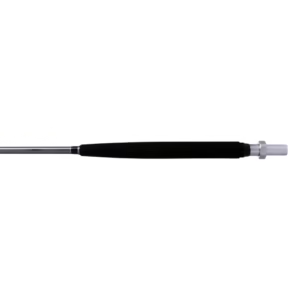
SHIMANO TEREZ BW SWORDFISH ROD
€450.75Select options This product has multiple variants. The options may be chosen on the product page -
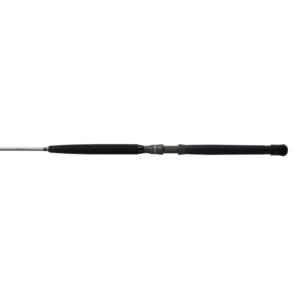
SHIMANO TEREZ BW CONVENTIONAL SLICK BUTT ROD
Price range: €407.40 through €468.08Select options This product has multiple variants. The options may be chosen on the product page -
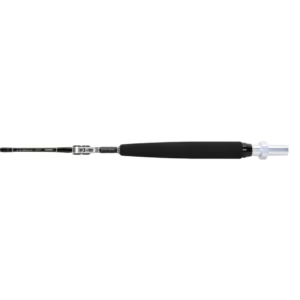
SHIMANO TEREZ BW FULL ROLLER UNI BUTT ROD
€1,040.19Select options This product has multiple variants. The options may be chosen on the product page
Reviews
There are no reviews yet.