We Deliver Directly To Your Door
Description
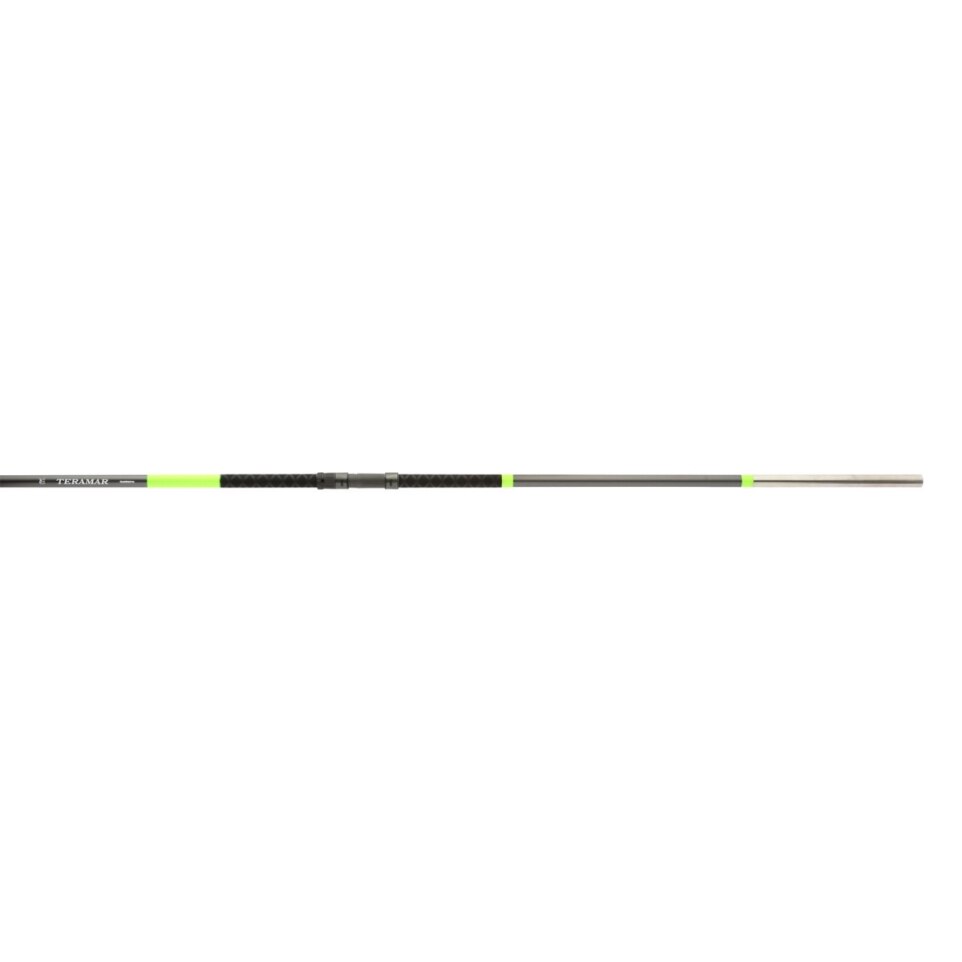
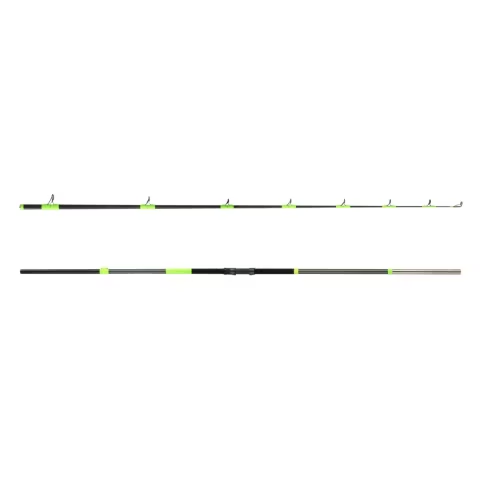
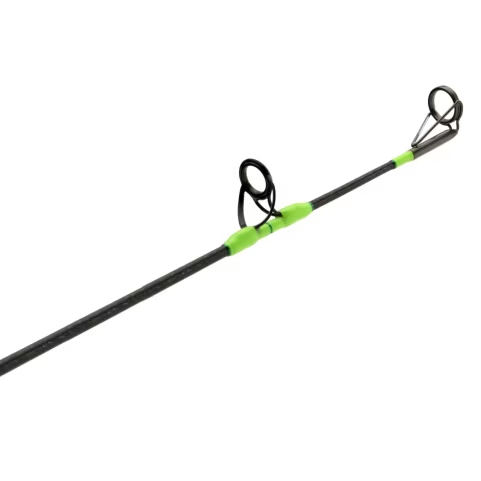
Shimano Teramar HI Casting Surf Shore Rod
Experience Greater Confidence on Your Next Fishing Trip
A successful day on the water begins with equipment that matches your fishing style. Whether you are preparing for a shoreline session, exploring productive coastal waters, or targeting hard-fighting fish from the beach, the right rod can make a meaningful difference to your overall experience. The Shimano Teramar HI Casting Surf Shore Rod is a product to consider when building a capable fishing setup for demanding saltwater environments.
Designed for anglers who value control, dependable handling, and versatility, this rod belongs in a carefully selected collection of fishing equipment. Furthermore, it can be considered by those who want to refine their casting technique, improve their tackle selection, or prepare for a variety of coastal fishing situations.
Choosing fishing equipment should never be complicated. Instead, your decision should be guided by your target species, preferred fishing location, casting requirements, and the line and lure specifications recommended for your particular model.
Why Consider the Shimano Teramar HI Casting Surf Shore Rod?
A Practical Choice for Shore-Based Angling
Shore fishing presents a unique combination of opportunities and challenges. Changing tides, moving currents, wind conditions, and varying water depths can all influence how an angler approaches each session. Consequently, selecting a rod that suits the conditions is an important part of preparing for a productive outing.
A casting rod should feel comfortable during repeated casts while offering the control required to manage your chosen rig. Equally important, the overall setup should be matched to the fishing techniques and species you intend to pursue.
The Teramar HI range name makes this rod worth considering for anglers researching Shimano fishing equipment. However, exact specifications can vary by model, so the individual product listing should always be consulted before purchase.
Built Around Your Fishing Approach
Every angler has different priorities. Some prefer casting artificial lures along rocky shorelines, while others concentrate on sandy beaches, coastal structures, or areas where baitfish activity attracts larger predators.
For that reason, the selection process should begin with your preferred method rather than appearance alone. Consider the following factors before choosing your next rod:
- Casting requirements: Select a model that suits the distance and casting techniques used in your fishing environment.
- Target species: Consider the expected size, strength, and fighting behavior of the fish you pursue.
- Lure and rig compatibility: Confirm that your preferred tackle falls within the manufacturer’s recommended specifications.
- Line selection: Match your fishing line to the rod, reel, target species, and conditions.
- Fishing comfort: Consider the rod’s length, overall balance, handle design, and suitability for extended sessions.
By evaluating these details first, you can create a more balanced setup and avoid purchasing equipment that does not match your needs.
Key Considerations Before You Buy
Match the Rod to Your Fishing Technique
Casting performance depends on several factors, including rod length, action, power, lure weight, line rating, and the angler’s casting technique. Therefore, no single rod configuration should be assumed to suit every shoreline application.
For example, an angler working artificial lures may prioritize casting rhythm and lure control. Meanwhile, someone fishing around coastal structures may place greater importance on managing fish and maintaining control under pressure.
Before ordering, review the exact specifications listed for the model you intend to purchase. In particular, confirm the available length, power rating, action, recommended line range, and compatible lure weights.
Choose Compatible Fishing Tackle
A rod performs as part of a complete fishing system. As a result, the reel, line, terminal tackle, and lure selection should be considered together.
A compatible reel should provide an appropriate balance for the selected rod. Likewise, the line should meet the requirements of your intended fishing method without exceeding the manufacturer’s recommendations.
The same principle applies to artificial lures and bait rigs. When your equipment is matched correctly, your setup can be easier to handle and more suitable for the conditions you encounter.
Benefits of Choosing the Right Fishing Rod
More Purposeful Equipment Selection
Investing in suitable fishing equipment can help you prepare for specific fishing situations instead of relying on a setup that may not meet your requirements. Furthermore, understanding your equipment makes it easier to adjust your approach when conditions change.
The right choice should support your preferred techniques while remaining comfortable and practical for your typical fishing sessions.
A Setup That Fits Your Experience Level
Both developing anglers and experienced fishing enthusiasts can benefit from selecting tackle according to their needs. Beginners may appreciate straightforward equipment choices, while more experienced anglers may focus on the finer details of casting performance and tackle compatibility.
Regardless of experience, a thoughtful purchase begins with accurate specifications and realistic expectations.
How to Build a Balanced Shore Fishing Setup
Select a Suitable Reel
The reel should complement the rod’s intended use and recommended specifications. Before making a selection, check the reel’s size, line capacity, retrieve characteristics, and overall balance with the rod.
A well-matched combination can make repeated casting more comfortable and help keep your fishing equipment organized around a clear purpose.
Select the Appropriate Fishing Line
Fishing line selection depends on the target species, water conditions, cover, and fishing technique. Different line materials also offer different handling characteristics, so the best option should be chosen according to your needs.
Always consult the manufacturer’s guidance and ensure that your selected line is appropriate for the exact rod model.
Prepare Your Lures and Terminal Tackle
Your lure or rig should be selected according to local conditions, fish behavior, and applicable fishing regulations. For artificial-lure fishing, consider the lure’s weight, profile, movement, and suitability for the intended target species.
Before casting, inspect knots, hooks, swivels, and other terminal components. This simple preparation can help reduce preventable equipment problems during a session.
Care and Maintenance for Saltwater Fishing Equipment
Rinse and Inspect After Use
Saltwater environments can be demanding on fishing equipment. After each outing, follow the manufacturer’s cleaning instructions and remove salt, sand, and other residue from suitable surfaces.
Avoid directing excessive water pressure toward sensitive components. Additionally, allow the rod to dry properly before storing it in a suitable location.
Store Your Rod Correctly
Proper storage can help protect fishing equipment between trips. Keep the rod away from unnecessary impacts, excessive heat, and conditions that could damage its finish or components.
During transport, use suitable protection and avoid placing heavy objects across the blank. Before your next outing, inspect the guides, reel seat, handle, and other accessible components for visible damage.
Is This the Right Rod for Your Next Trip?
The best fishing rod is the one that fits your technique, target species, fishing environment, and personal preferences. The Shimano Teramar HI Casting Surf Shore Rod is worth researching if its verified specifications align with the kind of fishing you enjoy.
Before completing your purchase, compare the exact model details with your current reel, preferred line, and typical lure or rig weights. This additional step can help you make a more confident decision and build a setup that supports your fishing goals.
Shop Fishing Equipment With Confidence
Finding suitable tackle should be a straightforward experience. Review product specifications carefully, compare compatible accessories, and choose equipment that matches your fishing plans.
Whether you are refreshing an existing setup or preparing for another season on the water, thoughtful tackle selection can help you spend less time worrying about compatibility and more time concentrating on your next cast.
Choose equipment that fits your fishing style, prepare your setup carefully, and get ready for your next shoreline adventure.
Shimano Teramar HI Casting Surf Shore Rod
Understanding Performance for Coastal Fishing
Successful coastal angling is influenced by more than the equipment carried to the water. Weather patterns, tidal movement, underwater structure, and baitfish activity can all affect fishing conditions. Therefore, your equipment should be selected with the environment and intended technique in mind.
The Shimano Teramar HI Casting Surf Shore Rod can be considered as part of a carefully planned fishing setup when its verified specifications match your requirements. Rather than choosing equipment based on appearance alone, consider how the rod will be used throughout a typical fishing session.
Adapting to Changing Water Conditions
Coastal environments rarely remain consistent throughout the day. Wind direction can change, waves may increase, and tidal movement can alter the location of feeding fish. Consequently, anglers should be prepared to adjust their approach as conditions develop.
A suitable rod-and-reel combination should be selected according to the casting demands and tackle weights associated with your fishing method. Moreover, the choice of line should reflect the expected conditions and the strength required for your target species.
Before heading out, review local weather forecasts, tidal information, and fishing regulations. These preparations can help you identify appropriate locations and make better use of your time on the water.
Preparing for Different Shoreline Locations
Not every shoreline presents the same challenges. Sandy beaches, rocky points, jetties, and coastal channels may require different casting approaches and tackle arrangements.
Sandy Beaches
Beach fishing often involves searching different distances and water depths for feeding fish. Depending on the species and conditions, anglers may use artificial lures, bait rigs, or other suitable techniques.
When selecting equipment, consider the casting distance required, the weight of the rig, and the amount of space available for a safe casting motion.
Rocky Shorelines
Rocky locations can provide cover for fish, but they may also create additional challenges when landing a catch. Strong currents, submerged obstacles, and uneven footing should be considered before choosing a fishing position.
A balanced setup and careful line management are particularly important around structures. Always use footwear suited to the terrain and avoid casting from unstable surfaces.
Jetties and Coastal Structures
Jetties can offer access to deeper water and areas where baitfish gather. However, nearby anglers, obstacles, and restricted casting space may affect the techniques that can be used safely.
Choose a setup that suits the available casting area and the fish you intend to target. In addition, maintain enough space between yourself and other anglers to reduce the risk of accidents.
Casting Technique and Equipment Compatibility
Developing a Consistent Casting Motion
Casting performance is influenced by technique, equipment specifications, and environmental conditions. A smooth, controlled movement is generally preferable to forcing a cast beyond the capabilities of the selected tackle.
Begin by checking that the lure or rig falls within the recommended casting range. Next, confirm that the reel is properly secured and that the line passes through the guides without obstruction.
As your technique develops, pay attention to timing and follow-through. Consistency can make casting easier to repeat and can help you identify adjustments that suit your equipment.
Understanding Rod Power and Action
Rod power and action describe different characteristics, and both should be considered when selecting fishing equipment.
Power generally refers to the amount of force required to bend a rod. Action describes where the rod bends most noticeably under load. These characteristics can influence casting feel, lure presentation, and how the rod responds during a fight.
The exact power and action of the product should be confirmed from its model-specific specifications rather than assumed from its name.
Selecting Appropriate Lure Weights
Lure weight affects how a rod loads during casting. When a lure is too light for the intended setup, casting efficiency may be reduced. Conversely, a lure that exceeds the manufacturer’s recommended range can place unnecessary stress on the equipment.
For this reason, always check the permitted lure-weight range before assembling your tackle. This is especially important when switching between lightweight artificial lures and heavier coastal rigs.
Building a Versatile Saltwater Tackle Collection
Organizing Equipment Around Your Fishing Goals
A practical tackle collection does not need to contain every available product. Instead, it should include equipment that supports the fishing methods you use most often.
For example, anglers who regularly fish from shore may benefit from keeping suitable lures, spare leaders, hooks, and line accessories organized by application. Meanwhile, those who visit different coastal locations may want to prepare separate tackle arrangements for varying conditions.
The most useful additions will depend on the target species and local fishing opportunities.
Choosing Fishing Line and Leaders
Line selection should be based on the rod’s recommendations, reel capacity, expected fish size, and fishing environment. Monofilament, fluorocarbon, and braided lines each have distinct characteristics, so their suitability should be evaluated for the intended application.
Leaders may also be useful when abrasion resistance, lure presentation, or the characteristics of the target species make them appropriate. However, leader material and strength should be selected according to the conditions rather than by following a single rule for every situation.
Keeping Essential Accessories Ready
A well-organized tackle bag can make preparation easier and reduce unnecessary interruptions during a fishing trip.
Consider carrying the following items when appropriate:
- Spare hooks and terminal tackle for replacing damaged or unsuitable components.
- Line cutters or suitable pliers for routine tackle adjustments.
- A measuring tool for checking catches against local size limits.
- A suitable landing net or fish-handling equipment when needed for the target species.
- Protective eyewear for comfort and additional protection while casting.
- A tackle organizer for keeping lures and small accessories accessible.
- A first-aid kit for minor injuries and unexpected situations.
Equipment should be selected according to the location, fishing method, and relevant safety requirements.
Targeting Coastal Species Responsibly
Understanding Fish Behavior
Fish behavior is affected by water temperature, current, available prey, seasonal patterns, and local habitat. Consequently, successful anglers often observe conditions carefully before deciding where and how to fish.
Baitfish activity, changes in water movement, and visible feeding behavior may provide useful clues. Nevertheless, these signs do not guarantee a catch, so flexibility and patience remain important.
Matching Tackle to the Intended Species
Different fish species present different challenges. Some make fast runs, while others rely on sudden changes in direction or the use of nearby cover.
Your equipment should be selected according to the expected fish size and the manufacturer’s recommendations. Avoid relying on a single setup for species that require substantially different tackle specifications.
Practicing Responsible Fish Handling
Responsible handling helps reduce unnecessary stress and injury to fish. Use appropriate tools, minimize handling time, and return released fish to the water promptly when required or intended.
Always check local rules regarding minimum sizes, catch limits, protected species, and seasonal restrictions. These requirements can vary considerably between locations.
Maintenance Practices for Long-Term Use
Inspecting Guides and the Rod Blank
Fishing equipment should be inspected before and after use. Check the guides for visible damage, examine the rod blank for cracks or unusual marks, and ensure that the handle and reel seat remain secure.
Damaged guides can affect line movement and may contribute to line wear. If a component appears damaged, avoid using the rod until the problem has been assessed.
Cleaning After Coastal Sessions
Salt and sand can accumulate on fishing equipment during use. Follow the manufacturer’s care instructions, using suitable cleaning methods for the materials and components involved.
Pay attention to accessible areas around the handle, guides, and reel seat. After cleaning, allow the rod to dry before storing it in a protective location.
Transporting Fishing Equipment Safely
Rod damage can occur when equipment is transported without sufficient protection. A suitable rod sleeve or case can help reduce contact with hard surfaces and other tackle.
During travel, avoid placing heavy items across the rod or allowing the tip to strike nearby objects. When transporting equipment in a vehicle, secure it so that it cannot slide around during sudden stops.
Frequently Asked Questions
What should I check before purchasing this fishing rod?
Review the exact model number, length, power, action, recommended line range, and lure-weight rating. Also, confirm whether the rod is designed for your preferred fishing method and whether the selected reel is compatible.
Can this rod be used for saltwater fishing?
The intended saltwater suitability should be confirmed using the manufacturer’s information for the exact model. Regardless of the product, proper cleaning and maintenance are important after exposure to saltwater.
Which reel should be paired with this rod?
The appropriate reel depends on the rod’s specifications and intended application. Check the manufacturer’s recommendations, reel-seat compatibility, line capacity, and overall balance before making a selection.
Is this rod suitable for beginners?
Suitability depends on the exact specifications and the angler’s intended technique. Beginners should prioritize manageable equipment, appropriate casting weights, and a setup that can be handled comfortably and safely.
How can I protect the rod between fishing trips?
Clean and dry the equipment according to the manufacturer’s instructions, inspect it for damage, and store it in a suitable protective case away from excessive heat and physical pressure.
Make a More Informed Tackle Purchase
Choosing a fishing rod is an opportunity to build a setup around your personal preferences and fishing objectives. By reviewing product specifications, considering the conditions you encounter most often, and selecting compatible accessories, you can make a more informed purchase.
Whether your next outing takes you to a sandy beach, a rocky coastal point, or another suitable shoreline location, preparation and responsible equipment care remain essential parts of the experience.
Explore the available product details for the Shimano Teramar HI Casting Surf Shore Rod, verify the specifications for your intended model, and select the supporting tackle that best matches your fishing plans.
Prepare your equipment thoughtfully, respect the water, and make every fishing trip an opportunity to improve your skills.
Premium Fishing Reels, Saltwater Rods, Surf Fishing Gear & Tackle Accessories
Discover the Right Fishing Gear for Every Adventure
Successful fishing begins with the right equipment. Whether you are preparing for surf fishing, offshore adventures, inshore casting, freshwater fishing, or deep-sea jigging, choosing reliable fishing rods, reels, lures, and accessories can make every trip more productive and enjoyable. From dependable spinning reels to powerful conventional saltwater reels, every piece of equipment serves a specific purpose and helps anglers adapt to different fishing conditions.
Our fishing tackle collection brings together a wide range of equipment designed for anglers with different experience levels, fishing styles, and target species. Whether you need a good surf fishing rod and reel, a powerful saltwater baitcaster, or a compact travel fishing rod, selecting suitable equipment can help you fish with greater confidence.
Moreover, understanding fish reel types makes it easier to compare different designs and identify the equipment that best suits your needs. Spinning reels, baitcasting reels, conventional reels, and electric fishing reels each offer unique benefits. Therefore, learning how these systems work can help you make an informed purchasing decision.
Explore popular fishing equipment categories featuring options associated with brands such as Shimano, Penn, Daiwa, Avet, Okuma, Tsunami, Phenix, Quantum, and St. Croix. From everyday fishing essentials to specialized offshore equipment, the right combination of rod, reel, line, and tackle can support your next fishing adventure.
Understanding Fish Reel Types
Choosing a fishing reel involves more than comparing prices or selecting a familiar brand. Instead, anglers should consider their target species, fishing environment, line capacity requirements, preferred casting technique, and expected fishing conditions.
Spinning Reels for Versatile Fishing
Spinning reels remain popular because they are relatively easy to operate and support a broad range of fishing techniques. They can be used for freshwater fishing, inshore saltwater fishing, surf fishing, and many light-to-medium applications.
Models such as the Shimano Twin Power 2500, Shimano Stella 5000, Daiwa Sol MQ, Shimano Nasci, and Penn Battle IV 6000 represent different options to consider when comparing spinning reels. Their suitability depends on the model specifications, line capacity, drag system, and intended application.
For example, a smaller spinning reel may suit lighter presentations and inshore fishing, while a larger model may offer the line capacity and drag performance needed for heavier applications. However, the reel should always be matched with an appropriate rod and fishing line.
Baitcasting Reels for Casting Accuracy
Baitcasting reels are designed to provide casting control and direct handling of the line. They are frequently used for bass fishing, working heavier lures, and targeting fish around structures where accurate presentations matter.
A baitcaster reel can offer experienced anglers excellent control, although learning to manage spool speed is important for reducing backlash. When comparing bait casting reels, consider the gear ratio, braking system, spool capacity, drag performance, and compatibility with your preferred lures.
Popular options to research include the Shimano Tranx 300 baitcasting reel, Cardiff reel, and Calcutta Conquest MD. Each model should be evaluated according to its intended use rather than assumed to be interchangeable.
Conventional Reels for Saltwater Fishing
Conventional saltwater reels are commonly used for boat fishing, trolling, bottom fishing, and offshore applications that require substantial line capacity or specialized drag systems.
Anglers comparing conventional reels may encounter products such as Penn Squall, Penn Jigmaster 500, Penn Squall 50VSW, Avet JX two-speed lever drag reels, Avet LX G2, Avet HXW Raptor, Avet 80 Wide, and Penn International 130.
These reels cover different applications and power requirements. Therefore, reel size, gear configuration, line capacity, drag characteristics, and rod compatibility should be considered before choosing equipment.
Electric Fishing Reels for Deep-Water Applications
Electric fishing reels are designed to assist with retrieving line, particularly when fishing deep water or handling heavy terminal tackle. A cordless electric reel may appeal to anglers seeking a more portable power arrangement, provided that the specific model supports cordless operation.
Options such as the Shimano Beastmaster 9000 and Daiwa Tanacom electric reel illustrate the type of equipment anglers may investigate for deep-water fishing.
Before purchasing, verify the model’s power requirements, compatible battery system, line capacity, retrieval capabilities, and manufacturer instructions. The correct setup depends on the fishing depth, target species, and weight of the rig.
Choosing a Good Surf Fishing Rod and Reel
Surf fishing requires equipment capable of handling repeated casting, changing coastal conditions, and the demands of fishing from beaches or shorelines. A suitable setup should balance casting distance, lure or sinker weight, rod action, reel capacity, and angler comfort.
What Is a Surf Rod?
A surf rod is a fishing rod designed primarily for casting bait or lures from shore into coastal waters. Its length and construction help anglers make longer casts while managing line and terminal tackle in beach-fishing conditions.
Surf fishing rods vary in length, power, action, material, and recommended casting weight. Longer rods may help generate casting distance when paired with suitable casting techniques, while shorter options can provide better handling in restricted areas.
How Long Is a Fishing Rod?
Fishing rod length varies according to the intended technique. Shorter rods are often useful for close-range presentations, boat fishing, and situations requiring precise control. Longer rods may be preferred for surf fishing, float fishing, or techniques that benefit from additional casting reach.
When comparing how long fishing rods are, examine the manufacturer’s stated length rather than relying on the category name alone. Consider the casting weight, rod action, transport requirements, and your own casting technique.
Surf Fishing Rods Worth Comparing
Anglers researching surf fishing poles may consider the St. Croix Triumph Surf Spinning Rod, Tsunami Forged Surf Rod, and other models from the Tsunami Trophy and Tsunami Carbon Shield ranges.
Each rod should be matched with a reel that complements its power, line rating, and intended casting weight. A balanced combination can improve handling and help reduce unnecessary fatigue during extended fishing sessions.
For anglers seeking a conventional surf rod, it is particularly important to confirm that the selected model is designed for the intended reel style. Spinning and conventional rods use different reel-seat and guide configurations, so compatibility should never be assumed.
Exploring Black Diamond Fishing Rods and Phenix Rods
Phenix rods are worth researching for anglers comparing specialized rod designs for different fishing environments. Search terms such as Phenix Black Diamond 86HXF and Black Diamond fishing rods can help narrow product research to a specific model or series.
Before ordering, verify the exact model designation, length, power, action, line rating, lure rating, and construction details. Similar product names can refer to different specifications, and these differences may influence the rod’s suitability for your fishing technique.
Likewise, anglers comparing Okuma PCH rods, G. Loomis Pro Blue models, Tsunami Trophy rods, and E6X fishing rods should consider the intended species and environment.
A rod selected for offshore trolling may not provide the same handling characteristics as one designed for inshore casting. Consequently, matching the rod to the technique is more useful than choosing equipment based on brand recognition alone.
Saltwater Spinning Reels and Sealed Reel Designs
Saltwater fishing exposes tackle to salt, moisture, sand, and repeated handling. Therefore, corrosion resistance and routine maintenance are important considerations when selecting equipment for coastal or offshore use.
Fully Sealed Saltwater Spinning Reels
Anglers searching for fully sealed saltwater spinning reels should examine the manufacturer’s description of the reel’s sealing system. A sealed drag assembly, protected bearings, or water-resistant body design does not necessarily mean that every internal component is completely waterproof.
For that reason, check the specific model’s stated protection level and maintenance requirements. After saltwater use, follow the manufacturer’s cleaning instructions and avoid exposing the reel to excessive water pressure.
Popular reel families to compare include the Shimano Stella 5000, Shimano Twin Power FE, Daiwa Sol MQ, Penn Slammer IV, and Quantum Cabo reels.
Penn Battle IV 6000 and Penn Battle 10000
Penn Battle spinning reels are frequently researched by anglers looking for equipment for a range of saltwater and freshwater applications. When comparing the Penn Battle IV 6000 and Penn Battle 10000, check the exact model generation, available specifications, line capacity, drag rating, and intended fishing technique.
A larger reel is not automatically the better option. The right size depends on the rod, line, target species, and casting requirements.
Quantum Cabo Reels
Quantum Cabo reels are another category to investigate when comparing saltwater spinning equipment. Anglers should evaluate the precise model, retrieve rate, drag specifications, construction, and availability of replacement parts.
Product specifications and availability can vary by generation and seller, so confirm the information before making a purchase.
Saltx 2 Reels and Tsunami Fishing Tackle
Tsunami fishing tackle offers several product categories that anglers may investigate when building an inshore, surf, or offshore setup.
The SaltX II reel is a search term worth exploring for anglers comparing saltwater spinning equipment. When researching a SaltX 2 reel, verify the precise product name and generation, reel size, line capacity, drag specifications, and intended applications.
Other product categories include Tsunami Trophy boat casting and jigging rods, Tsunami Trophy jigging rods, Tsunami Sapphire XT equipment, Tsunami Forged rods, and Tsunami Carbon Shield Big Bait spinning rods.
Matching a reel to the intended rod is essential. For example, a setup designed for casting large swimbaits may require different line capacity and handling characteristics from a lightweight inshore combination.
Fishing Lures for Inshore, Surf, and Offshore Anglers
Fishing lures help anglers present different shapes, movements, colors, and actions to target fish. Choosing the right lure depends on water clarity, depth, current, forage, target species, and fishing conditions.
Squid Lures and Minnow Teasers
Squid lures can be useful when targeting species that feed on squid or respond to squid-like presentations. Their design, weight, hook configuration, and swimming action should be considered when selecting a lure for a particular technique.
A minnow teaser can provide an additional visual element to certain fishing rigs. However, its effectiveness depends on the species, presentation, and conditions.
Storm WildEye Swim Shad
The Storm WildEye Swim Shad is a search term for anglers researching soft-bodied, baitfish-style fishing lures. Swimbaits can be retrieved at different speeds to imitate the movement of small fish, depending on the lure design.
When choosing a swim shad, examine its length, weight, color, hook arrangement, and intended depth. Match these features to the size of the forage and the conditions in which you plan to fish.
Tsunami Holographic Swim Shad 3
Anglers researching the Tsunami Holographic Swim Shad 3 may be comparing baitfish-style presentations for inshore, surf, or other suitable fishing applications.
Before selecting a specific size, verify the product’s exact dimensions, weight, color options, and hook configuration. A lure that closely matches local forage can help create a more natural presentation.
Yo-Zuri Hydro Minnow and Inshore Saltwater Kits
Yo-Zuri products are commonly researched by anglers looking for hard-bodied lures and saltwater fishing accessories. The Yo-Zuri Hydro Minnow and Yo-Zuri Inshore Saltwater Kit are useful product search terms when comparing options for inshore fishing.
Consider lure depth, buoyancy, casting weight, swimming action, and hook arrangement. These characteristics can affect how the lure performs around current, structure, and feeding fish.
Nomad Design Madmacs
Nomad Design Madmacs is another product name anglers may encounter while researching specialized fishing lures. Confirm the exact model, size, intended retrieval method, and manufacturer recommendations before purchasing.
For any lure, correct terminal tackle and appropriate line strength help create a suitable overall setup.
Building a Complete Fishing Setup
A reliable fishing setup involves more than the rod and reel. Fishing line, hooks, lures, pliers, tackle storage, protective clothing, and other accessories all contribute to preparation and equipment management.
Fishing Rod Accessories
Accessories for fishing rods can include rod sleeves, protective cases, replacement components, line guides, and other compatible equipment. Select accessories according to the rod’s dimensions and the manufacturer’s recommendations.
Circle Hooks and Split Rings
Circle hooks are available in different sizes and configurations for different fishing applications. A 20/0 circle hook is a specialized, very large hook size that should be selected only when appropriate for the target species, bait, and applicable fishing regulations.
Spro Power Split Rings are another search term for anglers comparing terminal tackle components. Split rings must be matched to the intended lure, hook, and expected load.
Bubba Blades Knives and Fishing Tools
Bubba blades knives and other fishing tools can help with fish preparation and general tackle tasks. Choose a tool suited to the intended use, and follow appropriate handling, cleaning, and storage practices.
Fishing Jackets and Weather Protection
A fishing jacket can provide protection against wind, rain, and changing conditions. The Helly Hansen Men’s Mandal Rain Jacket is a product search term worth comparing when researching waterproof outerwear.
Check the garment’s material, fit, intended conditions, and care instructions before purchasing. Weather protection is particularly important during surf and boat fishing, where wind and spray can change conditions quickly.
Find Fishing Reel Deals and Rods for Sale
Comparing fishing reel deals, reels on sale, spinning rods for sale, casting reels on sale, and clearance baitcast reels can help anglers evaluate different options within their budgets.
However, a lower price should not be the only deciding factor. Confirm product condition, authenticity, warranty coverage, model specifications, shipping costs, and seller policies before ordering.
Whether you are researching Avet reels, Penn reels, Shimano fishing equipment, Okuma PCH rods, or other popular tackle categories, careful comparison helps you identify products that fit your needs.
Choose equipment based on your preferred fishing technique, target species, and expected conditions. With a suitable rod, reel, line, and selection of tackle, you can prepare for your next fishing trip with greater co
Premium Fishing Tackle, Saltwater Reels, Surf Rods and Angling Accessories
Discover Advanced Fishing Reels for Every Fishing Technique
Selecting the right fishing reel can significantly influence casting performance, line management, and overall fishing comfort. Whether you are preparing for a coastal fishing trip, targeting striped bass from the surf, or heading offshore in search of powerful game fish, your equipment should be selected according to the demands of the environment.
Modern fishing equipment is available in numerous designs, including spinning reels, baitcasting reels, conventional reels, lever-drag reels, and electric reels. Each category serves a different purpose. Consequently, understanding these differences makes it easier to compare products and select tackle that suits your fishing goals.
Anglers researching fish reel types can explore popular options from Shimano, Penn, Avet, Daiwa, Okuma, Quantum, and other established fishing tackle manufacturers. Nevertheless, the ideal choice depends on the specifications of each model rather than the brand name alone.
Shimano Twin Power FE and Shimano Stella Fishing Reels
Shimano fishing reels are frequently researched by anglers seeking equipment for freshwater, inshore, and offshore applications. The Shimano Twin Power FE and Shimano Stella 5000 are useful search terms when comparing premium spinning reel options.
When evaluating the Twin Power FE, consider the precise model size, drag specifications, gear ratio, line capacity, and intended application. Likewise, the Shimano Stella 5000 should be assessed according to its exact version and the demands of your preferred fishing technique.
A premium spinning reel should complement the fishing rod, line strength, and lures being used. For example, a balanced setup may improve casting control and reduce unnecessary strain during extended fishing sessions.
Shimano Nasci Spinning Reels
The Shimano Nasci is another product family worth investigating when comparing spinning reels for different fishing conditions. Anglers should consider the available sizes, retrieve rates, construction, and manufacturer-recommended applications.
For inshore fishing, a suitable reel may provide a useful balance of casting performance, handling, and line management. However, anglers fishing around heavy structure or targeting larger species may require a different combination of reel capacity, drag performance, and line strength.
Daiwa Sol MQ Spinning Reels
The Daiwa Sol MQ is a relevant search term for anglers exploring Daiwa spinning reel options. Before selecting a particular model, verify the generation, specifications, and intended application.
When comparing spinning reels, examine the drag system, gear ratio, handle configuration, bearing arrangement, and line capacity. These features can influence the way a reel performs during casting, retrieving, and fighting fish.
Penn Slammer IV and Large-Capacity Reels
Penn Slammer IV spinning reels are worth considering when researching equipment for demanding saltwater applications. The appropriate model should be chosen according to the target species, expected line loads, fishing location, and compatible rod.
Searches for the Slammer 10500 may indicate interest in a large-capacity reel. However, confirm the exact model designation and manufacturer specifications before making a purchase.
A large reel may offer additional line capacity, but it can also increase overall outfit weight. Therefore, a well-balanced combination is generally preferable to selecting the largest available reel without considering the fishing technique.
Avet Fishing Reels for Offshore Anglers
Avet fishing reels are widely searched by anglers researching conventional reel designs and lever-drag systems. These reels may be considered for applications involving trolling, bottom fishing, jigging, and other demanding saltwater techniques, depending on the model.
Avet JX Two-Speed Lever-Drag Reels
The Avet JX two-speed lever-drag reel is a useful search term for anglers comparing conventional reel configurations. Two-speed systems provide different gear ratios for different stages of retrieving and fighting fish.
A higher gear can help retrieve line efficiently, while a lower gear may provide additional mechanical advantage under load. The actual performance depends on the specific reel, gear ratios, handle design, and operating conditions.
Before selecting a reel, confirm its line capacity, drag specifications, available gear settings, and compatibility with the intended rod.
Avet LX G2 Fishing Reels
The Avet LX G2 is another model to research when comparing conventional saltwater reels. Anglers should review the exact version and configuration rather than relying solely on general descriptions of the product family.
Consider the intended line type, target species, fishing depth, and reel mounting arrangement. A suitable combination can improve handling and make the equipment more practical for the planned technique.
Avet HXW Raptor and Avet 80 Wide Reels
The Avet HXW Raptor and Avet 80 Wide are search terms associated with anglers investigating specialized, large-capacity conventional tackle.
Before purchasing either reel, verify the exact specifications and intended use. Wide-spool and high-capacity designs may be relevant to particular offshore applications, but reel selection should always be based on the requirements of the fishing method.
For anglers comparing an 80W fishing reel with smaller conventional models, line capacity, overall weight, drag performance, and rod compatibility are important factors.
Penn Conventional Reels and Offshore Fishing Equipment
Penn fishing tackle covers multiple categories, including spinning reels, conventional reels, trolling equipment, and accessories. Each product family has different specifications and applications.
Penn Squall and Penn Squall 50VSW
The Penn Squall is a relevant product family for anglers researching conventional fishing reels. The Penn Squall 50VSW is a more specific search term for those comparing larger conventional reel configurations.
When evaluating a Penn Squall model, consider the line capacity, gear ratio, drag system, construction, and intended fishing technique. These details are especially important when selecting tackle for offshore fishing.
A reel designed for one type of fishing may not provide the best handling for another. Therefore, check the manufacturer’s recommendations and match the reel to the appropriate rod and line.
Penn Jigmaster 500
The Penn Jigmaster 500 is a product name worth researching when comparing conventional fishing reel options. Buyers should confirm the precise version, condition, parts availability, and specifications, especially when considering older or previously owned equipment.
For used fishing reels, inspect the drag, spool movement, handle, frame, and other important components. A thorough assessment can help identify wear or maintenance requirements before purchase.
Penn International 130
The Penn International 130 is a search term associated with specialized offshore fishing equipment. Anglers considering large conventional reels should carefully examine line capacity, drag performance, mounting compatibility, and intended use.
Equipment of this type may be unsuitable for ordinary casting applications because of its size and design. Instead, choose tackle according to the requirements of the planned offshore technique.
The Penn reels logo and model markings can also help with product identification. Nevertheless, branding alone does not establish authenticity, condition, or compatibility, so product details should always be verified.
Conventional Surf Rods and Specialized Saltwater Casting Equipment
Saltwater fishing includes many techniques, from casting bait beyond breaking waves to jigging vertically from a boat. As a result, rods and reels must be selected according to the intended presentation.
Conventional Surf Rod Selection
A conventional surf rod is designed for use with a compatible conventional reel. This differs from a spinning surf rod, which uses a spinning reel and a corresponding guide arrangement.
When researching conventional surf rods, consider rod length, power, action, casting-weight rating, line rating, and the type of terminal tackle you intend to use.
A properly matched setup can help improve casting control and line management. However, longer rods are not automatically better for every angler or fishing location.
Tsunami Trophy Boat Casting and Jigging Rods
Tsunami Trophy boat casting and jigging rods are relevant search terms for anglers looking for specialized saltwater equipment. The appropriate model depends on whether the intended technique involves casting lures, working jigs, fishing vertically, or handling heavier terminal tackle.
When comparing Tsunami Trophy rods, check the exact model specifications, rod length, recommended line strength, lure or jig rating, and compatible reel style.
A boat casting rod and a dedicated jigging rod may have different construction and action characteristics. Therefore, choosing the right design can improve control during the intended fishing technique.
Okuma PCH Rods
Okuma PCH rods are worth researching when comparing saltwater rod options for boat fishing and other demanding applications.
Before selecting a rod, consider the target species, line rating, lure weight, and expected fishing conditions. The reel should be matched to the rod’s specifications to create a balanced combination.
For anglers comparing Okuma PCH rods with Tsunami Trophy equipment, the most useful comparison involves actual model specifications rather than general brand descriptions.
G. Loomis Pro Blue and E6X Fishing Rods
Anglers researching G. Loomis Pro Blue and E6X fishing rods should verify the exact model, availability, length, power, and intended application.
Rod characteristics can differ significantly within a product family. Therefore, examine the specifications of the individual model to determine whether it is appropriate for casting, boat fishing, or other intended techniques.
Choosing the Best Striped Bass Rod and Reel Combo
Striped bass fishing can involve surf casting, fishing from boats, working plugs around structure, and presenting soft plastics in current. Because these methods require different presentations, the ideal rod and reel combination depends on where and how you plan to fish.
Surf Fishing for Striped Bass
A surf fishing setup should be selected according to the casting weight, beach conditions, target fish size, and distance required. A longer spinning rod may help some anglers cast farther, while a more moderate setup may provide better handling for lighter presentations.
When researching the best striped bass rod and reel combo, consider the following:
- Rod length: Choose a length that suits the shoreline and your casting technique.
- Rod power: Match the power to the lure, sinker, and expected fish size.
- Reel capacity: Select enough line capacity for the intended fishing conditions.
- Drag performance: Choose a drag system suited to the expected load.
- Line selection: Match line strength and type to the rod, reel, and fishing environment.
- Lure compatibility: Verify that the rod supports the weight of your preferred plugs, jigs, or swimbaits.
The best combination is not necessarily the most expensive. Instead, a balanced outfit that matches the intended technique can offer a more practical fishing experience.
Striper Fishing with Plugs
Striper fishing with plugs involves using hard-bodied lures to imitate baitfish or other prey. Floating, sinking, and suspending plugs can behave differently depending on their design and retrieval speed.
The Yo-Zuri Hydro Minnow and other suitable minnow-style lures may be worth researching for this purpose. Check the exact lure specifications, swimming depth, weight, and hook configuration before selecting a model.
Casting performance is also important. A rod that comfortably handles the lure’s weight can help anglers maintain control during repeated casts and retrieves.
Fluke Fishing Lures
Fluke fishing lures are commonly associated with soft-plastic presentations designed to imitate baitfish. Their size, profile, color, and rigging method can influence how they move through the water.
When choosing a fluke lure, consider local forage, water clarity, current strength, and the depth being fished. Suitable hooks and terminal tackle should also be selected according to the lure size and target species.
Baitcasting Reels for Saltwater Applications
A saltwater baitcaster can provide direct spool control and accurate casting for anglers who prefer this style of equipment. Nevertheless, saltwater exposure makes maintenance and corrosion resistance important considerations.
Shimano Tranx 300 Baitcasting Reel
The Shimano Tranx 300 baitcasting reel is a useful search term for anglers comparing baitcasting equipment for heavier lure presentations.
Before purchasing, verify the exact model, gear ratio, retrieve direction, line capacity, drag specifications, and recommended applications.
A baitcasting reel should be paired with a compatible casting rod. The rod’s reel seat, guides, power, and lure rating should support the intended setup.
Cardiff Reel and Calcutta Conquest MD
The Cardiff reel and Calcutta Conquest MD are additional Shimano-related search terms worth investigating when comparing baitcasting and specialized casting reel options.
Because specifications differ by model and generation, verify the manufacturer’s product information before choosing equipment.
Consider spool capacity, braking characteristics, gear ratio, drag system, and the weight of the lures you intend to cast. These factors can help determine whether a particular reel suits your fishing technique.
Clearance Baitcast Reels and Fishing Reel Deals
Anglers searching for clearance baitcast reels or fishing reel deals should compare product condition, model specifications, seller policies, and warranty terms.
A discounted reel may be a good value when it meets your requirements and comes from a trustworthy seller. However, check whether the item is new, used, refurbished, discontinued, or offered with limited warranty coverage.
When buying online, review the final price, shipping charges, return conditions, and product compatibility before completing the order.
Electric Reels and Deep-Drop Fishing
Deep-water fishing can require specialized equipment to handle long lengths of line and heavy rigs. Electric reels may reduce the physical effort involved in retrieving line, depending on the setup and fishing conditions.
Shimano Beastmaster 9000
The Shimano Beastmaster 9000 is a search term for anglers researching electric fishing reel systems. Confirm the exact model specifications, required power supply, line capacity, and intended application before purchasing.
A compatible rod, line, terminal rig, and power arrangement are essential parts of a complete electric-reel setup.
Daiwa Tanacom Electric Reel
The Daiwa Tanacom electric reel is another option to research when comparing electric fishing tackle.
Anglers should review the specific model’s power requirements, controls, retrieval characteristics, and manufacturer instructions. The appropriate equipment depends on fishing depth, line choice, sinker weight, and target species.
Cordless Electric Reel Considerations
A cordless electric reel may offer a more portable setup when the particular product is designed for battery-powered operation. However, not every electric reel is cordless, and battery systems are not universally interchangeable.
Always confirm the power requirements and approved battery configuration before buying. Appropriate care and maintenance can also help preserve the performance of fishing equipment used in demanding marine conditions.
Fishing Lures, Teasers, and Terminal Tackle
Lures and terminal tackle help anglers adapt their presentations to different target species and water conditions. Choosing compatible components is important for creating a functional fishing rig.
Storm WildEye Swim Shad and Tsunami Swim Shad
Storm WildEye Swim Shad and Tsunami Holographic Swim Shad 3 are search terms associated with anglers comparing baitfish-style lures.
When choosing between swimbaits, examine size, weight, body profile, hook arrangement, color, and intended retrieval depth. These features can influence the lure’s movement and suitability for different fishing conditions.
Soft-bodied lures may be used in a range of presentations, but the best selection depends on the target species and local forage.
Squid Lure Selection
A squid lure may be useful when imitating squid or other prey targeted by local fish species. Consider the lure’s size, shape, weight, and hook design before selecting one for a particular fishing technique.
Where regulations apply, confirm the permitted hook configuration and tackle requirements for the intended fishery.
Minnow Teasers and Blue Water Candy
Anglers researching minnow teasers and Blue Water Candy may be looking for additional lure options or components for specialized fishing rigs.
Verify the precise product design, recommended use, and compatibility with the rest of your tackle. Using appropriate terminal components can help keep a rig organized and suitable for the intended presentation.
Spro Power Split Rings
Spro Power Split Rings are a relevant search term for anglers comparing lure connection components. Select split rings according to the intended lure, hook, and expected load.
Check the manufacturer’s specifications rather than relying on appearance alone. Correctly matched components can help ensure that the lure and hook arrangement is suitable for the fishing application.
20/0 Circle Hook Selection
A 20/0 circle hook is a specialized, very large hook size intended only for appropriate applications. Its suitability depends on the target species, bait presentation, tackle strength, and applicable regulations.
Before choosing a hook of this size, verify the actual dimensions and manufacturer’s specifications. Hook sizing can vary between manufacturers, so the printed size should not be the only consideration.
Fishing Rod Length, Transport, and Storage
Rod length affects casting mechanics, leverage, transport, and handling. Therefore, it is important to consider both fishing performance and practical storage requirements.
How Long Are Fishing Rods?
Fishing rods are manufactured in many lengths to support different techniques. Shorter rods can be convenient for boat fishing, confined spaces, and certain casting applications. Longer rods may be suitable for surf fishing or presentations requiring additional reach.
To determine how long a fishing pole is, check the manufacturer’s published measurement. Do not assume that every rod within a particular category has the same length.
Travel Fishing Rods
A travel fishing rod is designed to be transported more conveniently, often through a multi-piece construction or another compact design.
When comparing travel rods, inspect the assembled length, packed dimensions, number of sections, power, action, line rating, and lure rating.
A compact rod should still match the intended fishing technique. Anglers should also check the manufacturer’s assembly and maintenance recommendations to help preserve the connections between rod sections.
Rod Accessories and Protection
Accessories for fishing rods can include transport cases, protective sleeves, compatible replacement components, and storage solutions.
Select accessories according to the rod’s construction and dimensions. Proper storage can help protect guides, blanks, reel seats, and other components from unnecessary damage during transport.
Saltwater Fishing Apparel and Weather Protection
Fishing apparel can improve comfort during long sessions by helping anglers manage rain, wind, spray, and changing temperatures.
Helly Hansen Men’s Mandal Rain Jacket
The Helly Hansen Men’s Mandal Rain Jacket is a product search term for anglers comparing waterproof outerwear.
Before purchasing, check the manufacturer’s specifications for waterproof construction, garment fit, intended use, and care requirements.
A suitable fishing jacket should accommodate movement and the clothing worn underneath it. For coastal and offshore trips, consider how the garment performs in the expected weather conditions.
Choosing Fishing Clothing
Fishing clothing should be selected according to the season, water temperature, weather forecast, and duration of the trip.
For surf fishing, suitable outerwear can help protect against wind and spray. For boat fishing, consider garments that allow freedom of movement and work with any required safety equipment.
Finding Fishing Reel Deals and Clearance Equipment
Comparing fishing reel deals can help anglers identify equipment that fits their budget without sacrificing essential performance.
Reels on Sale and Casting Reels on Sale
When comparing reels on sale, evaluate the full product specification, not just the advertised price. A suitable reel should match your rod, line, target species, and preferred fishing technique.
Look for clear product descriptions, accurate model numbers, transparent shipping policies, and understandable warranty conditions.
Spinning Rods for Sale
Anglers searching for spinning rods for sale should compare rod length, power, action, recommended line strength, and lure-weight rating.
For saltwater fishing, check the manufacturer’s guidance on maintenance and corrosion protection. A rod designed for one environment may not be ideal for another.
Fishing Reel Deals for Different Budgets
A practical approach is to identify the features you need before comparing prices. For example, an angler fishing light lures may prioritize smooth handling and appropriate line capacity, while an offshore angler may place greater importance on drag performance and line capacity.
This method helps prevent unnecessary spending on features that do not improve your intended fishing setup.
Exploring Fishing Tackle Brands and Product Categories
Anglers often compare multiple manufacturers before selecting a new fishing setup. Reviewing product specifications side by side can help clarify which options meet your requirements.
Penn Fishing Equipment
Penn is a useful brand search when researching spinning reels, conventional reels, offshore tackle, and replacement components. Relevant product searches include Penn Battle 10000, Penn Battle IV 6000, Penn Squall, Penn Squall 50VSW, Penn Jigmaster 500, and Penn International 130.
Because these products serve different purposes, verify the exact model and application before selecting one.
Shimano Fishing Equipment
Shimano searches can include Twin Power FE, Twin Power 2500, Stella 5000, Nasci, Tranx 300, Cardiff, Calcutta Conquest MD, Beastmaster 9000, and other reel or rod categories.
Compare each product using its actual specifications, intended technique, and compatibility with your existing equipment.
Avet Fishing Equipment
Avet-related searches include Avet JX two-speed lever-drag reels, Avet LX G2, Avet HXW Raptor, and Avet 80 Wide.
These product names cover specialized reel configurations. Check the exact version, drag system, gear arrangement, line capacity, and intended fishing method.
Okuma and Tsunami Equipment
Okuma PCH rods, Okuma Classic, Tsunami Trophy rods, Tsunami Sapphire XT, Tsunami Forged rods, Tsunami Carbon Shield Big Bait spinning rods, and SaltX II products represent additional searches to explore.
When comparing these product categories, focus on the specifications that matter most for your target species and fishing conditions.
Phenix and St. Croix Rods
Phenix rods, Phenix Black Diamond 86HXF, Black Diamond fishing rods, and the St. Croix Triumph Surf Spinning Rod are relevant search terms for anglers comparing rod options.
Verify model-specific information, including length, power, action, lure rating, and line rating, before purchasing.
Quantum, Daiwa, and Other Fishing Brands
Quantum Cabo reels, Daiwa Sol MQ, and other fishing tackle products can be compared according to intended use, design, specifications, and availability.
The right choice depends on your needs rather than a universal ranking of brands.
Shopping for Fishing Tackle Online
Online tackle shopping makes it possible to compare rods, reels, lures, hooks, apparel, and accessories in one place. However, careful product research remains important.
Before placing an order, confirm:
- Product identity: Check the complete model name and generation.
- Technical specifications: Review length, power, gear ratio, drag rating, line capacity, and other relevant details.
- Compatibility: Ensure that the rod, reel, line, and terminal tackle are appropriate for one another.
- Product condition: Determine whether the equipment is new, used, refurbished, or clearance stock.
- Seller information: Review contact details, return policies, warranty terms, and shipping information.
- Final cost: Check the total price, delivery charges, and any applicable import fees.
These steps help buyers make more informed decisions and reduce the risk of purchasing unsuitable equipment.
Final Guide to Choosing Your Next Fishing Setup
Choosing fishing tackle is a process of matching equipment to the technique, environment, and target species. A suitable spinning reel may work well for one application, while a conventional reel or electric reel may be more appropriate for another.
For surf fishing, consider a rod and reel combination that supports your casting weight and preferred line. For baitcasting, prioritize reel control and compatibility with your lures. For offshore fishing, review drag specifications, line capacity, construction, and maintenance requirements.
Likewise, select lures according to their size, action, depth, and suitability for the target species. Appropriate hooks, split rings, pliers, knives, clothing, and storage accessories can help complete your setup.
Whether you are comparing Penn reels, Shimano fishing tackle, Avet conventional reels, Daiwa spinning reels, Okuma PCH rods, Tsunami fishing equipment, Phenix rods, or St. Croix surf rods, always confirm the exact product specifications.
With careful selection and appropriate maintenance, your fishing gear can be better suited to the conditions you expect to encounter. Explore your options, compare the features that matter, and build a setup that supports your next fishing adventure.
Additional information
| MODEL/LENGTH | TERHIC13MH — 13'0", TERHIC13H — 13'0" |
|---|
Related products
-
SHIMANO TEREZ BW BFC CAST ROD
Price range: €346.73 through €667.45Select options This product has multiple variants. The options may be chosen on the product page -
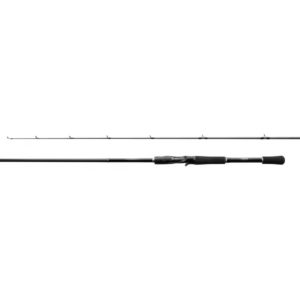
SHIMANO CURADO CASTING ROD
€182.03Select options This product has multiple variants. The options may be chosen on the product page -
SHIMANO POISON GLORIOUS SPINNING ROD
Price range: €485.42 through €520.09Select options This product has multiple variants. The options may be chosen on the product page
Reviews
There are no reviews yet.