
We Deliver Directly To Your Door


Description
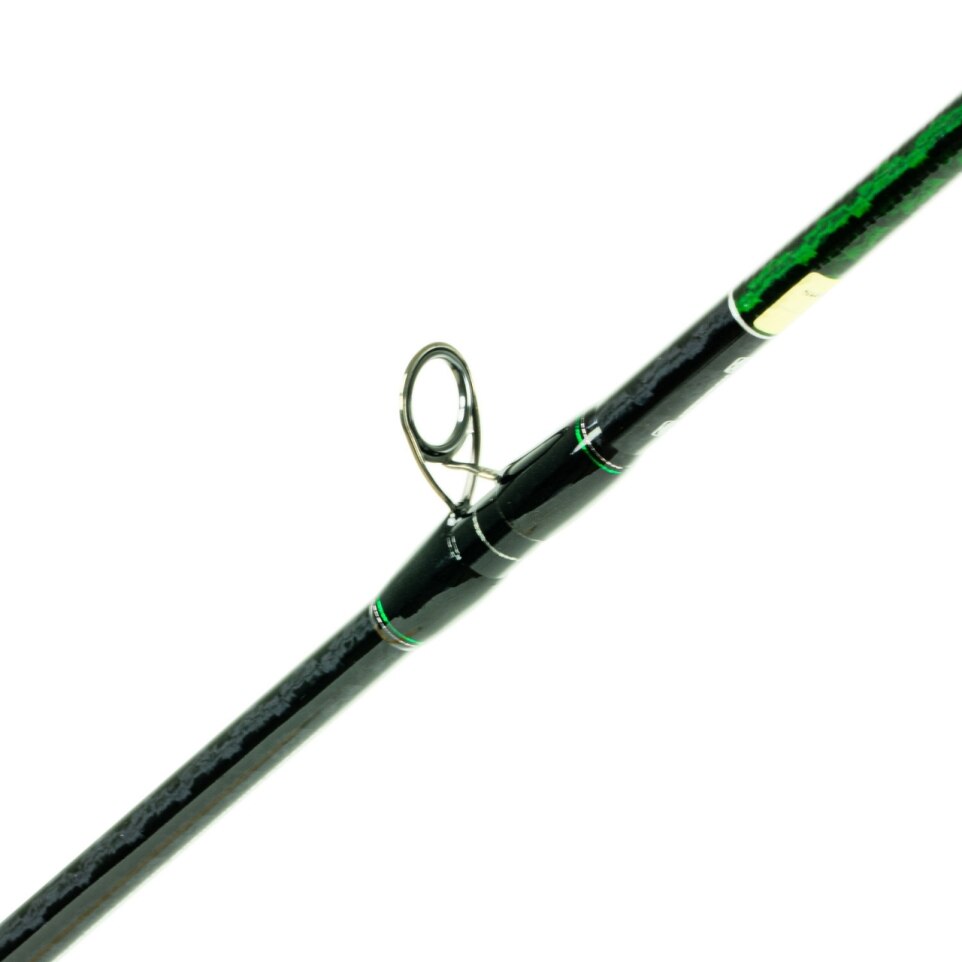
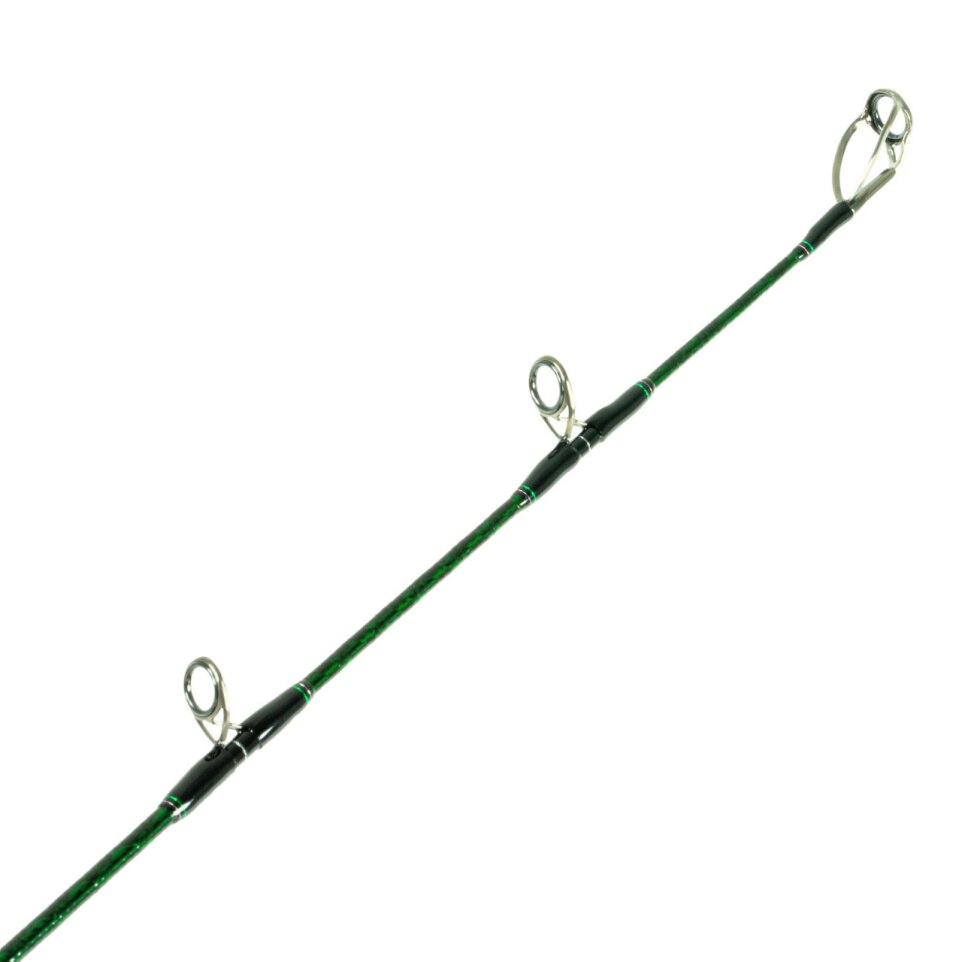
SHIMANO TREVALA PX CASTING JIGGING ROD
Built for Powerful Jigging Performance
When demanding offshore sessions are being planned, dependable equipment is expected to perform without unnecessary complications. The SHIMANO TREVALA PX CASTING JIGGING ROD has been developed for anglers who require controlled lure presentation, responsive handling, and dependable power during challenging saltwater encounters.
From vertical jigging to aggressive retrieves, a specialized rod is often required to keep heavy lures under control. Because of that, a balanced construction can make every movement feel more deliberate. Meanwhile, suitable rod power allows pressure to be maintained when a strong fish is being brought away from structure.
Designed around the needs of modern saltwater anglers, this casting jigging setup can be incorporated into a wide range of offshore fishing applications. Furthermore, its purpose-driven design can provide the leverage required when larger fish are encountered.
Rather than being treated as simply another fishing rod, this model can be viewed as part of a complete jigging system. A suitable reel, properly selected line, and correctly matched jig can therefore be combined to create a more efficient setup.
A Specialized Choice for Jigging Enthusiasts
Jigging can be highly physical. Repeated lure movements are required, while constant attention must be given to depth, current, structure, and fish behavior. Consequently, equipment balance becomes increasingly important during longer sessions.
With the right rod, energy can be transferred more efficiently through each movement. At the same time, improved control can be experienced during the hook-setting process. Once a fish is connected, additional backbone can be used to maintain pressure throughout the fight.
The casting configuration also provides versatility for anglers who prefer conventional reel arrangements. Depending on the fishing environment, different presentations can be achieved without forcing the user into a single technique.
Designed Around Controlled Lure Movement
Jigs are often worked with deliberate lifts, drops, pauses, and changes in cadence. Therefore, the rod needs to communicate movement while remaining manageable during repeated presentations.
A responsive blank can help movements be transmitted toward the lure. As a result, more precise jig manipulation can be achieved.
At the same time, the rod should not become unnecessarily difficult to handle. During long offshore trips, fatigue can gradually affect technique. For that reason, overall balance and ergonomic handling are important considerations.
Power When It Matters
Strong fish can change direction quickly. Sudden runs can also place considerable stress on the entire tackle system. Consequently, sufficient lifting power is required when pressure needs to be increased.
The rod’s power profile is intended to support controlled fighting pressure. Instead of relying entirely on brute force, leverage can be used to help manage the fish.
This becomes particularly useful around reefs, wrecks, ledges, and other areas where fish may attempt to reach cover.
Why Jigging Rod Selection Matters
Matching the Rod to the Technique
Not every fishing rod is designed for the same type of presentation. A lightweight freshwater rod, for example, is normally intended for very different demands than an offshore jigging rod.
Jigging equipment must be capable of handling repeated lure movements and extended fights. Additionally, the blank must provide enough strength for the intended fishing environment.
For anglers targeting powerful saltwater species, this distinction becomes especially important.
Vertical Jigging Applications
Vertical jigging is frequently performed from boats where the lure is worked beneath the vessel. Because the line is often kept relatively direct, the rod can be used to influence jig movement with short, controlled actions.
A purpose-built jigging rod can therefore make this technique more comfortable and consistent.
When the jig is being dropped into deeper water, sensitivity and control remain valuable. Once the lure reaches the target zone, subtle adjustments can be introduced according to current and fish activity.
Offshore Structure Fishing
Structure frequently holds predatory fish. Wrecks, reefs, drop-offs, and underwater formations can all become productive areas.
However, these locations can also create difficult fights.
Once a fish is hooked near structure, pressure may need to be increased quickly. A strong rod can assist by allowing the angler to maintain control while reducing the opportunity for the fish to reach cover.
Key Product Benefits
- Purpose-built jigging performance for demanding saltwater applications
- Casting configuration suited to anglers using conventional baitcasting-style reel systems
- Responsive lure control for vertical and aggressive jig presentations
- Strong fighting leverage for managing powerful fish
- Balanced handling intended for repeated jigging movements
- Versatile offshore application across multiple saltwater environments
- Technique-focused construction for anglers seeking dedicated jigging equipment
- Suitable for experienced anglers and developing offshore enthusiasts
- Designed for controlled pressure when fish need to be kept away from structure
- Excellent addition to a specialized saltwater tackle collection
Performance for Modern Saltwater Anglers
Control From Drop to Hookset
Effective jigging begins before the first strike. The lure must be delivered to the appropriate depth, maintained within the productive zone, and moved according to the conditions.
Therefore, the rod becomes an important communication point between angler and lure.
Every lift can be controlled. Every pause can be introduced intentionally. Every change in cadence can be transmitted through the line.
When a strike occurs, the same setup must transition from lure presentation to fish control.
That transition is one of the most important characteristics of a dedicated jigging system.
Fast Reaction During Strikes
Predatory saltwater species can strike aggressively. Sometimes, the initial bite can occur during the upward movement of the jig. In other situations, the fish may follow the lure and commit during a pause.
A responsive rod can help the angler react quickly.
Once contact is established, a firm hookset can be delivered while the reel begins applying controlled pressure.
This makes the overall system feel more connected.
Maintaining Pressure During the Fight
After the hookset, the objective changes. The lure no longer needs to be manipulated; instead, the fish must be controlled.
At this stage, rod strength and leverage become increasingly valuable.
Pressure can be adjusted according to the fish’s movement. If the fish begins running toward structure, more authority may be required. Conversely, when the fish moves into open water, a controlled fight can be maintained.
The result is a more adaptable fighting approach.
Built for Demanding Fishing Conditions
Saltwater Environments Require Specialized Equipment
Saltwater fishing can expose equipment to demanding conditions. Spray, humidity, repeated casting, heavy lures, and powerful fish can all place additional requirements on tackle.
Because of this, specialized equipment is generally preferred for offshore use.
The SHIMANO TREVALA PX CASTING JIGGING ROD can be positioned as a dedicated component within a saltwater tackle system where dependable handling and jig control are priorities.
Boat-Based Fishing
From a compact center console to a larger offshore vessel, jigging is commonly performed from boats.
Boat anglers can benefit from a rod that is designed around vertical presentations and fish-fighting leverage.
Because space can sometimes be limited on a boat, efficient rod handling becomes important. A balanced setup can help movements remain controlled without unnecessary effort.
Deep-Water Presentations
As depth increases, lure control can become more challenging. Water resistance, current, line angle, and lure weight can all influence the presentation.
Consequently, the rod must work together with the reel and line rather than being considered independently.
A suitable jigging rod can help maintain deliberate movements throughout the retrieve.
Pairing the Rod With the Right Reel
Creating a Balanced Casting Setup
A rod performs best when the remaining components are properly matched.
For a casting jigging configuration, the reel should be selected according to the intended lure weight, line capacity, drag requirements, and target species.
A high-quality conventional reel can complement the rod by providing consistent line management and adjustable fighting pressure.
Reel Gear Ratio Considerations
Different gear ratios can be selected according to the preferred jigging cadence.
A higher ratio can allow line to be recovered rapidly. Meanwhile, a lower ratio can provide additional mechanical advantage when heavy resistance is encountered.
Neither option is universally superior.
Instead, the preferred ratio should be based on lure style, depth, target species, and personal technique.
Drag Performance
Drag control becomes especially important when powerful fish are targeted.
A properly adjusted drag allows pressure to be maintained while reducing the chance of sudden line failure. At the same time, experienced anglers can make adjustments during a fight when conditions change.
The rod and reel should therefore be treated as a combined system.
Choosing the Right Jig
Metal Jigs
Metal jigs remain one of the most recognizable tools associated with saltwater jigging.
Different profiles can be selected according to current strength, depth, baitfish activity, and target species.
Slim profiles may be allowed to descend rapidly. Wider designs may produce more pronounced fluttering actions.
The rod can then be used to manipulate the selected jig according to the desired presentation.
Slow-Pitch Presentations
Slow-pitch jigging relies on deliberate movements rather than constant aggressive retrieves.
The lure is often allowed to flutter, glide, or pause after a controlled lift.
For this technique, rhythm is important.
An angler can develop a sequence of movements and adjust it based on fish response. Therefore, a responsive rod can contribute to more consistent lure control.
Fast Jigging
Fast jigging can be used when active predators are being targeted.
Rapid upward movements can be combined with quick line recovery. As a result, the lure can imitate fleeing or distressed prey.
This style can be physically demanding, which makes equipment balance particularly important.
Targeting Powerful Saltwater Species
Versatility Across Offshore Fishing
A dedicated jigging setup can be used for numerous predatory species depending on regional fisheries.
Species such as tuna, amberjack, kingfish, grouper, snapper, and other strong saltwater predators may be targeted with suitable tackle.
However, the correct rod and line combination should always be selected according to the actual species, lure weight, depth, and local fishing conditions.
Amberjack and Structure
Amberjack are well known for powerful runs toward structure.
When these fish are targeted around reefs or wrecks, immediate control can be valuable.
A strong rod can assist with maintaining pressure during the initial stages of the fight.
Tuna and Open Water
Tuna can provide a completely different challenge.
Instead of immediately heading toward structure, a hooked tuna may produce long and powerful runs.
In this situation, sustained pressure and smooth reel operation become particularly important.
A balanced rod-and-reel combination can help the angler remain connected throughout the fight.
Ergonomics for Longer Sessions
Comfort Can Influence Performance
Jigging can involve hundreds of repeated lure movements.
Even when each movement is relatively small, fatigue can accumulate over several hours.
Because of this, rod balance should not be overlooked.
A setup that feels comfortable during the first few minutes may feel very different later in the day.
Reduced Unnecessary Movement
Efficient rod handling allows more of the angler’s effort to be directed toward the lure.
Rather than relying on exaggerated movements, controlled actions can be used.
This can help conserve energy while keeping the jig active.
Comfortable Fighting Position
Once a fish is hooked, the rod becomes a leverage tool.
The angler can use the rod angle to control pressure while the reel manages line recovery.
Maintaining a comfortable fighting position can therefore make extended battles more manageable.
A Smart Addition to an Offshore Tackle Collection
Built Around Technique-Specific Fishing
General-purpose rods can be useful, but specialized rods are often preferred when a particular technique becomes a regular part of an angler’s fishing routine.
Jigging is one such technique.
The SHIMANO TREVALA PX CASTING JIGGING ROD can be selected by anglers who want a dedicated platform for jigging applications rather than adapting unrelated equipment to the task.
For Experienced Anglers
Experienced offshore anglers can appreciate the control offered by purpose-built tackle.
Different jig weights, retrieves, depths, and target species can be explored as technique develops.
For Developing Anglers
Newer jigging anglers can also benefit from equipment that has been designed specifically around the technique.
As skills improve, the rod can become an important part of developing a personal jigging rhythm.
Fishing in Different Water Conditions
Current and Drift
Current can dramatically influence jigging performance.
A strong current may cause the lure to move away from the intended vertical path. Therefore, jig weight and line choice may need to be adjusted.
When the boat drifts over structure, maintaining awareness of depth becomes essential.
The rod can then be used to make quick changes in lure movement.
Clear Water
In clear water, natural lure movement may be especially important.
Subtle pauses and controlled lifts can be introduced to make the presentation appear less mechanical.
Deeper or Murkier Water
In deeper water or reduced visibility, stronger movement may help attract attention.
Vibration, flash, and changing cadence can be combined to create a more noticeable presentation.
Line Selection
Braided Line
Braided line is frequently selected for jigging because of its low stretch and excellent sensitivity.
With reduced stretch, lure movements can be communicated efficiently through the line.
Additionally, the thinner diameter of many braided lines can help reduce water resistance compared with heavier monofilament.
However, the appropriate line strength should always be matched to the target species and the rod’s intended application.
Fluorocarbon Leaders
A fluorocarbon leader can be added when abrasion resistance and a less visible connection are desired.
Leader length and strength can be adjusted according to water clarity, structure, lure presentation, and target species.
Knots should be tied carefully and inspected before fishing.
Maintenance After Saltwater Use
Rinsing and Cleaning
Saltwater equipment should be maintained after every outing.
Freshwater rinsing can be used to remove salt residue from accessible surfaces. Excessive water pressure should generally be avoided, because forcing water into sensitive components can create additional problems.
After cleaning, the rod should be allowed to dry completely before being stored.
Storage
The rod should be stored in a dry location away from unnecessary heat and direct sunlight.
During transportation, protective sleeves or rod tubes can be used to reduce the risk of accidental impacts.
Small maintenance habits can therefore contribute to a longer service life.
Why Specialized Jigging Tackle Is Worth Considering
Technique-Specific Confidence
Confidence is often overlooked when tackle is evaluated.
When anglers know their equipment is appropriate for the intended technique, attention can remain focused on reading the water, locating fish, and refining presentation.
That confidence can make the fishing experience more enjoyable.
More Efficient Presentations
A dedicated jigging rod can help movements remain consistent.
Instead of constantly compensating for equipment limitations, the angler can focus on cadence and lure behavior.
Better Adaptability
Conditions can change rapidly offshore.
Current direction may shift. Fish may move deeper. The bite may become more aggressive.
A versatile jigging setup allows adjustments to be made without completely changing the fishing approach.
Product Highlights at a Glance
Technique: Saltwater jigging and casting applications
Fishing Environment: Offshore and boat-based saltwater environments
Primary Focus: Jig control, leverage, responsiveness, and fish-fighting performance
Reel Style: Casting/conventional reel configuration
Lure Style: Metal jigs and related jigging presentations
Target Use: Predatory saltwater species
Angler Level: Suitable for developing and experienced anglers
Application: Vertical jigging, offshore structure fishing, and active predator presentations
Shop With Confidence
A Dedicated Tool for Dedicated Anglers
For anglers who spend serious time chasing powerful saltwater predators, tackle selection should be approached with purpose.
The right rod can influence lure control, fighting leverage, comfort, and overall confidence.
With its technique-focused design, the SHIMANO TREVALA PX CASTING JIGGING ROD can be considered for anglers looking to build a dependable offshore jigging setup.
Whether deeper water is being explored, reef structure is being worked, or aggressive predators are being pursued, the right combination of rod, reel, line, leader, and jig can create a more controlled fishing experience.
Make Every Jig Count
Successful jigging is rarely based on one piece of equipment alone.
Instead, success is created through the combination of appropriate tackle, correct lure selection, accurate depth management, controlled movement, and careful fish fighting.
A specialized rod forms an important part of that equation.
For anglers seeking a focused casting platform for saltwater jigging, this model can provide a strong foundation around which a complete offshore setup can be built.
Explore the possibilities, refine your technique, and prepare your tackle for the next offshore adventure.
Premium Fishing Gear, Bass Tackle & Freshwater Lures for Modern Anglers
Discover a More Complete Approach to Fishing
Finding the right fishing equipment can completely change the way a day on the water is experienced. Whether a precision presentation is being made around shallow cover, a deep structure is being explored offshore, or aggressive bass are being targeted around vegetation, the right combination of rods, reels, line, hooks, and lures can provide a noticeable advantage.
Modern anglers are being offered more choices than ever. From specialized fishing rods and high-performance reels to compact finesse presentations and large-profile swimbaits, every category has been developed around a specific purpose.
At the same time, choosing between hundreds of products can become overwhelming.
That is why a carefully selected tackle collection can be so valuable.
Rather than filling a tackle box with products that may never be used, anglers can focus on equipment that matches their preferred techniques, fishing environments, target species, and personal style.
Whether finesse fishing is being explored through BFS techniques or power fishing is being practiced with spinnerbaits, frogs, chatterbaits, and crankbaits, the right tackle can help make each presentation more controlled.
Complete Tackle for Bass Fishing
Build a Versatile Bass Fishing Arsenal
Bass fishing can involve remarkably different techniques throughout a single season.
One morning may be spent throwing a topwater presentation across calm water. Later, a crankbait may be worked around rocky structure. When conditions become difficult, a compact finesse bait may be needed.
For that reason, versatile tackle for bass fishing should cover multiple presentation styles.
A well-rounded selection can include:
- Casting rods for power presentations
- Spinning rods for finesse techniques
- Baitcasting reels for accuracy
- Spinning reels for lightweight rigs
- BFS tackle for compact lures
- Topwater baits
- Crankbaits
- Jerkbaits
- Soft-plastic worms
- Creature baits
- Swimbaits
- Frogs
- Spinnerbaits
- Chatterbaits
- Jigs
- Terminal tackle
- Fluorocarbon and monofilament line
- Braided fishing line
Consequently, anglers can be prepared for changing water conditions without having to depend on a single technique.
Fishing Rods for Different Techniques
Choosing the Right Rod Action
A rod should be selected according to the presentation being used.
Power, action, length, lure rating, line rating, and handle design can all affect performance. Therefore, a rod that works exceptionally well for a compact finesse bait may not be the best choice for a heavy swimbait or deep-diving crankbait.
Specialized options are available throughout the market.
For anglers seeking premium performance, Megabass rods are often associated with technique-specific designs and refined blank performance. Likewise, 6th Sense rods have been developed around modern bass-fishing applications.
Meanwhile, Dobyns Champion XP models are frequently considered when sensitivity, balance, and technique-specific performance are being prioritized.
Other popular options include ALX rods, Powell rods, Falcon HD rod models, Fenwick Eagle, FX Custom Rods, and St. Croix Victory rods.
Each category should be evaluated according to the intended fishing application rather than brand name alone.
Shimano Expride B Casting Rod
For anglers looking for a premium casting setup, the Shimano Expride B casting rod represents a technique-oriented option within Shimano’s rod lineup.
A casting rod of this type can be paired with a baitcasting reel for accurate lure placement around cover, structure, docks, grass, and other bass-holding areas.
The final setup should always be selected according to the exact model specifications, lure weight, line choice, and target species.
Daiwa Tatula Elite Spinning Rod
Finesse presentations can benefit from a specialized spinning setup.
The Daiwa Tatula Elite spinning rod can be considered when lightweight lure control and spinning-tackle versatility are priorities.
Spinning equipment is particularly useful when smaller baits, lighter line, or difficult casting conditions are involved.
Baitcasting Reels for Precision and Power
Why Baitcasters Remain Popular
Baitcasting reels provide several advantages when accuracy, lure control, and heavier line are required.
Once properly adjusted, a baitcaster can allow an angler to make precise casts around cover and structure.
Different reel designs are available for different applications.
The Daiwa baitcast reel category includes compact models for everyday bass fishing as well as larger designs intended for heavier applications.
Daiwa Tatula 300
When larger baits and heavier tackle are being used, the Daiwa Tatula 300 can be considered for applications where increased capacity and robust construction are desirable.
A larger reel can be particularly useful when substantial line capacity is needed.
However, reel selection should always be matched to the rod, line, lure weight, and target species.
Lew’s Mach Smash Spinning Reel
Spinning equipment remains an important part of a complete tackle collection.
The Lew’s Mach Smash spinning reel can be incorporated into lightweight and finesse-oriented setups where smooth line management and easy casting are valued.
BFS Fishing for Lightweight Presentations
Finesse Performance With Compact Lures
BFS fishing has become increasingly popular among anglers who enjoy casting exceptionally light lures with baitcasting equipment.
The technique allows small presentations to be delivered with a level of casting control that may not traditionally have been associated with baitcasting tackle.
Compact plastics, small hard baits, lightweight jigs, and finesse presentations can all be incorporated into a BFS system.
BFS Trick Shad and Small Hard Baits
A BFS trick shad style presentation can be particularly useful when smaller baitfish imitations are needed.
Likewise, compact hard baits can be worked around shallow cover, docks, rocky banks, and schooling fish.
The reel, rod, line, and lure should be matched carefully because BFS performance depends heavily on overall system balance.
SHIMANO TREVALA PX CASTING JIGGING ROD
Advanced Jigging Applications for Serious Offshore Anglers
Offshore jigging can be approached in many different ways. Depending on the depth, current, forage, structure, and target species, the same lure may be presented with completely different movements.
Because of this, versatility is highly valued in specialized tackle.
A capable casting jigging rod can be used for controlled vertical presentations, aggressive retrieves, structure-oriented fishing, and a variety of other offshore techniques. Furthermore, its role can be adjusted according to the angler’s preferred cadence and fighting style.
Rather than limiting the user to one presentation, a properly selected rod can support experimentation.
Different movements can be tested. Different jig profiles can be explored. Different depths can be targeted.
Consequently, the fishing system becomes more adaptable.
Understanding Jigging Cadence
Slow, Controlled Movements
A slower cadence can be highly effective when fish are less aggressive.
Instead of producing rapid movements, the jig can be lifted gradually and then allowed to fall naturally. During the descent, the lure may flutter or glide depending on its shape.
This style can be particularly useful when predators are following rather than aggressively chasing.
The rod plays an important role because controlled movement needs to be repeated consistently.
Small changes in rod angle can produce noticeable differences in lure behavior.
Medium-Speed Retrieves
A medium cadence can be used when fish are actively feeding but are not responding to extremely fast presentations.
The jig can be lifted with moderate force before line is recovered.
Afterward, another lift can be introduced.
This rhythm can be changed according to depth and fish response.
If strikes are being missed, the retrieve can be slowed. Conversely, if fish are showing strong interest but not committing, a faster movement can be tested.
High-Speed Jigging
Fast jigging can be used when aggressive predators are being targeted.
Rapid lifts and quick line recovery can create a fleeing-prey impression.
However, this approach can be physically demanding.
For that reason, balanced equipment becomes particularly valuable. Efficient movement can help reduce unnecessary fatigue while maintaining lure activity.
Adapting to Different Depths
Shallow Offshore Areas
Although jigging is often associated with deeper water, productive opportunities can also be found relatively close to the surface.
Shallow reefs and rocky areas can hold active predators.
In these environments, lighter presentations may sometimes be appropriate.
The lure can be worked closer to the bottom or through suspended fish.
Mid-Depth Zones
Mid-depth fishing provides a useful balance between lure control and fish-finding opportunities.
Fish may be located near structure, suspended in the water column, or positioned around baitfish concentrations.
A depth-aware approach can therefore be used.
The jig can be dropped beyond the suspected strike zone and then retrieved through it.
Deep-Water Jigging
Deep water introduces additional challenges.
As more line is released, sensitivity can become increasingly important. Current can also influence the line angle.
Consequently, lure weight and line selection may need to be adjusted.
A properly matched setup can help maintain a relatively direct connection between the angler and lure.
Working With Boat Drift
Understanding the Drift
Boat movement can dramatically influence jig presentation.
Wind, current, tide, and vessel position can all contribute to drift.
As the boat moves, the lure may no longer remain directly beneath the angler.
When this occurs, the jigging rhythm can be adjusted.
Additional line can be released, the lure can be repositioned, or the boat can be maneuvered to maintain a productive angle.
Vertical Presentation
The most direct presentation is achieved when the lure remains relatively close to vertical.
This allows rod movements to be transferred more efficiently toward the jig.
Vertical control can also make depth changes easier to monitor.
Angled Presentation
An angled line can sometimes be beneficial.
Instead of being positioned directly below the boat, the lure can move through a wider area.
This can allow more water to be covered during a drift.
However, line angle should be monitored carefully because excessive angle can reduce direct control.
Fishing Around Structure
Reefs and Rock Formations
Reefs can be highly productive because baitfish and predators are frequently concentrated around changes in the underwater environment.
However, reef fishing can also be demanding.
Once a fish is hooked, the first objective is often to prevent it from reaching heavy cover.
A powerful rod can provide the leverage required to maintain pressure.
Wreck Fishing
Wrecks create additional opportunities for jigging.
Large predatory fish may use wrecks as ambush points or shelter.
Consequently, the first moments after the hookset can be especially important.
The lure should be retrieved decisively when necessary, while pressure is maintained throughout the fight.
Drop-Offs and Ledges
Sudden depth changes can concentrate fish.
A jig can be worked along the edge of a drop-off while the boat moves across the area.
Because depth can change quickly, attention should be given to the depth finder and lure position.
Reading Fish-Finder Information
Locating Productive Water
Modern electronics can make offshore jigging more efficient.
A fish finder can be used to identify depth changes, bait concentrations, suspended marks, and underwater structure.
Once productive water has been located, the jig can be positioned accordingly.
Identifying Bait
Predators frequently remain close to available food.
Therefore, baitfish marks can provide useful information.
If bait is detected above structure, the jig can be worked through that area.
If fish are positioned below the bait, a deeper presentation may be tested.
Suspended Fish
Not every fish will be found close to the bottom.
Some species may suspend well above structure.
For this reason, the entire water column should not be ignored.
The lure can be stopped at different depths to determine where activity is concentrated.
Hook Selection and Terminal Tackle
Strong Hooks
A powerful fish can expose weaknesses throughout the terminal tackle.
Hooks should therefore be selected according to the intended species and lure.
Strong, sharp hooks can improve the reliability of the connection.
Assist Hooks
Assist hooks are commonly used with metal jigging lures.
They can be positioned near the front or rear of the jig depending on the presentation.
Different configurations can produce different hookup characteristics.
Before fishing, each connection should be checked carefully.
Split Rings
Split rings provide another important connection point.
They should be inspected regularly for deformation, corrosion, or damage.
Saltwater exposure can gradually affect metal components, so replacement should be performed when necessary.
Knot Selection
Connecting Main Line and Leader
A strong connection between braided main line and leader material is essential.
Several knots can be used depending on personal preference and fishing conditions.
The selected knot should be tied carefully and tested before a fishing session.
Knot Strength
Knot strength can be influenced by line type, diameter, tying technique, lubrication, and consistency.
Therefore, even a highly regarded knot can perform poorly when tied incorrectly.
Practice should be performed before heading offshore.
Inspecting Connections
Connections should be checked after fish have been landed and after contact with structure.
Small signs of abrasion can indicate that replacement is necessary.
A few seconds of inspection can prevent unnecessary tackle failure.
Managing Heavy Jigging Sessions
Physical Preparation
Repeated jigging can place significant demands on the shoulders, arms, wrists, and core.
Because of this, physical preparation can be beneficial.
Anglers can improve comfort by maintaining a stable stance and avoiding excessive movement.
Efficient Technique
Efficiency should be prioritized over exaggerated power.
The rod can be lifted using controlled movements rather than relying exclusively on the arms.
A smooth rhythm can then be repeated for longer periods.
Taking Strategic Breaks
Long offshore sessions can be demanding.
Short breaks can be taken when conditions allow.
Hydration should also be maintained, particularly during warm-weather fishing.
Weather and Sea Conditions
Calm Water
Calm conditions can make lure control relatively straightforward.
The boat remains more stable, and vertical presentations can often be maintained more easily.
This provides an excellent environment for refining cadence.
Windy Conditions
Wind can increase drift speed.
As a result, the lure may move away from the desired position more quickly.
Heavier jigs or adjusted boat positioning may sometimes be required.
Strong Current
Current can create substantial line pressure.
A heavier lure can help maintain depth, while a thinner line can reduce water resistance.
However, tackle selection should remain within the intended specifications of the entire setup.
Selecting Jigs by Profile
Slim Jigs
Slim-bodied jigs can be useful when fast descent is desired.
Their narrow profile may reduce resistance as they sink.
This can make them suitable for deeper water or stronger current.
Wide-Profile Jigs
Wider designs can produce more pronounced movement during descent.
Fluttering action can attract predators that are following the lure.
The preferred profile can therefore be changed according to fish behavior.
Center-Balanced Jigs
Center-balanced designs can offer a distinctive fall.
Depending on the shape, the lure may remain relatively horizontal during descent.
This can create additional visual movement.
Matching Jig Weight
Lighter Presentations
Lighter jigs can be useful in shallow water or weaker current.
They may provide a more subtle presentation.
However, excessive drift can make them difficult to control.
Heavier Presentations
Heavier jigs can reach greater depths more quickly.
They can also remain more manageable in stronger current.
Nevertheless, lure weight should always be matched with the rod, reel, line, and terminal tackle being used.
Finding the Balance
The best lure weight is not necessarily the heaviest available.
Instead, the goal is to select enough weight to maintain control while preserving an effective action.
That balance can vary throughout the day.
Developing a Personal Jigging Style
Experimentation
No single retrieve is guaranteed to work under every condition.
Fish behavior can change throughout the day.
Therefore, experimentation can be useful.
Several cadences can be tested until a productive movement is discovered.
Changing the Pause
Sometimes, the pause can be more important than the lift.
A jig may be allowed to fall for a longer period.
At other times, a short pause may encourage an immediate strike.
Changing Rod Angle
Rod angle can influence lure movement.
A higher angle can produce a different lift compared with a lower angle.
Small adjustments can therefore be incorporated into the presentation.
Fighting Fish Efficiently
The First Few Seconds
The first seconds after a strike can be critical.
A strong hookset should be delivered according to the tackle being used.
Once the hook is secured, pressure should be maintained.
Keeping the Fish Away From Cover
If the fish is near structure, controlled pressure can be applied.
The objective is not necessarily to overpower the fish immediately.
Instead, the angler should attempt to manage its direction while keeping the line clear of dangerous structure.
Open-Water Fights
When structure is not a concern, a longer fight can sometimes be allowed.
The fish can be worked gradually toward the boat.
Smooth drag operation becomes especially valuable during this stage.
Drag Management
Starting Drag Settings
Drag settings should be selected according to line strength, leader material, hook configuration, target species, and environmental conditions.
A setting that is appropriate for one situation may be unsuitable for another.
Therefore, anglers should avoid assuming that one drag setting works universally.
Adjusting During the Fight
Experienced anglers may make controlled drag adjustments when conditions change.
However, sudden changes should be avoided.
The goal should be smooth and predictable pressure.
Checking the Drag
Drag performance should be checked before fishing.
A reel that has been stored for a long period should receive additional attention.
Saltwater exposure and contamination can influence performance.
Landing Fish Safely
Preparing Before the Fish Arrives
Landing preparation should begin before the fish reaches the boat.
Landing nets, gaffs, gloves, pliers, and other required equipment can be positioned within reach.
This prevents unnecessary delays during the final stage.
Maintaining Line Tension
Slack line can create opportunities for hooks to become dislodged.
Therefore, controlled tension should be maintained until the fish is safely secured.
Responsible Handling
Fish that are intended for release should be handled as efficiently as possible.
Wet hands can be used when appropriate to reduce unnecessary damage to the fish’s protective coating.
Hooks should be removed carefully.
Building a Complete Jigging System
Rod
The rod provides leverage and lure control.
Its power and action should be matched with the fishing technique.
Reel
The reel provides line management and drag control.
Gear ratio, spool capacity, and drag performance should be considered.
Main Line
Braided line is commonly selected because of its sensitivity and relatively small diameter.
Strength should be matched to the target species.
Leader
Leader material provides abrasion resistance and a connection between the main line and lure.
Jig
The lure determines the primary visual and movement characteristics of the presentation.
Hooks and Rings
Terminal components complete the system.
Every connection should be inspected before use.
Transporting the Rod
Protecting the Blank
Fishing rods can be damaged during transportation when they are exposed to unnecessary impacts.
A protective rod sleeve can reduce contact with other equipment.
Boat Storage
On a boat, rods should be positioned where they will not be stepped on or struck by heavy tackle.
Rod holders should be used whenever available.
Travel
For air travel or long-distance transportation, a suitable rod tube can provide additional protection.
The goal is to prevent pressure from being applied to the blank or guides.
Long-Term Equipment Care
After Every Trip
Freshwater rinsing can remove salt residue from the exterior.
The rod should then be dried thoroughly.
Regular Inspection
Guides should be checked for damage.
The reel seat should also be inspected.
Small cracks, loose components, or unusual movement should not be ignored.
Seasonal Storage
When equipment will not be used for an extended period, it should be stored in a dry environment.
Direct sunlight and excessive heat should be avoided.
Who Can Benefit From This Type of Rod?
Offshore Jigging Anglers
Anglers who regularly fish offshore can benefit from dedicated equipment.
The ability to work jigs deliberately while maintaining strong fighting leverage can make specialized tackle worthwhile.
Charter Anglers
Charter fishing often involves changing conditions and multiple target species.
A versatile jigging setup can therefore be useful when different opportunities appear throughout the trip.
Private Boat Owners
Boat owners may spend extended periods exploring reefs, wrecks, ledges, and offshore structures.
A specialized jigging rod can be kept ready for situations where predatory fish are detected.
Beginner-Friendly Learning Path
Start With Simple Cadence
New jigging anglers do not need to begin with complicated movements.
A simple lift-and-fall pattern can be practiced first.
Once the rhythm becomes comfortable, additional variations can be introduced.
Learn Depth Control
Understanding depth is one of the most useful skills in offshore jigging.
The lure should be tracked as it descends.
This allows the angler to identify where strikes occur.
Observe Fish Response
Every strike provides information.
If fish consistently follow but do not bite, the cadence can be changed.
If strikes occur during the fall, additional attention can be given to the descent phase.
Advanced Angler Techniques
Combining Cadences
Experienced anglers can combine different speeds during one retrieve.
A fast sequence can be followed by a slower fall.
A pause can then be added.
This creates an irregular movement that may trigger predatory instincts.
Targeting Suspended Fish
When fish are suspended, repeatedly reaching the bottom may not be necessary.
Instead, the jig can be worked through the depth where fish have been located.
This can make the presentation more efficient.
Repeating Productive Patterns
When a productive cadence is discovered, it can be repeated.
Consistency can be especially useful when several fish respond to the same presentation.
Why Equipment Balance Matters
Rod and Reel Compatibility
A rod should feel balanced with the reel installed.
An overly heavy reel can change the overall feel.
Similarly, an unsuitable reel can make repeated movements unnecessarily tiring.
Line Compatibility
The selected line should work effectively with the reel and rod.
Excessive line diameter can increase resistance in deeper water.
Lure Compatibility
The lure should be selected within the appropriate range for the complete setup.
The correct balance can improve control and reduce unnecessary strain.
Offshore Confidence Begins With Preparation
Prepare Before Leaving the Dock
A successful jigging session often begins before the boat leaves shore.
Knots should be checked.
Drag should be tested.
Hooks should be inspected.
Jigs should be organized.
Leader material should be prepared.
This preparation reduces avoidable problems offshore.
Monitor Conditions
Weather forecasts, tides, wind direction, current, and sea state can all influence the fishing strategy.
Conditions should be monitored throughout the trip.
Adapt Instead of Forcing One Method
If the initial approach is not producing results, adjustments should be made.
Changing jig weight, depth, cadence, or location can reveal new opportunities.
Product Selection Considerations
Think About Your Target Species
Before choosing any specialized fishing rod, the target species should be considered.
Small and medium predators may require a different setup from large offshore species.
Consider Fishing Depth
Deep-water fishing can require different line and lure choices.
A rod should be selected with the intended depth and presentation in mind.
Consider Lure Weight
The jig should be compatible with the setup.
Using a lure outside the intended range can negatively affect control and equipment performance.
Consider Your Fishing Style
Some anglers prefer aggressive movement.
Others prefer slow, deliberate presentations.
The best setup is therefore the one that complements the user’s technique and fishing environment.
A Reliable Foundation for Offshore Adventures
Designed Around Practical Fishing Needs
A specialized jigging rod should ultimately make the fishing process more controlled.
The goal is not simply to add another piece of equipment to a tackle collection.
Instead, the goal is to create a system that works together.
When rod, reel, line, leader, and lure are properly matched, each component can contribute to the overall performance.
Built for Technique Development
Fishing skills continue to develop with experience.
A dedicated jigging setup can support that progression.
New retrieves can be learned.
Different jig profiles can be tested.
More challenging depths can be explored.
As confidence grows, the same setup can become increasingly familiar.
Frequently Asked Questions
What is a casting jigging rod used for?
A casting jigging rod is designed for fishing techniques where jigs are manipulated through deliberate rod movements while a casting-style reel is used.
It can be particularly useful for offshore saltwater applications.
Can jigging be performed from a boat?
Yes.
Boat-based jigging is one of the most common applications.
The lure can be dropped vertically or worked at an angle depending on drift, current, depth, and fish location.
What type of fish can be targeted?
The appropriate target species will depend on the rod’s specifications, line setup, lure weight, and local fishery.
Depending on the configuration, offshore predators such as tuna, amberjack, grouper, snapper, kingfish, and similar species may be pursued.
Always match tackle to the actual species and local regulations.
Is braided line suitable for jigging?
Braided line is commonly used for jigging because relatively low stretch can provide excellent sensitivity and direct lure control.
However, line strength should be selected according to the target species and overall tackle system.
Why is lure weight important?
Lure weight influences casting, depth control, fall speed, and rod loading.
A lure should be selected within the appropriate range for the rod and complete tackle system.
Should a fluorocarbon leader be used?
A fluorocarbon leader can be useful when abrasion resistance or reduced visibility is desired.
Its strength should be matched to the intended fishing conditions.
How should a jigging rod be maintained?
After saltwater use, accessible surfaces should be rinsed with fresh water and dried thoroughly.
The rod should then be stored away from excessive heat and direct sunlight.
Guides and connection points should also be inspected regularly.
Final Buying Perspective
Built Around the Jigging Experience
A successful offshore setup should provide more than raw strength.
Control, balance, responsiveness, comfort, and compatibility should all be considered.
The SHIMANO TREVALA PX CASTING JIGGING ROD can be incorporated into a purpose-built system where controlled jig presentation and dependable fighting leverage are priorities.
Whether deeper structure is being explored or active predators are being pursued in open water, specialized equipment can make the entire process more deliberate.
A Practical Choice for Dedicated Anglers
For anglers who have made jigging a regular part of their fishing routine, investing in technique-specific equipment can be worthwhile.
A well-matched setup can reduce unnecessary compromises.
Instead, more attention can be placed on reading the water, understanding fish behavior, refining lure movement, and enjoying the fight.
Ready for the Next Offshore Session
Every fishing trip presents different challenges.
Current changes.
Fish move.
Weather shifts.
Bait concentrations relocate.
Because of this, adaptability remains essential.
A versatile jigging setup provides a foundation from which adjustments can be made.
With appropriate preparation and responsible tackle selection, more opportunities can be explored while confidence is maintained throughout the session.
Key Advantages Recap
- Dedicated jigging application for offshore fishing
- Casting-style configuration for compatible conventional reel setups
- Controlled lure manipulation across varied retrieve styles
- Strong fighting leverage for demanding saltwater encounters
- Versatile presentation potential from slow to fast jigging
- Suitable for structure-oriented fishing
- Useful for open-water predator fishing
- Compatible with braid-and-leader systems
- Designed around technique development
- Appropriate for experienced and developing anglers
- Well suited to boat-based fishing
- A valuable component of a specialized offshore tackle collection
The Complete Offshore Jigging Experience
More Than a Rod
Successful jigging is created through a combination of preparation, technique, tackle selection, and adaptability.
The rod is one component of that system.
Its purpose is to connect the angler to the lure while providing the leverage needed when a fish strikes.
When that connection feels controlled, technique can become more consistent.
When technique becomes consistent, subtle changes can be recognized more easily.
And when those changes are recognized, adjustments can be made with greater confidence.
Confidence on Every Drop
Each drop provides another opportunity.
The jig can be presented at a different depth.
The cadence can be changed.
The retrieve can be accelerated.
The pause can be extended.
The boat can be repositioned.
These adjustments are what make offshore jigging such an engaging technique.
Built Around the Angler
Fishing styles differ.
Some anglers prefer aggressive retrieves.
Others prefer slow movements.
Some focus on structure.
Others search open water.
A versatile setup can accommodate these differences while allowing individual preferences to remain part of the experience.
Conclusion
Prepare, Present, Adapt
Offshore jigging rewards preparation and adaptability.
The right combination of rod, reel, line, leader, and jig can provide greater control over every stage of the presentation.
From the initial drop to the final moments of the fight, each component has a role to play.
The SHIMANO TREVALA PX CASTING JIGGING ROD can serve as a dedicated foundation for anglers who want to explore demanding saltwater jigging applications with a casting-oriented setup.
Rather than relying on excessive repetition or complicated equipment choices, a focused tackle system can be built around the actual fishing conditions.
Depth can be considered.
Current can be monitored.
Jig weight can be adjusted.
Cadence can be changed.
Pressure can be managed.
Through those small decisions, the overall fishing experience can become more controlled and enjoyable.
For anglers preparing for their next offshore adventure, a specialized jigging setup can provide the confidence needed to keep exploring, learning, and improving.
Drop deeper. Work smarter. Stay connected. Make every presentation count.
Best Freshwater Lures for Versatile Fishing
Match the Lure to the Conditions
There is no single lure that can be considered universally perfect.
Instead, the best freshwater lures are determined by water clarity, temperature, depth, forage, cover, weather, and fish activity.
A productive tackle box can therefore include several categories.
Soft Plastics
Soft plastics remain among the most versatile options available.
Examples include:
- Senkos
- Zoom Super Flukes
- Zoom Speed Worm
- Zoom Thick Trick
- Yamamoto Fat Senko
- Xcite Baits
- X Zone Baits
- Lunker City
- Reactive Innovations
- Gambler Walking Frog
- Krackin Craw
- Saucy Swimmer
- Berkley PowerBait Minnow
- Creature fish presentations
- Bacca Burrito swimbait
- Berkley Flux Gill
- Crush City Mayor
Each style can be presented differently according to depth and cover.
Senko-Style Presentations
Simple Design, Proven Versatility
The appeal of a stick-style worm is largely based on simplicity.
A bait such as a Yamamoto Fat Senko can be rigged in multiple ways, allowing anglers to adapt the presentation to different conditions.
Texas rigs, wacky rigs, weightless presentations, and other configurations can all be considered.
The falling action can be particularly useful when bass are feeding slowly or holding near cover.
When to Use Stick Worms
A soft-plastic stick bait can be considered when:
- Bass are relating to shallow cover.
- Fish are pressured.
- A subtle presentation is required.
- Water conditions are relatively calm.
- A natural falling action is desired.
- Finesse fishing is being prioritized.
Because the rigging options are extensive, a small number of soft plastics can cover many fishing situations.
Zoom Super Flukes and Finesse Swimbait Presentations
Natural Baitfish Imitation
A Zoom Super Flukes presentation can be used when a streamlined baitfish profile is desired.
The lure can be rigged weightless, Texas-style, on a jighead, or with other configurations depending on the conditions.
Its versatility allows different retrieve speeds to be explored.
At times, a steady swimming retrieve can be effective. At other times, pauses and subtle twitches may be preferred.
Zoom Speed Worm
The Zoom Speed Worm offers another option when a soft-plastic profile is needed around vegetation and shallow structure.
Its design allows it to be worked at different speeds while maintaining an attractive underwater presentation.
Crankbaits for Covering Water
Shallow Diving Crankbait Applications
A shallow diving crankbait can be valuable when bass are holding near the upper portion of the water column.
These lures allow large areas to be covered efficiently.
Rock, wood, grass edges, shallow flats, and bank transitions can all be explored.
The lure can also be bounced or deflected from cover, potentially creating reaction opportunities.
Rapala Crankbait
The Rapala crankbait category includes numerous designs intended for different depths and retrieve styles.
When selecting a crankbait, attention should be given to:
- Running depth
- Buoyancy
- Body profile
- Action
- Hook configuration
- Water clarity
- Target depth
- Structure type
A properly matched crankbait can become one of the most efficient search tools in a bass angler’s tackle box.
Deep Crankbait Fishing
Reaching Fish Below the Surface
When bass are holding deeper, a deep crankbait can be used to reach them.
Long casts can help the lure achieve its intended running depth.
Once the lure reaches structure, controlled contact can sometimes trigger reaction strikes.
However, deep crankbait fishing requires appropriate equipment.
A longer casting rod, suitable reel, appropriate line, and correctly sized lure can help create a more efficient system.
Bill Lewis Hammer Flat Crank Crankbait
The Bill Lewis Hammer Flat Crank Crankbait can be considered when a flat-sided crankbait profile is desired.
Flat-sided designs can produce a distinct action that may be useful in certain seasonal conditions.
Jerkbaits for Suspended Bass
Control the Pause
A jerkbait is often associated with baitfish-oriented presentations.
The lure can be worked through a sequence of pulls and pauses.
During the pause, the bait may remain suspended or slowly change position depending on its design.
That pause can be especially important when bass are following rather than aggressively chasing.
Berkley Stunna
The Berkley Stunna can be incorporated into a jerkbait-focused tackle selection.
Suspending presentations can be particularly useful when bass are relating to baitfish in open water or near structure.
Retrieve cadence can be changed according to fish response.
Topwater Fishing
Walking Baits
Few bass-fishing presentations are as visually exciting as topwater fishing.
Walking baits can be worked across the surface using rhythmic rod movements.
The side-to-side action can imitate vulnerable prey moving across open water.
Calm mornings, low-light periods, and active feeding situations can provide opportunities for this style of fishing.
Top Water Popper
A top water popper offers a different surface presentation.
Instead of producing a continuous walking action, the bait can be popped, paused, and repositioned.
The resulting disturbance can imitate struggling prey.
Buzzbaits and Surface Reaction Strikes
Working a Buzzbait Around Cover
A buzzbait can be an effective search lure when bass are actively feeding near the surface.
Its rotating blade creates vibration and surface disturbance.
The lure can be retrieved steadily across shallow water, vegetation edges, wood, and other cover.
Speed can be adjusted according to the desired presentation.
Choppo-Style Surface Action
A Choppo style topwater lure provides another way to create surface commotion.
The rotating tail can generate disturbance while the lure is retrieved across the surface.
This type of bait can be particularly appealing when an aggressive topwater presentation is desired.
Frog Fishing
Hollow Body Frog Lure
Vegetation can create unique opportunities for topwater fishing.
A hollow body frog lure can be worked over grass, lily pads, mats, and other shallow cover.
The lure can be paused in open pockets and then moved across vegetation.
Because bass may strike aggressively around heavy cover, appropriate tackle should be selected.
Gambler Walking Frog
The Gambler Walking Frog can be included in a frog-oriented selection when a surface presentation with walking potential is desired.
A compact frog box can provide substantial versatility during summer and warm-water conditions.
Spinnerbaits and Search Presentations
Strike King Spinnerbait
A Strike King spinnerbait can be used when covering water quickly is important.
Flash, vibration, and movement can make spinnerbaits useful in stained water, around vegetation, and during active feeding periods.
Different blade configurations can be selected according to conditions.
Thunder Cricket Lure
A Thunder Cricket lure represents another vibration-oriented option for anglers who prefer bladed presentations.
These lures can be worked through different retrieve speeds and around various forms of cover.
Chatterbait Jackhammer
Vibration and Swimming Action
The Chatterbait Jackhammer has become a recognizable option among anglers looking for strong vibration from a bladed jig presentation.
A trailer can be added to modify the lure’s profile and movement.
Different trailers can create different levels of bulk, action, and vibration.
Swimmer Jig Presentations
A swimmer jig can be used when a more streamlined swimming profile is desired.
These presentations can be paired with soft-plastic trailers and worked around vegetation, wood, and shallow structure.
Swimbaits for Larger Presentations
Huddleston Deluxe
Larger swimbaits can be selected when bigger baitfish profiles are desired.
The Huddleston Deluxe category is associated with large-profile swimbait presentations that can be used when anglers want to imitate substantial forage.
Such lures should be matched with appropriately rated rods, reels, line, and terminal components.
Bacca Burrito Swimbait
The Bacca Burrito swimbait can be incorporated into a larger soft-plastic presentation when a substantial baitfish profile is preferred.
Swimbait fishing often requires deliberate retrieve control.
A slow and steady presentation can be explored first, followed by adjustments based on water temperature, depth, and fish activity.
Specialized Hard Baits
KGB Chad Shad
The KGB Chad Shad represents the type of specialized hard bait that can attract anglers interested in distinctive baitfish presentations.
Specialty lure designs can be particularly valuable when fish have become accustomed to more common offerings.
Livingston Lures
Livingston Lures can also be considered when electronic-enhanced or specialized hard-bait concepts are being explored.
When experimenting with unfamiliar lure technology, anglers should evaluate how the lure behaves in their specific water conditions.
Lucky Craft Fishing Lures
Refined Hard-Bait Presentations
Lucky Craft fishing lures have long been associated with a wide range of hard-bait presentations.
The category can include crankbaits, jerkbaits, topwater designs, and other specialized options.
Different lure profiles can be selected according to:
- Depth
- Forage
- Water clarity
- Season
- Structure
- Fish activity
- Retrieve speed
A diversified hard-bait collection can make seasonal adjustments much easier.
Megabass Blowly and Specialty Topwater Fishing
Exploring Surface Presentations
The Megabass Blowly can be considered by anglers interested in specialized topwater lure designs.
Topwater fishing is highly dependent on conditions.
Wind, cloud cover, water temperature, surface activity, and bait presence can all affect results.
Accordingly, surface lures should be rotated according to the environment rather than used according to a fixed schedule.
Soft-Plastic Creature Baits
Krackin Craw and Compact Profiles
Creature-style plastics provide substantial versatility around cover.
A Krackin Craw style presentation can be rigged Texas-style, Carolina-style, or incorporated into other systems depending on the intended presentation.
The appendages can create water movement even when the lure is barely moving.
Crush City Mayor
The Crush City Mayor can be considered when a larger soft-plastic profile is desired.
Creature and bulkier soft plastics can be particularly useful when bass are feeding on larger forage or when additional water displacement is needed.
Tube Jig Heads
Compact Bottom Presentations
Tube jig heads can be used to create compact presentations around rocky bottoms, docks, and structure.
A tube can be rigged in several ways, allowing the angler to change its fall and movement.
The appropriate hook size should be selected according to the lure dimensions.
VMC Tungsten Jig Heads
VMC tungsten jig heads can be considered when compact terminal tackle and increased density are desired.
Tungsten can provide a smaller profile for a given weight, which may be useful when navigating specific cover situations.
Treble Fishing Hooks
Maintaining Reliable Hook Performance
Hard baits are frequently supplied with treble hooks, but replacement hooks may eventually be required.
Treble fishing hooks should be selected according to lure size and intended species.
Sharpness should be checked regularly.
If hooks become dull, bent, or damaged, replacement should be considered.
Hook Maintenance
Before every fishing trip, anglers can inspect:
- Hook points
- Barbs
- Hook alignment
- Split rings
- Corrosion
- Overall sharpness
A small component can have a significant influence on landing performance.
Fishing Line for Different Applications
Sufix 832
Braided line is commonly selected when sensitivity, strength, and casting performance are important.
Sufix 832 is one option within the braided-line category.
Braided line can be especially useful around heavy vegetation and when long-distance lure control is required.
Sufix Promix Braid
Sufix Promix braid can also be considered for applications where anglers want braided-line performance suited to their preferred setup.
The exact breaking strength should be matched to the rod and target species.
Monofilament Fishing Line
When Mono Makes Sense
Monofilament fishing line continues to have a place in modern tackle systems.
Its stretch characteristics can be useful for certain presentations.
Topwater anglers may appreciate the buoyancy and shock absorption that can be associated with monofilament.
Sufix Elite Monofilament
Sufix Elite monofilament can be considered when a traditional mono setup is desired.
Line diameter, breaking strength, knot choice, and lure type should all be considered before selecting a specific size.
Fluorocarbon Line
Tatsu Fluorocarbon
Fluorocarbon is frequently selected when anglers want low visibility and abrasion resistance.
Tatsu fluorocarbon can be considered for applications where premium fluorocarbon performance is desired.
It can be used as a main line in some setups or as leader material in others.
P-Line CXX
Pline CXX provides another option within the line category.
Line selection should be based on fishing conditions rather than marketing claims alone.
Suffix Fishing Line and Leader Selection
Choosing Strength Carefully
Sufix fishing line products can cover multiple categories, including braided and monofilament applications.
When selecting line, anglers should consider:
- Target species
- Water clarity
- Cover
- Depth
- Lure weight
- Rod power
- Reel capacity
- Drag setting
- Casting distance
A balanced line choice can improve both casting and fish-fighting performance.
How to Tie Line on a Spinning Reel
A Basic Spooling Approach
Knowing how to tie line on a spinning reel is an essential skill for anglers who maintain their own equipment.
First, the appropriate line should be selected.
Next, the reel spool should be positioned so the line can be loaded evenly.
The line can then be attached using a suitable arbor knot or another reliable connection.
After the knot has been secured, tension should be maintained while line is wound onto the spool.
The spool should not be excessively filled.
A small amount of space should remain below the spool lip to reduce the likelihood of loops and line-management problems.
Avoiding Common Spooling Problems
Uneven line distribution can lead to casting issues.
Excessive tension can also affect the line.
Therefore, consistent pressure should be maintained throughout the spooling process.
The line should be wound evenly from one side of the spool to the other.
Reel Parts and Long-Term Maintenance
Keeping Equipment Functional
Reels contain multiple moving components.
Over time, bearings, gears, drag components, handles, knobs, and other reel parts can require cleaning, lubrication, adjustment, or replacement.
Routine maintenance can extend equipment life.
Clearance Baitcast Reels
When a clearance baitcast reel is being considered, specifications should still be reviewed carefully.
A discounted price does not automatically mean that the reel is appropriate for a particular technique.
Gear ratio, spool capacity, drag system, bearings, braking system, and overall weight should be considered.
Plano 3600 and Tackle Organization
Organizing Your Tackle Box
Good organization can save valuable fishing time.
The Plano 3600 format is widely useful for organizing hard baits, terminal tackle, soft plastics, and accessories.
Different boxes can be assigned to specific categories.
For example:
- Topwater box
- Crankbait box
- Jerkbait box
- Terminal tackle box
- Soft-plastic box
- Finesse box
- Frog box
- Swimbait box
This approach can reduce clutter and make lure changes faster.
Online Angling Stores and Tackle Shopping
Compare Before Purchasing
Modern anglers can access an enormous selection through online angling stores.
However, product selection should be based on actual fishing requirements.
Before purchasing, shoppers should verify:
- Exact model
- Size
- Weight
- Color
- Hook configuration
- Line rating
- Rod action
- Rod power
- Reel ratio
- Availability
- Warranty information
Fishing Clearance Sale Opportunities
A fishing clearance sale can provide an opportunity to acquire equipment at reduced prices.
Nevertheless, anglers should avoid buying products simply because the discount appears attractive.
A product that matches an existing technique can provide much greater value than an inexpensive item that remains unused.
Tackle Shops Near Me
Supporting Local Fishing Communities
Searching for tackle shops near me can be worthwhile when local advice is desired.
Local tackle professionals may understand seasonal conditions, productive techniques, water clarity, forage patterns, and regional preferences.
That knowledge can complement online research.
Fishing Poles for Sale
When comparing fishing poles for sale, attention should be placed on specifications rather than appearance alone.
A rod should be matched to the lure category and technique.
This can help avoid buying equipment that is poorly suited to the intended application.
Specialized Brands and Tackle Categories
13 Fishing Jinx Casting Rod
The 13 Fishing Jinx casting rod can be considered when a technique-oriented casting setup is being evaluated.
Casting rods can be particularly effective when accuracy and controlled lure placement are important.
FX Custom Rods
FX Custom Rods can also be explored when anglers are interested in customizable or specialized rod configurations.
Customization can be useful for anglers who have developed specific preferences for handle design, components, action, and overall balance.
Booyah Bait Co
Proven Search Lures
Booyah Bait Co offers a broad category of bass-oriented lure designs.
Spinnerbaits, buzzbaits, topwater presentations, and other search-style lures can provide useful options when fish location is still being determined.
A search lure can cover substantial water before a more precise presentation is introduced.
Hog Farmer Baits
Multi-Arm and Specialized Presentations
Hog Farmer Baits can be explored by anglers interested in specialized rigging and larger baitfish presentations.
Such equipment can be used when a more substantial profile is desired.
The rod and reel should be selected according to the weight of the complete rig rather than the weight of the individual bait alone.
Warbaits and Compact Swim Presentations
Swimming Through Cover
Warbaits can be considered when anglers want to explore compact swimbait-style presentations.
A swimming lure can be retrieved steadily or varied according to depth and fish activity.
The retrieve can also be adjusted around vegetation, docks, rock, and open water.
Berkley Lure Innovations
Berkley Lab Baits
Berkley Lab Baits can be considered when anglers are interested in newer lure concepts and experimental designs.
Innovation can be particularly valuable when conventional presentations are producing inconsistent results.
Berkley PowerBait Minnow
A Berkley PowerBait Minnow style presentation can be useful when a small baitfish profile is desired.
Soft-plastic minnows can be rigged on jigheads, hooks, or other terminal systems depending on the target species and water conditions.
Berkley Chop Block
Compact Hard-Bait Applications
The Berkley Chop Block can be incorporated into a hard-bait selection when a distinctive action and profile are desired.
As with any crank-style presentation, the lure should be matched to the target depth and cover.
Hideup Coike 17mm for Sale
Specialty Soft-Plastic Presentations
A search for Hideup Coike 17mm for sale may appeal to anglers seeking specialized soft-plastic options.
When specialty baits are purchased, attention should be given to availability, size, rigging requirements, and intended application.
Specialized products can be most useful when they fill a specific role within an existing tackle system.
Fishing Makes and Brand Discovery
Exploring Fishing Makes
The term fishing makes can encompass the many manufacturers responsible for modern rods, reels, lures, line, hooks, and accessories.
Instead of selecting equipment based exclusively on popularity, anglers can compare products according to their actual requirements.
Different brands may excel in different categories.
One manufacturer may be particularly recognized for rods, while another may be better suited to reels, hard baits, soft plastics, or fishing line.
The goal should therefore be to create a balanced collection.
Synch Fishing and Modern Angling Systems
Coordinating Every Component
Synch fishing can be viewed as a useful concept for thinking about tackle as a coordinated system.
The rod, reel, line, lure, hook, and technique should work together.
A lightweight lure deserves appropriately balanced equipment.
Likewise, a heavy swimbait requires a system capable of handling its total casting load.
When every component is considered together, the angler can spend more time fishing and less time compensating for mismatched equipment.
Creature Fish and Natural Profiles
Imitating Forage
Creature-style lures are designed to imitate broad categories of prey rather than one exact species.
That versatility makes them useful across numerous freshwater environments.
The creature fish category can include crawfish-style, baitfish-style, and multi-appendage soft plastics.
Different colors, sizes, and rigging methods can be tested according to local forage.
Mend It for Soft-Plastic Repairs
Extending the Life of Soft Baits
Soft plastics can become damaged after repeated catches.
Instead of immediately discarding every damaged bait, products such as Mend It can sometimes be used to repair compatible soft-plastic lures.
This can help extend lure life and reduce unnecessary waste.
A repaired lure should still be inspected carefully before being reused.
Popper Bait for Targeted Surface Fishing
Precision Around Structure
A popper bait can be particularly useful when bass are feeding near the surface but are not necessarily chasing fast-moving prey.
The lure can be worked with short movements followed by pauses.
Those pauses can be especially important in calm conditions.
A deliberate presentation can sometimes outperform a fast retrieve when fish are cautious.
The Role of the Trolling Motor
Ghost Trolling Motor
Boat positioning is an essential part of successful fishing.
A Ghost trolling motor can be incorporated into a modern boat setup when precise positioning, controlled movement, and quiet operation are priorities.
Keeping the boat properly positioned can improve lure presentation.
Rather than repeatedly casting at an unproductive angle, the angler can use boat control to maintain a more effective relationship with structure.
Power Poles
Power Poles can provide another tool for shallow-water positioning.
When the boat needs to be held in place, shallow-water anchoring systems can reduce unnecessary movement.
This can be especially useful when fishing grass, shallow flats, docks, and other areas where precise positioning matters.
NBT Marine and Marine Fishing Equipment
Preparing for the Water
Boat-based anglers often require more than rods and lures.
Storage, electronics, trolling motors, shallow-water anchors, safety equipment, and marine accessories can all influence the overall fishing experience.
Products and services associated with NBT Marine can therefore be explored as part of a broader marine setup where appropriate.
The same principle applies to tackle selection: every component should support the intended fishing environment.
Daiwa, Shimano, Lew’s and Other Reel Choices
Building the Right Reel Collection
A versatile angler may benefit from owning several reel types rather than forcing one reel to handle every technique.
A compact spinning reel can be used for finesse presentations.
A low-profile baitcaster can handle everyday bass techniques.
A larger baitcasting reel can be selected for oversized lures.
BFS equipment can be dedicated to lightweight presentations.
This creates a flexible system in which each reel is used within its intended application.
Shimano Rod and Reel Pairings
A Shimano rod can be paired with an appropriately matched Shimano reel, although cross-brand combinations can also work effectively.
The most important consideration is compatibility.
Rod power, reel size, lure weight, line diameter, and technique should all be evaluated before the final pairing is made.
Choosing What Lures to Use for Bass
What Lures to Use for Bass in Different Conditions
The question of what lures to use for bass should always begin with the environment.
Clear Water
Natural colors and subtle presentations may be preferred.
Jerkbaits, finesse plastics, small swimbaits, and lightly weighted rigs can be useful choices.
Stained Water
More vibration and displacement can become useful.
Spinnerbaits, bladed jigs, crankbaits, and larger soft plastics may provide stronger signals.
Heavy Vegetation
Frogs, Texas-rigged plastics, swim jigs, and weed-resistant presentations can be considered.
Deep Structure
Deep crankbaits, jigs, weighted swimbaits, and other bottom-oriented presentations can be explored.
Active Surface Feeding
Topwater options can become particularly attractive.
Walking baits, poppers, buzzbaits, and prop-style lures can all be rotated according to fish behavior.
Final Guide to Building a High-Performance Tackle Collection
Prioritize Versatility
The strongest tackle collection is not necessarily the largest one.
Instead, it is the collection that provides useful options for the conditions most frequently encountered.
A balanced setup can include:
- One versatile spinning rod
- One all-purpose casting rod
- One heavier casting setup
- A suitable spinning reel
- A dependable baitcaster
- A BFS setup if lightweight fishing is preferred
- Several crankbait styles
- A topwater selection
- Soft-plastic worms
- Creature baits
- Swimbaits
- Frogs
- Spinnerbaits
- Bladed jigs
- Jerkbaits
- Appropriate hooks and jig heads
- Multiple line types
Build Around Your Fishing Style
Every angler has different priorities.
Some anglers enjoy finesse fishing.
Others prefer power fishing.
Some spend most of their time throwing topwater lures, while others focus on deep structure.
The ideal equipment collection should therefore be built around actual fishing habits.
Quality, Compatibility and Confidence
Equipment should ultimately make fishing easier and more enjoyable.
When rods are matched with reels, line is matched with lure weight, and terminal tackle is selected for the intended species, greater confidence can be developed.
That confidence matters.
A well-organized tackle system allows attention to remain focused on fish behavior rather than equipment limitations.
From specialized rods and reels to carefully selected hard baits, soft plastics, line, and terminal tackle, every component can contribute to a more complete fishing experience.
The modern freshwater angler has access to an extraordinary range of equipment.
With thoughtful selection, that variety can be turned into an advantage.
Your Next Fishing Setup Starts With the Right Gear
Whether the goal is to refine finesse presentations, cover water with crankbaits, work a frog through vegetation, target suspended bass with a jerkbait, or create explosive surface strikes with topwater lures, the right tackle can make every technique more enjoyable.
From Senkos and soft plastics to specialized hard baits, from spinning reels to powerful baitcasting systems, today’s tackle market provides options for virtually every style of freshwater fishing.
The best setup is the one that matches the angler, the lure, the water, and the fish.
With that principle in mind, a carefully selected collection can provide the versatility needed to adapt throughout the season while keeping every trip focused on what matters most: finding fish, presenting the lure effectively, and enjoying time on the water.
Additional information
| MODEL/LENGTH | TVXFC58H — 5'8", TVXFC58XH — 5'8", TVXFC58XXH — 5'8", TVXSC63L — 6'3", TVXSC63ML — 6'3", TVXSC63M — 6'3", TVXSC63MH — 6'3", TVXFC66M — 6'6", TVXFC66MH — 6'6", TVXFC66H — 6'6", TVXSC70L — 7'0", TVXSC70ML — 7'0", TVXSC70M — 7'0", TVXSC70MH — 7'0", TVXFS58H — 5'8", TVXFS58XH — 5'8", TVXFS58XXH — 5'8", TVXSS63L — 6'3", TVXSS63ML — 6'3", TVXSS63M — 6'3", TVXSS63MH — 6'3", TVXFS66M — 6'6", TVXFS66MH — 6'6", TVXFS66H — 6'6", TVXSS70L — 7'0", TVXSS70ML — 7'0", TVXSS70M — 7'0", TVXSS70MH — 7'0" |
|---|
Related products
-
SHIMANO TEREZ BW CONVENTIONAL SLICK BUTT ROD
Price range: €407.40 through €468.08Select options This product has multiple variants. The options may be chosen on the product page -
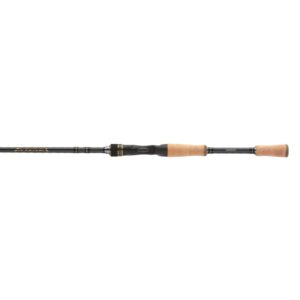
SHIMANO INTENZA CASTING A ROD
€156.02Select options This product has multiple variants. The options may be chosen on the product page -
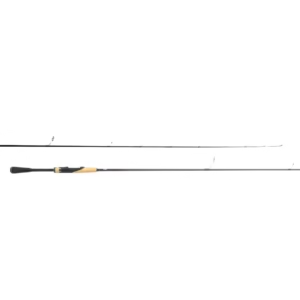
SHIMANO EXPRIDE SPINNING B ROD
€286.05Select options This product has multiple variants. The options may be chosen on the product page
Reviews
There are no reviews yet.