We Deliver Directly To Your Door
Description
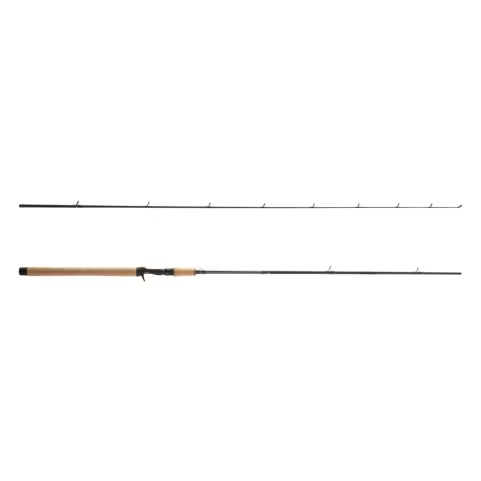
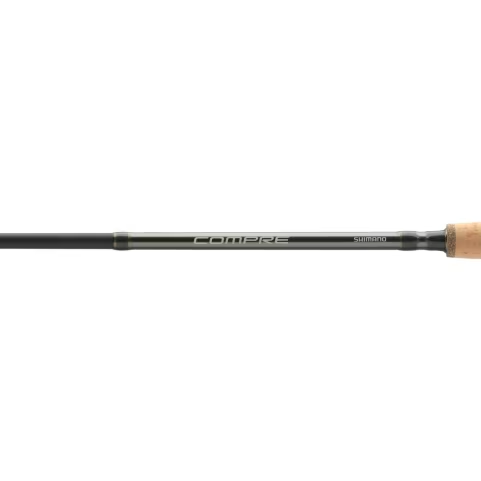
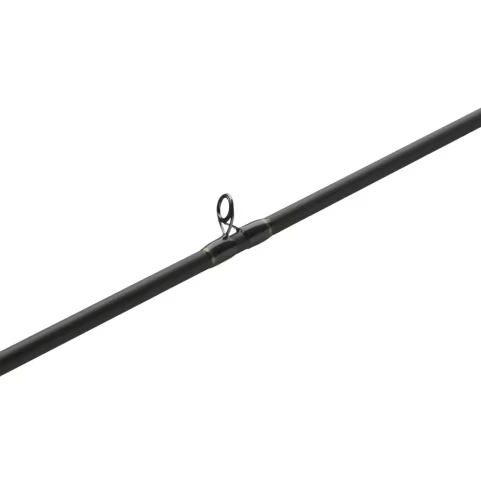
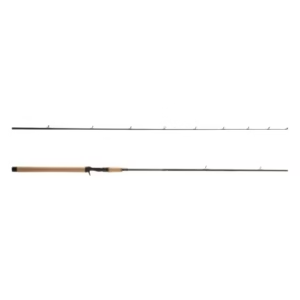
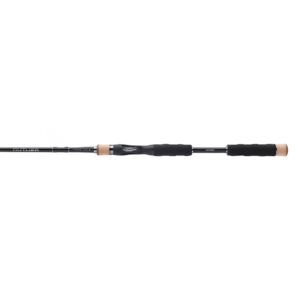
Shimano Compre Salmon/Steelhead Casting Rod – Reliable Performance for Demanding Fishing Conditions
Discover a Better Salmon and Steelhead Fishing Experience
Every fishing trip presents a new opportunity to learn, improve, and enjoy the outdoors. Whether you’re preparing for a seasonal salmon run or pursuing steelhead in flowing rivers, having the right equipment can make your time on the water more rewarding. The Shimano Compre Salmon/Steelhead Casting Rod is designed for anglers who want a dedicated casting setup for targeting these powerful fish.
Built around the needs of salmon and steelhead fishing, this rod is a compelling option for anglers looking to develop a dependable setup for a variety of fishing situations. Moreover, a suitable casting rod can help support controlled presentations, accurate casting, and better communication between the angler and the lure or bait.
From planning an early-morning river session to exploring productive fishing areas with friends, the right equipment helps you approach each outing with greater confidence. Consequently, choosing a rod that matches your fishing technique, reel, line, and target species is an important part of building a balanced setup.
If you’re upgrading your existing gear or assembling a new fishing combination, this model deserves consideration as part of your salmon and steelhead tackle collection.
Why Choose a Dedicated Salmon and Steelhead Casting Rod?
Designed Around Your Fishing Goals
Salmon and steelhead fishing can involve changing water conditions, different presentations, and fish that put considerable pressure on fishing equipment. Therefore, selecting a rod intended for these species can help you build a setup that suits your preferred approach.
A dedicated casting rod provides a platform for anglers who prefer baitcasting reels and want their equipment arranged around that style of fishing. In addition, the correct combination of rod power, action, reel performance, and line strength can contribute to a more controlled fishing experience.
The best setup will depend on where you fish, which techniques you use, and the size of the fish you expect to encounter. For that reason, anglers should always consult the manufacturer’s specifications before selecting a particular configuration.
A Practical Choice for Experienced and Developing Anglers
Fishing equipment should support your skills rather than make the experience unnecessarily complicated. Whether you’re building your first dedicated salmon setup or refining an established collection, it is important to choose equipment that matches your level of experience and fishing preferences.
A well-matched casting combination can help you develop better casting habits, improve presentation control, and become more familiar with the way your tackle responds under changing conditions.
Furthermore, experienced anglers can appreciate the importance of selecting a rod that complements their established techniques. Instead of choosing equipment based on appearance alone, consider how it will fit into your regular fishing routine.
Key Benefits and Product Highlights
The following highlights explain what to consider when evaluating this model for your next fishing setup.
- Salmon and steelhead focus: Intended for anglers shopping within these popular freshwater and migratory fishing categories.
- Casting-style configuration: Suitable for anglers who prefer a baitcasting reel rather than a spinning reel.
- Technique-focused selection: Can be evaluated for compatibility with your preferred bait, lure, and presentation method.
- Setup flexibility: Can form part of a fishing combination selected around your target species and local conditions.
- A useful tackle upgrade: Worth considering when replacing older equipment or building a more specialized fishing collection.
- Gear-matching potential: Can be paired with a compatible casting reel, fishing line, and terminal tackle once the model specifications have been confirmed.
- For different experience levels: A potential option for anglers who value choosing equipment according to their individual fishing goals.
Important: Confirm the exact model, rod length, power, action, line rating, lure rating, handle configuration, and construction details with the product’s official specifications before publishing them as verified features.
Understanding Casting Performance for Salmon Fishing
Accuracy and Presentation Control
Presentation is an important part of salmon fishing. Depending on the location and technique, anglers may work with lures, bait rigs, or other presentations intended to attract fish in productive areas.
A casting setup allows anglers to develop a consistent approach to lure placement and line management. However, actual casting performance will depend on the rod’s specifications, reel design, line selection, casting technique, and environmental conditions.
For example, fishing in a confined river section may require a different approach from casting across a broad pool. Likewise, the weight of the selected lure or rig should remain within the manufacturer’s recommended range.
By choosing compatible equipment, anglers can work toward smoother casts and a more controlled presentation throughout the session.
Managing Changing River Conditions
Salmon and steelhead anglers frequently encounter variations in current speed, water depth, visibility, and structure. Consequently, equipment selection should reflect the conditions in which the rod will be used.
A suitable setup can help you adapt your presentation to the water rather than forcing one technique into every situation. Nevertheless, no rod can replace an understanding of local fishing conditions, seasonal regulations, and responsible fish-handling practices.
Before heading out, review the local rules for your destination and ensure your equipment is appropriate for the permitted fishing method.
Steelhead Fishing: Choosing Equipment with Purpose
Preparing for River Presentations
Steelhead fishing rewards patience, observation, and thoughtful equipment selection. Depending on the fishery, anglers may use different lures, bait presentations, or specialized techniques to reach likely holding areas.
A casting rod should be selected according to the method you intend to use. For instance, the requirements of a heavier lure presentation may differ from those of a lighter setup intended for more delicate work.
When evaluating this model, consider the rod’s published lure rating, line rating, action, and power. These details can help determine whether the equipment suits your intended presentation.
Balancing Control and Responsiveness
A balanced fishing setup is built by considering the complete combination rather than looking at one component in isolation. Rod characteristics, reel adjustment, line choice, drag performance, and hook selection all influence how the equipment behaves during a fight.
In addition, anglers should avoid exceeding the manufacturer’s recommended limits. Appropriate equipment selection can support more consistent use and help reduce unnecessary strain on the tackle.
For the best results, match your gear to the species, the fishing environment, and the technique you plan to use.
How to Match Your Casting Rod with the Right Reel
Selecting a Compatible Baitcasting Reel
The reel is an essential part of a casting combination. When selecting one, consider its compatibility with the rod, intended line capacity, braking system, gear ratio, and drag characteristics.
A reel should feel balanced with the rod and support the fishing techniques you expect to use. Moreover, its line capacity should accommodate your preferred line type and the conditions you regularly encounter.
Rather than selecting a reel based on gear ratio alone, evaluate the entire combination. A properly matched setup can make routine casting, line management, and fish fighting more manageable.
Choosing the Appropriate Fishing Line
Fishing line should be selected according to the rod’s published ratings, reel capacity, target species, and fishing environment. Monofilament, fluorocarbon, and braided lines each offer different characteristics, so the best choice depends on your technique and personal preferences.
Before spooling your reel, verify that your chosen line is suitable for the intended setup. In addition, inspect your knots and line regularly, particularly after contact with rocks, submerged branches, or other abrasive surfaces.
A carefully selected line and well-maintained reel help complete a practical fishing combination.
Essential Considerations Before Purchasing
Choosing the right fishing rod involves more than comparing product names. Before ordering, take a moment to verify the specifications and make sure the model suits your needs.
- Rod length: Check the available length and consider whether it suits your casting space and preferred fishing environment.
- Rod power: Review the manufacturer’s power rating to determine whether it is appropriate for your target species and tackle.
- Rod action: Confirm the listed action and consider how it aligns with your casting and hook-setting preferences.
- Line rating: Make sure your intended line falls within the recommended range.
- Lure rating: Check that the weight of your preferred lure or rig is supported by the rod.
- Reel compatibility: Select a compatible casting reel and confirm that the complete setup feels balanced.
- Handle design: Review the product images and official specifications to confirm the handle configuration.
- Model availability: Verify the exact model and current stock before completing your purchase.
These checks help you make an informed decision and reduce the likelihood of ordering equipment that does not match your fishing requirements.
Get Ready for Your Next Fishing Adventure
The right fishing equipment should fit your goals, preferred techniques, and local conditions. For anglers building a dedicated salmon and steelhead setup, the Shimano Compre casting series is worth exploring as part of a carefully selected tackle collection.
Whether you’re preparing for your next river outing or upgrading your existing gear, take time to compare the specifications, select compatible accessories, and build a combination that supports your approach to fishing.
Explore the available product options, confirm the exact specifications, and choose the setup that best matches your needs. With thoughtful preparation and responsible fishing practices, you can spend more time focusing on the experience that makes every trip worthwhile.
Shimano Compre Salmon/Steelhead Casting Rod Fishing Techniques, Setup Advice, and Buying Guide
Explore More Ways to Build Your Salmon Fishing Setup
Successful fishing often begins long before the first cast. Equipment selection, knowledge of the water, and an understanding of fish behavior can all contribute to a more rewarding day outdoors. For anglers interested in salmon and steelhead, choosing a casting rod that complements their preferred techniques is an important step toward building a reliable tackle collection.
The Shimano Compre Salmon/Steelhead Casting Rod can be considered by anglers looking for equipment within this specialized category. However, the suitability of an individual model should always be determined by its verified specifications and intended application.
Whether you fish familiar rivers or explore new locations throughout the season, a thoughtful approach to tackle selection can help you prepare for different fishing opportunities.
Understanding Different Salmon Fishing Techniques
Casting Lures in Rivers and Streams
Lure fishing is a popular option for anglers who enjoy actively searching for salmon and other game fish. Depending on the fishery and local regulations, suitable presentations may include spoons, spinners, plugs, and other artificial lures.
Each lure creates a different movement in the water. Therefore, the weight, shape, and intended retrieval speed should be considered when choosing equipment.
A casting rod should be matched to the weight of the lure rather than selected solely by the species printed on its label. In addition, the reel’s braking system and the angler’s casting technique can influence casting distance and accuracy.
Before purchasing, compare the rod’s published lure rating with the weights of the lures you plan to use. This simple step helps ensure that your equipment is appropriate for your preferred fishing style.
Fishing Around Current Seams
Current seams occur where water moving at different speeds meets. These areas can create useful locations to investigate when searching for fish.
Anglers may work lures through these zones or adjust their presentations according to water depth and current speed. Nevertheless, the most effective approach will vary with the fishery, season, water conditions, and target species.
When fishing flowing water, maintain awareness of your surroundings and avoid entering unsafe currents. Appropriate footwear and careful movement are also important when accessing slippery riverbanks.
Fishing Near Submerged Structure
Rocks, fallen timber, and other underwater structures can influence where fish hold and how they respond to a presentation. However, these areas may also increase the chance of snagging a lure or damaging fishing line.
Consequently, anglers should choose their casting angles carefully and inspect their line after contact with abrasive surfaces. A suitable tackle combination should reflect both the intended presentation and the challenges of the fishing environment.
Choosing Lures for a Casting Setup
Spoons and Spinners
Spoons and spinners are used in various salmon fisheries because their movement and flash can attract attention underwater. The appropriate selection depends on water clarity, current, depth, local regulations, and the behavior of the target fish.
When shopping for lures, consider the weight range supported by your rod. Furthermore, choose hooks and terminal tackle that are suitable for the intended fishery and permitted under local regulations.
Plugs and Hard Baits
Hard-bodied lures can provide a range of swimming actions and retrieval options. Some are designed for steady retrieves, while others respond differently to changes in speed or movement.
A compatible casting setup can help anglers present these lures according to the manufacturer’s recommendations. However, the rod’s actual capabilities must be checked before using a particular lure weight.
For anglers who enjoy experimenting with different presentations, keeping a selection of compatible lures can provide useful flexibility without requiring unnecessary equipment changes.
Soft Plastics and Other Presentations
Soft plastic lures and other artificial presentations may be used in certain salmon and steelhead fisheries. Their effectiveness depends on local conditions, fish behavior, and how the rig is assembled and presented.
Because different presentations require different amounts of weight, anglers should confirm the total rig weight before casting. This includes any sinkers, jig heads, and other components that contribute to the overall load.
Developing a Balanced Fishing Combination
Why Rod, Reel, and Line Compatibility Matters
A fishing rod performs as part of a complete system. The reel, line, lure, knots, and terminal tackle all contribute to the setup’s overall behavior.
For that reason, selecting a rod without considering the remaining components may lead to an unbalanced combination. A compatible reel should fit the rod’s casting configuration and provide suitable line capacity and drag performance.
Likewise, the line should match the manufacturer’s recommendations and the demands of your chosen fishing method.
By evaluating each component together, you can build a practical setup that reflects your preferences and the conditions you regularly encounter.
Setting Up a Baitcasting Reel
Baitcasting reels provide anglers with direct control over spool rotation during casting. However, effective operation requires suitable adjustment and practice.
Begin by consulting the reel manufacturer’s instructions. Set the braking and spool-tension controls according to the reel design, lure weight, and your experience level.
Next, practice casting in a safe, open area. Start with a suitable lure weight and make controlled casts before attempting longer distances.
As your technique develops, adjust the reel gradually rather than making several changes at once. This approach makes it easier to understand how each adjustment affects spool control and casting performance.
Maintaining Consistent Line Management
Good line management helps reduce tangles and supports more predictable casting. Before fishing, inspect the line for visible damage, uneven winding, or other problems.
Additionally, check the drag system and reel handle for normal operation. If the reel feels unusually rough or produces unexpected noises, consult the manufacturer’s maintenance guidance before continued use.
After a fishing session, clean and store your equipment according to the recommended care instructions. Regular attention to your tackle can help you identify problems before your next outing.
Salmon and Steelhead Fishing Through the Seasons
Preparing for Seasonal Changes
Fishing conditions can change considerably throughout the year. Water temperature, current speed, water levels, and fish movement may all influence the equipment and techniques used in a particular fishery.
Therefore, anglers should learn about the seasonal patterns of their chosen destination instead of relying on a single setup for every situation.
Before traveling, check local fishing reports and regulations. These resources can help you understand current conditions, permitted methods, and any seasonal restrictions.
Adapting to Water Clarity
Water clarity can influence lure visibility and presentation choices. In clearer conditions, some anglers prefer subtle presentations, whereas stained water may call for a different approach.
Nevertheless, there is no universal lure choice that works in every environment. Local knowledge and careful observation remain valuable tools when deciding how to fish.
A versatile tackle collection can help you respond to changing conditions, provided each component is compatible with the rod and reel being used.
Preparing for Different River Flows
Changing water levels can affect access, current strength, and the locations available for fishing. Accordingly, a setup chosen for one river condition may not be ideal for another.
When conditions change, reassess your lure selection and line setup before continuing. Safety should always take priority over reaching a particular fishing location or maintaining a preferred presentation.
What Makes a Shimano Casting Rod Worth Considering?
Brand Recognition and Equipment Selection
Shimano is an established name in fishing equipment, offering products across multiple tackle categories. Anglers researching the brand may compare different rods according to their target species, fishing technique, specifications, and budget.
However, brand recognition alone should not determine a purchase. The exact rod model must be evaluated according to its published features and compatibility with the angler’s intended use.
For this reason, reviewing official product documentation and retailer specifications is an important part of the buying process.
Choosing Equipment for Your Fishing Style
Different anglers have different priorities. Some focus on casting control, while others place greater emphasis on rod length, lure compatibility, portability, or the overall balance of the setup.
Before making a decision, identify the techniques you use most frequently. Then compare the available models against those requirements.
This approach can help you avoid paying for features you do not need while ensuring that essential specifications are not overlooked.
How to Compare Salmon and Steelhead Casting Rods
Rod Length and Casting Space
Rod length can influence casting mechanics, line control, and how comfortably a setup can be handled in a particular environment. Longer rods may suit some open-water or specialized presentations, while shorter options can be useful in situations where casting space is limited.
However, the ideal length depends on the rod design and intended fishing technique.
Compare the available model specifications with the conditions in which you fish most often. If you frequently fish narrow streams or confined banks, consider whether your surroundings provide enough room to cast safely.
Power and Action
Rod power and action describe different characteristics.
Power refers broadly to the amount of force required to bend the rod, while action describes where the rod bends most noticeably under load. Manufacturers may use different rating systems, so published specifications should be checked carefully.
A rod with an appropriate power rating can help support the intended lure and line combination. Meanwhile, action may influence casting feel, lure presentation, and hook-setting behavior.
Neither characteristic should be selected without considering the rest of the setup.
Construction and Handle Design
Construction materials and handle configuration can affect weight, feel, and handling preferences. Nevertheless, exact material composition and design details should not be assumed without confirmation from the manufacturer.
Review product images and official documentation before ordering. If the handle shape, reel-seat design, or other physical feature is important to you, confirm it with the retailer.
These details can help you make a more informed purchase and choose equipment that suits your personal preferences.
Building a Salmon and Steelhead Tackle Collection
Essential Accessories
A dedicated fishing setup can be supported by a selection of compatible accessories. Depending on the fishery and local rules, useful items may include:
- Fishing line: Selected to match the rod, reel, and intended technique.
- Terminal tackle: Hooks, swivels, leaders, and other components suitable for the presentation.
- Lures: Options chosen according to the target fish and local conditions.
- Fishing pliers: Useful for handling suitable tackle and assisting with hook removal.
- Line cutters: Helpful for trimming line and replacing damaged sections.
- Landing net: Selected to suit the target species and responsible fish-handling practices.
- Protective eyewear: Useful for reducing exposure to glare and helping protect the eyes during outdoor activities.
- Tackle storage: A practical way to organize and transport equipment.
- Weather-appropriate clothing: Helps you prepare for changing outdoor conditions.
The specific accessories you need will depend on your fishing environment and personal preferences. Therefore, start with essential items and expand your collection as your techniques develop.
Organizing Your Gear Before a Trip
Preparation can make a fishing session easier to manage. Before leaving home, check your reel, inspect your line, organize your lures, and confirm that you have the necessary accessories.
Additionally, review access information and local fishing regulations. When traveling to an unfamiliar location, allow time to learn about the terrain and any safety considerations.
A little preparation can reduce avoidable interruptions and allow you to focus more closely on the fishing experience.
Care and Maintenance for Long-Term Use
Cleaning After Fishing
Fishing equipment can be exposed to moisture, dirt, vegetation, and other environmental contaminants. After use, follow the manufacturer’s recommended cleaning procedure for your rod and reel.
Avoid using cleaning products or methods that have not been approved for the materials involved. Furthermore, ensure that the equipment is stored only after it has been appropriately cleaned and dried.
Proper storage helps protect your investment and keeps the setup organized between fishing trips.
Inspecting the Rod Before Each Outing
Before using your equipment, inspect the blank, guides, reel seat, handle, and other accessible components for visible damage or looseness.
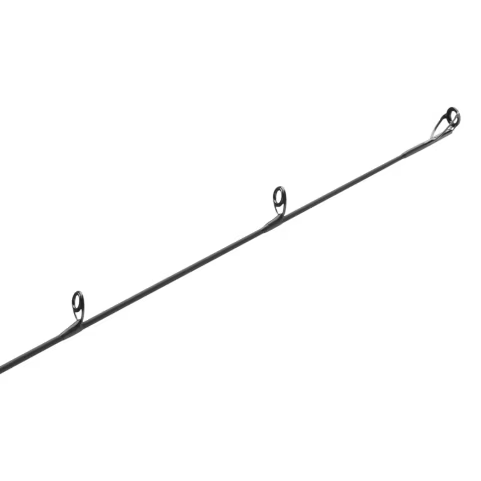
Pay particular attention to the line guides, since damaged guide surfaces can affect fishing line. If you identify a crack, structural concern, or other significant defect, stop using the rod until the issue has been assessed.
Regular inspection is a sensible part of responsible tackle ownership.
Protecting Equipment During Transport
Transporting fishing rods without adequate protection may expose them to impacts and pressure. Whenever possible, use a suitable rod case or protective sleeve and secure the equipment during travel.
Avoid placing heavy objects on the rod or forcing it into a space where it may bend unnaturally.
When traveling with multiple rods, keep them organized to reduce contact between guides, handles, and other components.
Responsible Salmon and Steelhead Fishing
Following Local Regulations
Fishing regulations differ between locations and may include restrictions on seasons, methods, bait, hooks, and catch limits. Therefore, anglers should check the current requirements for their specific destination before fishing.
Some fisheries may also require special permits or impose rules designed to protect vulnerable populations.
Following these requirements supports responsible participation and helps protect the future of recreational fishing.
Handling Fish Carefully
When catch-and-release fishing is permitted and appropriate, responsible handling can help reduce unnecessary stress on fish.
Use suitable equipment, minimize the time the fish spends out of the water, and follow local guidance for handling and release. Where regulations require a fish to be retained, follow the applicable legal requirements.
Responsible practices help anglers respect the resource and contribute to the long-term health of the fisheries they enjoy.
Is This Casting Rod Right for You?
Consider Your Preferred Fishing Method
This product category may be worth exploring if you prefer casting reels and regularly pursue salmon or steelhead. However, the best choice depends on the precise model specifications and the methods you use most often.
If you primarily use a spinning reel, for example, a casting rod may not be the correct match for your existing equipment.
Likewise, anglers using specialized techniques should compare rod length, power, action, line rating, and lure rating before making a decision.
Consider Your Experience and Budget
An equipment upgrade should be based on practical needs rather than marketing claims alone. Compare the rod with other models in your budget range, paying attention to verifiable specifications, warranty information, and retailer support.
For developing anglers, a straightforward setup that matches the intended fishing method may be more useful than purchasing several specialized components at once.
Experienced anglers may instead prioritize particular specifications that support an established technique.
Make an Informed Purchase
Before ordering, confirm that the product listing describes the exact model you intend to purchase. Review the photographs, model number, specifications, availability, shipping terms, and applicable return policy.
If any important information is missing, contact the retailer for clarification.
Taking these steps helps ensure that the product you receive matches your expectations and intended use.
Frequently Asked Questions
What is the Shimano Compre Salmon/Steelhead Casting Rod used for?
It belongs to a product category intended for salmon and steelhead fishing with casting-style tackle. Its suitability for a particular method depends on the exact model specifications.
Can I use a baitcasting reel with this rod?
A casting rod is intended for a compatible casting-reel configuration. Before purchasing, confirm the reel-seat design and the manufacturer’s recommendations for the specific model.
Which fishing line should I use?
The appropriate line depends on the published line rating, reel capacity, target species, and fishing technique. Always consult the manufacturer’s specifications before selecting your line.
What lure weight is suitable?
The recommended lure weight must be confirmed using the exact model’s published lure rating. Avoid exceeding the stated limits.
Is this rod suitable for beginners?
It may be considered by developing anglers who want to learn casting-style salmon or steelhead fishing. However, beginners should choose a model that matches their technique, experience, and intended fishing environment.
How do I maintain my fishing rod?
Inspect the rod regularly, clean it according to the manufacturer’s instructions, protect it during transport, and store it appropriately between trips.
How can I confirm the exact specifications?
Consult the official manufacturer’s documentation or request confirmation from the retailer. Check the model number, length, power, action, line rating, and lure rating before ordering.
Final Thoughts: Prepare for Your Next Salmon or Steelhead Trip
Selecting fishing equipment is an opportunity to build a setup around the techniques, locations, and species that matter most to you. With the right combination of rod, reel, line, and accessories, anglers can prepare more thoughtfully for their time on the water.
The Shimano Compre Salmon/Steelhead Casting Rod is worth considering when exploring casting-style equipment for these fisheries. However, the exact model specifications should always guide the final decision.
Explore the available options, compare the verified details, and choose a setup that fits your fishing goals. With suitable preparation, regular equipment care, and responsible fishing practices, you can approach each outing ready to enjoy the experience.
Find the right equipment for your next fishing adventure and build a salmon and steelhead setup that works for you.
Costa Fantail Sunglasses Blue Frame Polarized Blue Light Blocking
Discover Clearer Vision with Costa Fantail Sunglasses
When time on the water matters, clear vision and dependable eye protection can make every fishing trip more enjoyable. Costa Fantail Sunglasses with a blue frame and polarized lenses are designed for anglers and outdoor enthusiasts who appreciate functional eyewear, distinctive styling, and comfortable wear throughout the day.
Whether you are preparing for an early-morning surfcasting session, searching for striped bass along the shoreline, or heading offshore for a full day of fishing, the right sunglasses can help reduce distracting reflected glare. Polarized lenses are especially useful around water because they filter certain horizontally reflected light, helping improve visual comfort in bright conditions.
Furthermore, Costa Fantail sunglasses complement a complete fishing setup that may include premium spinning reels, surfcasting rods, artificial lures, terminal tackle, and dependable fishing accessories. From freshwater adventures to demanding saltwater environments, the right equipment helps you prepare for the conditions ahead.
Why Choose Costa Fantail Polarized Sunglasses?
Choosing sunglasses for fishing involves more than selecting a frame color. Lens performance, fit, comfort, and protection should all be considered before making a purchase.
Polarized Lens Technology
Reflected sunlight can make it difficult to maintain comfortable vision around beaches, lakes, rivers, and open water. Polarized lenses help reduce this glare, allowing anglers to enjoy a more comfortable visual experience in bright environments.
However, polarization does not replace proper ultraviolet protection. Before purchasing, check the specific lens specifications to confirm the level of UV protection provided by the selected model.
Blue Frame Styling
The blue frame offers a distinctive appearance that pairs well with casual outdoor clothing, technical fishing apparel, and everyday accessories. As a result, Costa Fantail sunglasses can be considered by anglers who want practical eyewear without sacrificing personal style.
Comfortable Outdoor Wear
Fishing trips may involve hours of standing on a beach, moving between fishing locations, or remaining aboard a boat. Therefore, comfortable sunglasses are an important part of preparing for a long day outdoors.
A suitable fit helps reduce unwanted movement during casting, walking, and other activities. For the best experience, select the frame size and fit that suit your face.
Built for Anglers Who Take Their Equipment Seriously
A productive fishing trip often depends on how well your equipment works together. Although sunglasses and fishing tackle perform different functions, both can contribute to a more enjoyable day on the water.
Anglers researching fishing reels, surfcasting rods, fishing accessories, and premium outdoor equipment can build a setup suited to their preferred fishing techniques.
Fishing Reels for Different Applications
The question “what are the different types of fishing reels?” is an important starting point for beginners choosing their first setup. Experienced anglers may also compare different kinds of reels when upgrading equipment for specific fishing conditions.
Common reel categories include:
- Spinning reels: Versatile choices for freshwater fishing, inshore saltwater applications, and surf fishing when matched with suitable tackle.
- Baitcasting reels: Designed for controlled casting and a range of lure-fishing techniques.
- Conventional reels: Frequently selected for boat fishing, trolling, bottom fishing, and heavier applications.
- Electric fishing reels: Useful for certain deep-water and deep-drop applications where powered line retrieval can be advantageous.
- Fly reels: Designed for fly-fishing systems and balanced with the appropriate fly rod and line.
When comparing a fishing reel, consider its drag system, line capacity, gear ratio, construction, intended environment, and compatibility with the rod.
Premium Spinning Reels Worth Exploring
Anglers comparing high-performance tackle may encounter models and product families such as the Shimano Stella 5000, Stella 2500 reel, Shimano Stradic 5000, Shimano Saragosa 10000, Twin Power reel, and Quantum Cabo 5000.
Other frequently researched options include the Quantum Strive 3000, Quantum Cabo spinning reel, Accurate spinning reels, Accurate Valiant 2, Avet MXL reel, Avet SJX, and Avet EXW 50/2.
For saltwater applications, reel selection should be guided by the target species, fishing location, line requirements, and expected loads. A reel suitable for light inshore fishing will not necessarily be appropriate for offshore trolling or heavy-duty deep-water fishing.
The Penn Battle IV DX spinning reel, Penn Battle 6000, Penn Battle 2500, Penn Fierce IV spinning reel, and Penn Fathom 2 are additional product names anglers may encounter while comparing fishing tackle.
Product specifications and availability should always be confirmed for the exact model being considered.
Surfcasting Rods and Shore Fishing Equipment
Surf fishing requires equipment suited to casting distance, wave conditions, sinker weight, lure choice, and the species being targeted. Consequently, selecting the right rod is an important part of preparing for a successful session.
Explore Fishing Rods for Surf Casting
Anglers searching for fishing rods surf casting, surfcasting rods, surf casting fishing rods, or cheap surf rods should compare rod length, power, action, line rating, and recommended casting weight.
A longer rod can help increase casting distance in appropriate conditions, but rod length alone does not guarantee better performance. The ideal choice depends on your technique, physical comfort, fishing location, and the weight of the rig being cast.
Popular rod families and related searches include:
- St. Croix Premier and other St. Croix rods.
- Tsunami Airwave surf spinning rods.
- Tsunami SaltX II surf spinning rod.
- Dark Matter fishing rods.
- Dark Matter John Skinner surf rod.
- Dark Matter John Skinner jig and bounce spinning rods.
- G. Loomis E6X inshore rods.
- Phenix fishing rods.
- Shimano Saragosa rod options.
- Deep drop rods and conventional rod-and-reel combinations.
Before selecting a surf rod, check whether it is intended for spinning or conventional reels. These configurations are not interchangeable in every application, and using a properly matched combination can improve casting control and handling.
How Long Should a Fishing Rod Be?
The search phrase “how long rod” often reflects a common question: what rod length is appropriate for a particular fishing method?
For surfcasting, anglers often compare longer rods for open beaches with shorter options for confined spaces, piers, and other fishing locations. A rod should be selected according to the casting distance required, lure or sinker weight, line rating, and the angler’s experience.
For inshore fishing, a shorter rod may offer useful control around docks, mangroves, and other structures. Meanwhile, heavier offshore and deep-drop applications require rods specifically rated for the intended loads.
Always follow the manufacturer’s specifications rather than choosing equipment by length alone.
Fishing Lures for Striped Bass and Saltwater Adventures
Artificial lures allow anglers to explore different presentations, retrieve speeds, depths, and water conditions. For striped bass, commonly called stripers, lure selection may depend on baitfish activity, current, water clarity, and the season.
Striper Fishing with Plugs
Striper fishing with plugs can be productive when the selected lure matches the feeding behavior of the fish. Surface plugs, floating minnows, and other hard baits can be used to explore different water depths and retrieve styles.
Anglers may compare Yo-Zuri Mag Pencil floating lures, Super Strike fishing lures, Super Strike lures, Nomad lures, Storm Shad, Bomber CD30, and the Breachway Bomber when researching artificial bait options.
Other lure-related searches include Blue Fox spinners, Megabass, Gulp! Alive, fishing pork rinds, and pork rinds fishing bait. Each option has a different purpose, so suitability depends on the intended species and fishing technique.
For example, topwater plugs may be selected for surface presentations, while soft plastic baits can be worked at different depths. Spinners create flash and vibration, making them another option for anglers experimenting with lure action.
Choosing Lures for Your Fishing Conditions
When choosing a lure, consider:
- Target species: Select a lure designed for the fish you intend to catch.
- Water depth: Match the lure’s running depth to the feeding zone.
- Water clarity: Consider color, contrast, flash, and silhouette.
- Current and waves: Choose a lure that remains manageable under the conditions.
- Casting equipment: Ensure that the lure weight falls within the rod’s recommended casting range.
These considerations can help anglers organize their tackle boxes and avoid carrying unnecessary equipment.
Essential Fishing Accessories for a Better Prepared Setup
Sunglasses are only one part of an angler’s equipment collection. Additional accessories can help with rigging, line management, fish handling, and routine tackle maintenance.
Fishing Pliers, Hooks, and Fillet Knives
Anglers searching for Bubba pliers, Owner hooks, or a Dexter SofGrip flexible fillet knife with edge guard are often looking for practical tools to support different stages of a fishing trip.
Fishing pliers may be used for tasks such as removing suitable hooks, cutting compatible fishing line, or working with terminal tackle, depending on the specific tool design.
Premium fishing hooks should be selected according to bait presentation, target species, hook regulations, and the fishing method being used.
A flexible fillet knife is intended for appropriate fish-cleaning tasks. Always handle sharp tools carefully, keep blades protected when not in use, and follow local rules regarding catch retention and fish processing.
Other Useful Fishing Equipment
A well-organized fishing kit may include:
- Fishing pole accessories suited to the selected rod.
- Spare leaders, swivels, and terminal tackle.
- Appropriate line and braid.
- Suitable floats, including shark float rigs where lawful and appropriate.
- Storage for artificial lures and replacement hooks.
- Protective eyewear and weather-appropriate clothing.
For braided line, anglers may research PowerPro Super 8 Slick V2 and Nomad braid while comparing line diameter, strength, abrasion resistance, and handling characteristics.
Remember that fishing regulations vary by location and species. Check local requirements before using specialized rigs or targeting regulated fish.
Saltwater Fishing Gear for Serious Anglers
Saltwater fishing introduces unique challenges, including strong currents, changing weather, abrasive environments, and powerful fish. Therefore, anglers should choose equipment that matches their fishing location and target species. Alongside suitable fishing tackle, polarized sunglasses can help reduce reflected glare and improve visual comfort during bright conditions on the water.
Costa Fantail sunglasses with a blue frame and polarized lenses offer an outdoor eyewear option for anglers who value distinctive styling and practical functionality. Whether you are fishing from a boat, exploring a rocky shoreline, or casting from a sandy beach, comfortable eyewear can complement your overall fishing preparation.
For anglers building a complete saltwater setup, understanding the differences between spinning reels, conventional reels, electric reels, and specialized surfcasting equipment can make purchasing decisions easier.
Shimano Saragosa, Stella, and Twin Power Reels
Shimano offers several reel families that anglers may compare when searching for dependable saltwater and general-purpose fishing equipment.
The Shimano Saragosa 10000 is a model frequently considered for demanding saltwater applications. Meanwhile, the Stella 5000 and Stella 2500 reel are part of a premium spinning reel family with different sizing options for different fishing needs.
The Shimano Stradic 5000 and searches for the Shimano Stradic are also relevant to anglers comparing spinning reels for inshore, offshore, and other fishing applications. The Twin Power reel provides another option to investigate when comparing reel construction, drag performance, and intended use.
When evaluating these reels, consider the following:
- Reel size: Match the reel to the target species and fishing technique.
- Drag performance: Look for a drag system appropriate for the expected fish and line strength.
- Line capacity: Check whether the spool holds sufficient line for the intended application.
- Saltwater suitability: Follow the manufacturer’s maintenance and use recommendations.
- Rod compatibility: Balance the reel with the rod’s power, length, and intended line rating.
Although these reel families can serve different purposes, no single model is ideal for every fishing situation. Always check the specifications of the exact version before purchasing.
Penn Battle, Fierce, and International Fishing Reels
Penn fishing reels are frequently researched by anglers looking for equipment across a range of freshwater, inshore, surf, and offshore applications.
Penn Battle Spinning Reels
The Penn Battle spinning reels category includes models that anglers may compare for general-purpose and saltwater fishing. Searches for the Penn Battle 6000, Penn Battle 2500, and Penn Battle IV DX spinning reel reflect interest in different reel sizes and configurations.
A larger reel may provide greater line capacity for some applications, while a smaller option may be easier to balance with lighter tackle. However, spool capacity, drag ratings, gear ratio, and overall weight should be compared directly rather than relying on size alone.
The Penn Fierce fishing reel and Penn Fierce IV spinning reel are additional options worth researching when comparing reel features and intended applications.
Penn Conventional and Offshore Reels
Anglers who fish from boats or target larger species may also research conventional and offshore equipment.
Related searches include Penn International, Penn Jigmaster 500, Penn Jigmaster 500L, Penn 30LW reel, and Penn Fathom 2.
These names cover different reel designs and intended uses. Before choosing a conventional reel, consider the type of fishing line, terminal tackle, rod, and fishing technique involved.
For offshore anglers, equipment should be selected according to the target species, depth, expected loads, and local fishing conditions. Proper maintenance is also essential, particularly when equipment is repeatedly exposed to saltwater.
Accurate and Avet Reels for Specialized Fishing Applications
Anglers looking for specialized fishing equipment may compare Accurate and Avet reels when evaluating options for demanding fishing techniques.
Accurate Valiant 2 and Accurate Spinning Reels
The Accurate Valiant 2 is one of the product names anglers may encounter while researching fishing reels. Accurate also attracts interest from anglers comparing specialized reel designs and performance characteristics.
When evaluating Accurate spinning reels or other Accurate reel models, confirm the precise model designation, intended fishing technique, drag specifications, line capacity, and compatibility with your existing tackle.
Avet MXL, SJX, EXW, and T-RX Reels
Additional searches include the Avet MXL reel, Avet SJX, Avet 80, Avet EXW 50/2, and Avet T-RX 50W Quad reel.
These products should be evaluated according to their individual designs and intended fishing applications. Heavy-duty offshore equipment, for example, requires a different approach to selection than a lightweight inshore spinning setup.
When comparing specialized reels, consider:
- The type of fishing for which the reel was designed.
- The line capacity required for your target species.
- The drag system and adjustment range.
- Gear ratio and retrieval speed.
- The rod and line combination recommended by the manufacturer.
- Maintenance requirements and replacement-part availability.
A properly matched setup can help improve control and reliability throughout a fishing trip.
Electric Fishing Reels and Deep-Drop Fishing Equipment
Deep-water fishing often requires specialized equipment capable of handling considerable line lengths and heavy terminal tackle. For anglers fishing at significant depths, electric reels may help reduce the physical effort associated with retrieving heavy rigs.
Electric Reels for Sale
When researching electric reels for sale, anglers should compare retrieval speed, power requirements, line capacity, display features, and manufacturer support.
The appropriate model depends on the depth being fished, the weight of the rig, the target species, and the vessel’s electrical setup.
Searches for Shimano Beastmaster 9000 and Shimano TLD may appear during research into offshore and boat-fishing equipment. However, these product names represent different reel families and should not be treated as interchangeable electric reel models.
Choosing Deep-Drop Rods
Deep drop rods are designed for specific deep-water applications. Before selecting one, verify the rod’s recommended line class, sinker weight, construction, and compatibility with the chosen reel.
A suitable conventional rod and reel combination should remain balanced under the expected load. Furthermore, anglers should consider the boat’s setup, available storage, and the handling requirements of the fishing technique.
The goal is to select equipment that works together rather than purchasing individual products without considering their compatibility.
Tsunami SaltX and Airwave Surf Fishing Equipment
Surf anglers often need tackle capable of handling long casts, changing surf conditions, and repeated use in saltwater environments.
Tsunami SaltX II Surf Spinning Rod
The Tsunami SaltX II surf spinning rod is a relevant search for anglers researching surf-fishing equipment. When comparing a surf rod, review the model’s length, power, action, line rating, and casting-weight range.
A rod that is suitable for throwing lightweight plugs may not be the best choice for heavier sinkers or large bait rigs. Therefore, always select the configuration according to the fishing method and conditions.
Tsunami Airwave Surf Spinning Rods
Tsunami Airwave surf spinning rods are another product family anglers may investigate when exploring surfcasting options.
When comparing Tsunami Airwave surf rods, consider the casting distance required, the weight of the lures or rigs being used, and the rod’s ability to handle the expected conditions.
Surfcasting equipment should also be paired with an appropriately sized reel and suitable fishing line. A balanced setup can improve casting comfort and help maintain control during a long fishing session.
Dark Matter Fishing Rods
Dark Matter fishing rods appeal to anglers researching specialized rod options for different fishing techniques. Related searches include the Dark Matter John Skinner surf rod, Dark Matter John Skinner jig and bounce spinning rods, and Dark Matter tuna popping rod.
These rod types are intended for different applications, so compare their individual specifications before choosing one.
For example, surf rods are selected with shore casting in mind, while tuna popping rods are associated with specialized offshore lure fishing. A jig-and-bounce spinning rod serves a different role again.
Anglers should always match rod power and action to the intended lure weight, line strength, target species, and fishing environment.
St. Croix, G. Loomis, Phenix, and Other Fishing Rods
A fishing rod is more than a simple pole. Its construction, action, power, length, and recommended line rating influence how it performs with different lures and fish.
St. Croix Premier and St. Croix Rods
St. Croix Premier and other St. Croix rods are commonly researched by anglers comparing rod models for different fishing methods.
When evaluating the St. Croix Premier range, consider whether the selected model is designed for spinning, casting, or another application. Rod specifications vary by model, and the intended use should guide the purchasing decision.
G. Loomis E6X Inshore Rods
The G. Loomis E6X inshore search is relevant to anglers exploring rods intended for inshore fishing. When selecting an inshore rod, consider the species being targeted, fishing structure, lure weight, and the level of casting control required.
Phenix Fishing Rods
Phenix is another name anglers may encounter while comparing specialist fishing rods. Compare the exact model’s materials, rod length, power, action, line rating, and lure recommendations.
Whether you are looking for an inshore rod, a surfcasting rod, or equipment for another fishing technique, matching the rod to the application is more useful than choosing solely by brand name.
Conventional Rod and Reel Combinations
Conventional rod and reel setups are used across several boat-fishing and saltwater applications. They may be considered for trolling, bottom fishing, and other techniques that call for a compatible conventional reel.
Related searches include Shimano TLD, Penn Fathom 2, Penn International, and Avet conventional reel models.
When assembling a conventional setup, check the rod’s reel-seat design, line rating, recommended drag range, and intended use. The reel should fit securely, while the line and terminal tackle should remain within the manufacturer’s recommendations.
For anglers targeting large fish, proper equipment selection and safe handling practices are essential. Always inspect your line, knots, guides, and connections before fishing.
Fishing Lures: Nomad, Megabass, Yo-Zuri, and Super Strike
Artificial lures are available in numerous shapes, sizes, colors, and actions. Selecting an appropriate lure depends on the fish being targeted and the conditions in which it will be used.
Yo-Zuri Mag Pencil Floating Lure
The Yo-Zuri Mag Pencil floating lure is a search term associated with surface-oriented lure fishing. Floating pencil-style lures can be worked with suitable rod movements and retrieval techniques to create an enticing surface presentation.
Anglers should review the exact lure specifications, including length, weight, hooks, and recommended use, before adding it to their tackle collection.
Super Strike Fishing Lures
Super Strike fishing lures and Super Strike lures are commonly researched by anglers interested in artificial baits for saltwater fishing.
When choosing a plug, consider its swimming action, buoyancy, casting characteristics, and suitability for the target species.
For striped bass, a carefully selected plug can be part of a broader strategy that accounts for baitfish activity, tides, current, and water clarity. No lure guarantees a catch, so experimentation and observation remain important.
Nomad Lures and Storm Shad
Nomad lures and Storm Shad are additional searches relevant to anglers comparing artificial bait options.
Different lure designs are intended to perform in different parts of the water column. Consequently, anglers should choose a lure according to whether they want to explore the surface, fish at an intermediate depth, or work closer to the bottom.
Keep hooks sharp, inspect split rings and connections, and replace damaged components when necessary.
Megabass and Blue Fox Spinners
Megabass and Blue Fox spinners are also names anglers may encounter while exploring lure choices.
Spinners create flash and vibration, while other lure styles use different movement patterns to attract fish. The best option depends on the target species, water conditions, and local forage.
Carrying a selection of suitable lures can provide flexibility without requiring an unnecessarily large tackle collection.
Braid, Hooks, and Terminal Tackle
Fishing line and terminal tackle affect the performance of the entire setup. Therefore, anglers should consider line strength, diameter, abrasion resistance, knot compatibility, and the fishing environment when selecting these components.
PowerPro Super 8 Slick V2 and Nomad Braid
PowerPro Super 8 Slick V2 and Nomad braid are relevant search phrases for anglers comparing braided fishing lines.
When comparing braid, review the manufacturer’s breaking-strength rating, diameter, spool capacity requirements, and suitability for the intended fishing method.
Braided line can provide a relatively thin diameter for its rated strength, but abrasion resistance and handling still depend on the product and conditions. Leaders may be appropriate when additional abrasion resistance is needed.
Owner Hooks and Premium Fishing Hooks
Owner hooks and premium fishing hooks should be selected according to bait size, target species, fishing technique, and applicable regulations.
Hook shape, gauge, size, and point design influence how a hook performs. As a result, the smallest or strongest-looking hook is not automatically the best choice for every application.
Inspect hooks regularly and replace damaged or corroded hooks. Store them safely to protect both the angler and other equipment.
Fishing Pliers, Fillet Knives, and Practical Accessories
The right accessories can help anglers prepare rigs, maintain tackle, and handle their catch responsibly.
Bubba Pliers
Bubba pliers are a search term associated with fishing tools. Depending on the particular model, pliers may be used for suitable hook removal, line cutting, or terminal-tackle tasks.
Before purchasing, check the tool’s construction, jaw design, cutting capability, corrosion resistance, and intended use.
Dexter SofGrip Flexible Fillet Knife with Edge Guard
The Dexter SofGrip flexible fillet knife with edge guard is another product-specific search relevant to fish preparation.
A flexible fillet knife is intended for appropriate filleting tasks, while an edge guard helps protect the blade during storage. Always use a stable work surface, keep your hands clear of the cutting path, and store the knife securely when it is not being used.
Fishing Pole Accessories
Fishing pole accessories can include rod holders, replacement guides, protective sleeves, line-management tools, and other equipment suited to the particular rod.
Before buying an accessory, confirm that it fits the rod model and is designed for the intended conditions. Compatibility is especially important for specialized surf rods, boat rods, and deep-drop setups.
Fishing Floats, Pork Rinds, and Bait Options
Bait selection and rig design vary with target species, location, and fishing regulations. Anglers should choose bait and terminal tackle that are suitable for the fish they intend to catch.
Shark Floats and Specialized Rigs
The search term shark float may refer to equipment used in specialized fishing rigs. Its suitability depends on the rig design, target species, and local regulations.
Before using specialized shark-fishing equipment, check local rules concerning permitted gear, protected species, handling practices, and catch-and-release requirements.
Fishing Pork Rinds and Pork Rinds Fishing Bait
Fishing pork rinds and pork rinds fishing bait are related searches associated with certain traditional bait and trailer applications.
Their usefulness depends on the type of lure, the species being targeted, and the presentation. Anglers should follow the manufacturer’s instructions where applicable and confirm that their chosen bait is permitted in the fishing location.
Gulp! Alive and Other Bait Choices
Gulp! Alive is another search term relevant to anglers exploring bait options. When comparing natural and artificial bait, consider storage, durability, scent, presentation, and local regulations.
No bait is universally effective. Learning how fish respond to different presentations can help anglers make informed choices over time.
Fishing Reel Sales, Clearance Deals, and Value Comparisons
Anglers searching for fishing reel sales, reel sale, fishing reel clearance sale, or fishing super often want to compare equipment prices before purchasing.
A lower price can be attractive, but the complete value of a reel also depends on its condition, specifications, warranty, seller reputation, and compatibility with the rest of the setup.
How to Compare Fishing Reel Offers
When evaluating a fishing reel sale, consider the following:
- Confirm the exact model and model generation.
- Compare the manufacturer’s specifications.
- Check whether the reel is new, used, refurbished, or open-box.
- Review the warranty and return conditions.
- Verify that the reel suits your intended fishing method.
- Compare the total price, including applicable shipping charges.
A premium reel may be a suitable long-term investment for some anglers, while a simpler model may be sufficient for occasional fishing. The best purchase is the one that meets your needs and budget.
Understanding Product Codes and Search Variations
Searches such as 16VS, 150 X2, and other abbreviated product identifiers can be ambiguous without a brand or model reference. Similarly, search phrases such as fishing reel, reel sale, and different types of reels for fishing may lead to products with very different features.
Before purchasing, confirm the full product name and specification sheet. Avoid relying on an incomplete code when comparing reels or ordering replacement components.
Fishing Tackle Shops and Equipment Research
Anglers often research tackle shops and specialist retailers while comparing products, prices, and availability.
Related search phrases include Hi Hook Bait & Tackle, Hi Hook Bait and Tackle, J and S Fishing, J&J Tackle, and J and D Tackle Shop.
These terms may refer to particular retailers or variations in how business names are searched online. Verify the correct business identity and official website before making a purchase.
Other searches, including Gabot, NLBN, and J&H Tackle-related products, may lead to particular tackle brands, retailers, or product lines. Confirm the exact intended product before using these terms in a purchasing decision.
For online tackle shopping, look for accurate product descriptions, clear shipping information, transparent return policies, and secure payment options.
Costa Fantail Sunglasses: A Useful Addition to Your Fishing Kit
Fishing preparation includes more than choosing the right reel, rod, lure, or line. Comfortable eyewear can also contribute to the experience, particularly when fishing in bright conditions around reflective water.
Costa Fantail sunglasses with a blue frame and polarized lenses provide an eyewear option for anglers who appreciate a distinctive frame style and glare-reducing lens technology.
Before ordering, confirm the exact frame color, lens color, lens material, fit, and UV-protection specifications for the particular version being sold. The term blue light blocking should also be verified against the manufacturer’s documented lens features rather than assumed from the frame color or polarization alone.
Make an Informed Eyewear Purchase
When comparing polarized fishing sunglasses, consider:
- Lens polarization and glare reduction.
- Documented UV protection.
- Frame fit and comfort.
- Lens tint and suitability for your usual lighting conditions.
- Manufacturer authenticity and product specifications.
- Warranty and return conditions.
Polarized lenses can help improve visual comfort around water, but they do not eliminate every reflection and may affect the visibility of certain digital displays. Consider your intended activities before choosing a lens type.
Frequently Asked Questions
Are Costa Fantail sunglasses suitable for fishing?
Polarized sunglasses can be useful for fishing because they reduce certain types of reflected glare. Check the exact Costa Fantail model’s lens specifications, fit, and UV protection before purchasing.
What are the different types of fishing reels?
The main categories include spinning reels, baitcasting reels, conventional reels, fly reels, and electric reels. Each category serves different fishing methods, so the appropriate choice depends on the rod, line, target species, and environment.
Which fishing reel is suitable for surfcasting?
A suitable surfcasting reel should match the rod, casting weight, line requirements, and target species. Anglers often compare reel size, line capacity, drag performance, and resistance to saltwater exposure.
How long should a surfcasting rod be?
The ideal rod length depends on the beach, casting technique, rig weight, and angler preference. Longer rods may be helpful in some open-beach situations, but the manufacturer’s casting recommendations and the angler’s ability to handle the rod should guide the decision.
Which lures are useful for striper fishing?
Plugs, soft plastics, surface lures, and other artificial baits may be suitable depending on the conditions. Lure choice should reflect water depth, current, baitfish activity, and the feeding behavior of striped bass.
What should anglers check before buying fishing tackle online?
Check the full model name, specifications, compatibility, seller reputation, shipping charges, return policy, and warranty. These details help reduce the risk of ordering an unsuitable product.
Final Thoughts: Prepare for Your Next Fishing Adventure
A well-planned fishing kit combines suitable eyewear, rods, reels, line, lures, and accessories. From Costa Fantail polarized sunglasses to surfcasting equipment, premium spinning reels, conventional tackle, and deep-drop fishing systems, each product should be chosen according to its intended purpose.
By comparing specifications and focusing on genuine requirements, anglers can make more confident purchasing decisions and prepare for a wider range of fishing conditions.
Explore the available product specifications, choose equipment compatible with your preferred fishing techniques, and make your next day on the water more comfortable and better prepared.
Additional information
| MODEL/LENGTH | CPCS86M2 — 8'6, CPCS86MH2 — 8'6", CPCS90H2 — 9'0", CPCS96H2 — 9'6" |
|---|
Related products
-
SHIMANO TEREZ BW FULL ROLLER UNI BUTT ROD
€1,040.19Select options This product has multiple variants. The options may be chosen on the product page -
SHIMANO ZODIAS CASTING ROD
Price range: €225.37 through €260.04Select options This product has multiple variants. The options may be chosen on the product page -
SHIMANO OUTLIER ROD
€346.73Select options This product has multiple variants. The options may be chosen on the product page
Reviews
There are no reviews yet.