
We Deliver Directly To Your Door
Description
Shimano Pop-Orca Hardbaits – Premium Floating Saltwater Topwater Lure
Product Overview
Powerful surface action, realistic baitfish styling, and versatile presentation are brought together in the Shimano Pop-Orca Hardbaits collection. Designed for saltwater anglers targeting aggressive offshore predators, this floating topwater lure offers an exciting way to present baitfish-inspired movement where feeding activity can often be seen.
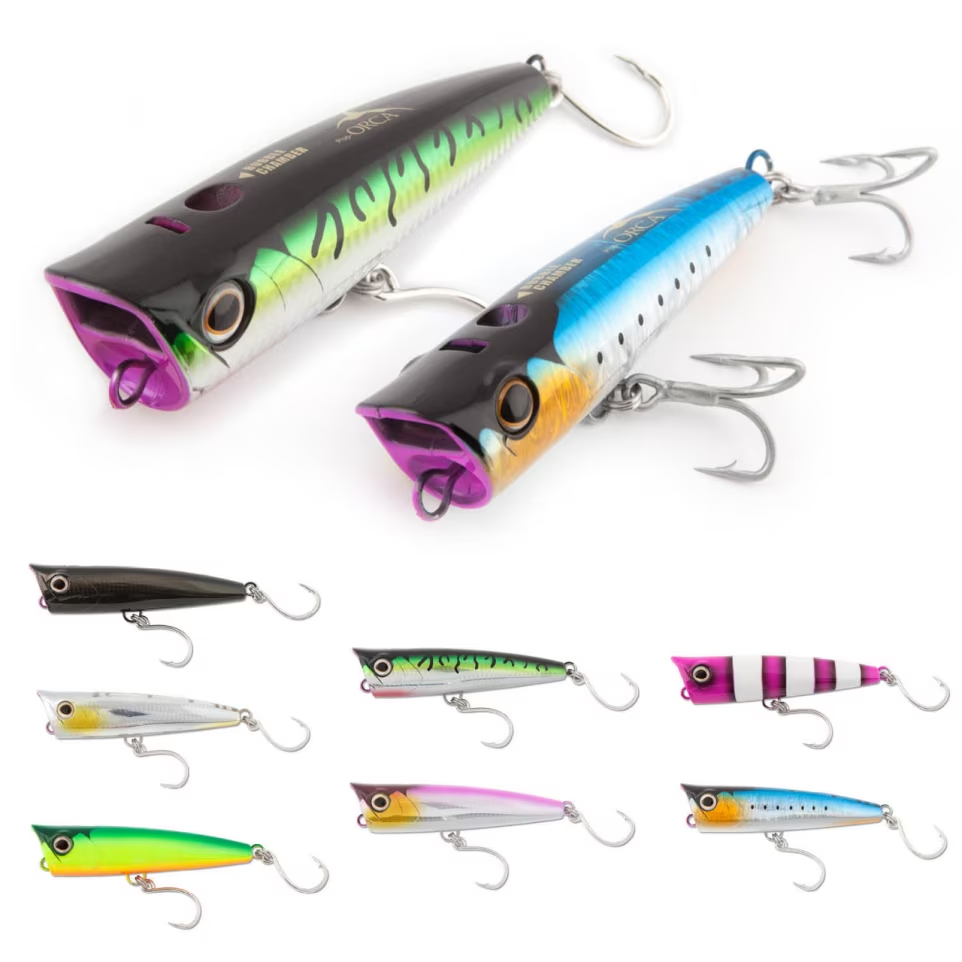
Unlike conventional poppers that rely primarily on surface splashes, the Pop-Orca features Shimano’s distinctive Bubble Chamber design. Water is channelled through the lure and expelled through its upper opening, creating additional surface disturbance and an enticing trail of bubbles. Consequently, a more dynamic presentation can be achieved through different retrieval techniques.
Whether an offshore fishing trip takes place around bait schools, open water, or productive coastal areas, this lure can provide a versatile option for anglers seeking a dependable topwater presentation. Its durable construction and strong hook system have been developed with demanding saltwater fishing conditions in mind.
Key Features and Benefits
- Innovative Bubble Chamber: Water is forced through the internal chamber to produce distinctive splashes and bubbles.
- Versatile Topwater Action: Different retrieval speeds and rod movements can create varied presentations.
- Floating Construction: The lure is designed to float at rest, allowing repeated surface presentations.
- Through-Wire Construction: A continuous internal wire structure connects key attachment points for added strength.
- High-Tensile-Strength Hooks: Strong hooks are incorporated to support demanding saltwater applications.
- Baitfish-Inspired Colours: Multiple colour options are available to suit different water conditions and forage patterns.
- Multiple Size Options: The collection includes compact and larger models for different fishing situations.
- Offshore-Ready Design: The lure is intended for targeting powerful saltwater predators.
Engineered for Exciting Surface Fishing
The Advantage of Bubble Chamber Technology
A distinctive feature of the Pop-Orca is its open-mouth Bubble Chamber. Instead of producing only a conventional popping sound and splash, water is channelled through the chamber and released through the top of the lure.
As a result, anglers can create a more complex combination of surface disturbance and underwater movement. This can be particularly useful when predators are actively feeding near the surface or responding to fleeing baitfish.
Furthermore, the design allows the lure to be worked with different rod movements. Shorter movements can generate a popping presentation, while longer pulls can encourage the lure to move beneath the surface and leave a bubble trail. A faster retrieve can also produce an active swimming presentation.
Built for Demanding Saltwater Applications
Saltwater fishing can place considerable stress on terminal tackle, especially when powerful fish strike aggressively. Therefore, construction strength is an important consideration when choosing an offshore hardbait.
Through-wire construction is incorporated into the Pop-Orca to connect important attachment points through the lure body. In addition, high-tensile-strength hooks are supplied to support its intended use against large saltwater species.
Although strong construction is beneficial, the complete setup should always be matched to the target species, fishing conditions, and applicable tackle recommendations.
Designed for Multiple Retrieval Techniques
1. Fast Surface Retrieve
When baitfish are moving quickly across the surface, a faster retrieve can be used to produce an active swimming action. Water movement through the Bubble Chamber adds further disturbance as the lure travels.
This approach can be useful when searching for actively feeding fish across open water. Nevertheless, retrieve speed should be adjusted according to fish behaviour and the conditions observed on the day.
2. Short Popping Movements
Short, controlled rod movements can be used to create a pronounced splash around the lure’s front opening. After each movement, a brief pause may allow the lure to settle before the next action is introduced.
This presentation can be worth trying when fish are feeding near the surface but are not consistently responding to a continuous retrieve.
3. Longer Jerks and Subsurface Dives
Longer rod pulls can encourage the lure to dive below the surface temporarily, creating a trail of bubbles behind it. The resulting movement offers an alternative to repeated surface popping.
By alternating longer pulls with short pauses, anglers can vary the presentation until a productive rhythm is identified. However, the ideal cadence may change with water conditions, fish activity, and the selected lure size.
Available Sizes and Specifications
The Shimano Pop-Orca collection is offered in several floating models. The following specifications are listed by Shimano for the corresponding sizes.
| Model | Length | Weight | Type |
|---|---|---|---|
| Pop-Orca 90F | 90 mm / 3.54 in | 23 g / 0.81 oz | Floating |
| Pop-Orca 120F | 120 mm / 4.72 in | 52 g / 1.83 oz | Floating |
| Pop-Orca 150F | 150 mm / 5.91 in | 89 g / 3.14 oz | Floating |
Specifications are based on Shimano’s published product information. Available colours and model selection may vary by retailer.
Choosing the Right Size
The 90F offers a compact profile that may suit situations where a smaller baitfish imitation is preferred. Meanwhile, the 120F provides a middle-ground option for anglers seeking a more substantial surface presentation.
For larger presentations, the 150F provides a bigger profile and greater listed weight. Accordingly, rod rating, line strength, casting conditions, and the size of the intended target species should all be considered before selecting a model.
Colour Options for Different Fishing Conditions
Colour selection can influence how clearly a lure is seen against the surrounding water. Therefore, carrying more than one colour can be useful when fishing in changing light, water clarity, or baitfish conditions.
Depending on availability, the collection includes options such as:
- Blue Sardine: A baitfish-inspired colour for a natural-looking presentation.
- Green Mackerel: A familiar forage-style pattern for saltwater applications.
- Injured Sardine: A finish intended to resemble a distressed baitfish.
- Flying Fish: A colour option inspired by a common offshore forage species.
- Skipjack: A pattern suited to baitfish-inspired presentations.
- Pink Silver: A brighter alternative for anglers who want a different visual profile.
- Clear Silver: A comparatively subtle option available in selected models.
Colour effectiveness is influenced by local forage, water clarity, available light, and predator behaviour. Consequently, no single colour should be expected to outperform every alternative in all conditions.
How to Fish the Shimano Pop-Orca
Match the Tackle to the Lure
A suitable saltwater rod and reel should provide enough casting capacity, line control, and fighting power for the selected model and target species. In addition, the rod should be capable of delivering the desired popping and diving movements without becoming difficult to control.
The heavier 120F and 150F models require particular attention to casting-weight ratings. Before casting, confirm that the lure’s total weight falls within the rod manufacturer’s recommended range.
Pay Attention to Surface Activity
Visible baitfish, surface disturbances, diving birds, and feeding activity can help identify promising areas. When signs of feeding fish are observed, the lure can be presented around the activity while maintaining a safe casting distance from other anglers.
However, fish may also respond when surface activity is not immediately visible. Searching likely offshore structures and baitfish areas can therefore be worthwhile when conditions permit.
Adjust the Retrieve Before Changing Lures
If fish follow without striking, a change in retrieve speed or pause duration may be more useful than immediately changing the lure. For example, a steady swimming action can be replaced with short pops or longer pulls.
Likewise, if the surface becomes choppy, a more deliberate presentation may help maintain control. The most effective approach should be determined by observing fish responses rather than relying on one fixed technique.
Why Choose Shimano Pop-Orca Hardbaits?
Selecting a specialised saltwater lure involves more than appearance alone. Action, durability, ease of use, and compatibility with the intended fishing setup all matter.
The Pop-Orca combines several practical characteristics in one floating hardbait. Its Bubble Chamber produces a distinctive water-displacement effect, while its through-wire construction and high-strength hooks support its offshore purpose.
Additionally, multiple sizes and colour patterns make it possible to adapt the presentation to different fishing situations. This versatility can be valuable for anglers who prefer to carry a selection of topwater options rather than depend on one retrieval style.
The lure is particularly relevant to anglers looking for a surface bait that can be popped, swum, or pulled below the surface for short periods. As with any fishing lure, results will depend on local conditions, fish behaviour, and appropriate tackle selection.
Product Details at a Glance
- Brand: Shimano
- Product: Pop-Orca Hardbaits
- Category: Saltwater hardbait
- Lure Style: Floating topwater popper
- Primary Technology: Bubble Chamber
- Construction: Through-wire design
- Hook System: High-tensile-strength hooks
- Available Sizes: 90F, 120F, and 150F
- Fishing Applications: Offshore and other suitable saltwater topwater situations
- Retrieval Styles: Fast swimming, short popping movements, and longer jerks
- Colour Selection: Varies by size and retailer availability
Frequently Asked Questions
What makes the Pop-Orca different from a conventional popper?
Its Bubble Chamber channels water through the lure and releases it through the upper opening. This creates a distinctive combination of surface disturbance and bubble production, while also allowing subsurface movement during longer pulls.
Is the Pop-Orca a floating lure?
Yes. The listed 90F, 120F, and 150F models are floating designs. They can be worked across the surface and pulled below it temporarily through appropriate rod movements.
Which size should be selected?
The choice depends on the target species, baitfish size, casting requirements, and available tackle. The 90F weighs 23 g, the 120F weighs 52 g, and the 150F weighs 89 g. The rod’s casting-weight rating should always be checked before use.
Can different retrieval techniques be used?
Yes. A fast retrieve, short popping movements, and longer jerks can be used to vary the presentation. Experimenting with these methods can help identify the action that best suits the conditions.
Is it suitable for saltwater fishing?
The Pop-Orca is designed for saltwater applications, including offshore topwater fishing. After each saltwater session, rinsing the lure and inspecting its hooks and attachment points is recommended to help maintain its condition.
Are all colours available in every size?
Not necessarily. Colour availability varies by model, retailer, and current stock. Check the product options before placing an order.
Care and Maintenance
To help preserve the lure’s performance, rinse it with fresh water after saltwater use and allow it to dry before storage. Hooks should be inspected regularly for corrosion, damage, or loss of sharpness.
Furthermore, the lure should be stored separately from tackle that may scratch its finish or damage its hardware. Hook points should be handled carefully, and suitable protective covers should be used during transport where appropriate.
Before each fishing session, check the line connection, split rings, hooks, and body for signs of wear. Any damaged components should be replaced before the lure is used again.
Upgrade Your Saltwater Topwater Setup
Bring a more versatile surface presentation to your next fishing trip with the Shimano Pop-Orca. Its distinctive Bubble Chamber action, floating design, durable construction, and choice of sizes provide practical options for anglers targeting active saltwater predators.
Whether a fast swimming retrieve or a series of deliberate pops is preferred, this hardbait offers different ways to present a baitfish-inspired target near the surface.
Choose the size and colour that suit your fishing conditions, match it with compatible tackle, and add the Pop-Orca to your saltwater lure selection.
Shimano Pop-Orca Hardbaits
Advanced Topwater Performance for Saltwater Anglers
Creating a More Dynamic Surface Presentation
Surface fishing offers a distinctive experience because every strike can be observed as it happens. However, attracting a predator to the surface often requires more than simply casting a lure and retrieving it at a constant speed. Movement, sound, water displacement, and timing can all influence how a fish responds.
The Shimano Pop-Orca has been developed to offer a distinctive topwater presentation through its specialised Bubble Chamber design. As the lure is worked, water is channelled through the chamber and released through its upper opening. Consequently, a combination of bubbles and surface disturbance can be produced during retrieval.
This design provides anglers with additional presentation options. For example, short rod movements can be used to create popping action, whereas longer pulls can encourage temporary subsurface movement. Alternatively, a faster retrieve can be used when actively searching for feeding fish.
Moreover, different techniques can be combined during a single fishing session. By adjusting the duration of pauses, the speed of retrieval, and the intensity of each rod movement, anglers can explore several presentations without immediately changing their lure.
Designed Around Baitfish-Inspired Movement
Predatory saltwater fish frequently feed on smaller fish, although their feeding behaviour varies according to location, season, and available prey. Therefore, a lure that can be presented with different movements may offer useful flexibility when fishing around bait schools.
The Pop-Orca can be worked to imitate a moving or distressed baitfish through changes in speed and direction. During a steady retrieve, its movement can be maintained across the surface. When sharper rod movements are introduced, additional splashes and bubbles can be created.
Nevertheless, a natural-looking presentation does not depend entirely on the lure itself. The fishing line, rod action, retrieve speed, and angler’s timing also influence the result. Accordingly, experimenting with controlled movements is recommended until an effective pattern has been identified.
Choosing the Right Fishing Environment
Offshore Waters and Open-Sea Fishing
Offshore fishing can provide opportunities to target pelagic predators that follow schools of baitfish through open water. When surface-feeding activity is observed, a topwater lure can be cast toward the area and retrieved through or around the feeding zone.
The floating construction of the Pop-Orca allows it to be presented at the surface, where its distinctive action can be used to attract attention. In addition, the different available sizes provide options for adapting the presentation to the conditions and intended target.
However, offshore fishing conditions can change quickly. Wind, waves, currents, and vessel movement should be considered before casting. Safe footing and clear casting space are particularly important when fishing from a moving boat.
Coastal Areas and Productive Fishing Grounds
Coastal fishing environments can also provide suitable opportunities for topwater presentations, depending on local species and water conditions. Baitfish activity around productive structures may indicate the presence of feeding predators.
When fishing near rocks, reefs, or other underwater structures, the lure should be retrieved with awareness of the surrounding hazards. Although a floating hardbait can be useful for surface fishing, its hooks and body may still become damaged through contact with hard objects.
Furthermore, local regulations should be checked before fishing in protected areas or near restricted marine habitats.
Fishing During Different Light Conditions
Light levels can influence how clearly a lure is seen against the water. Early morning and late afternoon may provide productive surface-fishing opportunities in some locations, particularly when predators are actively feeding.
Nevertheless, successful topwater fishing is not limited to a particular time of day. Fish may feed at different times according to weather, prey availability, water temperature, and other environmental factors.
For this reason, colour selection and retrieve technique should be adapted to the conditions rather than determined by the clock alone.
Understanding the Different Models
Shimano Pop-Orca 90F
The 90F is the lightest of the three listed models, with a length of 90 mm and a weight of 23 g. Its compact profile may be useful when smaller baitfish are present or a lighter topwater presentation is preferred.
Before selecting this size, the angler should confirm that the rod can cast its weight effectively. A suitable setup can help maintain casting control while allowing the intended surface action to be produced.
Shimano Pop-Orca 120F
With a listed length of 120 mm and weight of 52 g, the 120F provides a larger presentation than the 90F. It may be appropriate when a more substantial baitfish profile is desired and the tackle has sufficient casting capacity.
Additionally, its weight should be considered when selecting the rod, reel, line, and leader. A balanced setup can improve casting consistency and help the angler work the lure without unnecessary fatigue.
Shimano Pop-Orca 150F
The 150F is the largest of these listed options, measuring 150 mm and weighing 89 g. Its larger profile may be useful when targeting predators that feed on bigger baitfish.
However, the heavier model requires a compatible rod and suitable terminal tackle. Casting performance should never be prioritised over the manufacturer’s recommended rod rating or safe handling practices.
Matching Rods, Reels, and Fishing Line
Selecting a Suitable Rod
A topwater rod should provide sufficient casting capacity and allow controlled movement of the lure. The appropriate power and action will depend on the model selected, the target species, and the environment.
For example, the 90F may be compatible with lighter saltwater casting equipment, provided the manufacturer’s specifications are followed. By comparison, the 120F and 150F generally require rods rated for their greater lure weights.
A rod that is too light may be difficult to load safely during casting, while an excessively heavy setup can reduce comfort and control. Therefore, the listed lure weight should be checked before the equipment is purchased.
Choosing a Saltwater Reel
A suitable reel should provide reliable drag performance, adequate line capacity, and construction appropriate for the intended saltwater environment. The ideal gear ratio will depend on whether the angler prefers a fast retrieve or a more controlled presentation.
In addition, regular maintenance should be considered when selecting equipment for repeated exposure to saltwater. Rinsing external surfaces with fresh water after use and following the reel manufacturer’s maintenance guidance can help preserve performance.
Choosing Line and Leader Material
Braided fishing line is often selected for topwater applications because of its low stretch and sensitivity. These characteristics can help transfer rod movements to the lure and allow changes in action to be felt more clearly.
A suitable leader may be used to provide abrasion resistance and an appropriate connection between the main line and the lure. Its strength should be matched to the target species, fishing environment, and the rest of the tackle.
No single line diameter or leader strength is suitable for every situation. The final choice should be based on the equipment manufacturer’s recommendations and the fish being targeted.
Retrieval Strategies for Different Situations
The Search-and-Cover Method
When fish are not immediately visible, covering water methodically can help identify areas where predators are active. Casts can be distributed across a suitable area, with the lure retrieved at a consistent pace before another direction is explored.
Once signs of activity are identified, the presentation can be adjusted to focus on the most promising zone. This approach allows anglers to search efficiently while avoiding unnecessary repetition in unproductive areas.
The Pause-and-Resume Method
A continuous retrieve is not always the most effective presentation. In some situations, brief pauses between movements can provide a useful change in rhythm.
With the Pop-Orca, a pause can be introduced after a sequence of pops or a longer pull. The lure can then be moved again once the surface presentation has settled.
However, pauses should be adjusted according to the conditions. If fish are responding to fast-moving baitfish, a continuous retrieve may be more appropriate. Where predators appear hesitant, a slower rhythm may be worth testing.
The Variable-Speed Method
Changing retrieve speed can make a presentation less repetitive. A sequence may begin with a controlled pace, transition into a faster movement, and finish with short popping actions.
This approach allows the angler to test different presentations during the same cast. Nevertheless, changes should be made deliberately so that the response to each technique can be evaluated.
Construction, Durability, and Responsible Care
Why Construction Matters
Saltwater lures are exposed to repeated casting, hook pressure, changing water conditions, and contact with other tackle. Consequently, the construction of the body and its attachment points should be considered when evaluating a hardbait.
Through-wire construction is used in the Pop-Orca to connect important attachment points through the lure body. This design is intended to support the stresses associated with demanding fishing applications.
Even so, no lure should be treated as indestructible. Regular inspection remains important, particularly after contact with hard surfaces or encounters with powerful fish.
Protecting Hooks and Attachment Points
Hooks should be checked before every session for sharpness, corrosion, and damage. Split rings and other connecting hardware should also be examined for signs of deformation.
If a component appears damaged, it should be replaced with a suitable part before the lure is used again. Replacement hardware should be compatible with the lure so that its action and balance are not unnecessarily altered.
Cleaning After Saltwater Use
After fishing, rinse the lure with fresh water to remove salt and residue. Allow it to dry thoroughly before it is returned to a tackle box.
In addition, separate storage can help prevent the hooks from becoming tangled with other lures. Appropriate hook covers may be used during transport to reduce the risk of injury and protect the hardware.
Getting Better Value from Your Topwater Lure
Select a Model That Matches Your Needs
The most useful lure is not necessarily the largest or heaviest option. Instead, the selected model should match the available rod, expected fish size, and conditions in which it will be used.
A compact option can provide a more modest presentation, while a larger model offers a greater profile. By considering these differences before purchase, anglers can avoid selecting equipment that is poorly suited to their intended fishing style.
Build a Versatile Lure Selection
Carrying several topwater options can provide flexibility when fish respond differently throughout the day. Different sizes and colours may be used to test alternative presentations without changing the overall fishing approach.
However, a large collection is not always necessary. A small selection of appropriately sized lures can be sufficient when each option serves a clear purpose.
Maintain Your Equipment Between Trips
Good maintenance can help extend the useful life of fishing tackle. Hooks should be kept sharp, hardware should be checked regularly, and lures should be stored away from damaging heat and unnecessary moisture.
Furthermore, inspecting the line and leader before each trip can reduce the likelihood of tackle failure. These simple steps can help anglers prepare their equipment more effectively for the next outing.
Frequently Asked Questions – Part 2
What is the Bubble Chamber used for?
The chamber channels water through the lure and releases it through the upper opening, creating bubbles and surface disturbance during retrieval. This provides an alternative to a conventional popping presentation.
Can beginners use this lure?
Yes, anglers who are learning topwater fishing can experiment with its different retrieval techniques. Starting with short, controlled movements can make it easier to understand how rod action changes the lure’s behaviour.
Should the lure be retrieved quickly every time?
No. A fast retrieve can be useful when searching for active predators, but slower movements and pauses may also be effective. The best approach depends on fish activity and environmental conditions.
How should the size be chosen for offshore fishing?
The intended target species, baitfish size, casting distance, and rod rating should all be considered. The 90F weighs 23 g, the 120F weighs 52 g, and the 150F weighs 89 g.
Does colour guarantee more strikes?
No colour guarantees a catch. Visibility, water clarity, local forage, light conditions, and predator behaviour all influence how a lure is perceived.
How can the lure be protected during storage?
Rinse it after saltwater use, allow it to dry, and store it securely with the hooks protected. Inspect the body and hardware regularly to identify any damage before the next trip.
Final Product Recommendation
For anglers seeking a specialised floating hardbait for saltwater surface fishing, the Shimano Pop-Orca offers a distinctive presentation built around Bubble Chamber technology. Its through-wire construction, high-strength hooks, and selection of sizes provide practical features for a range of suitable topwater applications.
Whether a compact lure is preferred or a larger baitfish profile is required, the listed models provide different options for building a compatible fishing setup.
Choose your preferred size, confirm its compatibility with your equipment, and prepare for your next topwater fishing session with a lure designed to create an engaging surface presentation.
Related products
-
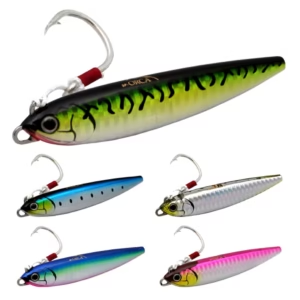
SHIMANO SP-ORCA BABY HARDBAITS
€17.75Select options This product has multiple variants. The options may be chosen on the product page -
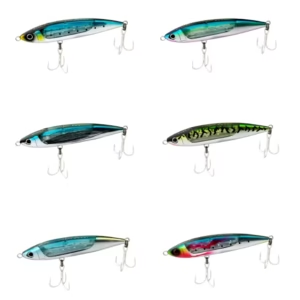
SHIMANO SP-ORCA FLASH BOOST HARDBAITS
€20.42Select options This product has multiple variants. The options may be chosen on the product page -
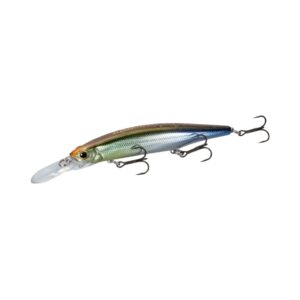
SHIMANO ZUMVERNO 95SP MR HARDBAITS
€21.31Select options This product has multiple variants. The options may be chosen on the product page
Reviews
There are no reviews yet.