
We Deliver Directly To Your Door
Description
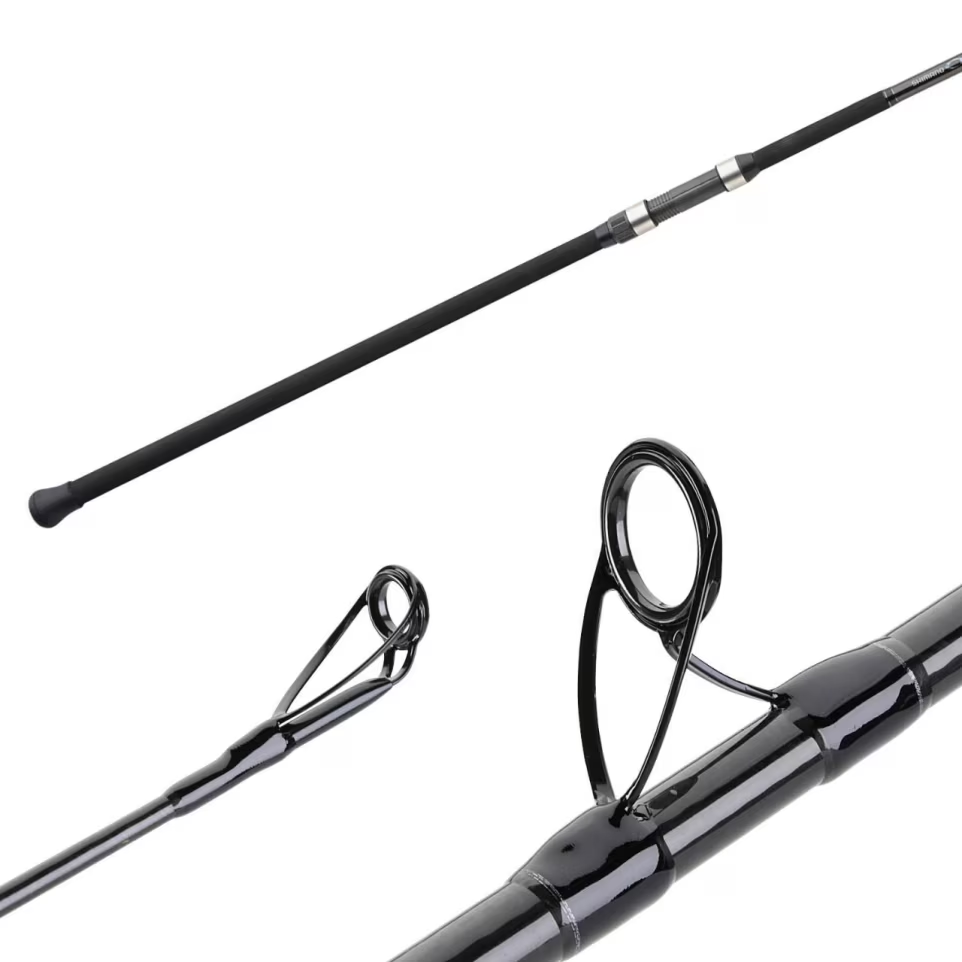
Shimano Tiralejo Spinning Surf Shore Rod – Precision, Distance, and Control
Built for Demanding Shoreline Adventures
When the shoreline becomes your fishing ground, the right equipment can make every cast more rewarding. The Shimano Tiralejo Spinning Surf Shore Rod is designed for anglers who want to approach surf fishing with confidence, control, and dependable performance. Whether you are casting beyond breaking waves, working a stretch of open beach, or targeting fish along coastal structure, a purpose-built rod can help you make the most of changing conditions.
Surf fishing requires a balance of casting distance, sensitivity, strength, and comfort. In addition, the rod must support a consistent casting rhythm while remaining responsive enough to help you detect subtle changes in your lure or bait. Consequently, choosing equipment suited to your fishing environment is an important part of building an effective shoreline setup.
The Tiralejo series is associated with Shimano’s surf-fishing equipment lineup, making it a model worth considering for anglers who prioritize casting performance and thoughtful rod design. However, exact specifications can vary by model and generation, so the individual product listing should be checked for confirmed length, power, action, line rating, lure weight, and construction details.
Why Choose a Dedicated Surf Fishing Rod?
Designed Around Open-Water Casting
Casting from the beach presents challenges that are rarely encountered in smaller freshwater environments. Wind direction can change throughout the day, waves can interfere with lure presentation, and feeding fish may remain beyond the first line of breakers. For these reasons, a suitable surf rod should be selected according to the casting techniques and conditions you encounter most frequently.
A well-matched setup can help improve casting consistency while providing the control needed to retrieve lures effectively. Moreover, the correct rod length and power can contribute to better line management and a more comfortable fishing experience.
Adaptable to Different Shoreline Conditions
Coastal anglers often move between sandy beaches, rocky stretches, jetties, and other accessible fishing areas. Each environment introduces different demands. For example, open beaches may reward longer casts, whereas rocky shorelines may require additional control when steering a hooked fish away from obstacles.
The appropriate rod configuration should therefore be matched to the intended application, rather than selected on length alone. Before purchasing, compare the available specifications with your preferred fishing locations, target species, and typical lure or bait weights.
Key Benefits for Shore Anglers
- Surf-focused design: Intended for anglers exploring dedicated shoreline fishing setups.
- Casting potential: A suitable configuration can support longer casts when matched with the correct reel, line, lure, and casting technique.
- Line control: Proper rod selection can help manage line movement during casting and retrieval.
- Fishing versatility: Depending on the specific model, the rod may suit different surf presentations and coastal applications.
- Setup compatibility: Pair the rod with a spinning reel and line that fall within the manufacturer’s recommended ratings.
- Angler comfort: A balanced combination of rod, reel, and tackle can make repeated casting sessions more manageable.
Note: These are general selection benefits, not a substitute for verified model-specific specifications.
Casting Performance and Practical Control
Build a Balanced Casting Setup
Casting distance is influenced by several factors, including rod length, blank design, casting technique, lure weight, line diameter, and reel performance. As a result, no rod can guarantee a particular casting distance under every condition.
For best results, select a lure or sinker that falls within the manufacturer’s recommended range. Then pair it with suitable line and a compatible spinning reel. When the components are balanced, the setup can be easier to load during the cast and more predictable throughout the retrieve.
Additionally, practice with a consistent casting motion before increasing power. Controlled technique, safe casting space, and appropriate tackle selection are essential when fishing busy beaches or areas where other anglers are nearby.
Maintain Control During the Retrieve
Once a lure has landed, the rod becomes an important part of presentation. Its length and action influence how line is managed, how the lure moves, and how an angler responds to changing water conditions.
Depending on the technique, a controlled retrieve may involve steady winding, intermittent pauses, or deliberate changes in lure speed. Therefore, your choice of lure and fishing method should be considered alongside the rod’s verified specifications.
Choosing the Right Spinning Reel and Line
Match the Reel to Your Fishing Conditions
A suitable spinning reel should balance comfortably with the selected rod. Reel size, drag performance, line capacity, and gear ratio should be considered in relation to the target species and the demands of the fishing location.
For example, anglers fishing open beaches may prioritize suitable line capacity and smooth drag performance. Meanwhile, those fishing near structure may need to consider how quickly they can recover line and maintain control over a hooked fish.
Rather than choosing a reel based on size alone, compare its specifications with the rod’s recommended ratings and your intended fishing application.
Select Line for the Intended Application
Line choice can influence casting, lure presentation, sensitivity, and resistance to abrasion. Braided line is often selected for its relatively small diameter and direct feel, while a suitable leader can provide additional abrasion resistance where conditions require it.
Nevertheless, the correct combination depends on the target species, local regulations, underwater structure, and the manufacturer’s recommendations. Avoid exceeding the rod’s stated line rating, and inspect your line regularly for wear or damage.
Fishing Techniques to Consider
Working Lures Along the Beach
Shore anglers may use metal lures, plugs, soft plastics, or other presentations depending on the fish they are targeting. Each lure type creates a different casting and retrieval profile.
Before heading out, confirm that the lure weight is suitable for the selected rod. Furthermore, consider wind strength, wave movement, water clarity, and the depth at which fish are feeding. Adapting your presentation to these conditions can be more productive than repeatedly using the same retrieve.
Fishing Near Coastal Structure
Rocky points, breakwaters, and other coastal features can attract feeding fish. However, these areas can also increase the risk of line abrasion and snags.
When fishing near structure, maintain awareness of your surroundings and select line and terminal tackle appropriate to the conditions. A balanced setup can help you respond to a strike while reducing unnecessary strain on the equipment.
Adjusting to Changing Conditions
Surf conditions can change quickly. Wind, tide, wave height, and water movement can all influence where fish feed and how effectively a lure can be presented.
Accordingly, remain flexible with your approach. Adjust your casting direction, retrieve speed, or lure choice when necessary, while keeping all tackle within its recommended operating range.
Comfort for Extended Fishing Sessions
Repeated casting can place demands on the hands, wrists, shoulders, and back. Therefore, overall setup balance should be considered just as carefully as casting potential.
A reel that balances appropriately with the rod, a comfortable grip, and a manageable lure weight can contribute to a more enjoyable session. In addition, taking breaks and using controlled casting movements can help reduce fatigue during long days on the beach.
Every angler has different preferences, so handle dimensions, total weight, rod length, and overall balance should be reviewed before making a final purchasing decision.
Who Should Consider This Rod?
This surf-oriented spinning rod may be worth considering for:
- Coastal anglers looking for equipment intended for shoreline fishing.
- Experienced surf fishers refining their existing spinning setup.
- Lure anglers who want to match a rod to their preferred coastal presentations.
- Anglers upgrading their tackle and comparing dedicated surf-fishing options.
- Fishing enthusiasts building a setup around a particular beach, jetty, or open-water shoreline.
The best choice will depend on the available model, the species you pursue, and the tackle you already own. Beginners should pay particular attention to the recommended lure weight, line rating, rod action, and reel compatibility.
Product Details to Confirm Before Purchase
To make an informed choice, review the exact specifications for the selected model.
- Brand: Shimano
- Series: Tiralejo
- Rod type: Spinning surf/shore rod
- Rod length: Confirm against the selected model
- Power rating: Confirm against the selected model
- Action: Confirm against the selected model
- Line rating: Refer to the manufacturer’s specifications
- Lure or sinker rating: Refer to the manufacturer’s specifications
- Construction and components: Verify for the exact model and generation
- Intended application: Surf and shoreline fishing, subject to the model’s specifications
Accurate product information helps customers compare options confidently and reduces uncertainty when selecting compatible reels, lines, and lures.
Make Your Next Shore Fishing Session Count
The right fishing equipment should support your technique, suit your environment, and provide the control you need to enjoy time on the water. With a properly matched reel, suitable line, and carefully selected terminal tackle, a dedicated surf rod can become a valuable part of your coastal fishing setup.
Explore the available specifications for the Shimano Tiralejo range, compare the options with your fishing requirements, and select the configuration that best fits your approach. Whether you are refining an established setup or preparing for new shoreline adventures, thoughtful equipment selection can help you fish with greater confidence.
Find the right setup for your next fishing trip and prepare for more rewarding days along the shore.
Shimano Tiralejo Spinning Surf Shore Rod
Understanding Rod Length, Power, and Action
The performance of a surf fishing setup is influenced by more than the brand or series name. Rod length, power, action, and recommended line ratings should all be considered before a purchase is made. By understanding these characteristics, anglers can select equipment that better matches their preferred fishing techniques and coastal environments.
How Rod Length Influences Shore Fishing
Rod length can affect casting mechanics, line management, and the ability to keep line clear of breaking waves. Longer configurations are often considered for open beaches, where additional casting leverage and line control may be useful. Shorter options, where available, can be easier to handle in restricted spaces or when fishing around obstacles.
However, a longer rod does not automatically produce greater casting distance. Casting technique, reel balance, line diameter, lure weight, and environmental conditions must also be taken into account.
Before selecting a configuration, consider the following factors:
- Casting environment: Open beaches may offer more room for a full casting motion.
- Available space: Trees, railings, rocks, and nearby anglers can restrict movement.
- Target species: Different fish may require different presentations and tackle combinations.
- Personal comfort: A manageable rod can be easier to use throughout an extended session.
- Transport requirements: Rod length and whether the model separates into sections can influence storage and travel.
Understanding Rod Power
Power describes the relative resistance of a rod when pressure is applied. Depending on the available configuration, different power ratings may be suited to different lure weights, line strengths, and target species.
A lighter-power setup may be appropriate for smaller presentations, whereas a heavier option may be more suitable for larger lures or stronger fishing conditions. Nevertheless, these choices should be guided by the manufacturer’s published specifications rather than assumptions based on appearance.
When comparing options, ensure that your chosen rod can accommodate the weights and line ratings used in your regular fishing activities.
Understanding Rod Action
Action generally describes how much of the rod bends and where that bending is concentrated under load. Faster-action designs tend to bend more toward the tip, while slower-action designs distribute more of the bend along the blank.
These characteristics can influence casting feel, lure control, and the way pressure is applied during a fight. However, the ideal action depends on the technique being used and the angler’s personal preferences.
For this reason, the published action rating should be reviewed alongside power and lure-weight recommendations.
Building a Complete Surf Fishing Setup
Choosing Suitable Fishing Lures
The effectiveness of a shoreline setup depends on the presentation being used. Metal lures, hard-bodied plugs, soft plastics, and other artificial offerings may all have a place in coastal fishing, depending on the target species and local conditions.
Each lure creates a different combination of casting resistance, water movement, and retrieval behavior. Therefore, the lure’s weight should remain within the recommended range for the selected rod.
When choosing lures, consider:
- Weight: The lure should match the manufacturer’s recommended casting range.
- Profile: Shape and size can influence how the lure travels through the air and moves underwater.
- Color: Water clarity, light conditions, and local baitfish can influence lure selection.
- Retrieval method: Steady winding, pauses, and changes in speed can produce different presentations.
- Durability: Hooks, split rings, and other components should be checked regularly.
By keeping these factors in mind, anglers can create a more consistent setup without carrying unnecessary tackle.
Using Natural Bait
Some shore fishing techniques rely on natural bait rather than artificial lures. Depending on the species and location, bait may be presented using suitable hooks, sinkers, leaders, and rigs.
In these situations, the rod’s casting rating and the combined weight of the rig must be considered. The weight of the bait and terminal tackle contributes to the total load during casting, so exceeding the recommended range should be avoided.
Furthermore, local bait restrictions, seasonal regulations, and permitted fishing methods should always be checked before a session begins.
Reel Compatibility and Balanced Performance
Why Setup Balance Matters
A spinning reel should be selected according to the rod’s intended application, line capacity, and recommended specifications. When the reel and rod are appropriately matched, the overall combination can feel more comfortable during casting and retrieval.
A reel that is excessively heavy or poorly suited to the rod may create an uncomfortable balance. Similarly, an unsuitable line capacity or drag system can limit the effectiveness of an otherwise well-selected setup.
Before purchasing a reel, compare its size, weight, drag characteristics, and line capacity with the requirements of your fishing environment.
Drag Performance During a Fight
The drag system allows line to be released under controlled pressure when a fish pulls against the tackle. Its adjustment should reflect the line strength, hook requirements, target species, and conditions around the fishing area.
Excessive drag pressure can place unnecessary strain on line, knots, hooks, and rod components. Conversely, an overly loose setting may make it difficult to maintain control in certain situations.
A carefully adjusted drag, suitable knots, and a steady rod angle can contribute to a more controlled fight. Always follow the equipment manufacturer’s guidance and avoid forcing the rod beyond its intended limits.
Line Management and Leader Selection
Braided Line and Monofilament
Braided line is frequently considered for surf fishing because of its relatively small diameter and direct feel. Monofilament, on the other hand, provides stretch that may be useful in some fishing applications.
Neither option is universally superior. The best selection depends on the casting technique, reel design, target species, environmental conditions, and personal preference.
When selecting line, verify that its rating is compatible with the rod and reel. Knots should be tied carefully, and damaged line should be replaced before it compromises the setup.
When a Leader May Be Useful
A leader can help connect the main line to the lure or terminal tackle. Depending on the material selected, it may provide abrasion resistance, altered presentation characteristics, or a practical connection point for changing lures.
Leader length and strength should be determined by the fishing method and the conditions encountered. For rocky areas or locations with abrasive structure, additional attention should be given to wear and damage.
After fishing near rocks, shells, or other abrasive surfaces, inspect the leader and replace it when necessary.
Fishing Safely Along the Shore
Preparing for Coastal Conditions
Surf fishing can expose anglers to changing tides, strong currents, slippery surfaces, and unpredictable waves. Appropriate preparation is therefore essential, regardless of the equipment being used.
Before reaching the water, check the forecast, tide information, local access guidance, and any applicable fishing restrictions. Choose a safe casting position and maintain sufficient space between yourself and other people.
Useful preparation steps include:
- Check the weather: Avoid exposed locations during dangerous wind, storms, or lightning.
- Observe wave conditions: Unexpected waves can reach farther inland than anticipated.
- Wear suitable footwear: Select footwear appropriate for sand, rocks, or slippery surfaces.
- Protect your equipment: Keep reels and tackle away from unnecessary exposure to sand and saltwater.
- Carry essential supplies: Water, sun protection, and basic first-aid supplies can be useful during longer trips.
- Respect local rules: Confirm access requirements, catch limits, and seasonal restrictions.
A thoughtful approach to safety helps make shoreline fishing more enjoyable and responsible.
Caring for Your Fishing Rod
Rinsing After Saltwater Use
Salt, sand, and moisture can affect fishing equipment over time. After a saltwater session, the rod and reel should be maintained according to the manufacturer’s care instructions.
Where appropriate, gently rinse exposed surfaces with fresh water at low pressure. Avoid directing forceful water streams into reel openings, joints, or other sensitive areas.
Once cleaned, the equipment should be allowed to dry thoroughly before being stored. This simple routine can help reduce the accumulation of salt residue and surface contaminants.
Inspecting Guides and Connections
Rod guides help direct the line during casting and retrieval. Damaged guide inserts can cause line wear, so they should be checked regularly.
Inspect the following areas before each trip:
- Guide inserts: Look for cracks, chips, or rough edges.
- Rod joints: Check that sections are properly connected and free from visible damage.
- Handle and reel seat: Confirm that components remain secure.
- Blank surface: Look for unusual cracks, deep scratches, or other signs of damage.
- Protective accessories: Use an appropriate rod sleeve or case during transport.
If structural damage is suspected, stop using the rod until it has been assessed. Continuing to fish with damaged equipment may lead to failure under load.
Storage and Transportation
Protecting the Rod Between Trips
Proper storage helps protect fishing equipment from unnecessary damage. Whenever possible, the rod should be kept in a dry, secure location away from excessive heat, direct sunlight, and heavy objects.
A protective case can reduce the risk of scratches and impacts during transport. If the selected model has detachable sections, follow the manufacturer’s guidance for separating and storing them.
Avoid placing heavy tackle boxes or other equipment on top of the rod. In addition, keep line and terminal tackle organized so that hooks and sharp components cannot damage the blank or guide inserts.
Preparing for Travel
For anglers who regularly travel to different fishing locations, transportation requirements should be considered before purchasing a rod. Confirm the overall length, section configuration, and any recommended carrying accessories.
When traveling by vehicle, secure the equipment so it cannot shift during sudden braking. For air travel, check the carrier’s current sporting-equipment and baggage policies before departure.
Careful handling can help preserve the condition of the equipment between fishing sessions.
Common Surf Fishing Setup Mistakes to Avoid
Using an Unsuitable Lure Weight
One common mistake is selecting a lure or sinker based only on the weight that appears easiest to cast. The manufacturer’s recommended range should always be consulted.
Exceeding that range can place unnecessary stress on the rod, particularly during powerful casting movements. When fishing with bait rigs, remember to account for the combined weight of the sinker, bait, hooks, and other terminal components.
Pairing Incompatible Equipment
A reel, line, and rod should be selected as a coordinated system. Choosing each component independently can lead to poor balance, inadequate line capacity, or unsuitable drag performance.
Before buying additional tackle, compare the specifications of the components already owned. This can help prevent unnecessary spending and make the final setup easier to manage.
Neglecting Equipment Maintenance
Sand and salt residue can accumulate when equipment is not cleaned after use. Similarly, damaged line and worn guide inserts may remain unnoticed until a problem occurs.
Regular inspections should be treated as part of every fishing routine. A few minutes of maintenance after a session can help identify issues before the next trip.
Ignoring Local Fishing Conditions
Equipment alone cannot compensate for poor location selection or unsafe conditions. Tide movement, water depth, structure, and seasonal fish behavior can all affect a fishing session.
Observe the environment, adjust the presentation when appropriate, and move to a safer location whenever conditions become unsuitable.
Frequently Asked Questions
Is the Shimano Tiralejo suitable for surf fishing?
The Tiralejo is associated with Shimano’s surf-fishing lineup. The exact suitability of a particular rod depends on its model, specifications, and intended application. Check the published details before selecting it for a specific fishing method.
Can this rod be paired with a spinning reel?
A compatible spinning reel can be used when it matches the selected rod’s design and recommended application. Reel size, weight, line capacity, and drag performance should be reviewed before purchase.
Which fishing line should be used?
The correct line depends on the selected model, target species, and fishing technique. Braided line and monofilament may both be appropriate in different situations. Always follow the rod’s published line rating.
Can different lures be used with this rod?
Different lure types may be suitable when their weights and intended applications fall within the manufacturer’s recommendations. Verify the casting range for the exact model before using a new lure.
Is this rod suitable for beginners?
It may be considered by beginners who want equipment intended for shoreline fishing. However, the selected length, power, and action should be appropriate for the angler’s experience, strength, and intended technique.
How should the rod be cleaned after saltwater fishing?
Follow the manufacturer’s care instructions. Gentle freshwater cleaning of suitable exposed surfaces, followed by thorough drying and appropriate storage, can help limit salt residue and contamination.
What should be checked before ordering?
Confirm the exact model, rod length, power, action, line rating, lure-weight range, construction details, and included accessories. These details can vary between models and generations.
Final Thoughts: Choose Equipment That Fits Your Fishing Style
Successful surf fishing begins with understanding the conditions in which you intend to fish. Casting technique, lure selection, line management, and equipment maintenance all contribute to the overall experience.
The Shimano Tiralejo range may be worth exploring if you are comparing dedicated surf-oriented spinning equipment. Nevertheless, the final decision should be based on verified specifications and compatibility with your existing tackle.
Review the available product details, choose a suitable reel and line, and prepare your equipment for the demands of the shoreline. With a well-matched setup and a responsible approach to fishing, you can spend more time concentrating on presentation, location, and the enjoyment of being on the water.
Explore the available model specifications and select a setup suited to your next coastal fishing adventure.
Premium Fishing Reels, Surf Rods, Jigging Gear, and Fishing Accessories
Discover the Right Fishing Gear for Every Adventure
Every successful fishing trip begins with dependable equipment, thoughtful preparation, and a setup that matches the water, target species, and fishing technique. Whether you are exploring offshore waters, casting along the surf, targeting bass in freshwater, or pursuing powerful saltwater species, the right combination of fishing reels, rods, lures, and accessories can make every outing more productive and enjoyable.
Our fishing tackle collection is designed to help anglers explore a wide range of equipment, from precision spinning reels and versatile baitcasting reels to heavy-duty conventional reels, electric deep-drop systems, and specialized jigging setups. In addition, carefully selected fishing lines, hooks, terminal tackle, polarized sunglasses, and protective apparel can help you prepare for changing conditions.
Anglers researching Penn Warfare 2, Accurate ATD Platinum Twin Drag reels, Avet 50W reels, Shimano Talica 25, Daiwa fishing gear, and Okuma levelwind reels can explore different equipment categories according to their individual fishing needs. Meanwhile, surf anglers can compare spinning surf rods, 10-foot surf rods, and dedicated surf-casting setups, while offshore enthusiasts can investigate jigging rods, electric fishing reels, and heavy-duty conventional equipment.
The goal is simple: help every angler understand the available options and select equipment that suits their fishing style, experience, and budget.
Explore Different Types of Fishing Reels
Choosing the correct reel can influence casting distance, line management, retrieve speed, drag performance, and overall fishing comfort. However, not every reel is designed for the same purpose. Understanding the different types of fishing reels makes it easier to build a balanced setup for freshwater, inshore, surf, and offshore fishing.
1. Spinning Reels
Spinning reels are among the most versatile options available to recreational and experienced anglers. Their open-faced design and fixed spool make them suitable for many casting applications, including freshwater fishing, inshore saltwater fishing, and surf fishing.
Popular options worth researching include Shimano Stradic, Shimano Sustain 3000, Shimano Twin Power FE, Shimano Twin Power SW, Shimano Stella SW, Penn Battle IV, Penn Battle IV DX, Penn Slammer IV 3500, and Penn Spinfisher V 5500.
Each series serves different needs, so anglers should compare reel size, drag capacity, gear ratio, line capacity, construction, and intended environment before purchasing.
For example, a compact spinning reel may be appropriate for lighter freshwater presentations, whereas a larger saltwater model may offer the capacity and drag performance required for stronger fish.
2. Baitcasting Reels
Baitcasting reels are commonly selected for accurate lure placement, direct control, and efficient casting with compatible rods. They are especially popular for bass fishing, heavier artificial lures, and techniques that benefit from controlled spool rotation.
Models and product families worth exploring include Shimano Tranx 300 baitcasting reels, Tranx 301B, Calcutta Conquest 401 MD, Penn Jigmaster, and Penn Z Series spinning reels. Because product families can contain different configurations, always verify the exact model before comparing specifications.
A properly adjusted baitcasting reel can provide excellent casting control. Nevertheless, spool tension, braking settings, line selection, and casting technique should be matched to the lure’s weight and the angler’s experience.
3. Conventional and Lever-Drag Reels
Conventional reels are frequently used for bottom fishing, trolling, live-bait fishing, and offshore applications. Many models offer substantial line capacity and strong drag systems for challenging fishing conditions.
Anglers considering this category may investigate Accurate ATD Platinum Twin Drag reels, Avet SX 5.3 G2 lever-drag conventional reels, Avet 50W reels, Penn International 130 reels, Shimano Tyrnos reels, and Okuma Makaira reels.
These reel families serve different applications, and their capabilities vary by model. Before selecting one, consider target species, line class, fishing depth, drag requirements, rod compatibility, and whether the reel will be used for trolling or bottom fishing.
For anglers pursuing large offshore fish, a suitable conventional reel should be paired with a compatible rod, appropriate line, and terminal tackle rated for the intended application.
4. Electric Fishing Reels
Electric fishing reels are designed to assist with line retrieval, particularly when fishing at substantial depths or working with heavy rigs. They can be useful for deep-drop fishing, where retrieving long lengths of line repeatedly may require considerable effort.
The Shimano Beastmaster electric reel is one product family anglers may wish to research when comparing powered reel systems. Other considerations include retrieval speed, electrical supply, line capacity, available controls, and compatibility with the fishing technique.
When selecting electric fishing reels for deep-drop applications, assess the depth of the fishing grounds, the weight of the sinker, the expected catch, and the manufacturer’s recommended line and rod specifications.
Electric assistance can make repeated retrieval more manageable, but it does not eliminate the need for suitable tackle, safe handling, and appropriate fishing practices.
5. Baitrunner and Live-Bait Reels
Baitrunner-style spinning reels provide a secondary free-running drag system on compatible models. This feature can allow a fish to take line under controlled resistance before the angler engages the main drag.
Popular search terms in this category include Shimano Baitrunner D 12000, Baitrunner 8000, and Baitrunner OC.
These reels can be useful for certain live-bait applications, carp fishing, and other situations in which controlled line release is desirable. However, the ideal reel size depends on the species, fishing location, line requirements, and overall setup.
6. Surf Fishing Reels
Surf fishing requires equipment that can handle repeated casting, exposure to sand and saltwater, and the demands of fishing from beaches or shorelines. A suitable reel should be matched to the rod length, casting weight, line type, and target species.
Anglers can investigate Penn Battle IV spinning reels, Penn Slammer IV, Shimano Spheros, Shimano Twin Power SW, Van Staal VR25, Van Staal VR75, Van Staal VR200, and Tsunami Shield 2 reels when comparing equipment for different saltwater applications.
Not every reel is intended for the same casting conditions. Therefore, review the manufacturer’s intended use and maintenance requirements rather than assuming that all saltwater reels are equally suitable for surf fishing.
Choosing a Fishing Reel for Bottom Fishing
Bottom fishing involves presenting bait or lures close to the seabed, around reefs, or near underwater structures. Depending on the location and target species, anglers may need a reel with sufficient line capacity, dependable drag performance, and a retrieve system suited to the rig’s weight.
Conventional reels are commonly considered for heavier bottom-fishing applications, while spinning reels can be suitable for lighter rigs and shallower water. Electric reels may also be useful for deep-drop techniques.
When comparing bottom fishing reels, consider the following:
- Line capacity: Select a capacity appropriate for the fishing depth, expected fish, and line diameter.
- Drag performance: Choose a drag system suitable for the target species and line rating.
- Gear ratio: Consider the balance between retrieval speed and the mechanical advantage needed for heavier loads.
- Corrosion resistance: Look for suitable construction, sealing, and maintenance guidance for saltwater use.
- Rod compatibility: Match the reel to a rod rated for the intended line class and sinker weight.
- Ease of maintenance: Follow the manufacturer’s cleaning and servicing recommendations after fishing.
A balanced setup can improve control and reduce unnecessary strain during long fishing sessions.
Penn Fishing Reels: Versatility for Different Techniques
Penn has developed reel families for a range of fishing applications, including spinning, conventional, surf, and offshore fishing. Anglers researching Penn Warfare 2, Penn Battle III DX, Penn Battle IV, Penn Battle IV DX, Penn Spinfisher V 5500, Penn Slammer IV 3500, Penn Jigmaster, and Penn International Ti130A should compare each model’s intended use and specifications.
The Penn Warfare 2 may appeal to anglers researching conventional equipment, while the Battle series is associated with spinning-reel applications. The International series is intended for heavier offshore fishing, with model selection depending on the requirements of the trip.
When shopping for a Penn reel, check the exact generation, model number, spool capacity, drag rating, gear ratio, retrieve orientation, and manufacturer’s product information. These details are particularly important when comparing older reel generations with newer models.
Shimano Fishing Reels for Freshwater and Saltwater
Shimano offers reel families covering many fishing techniques, from lightweight spinning applications to heavy-duty offshore fishing.
Anglers researching Shimano Stradic, Shimano Sustain 3000, Shimano Stella SW, Shimano Twin Power FE, Shimano Twin Power SW, Shimano Tranx 300, Shimano Calcutta Conquest 401 MD, Shimano Talica 25, Shimano Tyrnos, Shimano Spheros, Shimano Baitrunner D 12000, and Shimano Beastmaster electric reels should identify their intended fishing technique before comparing individual products.
Selecting the Right Shimano Reel
A freshwater spinning setup may require a different balance of weight, line capacity, and drag performance than a heavy offshore trolling setup. Similarly, a baitcasting reel designed for large swimbaits or other demanding presentations may not be the most practical choice for light finesse fishing.
Consider these questions before purchasing:
- Will the reel be used in freshwater, inshore saltwater, or offshore environments?
- Will you primarily cast artificial lures, fish with live bait, troll, or work vertically?
- How much line capacity will your fishing conditions require?
- Which rod length, power rating, and line class will be used?
- Is the reel intended for occasional recreational trips or frequent fishing sessions?
By answering these questions first, anglers can narrow their choices and focus on reels that match their actual requirements.
Accurate and Avet Reels for Specialized Fishing
Anglers interested in specialized conventional equipment may compare Accurate reels for sale, Accurate ATD Platinum Twin Drag reels, Avet SX 5.3 G2 lever-drag conventional reels, and Avet 50W reels.
These products should be evaluated according to their specific drag systems, line capacities, construction, retrieve characteristics, and intended fishing techniques. Model names alone do not provide enough information to determine which reel is best for every application.
For example, a compact lever-drag reel and a larger offshore reel will typically serve different line classes and fishing situations. Matching the reel to the rod, target species, and expected loads is essential.
Before ordering, verify whether the product is a right-hand or left-hand configuration, whether it is new or used, and which accessories are included.
Daiwa, Okuma, and Other Reel Options
A broader reel comparison may include Daiwa fishing gear, Japan Daiwa, Okuma levelwind reels, Maxel reels, Makaira fishing reels, and other conventional and spinning reel families.
Different brands offer different designs, price points, and intended applications. Consequently, the most useful comparison focuses on documented specifications, service support, replacement parts, and compatibility with the fishing technique rather than brand names alone.
For levelwind reels, examine the line guide system, spool capacity, drag adjustment, and retrieve mechanism. For heavy conventional reels, review the manufacturer’s line ratings and recommended applications.
Fishing Rods: Building a Balanced Setup
A fishing reel performs best when it is paired with a suitable rod. Rod length, power, action, line rating, lure rating, and construction all influence casting performance and fish-fighting control.
Whether you are choosing a Phenix fishing rod, G. Loomis rod, Shimano Grappler Type J jigging rod, Goofish jigging rod, spinning surf rod, or Tsunami surf-casting rod, start by identifying the species and fishing method.
Understanding Fishing Pole Length
A fishing pole length guide can help anglers narrow their options:
- Shorter rods: Often useful where precise control, close-range fishing, or restricted casting space is important.
- Medium-length rods: Can offer a versatile balance for many freshwater, inshore, and boat applications.
- Longer surf rods: Often selected when greater casting distance and control of the line above shoreline obstacles are important.
- Specialized jigging rods: Designed around particular jig weights, line classes, and vertical fishing techniques.
A 10-foot surf rod may be suitable for certain beach-fishing setups, but rod length alone does not guarantee longer casts. Casting technique, rod action, lure or sinker weight, reel configuration, and line choice all contribute to the final result.
Shimano Grappler Type J Jigging Rods
Shimano Grappler Type J jigging rods are worth researching for anglers interested in vertical jigging techniques. Before selecting a model, compare its power rating, recommended jig weight, line class, length, and intended target species.
A compatible jigging rod should provide the required control without being overloaded by the chosen lure or line. Anglers should also consider the balance between the rod and reel, especially when fishing vertically for extended periods.
Phenix and G. Loomis Fishing Rods
Phenix fishing rods and G. Loomis rods are additional product categories to consider when researching equipment for specialized fishing applications.
Compare individual models for blank design, rod action, power, handle configuration, guide construction, and recommended lure or line ratings. These specifications provide a more reliable basis for selecting a rod than general descriptions alone.
Tsunami Surf-Casting Rods
Tsunami surf-casting rods can be included in a comparison of equipment for shoreline fishing. Anglers should evaluate the intended casting weight, rod length, action, and line rating before choosing a model.
For surf fishing, the rod must be compatible with the sinker and bait or lure being cast. Using a weight outside the manufacturer’s recommended range can compromise performance and equipment safety.
Fishing Lures for Freshwater, Inshore, and Offshore Applications
Artificial lures are available in numerous shapes, sizes, colors, and swimming actions. Choosing the right lure involves understanding the target species, water clarity, current, depth, forage, and fishing technique.
A useful selection may include soft plastics, shrimp imitations, spoons, jigs, needlefish plugs, swimbaits, and slow-pitch jigs.
Soft Plastics and Shrimp Imitations
Anglers researching Berkley PowerBait, Berkley PowerBait trout bait, Gulp Eels, Vudu Shrimp by Egret Baits, and Storm Wildeye Shad can compare presentations designed for different species and environments.
PowerBait products include different bait formulations, so anglers should confirm whether a particular product is intended for trout, other freshwater species, or a different application. Likewise, soft-plastic eels, shrimp imitations, and shad-style baits should be selected according to the target species and rigging method.
Consider lure size, hook compatibility, sink rate, buoyancy, color, and retrieve speed when making a selection.
Super Strike Needlefish Lures
Super Strike needlefish plugs are worth investigating for anglers targeting predatory saltwater fish with surface or subsurface presentations, depending on the specific model.
Needlefish-style lures can be worked using different retrieve speeds and rod movements. The ideal presentation depends on the lure’s design, prevailing conditions, and the behavior of the target species.
Always verify the model’s recommended use and weight before pairing it with a rod.
Joe Baggs, C&H, and Tsunami Lures
Anglers can also research Joe Baggs lures, C&H lures, and Tsunami lures when comparing artificial presentations for inshore, surf, and offshore fishing.
Different lure designs can serve different purposes, including casting to feeding fish, presenting baitfish imitations, or targeting fish holding at particular depths. The best choice depends on the environment rather than the brand name alone.
Micro Slow-Pitch Jigs and Flat-Fall Jigs
Micro slow-pitch jigs and Flat-Fall-style jigs are relevant search categories for anglers exploring vertical jigging techniques.
Jig selection should be based on depth, current strength, line angle, target species, and the action produced by the lure. Lighter jigs may be appropriate for certain shallow or low-current situations, while heavier models can help maintain contact with the intended fishing zone in deeper water or stronger current.
Confirm the exact model, weight, hook configuration, and manufacturer’s recommendations before use.
Nichols Ben Parker Magnum Spoon
The Nichols Ben Parker Magnum Spoon is another lure category that anglers may encounter when researching large spoon presentations.
When evaluating a spoon, consider its dimensions, weight, action, hook arrangement, and intended target species. A larger spoon requires a compatible rod, reel, and line system capable of handling its weight during casting or retrieval.
Fishing Accessories and Terminal Tackle
A dependable fishing setup includes more than a rod and reel. Hooks, clips, line, nets, rod holders, and rigging accessories help anglers prepare for different conditions.
Fishing Line and Connection Accessories
PowerPro Maxcuatro is a braided fishing line product worth researching when comparing line diameter, breaking strength, casting requirements, and spool capacity.
Line selection should be matched to the reel, rod, target species, and fishing environment. Always consult the product’s actual specifications rather than assuming that every braided line of the same stated strength has the same diameter or performance.
The Tactical Anglers Micro Mini Clip is another accessory anglers may research when evaluating lure connections. Check the intended line strength and lure application, and use suitable knots or connection methods according to the manufacturer’s instructions.
Hooks and Fishing Rigs
The Owner American SSW hook with Cutting Point can be included in a terminal-tackle comparison for anglers evaluating hook styles and applications.
Hook size, point design, wire strength, bait type, and target species all affect suitability. Confirm the exact hook model and recommended application before selecting it for a particular rig.
A double-dropper rig is another useful term to understand when researching bottom-fishing setups. This arrangement typically uses two branch leaders connected to a main rig, allowing two bait presentations. Rig design and hook spacing should comply with local fishing regulations.
Cast Nets, Crab Nets, and Gaffs
A Betts’ Hi Tider mono cast net may be considered by anglers who need a net for catching suitable baitfish where cast-netting is permitted.
A long-handle crab net may be useful for certain shoreline or dockside tasks, while a Winthrop gaff is a specialized accessory category associated with handling larger fish. These tools are not interchangeable, and each should be selected according to its intended use, construction, and safe-handling requirements.
Before purchasing, verify the exact product dimensions, handle length, mesh specifications, and intended application.
Rod Holders and Boat Accessories
Rod holders can help keep fishing rods positioned securely during selected boat, dock, or stationary fishing applications. The mounting method, rod angle, holder material, and expected load should all be considered.
For boat use, verify that the holder is suitable for the intended mounting location and fishing technique. A holder intended for light recreational fishing may not be appropriate for heavy trolling or other high-load applications.
Fishing Sunglasses and Protective Apparel
Comfort and visibility matter during long fishing sessions. Polarized sunglasses can help reduce reflected glare from the water’s surface, although performance varies by lens design and lighting conditions.
The Costa Fantail Pro polarized sunglasses in Matte Black with Gray Silver Mirror 580G lenses are a product configuration anglers may wish to research. Confirm the frame, lens material, lens color, fit, and current product availability before ordering.
The Costa Hamlin and Costa Fantail are also useful search terms when comparing eyewear styles. The exact frame and lens configuration should be verified for each listing.
Protective apparel can also help anglers prepare for changing weather. For example, Guy Cotten surf tops and Pelagic shirts are categories worth investigating for fishing-related clothing. Compare sizing, material, intended conditions, and care instructions to find a suitable option.
Fishing Reel Types and How to Choose the Right One
When researching what are the different types of fishing reels, it helps to group them by their operating design and typical application.
- Spinning reels: Versatile options for many freshwater, inshore, and surf-fishing applications.
- Baitcasting reels: Designed for controlled casting with compatible rods and lures.
- Conventional reels: Often used for trolling, bottom fishing, live bait, and offshore applications.
- Lever-drag reels: Provide an adjustable drag system frequently used for specialized conventional and offshore fishing.
- Baitrunner reels: Offer a secondary free-running drag feature on compatible designs.
- Electric reels: Assist with line retrieval, especially for certain deep-drop fishing techniques.
- Fly reels: Designed for fly-fishing systems, with line management and drag characteristics suited to the technique.
These categories describe broad reel designs rather than strict boundaries. Some models support multiple techniques, and suitability always depends on their actual specifications.
Anglers searching for fishing reel types pictures should compare product images alongside specification sheets. Photos can help identify spool layout, handle configuration, drag controls, and overall construction, but they cannot reliably establish internal features or performance ratings.
Finding the Right Fishing Gear for Your Next Trip
Building a suitable setup starts with identifying the type of fishing you plan to do. A freshwater angler targeting trout may prioritize a lightweight spinning reel and a suitable rod, while a surf angler may focus on casting distance, line capacity, and resistance to saltwater exposure.
Meanwhile, offshore anglers may need conventional reels, specialized jigging rods, suitable braided line, and terminal tackle matched to the target species. Deep-drop fishing may call for an electric reel and equipment rated for the intended depth and load.
Use the following checklist before purchasing:
- Identify the target species and fishing environment.
- Choose the reel type that matches the intended technique.
- Match the reel to the rod’s power, action, line rating, and lure rating.
- Select an appropriate line and terminal-tackle system.
- Verify model numbers, specifications, included accessories, and compatibility.
- Review maintenance requirements, warranty terms, and applicable fishing regulations.
With careful comparisons and the right equipment combination, anglers can make more informed purchasing decisions and prepare for a wide range of fishing adventures.
Frequently Asked Questions About Fishing Reels
What are the different types of fishing reels?
The main categories include spinning reels, baitcasting reels, conventional reels, lever-drag reels, baitrunner reels, electric reels, and fly reels. Each category is designed around particular line-management and fishing requirements.
Which fishing reels are suitable for bottom fishing?
Conventional reels are often used for heavier bottom fishing, while spinning reels can work well for lighter rigs. Electric reels may be appropriate for certain deep-drop applications. The correct option depends on depth, current, sinker weight, target species, and line requirements.
What should I consider when buying a surf fishing reel?
Consider line capacity, drag performance, casting requirements, reel size, corrosion resistance, rod compatibility, and maintenance needs. The reel should suit the weight rating and intended use of the surf rod.
Are electric fishing reels suitable for deep-drop fishing?
Electric reels can assist with retrieving line from substantial depths. However, the selected model must be compatible with the intended line, rod, fishing depth, and expected load. Always follow the manufacturer’s specifications.
How do I choose the right fishing rod length?
Consider casting distance, fishing location, lure or sinker weight, target species, and rod action. A longer surf rod may be useful for some beach-fishing situations, while a shorter rod may provide better control in confined spaces or certain boat applications.
What should I check before buying fishing tackle online?
Verify the exact product name and model, specifications, condition, included accessories, shipping information, return policy, and warranty terms. When comparing similar models, use manufacturer documentation to confirm that the equipment meets your requirements.
Prepare for Your Next Fishing Adventure
From spinning reels and baitcasting systems to offshore conventional reels, electric deep-drop equipment, surf rods, artificial lures, braided line, and fishing accessories, the right tackle can help you approach each fishing trip with greater confidence.
Explore the available options, compare verified specifications, and select equipment that fits your fishing technique and budget. Whether your next trip takes you to a freshwater lake, an exposed beach, an inshore channel, or deep offshore water, a carefully matched setup is a practical starting point for your next adventure.
Explore Advanced Fishing Reel Technologies and Specialized Tackle
Selecting fishing equipment becomes easier when anglers understand how individual reel designs, rod configurations, and tackle accessories work together. Although many reels may appear similar at first glance, their intended applications, mechanical features, and line-management systems can differ significantly.
From premium offshore reels to lightweight spinning equipment, every category offers different considerations for anglers preparing for freshwater, inshore, surf, or deep-water fishing. Therefore, researching the correct product specifications before purchasing can help prevent compatibility problems and support a more effective fishing setup.
Anglers comparing Penn Warfare 2, Accurate ATD Platinum Twin Drag reels, Avet lever-drag conventional reels, Shimano Talica 25, and Makaira fishing reels should evaluate the complete setup rather than focusing on the reel alone. Rod power, line class, drag requirements, terminal tackle, and target species all contribute to the suitability of the final combination.
Understanding Drag Systems in Fishing Reels
A reel’s drag system controls the resistance applied when a fish pulls line from the spool. Properly adjusted drag can help reduce sudden pressure on the line, hook, and rod while allowing an angler to maintain control during a fight.
Different reel designs use different drag mechanisms, and their performance depends on the specific model, maintenance, and adjustment.
Important considerations when comparing drag systems include:
- Adjustment range: Determine whether the reel’s drag range suits the expected target species and line strength.
- Smoothness: Consistent resistance can help manage sudden runs and changes in fish movement.
- Heat management: Extended fights can generate heat, making the reel’s design and recommended use important.
- Maintenance: Follow the manufacturer’s instructions for cleaning, lubrication, and drag servicing.
- Practical handling: Ensure the drag controls can be adjusted comfortably and safely while fishing.
For anglers researching Accurate ATD Platinum Twin Drag reels, Avet 50W reels, Penn International 130 reels, and Shimano Talica 25, model-specific specifications should guide the final choice. These reel families should not be treated as identical simply because they are used for some overlapping offshore techniques.
Offshore Fishing Reels for Demanding Conditions
Offshore fishing can involve substantial depths, changing currents, heavy terminal tackle, and powerful fish. Depending on the technique, anglers may choose conventional reels, lever-drag reels, two-speed reels, or electric systems.
Penn International Ti130A
The Penn International Ti130A is a model-specific search term associated with heavy-duty offshore reel research. Anglers considering this reel should confirm the precise model designation, production version, line capacity, drag specifications, gear ratios, and intended application.
When fishing offshore, a suitable reel must work with the rod and line system rather than operate as an isolated piece of equipment. The fishing technique, target species, and expected load should determine the appropriate combination.
Shimano Talica 25 and Tyrnos Reels
Shimano Talica 25 and Shimano Tyrnos reels are additional options for anglers researching conventional fishing equipment. Individual models may differ in gearing, construction, line capacity, and drag configuration.
Before selecting either reel family, determine whether your intended technique involves trolling, live bait, bottom fishing, or another conventional-reel application. Compare the manufacturer’s specifications with your planned line class and rod rating.
Okuma Makaira Fishing Reels
Okuma Makaira fishing reels are worth considering when comparing specialized offshore tackle. Model configurations can differ, so verify the exact reel version and its intended application.
When comparing Makaira reels with Accurate or Avet products, focus on documented specifications such as line capacity, drag performance, gear ratios, handle configuration, and maintenance requirements.
The most suitable reel is the one that matches your fishing conditions and practical needs, not necessarily the one with the highest advertised specification.
Saltwater Spinning Reels for Surf and Inshore Fishing
Saltwater spinning reels are popular because they can support a wide range of casting techniques. However, a reel intended for occasional inshore use may have different requirements from one used regularly in exposed surf conditions.
Shimano Spheros and Twin Power SW
Shimano Spheros and Shimano Twin Power SW are product families anglers may compare when researching saltwater spinning equipment.
When choosing between models, assess the intended target species, reel size, line capacity, drag rating, construction, and manufacturer’s maintenance guidance. Saltwater exposure also makes appropriate rinsing and servicing important.
Shimano Stella SW and Stradic Reels
Shimano Stella SW and Shimano Stradic reels appear in searches covering premium saltwater and versatile spinning applications. Their intended uses vary by series and individual model.
The Stradic family can be relevant to anglers comparing general-purpose spinning setups, while Stella SW is associated with dedicated saltwater spinning equipment. Always compare specific model numbers and generations before making a purchasing decision.
Penn Slammer IV and Battle Series
Penn Slammer IV 3500, Penn Battle IV spinning reels, and Penn Battle IV DX spinning reels are additional search targets for anglers comparing saltwater spinning tackle.
A useful comparison should include reel weight, line capacity, drag specifications, gear ratio, construction, and the manufacturer’s intended use. Reel size should also match the rod and line, particularly when fishing with heavier lures or targeting stronger species.
Tsunami Shield 2 Reels
Tsunami Shield 2 reels are another category to investigate when comparing saltwater spinning equipment.
Before ordering, verify the exact model and specifications. Confirm that the reel is appropriate for your fishing environment and that its line capacity and drag range match the rod and intended technique.
Baitcasting Reels for Lure Control and Precision
Baitcasting reels can provide controlled spool rotation and accurate lure placement when properly configured. They are often used for techniques involving heavier artificial lures, although the suitable lure weight depends on the individual reel and rod.
Shimano Tranx 300 and Tranx 301B
The Shimano Tranx 300 baitcasting reel and Tranx 301B are useful search terms for anglers comparing baitcasting configurations.
When researching these products, confirm the exact model, retrieve orientation, generation, line capacity, braking system, and gear ratio. Closely related model numbers can indicate different configurations, so specifications should not be assumed to be interchangeable.
Calcutta Conquest 401 MD
The Calcutta Conquest 401 MD is another model anglers may investigate when researching specialized baitcasting equipment.
Consider the lure weights, line requirements, and fishing techniques involved before choosing a compatible rod. The complete setup should be balanced for the intended application, especially when casting larger lures or fishing around structures.
Penn Jigmaster and Other Conventional Designs
Penn Jigmaster belongs in comparisons of conventional reel designs, although its features and intended use differ from those of modern baitcasting reels.
When researching older reel models, pay particular attention to the exact version, mechanical condition, replacement-part availability, and whether the reel has been serviced. These checks are especially important when purchasing used equipment.
Deep-Drop Electric Fishing Reels
Deep-drop fishing often requires anglers to work with long lengths of line and comparatively heavy sinkers. Electric fishing reels can assist with retrieving these rigs, making them an option for certain deep-water applications.
Shimano Beastmaster Electric Reel
Anglers researching the Shimano Beastmaster electric reel should compare the precise model’s power requirements, line capacity, retrieval specifications, controls, and recommended fishing applications.
The fishing setup should also include a rod and line rated for the intended load. Electrical connections and batteries must be compatible with the reel, and the manufacturer’s operating instructions should be followed carefully.
Before purchasing an electric reel, review:
- The intended fishing depth and expected retrieval load.
- The manufacturer’s stated line capacity and retrieval performance.
- Power supply and electrical connection requirements.
- Rod compatibility and recommended line ratings.
- Service availability and maintenance instructions.
Electric assistance can reduce repeated manual retrieval, but appropriate equipment selection and safe handling remain essential.
Selecting the Right Fishing Line
Fishing line connects the angler to the terminal tackle and influences casting, sensitivity, knot performance, and fish-fighting control.
PowerPro Maxcuatro Braided Line
PowerPro Maxcuatro is a braided-line product anglers may research when comparing line options for compatible reels.
When selecting braided line, consider its stated breaking strength, diameter, spool capacity, knot requirements, and intended fishing technique. The correct choice also depends on whether the setup will be used for casting, jigging, trolling, or bottom fishing.
A suitable line should be matched to the rod and reel ratings. In addition, anglers should inspect the line regularly for abrasion, damage, and wear, particularly after fishing around rocks or underwater structures.
Matching Line to Reel Size
A 5000 fishing reel, for example, does not automatically require the same line strength for every application. Reel sizes are not completely standardized across manufacturers, so consult the specific product’s capacity table.
The same principle applies to a Shimano Sustain 3000, a Penn Battle IV 2500, or a larger offshore conventional reel. The target species, fishing location, line type, and expected load should determine the final line choice.
Surf Fishing Equipment: Rods, Reels, and Terminal Tackle
Surf fishing requires a setup that can handle casting demands while remaining practical for extended sessions along the shoreline.
Choosing a 10-Foot Surf Rod
A 10-foot surf rod can provide a useful balance between casting leverage, line control, and handling for selected beach-fishing applications.
However, the correct length depends on the angler’s casting technique, physical comfort, fishing location, and the sinker or lure being used. A longer rod is not automatically more effective in every situation.
Before purchasing a spinning surf rod, review its:
- Recommended lure or sinker weight.
- Line rating and rod power.
- Action and blank construction.
- Number of sections and transport requirements.
- Compatibility with the intended reel size.
Tsunami Surf-Casting Rods
Tsunami surf-casting rods can be researched alongside other surf rod categories when comparing equipment for beach and shoreline fishing.
The rod should be selected according to the intended casting weight and target species. In addition, its guides, handle design, and overall construction should suit the fishing environment.
Sling Rods and Specialized Rod Configurations
The term sling rod can refer to different products or configurations depending on the retailer. Therefore, verify the exact product name, intended technique, length, and specifications before purchasing.
If a product listing uses an unfamiliar category name, review the manufacturer’s documentation rather than relying solely on the search phrase.
Jigging Rods and Vertical Fishing Techniques
Jigging involves manipulating an artificial lure through the water column to attract predatory fish. Depending on the technique, anglers may use lightweight micro jigs, heavier metal jigs, or specialized slow-pitch designs.
Shimano Grappler Type J Jigging Rods
Shimano Grappler Type J jigging rods are worth researching for anglers building a vertical jigging setup.
Compare the selected rod’s recommended jig weight, line rating, power, length, and handle configuration. A compatible reel should offer appropriate line capacity and retrieve characteristics for the intended depth and current conditions.
Goofish Jigging Rods
Goofish jigging rods are another product category to investigate when comparing specialized rods for vertical fishing.
Check the individual model’s construction, length, line rating, recommended jig weights, and intended application. The most suitable option will depend on whether you plan to fish inshore, offshore, or in deeper water.
Micro Slow-Pitch Jigs and FlatFall Presentations
Micro slow-pitch jigs can be used for selected vertical jigging applications where a smaller presentation is appropriate. Heavier FlatFall-style jigs may be considered for other target species and fishing conditions, depending on the specific lure design.
When comparing jigging lures, examine their weight, shape, finish, hook configuration, and recommended presentation. Current strength and fishing depth are particularly important because they influence how effectively the lure can be worked through the water column.
All Types of Fishing Lures: A Practical Overview
Understanding the main lure categories can help anglers select appropriate presentations for different fish and environments.
Soft-Plastic Lures
Soft plastics imitate baitfish, shrimp, worms, eels, and other prey. Examples worth researching include Berkley PowerBait products, Gulp Eels, Vudu Shrimp by Egret Baits, and Storm Wildeye Shad.
Their effectiveness depends on the species, rigging, water conditions, and retrieve. Some products are intended for specific fishing methods, so verify the manufacturer’s recommendations before use.
Metal Jigs and Spoons
Metal jigs and spoons can be useful when anglers need a weighted presentation that can be cast or worked vertically.
Micro slow-pitch jigs and Nichols Ben Parker Magnum Spoon products represent different approaches to lure presentation. Match lure weight and shape to the target species, fishing depth, and rod rating.
Needlefish and Other Hard Baits
Super Strike needlefish plugs and other hard-bodied lures can be considered for selected saltwater applications.
Different plugs may be designed to float, suspend, or sink, and their swimming actions can vary. Verify the individual model’s characteristics and recommended retrieve before choosing a suitable setup.
Shrimp Imitations
Shrimp-style lures, including products in the Vudu Shrimp range, provide an alternative to natural bait in appropriate fisheries.
Select the lure size, color, hook arrangement, and weight according to the target species and water conditions. Local regulations may also determine which bait and lure types can be used.
Fishing Hooks, Clips, and Rigging Accessories
Terminal tackle helps connect the fishing line to the bait or lure. Even a well-matched rod and reel can be compromised by unsuitable hooks, weak connections, or incorrectly assembled rigs.
Owner American SSW Hooks
The Owner American SSW hook with Cutting Point is a product search term anglers can investigate when comparing hook shapes and intended applications.
Always verify the exact hook size, wire construction, point design, and intended use. The appropriate hook should suit the bait, target species, and fishing conditions.
Tactical Anglers Micro Mini Clip
The Tactical Anglers Micro Mini Clip is worth researching for anglers looking for compact lure-connection accessories.
Check the model’s stated strength and intended application before connecting it to a lure or leader. Clips should be inspected for damage and replaced when they show signs of deformation or wear.
Double-Dropper Rigs
A double-dropper rig uses two branch leaders to present separate baits or hooks from one main rig. It can be used for selected bottom-fishing situations, depending on local rules and the intended target species.
Choose suitable hook sizes, leader material, sinker weight, and spacing. Ensure that the rig is assembled securely and complies with local restrictions on hook numbers and fishing methods.
Nets, Gaffs, and Practical Fishing Accessories
Nets and handling accessories serve different purposes, and each should be selected for the task at hand.
Betts’ Hi Tider Mono Cast Net
The Betts’ Hi Tider mono cast net is a product anglers can investigate when looking for bait-catching equipment.
Before buying, verify the mesh size, net diameter, weight, and suitability for the intended bait species. Cast-net use may be restricted by local regulations, so check the rules governing the fishing location.
Long-Handle Crab Nets
A long-handle crab net may be helpful for selected dockside or shoreline activities. The appropriate handle length, mesh, frame strength, and grip depend on where the net will be used.
If searching for a long-handle crab net instore, confirm the store’s actual stock and product specifications before making a trip.
Winthrop Gaffs
Winthrop gaff products can be investigated when researching specialized fish-handling equipment. Select the appropriate design and dimensions for the intended application, and follow safe handling practices.
Gaffs are not suitable for every fish or fishing situation. Where catch-and-release is planned, use handling methods and equipment that minimize injury to the fish.
Rod Holders
Rod holders help position a rod during selected fishing applications. Choose a holder with a compatible mounting system and sufficient strength for the intended setup.
For boat fishing, make sure the mounting location is suitable and the holder is secured correctly. Avoid assuming that a holder designed for light use is appropriate for heavy trolling loads.
Fishing Apparel and Polarized Sunglasses
The fishing environment can expose anglers to glare, changing weather, spray, and extended periods outdoors. Appropriate eyewear and apparel can contribute to comfort and protection.
Costa Fantail Pro Polarized Sunglasses
The Costa Fantail Pro polarized sunglasses in Matte Black/Gray Silver Mirror 580G are a specific configuration worth researching.
Before ordering, confirm the exact frame, lens material, lens color, fit, and product availability. Polarized lenses can reduce reflected glare, although they do not eliminate all reflections or replace suitable eye protection.
Costa Hamlin and Costa Fantail
Costa Hamlin and Costa Fantail are additional search terms for anglers comparing eyewear styles.
The correct choice depends on frame fit, lens configuration, intended activity, and personal preference. Check the manufacturer’s product details to confirm whether the listed model and lens combination match your needs.
Guy Cotten Surf Tops and Pelagic Shirts
Guy Cotten surf tops and Pelagic shirts are apparel categories worth exploring when preparing for different fishing conditions.
Compare garment sizing, material, ventilation, water resistance, and care requirements. A suitable garment should fit comfortably while allowing enough movement for casting, boating, and handling equipment.
How to Compare Fishing Gear Before Buying
Online fishing tackle listings may use similar names for different model generations, sizes, and configurations. A careful comparison helps anglers avoid ordering equipment that does not fit their intended application.
Check Product Specifications
Before completing an order, review the exact model number, reel size, retrieve orientation, line capacity, gear ratio, rod length, lure rating, and accessories included.
For branded products, manufacturer documentation is the preferred source for technical specifications. Retailer descriptions can help with product discovery, but details should be verified when two products have similar names.
Confirm Compatibility
A reel should be suitable for the rod and line being used. Likewise, the lure or sinker weight should fall within the rod manufacturer’s recommended range.
This is especially important for heavier conventional reels, electric deep-drop systems, surf rods, and specialized jigging setups.
Review Condition and Availability
When purchasing fishing equipment, check whether the item is new, used, refurbished, or supplied as part of a bundle.
Verify stock status, shipping terms, return eligibility, and warranty conditions before placing an order. For older reel generations, replacement parts and service availability may also influence the decision.
Frequently Asked Questions About Fishing Tackle
What is the difference between spinning and baitcasting reels?
Spinning reels use a fixed spool from which line comes off during casting. Baitcasting reels use a rotating spool, allowing direct spool control but requiring suitable braking and casting technique. Each design has advantages depending on lure weight, casting style, and fishing application.
Which reel should I choose for surf fishing?
Choose a reel according to the surf rod’s rating, casting weight, line capacity, target species, and expected conditions. A suitable saltwater spinning reel is a common option, but the correct size and design depend on the specific fishing situation.
What are electric fishing reels used for?
Electric fishing reels assist with line retrieval and are commonly researched for deep-drop and other demanding retrieval applications. The selected model must match the intended depth, line capacity, power supply, and rod rating.
Is a 5000-size reel suitable for saltwater fishing?
It can be suitable for certain saltwater applications, but reel sizes vary among manufacturers. Check the actual line capacity, drag specifications, construction, and intended use before selecting a reel.
What fishing line should I use with a jigging rod?
Use line that falls within the rod and reel manufacturers’ recommended ratings and suits the target species, depth, and current. Braided line may be useful for some jigging applications, but the correct breaking strength and leader setup depend on the specific conditions.
Are all fishing lures suitable for every species?
No. Lure design, size, weight, action, and presentation affect suitability. Choose lures according to the target species, forage, water clarity, depth, and fishing technique.
Build a Fishing Setup That Matches Your Goals
The right fishing equipment is determined by how and where you fish. A versatile spinning reel may suit one angler, while another may benefit from a specialized conventional reel, an electric deep-drop system, or a dedicated surf-casting setup.
By comparing Penn, Shimano, Accurate, Avet, Daiwa, Okuma, Tsunami, and other tackle categories using verified specifications, anglers can make informed decisions about their equipment.
From fishing reels and rods to artificial lures, braided line, hooks, rod holders, polarized sunglasses, and protective apparel, careful product selection helps create a balanced setup for the next fishing adventure.
Explore the equipment that suits your fishing technique, check compatibility before ordering, and prioritize dependable tackle that meets your needs.
Additional information
| MODEL/LENGTH | TRS96MA — 9'6", TRS100MHA — 10'0", TRS106MA — 10'6", TRS110MHA — 11'0", TRS110HA — 11'0", TRS120MHA — 12'0" |
|---|
Related products
-
SHIMANO TEREZ BW FULL ROLLER UNI BUTT ROD
€1,040.19Select options This product has multiple variants. The options may be chosen on the product page -
SHIMANO ZODIAS CASTING ROD
Price range: €225.37 through €260.04Select options This product has multiple variants. The options may be chosen on the product page -

SHIMANO POISON ADRENA SPINNING B ROD
€372.73Select options This product has multiple variants. The options may be chosen on the product page
Reviews
There are no reviews yet.