
We Deliver Directly To Your Door
Description
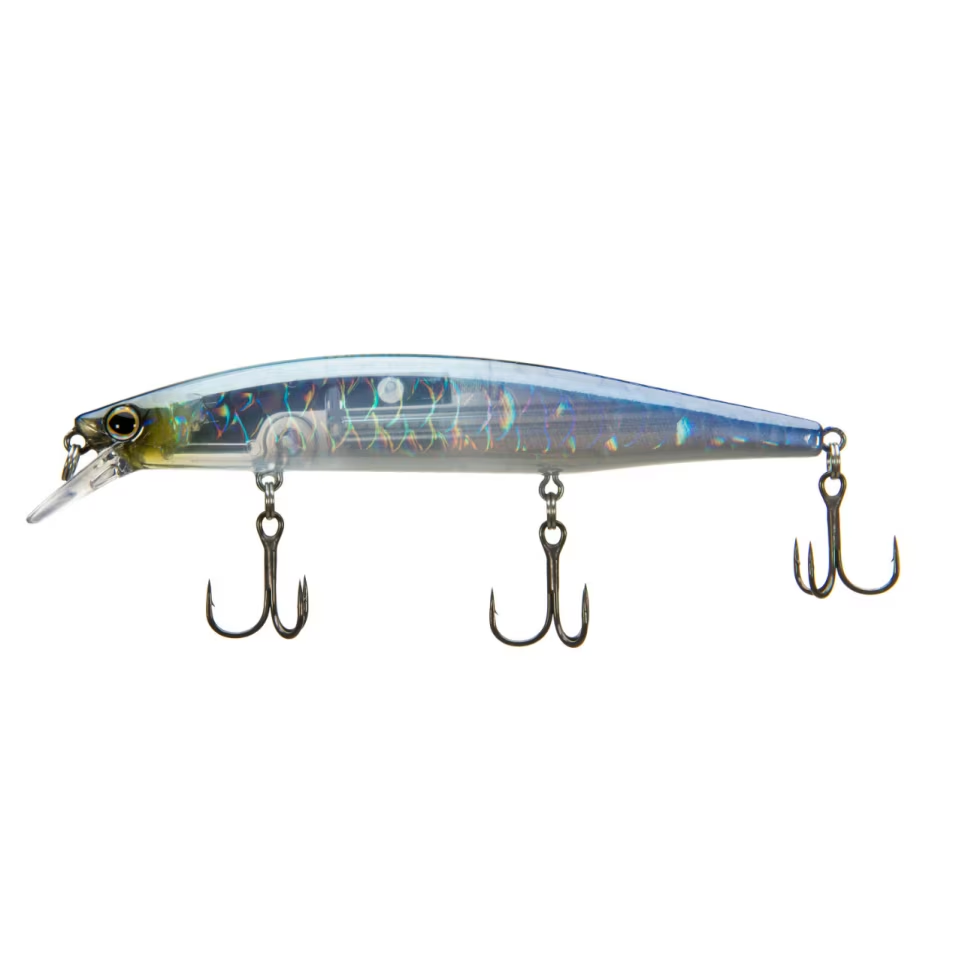
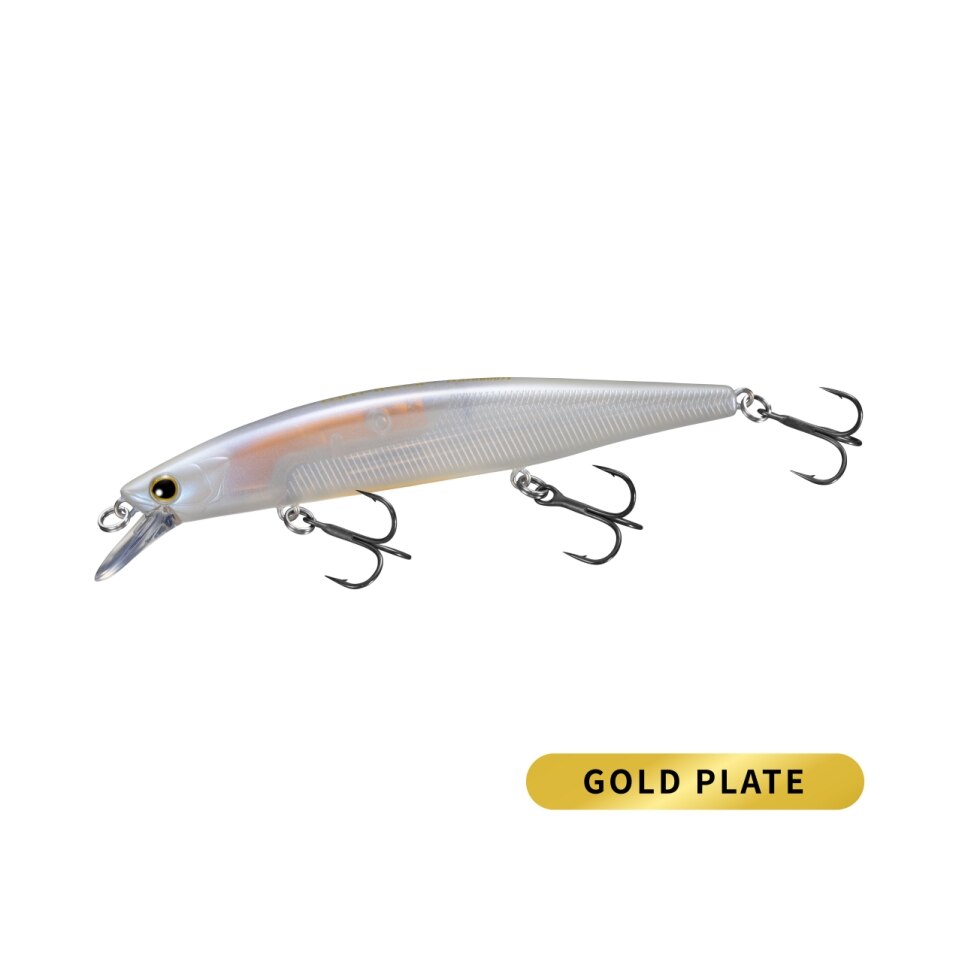
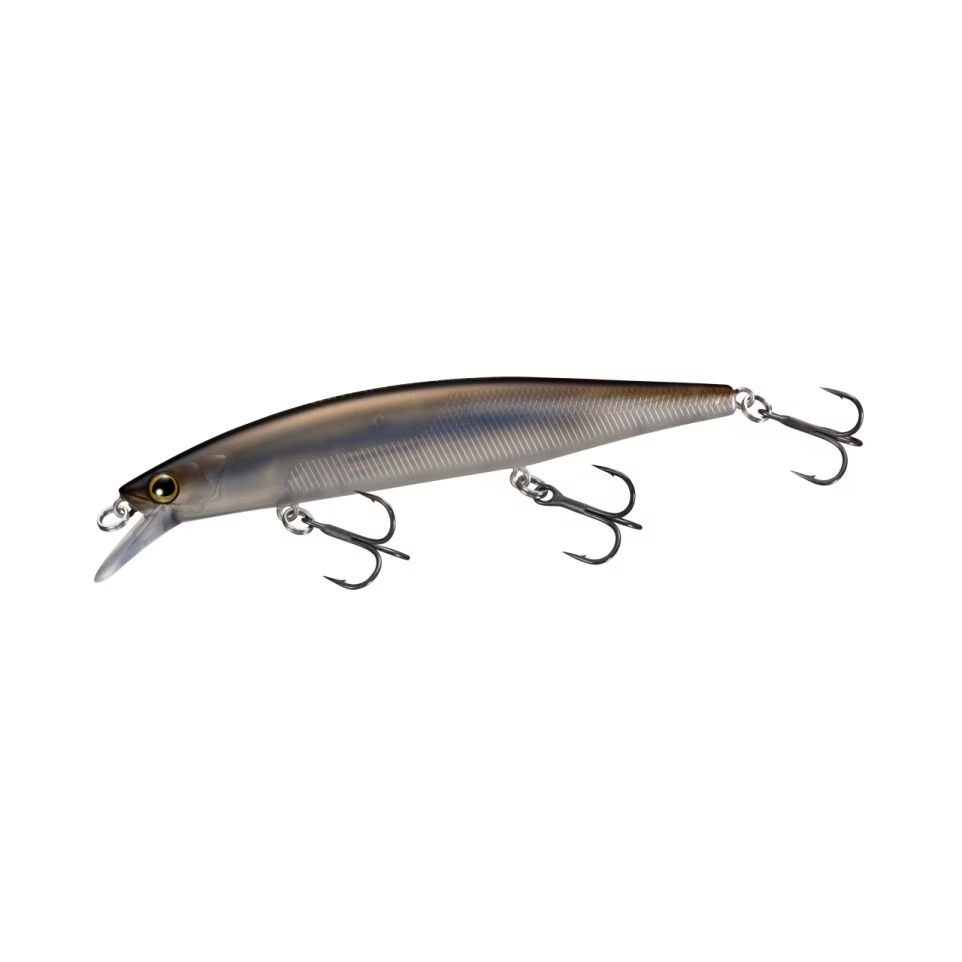
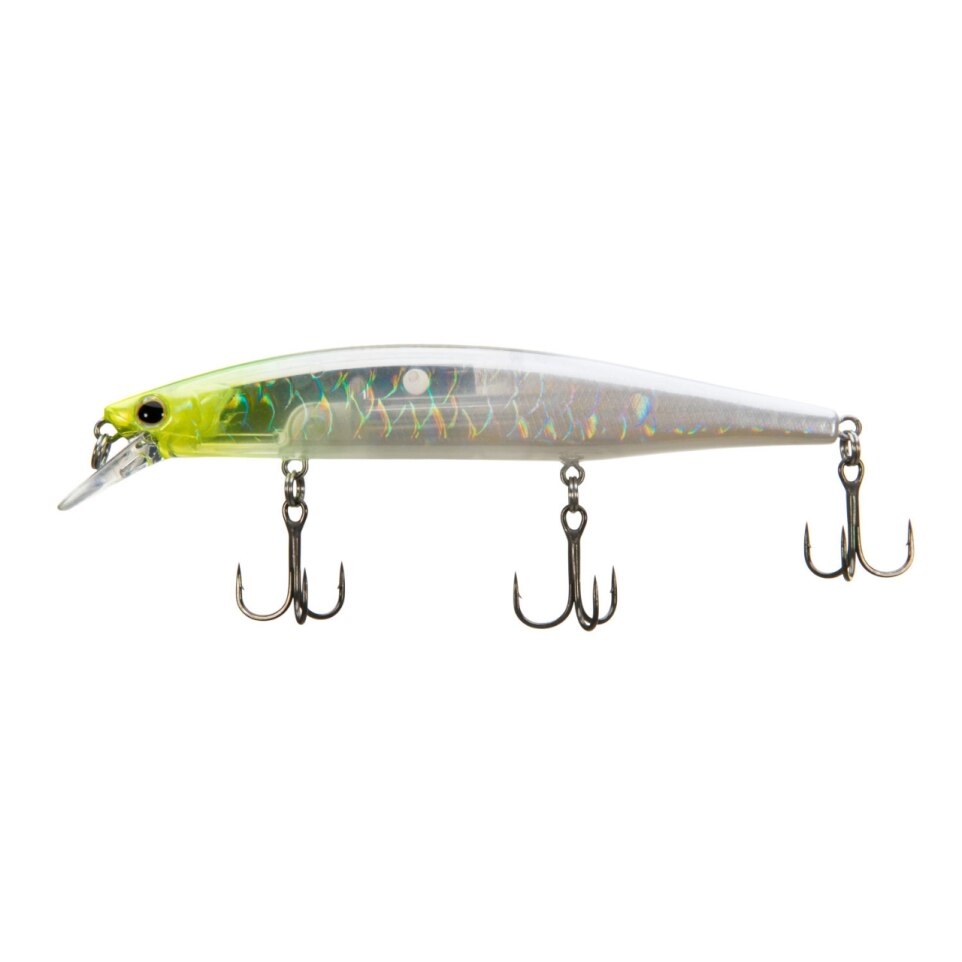
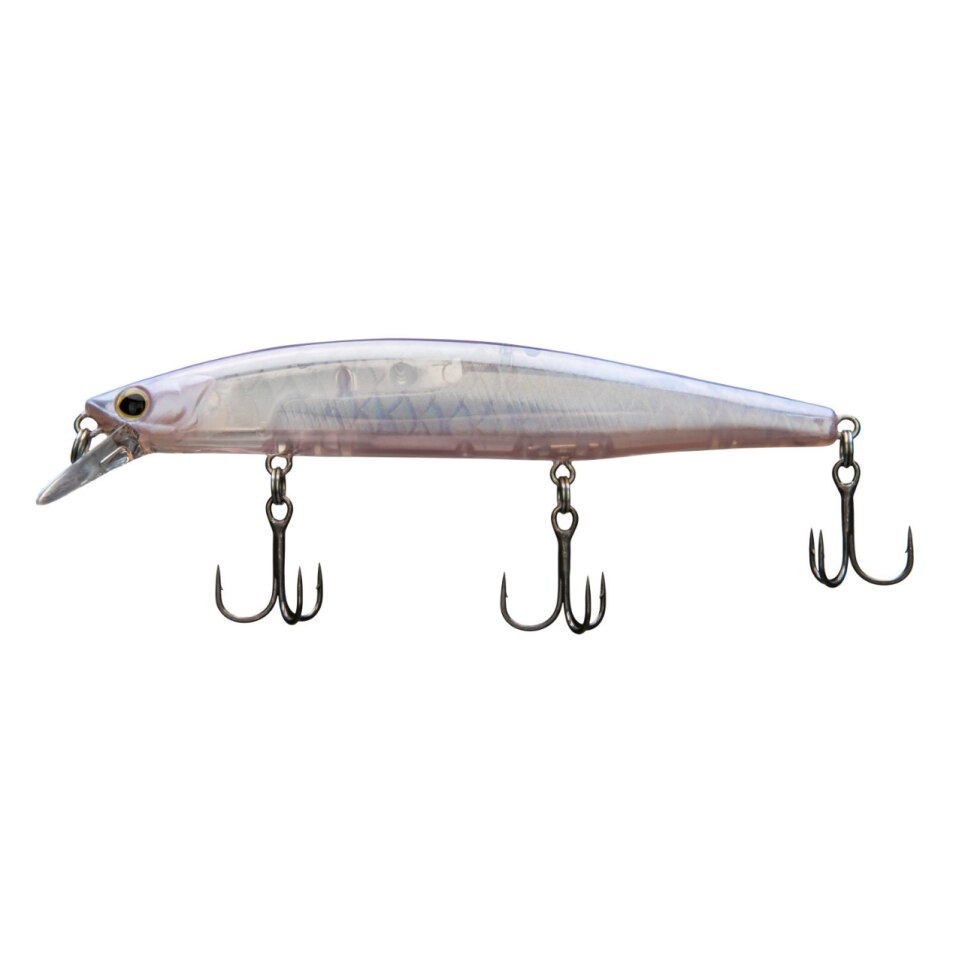
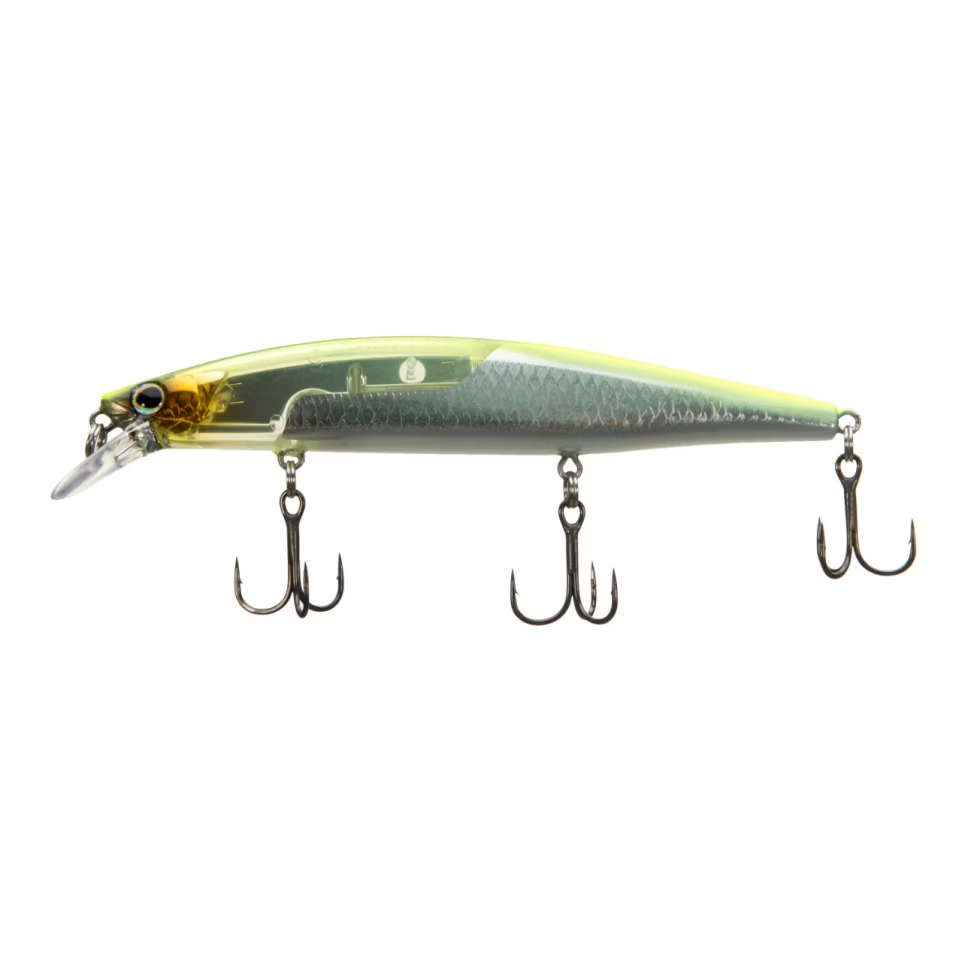
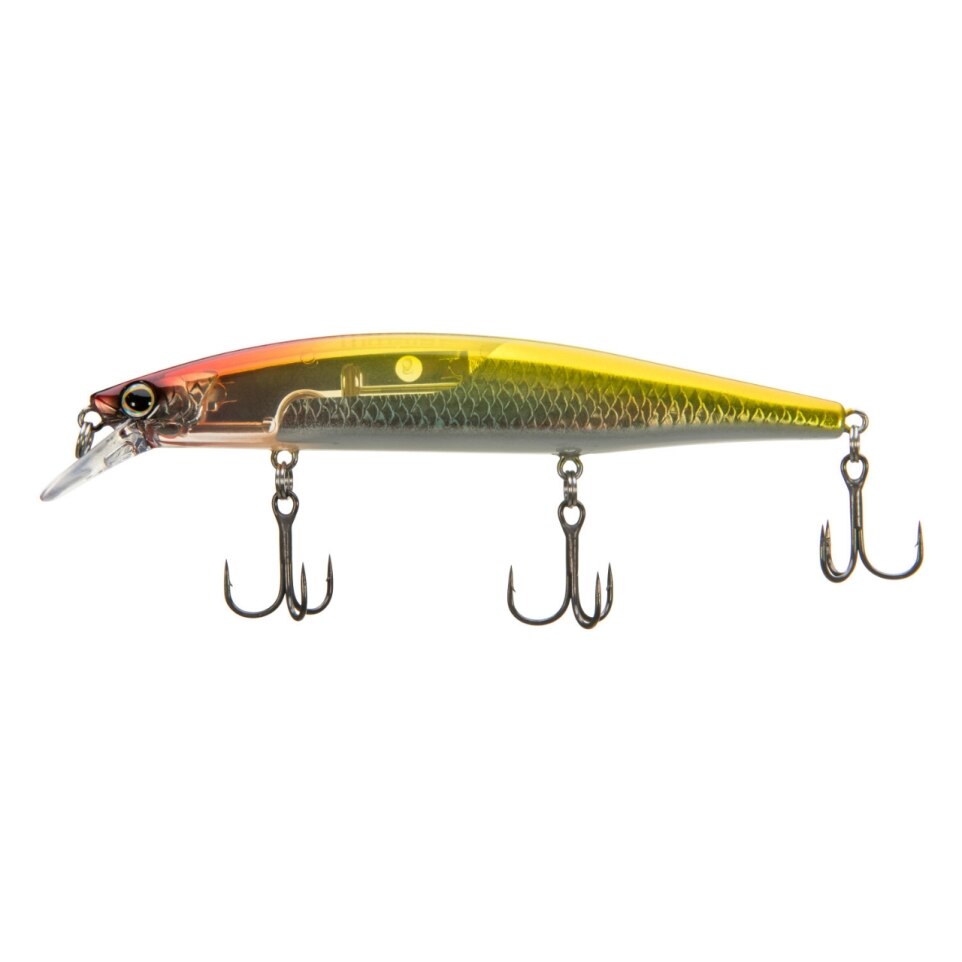
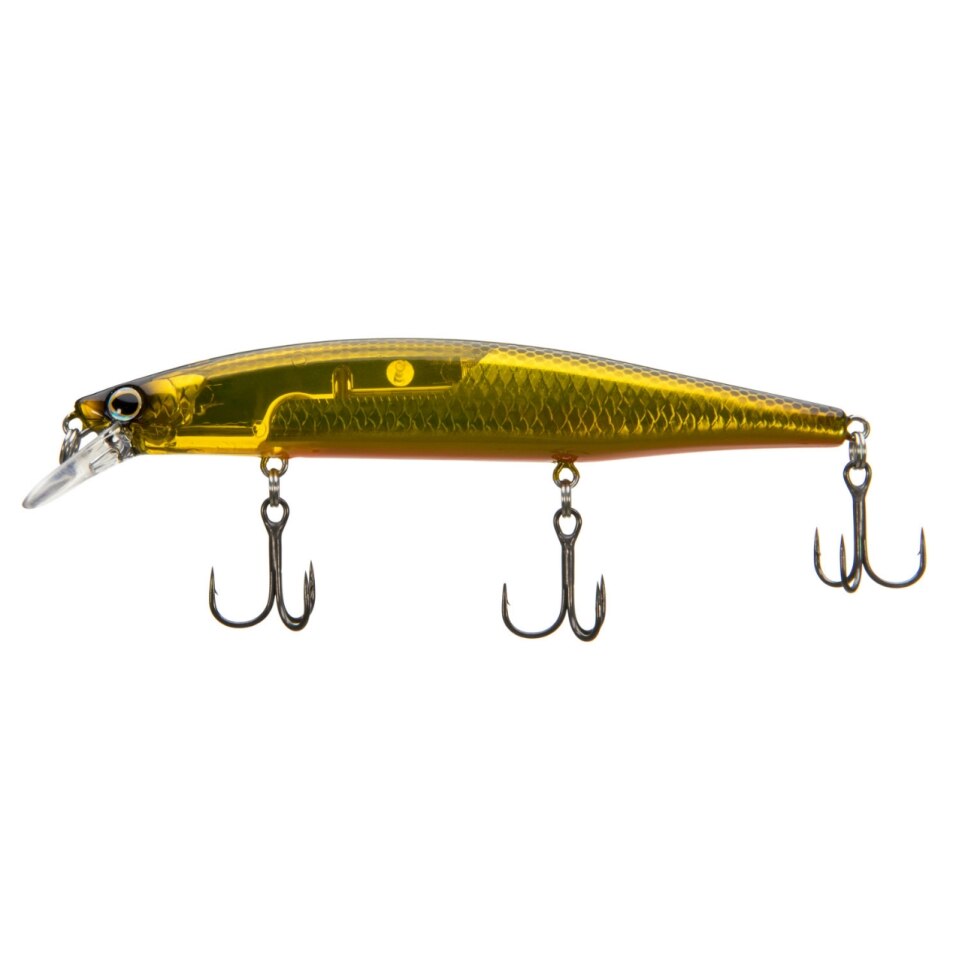
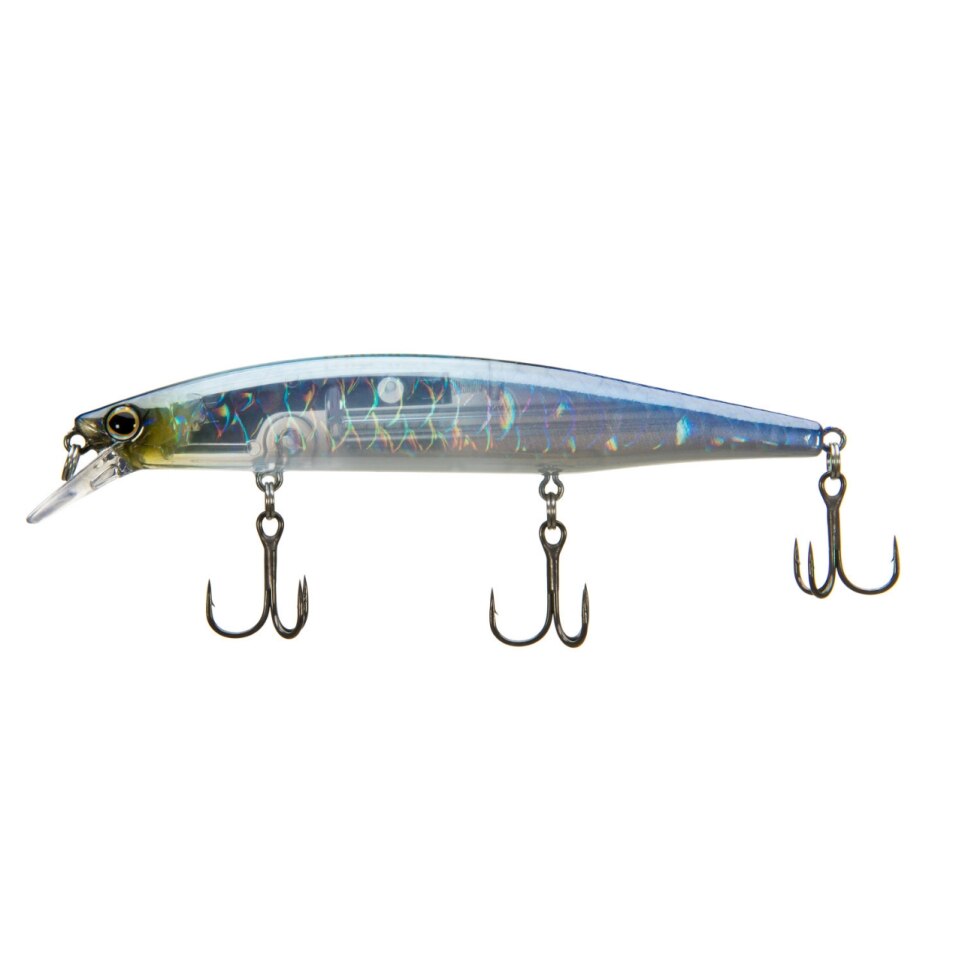
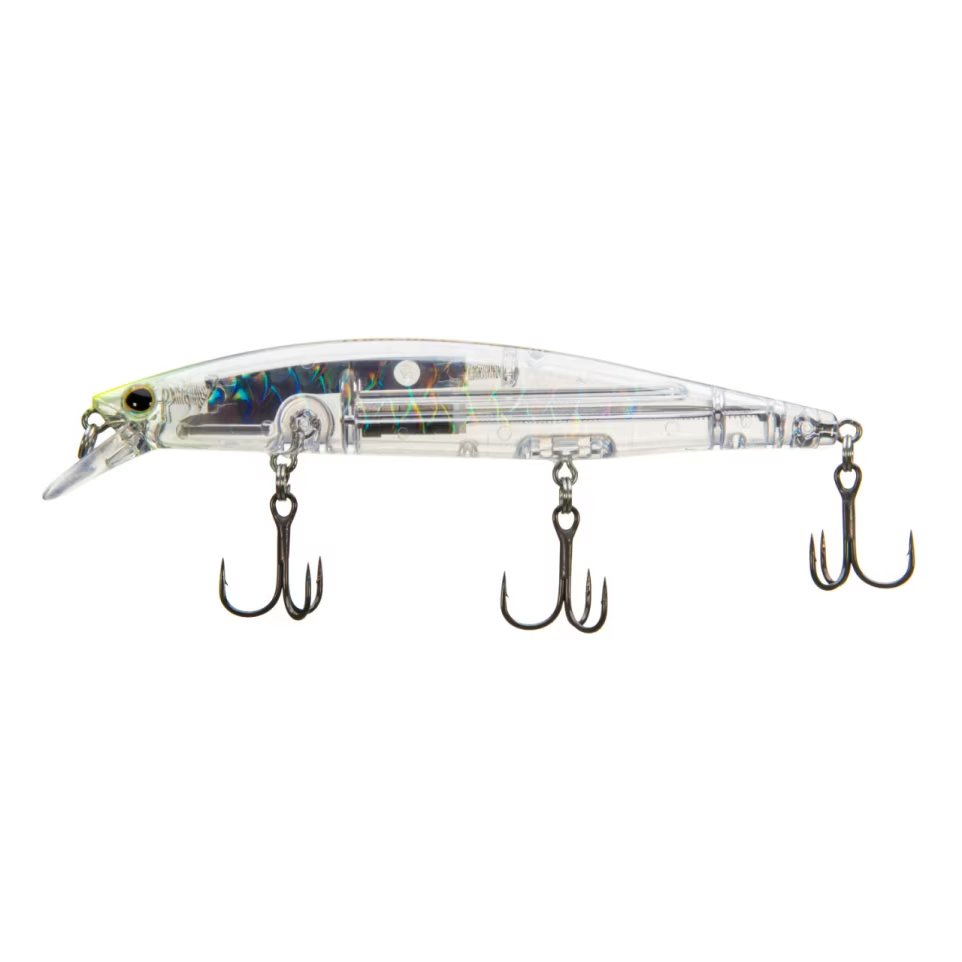
Shimano World Minnow Flash Boost Hardbaits – Advanced Minnow Lure for Precision Fishing

Product Description, Features, Technology and Fishing Performance
Product Overview
A successful fishing session often depends on the ability to present a convincing baitfish imitation at the right depth, speed, and angle. For anglers who value precision, visual attraction, and responsive lure action, the Shimano World Minnow Flash Boost Hardbaits have been designed to deliver a versatile approach to modern minnow fishing.
Developed by Shimano, the World Minnow 115SP is a suspending minnow-style jerkbait that combines innovative internal technology with a realistic baitfish profile. Furthermore, its swimming action can be adjusted through steady retrieves, sharp rod movements, and carefully timed pauses. As a result, different presentations can be explored according to the fishing environment and the behavior of nearby predatory fish.
Unlike a basic hard lure that relies entirely on movement to attract attention, this model incorporates a reflective Flash Boost system. The internal reflective element is designed to produce additional flashes while the lure is moving and when it is paused. Consequently, visual attraction can be maintained even when the retrieve is temporarily interrupted.
In addition, Jet Boost casting technology and Scale Boost holographic detailing have been incorporated into the design. Together, these features support casting performance, lifelike visual presentation, and adaptable fishing techniques.
Whether you are refining a jerkbait setup, exploring new lure presentations, or expanding an established tackle collection, this hardbait offers a combination of practical functionality and advanced design.
Key Product Highlights
- Brand: Shimano
- Product: World Minnow Flash Boost
- Lure category: Hardbait / suspending minnow jerkbait
- Model reference: World Minnow 115SP
- Length: 115 mm / approximately 4.5 inches
- Weight: 17 g / approximately 5/8 oz
- Buoyancy: Suspending
- Flash technology: Shimano Flash Boost
- Casting technology: Shimano Jet Boost
- Visual detailing: Shimano Scale Boost
- Typical diving range: Approximately 4–6 feet, depending on fishing conditions
- Recommended applications: Jerkbait fishing, twitching, steady retrieves, and stop-and-go presentations
- Target species: Predatory freshwater fish, particularly bass where the lure is suitable
Specifications refer to the 115SP model. Available colours, hook configurations, and specifications may vary by regional version.
H2: Discover the Shimano World Minnow Flash Boost
H3: Designed for Modern Anglers
Fishing conditions are rarely identical from one session to another. Water clarity changes, light levels fluctuate, and baitfish may behave differently depending on temperature, season, and predator activity. Therefore, a versatile hardbait can be valuable when a single presentation is not producing the desired response.
The World Minnow has been developed around the familiar minnow shape, which is widely used to imitate small forage fish. Its streamlined body is intended to support controlled swimming movements, while its jerkbait design allows the direction and intensity of the action to be influenced by the angler.
During a steady retrieve, the lure can be worked with a consistent rhythm. Alternatively, short rod movements can be introduced to create sharper directional changes. When the lure is paused, the suspending design is intended to keep it near its current depth rather than immediately rising or sinking under suitable conditions.
This combination provides flexibility without requiring a complicated presentation. Beginners can start with a straightforward retrieve, while experienced anglers can experiment with different pauses, twitching patterns, and retrieval speeds.
Moreover, the lure’s internal technologies have been developed to complement its physical action. Reflective elements provide visual stimulation, while the weight-transfer mechanism is intended to improve casting performance. As a result, the design is suited to anglers who want more than a conventional minnow-shaped hardbait.
H3: A Practical Choice for Baitfish Imitation
Predatory fish frequently respond to forage that resembles the small fish available in their habitat. However, a convincing imitation involves more than colour alone. Shape, movement, light reflection, and presentation speed can all influence how a lure is perceived.
The World Minnow combines a fish-like silhouette with detailed reflective patterns to create a visual profile that can be presented in different ways. During movement, its swimming action provides the primary source of motion. Meanwhile, the reflective technologies can introduce additional flashes as light reaches the lure.
Furthermore, the suspending format allows pauses to become part of the presentation rather than simply a break in the retrieve. This can be particularly useful when fish are following a lure without committing to a strike.
For example, an angler may retrieve the bait with several short twitches before allowing it to remain momentarily in the strike zone. During this pause, the reflective system can continue to provide visual stimulation. Although fish responses will vary, this approach offers another way to encourage attention when a continuous retrieve is less effective.
H2: Flash Boost Technology for Added Visual Attraction
H3: Reflective Performance During the Retrieve
Flash Boost is one of the defining features of this Shimano hardbait. A reflective plate is suspended within the lure body using a sensitive spring-supported mechanism. As the lure moves and responds to vibrations, the internal reflector can create a shimmering visual effect.
This design differs from relying exclusively on a painted finish or a reflective surface fixed rigidly in place. Instead, movement within the body helps produce flashes that complement the lure’s swimming action.
As the bait is retrieved, the combination of movement and reflected light can help it stand out against the surrounding water. The visual effect may be especially noticeable when light reaches the lure at a favourable angle. However, its effectiveness will naturally depend on water clarity, depth, weather, and available light.
Importantly, Flash Boost is not limited to the moments when the lure is moving forward. The suspended reflector is designed to continue producing flashes during pauses, adding another visual element to stop-and-go presentations.
For anglers targeting cautious fish, this feature can provide a useful alternative to a presentation that depends entirely on constant motion.
H3: Why Flash During Pauses Matters
A pause can change the rhythm of a retrieve and create a moment when a following fish has an opportunity to approach the lure. Nevertheless, a motionless bait may become less visually noticeable if no additional movement or light reflection is present.
With the Flash Boost system, the internal reflector can continue to shimmer while the lure remains suspended. Consequently, the pause is treated as an active part of the presentation rather than an empty interval between movements.
This can be useful when fish are tracking the lure but appear reluctant to strike. A short pause may provide a different visual impression, while a longer pause can allow the bait to remain in a promising area for additional time.
There is no single pause duration that works in every situation. In warmer conditions, active fish may respond to faster sequences, whereas cautious fish may require a slower approach. Therefore, retrieve timing should be adjusted according to observed fish behaviour and local conditions.
The central advantage is flexibility: the reflective feature can be used alongside movement, pauses, and changes in retrieval speed.
H3: Supporting a More Natural Baitfish Impression
Small forage fish often reflect light as they turn, swim, or change direction. Although no artificial lure can reproduce every detail of a living fish, reflective components can help create a comparable visual impression.
The internal flash system has been designed to add subtle changes in brightness without requiring the angler to keep the lure constantly moving. In combination with its minnow profile, this can help produce a presentation that appears more dynamic than a static colour pattern alone.
Additionally, the effect can be explored across different retrieval styles. Short twitches can be followed by a pause, or a steady retrieve can be interrupted with occasional changes in direction.
These techniques provide options for adapting the lure to fish that respond differently to visual stimulation. As always, results will depend on the species, environment, and conditions encountered.
H2: Jet Boost Technology for Casting Distance and Accuracy
H3: A Weight-Transfer System Built for Casting
Casting performance can influence how effectively an angler covers water. When fish are holding beyond the immediate shoreline or around specific structures, reaching the intended area can become an important part of the presentation.
Shimano’s Jet Boost system has been incorporated to assist with casting distance and accuracy. An internal weight shifts toward the rear during the cast, helping the lure maintain a more favourable weight distribution as it travels through the air. Once the lure enters the water, the weight is returned toward its intended fishing position.
This mechanism is designed to support a stable casting trajectory while allowing the lure’s swimming balance to be restored for retrieval.
Consequently, the World Minnow can be used to cover water efficiently and to reach selected targets with greater control when the rod, line, and casting technique are appropriately matched.
Actual casting distance will vary according to wind direction, rod power, line diameter, reel setup, and individual casting technique. Even so, the weight-transfer design provides a useful performance feature for anglers who value both distance and precision.
H3: More Control Around Productive Fishing Areas
Casting accuracy is often just as important as distance. A productive area may be located beside a weed edge, near a submerged feature, or along a transition between shallow and deeper water.
When a lure can be placed near the intended target, its action can be presented where fish are more likely to encounter it. Jet Boost is intended to support this approach by helping the lure travel in a stable manner during the cast.
For instance, an angler fishing a shoreline may cast parallel to a weed line rather than repeatedly retrieving across unproductive water. Similarly, a cast may be directed toward the edge of a submerged structure where baitfish activity has been observed.
Once the lure reaches the target area, its movement can be varied according to the situation. A steady retrieve may be started immediately, or a sequence of twitches and pauses may be introduced.
In this way, casting technology and presentation technique can be used together to improve how deliberately the water is covered.
H3: Maintaining Performance in Changing Conditions
Wind can make accurate casting more difficult, particularly when lightweight lures are used with unsuitable tackle. A weight-transfer system is designed to help manage the lure’s balance during flight, although it cannot eliminate the influence of strong gusts or poor casting angles.
For improved control, the rod should be matched to the lure’s weight, and the reel should be filled appropriately with suitable fishing line. A smooth casting motion is generally preferable to forcing the cast with excessive power.
Additionally, line condition should be checked regularly. Damaged line, loose knots, or an unsuitable leader can affect casting efficiency and reliability.
When these basic details are addressed, the World Minnow’s casting system can be used as part of a balanced setup intended for accurate lure placement and consistent retrieval.
H2: Scale Boost for Detailed Baitfish Appearance
H3: Holographic Scale Patterns
Visual detail is another important element of a hardbait’s design. Scale Boost uses holographic film with composite-pitch patterns to create a more complex scale-like appearance than a simple, uniform reflective finish.
The pattern has been designed to resemble the overlapping scales found on baitfish. As light reaches the lure from different angles, the holographic surface can produce varying reflections across the body.
This creates a more detailed visual presentation that complements the lure’s shape and swimming movement. Furthermore, the interaction between reflective patterns and water conditions can make the finish appear different as the lure changes direction.
The resulting effect is intended to strengthen the baitfish imitation without requiring an elaborate retrieval technique.
H3: Choosing a Finish for Water Conditions
Different colour patterns can be useful in different environments, although no colour guarantees a strike. The most suitable option will depend on visibility, available light, local forage, and the appearance of the surrounding water.
Natural-looking finishes can be considered when baitfish are clearly visible or when a more subtle presentation is preferred. Silver-based patterns may provide noticeable reflections, while darker accents can help define the lure’s silhouette under certain conditions.
Brighter colours can also be worth considering when greater visibility is desired. However, their usefulness will depend on the environment and the way fish respond to the presentation.
Rather than assuming that one colour is always superior, anglers can begin with a pattern that resembles local forage and then adjust when conditions or fish responses suggest a change.
The combination of Scale Boost detailing and Flash Boost reflection provides two complementary visual features: one contributes to the scale-like appearance, while the other introduces additional flashing during movement and pauses.
H2: Suspending Action for Controlled Presentations
H3: Understanding the 115SP Format
The 115SP version is designed as a suspending minnow jerkbait. Under suitable conditions, a suspending lure is intended to remain at approximately the same depth when the retrieve is stopped.
This behaviour can be particularly useful when a presentation needs to be held within a specific section of the water column. Instead of immediately floating upward or sinking downward, the bait can remain near the level at which it was retrieved.
However, exact buoyancy can be influenced by water temperature, line and leader diameter, hook configuration, and other rigging choices. Therefore, the lure should be tested in the actual fishing environment before a precise suspension behaviour is relied upon.
H3: Using Pauses to Keep the Lure in the Strike Zone
The ability to pause a lure without an immediate major change in depth can provide greater control over a presentation. For example, when fish are following the bait near a submerged feature, the retrieve can be interrupted to give them additional time to approach.
A short pause can be incorporated between two twitches, while a longer pause can be tested if fish appear cautious. If fish are actively chasing, a more continuous retrieve may be preferable.
In addition, the depth being targeted should be considered. The advertised diving range for the 115SP is approximately 4–6 feet, although actual depth will depend on retrieve speed, line, and other conditions.
By combining controlled depth, directional changes, and reflective attraction, anglers can develop a presentation that is adjusted to the situation rather than relying on a single retrieval pattern.
H2: Versatile Retrieval Techniques for Different Fishing Situations
H3: The Steady Retrieve
For a simple starting point, the lure can be retrieved at a consistent pace. This allows its swimming action to be observed while the angler covers water and searches for active fish.
A steady retrieve may be useful when fish are actively feeding or when a broad area needs to be explored. It also provides a baseline against which more complex presentations can be compared.
If the lure is followed without a strike, the retrieval speed can be adjusted. Alternatively, occasional twitches can be introduced to create changes in direction.
H3: Twitch-and-Pause Presentation
A twitch-and-pause method is one of the natural approaches to jerkbait fishing. Short movements are applied through the rod, after which the lure is allowed to pause before the sequence is repeated.
The intensity of each twitch can be varied. Gentle movements may be appropriate when a subtle presentation is required, whereas sharper movements can be explored when a more aggressive action is desired.
During the pause, Flash Boost can continue to provide visual stimulation. Therefore, the lure can remain visually active even while its forward movement has stopped.
H3: The Stop-and-Go Method
The stop-and-go approach combines periods of steady retrieval with deliberate pauses. It is straightforward to use and can be adapted without changing the tackle.
A short sequence of reeling can be followed by a pause, then resumed at a different speed. This creates an irregular rhythm that may be useful when fish are responding poorly to continuous movement.
The length of each interval should be adjusted according to conditions. Experimentation is recommended because fish behaviour can change throughout the day.
H3: Covering Water Efficiently
When fish activity is uncertain, covering water can help identify productive areas. Casts can be distributed along shorelines, around visible cover, or across transitions between different depths.
Once an area produces a follow or strike, subsequent casts can be directed toward the same zone. The retrieve can then be adjusted to investigate which movement or pause pattern appears most effective.
Because the World Minnow incorporates a casting-oriented weight-transfer system, it is designed to support this combination of exploratory casting and controlled lure presentation.
H2: Product Benefits for Your Tackle Collection
The World Minnow offers several practical features that can be considered when selecting a hardbait for freshwater fishing.
- Additional visual attraction: Flash Boost introduces a reflective element that can remain active during pauses.
- Casting support: Jet Boost is designed to improve casting distance and accuracy.
- Detailed finish: Scale Boost adds a lifelike, holographic scale pattern.
- Controlled depth: The suspending 115SP format is intended to remain near its fishing depth during pauses under suitable conditions.
- Adaptable action: The lure can be worked through steady retrieves, twitches, and stop-and-go techniques.
- Versatile presentation: Different colours and retrieval patterns can be selected according to local forage and water clarity.
- Suitable for varied skill levels: A straightforward retrieve can be used initially, with more advanced techniques introduced as confidence develops.
These features are intended to complement one another. Casting performance helps the lure reach the target area, swimming action supports the baitfish imitation, and reflective details add a visual element throughout the presentation.
H2: Who Should Consider This Hardbait?
H3: Anglers Building a Versatile Lure Selection
A varied tackle collection can provide more options when fishing conditions change. The World Minnow can be considered by anglers who want a minnow-style hardbait that supports both continuous retrieval and deliberate pauses.
Its combination of visual technologies and casting features makes it a useful candidate for those who regularly experiment with jerkbaits and other hard lures.
H3: Experienced Anglers Refining Their Presentations
More experienced anglers may appreciate the ability to combine rod movements, retrieval speed, and pause duration. These variables can be adjusted to explore how fish respond to changes in the lure’s action.
Furthermore, the suspending design can be useful when a bait needs to remain near a particular depth rather than immediately rising or sinking after each movement.
H3: Newcomers Exploring Hardbait Fishing
A complicated technique is not required to begin using this type of lure. A steady retrieve can be learned first, followed by short twitches and pauses as confidence develops.
Before fishing, the lure should be checked for free movement, secure knots, and appropriate tackle compatibility. With these basics in place, newcomers can gradually explore the different ways in which a minnow jerkbait can be presented.
H2: Product Specifications at a Glance
| Specification | Details |
|---|---|
| Brand | Shimano |
| Product family | World Minnow Flash Boost |
| Model | 115SP |
| Lure style | Minnow jerkbait |
| Construction category | Hardbait |
| Length | 115 mm / 4.5 in |
| Weight | 17 g / 5/8 oz |
| Buoyancy | Suspending |
| Flash system | Flash Boost |
| Casting system | Jet Boost |
| Holographic pattern | Scale Boost |
| Approximate diving range | 4–6 ft |
| Primary presentation styles | Steady retrieve, twitching, stop-and-go |
| Colour availability | Varies by retailer and regional range |
Make Your Next Fishing Session More Versatile
The right lure should offer useful options without making every presentation unnecessarily complicated. With its suspending profile, internal reflective mechanism, casting-oriented weight transfer, and detailed holographic finish, the World Minnow has been designed to support a considered approach to modern hardbait fishing.
For anglers looking to expand their selection of minnow-style lures, this model provides several presentation options in a single design. A steady retrieve can be used to locate active fish, while short twitches and carefully timed pauses can be introduced when a more varied approach is needed.
Colour selection, retrieve timing, and casting position should all be adjusted to the conditions encountered. Although results cannot be guaranteed, understanding how these features work together can help anglers make more deliberate choices on the water.
Explore the Shimano World Minnow Flash Boost range and choose a colour that suits your fishing environment. Add this versatile hardbait to your tackle collection and develop a presentation that can be adapted to changing conditions.
Shimano World Minnow Flash Boost Hardbaits –
Fishing Techniques, Seasonal Applications, Colour Selection, Tackle Compatibility and Buying Guide
H2: Mastering Minnow Fishing with a Versatile Hardbait
Fishing success is influenced by several factors, including lure selection, presentation, water conditions, and the behaviour of the target species. For this reason, a versatile minnow-style hardbait can be a valuable addition to a well-organised tackle collection.
The Shimano World Minnow 115SP has been designed to support different retrieval methods while incorporating reflective and casting technologies. Consequently, anglers can explore a range of presentations without having to change lures every time the conditions shift.
Rather than relying on one fixed technique, a more adaptable approach can be developed. Retrieval speed can be changed, pauses can be extended, and casts can be directed toward different areas. In addition, colour choices can be adjusted according to water clarity and available light.
The following sections explain how these factors can be considered when using this hardbait in practical fishing situations.
H2: Understanding the Relationship Between Lure Action and Fish Behaviour
H3: Why Movement Matters
Predatory fish frequently investigate objects that resemble potential prey. However, the movement of an artificial lure can be just as important as its colour and shape.
A baitfish imitation that moves consistently may attract fish that are actively feeding. Conversely, a lure with sudden changes in direction can provide a different visual stimulus that encourages a following fish to investigate further.
The World Minnow can be worked using steady retrieval, short rod movements, and pauses. Each method creates a different presentation, allowing anglers to respond to the activity observed around them.
For example, a consistent retrieve may be used to search an open area. If a fish follows the lure without striking, the next cast can be worked with shorter twitches and a pause near the point where the follow occurred.
This approach allows adjustments to be made without assuming that every fish will respond in the same way.
H3: Recognising When a Presentation Should Be Changed
A lack of strikes does not always mean that the lure itself is unsuitable. Sometimes, the speed or rhythm of the presentation needs to be adjusted.
When fish are active, a faster retrieve may be worth testing. On the other hand, cautious fish may respond differently when the lure is allowed to pause briefly between movements.
Water clarity should also be considered. In clearer conditions, a natural-looking presentation may be appropriate, while reduced visibility can make a more noticeable finish worth trying.
Nevertheless, these are starting points rather than fixed rules. Observing fish behaviour and making controlled adjustments will provide a more useful basis for choosing the next presentation.
H2: Fishing Techniques for the Shimano World Minnow 115SP
H3: 1. Steady Retrieval for Searching Open Water
A steady retrieve is a practical starting point for anglers who want to cover water efficiently. After casting, the lure is retrieved at a consistent pace, allowing its swimming action to attract attention as it moves through the selected area.
This technique can be used when fishing along shorelines, across open water, or around areas where baitfish activity has been observed.
To begin, cast beyond the intended target whenever practical and retrieve the lure through the area. Maintain a controlled rhythm rather than turning the handle too quickly.
If the water is relatively shallow, the retrieval speed can be adjusted to suit the available depth. The advertised diving range should be treated as an approximate guide because line diameter, casting distance, and retrieval speed can affect the lure’s actual position.
A steady retrieve also provides a useful baseline. Once its effectiveness has been assessed, additional movements can be introduced to determine whether a more varied presentation produces better results.
H3: 2. Twitching for Directional Changes
Twitching involves applying short movements through the rod tip while maintaining enough control to keep the lure working as intended.
These movements can introduce sudden changes in direction, helping the bait imitate the irregular movement of a small fish. The intensity can be varied according to the situation.
Gentle twitches can be tested when a subtle presentation is desired. More pronounced movements may be explored when fish appear active and responsive to stronger visual changes.
However, excessive rod movement can make it harder to maintain a controlled presentation. A balanced rhythm should therefore be developed through practice.
After several twitches, a pause can be introduced. During this interval, the suspending design is intended to keep the lure near its current depth under suitable conditions, while the reflective element may continue to produce flashes.
H3: 3. Stop-and-Go Retrieval for Greater Variety
Stop-and-go fishing combines ordinary retrieval with deliberate pauses. It is a straightforward method that can be adjusted without specialised equipment.
Begin by retrieving the lure for a short interval. Then stop winding briefly before resuming at a similar or slightly different pace.
The timing can be changed throughout the session. Shorter pauses may suit active fish, whereas longer intervals can be tested when fish appear hesitant.
Additionally, this method allows the reflective features of the lure to contribute during periods when forward movement has stopped.
For best results, avoid assuming that one pause duration will work in every situation. Instead, observe the response to each sequence and adjust the next presentation accordingly.
H3: 4. Slow Retrieval in Areas with Limited Activity
When fish are reluctant to chase, a slower presentation may be worth exploring. This does not mean that the lure should always be retrieved as slowly as possible; rather, the objective is to maintain a controlled swimming action while allowing more time in the target area.
Cast toward a promising location and begin with a measured retrieve. If the lure passes through the area too quickly, reduce the pace or introduce short pauses.
This approach can be considered around submerged cover, changes in depth, and locations where fish have been observed following lures without striking.
The response will depend on water temperature, species, and feeding behaviour. Consequently, slower retrieval should be treated as one option among several rather than a universal solution.
H3: 5. Combining Twitches with Controlled Pauses
A more varied presentation can be created by combining several short twitches with a pause before the next sequence.
For instance, two or three rod movements can be followed by a brief stop. The same pattern can then be repeated while the lure is retrieved through the target area.
This technique allows the angler to alternate between movement and stillness. Furthermore, it provides opportunities to observe whether strikes occur during active retrieval or when the lure pauses.
If fish repeatedly follow without striking, the timing can be modified. A different twitch intensity or pause duration may produce a more suitable presentation for the conditions.
The important consideration is consistency during testing. Changing one variable at a time makes it easier to identify which adjustments appear to improve the response.
H2: Seasonal Applications and Changing Fishing Conditions
H3: Spring Fishing Considerations
During spring, water temperatures and fish activity can change considerably from one location to another. As conditions warm, baitfish movement and predator behaviour may also change.
A minnow-style hardbait can be considered when predatory fish are feeding on small forage fish. The retrieve should be adjusted to suit the local environment rather than based on the calendar alone.
Where fish appear active, a steady retrieve with occasional directional changes may be useful. If activity is limited, shorter movements and pauses can be tested.
Water depth should be considered carefully, particularly in shallow areas where fish may be holding close to cover. Casting beyond the target and retrieving through it can help reduce unnecessary disturbance directly over the intended fishing area.
H3: Summer Fishing Considerations
Warmer conditions can produce different patterns of fish activity depending on the waterbody, weather, oxygen levels, and available forage.
During periods of strong sunlight, fish may be found at different depths or around shaded structures. Early morning and evening activity may also differ from midday conditions.
A suspending minnow can be used to explore suitable depth ranges when predatory fish are feeding on small baitfish. However, the lure’s approximate diving range should be considered before it is selected for deeper water.
In clear conditions, realistic colour patterns may be worth trying first. If visibility is reduced, another finish can be tested to determine whether it produces a more noticeable presentation.
Rather than maintaining the same retrieval speed throughout the day, anglers can adjust their technique in response to changing activity.
H3: Autumn Fishing Considerations
Autumn can bring changes in forage availability and predator movement. In some waters, baitfish become more concentrated, while in others their distribution remains spread out.
A minnow imitation can be useful when its profile and size resemble the forage present in the area. The World Minnow’s 115 mm format provides a substantial baitfish-style profile, making local forage size an important consideration.
Steady retrieval can be used to search likely areas. Once fish activity has been identified, twitching and pauses can be introduced to refine the presentation.
Water clarity and weather conditions should also be taken into account. Cloud cover may change how reflective finishes appear, while wind can influence casting accuracy and line control.
H3: Winter Fishing Considerations
Cold-water fishing often requires greater attention to depth, activity, and presentation speed. Nevertheless, fish behaviour differs by species and location, so a slow retrieve is not always the most effective choice.
When fish appear less willing to chase, a measured retrieve with carefully timed pauses can be tested. A suspending lure may help maintain a presentation near a selected depth, provided its buoyancy and diving behaviour match the conditions.
Longer pauses can be explored, but they should be shortened if fish appear to respond better to movement.
In addition, tackle performance should be monitored in cold weather. Line condition, knot security, and hook sharpness remain important regardless of the season.
H2: Choosing the Right Colour Pattern
H3: Natural Colours for Clear Water
When water clarity is high, fish may have more opportunity to inspect an artificial lure before striking. Under these conditions, a finish that resembles local forage can be a sensible starting point.
Silver, translucent-looking, and natural baitfish patterns may be worth considering, depending on the available colour range.
The objective is not to reproduce every detail of a living fish. Instead, the lure should present a suitable combination of silhouette, movement, and reflected light.
Scale Boost detailing can contribute to the visual profile by introducing a holographic scale pattern. Flash Boost, meanwhile, can provide additional reflection during movement and pauses.
H3: Reflective Finishes for Changing Light
Light conditions can change throughout the day, affecting how a lure is seen beneath the surface. A reflective finish may produce different visual effects depending on the angle of the sunlight and the surrounding water.
In bright conditions, reflections can become particularly noticeable. Under overcast skies, the effect may be more subdued, although the result will depend on water clarity and depth.
A reflective finish can therefore be considered when additional visual stimulation is desired. However, excessive flash is not guaranteed to outperform a subtler pattern, especially when fish are cautious or the water is exceptionally clear.
Testing more than one colour can help identify a suitable option for the conditions.
H3: Brighter Colours for Reduced Visibility
When water is stained or visibility is limited, a brighter or more contrasting pattern may be worth trying.
Such finishes can help the lure stand out against the background, although colour visibility changes with depth and the wavelengths of light that remain available underwater.
A brighter pattern should not automatically be considered the best choice. Instead, compare its performance with a natural finish and pay attention to fish activity.
If neither option produces a response, the presentation speed or target depth may need to be reconsidered.
H3: Matching the Local Forage
The appearance of local baitfish provides a useful starting point when selecting a colour.
Small forage species can differ in body shape, brightness, and overall coloration. Therefore, choosing a pattern that resembles the dominant prey may help create a coherent presentation.
Nevertheless, predators sometimes respond to contrast or movement rather than an exact visual match. A slightly different colour can therefore be worth testing if a realistic finish is not producing results.
The availability of individual patterns should be confirmed with the retailer, as regional ranges and stock can vary.
H2: Selecting the Right Fishing Tackle
H3: Choosing a Suitable Rod
A suitable rod should be matched to the lure’s weight and intended fishing technique. For the 17 g World Minnow 115SP, a rod with an appropriate lure rating can provide a useful balance between casting control and the ability to impart movement.
A medium-power rod may be suitable in some setups, but the correct choice depends on the manufacturer’s lure rating, rod action, target species, and surrounding cover.
A rod that is too powerful may make subtle movements more difficult to apply. Conversely, a rod with insufficient casting capacity may not provide the desired control.
Before purchasing or pairing tackle, check the rod manufacturer’s recommended lure-weight range rather than relying on power labels alone.
H3: Selecting a Compatible Reel
The reel should complement the rod and the fishing technique being used.
A spinning reel can provide straightforward casting and line management, while a baitcasting reel may be preferred by anglers who want direct control over casting and retrieval.
Both systems can be suitable when correctly matched to the lure, line, and rod. The choice should reflect personal experience, the fishing environment, and the level of casting control required.
For either setup, smooth drag performance and dependable line management are useful considerations.
H3: Choosing Fishing Line
Line selection affects casting, sensitivity, lure movement, and overall tackle performance.
Monofilament, fluorocarbon, and braided line can each be used in different circumstances, but their characteristics should be considered before making a choice.
- Monofilament: Offers some stretch and can be straightforward to handle.
- Fluorocarbon: Provides a relatively low-visibility line option underwater and can be useful in certain presentations.
- Braided line: Offers low stretch and can provide direct feedback, although a suitable leader may be preferred.
The best option depends on the rod and reel, water clarity, cover, target species, and personal preference. Line diameter can also influence how a suspending lure behaves, so adjustments should be tested rather than assumed.
H3: Leader Selection and Knot Security
A leader may be used to suit the environment and the target species. Its material and strength should be selected according to abrasion risks, visibility considerations, and the possibility of encountering fish with sharp teeth.
A well-tied knot is essential because casting and repeated retrieval place stress on the connection.
Before each session, inspect the leader for abrasion or damage. Replace compromised sections instead of relying on a weakened connection.
Where toothy species are present, an appropriate bite-resistant leader may be necessary. Its effect on lure action and buoyancy should also be considered.
H2: Hooks, Hardware and Lure Maintenance
H3: Checking Hook Sharpness
Sharp hooks can improve the likelihood of secure penetration when a fish strikes. For this reason, hook condition should be checked regularly.
Inspect the points for damage, corrosion, or dullness. If the hooks are compromised, replace them with compatible components that preserve the lure’s intended balance as closely as possible.
Changes in hook size or weight can affect suspension and swimming behaviour. Therefore, any modification should be tested in the water before the lure is used in demanding conditions.
H3: Inspecting Split Rings and Connections
Split rings connect hooks and other hardware to the lure body. Over time, they can become distorted or weakened through use.
Inspect these components before fishing, particularly after catching a strong fish or retrieving the lure through heavy cover.
Any damaged hardware should be replaced with a suitable alternative. However, excessively heavy replacement components should be avoided because they may alter the lure’s action or buoyancy.
H3: Cleaning and Storing Hardbaits
After a fishing session, rinse the lure with fresh water when necessary, especially if it has been exposed to saltwater or contaminants.
Allow it to dry thoroughly before storing it. This can help reduce corrosion and prevent moisture from being trapped in a tackle box.
Hardbaits should be stored in a suitable compartment where hooks cannot easily damage other lures or equipment. If several baits are stored together, dividers can help keep their hooks separated.
Additionally, inspect the body for cracks and check whether the internal mechanisms appear to be functioning normally.
H2: Fishing from the Shore, Boat and Kayak
H3: Shore Fishing
Shore anglers often need to work with limited casting angles and changing water depths. A lure that supports casting performance and a range of retrieval styles can provide useful flexibility.
Casts can be directed parallel to the shoreline, toward visible cover, or across likely feeding areas. The retrieve should then be adjusted according to the depth and structure being targeted.
When fishing from a bank, avoid standing directly over a promising area if a more distant approach is practical. Quiet movement and careful casting can help reduce unnecessary disturbance.
H3: Boat Fishing
A boat provides opportunities to approach different structures and cast from multiple angles. However, safe positioning and awareness of surrounding anglers remain important.
The World Minnow can be cast toward suitable shoreline features, submerged structures, or areas where baitfish have been observed.
Once a productive location is found, repeated casts can be used to test changes in retrieval speed and direction.
The lure’s diving behaviour should be considered when fishing around underwater obstacles. A suspending minnow is not necessarily weedless or snag-proof, so care should be taken around dense vegetation and submerged debris.
H3: Kayak Fishing
Kayak anglers may benefit from a compact tackle selection and controlled casting techniques. A minnow-style hardbait can be carried alongside other lure types to provide an option for imitating small forage fish.
Before casting, ensure that hooks are safely managed and that the lure can be handled without compromising balance or control of the kayak.
Wind and current can influence both the boat’s position and the lure’s path. Consequently, the casting angle and retrieval speed may need to be adjusted as conditions change.
Safety should remain the priority, particularly when fishing alone or in moving water.
H2: Common Mistakes to Avoid
H3: Retrieving at One Speed All Day
A consistent retrieve can be effective, but it should not be treated as the only available option.
If fish follow the lure without striking, try introducing a pause or changing the intensity of the rod movements. Alternatively, test a different speed through the same area.
Making small, deliberate adjustments can help reveal whether the fish are responding to the lure’s movement or its position in the water.
H3: Choosing Colour Without Considering Visibility
Colour preference can vary considerably. A pattern that performs well in one waterbody may be less effective in another.
Consider water clarity, available light, local forage, and the depth being targeted. When possible, compare natural and more contrasting finishes rather than relying entirely on personal preference.
H3: Ignoring Tackle Compatibility
An unsuitable rod, line, or leader can influence casting performance and lure action.
Always check the lure’s weight against the rod rating. Furthermore, consider how leader material and hook changes may affect the suspending behaviour.
A properly balanced setup can make the lure easier to control and more consistent to retrieve.
H3: Neglecting Maintenance
Damaged hooks, worn leaders, and compromised split rings can lead to lost fish or equipment failure.
Inspect the lure before use and replace worn components when necessary. After fishing, clean and dry it appropriately before returning it to storage.
Regular checks are simple, yet they can help maintain the performance and reliability of a tackle collection.
H2: Why Consider the Shimano World Minnow Flash Boost?
The value of a hardbait is determined by how well its features support the angler’s intended fishing method.
This model brings together three recognisable Shimano technologies: Flash Boost for additional reflective attraction, Jet Boost for casting support, and Scale Boost for holographic scale detailing.
Its suspending format provides another practical consideration for anglers who want to introduce pauses into their presentation. In addition, the minnow profile supports a familiar baitfish-style approach that can be worked using several techniques.
For anglers who enjoy experimenting with jerkbait presentations, these characteristics offer a useful combination of visual detail and retrieval flexibility.
Nevertheless, the most appropriate lure will always depend on the fishing environment, target species, local regulations, and personal preferences.
H2: Frequently Asked Questions
H3: What Is the Shimano World Minnow Flash Boost?
It is a minnow-style hardbait designed for predatory fish fishing. The 115SP model incorporates Flash Boost reflective technology, Jet Boost casting technology, and Scale Boost holographic detailing.
H3: What Does Flash Boost Do?
Flash Boost uses an internal reflective component supported by a spring mechanism. It is designed to produce flashes as the lure moves and while it pauses, adding visual stimulation to the presentation.
H3: What Is Jet Boost Technology?
Jet Boost is Shimano’s weight-transfer casting system. It is designed to improve casting distance and accuracy by adjusting the internal weight distribution during casting and returning it to its intended position for retrieval.
H3: What Is Scale Boost?
Scale Boost is a holographic pattern technology designed to create detailed scale-like reflections on the lure’s body. It complements the baitfish profile and swimming action.
H3: Is the World Minnow a Floating or Sinking Lure?
The 115SP model is designed as a suspending minnow. Its actual behaviour can be influenced by water conditions, line and leader selection, and hook configuration.
H3: How Deep Does the World Minnow 115SP Dive?
Its approximate diving range is around 4–6 feet. Actual depth may vary according to retrieval speed, line diameter, casting distance, and fishing conditions.
H3: Which Retrieval Technique Should Be Used First?
A steady retrieve is a practical starting point because it allows the angler to observe the lure’s swimming action. Twitching and pauses can then be introduced if a more varied presentation is needed.
H3: Can Beginners Use This Hardbait?
Yes. A basic retrieve can be learned first, after which more advanced presentations can be explored gradually. Suitable tackle and safe hook handling should always be prioritised.
H3: Which Colour Is Best?
There is no universally best colour. Natural finishes may be a useful starting point in clear water, while brighter or more contrasting patterns can be tested when visibility is reduced. Local forage and fish behaviour should guide the final choice.
H3: Can This Lure Be Used in Saltwater?
Suitability depends on the target species, local conditions, and the specific model’s hardware and maintenance requirements. After saltwater exposure, rinse the lure with fresh water, dry it thoroughly, and inspect hooks and split rings for corrosion.
H3: Does Flash Boost Guarantee More Strikes?
No. Flash Boost is designed to add visual attraction, but fishing results depend on many factors, including fish activity, water clarity, presentation, and environmental conditions.
H3: What Tackle Is Suitable for a 17 g Lure?
A rod rated for the lure’s weight should be selected, together with a compatible reel and suitable line. The ideal combination depends on the fishing method, target species, and surrounding cover.
H3: How Should the Lure Be Stored?
Keep it clean and dry, inspect the hooks and hardware regularly, and store it in a tackle compartment that protects both the lure and nearby equipment.
H2: Final Buying Guide
When choosing a minnow hardbait, consider more than its appearance. The intended depth, lure weight, buoyancy, casting requirements, and available retrieval methods should all be assessed before a purchase is made.
The Shimano World Minnow Flash Boost 115SP combines reflective attraction, casting technology, and holographic scale detailing in a suspending minnow-style design. These characteristics make it worth considering for anglers who want to explore different jerkbait presentations.
Before ordering, confirm the model number, colour, dimensions, and specifications listed by the retailer. Regional product variations may differ, and availability can change over time.
Choose the right colour for your fishing conditions and expand your tackle selection with a hardbait designed for adaptable presentation.
Explore the available range, compare the specifications, and select the version that best suits your fishing style.
Discount Tackle: Fishing Rods, Fishing Lures, and Premium Fishing Gear
Discover Discount Fishing Tackle for Every Angler
Finding the right fishing equipment can make every fishing trip more productive, enjoyable, and memorable. At Discount Tackle, anglers can explore a wide range of fishing tackle, fishing rods, fishing lures, fishing bait, and essential fishing accessories designed for different fishing techniques and experience levels. Whether a new fishing setup is being prepared or an existing collection is being upgraded, the right tackle can make a meaningful difference on the water.
From versatile fishing poles and dependable spinning rods to specialized crankbaits, soft plastic swimbaits, spinner baits, and bladed jigs, the right equipment can be selected for a variety of fishing conditions. Furthermore, a carefully chosen combination of fishing line, hooks, artificial baits, and terminal tackle can help anglers adapt to changing weather, water clarity, depth, and fish activity.
Our goal is to make discovering fishing gear easier by bringing together essential tackle categories, popular lure styles, and equipment suited to different fishing adventures. Whether bass fishing, targeting pike, exploring freshwater lakes, or preparing for saltwater action, anglers can find inspiration for building a practical and versatile tackle collection.
Explore Fishing Rods and Fishing Poles for Sale
A fishing rod is one of the most important parts of any fishing setup. The correct rod can improve casting accuracy, provide better control over artificial lures, and help deliver the sensitivity needed to detect subtle strikes. However, selecting the right fishing rod depends on more than price alone. Length, power, action, material, and intended fishing technique should all be considered.
Anglers searching for fishing rods for sale, cheap fishing rods, or a fishing rod sale can compare different rod styles according to their needs. Spinning rods are frequently selected for their versatility, while casting rods are often preferred when greater lure control and accurate presentations are required.
Popular Fishing Rod Categories
- Spinning rods: Suitable for a wide range of freshwater and saltwater applications.
- Baitcasting rods: Designed for controlled presentations with compatible baitcasting reels.
- Bass fishing rods: Available in different powers and actions for techniques such as jig fishing, crankbait fishing, and soft plastic presentations.
- Pike fishing rods: Often selected for their strength and ability to handle larger lures.
- Saltwater fishing rods: Built for appropriate coastal and offshore applications, depending on the model.
- Ice fishing rods: Shorter rods designed for vertical presentations through ice.
- Travel fishing rods: Convenient options for anglers who need portable equipment.
When comparing fishing poles for sale, anglers should also consider reel compatibility, recommended line ratings, lure weights, and the type of water being fished. A balanced setup can make casting more comfortable while providing the control needed for different fishing situations.
Explore Shimano SLX, Daiwa Tatula XT, and Lew’s Baitcasting Gear
Reliable fishing equipment begins with choosing products suited to the intended technique. The Shimano SLX range is associated with baitcasting reels and related fishing equipment, while the Daiwa Tatula XT spinning rod offers an option for anglers exploring spinning tackle within the Tatula family.
Lew’s baitcasters are another category worth exploring for anglers interested in casting reels. When choosing a baitcaster, gear ratio, braking system, spool capacity, retrieve direction, and reel weight should be compared carefully.
A suitable baitcasting combination can be paired with crankbaits, spinnerbaits, swim jigs, bladed jigs, and selected soft plastic presentations. Nevertheless, the correct choice will depend on the lure weight, fishing environment, and angler’s casting experience.
Fishing Lures for Every Fishing Technique
Fishing lures are designed to imitate prey, create movement, produce vibration, or trigger a reaction from predatory fish. Different lure styles offer different advantages, making it useful to carry a selection of fishing lures for changing conditions.
Anglers searching for fishing lures for sale can explore hard baits, soft plastics, topwater lures, jigs, spinnerbaits, and specialized presentations. Additionally, lure color, diving depth, vibration, and retrieval speed can influence how a lure performs in a particular environment.
Crankbaits for Bass Fishing
Crankbaits are widely used for covering water and presenting a moving target to bass and other predatory fish. Their diving bills, body shapes, and internal weighting systems vary by model, allowing different presentations across shallow flats, submerged structures, and deeper areas.
Crankbaits for bass can be selected according to the depth being targeted and the structure being fished. A shallow-running crankbait may be useful around banks and vegetation edges, whereas a deeper-diving model can help explore submerged cover.
Types of Crankbait Fishing Lures
- Squarebill crankbait: Frequently used around shallow cover, rocks, and other structures.
- Deep-diving crankbait: Designed to reach greater depths when retrieved with suitable tackle.
- Shallow-running crankbait: Useful for searching flats and relatively shallow water.
- Wake bait: Designed to produce a surface-level or near-surface disturbance.
- Lipless crankbait: Often used for covering water with vibration and a relatively compact profile.
When selecting crankbait fishing lures, consider the bill design, running depth, body profile, hook configuration, and casting distance. A rod with an appropriate action and a reel suited to the lure can help maintain a consistent retrieve.
Spinner Baits and Bladed Jigs
Spinner baits are valued for their flash and vibration. Their rotating blades can create visual signals and water displacement, making them useful in several freshwater fishing situations. Depending on blade configuration and weight, spinner baits can be retrieved at different speeds and depths.
A bladed jig, commonly called a chatterbait in many fishing contexts, creates a distinctive vibration through its blade attachment. It can be paired with compatible trailers to adjust the lure’s profile and movement.
Choosing Spinner Baits and Chatterbait Lures
- Select blade styles according to the desired flash and vibration.
- Match lure weight to water depth and retrieval speed.
- Consider trailer compatibility when choosing a bladed jig.
- Use suitable tackle for the lure’s weight and resistance.
- Adjust the presentation to vegetation, water clarity, and fish activity.
Anglers researching a chatterbait, spinner bait, spinnerbaits, or a swimmer jig can compare these lure styles to determine which presentation best matches their fishing conditions.
Morning Dawn JackHammer and Other Bladed Jig Options
The Morning Dawn JackHammer search term can be useful when researching a particular color or model of bladed jig. Before purchasing, confirm the exact product name, color, weight, and manufacturer specifications.
Bladed jigs can be used with compatible soft plastic trailers to create different silhouettes and movement patterns. A streamlined trailer may provide a compact presentation, while a paddle-tail trailer can introduce additional tail action.
The choice of trailer should be based on the intended presentation rather than color alone. Water clarity, light conditions, vegetation, and forage size can all influence lure selection.
Soft Plastic Swimbaits and Paddle Tail Swimbaits
Soft plastic swimbaits are versatile artificial baits that imitate the movement and shape of small fish. They are available in multiple sizes, body profiles, and tail designs, allowing anglers to adapt their presentations to different species and fishing environments.
A paddle tail swimbait produces movement through its tail during retrieval. Depending on its construction and rigging, it can be used with jig heads, weighted hooks, umbrella rigs, or other compatible setups.
How to Choose Soft Plastic Swimbaits
When comparing soft plastic swimbaits, consider:
- Body length: Match the profile to the target species and forage.
- Tail design: Choose movement that suits the desired presentation.
- Rigging method: Check compatibility with jig heads, hooks, and weighted systems.
- Material: Compare softness, durability, and intended action.
- Color: Select according to water clarity, light, and local forage.
- Weight: Ensure the rig reaches the desired depth without compromising movement.
Soft plastics can be used independently or combined with other tackle to create specialized rigs. Furthermore, carrying several sizes can provide flexibility when fish respond differently throughout the day.
Swim Baits, Swimbaits, and Swimmer Jig Presentations
The terms swim bait and swimbait are often used interchangeably when discussing artificial lures that imitate swimming prey. However, individual products can differ substantially in material, action, profile, and rigging requirements.
A swimmer jig or swim jig can be paired with a compatible soft plastic trailer to produce a swimming presentation. These combinations may be considered around vegetation, submerged cover, and other areas where predatory fish feed.
For a balanced setup, match the jig weight, hook size, trailer dimensions, and rod power. In addition, retrieve speed can be varied to determine which movement pattern receives the best response.
Jerkbaits and Fishing Lure Jerkbait Options
Jerkbaits are designed for presentations that involve pauses, twitches, and changes in direction. Depending on the model, a jerkbait may suspend, float, or sink, creating different opportunities for targeting fish at various depths.
Anglers searching for fishing lure jerkbait options should compare body length, diving depth, buoyancy, hook arrangement, and intended fishing conditions. Suspending jerkbaits can be particularly useful when a paused presentation is desired, while floating and sinking versions provide different options for adjusting depth.
Selecting the Right Jerkbait
A successful jerkbait setup involves more than the lure itself. Rod action, reel speed, line characteristics, and retrieval technique can all affect the presentation.
Consider carrying natural baitfish patterns alongside brighter colors when appropriate. Moreover, adjust pauses and twitching intensity according to water temperature, fish activity, and the lure manufacturer’s recommendations.
Frog Lures for Topwater Fishing
Frog lures provide a surface presentation that can be useful around suitable vegetation and other shallow-water cover. Many hollow-body frog designs feature weed-resistant construction, while other frog-style lures use different materials and hook arrangements.
When choosing frog lures, examine the body design, hook configuration, buoyancy, and compatibility with the cover being fished. A suitable rod and line combination can help deliver the lure accurately and manage fish around vegetation.
Topwater fishing can be especially exciting because strikes may be visible. However, fish do not always connect with the first strike, so maintaining control and allowing the lure to be taken properly can improve the presentation.
Fishing Bait, Artificial Baits, and Soft Plastics
Fishing bait includes a broad range of natural and artificial offerings used to attract fish. Artificial fishing bait includes crankbaits, jerkbaits, spinnerbaits, soft plastic swimbaits, frogs, jigs, and other lure styles.
Soft plastic products offer a range of profiles, textures, and colors. Depending on the design, they can imitate worms, baitfish, crawfish, insects, and other prey. The best option will depend on the species being targeted and the conditions encountered.
Senko’s, Yum Dinger, and Other Soft Plastic Worms
Senko-style worms and Yum Dinger soft plastics are commonly considered for bass fishing. Their straightforward profiles allow a range of rigging methods, including Texas rigs, wacky rigs, and weightless presentations where compatible.
When choosing soft plastic worms, consider length, thickness, color, material, and hook compatibility. A weightless rig may offer a slower fall, whereas a weighted setup can reach deeper water more efficiently.
Crush City and Other Soft Plastic Baits
Crush City is a soft bait range associated with fishing lures designed for different presentations. When comparing products, examine the exact bait model, profile, dimensions, recommended rigging, and intended use.
Other specialized searches may include urchin baits, urchin bait, Wide Hog, Monkey Rage Bait, and caterpillar fishing bait. Because product naming and availability can vary, the exact manufacturer and model should be verified before a product is listed or purchased.
Alabama Rigs and Umbrella Rigs
An Alabama rig, also known as an umbrella rig in many fishing contexts, is designed to present multiple lure-like components together. Depending on the rig, several swimbaits can be arranged to imitate a small group of baitfish.
Choosing an Alabama Rig Setup
Before purchasing an Alabama rig, check local fishing regulations, since restrictions on the number of hooks or lures may apply. Also, verify the rig’s weight, wire construction, component compatibility, and recommended rod specifications.
A heavier umbrella rig can place substantial demands on fishing equipment. Consequently, the rod, reel, line, and terminal connections should be chosen according to the rig’s total weight and the manufacturer’s recommendations.
Pike Fishing Accessories and Specialized Tackle
Pike fishing often requires equipment selected for powerful strikes, sharp teeth, and larger artificial lures. Suitable pike fishing accessories can include wire or other appropriate bite-resistant leaders, strong swivels, landing tools, long-nose pliers, and suitable hooks.
Essential Pike Fishing Equipment
- Bite-resistant leaders appropriate for the target species.
- Strong hooks, swivels, and terminal tackle.
- Landing nets designed for the size of fish being targeted.
- Long-nose pliers and suitable hook-removal tools.
- Fishing rods and reels matched to the weight of the selected lures.
- Measuring tools and fish-handling equipment.
When fishing for pike, suitable leader material is particularly important because ordinary fishing line can be damaged by sharp teeth. Always select tackle based on the fish size, lure weight, fishing location, and applicable regulations.
Fishing Spoons, Beetle Spin, and Other Classic Lures
Fishing spoons are metal lures designed to produce flash and movement during retrieval. They are available in different shapes, sizes, and weights, making them useful for several fishing applications.
The Beetle Spin is another recognizable lure style that combines a compact body with a spinning blade arrangement. Depending on the model and presentation, it can be used to target a range of freshwater species.
When to Use Fishing Spoons and Beetle Spin Lures
- Choose spoon weight according to depth and casting distance.
- Match lure size to the target species and local forage.
- Check hook configuration and replacement compatibility.
- Adjust retrieval speed to create the desired action.
- Use suitable line and tackle for the lure’s weight.
These classic fishing lures can provide useful alternatives when fish respond poorly to other presentations.
Fishing Tackle, Fishing Supplies, and Essential Fishing Equipment
A complete fishing setup includes more than rods and lures. Fishing tackle encompasses the equipment needed to connect, present, retrieve, and manage fishing rigs effectively.
Whether preparing a first tackle box or expanding an established collection, a practical selection of fishing supplies can make each trip easier to organize.
Essential Fishing Tackle Checklist
- Fishing rods and compatible reels.
- Fishing line and suitable leaders.
- Hooks, weights, swivels, and snaps.
- Crankbaits, spinnerbaits, and jerkbaits.
- Soft plastic swimbaits and worms.
- Jigs, trailers, and terminal tackle.
- Tackle boxes and storage organizers.
- Pliers, line cutters, and other useful tools.
- Appropriate safety equipment and fish-handling accessories.
A well-organized tackle collection allows anglers to switch presentations when conditions change. Additionally, replacing worn hooks, checking knots, and inspecting line regularly can help reduce equipment-related problems.
Saltiga, Megabass, and Premium Fishing Gear
Anglers looking for specialized equipment may also explore brands and product families such as Saltiga and Megabass. These names cover different fishing products, so the exact model should always be checked before comparing specifications or suitability.
When choosing premium fishing gear, consider intended use, construction, weight, performance characteristics, service support, and compatibility with the rest of the setup. A higher price does not automatically make a product the best choice for every angler.
Fishing Accessories and Useful Tools
Fishing accessories can improve convenience, organization, and equipment maintenance. The right accessories depend on the fishing environment, target species, and tackle being used.
BUBBA Knives and Fish-Handling Tools
BUBBA offers fishing-related tools, including knives and other products intended for specific fish-handling tasks. When choosing a fishing knife, examine blade type, handle design, intended use, maintenance requirements, and safe storage options.
Always handle knives carefully, keep blades secured when not in use, and follow appropriate cleaning and maintenance guidance.
Find Fishing Deals and Discount Fishing Tackle
Shopping for discount fishing tackle can help anglers compare products and manage the cost of building a complete setup. Nevertheless, value should be assessed through product suitability, specifications, condition, warranty terms, and the seller’s policies rather than price alone.
Customers searching for discount tackle, discount tackle store options, cheap fishing products, or discount fishing rods can compare available products by category and intended use.
How to Compare Fishing Deals
- Identify the fishing technique and target species.
- Compare product specifications and compatibility.
- Review the listed price and any applicable shipping costs.
- Check stock status and product condition.
- Read the return policy and warranty information.
- Compare total value instead of focusing only on the advertised discount.
Seasonal promotions, clearance offers, and Black Friday fishing deals may provide additional opportunities to compare prices. However, promotions, discount codes, and product availability should be verified at the time of purchase.
Shop Fishing Tackle Online
A convenient tackle shop should make it easy to discover products, compare specifications, and select suitable equipment. Online fishing shops can also help anglers browse categories without needing to visit a physical store.
Whether searching for fishing rods and reels, artificial fishing bait, ice fishing equipment, or specialized bass fishing lures, shoppers should use clear product filters and check compatibility before placing an order.
Build Your Fishing Setup with Confidence
The right fishing equipment depends on personal preferences, fishing conditions, and the species being targeted. By comparing rods, reels, lures, hooks, leaders, and accessories carefully, anglers can assemble a setup that supports their preferred techniques.
Explore available fishing tackle, compare suitable products, and choose equipment that matches your next fishing adventure.
Find the tackle that fits your fishing style and get ready for your next big bite.
Additional information
| MODEL/COLOR | WM115SPKS / BLACK/SILVER, WM115SPKG / BLACK_GOLD, WM115SPCL / CLOWN, WM115SPCS / CHARTREUSE_SILVER, WM115SPSA / SALANGIDAE, WM115SPPR / PRO_BLUE, WM115SPKT / PINK_SMELT, WM115SPCH / CHARTREUSE_HEAD, WM115SPER / BLUE_SILVER, WM115SPGA / GHOST_AYU, WM115SPSH / S HASU, WM115SPSTC / ST CHIAYU, WM115SPOZS / OZ SHAD, WM115SPWG / WINTERGREEN, WM115SPOBP / OB PEARL, WM115SPMAC / MACCHIATO, WM115SPMPB / MATTE PRO BLUE, WM115SPMP / MATTE PERCH, WM115SPHRMN / HORNED MINNOW, WM115SPJ / JALAPEÑO |
|---|
Related products
-
SHIMANO WORLD POP FLASH BOOST HARDBAITS
€20.42Select options This product has multiple variants. The options may be chosen on the product page -
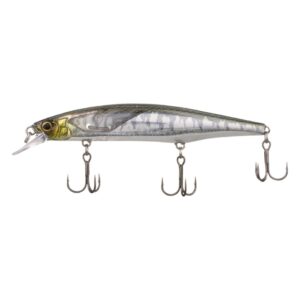
SHIMANO ZUMVERNO 95SP FLASH BOOST HARDBAITS
€21.31Select options This product has multiple variants. The options may be chosen on the product page -
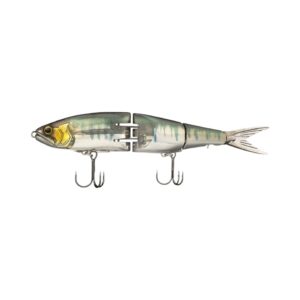
SHIMANO ARMAJOINT 190SS FLASH BOOST HARDBAITS
€42.62Select options This product has multiple variants. The options may be chosen on the product page
Reviews
There are no reviews yet.