
We Deliver Directly To Your Door
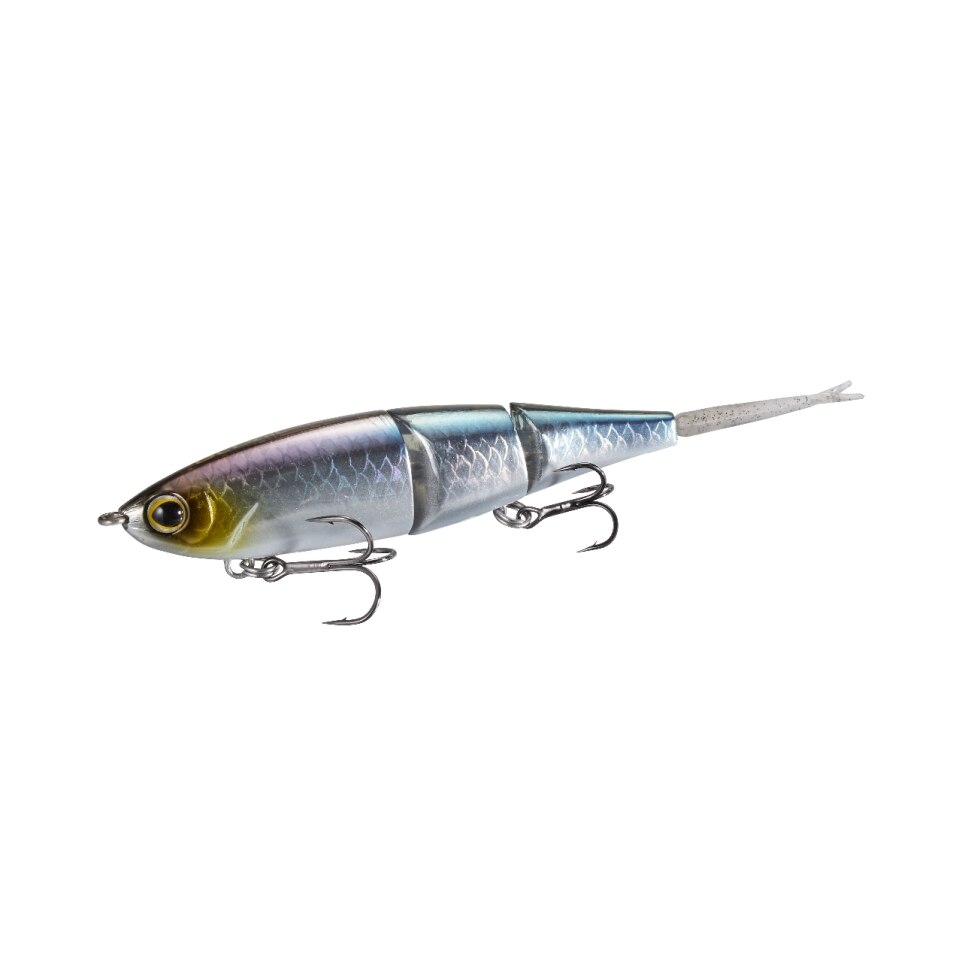
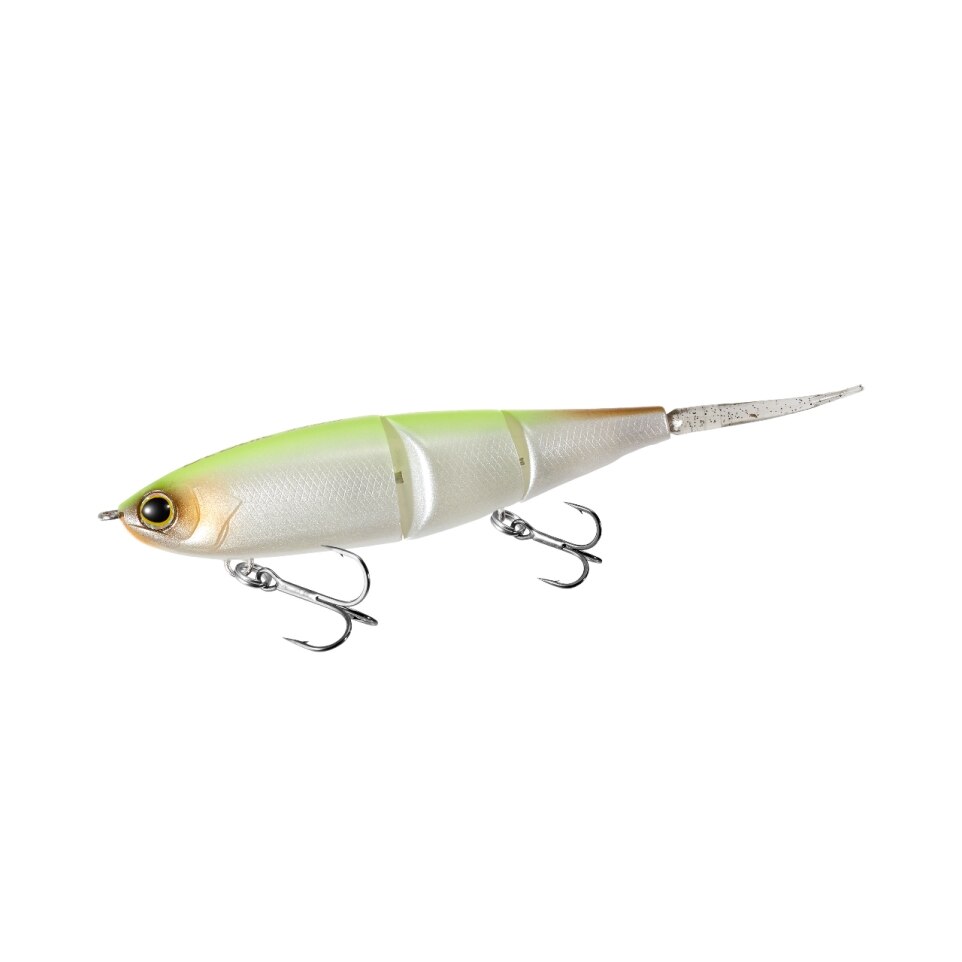
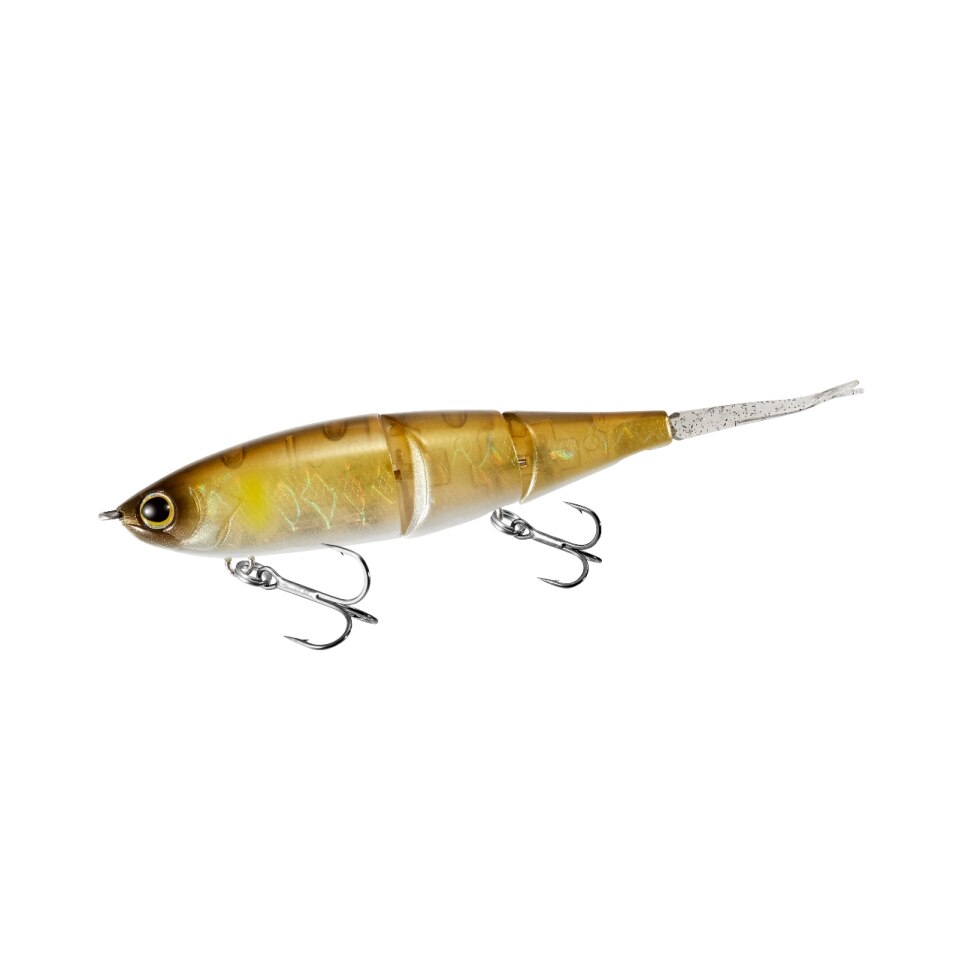

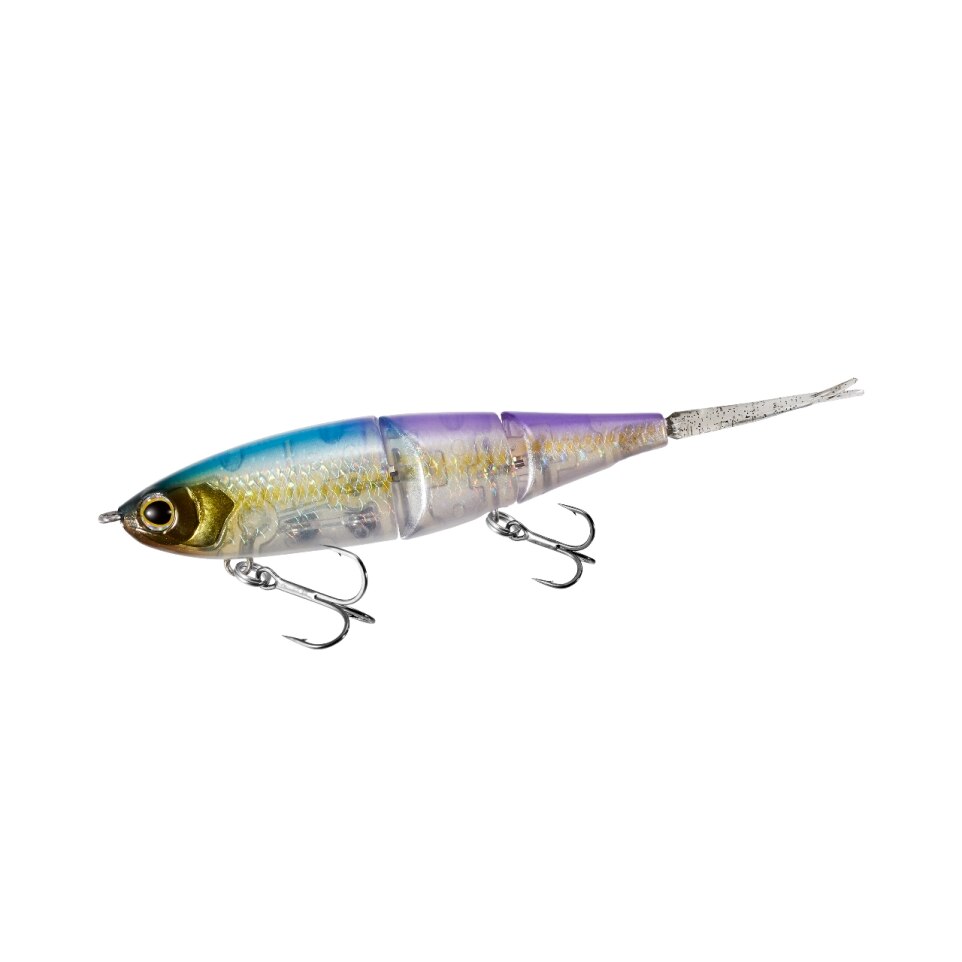
Description
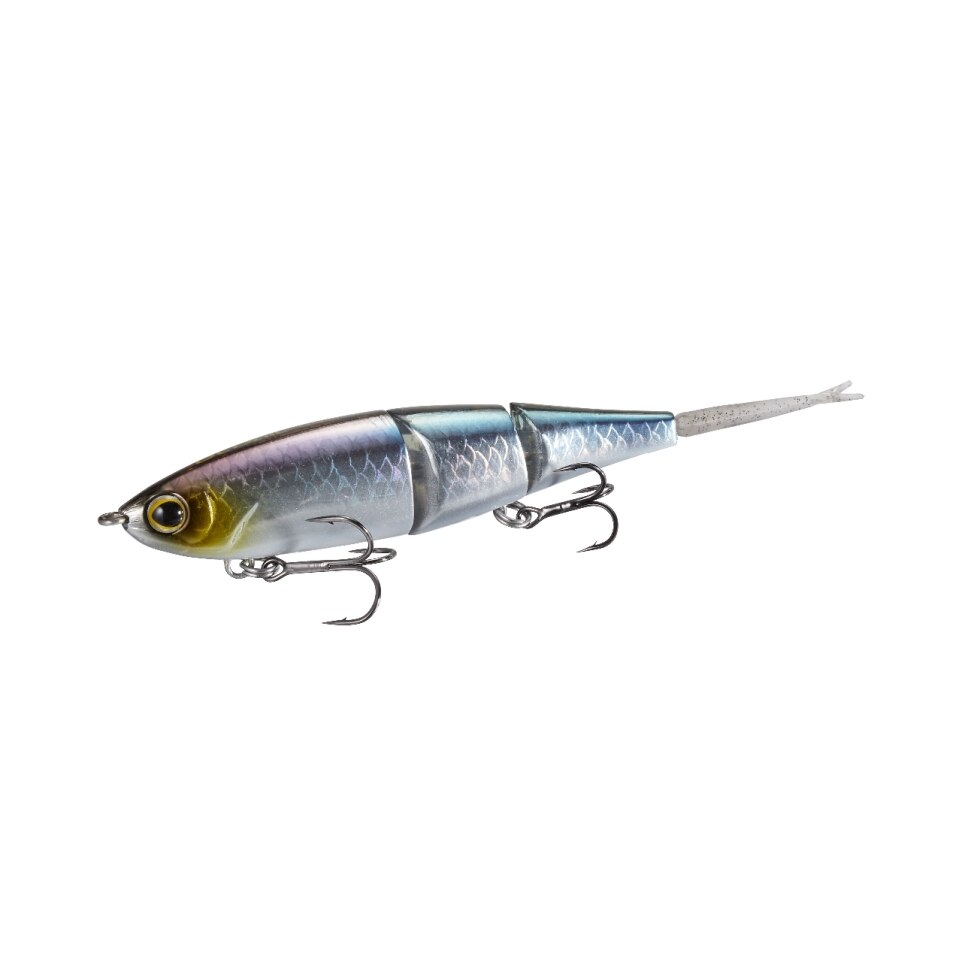
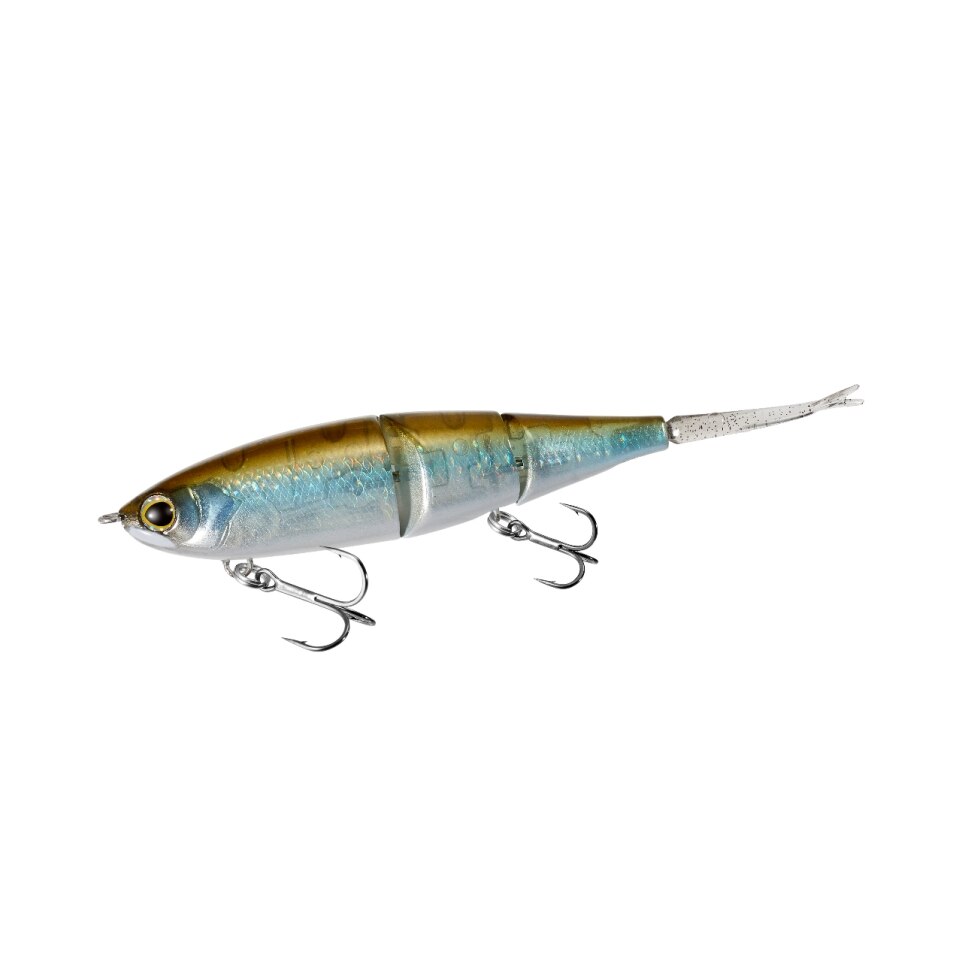
SHIMANO BT BAIT 99SS HARDBAITS – Precision, Versatility, and Confidence on the Water
Discover a More Thoughtful Approach to Lure Fishing
Successful fishing often depends on the details. From selecting the right presentation to adjusting your retrieve speed, every decision can influence how effectively your lure attracts attention underwater. The SHIMANO BT BAIT 99SS HARDBAITS collection is an option worth considering for anglers looking to expand their lure selection and approach different fishing situations with greater confidence.
When a carefully selected hard bait is matched with suitable tackle, a productive fishing opportunity can be approached with a more deliberate strategy. Moreover, the right lure can help anglers experiment with presentation, explore different areas, and adapt their approach as conditions change.
Whether a new addition is being made to an established tackle collection or a more versatile selection is being assembled for upcoming fishing trips, choosing suitable artificial baits is an important part of preparation. Therefore, understanding lure characteristics, intended applications, and equipment compatibility can help a more informed purchasing decision to be made.
At Eta Big Bite Outfitters, anglers can explore fishing tackle selected to support different techniques, preferences, and experience levels. From experienced enthusiasts refining their presentations to developing anglers building a dependable collection, the right equipment can make each fishing session more rewarding.
Product Highlights
- Product category: Hard fishing bait.
- Product name: Shimano BT Bait 99SS.
- Brand: Shimano.
- Intended use: Artificial lure fishing, subject to the manufacturer’s specifications.
- Fishing applications: To be selected according to the target species, local conditions, and verified product guidance.
- Tackle compatibility: Match with a suitable rod, reel, and fishing line.
- Ideal for: Anglers looking to diversify their artificial bait selection.
- Purchasing consideration: Confirm the exact model, colour, weight, and package contents before ordering.
Note: Detailed measurements, buoyancy characteristics, hook configuration, and recommended retrieve methods should be confirmed against the official specifications for the exact model being sold.
Understanding Hard Baits and Their Role in Fishing
What Makes a Hard Bait Different?
Artificial hard baits are generally manufactured from rigid materials designed to maintain a defined shape during use. Unlike soft plastics, which can be compressed and manipulated more easily, hard-bodied lures typically retain their original profile throughout the retrieve.
Consequently, they can provide a different presentation from soft worms, paddle-tail swimbaits, creature baits, and other flexible artificial options. The distinction matters because fish may respond differently to changes in silhouette, movement, speed, and presentation.
Furthermore, hard baits can be selected for a wide range of fishing strategies. Depending on their construction, some are designed for shallow presentations, while others are intended to work at greater depths or respond to specific retrieval techniques.
Before a purchase is made, the exact design of the chosen lure should be reviewed. In this way, its intended application can be compared with the fishing conditions it will encounter.
Why Lure Selection Matters
A productive tackle collection is rarely built around a single lure style. Instead, different options are selected to accommodate changing water conditions, target species, forage availability, and fishing techniques.
For example, a lure that performs well during a steady retrieve may not be the most suitable choice for a situation requiring repeated pauses or a slower presentation. Similarly, water clarity and available light may influence which colour and silhouette an angler chooses.
As a result, a well-planned selection of artificial baits can offer greater flexibility throughout the season.
The goal is not simply to carry more equipment. Rather, it is to understand how each item can contribute to a particular fishing strategy.
Designed for Anglers Who Value Preparation
Building a More Versatile Tackle Collection
Preparation begins before the first cast. Rod selection, reel capacity, line strength, terminal tackle, and lure choice should all be considered together.
When a new hard bait is introduced, its specifications should be reviewed so that an appropriate setup can be selected. In addition, the intended fishing environment should be considered before the lure is attached.
For example, anglers fishing around open water may prioritise different equipment characteristics from those fishing around submerged vegetation, rocky areas, or other structure. Water depth, current, and the possibility of encountering obstacles may also influence the final setup.
By considering these factors beforehand, unnecessary equipment changes can be reduced and time on the water can be used more effectively.
An Option for Experienced and Developing Anglers
Fishing experience is built through observation, practice, and a willingness to adjust. Although experienced anglers may already have established preferences, trying a different lure design can introduce another presentation to their existing approach.
Meanwhile, newer anglers can use a structured tackle selection to develop a better understanding of how different artificial baits are used.
First, the manufacturer’s guidance should be reviewed. Next, the lure should be matched with suitable equipment. Finally, its behaviour should be observed during controlled casts and retrieves.
Through this process, valuable practical knowledge can be developed without relying on assumptions about how every lure will behave.
Choosing the Right Fishing Setup
Rod Selection
A suitable fishing rod should be selected according to the lure’s verified weight and the manufacturer’s recommended casting range. Using equipment outside its intended specifications may affect casting performance and can place unnecessary stress on the setup.
Action and power should also be considered. Different combinations can influence casting control, sensitivity, and how pressure is managed during a fight.
For that reason, the rod should not be selected solely because it belongs to the same brand as the lure. Instead, compatibility should be established using the actual specifications of both products.
Reel Selection
The reel should complement the rod and the fishing method being used. Depending on the technique, anglers may prioritise casting control, line management, retrieve speed, or a balance of these characteristics.
A well-matched combination can make repeated casting more comfortable. Additionally, suitable reel settings may help improve control during the retrieve.
Before heading out, drag adjustment, line condition, and general reel maintenance should be checked. These straightforward steps can help prevent avoidable equipment problems during a fishing session.
Fishing Line and Leader Considerations
Fishing line influences casting, lure control, sensitivity, and the ability to manage fish under pressure. Consequently, the appropriate choice should be determined by the fishing environment and the requirements of the selected technique.
Braided line is often chosen when sensitivity and low stretch are priorities. Monofilament offers different handling characteristics, while fluorocarbon may be selected for particular leader applications.
However, no single line type is ideal for every situation. The target species, cover, knot strength, and lure design should all be considered.
Where a leader is required, its length and breaking strain should be selected according to local conditions and the manufacturer’s recommendations. Knots should also be inspected regularly, especially after contact with rough structure or repeated catches.
How to Approach Lure Presentation
Start With a Controlled Retrieve
A consistent retrieve provides a useful starting point when learning how an unfamiliar lure behaves. By beginning with a manageable speed, anglers can observe the lure’s response and identify whether adjustments are needed.
After the initial presentation has been evaluated, small changes can be introduced. For instance, retrieve speed can be varied when appropriate, or pauses can be tested if the lure’s design and intended method support them.
Nevertheless, the correct technique should not be assumed from the product name alone. The exact model’s construction and official instructions should guide the presentation.
Adapt to Water Conditions
Fishing conditions can change significantly throughout the day. Water clarity, light levels, temperature, current, and wind may all influence the way a fishing area is approached.
In clear water, anglers may experiment with subtle presentations and natural-looking colours where appropriate. In stained water, greater visibility or a more noticeable profile may be considered, depending on the target species and local conditions.
Similarly, changing light levels can justify testing a different colour or presentation. However, these adjustments should be treated as practical experiments rather than guaranteed methods for attracting fish.
By observing results and making measured changes, a more reliable understanding of local fishing conditions can be developed over time.
Explore Different Areas Methodically
A structured approach can make each fishing session more informative. Instead of changing several variables at once, anglers can test one adjustment and observe the result.
For example, the same lure may be presented at different speeds or along different sections of a suitable fishing area. Where the model permits variation in depth or action, those characteristics can also be explored.
This method makes it easier to identify which changes appear useful under the conditions being experienced.
Moreover, keeping brief notes about weather, water clarity, lure selection, and successful presentations can help patterns to be recognised during future trips.
Selecting Colours and Matching Local Forage
Make Colour Choices With Purpose
Colour selection is an important consideration when artificial baits are being purchased. However, the most suitable option may vary according to water clarity, light penetration, local forage, and the species being targeted.
Natural-looking finishes may be considered when the surrounding forage and water conditions make them appropriate. More contrasting finishes may also be worth testing when visibility is limited.
Even so, colour alone should not be treated as the deciding factor in every fishing situation. Retrieve speed, lure profile, location, and timing may be equally important.
When several colours are available, a practical approach is to choose options that offer meaningful differences rather than purchasing multiple finishes that serve exactly the same purpose.
Consider the Local Fishing Environment
Local knowledge can be especially valuable when selecting artificial lures. The forage species present in a lake, river, reservoir, or coastal area may provide useful clues about which profiles and colours deserve attention.
Water depth and structure should also be considered. A presentation suitable for open water may require modification when fish are holding close to vegetation or other obstacles.
Accordingly, a lure should be selected for the environment in which it will be used rather than solely for its appearance in a product photograph.
Hard Baits Compared With Other Artificial Lures
Hard Baits and Soft Plastics
Hard-bodied lures and soft plastics serve different purposes within a fishing collection. Soft plastics can often be rigged in several ways, allowing their presentation to be adapted to different depths, structures, and retrieve styles.
Hard baits, on the other hand, generally retain a defined body shape. Depending on their design, they may offer a particular profile or action that complements other artificial options.
Neither category should automatically be considered superior. Instead, each should be evaluated according to the intended fishing method and the conditions encountered.
Hard Baits and Spinner-Style Lures
Spinner-style lures can provide movement and visual signals through their rotating or flashing components. Hard-bodied alternatives may offer a different profile and movement pattern.
As a result, including more than one lure category can provide additional flexibility when fish are not responding to the first presentation.
Nevertheless, the selection should remain practical. A smaller collection of well-understood lures may be more useful than a large assortment that has not been matched to specific fishing situations.
Combining Lures With Other Fishing Accessories
A successful setup depends on more than the artificial bait itself. Suitable snaps, swivels where appropriate, leaders, hooks, line cutters, and storage solutions can all contribute to efficient tackle management.
Terminal tackle should be selected carefully so that unnecessary weight or unsuitable connections do not interfere with the intended presentation.
Likewise, hooks and connection points should be inspected before use. Any damaged components should be replaced rather than relied upon during a fishing session.
Storage, Maintenance, and Long-Term Care
Keep Artificial Lures Organised
Proper storage helps protect fishing equipment between trips. Hard baits should be placed in a suitable tackle box or storage system that accommodates their size and prevents avoidable damage.
Where hooks are fitted, care should be taken to prevent tangling with other equipment. Suitable compartments can make individual lures easier to locate and can reduce the time spent reorganising tackle at the water’s edge.
In addition, storage arrangements should be checked for compatibility with the lure’s materials and any manufacturer-specific care instructions.
Inspect Equipment After Fishing
After a session, the lure should be checked for visible damage, loose components, corrosion, or other signs of wear. Where exposure to saltwater has occurred, appropriate rinsing and drying procedures should be followed in accordance with the manufacturer’s guidance.
Hooks and attachment points should receive particular attention. Even minor damage may affect reliability, so worn or compromised components should be addressed before the next trip.
Furthermore, keeping the tackle box clean can help prevent dirt, moisture, and damaged equipment from affecting other items.
Prepare Before the Next Trip
A brief equipment check can prevent unnecessary interruptions. Before leaving home, anglers should confirm that the selected lures are present, the fishing line is in suitable condition, and the rod and reel are ready for use.
Local fishing regulations should also be reviewed. Restrictions concerning seasons, species, hook configurations, and permitted fishing areas may apply.
With preparation completed in advance, more attention can be devoted to the fishing experience itself.
What to Consider Before Purchasing
Choosing the right artificial bait involves more than comparing photographs or prices. The following checklist can help buyers make an informed decision.
- Confirm the exact model: Ensure that the product name and model designation match the intended purchase.
- Review the specifications: Check the verified dimensions, weight, and other technical details.
- Choose the correct colour: Select an available finish that suits the intended fishing environment.
- Check the included components: Verify whether hooks and other accessories are supplied.
- Assess tackle compatibility: Match the lure with a suitable rod, reel, and line.
- Consider the target species: Evaluate whether the lure’s intended application fits the fish being pursued.
- Review delivery information: Check shipping costs, estimated delivery times, and the applicable return policy.
- Purchase from a reliable retailer: Confirm that the seller provides clear product information and accessible customer support.
By following these steps, buyers can reduce uncertainty and select equipment that better fits their needs.
Why Shop for Fishing Tackle Online?
Online tackle shopping provides an opportunity to compare equipment and review product information before making a purchase. Rather than relying exclusively on a brief in-store description, customers can evaluate specifications, compare related products, and build a shopping list suited to their fishing plans.
Additionally, online catalogues can make it easier to explore complementary items, including fishing rods, reels, artificial baits, line, and essential accessories.
However, accurate product information remains important. Buyers should check the exact model, colour, availability, and delivery terms before completing an order.
For anglers looking to expand their equipment collection, a carefully selected online fishing tackle store can simplify the process of finding products for different techniques and environments.
Frequently Asked Questions
What is the SHIMANO BT BAIT 99SS?
It is a product identified as a Shimano hard bait. The exact construction, intended technique, and technical characteristics should be verified against the manufacturer’s documentation for the specific model.
How should this lure be used?
The recommended presentation should be determined from the official product instructions. Rod compatibility, retrieve technique, and fishing conditions should all be considered before use.
Which rod should be paired with it?
The rod should be chosen according to the lure’s confirmed weight and recommended casting range. The intended fishing technique and target species should also be taken into account.
Can it be used in different fishing environments?
Suitability depends on the model’s verified design and intended application. Before use, anglers should assess local conditions, target species, and any relevant manufacturer recommendations.
How should the lure be maintained?
The lure should be inspected after use, cleaned when appropriate, and stored securely. Any damaged hooks or attachment components should be addressed before the next fishing session.
What should be checked before ordering?
Buyers should verify the exact model, available colour, technical specifications, package contents, current price, shipping details, and return conditions.
Find Your Next Fishing Essential
The right addition to a tackle collection should support a clear fishing purpose. By evaluating specifications, matching equipment carefully, and adapting presentations to local conditions, anglers can make more informed decisions about the gear they carry.
Explore the available hard baits and complementary fishing equipment at Eta Big Bite Outfitters to build a collection suited to your preferred techniques and upcoming fishing trips.
Choose your tackle with purpose, prepare for changing conditions, and make every fishing session an opportunity to learn.
SHIMANO BT BAIT 99SS HARDBAITS Fishing Techniques, Tackle Selection, and Smarter Buying Decisions
Improving Your Fishing Strategy With the Right Lure Selection
Fishing success is influenced by several connected factors, including location, timing, equipment, and presentation. Although no artificial bait can guarantee a catch, a thoughtful approach can help anglers make better use of their time on the water.
When a new hard bait is introduced to a tackle collection, its purpose should first be understood. Subsequently, its suitability for the target species and fishing environment can be assessed. This process allows equipment choices to be guided by practical requirements rather than appearance alone.
The Shimano BT Bait 99SS is a model that should be evaluated using its exact manufacturer specifications before a particular technique is recommended. In addition, its confirmed weight, construction, and intended presentation should be checked before the correct rod, reel, and line combination is selected.
Understanding the Importance of Presentation
Presentation refers to the way an artificial lure is delivered, retrieved, and moved through the water. It can be influenced by casting distance, retrieve speed, pauses, rod movement, and the position of the lure relative to fish-holding areas.
Consequently, two anglers using similar equipment may achieve different results because their presentations are not identical.
A controlled retrieve can be used as a starting point when learning an unfamiliar model. From there, adjustments may be introduced gradually, provided they are consistent with the lure’s intended design.
For example, a change in speed may alter how a lure moves through the water. Likewise, changing the casting angle may help cover a different section of a fishing area.
However, each adjustment should be evaluated independently whenever possible. This makes it easier to identify which factors may have influenced the outcome.
Reading the Water Before Making a Cast
Observe Depth and Structure
Water depth can affect the choice of lure and the way it is presented. Shallow areas, drop-offs, submerged vegetation, rocky sections, and open-water zones may all provide different fishing opportunities.
Before a cast is made, the surrounding environment should be assessed. Where visibility allows, underwater features can be observed directly. Alternatively, depth information and local knowledge may be used to guide the approach.
Furthermore, anglers should consider whether the selected lure is appropriate for the available space. A presentation designed for open water may require additional care around dense cover or obstacles.
Consider Light and Water Clarity
Lighting conditions change throughout the day. Early morning, bright midday periods, cloudy weather, and evening sessions can create different visual conditions underwater.
Water clarity also affects how a lure may be perceived. In relatively clear water, natural-looking finishes may be worth testing. Where visibility is reduced, greater contrast may be considered if it suits the target species and local conditions.
Nevertheless, these are starting points rather than universal rules. Fish behaviour varies, and the most effective choice may change from one location to another.
A practical approach is to begin with a suitable option, observe the response, and make adjustments when evidence suggests that a different presentation should be tested.
Identify Potential Feeding Areas
Fish may use vegetation edges, submerged structure, current breaks, and transitions between different depths as feeding or shelter areas. Their use of these features depends on the species, season, and local environment.
When a suitable location has been identified, casts can be planned to cover the area methodically. Rather than repeatedly casting into the same position, anglers can vary the angle and distance where conditions permit.
This approach can improve coverage and help reveal where fish may be active.
Building a Balanced Hard-Bait Collection
Avoid Buying Lures Without a Clear Purpose
A well-organised tackle collection should offer useful options without becoming unnecessarily complicated. Each purchase should ideally fulfil a specific role, whether that involves exploring a different presentation, matching local forage, or preparing for another fishing environment.
Before buying another artificial bait, consider what it will add to the existing selection.
- Does it provide a different profile or presentation?
- Is it appropriate for the target species?
- Can it be used with the equipment already owned?
- Does it suit the local water conditions?
- Are its technical specifications clearly documented?
- Will it be used often enough to justify the purchase?
These questions help buyers distinguish between equipment that serves a practical purpose and products that simply duplicate items already available.
Combine Different Lure Categories
Hard baits can be complemented by soft plastics, spinnerbaits, spoons, jigs, and other artificial options. Each category offers different characteristics, and its usefulness depends on the fishing situation.
Soft plastics may be suitable when a flexible profile or a particular rigging method is required. Spoons can provide a different visual presentation, while spinner-style designs may introduce additional flash or vibration.
Jigs can also be selected for specialised presentations, depending on their construction and intended application.
As a result, a varied collection can provide more choices when conditions change. Even so, each item should be selected according to its actual purpose rather than an assumption that carrying more lures will automatically produce better results.
Matching Equipment for Reliable Performance
Understand Rod Power and Action
Rod power describes the general resistance of a rod under load, whereas action refers to where the rod bends most noticeably. Both characteristics can influence casting control and the management of a fish.
The correct combination depends on the lure’s verified weight, the line being used, and the intended fishing method.
A rod that is too light for the application may be difficult to use effectively. Conversely, a rod that is unnecessarily heavy may reduce comfort and sensitivity.
Therefore, the manufacturer’s recommended lure range should be consulted before the rod is selected.
Select a Suitable Reel
Reel choice should be based on compatibility with the rod and the demands of the fishing technique. Casting reels and spinning reels have different operating characteristics, so the most appropriate option will depend on the intended setup.
Retrieve speed should also be considered. A reel’s gear ratio can influence how quickly line is recovered, although the actual recovery rate depends on spool diameter and other design factors.
Rather than choosing a reel based on gear ratio alone, anglers should consider the complete setup and the presentation they intend to use.
Maintain Line and Knots
Fishing line is a critical connection between the angler and the lure. Damaged line, poorly tied knots, and worn terminal components can compromise reliability.
Before fishing, the line should be checked for abrasion, fraying, and other visible damage. Knots should be tied carefully and inspected after contact with rough surfaces or after landing a fish.
Where a leader is used, its material and breaking strain should be matched to the environment and target species.
Additionally, the connection between the line and lure should be suitable for the intended presentation. Oversized or inappropriate terminal tackle may affect movement, so manufacturer guidance should be consulted where available.
Responsible Fishing and Equipment Care
Handle Fish With Care
Responsible fishing practices help protect fish and aquatic environments. Where catch-and-release fishing is practised, handling should be kept brief and unnecessary contact should be avoided.
Wet hands or suitable handling equipment can help reduce damage to a fish’s protective surface. Fish should be supported appropriately, and they should not be left out of the water longer than necessary.
Local regulations should always be followed, including any requirements relating to protected species, minimum sizes, seasons, and permitted fishing methods.
Protect the Fishing Environment
Fishing areas can be affected by discarded line, packaging, damaged lures, and other waste. All rubbish should be carried away and disposed of appropriately.
Damaged fishing line should never be abandoned along a shoreline or in the water, where it may create hazards for wildlife.
In addition, access restrictions and local conservation guidance should be respected. A responsible approach helps preserve fishing opportunities for other anglers and future generations.
Keep Equipment Ready for Future Trips
After a fishing session, equipment should be checked and stored according to its material and the manufacturer’s instructions. Moisture should be managed appropriately, and any damage should be addressed before the next outing.
Hooks should be inspected for corrosion, deformation, or dull points. Split rings and other attachment components should also be examined when fitted.
By maintaining equipment consistently, anglers can reduce avoidable failures and keep their tackle organised.
Shopping for Fishing Lures Online
Compare Product Information Carefully
Online shopping allows anglers to review different products before making a purchase. However, accurate information is essential when two models have similar names or appearances.
Before an order is placed, the product title, model designation, colour, dimensions, weight, and package contents should be checked against the seller’s listing and the manufacturer’s documentation.
Product images should also be examined carefully. Photographs may show accessories or multiple colour options that are not included in the selected package.
Where important specifications are missing, clarification should be obtained from the retailer rather than relying on assumptions.
Evaluate Value Beyond the Price
Price is an important consideration, but it should not be the only factor in a purchasing decision. Product suitability, availability, shipping costs, retailer support, and return conditions should also be evaluated.
A lower advertised price may not represent the best overall value if delivery costs are high or the selected model does not suit the intended application.
Likewise, purchasing several products at once should be considered in relation to the angler’s actual needs.
A more deliberate shopping process can help prevent unnecessary spending while ensuring that the equipment selected is appropriate for the intended fishing conditions.
Check Delivery and Returns
Before completing an online order, buyers should review the retailer’s delivery information and applicable return policy.
Estimated shipping times may vary according to destination, stock availability, and the delivery service selected. International orders may also be subject to customs procedures or additional charges.
Consequently, delivery terms should be reviewed before checkout, especially when equipment is required for a specific trip.
If a product arrives damaged or differs from the listing, the retailer’s stated procedure should be followed. Order confirmations and relevant photographs may help when a purchase issue needs to be resolved.
Frequently Asked Questions: Buying and Using Hard Baits
Is this model suitable for beginners?
It may be considered by anglers at different experience levels, but suitability depends on the model’s verified characteristics and the fishing technique being learned. Beginners should review the manufacturer’s instructions and select compatible equipment.
Should the lure be used with a leader?
Leader requirements depend on the target species, water conditions, line choice, and intended presentation. Where a leader is appropriate, its length and breaking strain should be selected according to the fishing environment.
How can the right colour be selected?
Colour should be considered alongside water clarity, available light, local forage, and the species being targeted. Testing a small number of meaningfully different options can help identify preferences under local conditions.
Can other artificial lures be used alongside it?
Yes. A varied selection may include soft plastics, spoons, jigs, and other hard-bodied lures. The appropriate choice depends on the situation, and each product should be used according to its intended design.
How should the product be stored?
The lure should be kept in suitable tackle storage and protected from avoidable damage. Hooks and attachment components should be checked regularly, and any cleaning or drying should follow the manufacturer’s guidance.
What technical details should be confirmed before purchase?
The exact model, dimensions, weight, construction, hook arrangement, intended application, colour, and package contents should be verified wherever these details are relevant and available.
Final Buying Considerations
A useful tackle purchase begins with a clear understanding of the intended fishing application. When product specifications are checked carefully, equipment compatibility is assessed, and local conditions are considered, the resulting selection can be more practical and effective.
The Shimano BT Bait 99SS should therefore be evaluated according to verified manufacturer information and the requirements of the intended fishing setup. This allows anglers to make an informed choice without relying on unsupported performance claims.
Explore the available selection at Eta Big Bite Outfitters and compare suitable fishing tackle for your next trip.
Prepare carefully, choose equipment thoughtfully, and enjoy the process of developing your fishing skills.
Premium Fishing Lures, Baits & Tackle Supplies – Complete Guide for Every Angler
Discover Quality Fishing Lures and Essential Fishing Tackle
Successful fishing is often determined by the right combination of lure selection, presentation, equipment quality, and knowledge of the water being fished. Whether freshwater lakes, rivers, ponds, reservoirs, or saltwater environments are being explored, suitable fishing tackle can be selected to improve casting accuracy, lure action, and overall fishing efficiency. With a versatile selection of artificial bait, soft plastics, hard baits, fishing reels, fishing lines, and terminal tackle, anglers can be equipped for a wide variety of fishing conditions.
At our fishing tackle collection, an extensive range of fishing equipment is brought together for beginners, experienced anglers, tournament competitors, and dedicated lure enthusiasts. From small bluegill lures and crappie fishing essentials to powerful saltwater conventional reels and advanced jerk bait lures, suitable equipment can be found for different species, techniques, and environments.
Furthermore, a carefully selected combination of fishing tackle supplies can be used to create a balanced setup without unnecessary spending. Whether fishing gear on sale is being searched for, discount fishing gear is being compared, or premium Japanese-developed lures are being considered, the right products can be matched to individual fishing goals.
Our collection is designed to make fishing equipment easier to discover, compare, and select. Consequently, less time can be spent searching through unrelated products, while more attention can be given to preparing for the next fishing trip.
Why Quality Fishing Tackle Matters
Reliable fishing equipment is an important part of a well-prepared fishing setup. Although skill, patience, and local fishing conditions remain essential, the correct tackle can help improve control and presentation.
For example, a shallow crankbait can be selected when fish are feeding in relatively shallow water. In contrast, a drop-shot presentation may be preferred when fish are holding near the bottom or suspending above submerged structure. Similarly, a topwater lure can be used to target aggressive fish feeding near the surface.
With different lure styles available, the following essentials can be included in a versatile tackle collection:
- Hard baits and crankbaits: Designed for different retrieve speeds, diving depths, and swimming actions.
- Soft plastic baits: Suitable for Texas rigs, drop-shot setups, jig presentations, and other finesse techniques.
- Spinnerbaits and inline spinners: Used to produce flash, vibration, and movement.
- Jigs and jig heads: Selected for bottom presentations, swimming retrieves, and precise lure positioning.
- Fishing reels and rods: Matched to target species, lure weights, line strength, and preferred techniques.
- Fishing lines and terminal tackle: Including monofilament, braided fishing line, hooks, weights, and connecting accessories.
Moreover, these categories can be combined to support different fishing styles. As a result, a practical tackle collection can be developed for everyday fishing, seasonal trips, and specialized angling adventures.
Explore Fishing Lures for Bass, Crappie, Bluegill, and More
Bass Fishing Lures for Different Conditions
Bass fishing can involve a wide range of presentations, from fast-moving reaction baits to slow, subtle soft plastic techniques. Therefore, a versatile selection of bass fishing lures is recommended for anglers who regularly encounter changing water clarity, vegetation, temperature, and feeding activity.
Among the popular choices are shallow diving crankbaits, jerkbaits, topwater plugs, spinnerbaits, soft plastic swimbaits, and stick baits. Each category provides a different presentation, allowing anglers to adjust their approach according to the conditions.
A shallow crankbait can be selected for fishing over flats, along rocky banks, or around submerged cover. Meanwhile, transparent fishing lures and natural baitfish patterns can be considered when clear water makes realistic coloration particularly useful. In stained water, brighter colors or more noticeable vibration may be preferred.
For anglers searching for bass crankbait transparent fishing lures, lure color should be considered alongside diving depth, body shape, and retrieve speed. Transparent finishes can create a subtle profile, although their effectiveness will depend on light conditions, forage, water clarity, and fish activity.
Popular Hard Baits and Crankbaits
Several established lure families are worth considering when a balanced bass fishing selection is being assembled.
- Berkley Frittside 5: A compact crankbait option for anglers targeting bass with a controlled, baitfish-style presentation.
- Rapala X-Rap: A jerkbait family used for aggressive darting actions and stop-and-go retrieves.
- Megabass Vision 110: A well-known jerkbait design associated with responsive movement and suspending presentations.
- Jackall Pompadour: A distinctive topwater bait designed to generate surface disturbance.
- Whopper Plopper 75 and Whopper Plopper 90: Topwater options that are selected according to the desired profile, fishing conditions, and target fish.
- Zara Spook lure: A classic style of walk-the-dog topwater bait for covering surface-feeding areas.
- Long A Bomber: A hard-bait option associated with the Bomber Long A minnow family.
- Strike King baits: A broad range of crankbaits, spinnerbaits, soft plastics, and other bass fishing presentations.
- Berkley lures: A diverse selection of hard baits and soft plastics for different species and techniques.
Additionally, fishing with a mixture of shallow-running crankbaits, jerkbaits, and surface lures allows different feeding zones to be explored. Consequently, the presentation can be adjusted when fish are not responding to a single lure style.
Soft Plastic Bass Baits for Versatile Presentations
Soft plastics remain an essential component of many freshwater tackle collections. Because their shapes, textures, and profiles can be varied, different presentations can be developed for bass, crappie, and other predatory fish.
Soft plastic bass baits can be rigged weedless, presented on jig heads, suspended beneath floats, or worked slowly along the bottom. Furthermore, paddle-tail designs can be used to create swimming action, while stick baits can be presented with subtle movements.
Popular options include:
- Berkley soft plastic baits for a variety of freshwater techniques.
- Berkley PowerBait fishing bait for selected species-specific presentations.
- CrushCity soft plastics for anglers exploring modern bass fishing designs.
- Roboworms for finesse techniques and carefully controlled presentations.
- Yamamoto stick baits and other soft plastic profiles.
- Yum lures for a range of bass fishing applications.
- Soft plastic swimbaits for bass when a swimming baitfish profile is desired.
- Paddle tail baits for steady retrieves and swimming presentations.
- Zoom Super Chunk trailers for adding a soft plastic profile to suitable jigs.
- Yamamoto Uni Bait and Yamamoto Fuzzy Senko searches for anglers exploring specific soft plastic models and product variants.
In addition, Berkley PowerBait Power Clear Floating Eggs can be considered for suitable bait-fishing applications where floating bait presentation is appropriate. Product selection should always be matched to the intended species, hook arrangement, and fishing regulations.
Choosing the Right Soft Plastic
A few practical considerations should be evaluated before a soft plastic is selected.
Body shape: Paddle tails are generally selected for swimming action, while worms and stick baits can be used for slower, more subtle presentations.
Rigging method: Texas rigs can provide a weedless presentation, whereas exposed jig heads can be useful in relatively open water.
Color selection: Natural patterns may be preferred in clear conditions, while darker or brighter colors can be explored when visibility is reduced.
Size and weight: The bait should be balanced with the hook, line, rod, and target species.
As a result, a thoughtfully selected collection of soft plastics can provide greater flexibility when bass change their feeding behavior.
Spinnerbaits, Inline Spinners, and Flash-Producing Lures
Inline Spinner Baits for Freshwater Fishing
Inline spinners are valued for their combination of flash, vibration, and relatively simple operation. During a retrieve, the rotating blade is designed to create visual movement and vibration that can attract the attention of nearby fish.
An inline spinner bait can be useful for trout, panfish, bass, and other species when the lure size and presentation are appropriate. Additionally, these lures can be practical choices for beginners because a steady retrieve is often sufficient to produce the intended action.
Anglers comparing inline spinner baits can explore different blade shapes, finishes, body weights, and hook arrangements. The best choice will depend on current speed, water depth, target species, and the amount of flash required.
Recommended Spinnerbait and Spinner Lure Styles
- Johnson Beetle Spin fishing lure: A compact spinner-style presentation commonly associated with panfish and light-tackle fishing.
- Johnson Beetle Spin lure: An option to consider when targeting crappie, bluegill, and other smaller freshwater species.
- Blue Fox fishing lures: A range of spinner designs suitable for different freshwater fishing applications.
- Booyah Pond Magic spinnerbait: A compact spinnerbait option for anglers fishing ponds and other relatively small waters.
- SPRO bucktail jig: A bucktail-style jig that can be considered for appropriate freshwater or saltwater applications, depending on the model.
- Buzzbait: A surface-oriented lure that creates disturbance during a steady retrieve.
- Spro and other spinner-style lures: Selected according to blade action, weight, and intended fishing conditions.
Furthermore, inline spinners can be useful when moving between casting locations because they can be retrieved at different speeds. A slower retrieve may keep the lure in a desired zone, while a faster retrieve can help cover more water.
Small Bluegill Lures and Crappie Fishing Essentials
Panfish fishing can be enjoyed with lightweight tackle and carefully sized presentations. For this reason, small bluegill lures, compact jigs, small soft plastics, and appropriately sized spinners are frequently considered when targeting bluegill and crappie.
Anglers searching for crappie fishing stores may want to compare jig sizes, hook designs, soft plastic profiles, and float systems. Similarly, bluegill bait can include suitable natural baits or artificial presentations selected according to local conditions and regulations.
Useful options may include:
- Small soft plastic grubs and paddle tails.
- Lightweight fishing jig heads.
- Compact inline spinner baits.
- Small spoons fishing lures for suitable conditions.
- Fishing floats for suspending bait at a selected depth.
- Lightweight fishing line and appropriately sized hooks.
For example, a small jig suspended beneath a fishing float can be presented at a controlled depth near vegetation or submerged structure. Alternatively, a tiny spinner can be retrieved past likely holding areas.
Consequently, a dedicated panfish tackle selection can be built without requiring large or heavy equipment. However, the correct hook size, line strength, and lure weight should still be matched to the target species and local fishing conditions.
Spoons, Jigs, and Bottom-Fishing Presentations
Spoons Fishing Lures for Casting and Retrieval
Spoons are versatile artificial baits designed to produce a flashing, wobbling, or fluttering action depending on their shape and how they are retrieved. They can be used for casting, trolling, and other fishing applications when the model is appropriate.
Anglers comparing spoons fishing lures should consider weight, profile, finish, and intended depth. A heavier spoon may be useful when additional casting distance or deeper presentation is needed, while a lighter design can be more appropriate for shallow water or smaller target species.
Krocodile spoons are worth exploring when a spoon-style lure is being considered for suitable freshwater or saltwater applications. Nevertheless, the correct model should be selected according to the target fish and the conditions in which it will be used.
Other spoon fishing lure options can be evaluated for:
- Casting from shore.
- Searching open water.
- Presenting a lure at different depths.
- Fishing suitable current conditions.
- Matching the size and profile of local forage.
Fishing Jig Heads and Football Jigs
Jig heads are widely used because they can be paired with many types of soft plastics. Depending on their design, they can support bottom presentations, swimming retrieves, finesse techniques, and other methods.
Fishing jig heads should be chosen according to hook size, bait dimensions, water depth, and the amount of weight required. A lighter head can provide a slower fall, while a heavier model can improve control in deeper water or stronger current.
A football jig can be considered for bottom-oriented bass fishing around suitable rocky or hard-bottom areas. Its head design is intended to support a particular type of bottom contact, although performance will depend on the specific model and fishing conditions.
Other options include VMC Ned Rig jig heads, Berkley Fusion jig heads, and suitable jig heads for pairing with soft plastic bass baits.
Moreover, jig trailers can be added to change the lure’s profile and movement. A Zoom Super Chunk, for instance, may be considered as a trailer for compatible jigs where its size and action suit the intended presentation.
Topwater Baits for Bass Fishing
Topwater fishing is popular because surface strikes can be exciting and visually engaging. During these presentations, the lure is worked along or near the water’s surface to imitate prey or create movement that attracts feeding fish.
Topwater baits for bass fishing include walking baits, prop baits, buzzbaits, and other surface-oriented designs. Each style offers a different sound, movement, and disturbance pattern.
Popular Topwater Lures
Whopper Plopper 75 and Whopper Plopper 90: These ploppers are selected by anglers seeking a rotating-tail surface presentation. The size should be matched to the target fish, forage, and fishing location.
Jackall Pompadour: This distinctive topwater lure is designed to generate surface commotion. It can be considered when fish are responding to a noticeable surface presentation.
Zara Spook lure: A walking bait that can be worked from side to side with a suitable rod-tip rhythm.
Buzzbait: A surface lure that produces disturbance during retrieval and can be useful when fish are actively feeding near the surface.
In addition, topwater lures can be used around suitable open-water areas, shallow flats, and edges of vegetation. However, local conditions, water temperature, available forage, and fish activity should be considered before a presentation is selected.
Fishing Reels, Fishing Lines, and Essential Equipment
A suitable lure is only one part of a balanced fishing setup. The rod, reel, line, hook, and terminal tackle must also be matched to the selected technique.
Daiwa Reels, Shimano Angling Equipment, and Reel Selection
Fishing reels are available in different designs for casting, spinning, trolling, and specialized fishing methods. Therefore, reel selection should be based on the intended application rather than appearance alone.
Daiwa reels can be explored for spinning and baitcasting applications. Similarly, Shimano angling equipment offers a range of reel and rod options across different fishing categories.
A large spinning reel may be appropriate for certain heavier freshwater or saltwater setups, depending on the model and intended target. By contrast, a conventional reel may be preferred for specific trolling, offshore, or heavy-duty applications.
When comparing fishing reels for sale, consider the following:
- Gear ratio: Determines how much line is retrieved per handle rotation.
- Drag system: Provides adjustable resistance when a fish pulls line.
- Line capacity: Must be suitable for the intended line diameter and fishing conditions.
- Reel weight: Influences comfort and balance during extended use.
- Rod compatibility: Helps create a balanced and practical fishing combination.
Saltwater conventional reels should also be selected with attention to corrosion resistance, maintenance requirements, line capacity, and intended fishing conditions.
Braided Fishing Line, Monofilament, and Leader Selection
Fishing line affects casting, sensitivity, lure control, and the ability to manage fish. Consequently, line selection should be considered alongside rod power, reel design, lure weight, and target species.
PowerPro fishing line is an option for anglers considering braided line for suitable fishing techniques. Likewise, J-Braid and Sufix Elite can be explored when comparing different line types and applications.
Braided fishing line 6lb may be suitable for certain light-tackle applications, although the correct breaking strength should be determined by the target species, cover, drag setting, and local conditions.
Monofilament line, sometimes searched for as mono line, offers a different combination of stretch, handling, and knot characteristics. Sufix Elite is one option to investigate when a monofilament line is being considered.
For a balanced setup, the following factors should be evaluated:
- Line strength: Selected according to fish size, cover, and expected resistance.
- Line diameter: Influences capacity, casting behavior, and water resistance.
- Stretch and sensitivity: Considered according to the chosen technique.
- Knot compatibility: Matched to the line material and terminal tackle.
- Maintenance: Line should be inspected and replaced when wear or damage is detected.
As a result, a carefully matched combination of fishing reels, rods, and fishing lines can help improve overall control and confidence on the water.
Shop Fishing Tackle Supplies for Every Adventure
Whether a new setup is being assembled or an existing collection is being upgraded, a well-organized range of fishing equipment can simplify the selection process.
From artificial bait and soft plastic swimbaits to fishing hooks, fishing floats, jig heads, and specialized reels, the appropriate equipment can be selected for different fishing styles.
Anglers looking for cheap fishing tackle, discount fishing rods, fishing rod deals, or a fishing gear outlet can compare available products according to price, intended use, and construction. However, value should not be measured by price alone. A product that matches the intended fishing technique can provide greater practical value than an unsuitable alternative purchased at a lower cost.
Finding the Right Fishing Store Online
Modern online fishing tackle stores allow anglers to explore different product categories without visiting several physical shops. Online angling shops can make it easier to compare specifications, product sizes, lure colors, and equipment compatibility.
Searches such as fishing and tackle store, fish bait store, bait tackle shop, and fishing equipment stores can also help anglers discover local or online suppliers. Similarly, queries for fishing equipment shop near me or fishing hooks near me can be used when a nearby retailer is preferred.
For anglers purchasing equipment for groups, businesses, or organized fishing activities, wholesale fishing supplies may also be worth investigating. Availability, minimum quantities, shipping costs, and product authenticity should be checked before an order is placed.
Additionally, fishing kits can be useful when a coordinated selection of basic tackle is needed. Before purchasing a kit, its contents should be reviewed to ensure that the included hooks, lures, weights, and accessories are suitable for the intended fishing method.
Build Your Fishing Tackle Collection with Confidence
A successful tackle collection does not need to contain every lure on the market. Instead, it should be developed around the species being targeted, the water being fished, and the techniques that are most likely to be used.
For bass anglers, a combination of shallow crankbaits, jerkbaits, spinnerbaits, topwater lures, and soft plastics can provide useful flexibility. For panfish anglers, lightweight jigs, small bluegill lures, floats, and compact inline spinners may be more appropriate.
Meanwhile, anglers exploring travel fishing should consider compact equipment, protective storage, and versatile lures that can be used in different locations. Those preparing for saltwater trips may require suitable corrosion-resistant equipment, stronger line, and reels designed for the intended environment.
Ultimately, fishing equipment should be chosen with purpose. By comparing product specifications, selecting suitable tackle, and preparing for changing conditions, anglers can build a more practical collection for their next trip.
Explore fishing tackle supplies, compare fishing gear on sale, and discover lure options for a wide range of fishing applications. With the right combination of preparation, technique, and equipment, every fishing trip can be approached with greater confidence.
Additional information
| MODEL/COLOR | BB99SSGZS / GIZZARD S, BB99SSSTP / ST PURPLE, BB99SSSTC / ST CHIAYU, BB99SSGS / GHOSTSMELT, BB99SSGA / GHOST AYU, BB99SSCW / CHARTWHITE |
|---|
Related products
-
SHIMANO WORLD DIVER FLASH BOOST HARDBAITS
€17.75Select options This product has multiple variants. The options may be chosen on the product page -
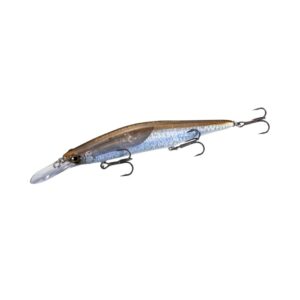
SHIMANO ZUMVERNO 115SP MR HARDBAITS
€20.42Select options This product has multiple variants. The options may be chosen on the product page -
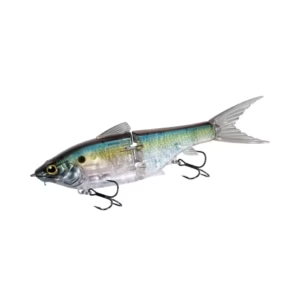
SHIMANO GRAVITATOR 220SS HARDBAITS
€44.40Select options This product has multiple variants. The options may be chosen on the product page
Reviews
There are no reviews yet.