
We Deliver Directly To Your Door
Description
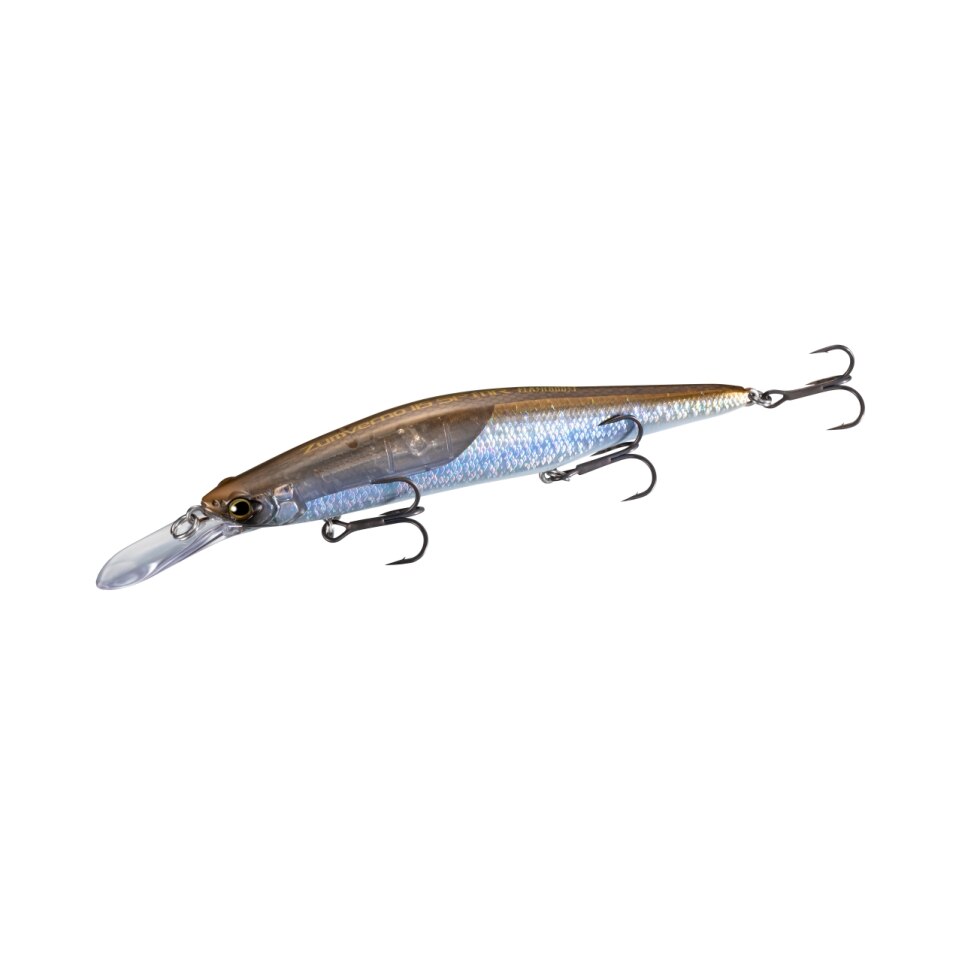
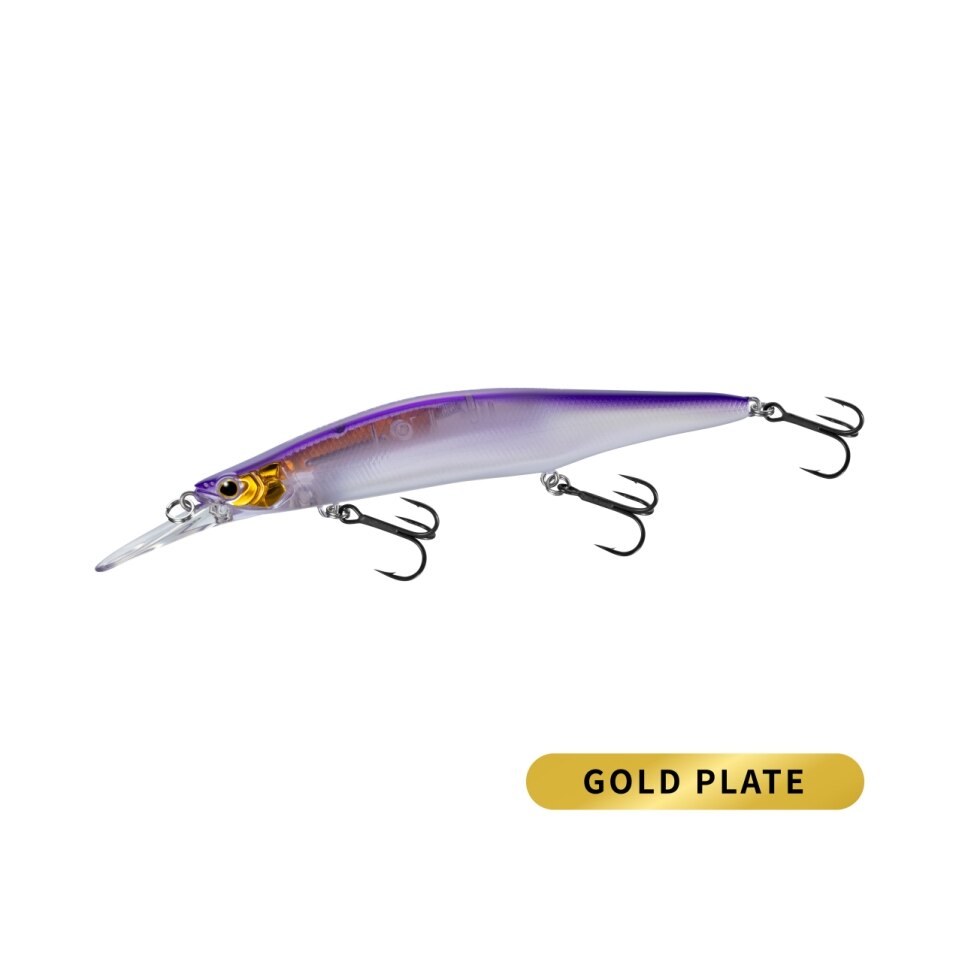
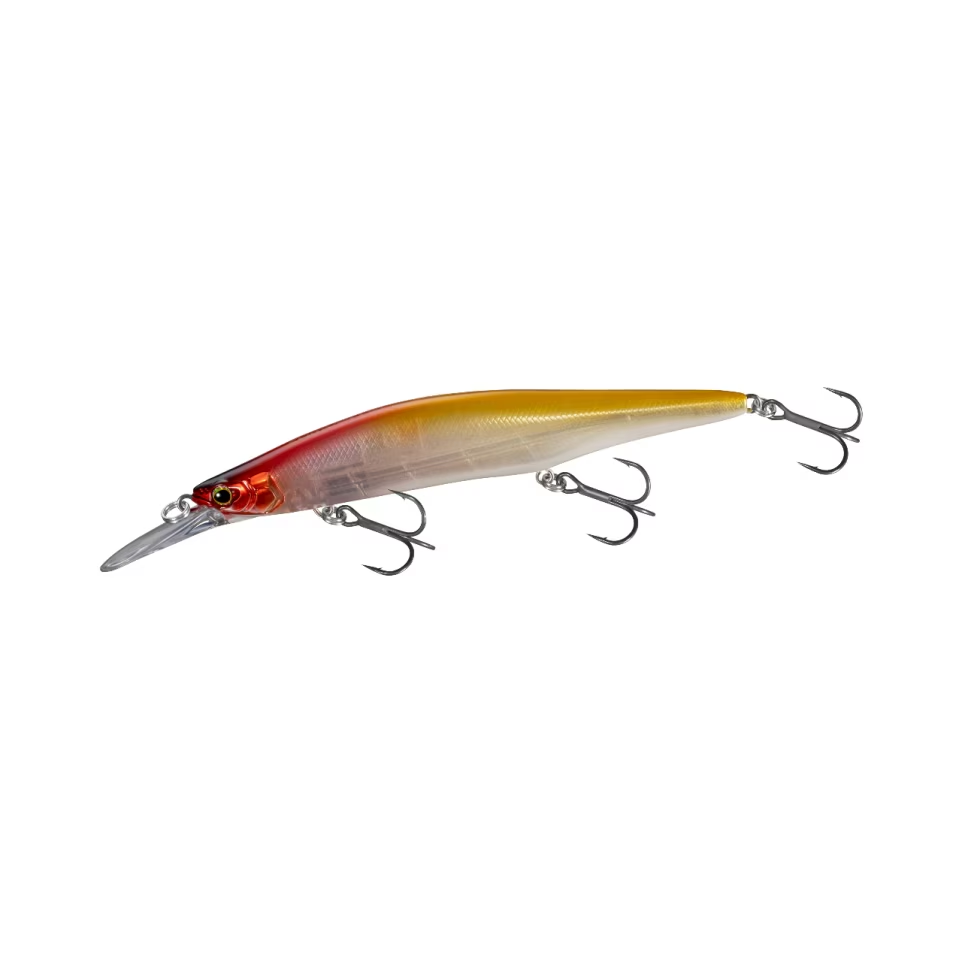
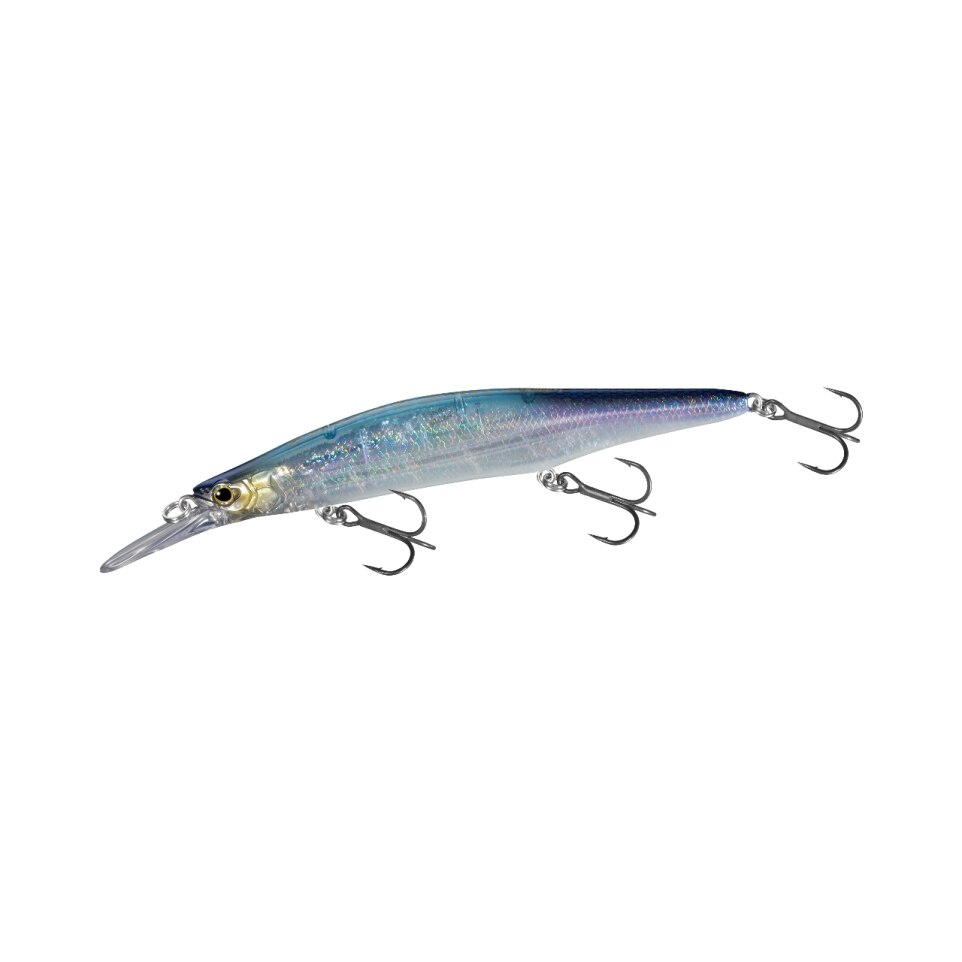
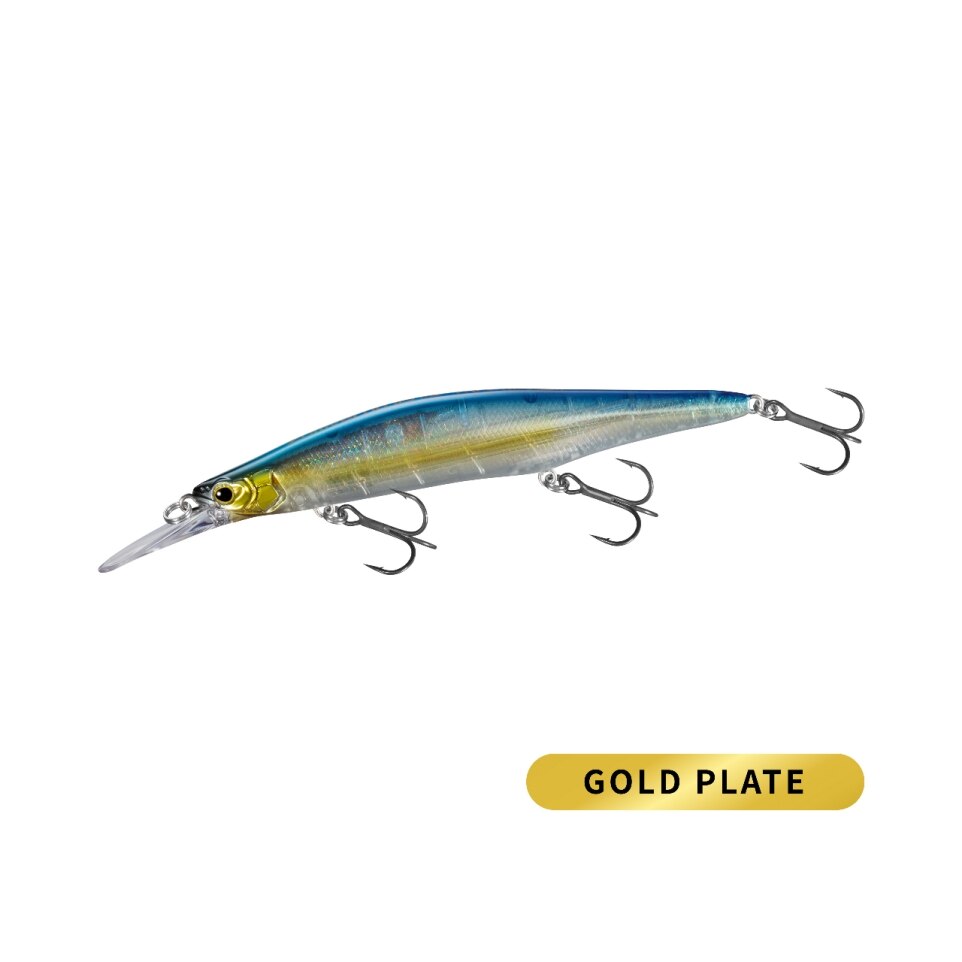
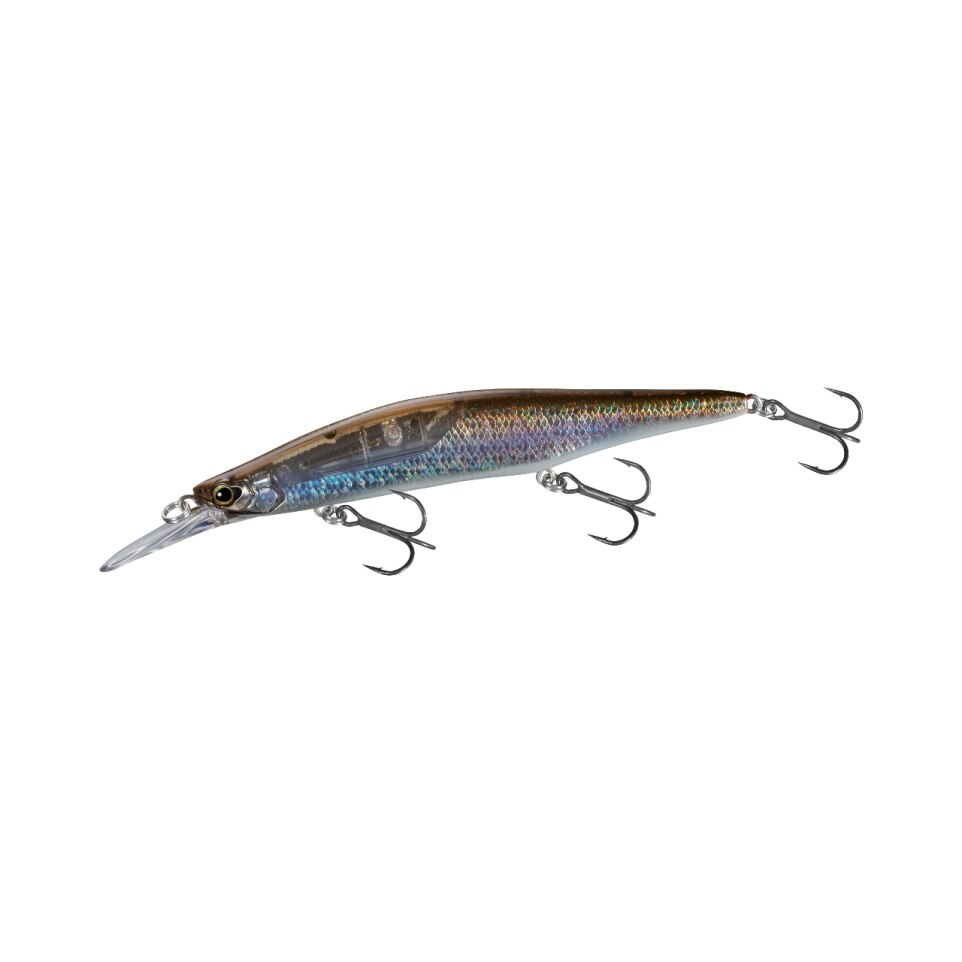
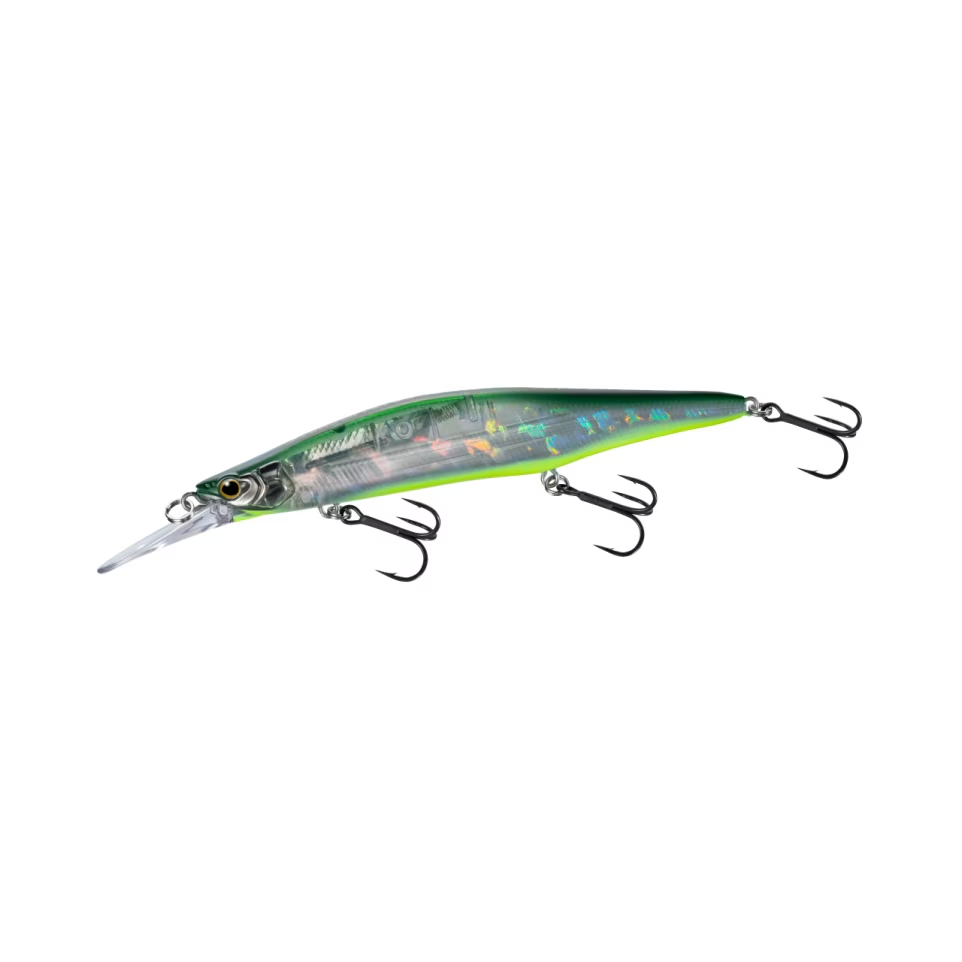
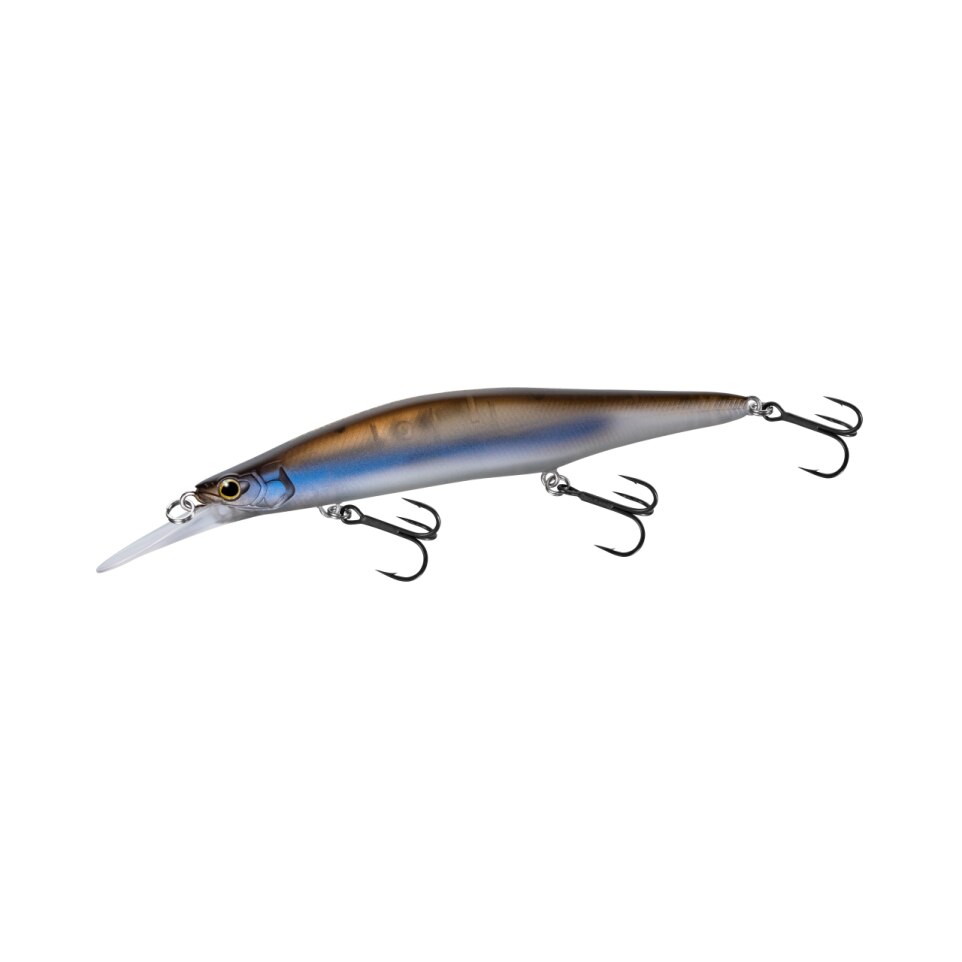
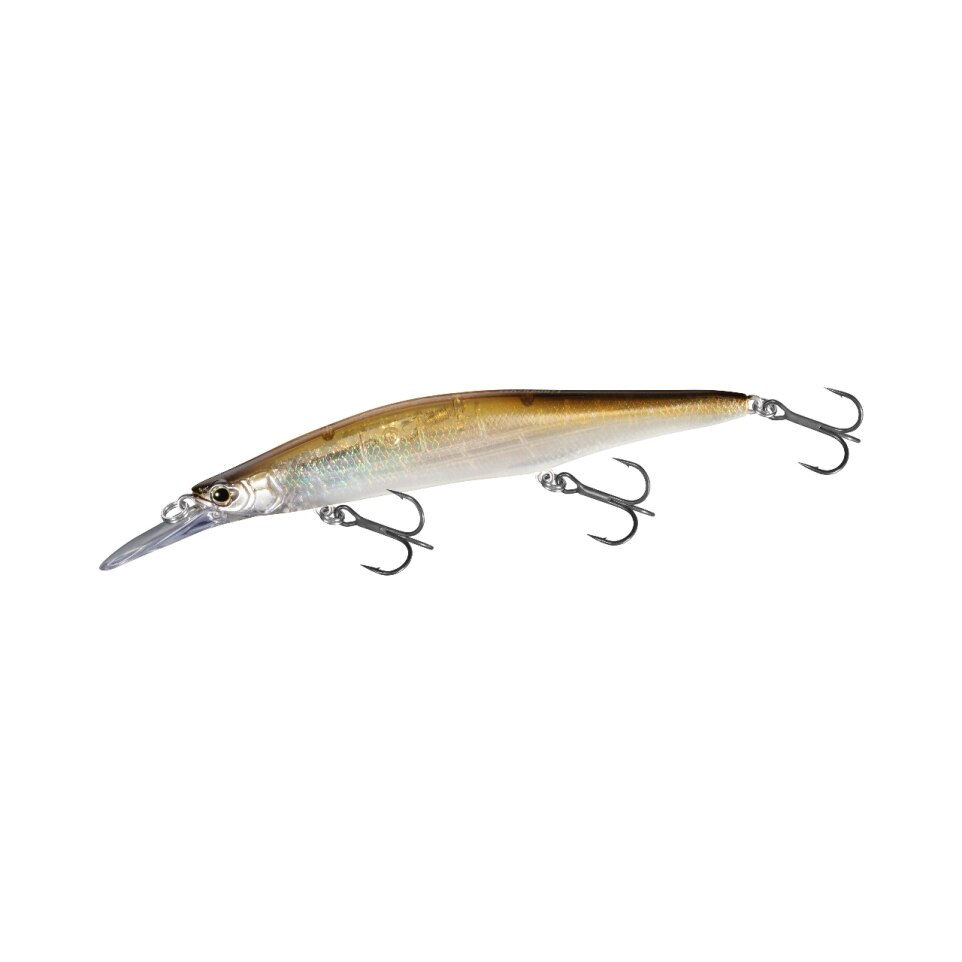
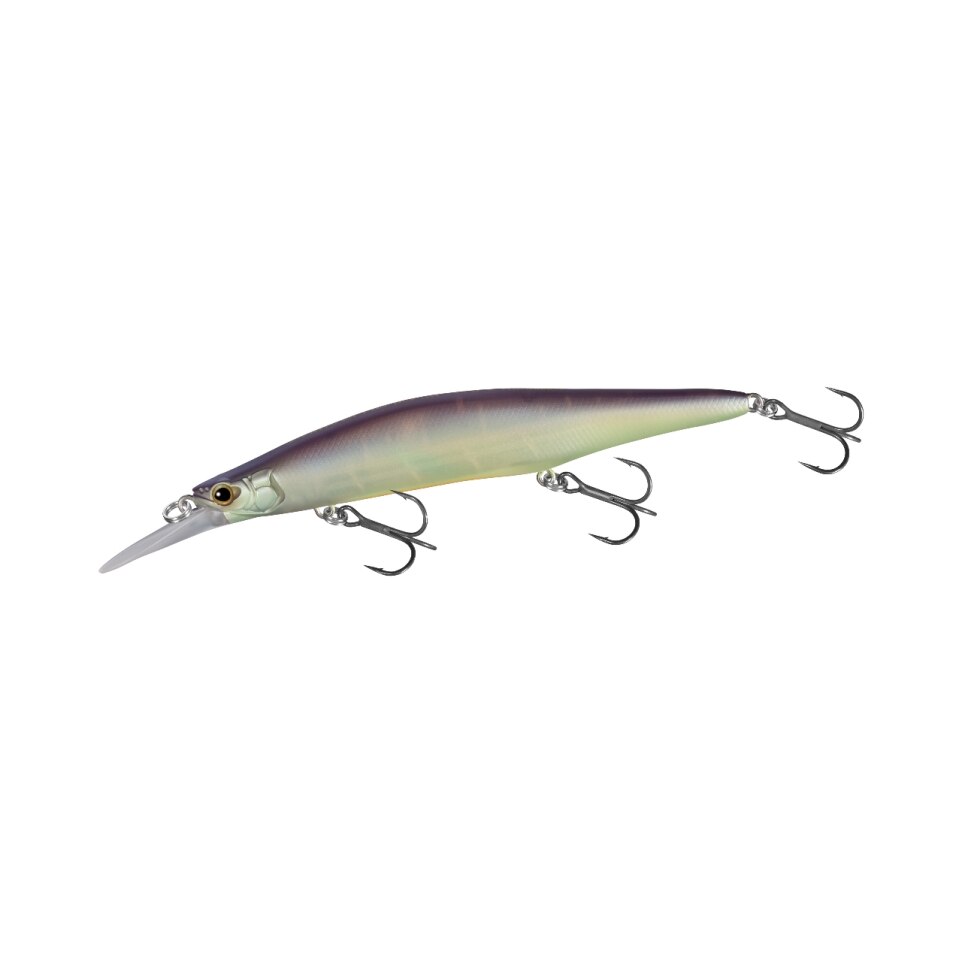
SHIMANO ZUMVERNO 115SP MR HARDBAITS
Shimano Zumverno 115SP MR Hardbait – Advanced Suspending Jerkbait for Bass Fishing
Product Overview
Precision, realism, and controlled movement are brought together in a premium freshwater lure designed for anglers who want greater control over their presentations. The Shimano Zumverno 115SP MR Hardbait has been developed to imitate fleeing baitfish while providing an effective presentation around suspended bass, underwater structures, and open-water feeding zones.
Powered by Shimano’s BOOST CONCEPT technologies, this suspending jerkbait combines an erratic darting action with advanced visual attraction and enhanced casting performance. Moreover, its distinctive nose-down posture is designed to improve visibility on forward-facing sonar, making it a useful option for modern bass fishing techniques.
At 115 mm (4.5 inches) long and weighing 16 g, the lure offers a substantial baitfish profile without becoming unnecessarily bulky. Its medium-running design allows presentations to be made at productive mid-water depths, while the carefully engineered bill helps the lure change direction and deflect off suitable underwater obstacles.
Whether you are targeting largemouth bass, smallmouth bass, or other predatory freshwater species, this hardbait can be incorporated into a versatile selection of fishing lures for different conditions and feeding patterns.
Key Product Features
- Product type: Suspending medium-running hardbait jerkbait
- Length: 115 mm / 4.5 inches
- Weight: 16 g / approximately 4/7 oz
- Running depth: Approximately 7 feet, depending on retrieval conditions
- FLASH BOOST technology: Produces reflective flashes during retrieval and pauses
- JET BOOST technology: Supports improved casting distance and accuracy
- SCALE BOOST technology: Creates realistic, holographic baitfish-scale patterns
- Darting action: Designed to imitate the erratic movements of fleeing prey
- Structure deflection: The bill helps the lure change direction when suitable cover is encountered
- Sonar compatibility: Its nose-down posture is designed to improve visibility when using forward-facing sonar
- Target application: Freshwater bass fishing and other suitable predatory-fish applications
Specifications are based on Shimano’s published product information. Actual running depth and casting performance may vary according to tackle selection, line diameter, casting technique, and water conditions.
Designed for Modern Bass Fishing
A More Controlled Mid-Depth Presentation
Finding feeding fish is only part of successful bass fishing. Equally important is presenting a lure at the depth where those fish are positioned. For this reason, a medium-running jerkbait can be a valuable addition to a well-organized fishing tackle collection.
The Zumverno 115SP MR has been designed to reach depths of approximately seven feet. Consequently, it can be used to explore mid-depth water where bass may be suspended near submerged vegetation, rocky transitions, offshore cover, or schools of baitfish.
Rather than relying on a continuous, uniform retrieve, anglers can introduce short rod movements and pauses to create a more irregular swimming pattern. This approach allows the lure to imitate a small fish attempting to escape a predator.
Furthermore, its suspending design helps maintain the presentation around a selected depth during pauses. Water temperature, line choice, and other environmental factors can influence the exact behavior, so testing the lure before fishing is recommended.
A Nose-Down Profile for Forward-Facing Sonar
Forward-facing sonar has changed how many anglers locate and approach suspended bass. Instead of relying exclusively on traditional casting patterns, fish can be observed in relation to bait schools, underwater cover, and open-water structures.
A distinctive nose-down posture is incorporated into this model to enhance its visibility on compatible live-sonar displays. As a result, anglers can more easily observe the lure’s presentation while adjusting their retrieve to suit the behavior of nearby fish.
Additionally, this design supports a more deliberate approach when fish appear reluctant to chase fast-moving prey. A controlled retrieve followed by a pause can keep the lure in the target area longer, potentially encouraging a response from fish that are following without striking.
Sonar visibility will depend on equipment settings, water conditions, distance, and the relative position of the transducer and lure.
Shimano BOOST CONCEPT Technologies
FLASH BOOST: Reflective Attraction During Pauses
One of the distinctive features of this hardbait is Shimano’s FLASH BOOST technology. A reflective component is suspended on micro springs within the lure body, allowing light to be reflected as the lure moves and when it is paused.
This feature is particularly useful during jerkbait presentations because the pause is often an important part of the retrieve. While a conventional moving lure may lose much of its visual movement when stationary, the reflective system is designed to continue producing flashes.
As a result, the lure can maintain a visual point of interest while suspended in front of a following fish.
FLASH BOOST may be especially useful when:
- Bass follow the lure but hesitate to strike.
- Fish respond to brief pauses between rod movements.
- Light penetrates the water sufficiently to create visible reflections.
- A baitfish-style presentation is preferred over a continuously moving target.
Although no technology can guarantee a strike, the additional visual attraction provides another presentation option for anglers dealing with cautious or pressured fish.
JET BOOST: Improved Casting Performance
Reaching the right area can be just as important as selecting the right lure. Shimano’s JET BOOST system has been engineered to support longer and more accurate casts through an internal weight-transfer mechanism.
During the casting motion, the internal weight moves toward the rear of the lure, helping improve its flight characteristics. As the lure reaches the water, the system returns toward its operating position to support the intended swimming action.
Consequently, anglers may find it easier to cover wider sections of water and reach areas that would otherwise require repositioning the boat.
Longer casts can also reduce unnecessary disturbance around fish that are holding in open water. Nevertheless, casting results will depend on the rod’s recommended lure range, reel setup, line selection, wind conditions, and casting technique.
SCALE BOOST: Realistic Baitfish Appearance
Visual details can influence how a lure appears under changing underwater light. Shimano’s SCALE BOOST technology uses composite-pitch holographic patterns designed to reproduce the reflective appearance of natural baitfish scales.
Rather than presenting a simple, uniform finish, the pattern creates a more complex visual effect as the lure changes direction.
This feature complements the bait’s darting movement and reflective attraction. Together, the visual finish and swimming action are intended to produce a more convincing baitfish imitation.
Color selection should still be guided by local forage, water clarity, available light, and fishing pressure. Natural baitfish patterns may be preferred in clear water, while contrasting finishes can provide a useful alternative when visibility is reduced.
Recommended Fishing Techniques
Twitch-and-Pause Retrieve
A twitch-and-pause retrieve is an effective starting point when fishing with a suspending jerkbait.
Cast beyond the target area, allow the lure to reach its working depth, and introduce short, controlled movements with the rod tip. After several movements, pause and allow the bait to remain in the strike zone.
The duration of each pause can be adjusted according to fish activity. More active bass may respond to a quicker sequence, whereas reluctant fish may require a slower presentation.
Because the lure is designed to produce an erratic side-to-side movement, excessive or overly forceful rod action may be unnecessary. Begin with moderate movements and adjust the cadence until a productive pattern is identified.
Fishing Around Submerged Structure
Rock piles, submerged timber, and other suitable underwater structures can attract baitfish and the predators that feed on them. However, these areas also demand accurate lure control.
The bill on this model is designed to help the lure deflect when it encounters suitable structure. A change in direction can create an irregular movement that resembles a baitfish reacting to an obstacle.
For better control, make casts that run alongside cover or pass close to its edges. Maintain awareness of the depth and composition of the structure, and avoid forcing the lure into dense snags where it may become trapped.
Targeting Suspended Bass
Bass do not always remain close to the bottom. Depending on season, temperature, forage availability, and local conditions, they may suspend in open water or hold at a particular depth beside submerged cover.
In these situations, a mid-depth jerkbait can be presented through the same general zone without requiring constant bottom contact.
When forward-facing sonar is available, use it to observe fish position and adjust the casting angle, retrieve speed, and pause duration accordingly. Without sonar, likely locations can still be explored by casting across points, drop-offs, submerged vegetation edges, and baitfish activity.
Color Selection Guide
The product lineup includes several color patterns intended for different visual presentations. Availability may vary by retailer and region.
Natural Baitfish Colors
Natural-looking patterns can be useful when fish are feeding on recognizable forage or when water clarity allows details to remain visible.
Consider options such as S Smelt, ST Ghost Ayu, and OZ Shad when a baitfish-style appearance suits the local conditions. The most effective choice will depend on the species and forage found in the water being fished.
High-Visibility and Contrasting Patterns
Contrasting finishes can be useful when light levels, water clarity, or background conditions make a natural pattern less noticeable.
ST Clown, ST Problue, and ST Purple provide alternative visual presentations within the available color range. These options can be rotated when fish follow a natural-looking lure without committing or when changing conditions call for a different appearance.
Perch-Inspired and Distinctive Finishes
Matte Perch, Macchiato, Wintergreen, Horned Minnow, and Jalapeño offer additional choices for anglers who want to match different forage profiles or experiment with contrasting colors.
When selecting a finish, consider the fish’s likely prey, the amount of light reaching the water, and the color patterns that have performed well locally. Carrying two or three contrasting options can be more practical than relying on one finish throughout the season.
Choosing Suitable Fishing Tackle
Rod Selection
A balanced rod setup can help translate small movements into a controlled jerkbait action. A suitable medium or medium-heavy rod may be considered, depending on the rod manufacturer’s lure rating, the cover being fished, and the angler’s preferred technique.
A responsive tip can assist with short movements and line control, while sufficient backbone can support hook-setting and fish handling.
However, the rod should not be selected by power alone. Its recommended lure-weight range should accommodate the lure’s 16 g weight, and the overall combination should remain comfortable during repeated casting.
Reel and Line Considerations
Both spinning and baitcasting setups may be considered where compatible with the chosen rod and line. A suitable baitcasting reel can provide useful casting control, while a spinning setup may be preferred by anglers who are more comfortable with that system.
Line selection should be based on the target species, water clarity, surrounding cover, and the rod-and-reel combination. Excessively heavy line can affect lure movement and diving behavior, whereas line that is too light for the conditions may compromise control.
Before fishing, inspect knots, terminal tackle, and hook condition. Reliable connections are particularly important when a fish strikes during a pause and little slack remains to absorb sudden movement.
Why Add This Hardbait to Your Tackle Collection?
A versatile lure selection should provide options for different depths, fish behaviors, and environmental conditions. This model brings together a suspending presentation, erratic movement, reflective attraction, and a casting-oriented weight-transfer system in one compact hardbait.
Its principal advantages include:
- A medium-running presentation for exploring productive water.
- A baitfish profile suited to predatory freshwater fishing.
- Reflective attraction designed to remain visible during pauses.
- An internal casting system intended to improve range and accuracy.
- A realistic holographic finish.
- A bill designed to help deflect the lure around suitable underwater cover.
- A nose-down posture developed with forward-facing sonar applications in mind.
Furthermore, the different available color patterns allow anglers to adapt their presentation without changing the overall fishing technique.
For anglers building a collection of premium bass fishing lures, this combination of features offers a practical option for covering mid-depth water and experimenting with controlled jerkbait retrieves.
Product Summary
The Shimano Zumverno 115SP MR is a suspending freshwater hardbait designed around casting performance, baitfish-style movement, and modern sonar-assisted fishing. Its 115 mm body, 16 g weight, and approximately seven-foot running depth make it suitable for a range of mid-depth presentations.
FLASH BOOST, JET BOOST, and SCALE BOOST work together to provide visual attraction, improved casting potential, and realistic scale patterns. Meanwhile, the erratic darting action and nose-down posture offer additional ways to present the lure around suspended bass and suitable underwater structure.
Whether you are refining your jerkbait technique or expanding an existing collection of fishing tackle, this model provides several presentation options to explore throughout the fishing season.
Choose your preferred color and add this premium hardbait to your fishing setup.
Brand and product specifications should be checked against the manufacturer’s current information before publication. Product availability, color selection, and retail pricing may vary.
Shimano Zumverno 115SP MR Hardbait – Extended Product Description, Fishing Applications, and Buying Guide
Precision Presentations for Different Fishing Conditions
Adapting to Changing Fish Behavior
Successful fishing often depends on recognizing when a familiar presentation is no longer producing results. Bass may respond aggressively to a fast-moving baitfish imitation during one period, yet ignore the same retrieve when water temperatures fall or fishing pressure increases.
For this reason, a versatile suspending hardbait can be valuable when different presentation speeds need to be explored. The Shimano Zumverno 115SP MR has been designed to combine controlled suspension with an irregular swimming movement, allowing anglers to experiment with different retrieve patterns.
Initially, a steady retrieve may be used to establish the lure’s swimming action. Subsequently, short rod movements can be introduced to create a more unpredictable presentation. Pauses may then be extended or shortened according to the fish’s response.
Rather than repeating the same movement throughout the day, anglers can use these adjustments to determine whether fish are responding to speed, direction changes, or the time spent suspended between movements.
This flexible approach is especially useful when bass are following a lure without striking. A small change in cadence may provide a different visual stimulus without requiring an entirely different lure.
Exploring Water With Confidence
Locating feeding fish can be challenging when large areas of water must be covered. Fortunately, a hardbait designed for casting and controlled mid-depth presentations can help simplify the search.
The lure can be worked across points, along underwater ledges, and beside suitable submerged cover. In addition, open-water areas where baitfish activity has been observed can be explored through repeated casts at different angles.
When a productive depth has been identified, the retrieve can be repeated through the same general zone. This allows useful patterns to be established without changing multiple variables at once.
For anglers who prefer a systematic approach, the following sequence can be used:
- Identify a likely feeding area or underwater structure.
- Cast beyond the target whenever practical.
- Allow the lure to reach its intended working depth.
- Begin with a moderate twitch-and-pause cadence.
- Adjust the pause duration if fish follow without striking.
- Change the casting angle before abandoning a productive area.
- Record the conditions associated with successful strikes.
Consequently, each cast can be used to gather information about fish behavior instead of being treated as an isolated attempt.
Understanding Suspending Jerkbait Performance
What Does Suspending Mean?
A suspending lure is designed to remain approximately stationary in the water column when the retrieve is paused. Unlike a rapidly floating bait or a fast-sinking lure, it can be kept near the depth where fish are holding.
This characteristic is particularly useful when a predator follows a baitfish imitation but does not immediately commit to an attack.
During a pause, the lure’s forward movement is reduced while its position is maintained as closely as its buoyancy allows. In practice, however, exact suspension is influenced by water temperature, line diameter, hooks, split rings, and other terminal components.
For this reason, the lure should be tested near the boat or shoreline before the first cast. If its behavior differs from expectations, adjustments to the terminal setup may be needed.
Why Pauses Can Matter
A fleeing baitfish does not always swim at a constant speed. Sudden changes in direction, brief hesitation, and renewed movement may all occur during an escape response.
By combining short rod movements with pauses, anglers can imitate aspects of this behavior. Furthermore, the reflective elements incorporated into this model are intended to provide additional visual attraction while the lure is stationary.
The duration of a pause should not be determined by a rigid rule. Active fish may respond to a relatively quick sequence, while less aggressive fish may require more time to approach.
A practical starting point is to alternate several short movements with a brief pause, then increase the pause duration if fish appear interested but refuse to strike. Each adjustment should be made deliberately so that the effect can be evaluated.
Casting Accuracy and Lure Control
Making Better Use of Casting Distance
Longer casting distance can be beneficial when fish are positioned away from a boat, shoreline, or other accessible fishing position. Nevertheless, distance alone does not determine whether a presentation will be successful.
The lure must also reach the correct area, travel at a useful depth, and retain the intended action during retrieval.
JET BOOST technology has been incorporated to support casting performance through an internal weight-transfer system. When paired with a compatible rod and reel, this system is designed to help the lure travel efficiently through the air.
Wind direction, line diameter, rod loading, and casting technique will still influence the final result. Therefore, an appropriate tackle combination should be selected before maximum casting distance is pursued.
Maintaining Control During Retrieval
A controlled retrieve begins with an understanding of the lure’s movement. Once the bait has reached the desired depth, small changes in rod position can be used to produce directional movement.
Excessive force is not always necessary. In many situations, a moderate twitch followed by a pause can produce a useful change in action without causing unnecessary fatigue.
Additionally, line management should be maintained throughout the retrieve. Too much slack may reduce the transfer of rod movement to the lure, whereas excessive tension may interfere with a natural pause.
By maintaining a comfortable line angle and adjusting rod movement gradually, anglers can develop a repeatable presentation that remains effective across multiple casts.
Fishing Around Different Types of Structure
Rocky Areas and Hard Bottoms
Rocky points, submerged boulders, and changes in bottom composition can provide useful locations for exploring bass activity. These areas may also support forage populations, creating opportunities for predators to feed.
A medium-running hardbait can be cast across the edges of such structures, with its path adjusted to avoid unnecessary contact with snags.
When the bill encounters a suitable obstacle, a change in direction may occur. This irregular movement can add variety to the presentation, although the lure should not be forced into areas where retrieval becomes unsafe or impractical.
Where rocks are particularly sharp, line condition should be inspected regularly. Abrasion can weaken the connection and increase the risk of losing both the lure and a hooked fish.
Submerged Vegetation
Vegetation edges can provide shelter and feeding opportunities for freshwater predators. However, dense weeds may not be suitable for every treble-hook hardbait.
The lure is best evaluated around open lanes, vegetation boundaries, and gaps where the body and hooks can move without becoming continuously fouled.
Casting parallel to an edge can allow the bait to remain near the vegetation for a longer portion of the retrieve. Alternatively, casts can be made across the edge to determine whether fish are positioned inside or outside the cover.
If repeated fouling occurs, the presentation should be redirected toward cleaner water rather than forcing the lure through dense growth.
Drop-Offs and Underwater Transitions
Changes in depth can influence where bass position themselves throughout the day. A drop-off may connect shallow feeding areas with deeper water, while an underwater point can concentrate fish movement.
Although this hardbait is intended for medium-depth presentations, it can be used to investigate suitable portions of these transitions. The exact path should be planned around the lure’s running depth and the shape of the underwater terrain.
When fish are holding deeper than the lure can reach, another presentation may be more appropriate. Selecting a lure according to the actual depth of the target is generally more productive than expecting a single hardbait to cover every situation.
Color Selection and Visual Presentation
Matching Local Forage
The appearance of a lure can be adjusted to complement the prey species commonly found in a particular waterway. Small baitfish, juvenile perch, and other forage species may have different colors and reflective patterns.
Natural-looking finishes can provide a familiar silhouette when fish are feeding selectively. However, the most suitable color cannot be determined from water clarity alone.
Light intensity, background color, seasonal forage, and fish behavior should also be considered. A pattern that performs well on a bright day may appear different during overcast conditions or in shaded water.
Consequently, carrying a small selection of contrasting finishes can help anglers respond to changes without overcomplicating their tackle selection.
Choosing Colors for Clear Water
In clear water, subtle presentations may be beneficial when fish have sufficient visibility to inspect the lure closely. Natural baitfish patterns can provide a familiar profile, especially where forage species are easily identified.
S Smelt, ST Ghost Ayu, and OZ Shad are examples of finishes that may be considered when a baitfish-style appearance is desired.
Nevertheless, a natural color should not automatically be assumed to be the best option. Fish may respond differently according to local forage and fishing pressure, so results should be evaluated rather than presumed.
Choosing Colors for Reduced Visibility
When water clarity is limited, contrasting colors may help a lure remain noticeable against its surroundings. ST Clown, ST Problue, and ST Purple provide alternative finishes that can be tested under different light and water conditions.
The objective is not necessarily to select the brightest available pattern. Instead, the chosen finish should create an appropriate visual presence without sacrificing the overall baitfish-style presentation.
A useful strategy is to begin with a familiar color, then switch to a contrasting option if fish are present but unwilling to strike. Changing one variable at a time makes the results easier to interpret.
Building a Practical Color Selection
An effective collection does not need to include every available finish. A few carefully selected options can provide a useful starting point for different conditions.
Consider organizing colors into three groups:
- Natural: For baitfish-style presentations and conditions where realistic details can be observed.
- Contrasting: For experimenting with stronger visual differences.
- Alternative forage patterns: For matching local prey or testing a different appearance.
This organization keeps tackle selection straightforward while allowing adjustments to be made when fishing conditions change.
Selecting a Compatible Rod and Reel
Choosing a Suitable Rod
Rod selection should be based on lure weight, action, line rating, and the type of cover being fished. With a lure weight of 16 g, a rod rated to handle that weight comfortably should be chosen.
A responsive tip can help deliver controlled movements, while sufficient strength is needed to manage hooked fish safely. However, the most powerful rod available is not necessarily the most appropriate choice.
A rod that is too stiff may make subtle presentations uncomfortable, whereas an unsuitable light rod may limit control around heavier cover.
Before purchasing a rod, check the manufacturer’s stated lure-weight range and line recommendations. These specifications provide a more reliable starting point than a broad power label alone.
Baitcasting Reel Considerations
A baitcasting reel can provide useful control for repeated casts and precise presentations. Reel selection should account for the rod, line type, preferred retrieve speed, and the angler’s level of casting experience.
Brake settings should be adjusted according to wind and lure weight. Initially, a conservative setting can help reduce backlash while casting technique is refined.
Once the setup is operating consistently, small adjustments can be made to improve casting distance without sacrificing control.
Spinning Tackle Alternatives
Spinning tackle may also be suitable when a compatible rod is available. This option can be useful for anglers who prefer spinning reels or want to use a familiar setup for a range of freshwater lures.
The selected rod should still accommodate the lure’s weight and intended action. In addition, line diameter and drag settings should be considered to maintain a balanced system.
Regardless of reel type, regular inspection of line, knots, hooks, and split rings should be included in routine tackle preparation.
Line Selection and Terminal Tackle
Balancing Line Strength and Lure Action
Line selection influences more than breaking strength. Diameter, stretch, and the way line behaves in the water can also affect casting performance and lure movement.
A thinner line may reduce resistance and help the lure reach its intended depth, while a stronger line may provide additional confidence around abrasive structure.
The correct balance depends on the fishing environment. Open-water presentations may allow a different line choice from fishing around rocks or submerged timber.
Before making a final selection, consider the target species, likely cover, rod rating, and reel capacity. Manufacturer recommendations should be used as a starting point, with adjustments made according to local conditions.
Checking Hooks and Connections
Sharp hooks and reliable connections are essential components of a successful hardbait setup. Before fishing, examine each hook for damage, corrosion, or reduced sharpness.
Split rings should also be checked for distortion, and knots should be inspected after contact with abrasive cover or after landing a fish.
Where replacement components are needed, compatible sizes should be selected carefully. Oversized hooks or heavy terminal components may change the balance and suspension characteristics of a carefully tuned lure.
After any replacement, test the lure in shallow water to confirm that its movement remains suitable.
Seasonal Fishing Considerations
Spring Conditions
During spring, fish behavior may change as water temperatures rise and seasonal feeding activity develops. Bass may move between deeper holding areas and shallower locations depending on local conditions.
A medium-running jerkbait can be used to investigate transition zones where fish may intercept baitfish.
Retrieve speed should be adjusted according to observed activity rather than the season alone. Some fish may respond to quick directional movements, while others may require a more measured presentation.
Summer Conditions
Warm-weather fishing can involve changes in feeding periods, water temperature, and fish location. During bright conditions, some bass may hold close to shade, deeper structure, or submerged cover.
The lure can be worked along suitable edges or through open-water areas where forage activity is detected. However, when fish are positioned below the lure’s effective running depth, a deeper-running alternative may be necessary.
Early and late feeding periods may provide opportunities to explore shallower transitions, while daytime presentations should be adapted to the actual position of the fish.
Autumn Conditions
As seasonal conditions change, baitfish movements can influence where predators feed. Points, creek channels, and other transition areas may become useful locations to investigate.
A baitfish-style hardbait can be presented across these zones, with color and cadence adjusted to suit the local forage.
When fish are actively chasing prey, a more continuous retrieve may be worth testing. Conversely, following behavior without strikes may indicate that pauses or changes in direction should be introduced.
Winter Conditions
Cold-water fishing often requires greater attention to presentation speed and the amount of time a lure remains in the target area. Nevertheless, local climate and water conditions can vary considerably.
A suspending presentation may be useful when fish respond to slower movements. Longer pauses can be tested, although the ideal cadence should be determined by observation and experience.
If the water is too cold for active chasing, or if fish are holding well below the lure’s working depth, another technique may be more appropriate.
Using Forward-Facing Sonar Effectively
Locating Fish Before Casting
Forward-facing sonar can provide information about fish position and movement in front of the boat. When used carefully, it can help anglers make more deliberate casting decisions.
Begin by identifying a likely target, then consider the direction of the cast and the path the lure will take through the water.
The nose-down posture of this model has been designed to improve visibility on compatible forward-facing sonar displays. However, actual visibility will depend on the transducer, settings, range, water conditions, and viewing angle.
Sonar should be treated as an additional source of information rather than a guarantee that a fish will strike.
Adjusting the Presentation Based on Observations
When fish are visible on the display, changes to retrieve speed and pause duration can be tested systematically.
If fish approach the lure but turn away, consider reducing the force of each twitch or extending the pause. Alternatively, a quicker sequence may be worth trying if fish appear to be actively chasing forage.
Observations should be recorded over several casts whenever practical. A single reaction may not establish a reliable pattern, whereas repeated responses can help guide future decisions.
Combining Sonar With Traditional Fishing Skills
Electronics can improve situational awareness, but they do not replace knowledge of seasonal movements, underwater structure, forage behavior, or lure control.
When sonar is unavailable, points, drop-offs, baitfish activity, and other environmental clues can still be used to identify likely fishing locations.
By combining technology with practical experience, anglers can develop a more complete understanding of where fish are positioned and how they may respond to different presentations.
Caring for Your Hardbait
Cleaning After Use
Routine care can help preserve the appearance and performance of fishing tackle. After use, particularly in dirty water, inspect the body and bill for accumulated debris.
Where necessary, rinse the lure with clean water and allow it to dry before storage. Harsh cleaning agents should be avoided unless specifically approved for the lure’s materials.
Hooks should be checked separately, since moisture and contact with other metal components can contribute to corrosion.
Proper Storage
Hardbaits should be stored in a tackle box that prevents unnecessary contact between hooks and other lures.
Separate compartments can help protect painted finishes and reduce tangling. In addition, hooks should be kept away from items that could bend or damage them.
After fishing in humid conditions, allow wet tackle to dry before placing it in a closed container for extended periods.
Routine Inspection
Before each fishing session, inspect the bill, body, hooks, split rings, and attachment point. Any visible damage should be assessed before the lure is returned to service.
If hooks are replaced, the lure should be tested again because changes in component weight may affect its suspension and swimming action.
Consistent maintenance helps reduce preventable tackle failures and keeps the equipment ready for future outings.
Frequently Asked Questions
What type of lure is the Shimano Zumverno 115SP MR?
It is a suspending medium-running hardbait jerkbait designed primarily for freshwater bass fishing and baitfish-style presentations.
How long is the lure?
The stated body length is 115 mm, equivalent to approximately 4.5 inches.
How much does it weigh?
The stated weight is 16 g, or approximately 4/7 oz.
How deep does it run?
Its approximate running depth is seven feet. Actual depth may vary according to line diameter, casting distance, retrieve speed, and other conditions.
What is FLASH BOOST?
FLASH BOOST is Shimano technology that uses a suspended reflective component to produce flashes as the lure moves and pauses.
What does JET BOOST do?
JET BOOST is an internal weight-transfer system designed to improve casting performance and help the lure travel efficiently during a cast.
What is SCALE BOOST?
SCALE BOOST uses holographic patterning intended to reproduce the reflective appearance of natural baitfish scales.
Can the lure be used with forward-facing sonar?
Its nose-down posture has been designed to improve visibility on compatible forward-facing sonar systems. Actual performance depends on the equipment and environmental conditions.
Is it suitable for beginners?
Anglers of different experience levels can learn to use a suspending jerkbait. Beginners can start with a simple twitch-and-pause retrieve and adjust the cadence as they become familiar with the lure’s movement.
Which rod should be used?
A rod whose stated lure-weight range accommodates 16 g should be considered. Rod action, line rating, reel compatibility, and the fishing environment should also be taken into account.
Which color should be selected?
The choice should be guided by local forage, water clarity, light conditions, and observed fish behavior. Natural and contrasting finishes can both be useful under different circumstances.
Can the lure be used around weeds?
It can be worked along suitable vegetation edges and open lanes. Dense vegetation may cause the hooks to collect weeds, so the casting path should be selected carefully.
Does the lure always suspend perfectly?
No. Suspension can be influenced by water temperature, line choice, hooks, split rings, and other terminal components. Testing the lure before use is recommended.
Final Buying Considerations
Before adding a new hardbait to your tackle collection, consider whether its running depth and action match the fishing situations you encounter most frequently.
This model is intended for anglers who want a suspending presentation with an irregular darting action, reflective attraction, and a casting-oriented design. Its combination of features can provide useful options when bass are positioned around mid-depth structure or suspended in open water.
However, lure selection should remain practical. If most of your fishing takes place in very shallow water or at depths beyond the lure’s intended range, a different model may be more suitable for those situations.
For anglers who regularly fish productive mid-depth zones, the combination of suspension, directional movement, and visual detailing makes this hardbait a worthwhile option to evaluate.
Upgrade your fishing tackle with a presentation designed for controlled movement, realistic baitfish appeal, and versatile bass fishing applications.
Please verify the current manufacturer specifications, available colors, and retail details before publishing this extended product description.
Fishing Tackle Store – Affordable Fishing Lures, Rods, Reels & Premium Fishing Equipment
Discover Quality Fishing Gear at Competitive Prices
Finding the right fishing equipment can make every trip more productive, enjoyable, and rewarding. Whether you are an experienced bass angler, a dedicated pike fisherman, or a beginner building your first fishing setup, choosing the right tackle is an important part of preparing for success. Our fishing tackle store is designed to help anglers discover dependable fishing products, versatile lures, reliable fishing lines, quality hooks, and affordable equipment for different fishing environments.
From budget fishing lures and soft plastic swimbaits to premium baitcasting reels, braided fishing line, and specialized bass fishing tackle, the right equipment can help you approach every fishing opportunity with greater confidence. Furthermore, a carefully selected collection of fishing products allows anglers to explore different techniques without unnecessarily increasing their fishing budget.
Our online shop brings together fishing baits, artificial lures, fishing rods, reels, jig heads, hooks, and essential accessories in one convenient destination. Whether you are searching for affordable fishing gear, fishing lures on sale, or dependable equipment for your next freshwater adventure, you can explore a variety of options suited to different preferences and fishing styles.
Quality fishing tackle does not always have to come with an expensive price tag. With the right combination of product selection, seasonal promotions, and practical purchasing decisions, anglers can find equipment that meets their needs while keeping costs under control.
Explore Our Fishing Lures and Artificial Baits
Artificial fishing lures remain an essential part of many modern fishing techniques. Different shapes, colors, swimming actions, and diving depths can be used to imitate natural prey and attract predatory fish under varying conditions.
Our fishing lure collection covers a broad selection of artificial baits, including crankbaits, spinnerbaits, jerkbaits, topwater lures, soft plastics, swimbaits, and specialized hard baits. These options can help anglers adapt to changing water conditions, seasonal feeding patterns, and different target species.
Whether you need bass lures for fishing around vegetation, pike lures for targeting larger predators, or compact fishing baits for exploring unfamiliar waters, choosing the right presentation can make a meaningful difference.
Bass Fishing Lures for Different Techniques
Bass fishing involves a wide range of presentations, from surface disturbances to subtle bottom-contact techniques. Consequently, a versatile collection of bass lures can help anglers respond to different fishing conditions throughout the year.
Topwater lures for bass are particularly useful when fish are feeding near the surface. Walking baits, poppers, and prop-style lures can create sound and movement that attract attention across the water. Meanwhile, bass fishing topwater lures can provide exciting opportunities around shallow cover, submerged structures, and open-water feeding areas.
For anglers who prefer moving baits, spinnerbaits, chatterbaits, crankbaits, and swimbaits offer different ways to search for active fish. Each lure category provides its own swimming action and vibration, allowing anglers to experiment with presentation speed and depth.
Soft plastic bass lures are equally versatile. Paddle-tail swimbaits, stick worms, craw-style plastics, and other plastic baits for bass can be rigged in several ways to match the conditions. For example, a Senko-style worm can be presented with a subtle fall, while a soft plastic craw can be used around the bottom to imitate natural forage.
By combining moving baits with slower presentations, anglers can develop a flexible approach to bass fishing without carrying unnecessary equipment.
Spinnerbaits and Inline Spinners
Spinnerbaits are popular fishing lures because their rotating blades generate flash and vibration as they move through the water. These characteristics can help attract predatory fish in a range of visibility conditions.
Spinnerbaits for bass fishing are often selected for fishing around submerged vegetation, shallow cover, and other structures. Depending on the design, blade configuration, and retrieve speed, these lures can provide different levels of vibration and resistance.
An inline spinner is another useful option for anglers targeting bass, trout, pike, and other predatory species. Unlike a conventional safety-pin spinnerbait, an inline spinner generally features a rotating blade arranged along the lure’s central axis.
The Johnson Beetle Spin is a recognizable option in the compact spinnerbait category. Its small profile and spinning blade make it useful for anglers who want a simple presentation for a variety of freshwater situations. A beetle spin lure can be paired with a compatible soft-body trailer to provide additional movement and profile.
Anglers searching for a Beetle Spin lure, Johnson Beetle Spin, or budget-friendly spinnerbaits can compare blade designs, sizes, and trailer compatibility before choosing a suitable option.
Chatterbaits and Bladed Swim Jigs
Chatterbaits combine a vibrating blade with a jig-style body to produce a distinctive action during the retrieve. They are commonly used for bass fishing when anglers want a moving presentation that creates both vibration and visual attraction.
A chatter bait can be fished around grass edges, shallow cover, and open-water structures, depending on its weight and configuration. Trailer selection also influences the overall profile and movement of the lure.
Chatterbait trailers are available in different shapes and materials, including paddle-tail plastics, compact swimbaits, and craw-style designs. A suitable trailer can complement the blade action while providing a larger or more subtle profile.
Anglers may also explore a Morning Dawn ChatterBait or other color variations when comparing presentations for different water conditions. Color selection should be based on factors such as water clarity, available forage, light levels, and personal experience rather than a single universal rule.
Swim jig blades and bladed jig components can also be relevant when anglers are selecting specialized tackle or replacement parts. Before purchasing, check product specifications to confirm that each component is compatible with the intended jig or lure.
Crankbaits for Searching Different Water Depths
Crankbaits are designed to create a swimming or wobbling action during retrieval. Depending on the bill shape, body design, and buoyancy, they can be used to target fish at different depths.
A square bill crankbait is often chosen for shallow-water fishing around wood, rocks, and other cover. Its compact design and deflection characteristics make it useful when anglers want a moving lure that can change direction after contacting underwater obstacles.
A lipless crankbait offers a different presentation. Its sinking body and tight vibrating action make it suitable for covering water, fishing over submerged vegetation, and exploring a range of depths. Many lipless crankbaits also produce sound through internal rattles, although the acoustic characteristics vary by model.
A crawdad crankbait can be particularly appealing when anglers want to imitate crayfish or other bottom-oriented forage. Natural-looking patterns, appropriate diving depths, and a controlled retrieve can help create a convincing presentation.
Other options include wake baits, shallow-running crankbaits, and deeper-diving models. When choosing fishing crankbaits, consider the depth of the water, the structure being targeted, the lure’s running characteristics, and the recommended line specifications.
Jerkbaits and Minnow-Style Hard Baits
Jerkbaits are valued for their ability to imitate an injured or fleeing baitfish. They can be worked with pauses, twitches, and changes in retrieval speed, allowing anglers to adjust their presentation to fish activity.
The Bomber Long A is a well-known name in minnow-style hard baits. Anglers researching the Bomber Long A can compare available models, color patterns, and product specifications to determine whether a particular version suits their intended technique.
Lucky Craft fishing lures are another category anglers may explore when comparing specialized hard baits. Likewise, Jackall lures and Deps Sakamata Shad products appeal to anglers interested in particular bait designs and presentations.
When shopping for a jerk bait, consider whether a suspending, floating, or sinking model is appropriate for the intended conditions. Suspending jerkbaits can be paused near a target depth, while floating and sinking designs behave differently during pauses and changes in retrieval speed.
Matching the lure to the target species, water temperature, depth, and forage can help make each presentation more purposeful.
Topwater Lures and Surface Fishing
Surface fishing offers an exciting way to target predatory fish that feed near the top of the water column. Topwater lures can create splashes, ripples, walking actions, or other surface disturbances depending on their design.
For anglers searching for topwater lures for bass, the selection may include poppers, walking baits, prop baits, and wake-style lures. The most suitable option depends on the desired action and the behavior of the fish.
The Berkley Choppo is an example of a prop-style topwater bait that anglers may consider when comparing surface lures. Its rotating tail design produces surface disturbance during retrieval.
Heddon baits also represent a recognizable category in the hard-bait market. Anglers can compare individual Heddon models to find a lure with the action, size, and configuration they prefer.
When using topwater lures, experiment with retrieval speed and pauses. In addition, consider the amount of vegetation, the available casting space, and the fish’s feeding activity before selecting a particular surface presentation.
Pike Lures for Predatory Freshwater Fishing
Pike fishing often calls for lures that provide a substantial profile, convincing movement, and suitable hardware for the intended conditions. Depending on local regulations and fishing environments, anglers may use large swimbaits, jerkbaits, spinnerbaits, spoons, and other artificial baits when targeting pike.
A selection of pike lures can help anglers adjust to different depths, water temperatures, and forage sizes. Large paddle-tail swimbaits provide a swimming action, while jerkbaits offer an opportunity to introduce pauses and directional changes.
Spinnerbaits and inline spinners can be useful when covering water, particularly when anglers want a lure that creates flash and vibration. Fishing spoons provide another presentation, with their shape and wobbling action influencing how they move through the water.
When choosing pike fishing tackle, pay attention to hook strength, split rings, leader compatibility, and the recommended line rating. Appropriate wire or other bite-resistant leaders may be necessary when fishing for toothy predators.
The final selection should reflect the size of the fish being targeted, local conditions, and the specifications of the rod, reel, and line being used.
Soft Plastic Lures, Paddle Tails, and Swimbaits
Soft plastic lures are among the most adaptable options available to freshwater anglers. They can be used with jig heads, weighted hooks, unweighted hooks, and other rigging systems to produce different actions and presentations.
Soft plastic lures are available in a broad range of shapes, including worms, creature baits, craws, flukes, and baitfish imitations. Their flexibility allows anglers to explore subtle presentations as well as more aggressive swimming actions.
For bass fishing, soft plastic bass lures can be especially useful around cover, drop-offs, submerged structures, and other likely holding areas. Depending on the rigging method, the same bait may be presented near the surface, through the middle of the water column, or close to the bottom.
Paddle-Tail Soft Swimbaits
Paddle-tail lures feature a tail designed to move during retrieval. This movement creates a swimming action that can imitate baitfish and attract predatory species.
A shad-tail soft swimbait or paddle-tail fishing lure can be rigged on a compatible jig head or swimbait hook. The weight, hook size, and body dimensions should be selected together to maintain an appropriate presentation.
Soft swimbaits are available in compact sizes for smaller predators and larger profiles for targeting bigger fish. When selecting a swimbait soft plastic, consider the lure’s body thickness, tail movement, sink rate, and compatibility with the chosen hook.
Swimbait lures can also be useful for covering open water, fishing along vegetation edges, or exploring areas where baitfish may be present. A steady retrieve may be effective in some situations, while changes in speed or depth may be worth testing in others.
Soft Body Glide Baits
Soft body glide baits offer an alternative to traditional hard-bodied glide baits. Depending on the model, their flexible construction and body profile can create a broad swimming motion.
These lures are often selected by anglers who want to imitate larger forage or present a distinctive profile to predatory fish. Before choosing a soft body glide bait, review its weight, recommended rod power, hook arrangement, and intended retrieval technique.
The correct setup can improve casting control and help ensure that the lure is presented within its designed operating range.
Senko-Style Worms and PowerBait Products
Stick worms remain a useful option for anglers who prefer a subtle presentation. The Senko is a familiar name in this category, and Senko-style soft plastics can be rigged in several ways to suit different conditions.
A weightless presentation allows a soft plastic worm to fall naturally, while weighted rigs can help anglers reach deeper water or maintain better contact with the bottom. Hook choice, line type, and rigging technique should be adjusted to the specific application.
PowerBait products from Berkley are another category anglers may encounter when exploring fishing baits. The PowerBait range includes different product types, so shoppers should confirm the particular model and intended use before making a purchase.
Yum Baits also offers options for anglers looking for soft plastic presentations. Comparing shape, size, buoyancy, color, and rigging compatibility can help narrow the selection.
Jig Heads and Soft Plastic Rigging
Jig heads are widely used for presenting soft plastics at different depths. Their weight and hook configuration affect casting distance, sink rate, and the way a bait moves through the water.
When selecting a jighead, check the hook size against the thickness and length of the plastic bait. A hook that is too small may compromise hooking performance, while an oversized hook can interfere with the bait’s action.
A fish head jig or other specialized jig head may be appropriate for certain swimbait presentations. Always review the manufacturer’s specifications to ensure that the lure and hook are compatible.
For anglers building a versatile collection, carrying several jig head weights can make it easier to adapt to changing depth, current, and wind conditions.
Fishing Hooks, Treble Hooks, and Bass Hooks
Hooks are fundamental components of an effective fishing setup. Choosing an appropriate hook depends on the bait, target species, fishing technique, and equipment being used.
Treble hooks are commonly fitted to many hard baits, including crankbaits, jerkbaits, and some topwater lures. Their three-point design provides multiple hooking points, but hook size and wire strength must remain suitable for the lure and intended fish.
Bass hooks are available in several styles, including offset hooks, wide-gap hooks, straight-shank hooks, and specialized hooks for soft plastics. The most appropriate option depends on the bait profile and whether the lure is being fished around vegetation, wood, or open water.
When shopping for fishing hooks, review hook dimensions, wire gauge, barb configuration, and compatibility with the lure. Sharp, undamaged hooks should be maintained and replaced when necessary.
Proper hook handling is also important. Store hooks securely, use suitable tools for removal, and follow local regulations regarding permitted hook types and fishing practices.
Fishing Line: Braided, Fluorocarbon, and Monofilament
Fishing line connects the angler to the lure and fish, making its selection an important part of any tackle setup. Different line materials offer distinct characteristics in terms of stretch, visibility, abrasion resistance, and handling.
A versatile fishing tackle collection may include braided line, fluorocarbon fishing line, and monofilament line. Each option has applications where its particular characteristics can be useful.
PowerPro Braided Fishing Line
PowerPro is a recognizable name in braided fishing line. Anglers researching PowerPro, Power Pro, Power Pro braid, or PowerPro fishing line should compare the specific product series, breaking strength, spool capacity, and recommended applications.
Braided fishing line is valued for its relatively low stretch and high strength-to-diameter ratio. These characteristics can be useful when fishing around vegetation, making long casts, or maintaining sensitivity during certain presentations.
Fishing braided line is available in different strengths and constructions. The appropriate choice depends on the reel, rod rating, target species, and fishing conditions.
When selecting Power Pro braid, confirm that the diameter and strength are appropriate for the intended setup. Line capacity and spool compatibility should also be considered before purchasing.
Fluorocarbon Fishing Line
Fluorocarbon fishing line is frequently selected for applications where abrasion resistance, sinking characteristics, and relatively low underwater visibility are valued.
It can be used as main line on suitable setups or as a leader connected to braided line. The choice depends on the fishing technique and the characteristics required.
When shopping for fluorocarbon line, compare breaking strength, diameter, spool length, and knot recommendations. These details can influence casting, line handling, and overall performance.
Monofilament and Copolymer Fishing Line
Monofilament line remains a practical choice for many fishing techniques. Its stretch can help absorb sudden movements, while its versatility makes it suitable for a range of rods and reels.
Copolymer fishing line offers another option for anglers comparing line materials. Individual products differ in their construction and performance characteristics, so specifications should be checked rather than assuming that every line in the category behaves identically.
A balanced fishing setup can include multiple line types for different applications. For example, braided main line paired with a suitable leader may be preferred for one technique, while monofilament may be chosen for another.
J-Braid X8 and Other Braided Line Options
J-Braid X8 is another braided line option that anglers may compare when building or upgrading their fishing setups. Product selection should be based on the required breaking strength, diameter, line capacity, and intended fishing method.
When choosing braided line, check the manufacturer’s recommendations for knots, spooling tension, and reel compatibility. Proper installation and maintenance can help reduce line-management problems during fishing.
Fishing Rods, Reels, and Affordable Equipment
A dependable fishing setup begins with equipment that works together. Fishing rods, reels, line, hooks, and lures should be selected according to the target species and intended techniques.
Affordable fishing rods can provide practical options for beginners and experienced anglers who want to build additional setups. However, price alone should not determine a purchase. Rod length, power, action, lure rating, and line rating all influence suitability.
Similarly, cheap fishing reels can be useful for budget-conscious shoppers when the specifications match the intended application. Compare gear ratio, drag capacity, bearing configuration, spool capacity, and compatibility with the selected rod.
Shimano SLX and SLX DC Reels
The Shimano SLX series is a familiar option among anglers researching baitcasting reels. When comparing Shimano SLX models, consider the reel’s intended application, braking system, gear ratio, spool design, and line capacity.
The SLX DC is particularly relevant to anglers interested in baitcasting reels featuring Shimano’s Digital Control braking technology. Specific features vary by model, so the product listing should be checked carefully before purchasing.
A suitable baitcasting reel can support techniques ranging from casting compact lures to fishing heavier bass presentations, provided the reel is matched with an appropriate rod and line.
For anglers shopping on a budget, comparing model specifications and current prices can help identify an option that meets their needs without paying for features they may not use.
Cheap Fishing Reels and Budget-Friendly Setups
Affordable fishing equipment can make it easier to build a complete setup without exceeding a set budget. Cheap reels for fishing should still be evaluated for their intended use, durability, braking or drag system, and compatibility with the rod.
Spinning reels may suit anglers who prefer straightforward operation, while baitcasting reels can offer more direct control for certain lure presentations. Neither type is universally best; the right choice depends on the angler’s experience and fishing style.
Before buying fishing rods and reels, consider the combined weight of the setup, the lure ratings, the line capacity, and the fish being targeted. A balanced combination can be more useful than purchasing individual components without checking compatibility.
Affordable Fishing Gear and Fishing Tackle Deals
Building a fishing collection can become expensive when every purchase is made without comparing alternatives. For this reason, many anglers search for affordable fishing gear, fishing equipment sales, fishing clearance offers, and budget fishing lures before upgrading their equipment.
A fishing clearance sale can provide opportunities to find selected products at reduced prices. Availability, colors, sizes, and model variations may differ, so product details should always be reviewed before ordering.
Shoppers searching for cheap fishing equipment should compare the total value of each product, including its specifications, intended use, compatibility, and current price. A low-priced lure is most useful when it suits the conditions and techniques for which it was purchased.
Budget Fishing Lures and Fishing Lures on Sale
Budget fishing lures can help anglers experiment with different presentations without investing heavily in every category. Options may include soft plastics, compact crankbaits, spinnerbaits, jig heads, and other artificial baits.
When comparing fishing lures on sale, check the lure’s dimensions, weight, buoyancy, diving depth, hook configuration, and intended target species. Product descriptions should provide enough information to determine whether a particular lure matches your fishing needs.
Anglers may also search for fishing baits cheap, cheap fishing baits, or discount tackle when assembling a starter collection. The most practical approach is to prioritize versatile products that can be used across multiple situations.
Seasonal Fishing Discounts and Promotions
Seasonal promotions can create opportunities to compare fishing tackle prices and discover products that fit a particular budget. Depending on the retailer and promotion calendar, discounts may be offered on selected rods, reels, lures, line, and accessories.
Labor Day fishing sales, Black Friday fishing deals, and other promotional events can attract shoppers looking for reduced prices. However, the phrase Black Friday fishing deals 2025 refers to a past promotional period as of 2026. Current shoppers should verify the active dates, eligibility requirements, and availability of any advertised offer rather than assuming that an earlier promotion remains valid.
Likewise, fishing Black Friday deals, fishing equipment sales, and fishing clearance promotions should be checked against current listings. Actual discounts vary by product, retailer, and stock availability.
Finding a Fishing Tackle Shop Online
An online fishing tackle shop offers a convenient way to compare equipment without visiting several physical stores. Product categories, detailed specifications, and organized collections can help shoppers narrow their choices before completing an order.
Whether you are searching for an online shop fishing destination, a fishing superstore, a fishing bait store, or a bait and tackle shop, it is worth checking product availability, shipping information, return policies, and customer support before buying.
Search phrases such as fishing tackle near me, fishing tackle shop, and fishing tackle store can also help anglers discover local retailers. If local pickup or in-person advice is important, check the store’s location and operating hours directly.
For shoppers who prefer online purchasing, a well-organized tackle store can make it easier to compare products across different categories and find the equipment required for a specific fishing trip.
Choose the Right Fishing Tackle for Your Next Trip
The most useful fishing collection is one that matches your fishing environment, target species, experience, and budget. A selection of soft plastics, crankbaits, spinnerbaits, hooks, jig heads, and appropriate fishing line can support a wide range of techniques.
By comparing product specifications and selecting compatible equipment, anglers can build a practical setup without purchasing unnecessary items. Explore available fishing rods, reels, fishing baits, braided line, and artificial lures to find products that suit your preferred style.
Whether you are looking for bass fishing tackle, pike lures, affordable fishing rods, PowerPro braided line, Shimano SLX reels, or fishing lures on sale, careful product selection can help you prepare for more productive days on the water.
Browse our fishing tackle collection, compare available products, and choose equipment that supports your next fishing adventure.
Additional information
| MODEL/COLOR | ZUM115SPMRSS / S SMELT, ZUM115SPMRSP / ST PURPLE, ZUM115SPMRSTPR / ST PROBLUE, ZUM115SPMRSTCL / ST CLOWN, ZUM115SPMROZS / OZ SHAD, ZUM115SPMRSTGA / ST GHOST AYU, ZUM115SPMRMP / MATTE PERCH, ZUM115SPMRMAC / MACCHIATO, ZUM115SPMRWG / WINTERGREEN, ZUM115SPMRHRMN / HORNED MINNOW, ZUM115SPMRJ / JALAPEÑO |
|---|
Related products
-

SHIMANO FACER 85+SF HARDBAITS
€18.64Select options This product has multiple variants. The options may be chosen on the product page -
SHIMANO ZUMVERNO 95SP MR HARDBAITS
€21.31Select options This product has multiple variants. The options may be chosen on the product page -

SHIMANO TP-ORCA HARDBAITS
€26.64Select options This product has multiple variants. The options may be chosen on the product page
Reviews
There are no reviews yet.