
We Deliver Directly To Your Door

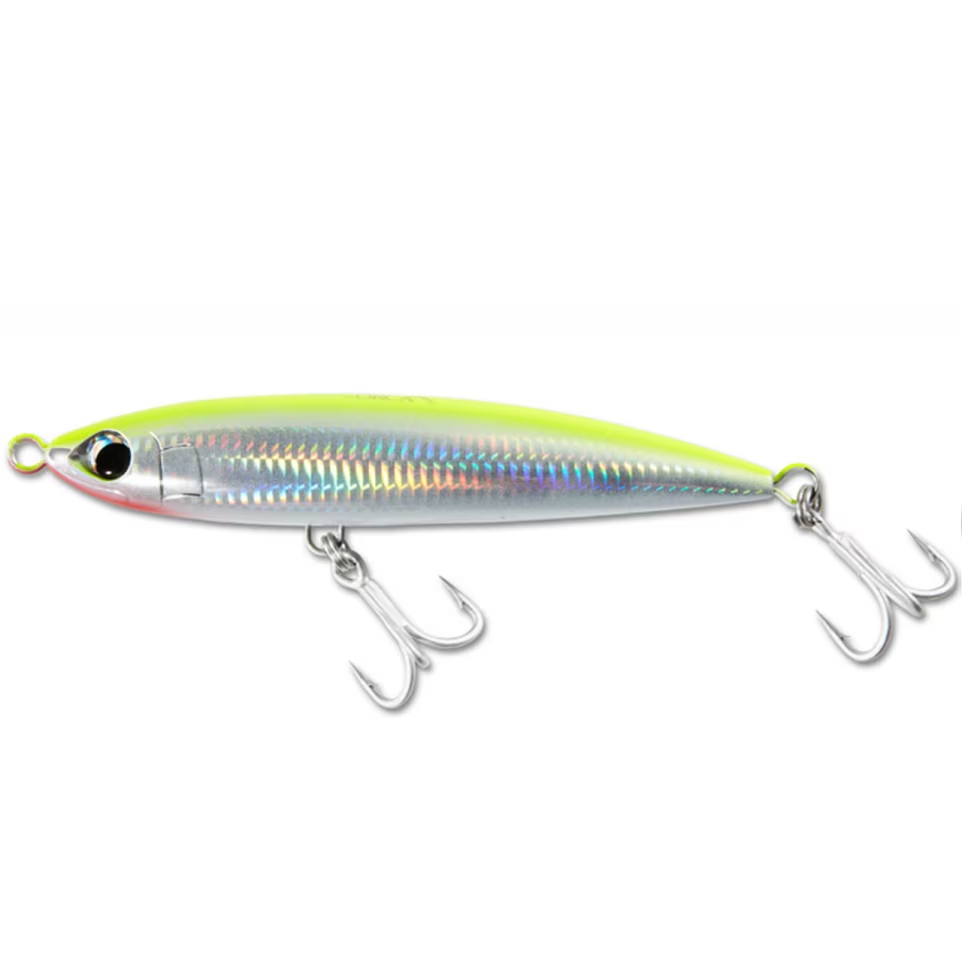
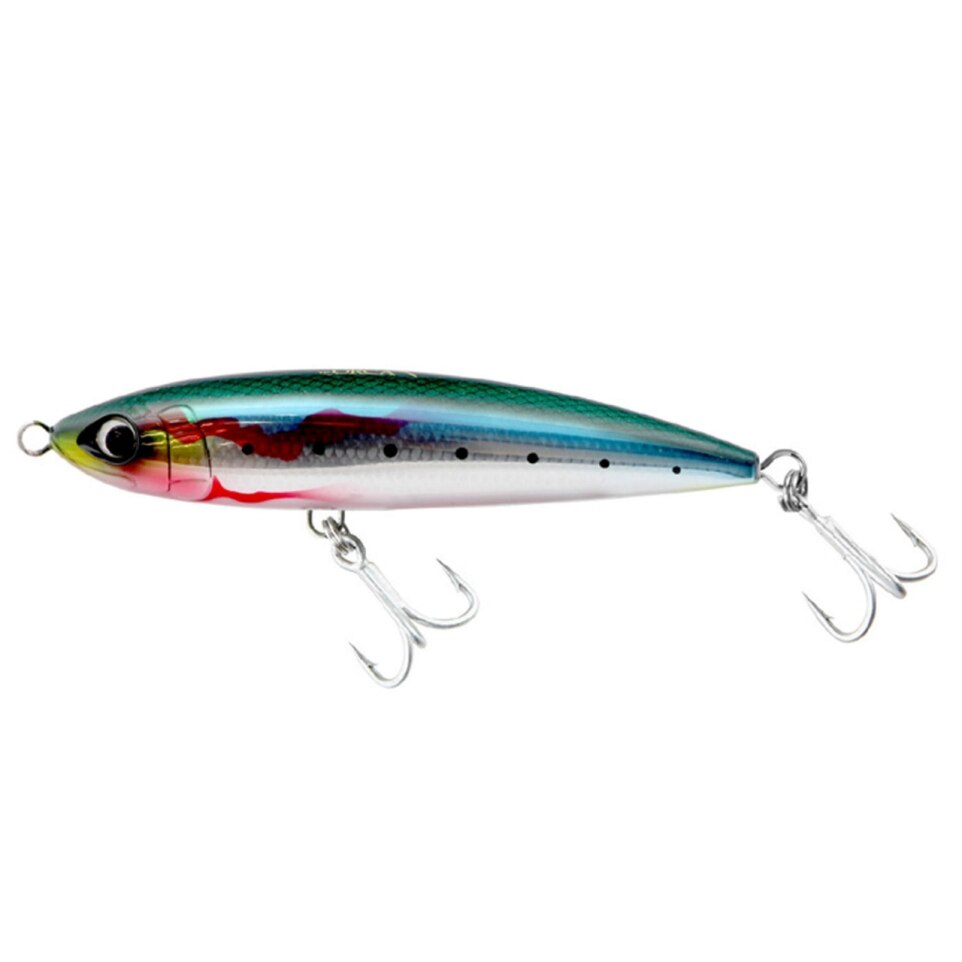
Description
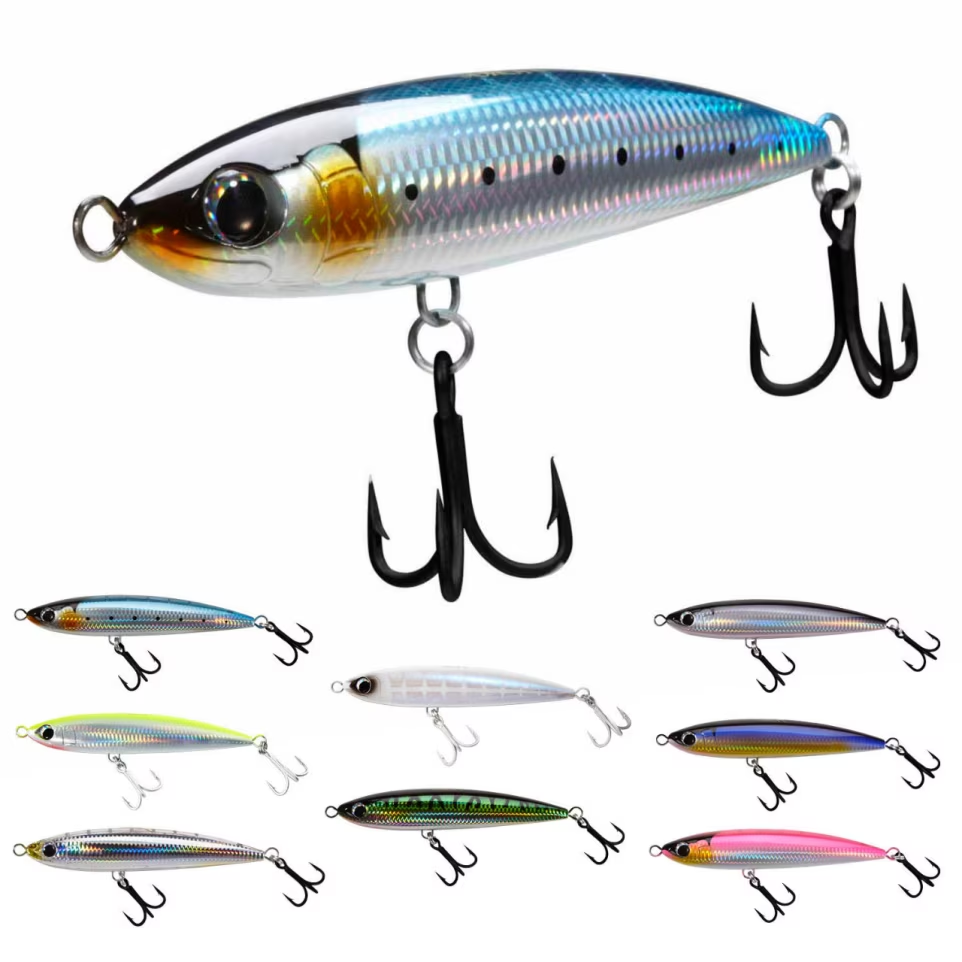
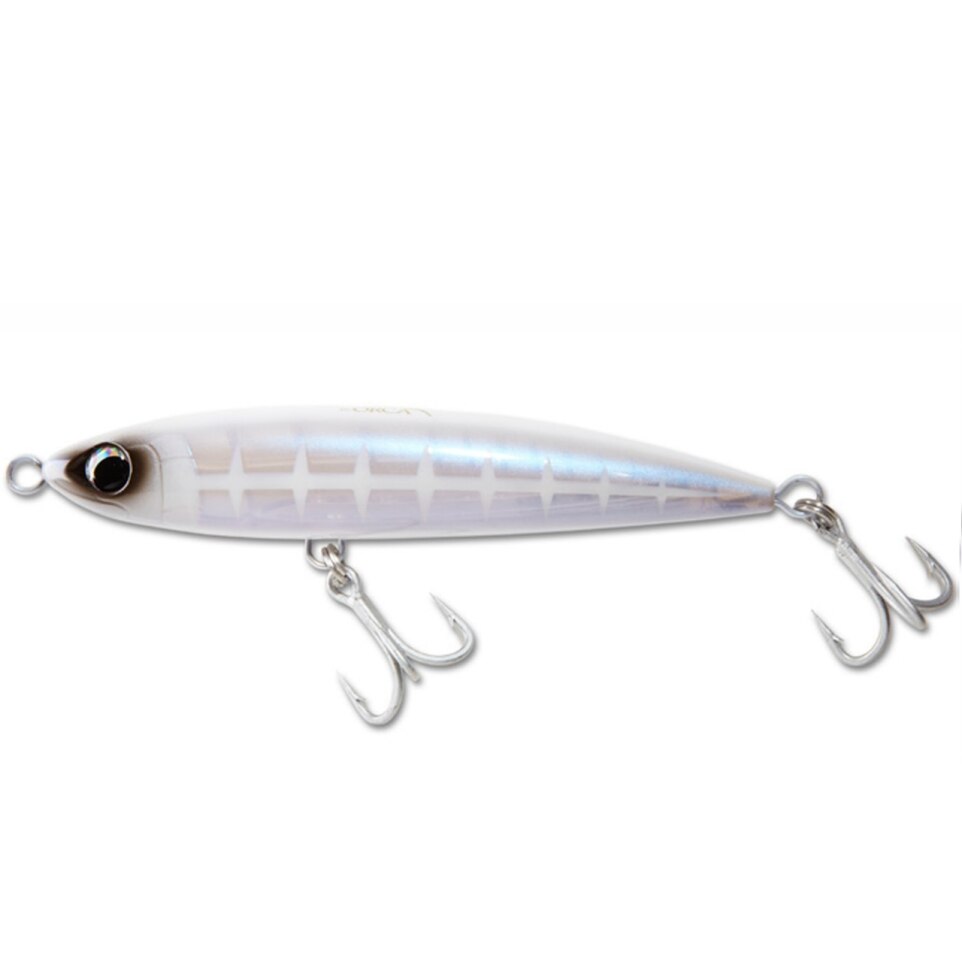
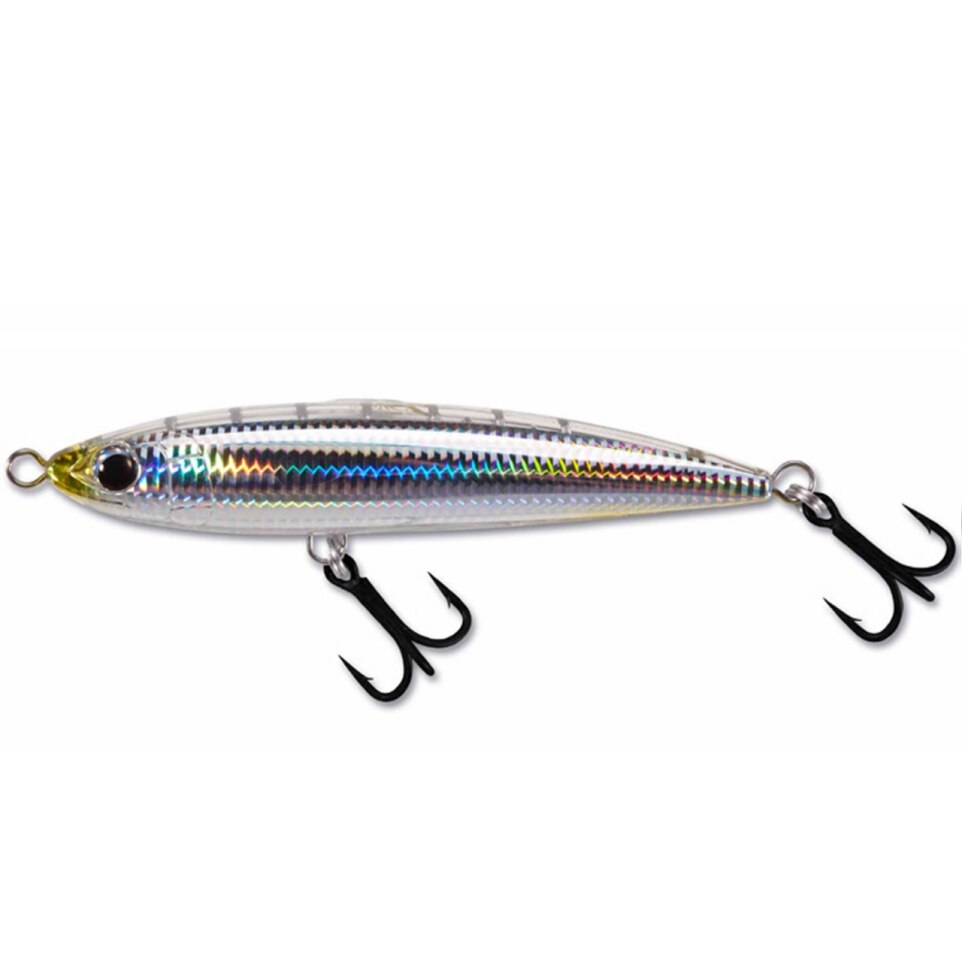
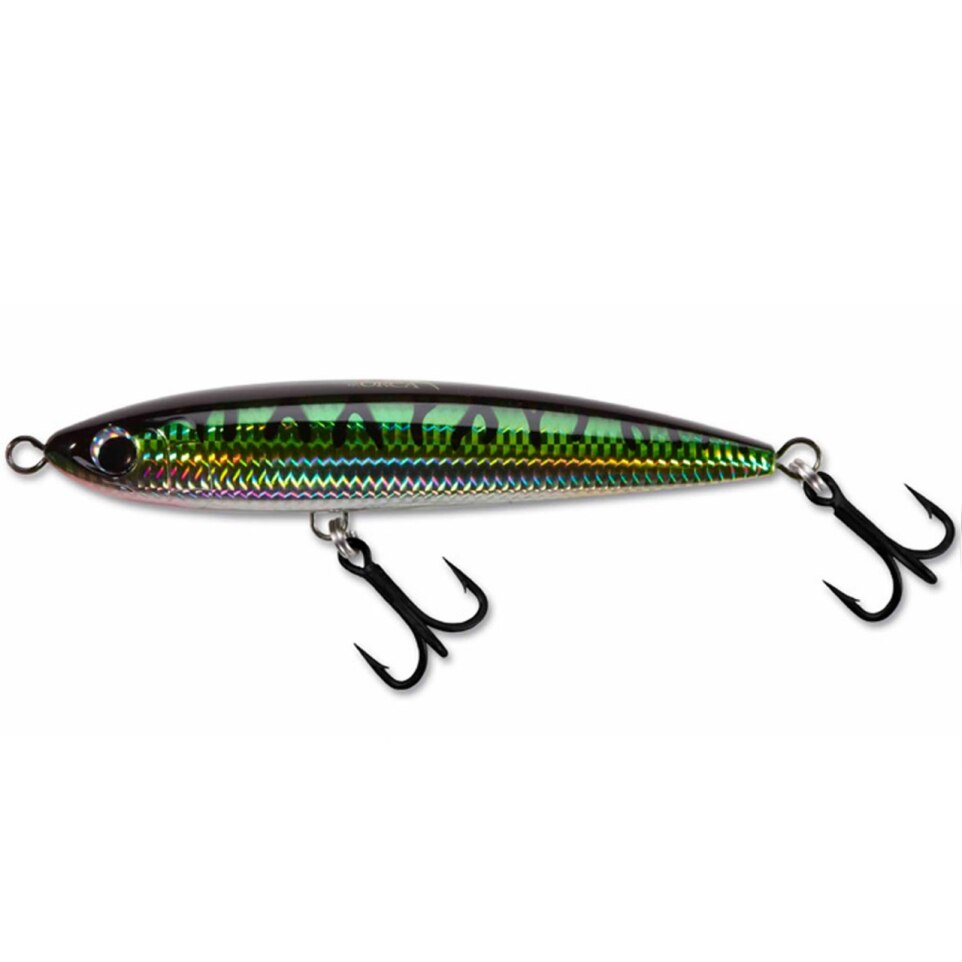
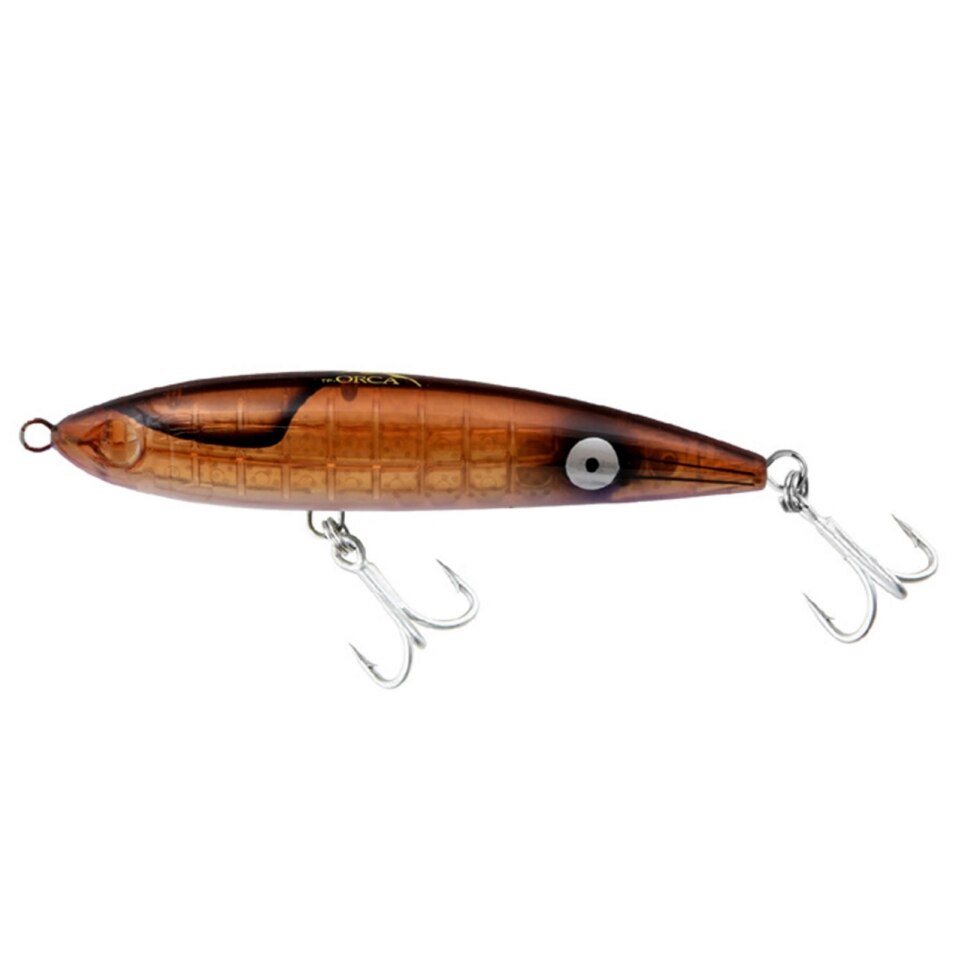
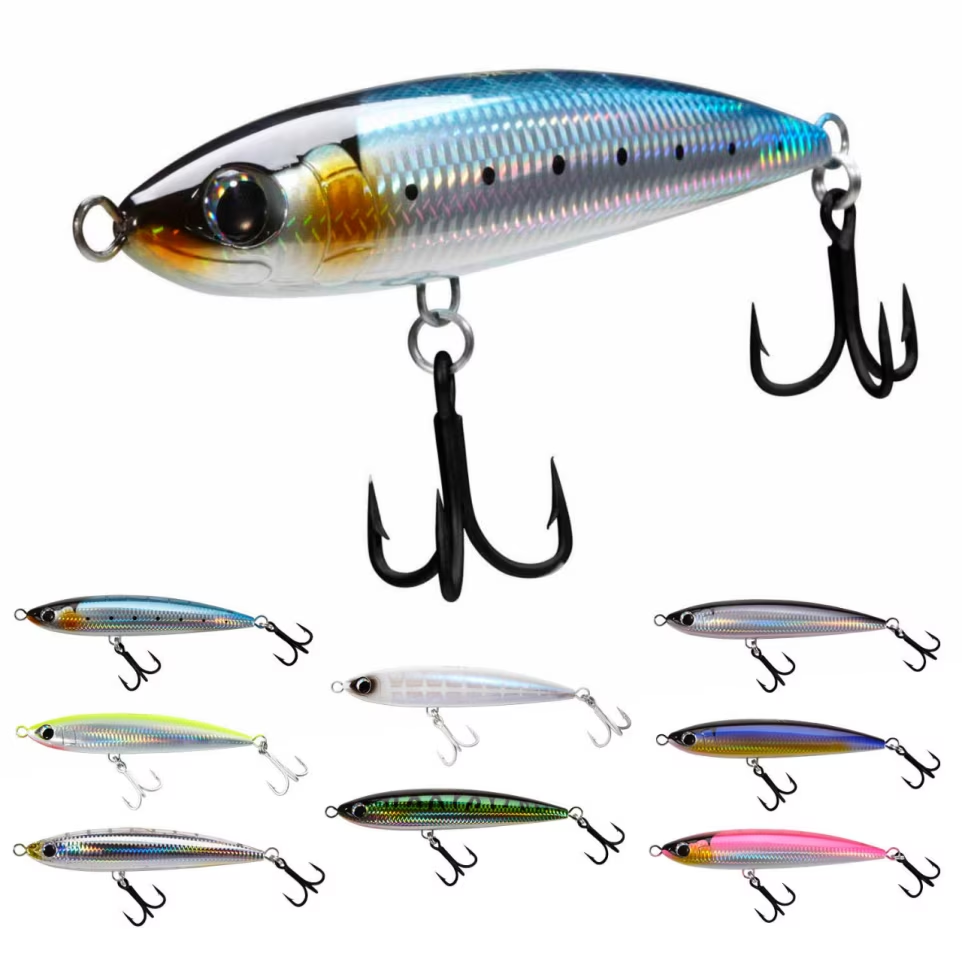
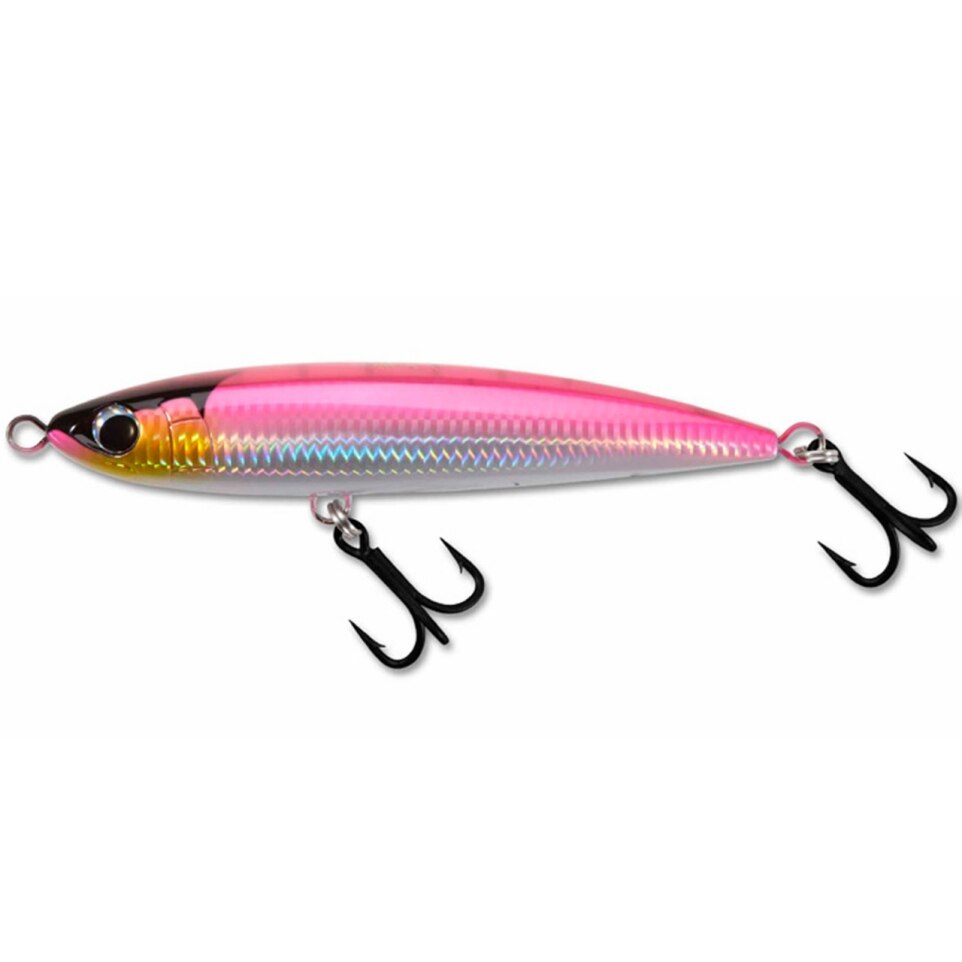
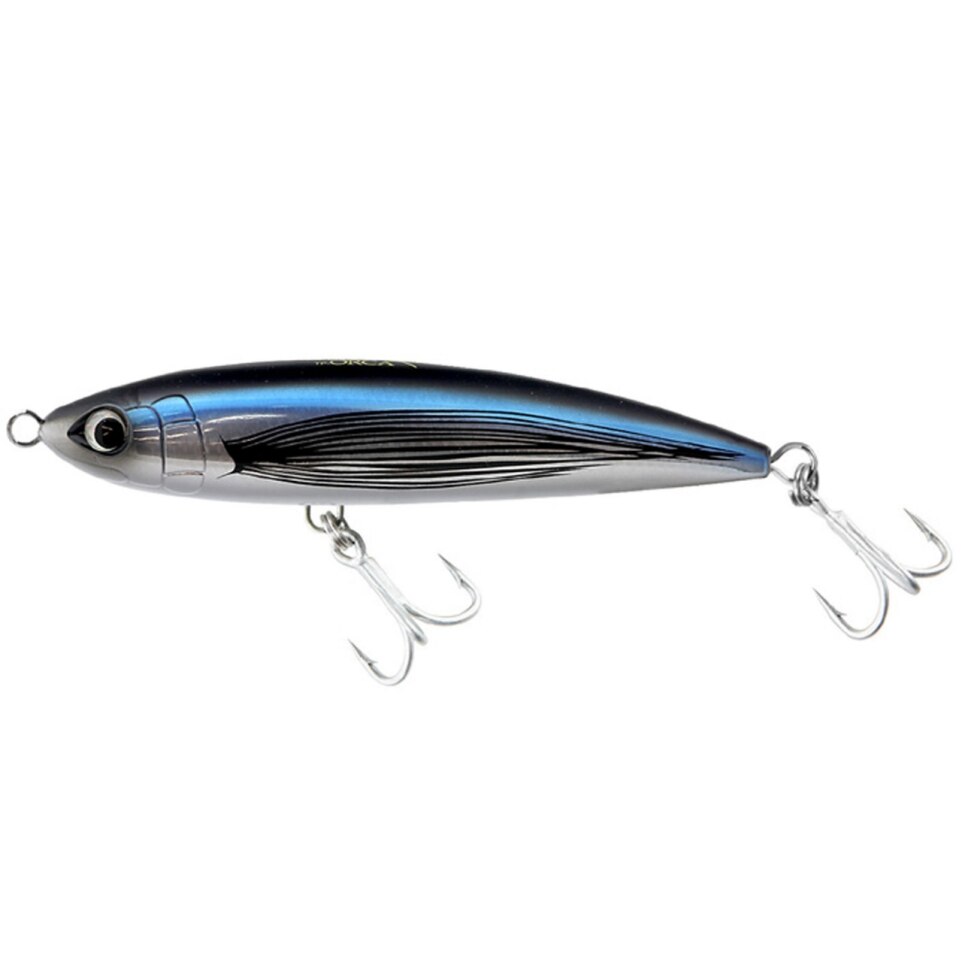
Shimano TP-Orca Hardbaits – Premium Fishing Lures for Demanding Anglers

Designed for Precision, Performance, and Reliable Fishing
Success on the water often depends on selecting a lure that matches the conditions, target species, and presentation style. For anglers who value carefully chosen tackle, the Shimano TP-Orca Hardbaits collection offers an opportunity to explore hard-bodied fishing lures from a trusted name in fishing equipment.
Whether fishing along coastal shorelines, exploring productive inshore waters, or refining a saltwater lure presentation, the right hardbait can help create a more controlled and purposeful approach. Furthermore, a well-matched lure allows anglers to adapt their techniques according to water clarity, baitfish activity, current, and changing weather conditions.
At Eta Big Bite Outfitters, fishing equipment is selected with practical performance and the needs of dedicated anglers in mind. Consequently, choosing a suitable hardbait becomes part of a broader approach to building a dependable fishing setup.
Why Choose Shimano Hardbaits?
Trusted Tackle for Different Fishing Conditions
Shimano is widely recognized for developing fishing equipment for recreational anglers and experienced fishing enthusiasts. Its lure range includes designs intended for different presentations, environments, and fishing strategies.
When a hard-bodied lure is selected for the intended application, it can provide several practical advantages. For example, its solid exterior may offer a different level of durability and movement compared with softer artificial baits, depending on the construction and model.
Additionally, hardbaits can be incorporated into a variety of retrieves. A steady retrieve may be suitable in certain situations, while pauses, changes in speed, or directional movements may help create a different presentation.
The most suitable choice will depend on the specific model, its swimming characteristics, and the conditions encountered on the water.
Built Around an Effective Fishing Presentation
An effective lure should complement the angler’s technique rather than complicate it. For this reason, consideration should be given to lure size, profile, running depth, weight, and intended fishing environment before a purchase is made.
A carefully selected hardbait can be used to explore different areas of the water column. Moreover, adjustments to retrieve speed and rod movement may help anglers respond to changes in fish activity.
Although no lure can guarantee a catch, choosing tackle that suits the conditions can make each fishing session more organized and productive.
Key Features and Product Benefits
The precise specifications of the TP-Orca model should be confirmed against the manufacturer’s information for the exact version being purchased. The following points describe the general benefits associated with hard-bodied fishing lures and should not be interpreted as verified model-specific specifications.
- Hard-bodied construction: A rigid lure body can provide a distinct profile and swimming action.
- Versatile presentation options: Depending on the model, different retrieve speeds and movements may be used.
- Targeted fishing applications: Lure selection can be tailored to the intended species and fishing environment.
- Tackle-box convenience: Hardbaits can be organized alongside other artificial lures for easier access.
- Technique development: Different presentations can help anglers experiment with retrieve patterns and improve their understanding of fish behavior.
- Setup compatibility: The appropriate rod, reel, line, and terminal tackle can help maintain control throughout the retrieve.
How to Fish Hardbaits Effectively
Match the Lure to the Environment
Before casting, consider the depth, current, visibility, and structure of the fishing area. These factors influence how a lure should be presented and which characteristics are most useful.
In clear water, a natural-looking profile may be worth considering. Conversely, reduced visibility may call for a different approach, depending on local conditions and the behavior of the target species.
Where current is strong, retrieve speed and line control may need to be adjusted. Meanwhile, calmer conditions can provide an opportunity to experiment with slower presentations or controlled pauses.
Adjust Your Retrieve
A consistent retrieve is a practical starting point when testing an unfamiliar lure. Once its movement has been observed, changes in speed or short pauses can be introduced where appropriate.
Furthermore, maintaining contact with the lure helps the angler recognize changes in resistance and respond to potential strikes. The ideal technique will vary according to the lure’s design, the fishing location, and the species being pursued.
Use a Balanced Rod and Reel Setup
A suitable fishing setup contributes to casting control, lure presentation, and fish-fighting performance. Therefore, the rod’s recommended lure rating, the reel’s intended application, and the line’s breaking strength should be considered together.
A setup that is too heavy may reduce casting efficiency with smaller lures. On the other hand, equipment that is too light for the intended application may limit control when larger fish or demanding conditions are encountered.
For best results, follow the recommendations provided for the exact lure and supporting equipment.
Who Can Benefit From This Lure?
Recreational Anglers
Anglers who enjoy exploring different artificial-bait presentations may find hardbaits useful additions to their tackle collection. With appropriate model selection, they can be incorporated into planned fishing sessions across suitable freshwater or saltwater environments.
Experienced Fishing Enthusiasts
More experienced anglers may appreciate having different lure profiles and actions available when fish respond inconsistently. By adjusting presentation techniques, they can test different approaches without relying on a single retrieve pattern.
Anglers Building a New Setup
For anyone assembling a new fishing outfit, lure selection should be considered alongside rod power, reel capacity, line choice, and the intended fishing location. A balanced combination can make tackle easier to manage and help the angler fish with greater confidence.
Product Selection and Compatibility
Before ordering, verify the exact product name, model number, available colour, dimensions, weight, and recommended application. These details are particularly important when several lure versions share similar names.
The TP-Orca designation alone should not be used to assume a specific diving depth, buoyancy rating, hook configuration, or target species. Instead, those details should be confirmed through the product’s official specifications.
For anglers comparing similar hardbaits, the following factors can help guide a purchase:
- Size and profile: Select a size that suits the intended presentation and local forage.
- Weight: Check casting requirements and compatibility with the rod.
- Action: Consider whether the lure’s verified movement suits the desired technique.
- Colour: Choose according to visibility, water conditions, and personal experience.
- Hooks and hardware: Review the supplied configuration and inspect components regularly.
- Fishing environment: Confirm whether the particular model is suitable for the intended freshwater or saltwater application.
Care and Maintenance
Proper maintenance can help preserve the condition of fishing lures and their associated hardware. After use, inspect the body for damage and examine hooks, split rings, and attachment points for signs of wear.
Following saltwater sessions, rinse suitable tackle with fresh water and allow it to dry before storage. In addition, keep lures organized to reduce tangling and prevent hooks from damaging other equipment.
Where corrosion-resistant components are specified by the manufacturer, their condition should still be checked regularly. No hardware should be assumed to be corrosion-proof without supporting product information.
Shop Fishing Tackle With Confidence
The right lure is one part of a well-planned fishing setup. When product specifications, equipment compatibility, and fishing conditions are considered together, anglers can make more informed purchasing decisions.
Explore the available selection at Eta Big Bite Outfitters to find fishing tackle suited to your preferred techniques and fishing environments. Before placing an order, review the exact product variant and its published specifications to ensure it meets your requirements.
Choose your tackle carefully, prepare for changing conditions, and make every fishing session an opportunity to refine your approach.
Shimano TP-Orca Hardbaits – Complete Fishing Guide and Buying Considerations
Understanding Hardbait Performance in Different Fishing Environments
Fishing conditions can change rapidly, and the effectiveness of an artificial lure may depend on how well its characteristics match the environment. For anglers considering the Shimano TP-Orca Hardbaits range, a practical understanding of lure selection and presentation can help support a more informed purchasing decision.
Rather than relying on a single technique, anglers are encouraged to assess water depth, current strength, visibility, and the behavior of nearby baitfish. In addition, the equipment being used should be matched to the intended presentation so that casting control and lure movement can be maintained.
Fishing in Clear Water
Clear water can provide excellent visibility, allowing fish to inspect an artificial bait before striking. Under these conditions, lure profile, colour, and movement may become particularly important.
A natural-looking finish can be worth testing when local forage consists of small baitfish. However, fish behavior varies considerably, so a more contrasting colour may sometimes produce a better response.
Furthermore, retrieve speed should be adjusted according to the observed activity of the target species. A controlled presentation can be useful when fish are following a lure without committing to it.
Fishing in Stained or Cloudy Water
Reduced visibility can make lure selection more challenging. Consequently, anglers may choose to experiment with contrasting colours, pronounced movement, or presentations that can be detected under the prevailing conditions.
Nevertheless, visibility alone should not determine every decision. Water temperature, available forage, current, and fishing pressure may also influence how fish respond.
By changing one variable at a time, anglers can evaluate which presentation appears most effective. This approach also makes it easier to recognize patterns across different fishing sessions.
Fishing Around Structure
Rocky shorelines, submerged timber, reefs, and other underwater structures may provide feeding opportunities for predatory fish. At the same time, these areas can increase the likelihood of snagging or damaging tackle.
Before fishing near obstacles, the lure’s running depth and the casting setup should be considered carefully. Additionally, casts should be directed toward accessible areas where the lure can be retrieved safely.
The precise suitability of any TP-Orca model for these conditions must be established from its published design specifications.
Improving Casting Accuracy and Retrieve Control
Develop a Consistent Casting Technique
Accurate casting can help place an artificial lure closer to promising areas. To improve consistency, anglers can practice controlled casts while maintaining a comfortable grip and balanced stance.
Rod selection is important because casting performance is influenced by rod length, power, action, lure weight, and line characteristics. Accordingly, a lure should be used within the rod manufacturer’s recommended weight range.
For anglers fishing from shore, casting direction may also be influenced by wind and current. Adjustments can be made gradually until the lure can be delivered to the intended area with reasonable accuracy.
Maintain Contact With the Lure
Line management plays an important role in detecting strikes and controlling an artificial presentation. Excessive slack can make subtle changes more difficult to identify, whereas an overly aggressive retrieve may interfere with the lure’s intended action.
For this reason, a balanced approach is recommended. Retrieve speed should be kept consistent initially, then modified as conditions and fish responses become clearer.
In addition, knots and line connections should be checked before fishing begins. A damaged leader or poorly secured connection can compromise an otherwise well-prepared setup.
Experiment With Retrieve Patterns
Different retrieve patterns can be tested according to the lure’s actual design. A steady retrieve provides a useful baseline, while speed changes or brief pauses may introduce variation.
However, not every hardbait is designed for every presentation. Floating, suspending, and sinking models behave differently, so the manufacturer’s instructions should be consulted before specific techniques are adopted.
Choosing the Right Fishing Line
Line selection should be based on the intended species, fishing environment, lure weight, and equipment specifications. A suitable line can support casting performance while providing sufficient strength for the conditions encountered.
Monofilament Line
Monofilament is widely used because it is relatively easy to handle and offers some stretch under load. These characteristics may be beneficial for certain fishing techniques, depending on the equipment and target species.
Its diameter and breaking strength should be matched to the requirements of the fishing setup. Knots should also be inspected regularly, particularly after contact with abrasive surfaces.
Braided Line
Braided line is valued for its relatively small diameter at a given breaking strength and its limited stretch. Consequently, it can provide useful sensitivity and line management in suitable applications.
However, abrasion resistance varies by construction, and direct contact with rough structure can cause damage. A leader may therefore be appropriate in some environments.
Fluorocarbon Leaders
Fluorocarbon leaders are frequently used where abrasion resistance and reduced underwater visibility are desired. Their suitability depends on the fishing conditions, leader diameter, knot quality, and target species.
Importantly, the line and leader should be compatible with the reel, rod, and lure being used. There is no single line combination that is ideal for every fishing situation.
Pairing Hardbaits With Suitable Fishing Equipment
Rod Selection
The rod should be selected according to the lure’s weight and the intended fishing technique. Length influences casting distance and leverage, while power and action affect how the rod loads and responds.
A lighter setup may be appropriate for smaller presentations, whereas heavier equipment may be necessary for larger lures or demanding environments.
Before purchase, anglers should review the rod’s printed specifications rather than relying on general assumptions about the lure category.
Reel Selection
A reel should provide suitable line capacity, retrieve speed, drag performance, and durability for the intended application. Spinning and baitcasting reels offer different handling characteristics, and personal preference can also influence the final choice.
Saltwater use requires particular attention to maintenance and manufacturer guidance. Even equipment designed for marine environments should be cleaned and inspected after use.
Hooks and Terminal Tackle
Hooks, split rings, snaps, and other terminal components can influence the reliability of the overall setup. Their size and strength should be appropriate for the lure and intended target.
Before each outing, check for corrosion, deformation, and sharpness. Any damaged component should be replaced with a compatible alternative that does not unnecessarily compromise the lure’s movement.
Seasonal Considerations for Lure Selection
Fish behavior can change with water temperature, seasonal forage, spawning activity, and local weather patterns. As a result, a presentation that performs well during one period may be less effective during another.
Warmer Conditions
In warmer water, fish activity can vary depending on oxygen availability, sunlight, and temperature. During periods of increased heat, feeding behavior may shift toward cooler water or more favorable times of day.
Anglers can respond by evaluating local conditions and adjusting their fishing schedule where appropriate. Nevertheless, the best approach depends on the target species and the water being fished.
Cooler Conditions
As water temperatures fall, the activity of some fish species may decrease, although this is not universal. A slower presentation can be worth testing when fish appear less active.
Rather than assuming that all fish respond in the same way, anglers should observe local patterns and adjust their technique accordingly.
Changing Weather
Wind, rainfall, cloud cover, and changes in water clarity may affect lure presentation. Strong winds can make casting more difficult, while rainfall may alter current and visibility.
For safety, weather forecasts and local water conditions should be checked before heading out. In coastal areas, tide information and surf conditions should also be considered.
Hardbaits Compared With Soft Plastic Lures
Both hard-bodied and soft plastic lures have useful applications. The best choice depends on the presentation required, the environment, and the species being targeted.
Advantages of Hardbaits
Hardbaits can offer a defined profile and a repeatable swimming action when properly designed and retrieved. Many models are also available in different sizes, shapes, and running depths.
These characteristics can make them useful when anglers want to cover water or present a particular baitfish-like profile.
Advantages of Soft Plastics
Soft plastics offer flexibility in shape, texture, and rigging. They can be mounted on different hooks and jig heads, allowing the presentation to be adjusted for a variety of conditions.
Depending on the design, they may be useful for slow retrieves, bottom-oriented presentations, or fishing around selected structures.
Making an Informed Choice
Neither category should be considered universally superior. Instead, lure selection should be based on the specific conditions and intended technique.
A balanced tackle collection may include both types, allowing anglers to switch approaches when fish behavior or environmental conditions change.
Responsible Fishing Practices
A successful fishing experience should also include attention to fish welfare, local regulations, and environmental responsibility.
Before fishing, confirm applicable size limits, seasonal restrictions, licensing requirements, and rules concerning protected species. Regulations can vary by country, region, and individual waterway.
Where catch-and-release fishing is practiced, suitable hooks and handling methods should be considered. Fish should be handled carefully, kept out of the water for as little time as practical, and released promptly when conditions permit.
Discarded line, damaged lures, packaging, and other waste should be collected and disposed of properly. In addition, hooks should be stored securely to protect other anglers, wildlife, and anyone handling the equipment.
Maintaining Your Fishing Lures for Long-Term Use
Regular care can help preserve the condition of artificial lures and associated tackle. A few simple checks can identify problems before they affect a fishing session.
Cleaning After Use
After fishing, remove dirt, vegetation, and other debris from the lure. When the equipment has been exposed to saltwater, follow the manufacturer’s cleaning recommendations and rinse suitable components with fresh water.
The lure should be allowed to dry thoroughly before being stored. This helps reduce unnecessary moisture exposure within the tackle box.
Inspecting Components
Examine the lure body for cracks, loose parts, and signs of impact damage. Hooks and connecting hardware should also be checked for corrosion or deformation.
If a component appears damaged, it should be replaced before the next outing. Appropriate replacements should be chosen so that the lure’s intended action is not unintentionally altered.
Safe Storage
Lures should be organized to prevent hooks from becoming entangled with line, clothing, or other equipment. Separate compartments can make it easier to identify different sizes and colours.
Where multiple lures are stored together, ensure that their finishes and hardware are compatible with the storage method being used. Follow the manufacturer’s instructions for any special materials or coatings.
Buying Guide: What to Check Before Ordering
A careful review of product information can help prevent unsuitable purchases. Although a product name provides an initial identification, it does not necessarily establish every technical characteristic of a particular model.
Before purchasing, review the following details:
- Exact model identification: Confirm the full name and product code.
- Dimensions: Check the published length and other available measurements.
- Weight: Ensure compatibility with the intended rod and casting method.
- Colour options: Verify the precise finish being offered.
- Buoyancy and action: Check whether the lure floats, suspends, or sinks, where specified.
- Hook configuration: Confirm the supplied hooks and connecting hardware.
- Intended environment: Verify whether the model is recommended for freshwater, saltwater, or both.
- Availability: Review current stock information before completing the purchase.
- Shipping and returns: Read the retailer’s applicable delivery and return policies.
These checks are particularly useful when comparing similar models or ordering fishing equipment online.
Frequently Asked Questions
What are Shimano TP-Orca hardbaits?
The name identifies the product range specified in this listing. Exact construction details, model variations, and technical specifications should be confirmed using the manufacturer’s documentation for the particular version offered.
Are these lures suitable for saltwater fishing?
Suitability depends on the exact model and its materials, hardware, and intended application. Confirm the manufacturer’s recommendations before using a lure in saltwater, and clean suitable tackle after each session.
Which fish can be targeted with this type of lure?
The appropriate target species depends on the model’s size, action, running depth, and recommended application. Consult the product specifications and local fishing guidance before selecting a lure for a particular species.
What fishing rod should be used?
Choose a rod whose recommended lure-weight range accommodates the selected model. Rod length, power, action, line rating, and the intended fishing technique should also be considered.
Can beginners use hard-bodied lures?
Yes. Beginners can learn to use suitable hardbaits by starting with a straightforward retrieve and practicing casting control. Product instructions should be reviewed first so the lure can be used as intended.
How should the lure be stored?
After cleaning and drying, place the lure in a suitable tackle compartment. Hooks and connecting hardware should be secured to reduce tangling, corrosion, and accidental injury.
How can the correct model be identified?
Check the full product name, item code, measurements, colour, and manufacturer’s documentation. When different versions are available, compare their individual specifications rather than relying on the family name alone.
Does lure colour affect fishing results?
Colour may influence visibility and fish response, but its effect depends on water clarity, available forage, light levels, and target species. Testing suitable options under local conditions can help identify a preferred presentation.
How often should hooks be inspected?
Hooks should be checked before fishing and after contact with rocks, hard structure, or fish. Replace components that are bent, corroded, damaged, or no longer sufficiently sharp.
How can casting performance be improved?
Use a balanced rod-and-reel setup, suitable line, and a lure within the rod’s recommended rating. Regular practice and controlled casting movements can improve accuracy and consistency.
Final Buying Considerations
Selecting a fishing lure is most effective when it is treated as part of a complete equipment plan. Rod compatibility, line choice, local conditions, and the intended presentation should all be considered before an order is placed.
The Shimano TP-Orca range can be evaluated using these practical criteria, provided that the specifications for the exact model are available and verified. By comparing product information carefully, anglers can select equipment that better matches their experience, preferred fishing methods, and intended environment.
Explore the available fishing tackle at Eta Big Bite Outfitters and choose equipment according to your needs. For the best purchasing experience, confirm the exact variant, current availability, and published product details before completing checkout.
Prepare your setup, learn the conditions, and approach every fishing session with a clear plan.
Premium Fishing Tackle, Fishing Reels, Rods, Lures & Saltwater Equipment
Discover Quality Fishing Gear for Every Fishing Adventure
Successful fishing begins with the right equipment, a thoughtful approach, and an understanding of the conditions in which you fish. Whether you are preparing for striped bass along the coast, targeting freshwater predators, exploring offshore fishing grounds, or refining your baitcasting technique, choosing dependable fishing tackle can make every outing more productive and enjoyable.
Our fishing tackle collection brings together essential equipment for beginners, experienced anglers, and dedicated fishing enthusiasts. From advanced Shimano fishing reels and powerful Penn saltwater reels to versatile Daiwa baitcasters, premium G. Loomis casting rods, and carefully selected fishing lures, every category offers opportunities to build a setup around your preferred fishing style.
Moreover, the right combination of fishing rods, reels, fishing lines, hooks, and terminal tackle can help improve casting control, presentation, and fish-fighting confidence. Whether you prefer spinning tackle, conventional reels, baitcasting equipment, or specialized electric reels, selecting compatible components is an important part of preparing for your next adventure.
Explore a broad selection of fishing equipment designed for freshwater lakes, rivers, inshore environments, surf fishing locations, and offshore waters. With options ranging from lightweight finesse setups to heavy-duty saltwater systems, anglers can find equipment suited to different species, techniques, and personal preferences.
Explore the Different Types of Fishing Lures
Choosing the Right Lure for Your Target Species
Understanding the different types of lures is essential when selecting an effective fishing presentation. Each lure category offers distinctive movement, depth control, vibration, and visual appeal. Consequently, your choice should reflect the target species, water clarity, current, weather, and feeding activity.
Hard baits, soft plastics, surface lures, metal jigs, and swimbaits provide different ways to imitate natural prey. For example, topwater lures can create surface disturbance, while sinking metal jigs allow anglers to reach deeper feeding zones.
Popular lure styles include:
- Hard baits: Minnows, jerkbaits, crankbaits, and glide baits for a variety of freshwater and saltwater predators.
- Metal jigging lure baits: Compact, dense lures designed for vertical jigging, casting, and retrieving through different water depths.
- Swimbaits: Realistic baitfish imitations available in soft and hard constructions.
- Pencil lures: Surface-oriented designs that can produce a side-to-side walking action.
- Spinnerbaits: Bladed lures that generate flash and vibration during retrieval.
- Sand eel jigs: Baitfish-style presentations suited to fishing situations where sand eels or similar slender prey are present.
Premium Hard Baits and Specialized Lures
Anglers looking for specialized lure designs may consider the Yo-Zuri Mag Pencil, a pencil-style lure associated with surface presentations, and the Nomad Madscad, a baitfish-profile lure used in a variety of saltwater applications. Both products illustrate how lure shape, movement, and retrieval speed can influence presentation.
Other recognizable lure names include the Rapala F11 and Vision ONETEN, which are associated with minnow-style hard bait fishing, along with the Strike King KVD spinnerbait for anglers interested in bladed lure techniques.
The Whopper Plopper is another recognizable surface-lure option. When purchasing one, inspect the Whopper Plopper packaging to confirm the selected model, size, color, and product specifications.
For anglers exploring additional lure styles, the Deps 300 and Savage Gear 4Play may be relevant to specialized big-bait presentations. The right choice depends on the target species, available casting space, tackle capacity, and the conditions being fished.
Additionally, anglers searching for striker lures, albie lures, or a Daiwa lure should compare lure profile, weight, running depth, and intended technique before making a selection.
Selecting the Best Swimbaits for Striped Bass
Match Your Presentation to the Conditions
Striped bass fishing can involve surface feeding, shallow structure, moving tides, deep channels, and open-water baitfish activity. Therefore, the best swimbaits for striped bass will depend on where the fish are feeding and what prey is available.
A realistic swimbait can imitate the swimming movement of baitfish, while a larger profile may be useful when targeting bigger fish or matching larger forage. Smaller presentations can also be effective when striped bass are feeding on compact baitfish.
When selecting swimbaits, consider:
- Size and profile: Match the lure to the approximate size and shape of the available forage.
- Action: Choose between subtle tail movement, rolling action, and broader swimming movements.
- Weight: Ensure the lure can be cast and retrieved effectively with your rod and reel.
- Depth: Select a design suited to surface, shallow-water, mid-depth, or deeper presentations.
- Color: Consider water clarity, light conditions, and the appearance of local baitfish.
Anglers asking what bait is best for striped bass should also consider natural bait options, including locally available forage and legally permitted live or cut bait. No single bait or lure guarantees results, so adapting to feeding activity is often more valuable than relying on one presentation.
Premium Shimano Fishing Reels for Different Techniques
Shimano Spinning and Baitcasting Reel Options
Shimano fishing reels are widely recognized among anglers who want equipment for a range of freshwater and saltwater techniques. Spinning reels can be useful for general-purpose casting, finesse presentations, and lighter lines, while baitcasting reels offer direct spool control and precision for suitable lure weights.
The Shimano spinning reel Stella represents a premium reel family for anglers comparing advanced spinning equipment. Meanwhile, the Shimano Stradic 4000, Shimano Nasci FC 2500, Shimano Spheros 4000, and Shimano Saragosa series offer additional options across different fishing applications.
When comparing a Shimano Stradic 4000 line capacity, consult the specifications for the exact model and spool version. Line capacity can vary depending on whether monofilament, fluorocarbon, or braided line is being used, as well as the line diameter and the reel’s published capacity rating.
Other Shimano reel models worth researching include:
- SLX Shimano reel: A baitcasting option for anglers seeking practical casting performance.
- Shimano SLX DC 150HGA baitcasting reel: Compare its exact gear ratio, retrieve orientation, and braking specifications before purchasing.
- SLX DC 151HG: Check the specific model designation to distinguish it from related reel versions.
- Shimano Aldebaran MGL: A lightweight baitcasting reel family associated with finesse-oriented applications.
- Shimano Chronarch G: A baitcasting model to consider when comparing casting systems and retrieve specifications.
- Shimano Calcutta reel: A round-reel family used for a variety of casting applications.
- Shimano Torium 50: A conventional reel option for appropriate offshore and heavy-duty fishing setups.
- Shimano Tyrnos 20 reel: A conventional reel family to investigate for trolling and other suitable saltwater techniques.
- Shimano Talica 16IIA: A two-speed conventional reel designation that should be checked against the manufacturer’s current specifications.
- Shimano Saragosa 14K: Confirm the precise model name and regional specifications before comparing it with other high-capacity saltwater spinning reels.
For anglers researching a Shimano SLK, verify the full product name before ordering, as abbreviated search terms can refer to different products or may contain a typing error.
Daiwa Reels for Freshwater and Saltwater Fishing
Daiwa offers reel families for finesse fishing, baitcasting, inshore applications, and demanding saltwater environments. Selecting the right model requires attention to line capacity, gear ratio, drag performance, weight, and intended fishing technique.
The Daiwa Tatula SV 100 can be considered by anglers comparing baitcasting reels for controlled presentations. Similarly, the Daiwa Exceler baitcast family offers another option to research when assembling a freshwater casting setup.
For spinning applications, anglers may compare the Daiwa LT 1000 and Daiwa Procyon 2500. Larger saltwater choices include the Daiwa BG 4500, Daiwa Saltiga saltwater spinning reel, and Daiwa Saltist MQ 14000.
Each reel should be matched to the line class, rod power, target species, and environment. In addition, saltwater users should follow the manufacturer’s maintenance guidance to help reduce the effects of salt deposits, sand, and moisture.
The Daiwa inshore reels category can be particularly relevant for anglers fishing estuaries, bays, tidal rivers, and coastal structures. However, a reel’s suitability should always be assessed using the specifications of the exact model rather than its product family name alone.
Additional Casting and Conventional Reel Choices
Anglers comparing alternative brands may also explore the Quantum Energy reel and Quantum Merit reel. These names can help guide product research, although model availability and specifications should be verified before a purchase.
For conventional fishing, the Penn Formula 15KG and Penn 49 Super Mariner are additional model names that may be relevant to anglers comparing heavier-duty equipment. Meanwhile, the Penn 30 VISX is a recognized heavy-duty conventional reel designation associated with offshore fishing applications.
When evaluating large baitcaster reels, consider the weight of the lures being cast, the line rating, the rod’s recommended lure range, and the amount of casting control required. A larger reel is not automatically better for every application.
Penn Reels and Saltwater Fishing Equipment
Choosing the Right Penn Reel
Penn reels are often considered by anglers assembling saltwater setups for surf fishing, boat fishing, and offshore applications. The best Penn reel for an individual angler depends on the target species, fishing location, line requirements, and whether a spinning or conventional reel is preferred.
The best Penn reels should be compared according to practical features rather than brand reputation alone. Drag capacity, spool design, retrieve ratio, construction, maintenance requirements, and overall weight can all affect the suitability of a reel.
The Penn Spinfisher 6500 combo may appeal to anglers who prefer to purchase a coordinated rod-and-reel package. Before ordering, verify the exact rod length, reel model, included components, and line recommendations.
Similarly, the Penn 30 VISX should be evaluated according to its intended heavy-duty application and the specifications for the precise version being considered.
For anglers researching other conventional reels, the Penn Formula 15KG and Penn 49 Super Mariner may provide additional points of comparison. Confirm availability, model condition, and manufacturer documentation when comparing older or specialized equipment.
G. Loomis and St. Croix Fishing Rods
Casting Rods for Precision and Performance
A fishing rod is more than a simple connection between the angler and the lure. Its length, power, action, handle configuration, and construction affect casting distance, lure control, hook-setting response, and fish-fighting performance.
The G. Loomis NRX+ Carolina rig casting rod is a specific search phrase for anglers investigating specialized casting equipment. When comparing this rod category, pay attention to the intended technique, line rating, lure rating, and rod action rather than assuming that all casting rods perform identically.
Other product families include G. Loomis IMX and G. Loomis casting rods. These terms can help narrow a search for equipmen
Additional information
| MODEL/COLOR | OT145KEFF — FLYING_FISH, OT145KESQ — SQUID, OT145KEIS — INJURED_SARDINE, OT145KEKV — BLACK/SILVER, OT145KEBS — BLUE_SARDINE, OT145KECS — CLEAR/SILVER, OT145KEGF — GHOST_FISH, OT145KEGM — GREEN_MACKEREL, OT145KEPS — PINK/SILVER, OT160JEFF — FLYING_FISH, OT160JESQ — SQUID, OT160JEIS — INJURED_SARDINE, OT190JEFF — FLYING_FISH, OT190JESQ — SQUID, OT190JEIS — INJURED_SARDINE, OT160JEBS — BLUE_SARDINE, OT160JEKV — BLACK/SILVER, OT160JECS — CLEAR/SILVER, OT160JEPS — PINK/SILVER, OT160JEGF — GHOST_FISH, OT190JEBS — BLUE_SARDINE, OT190JEGM — GREEN_MACKEREL, OT190JEKV — BLACK/SILVER, OT190JECS — CLEAR/SILVER, OT190JEPS — PINK/SILVER, OT190JEGF — GHOST_FISH |
|---|
Related products
-
SHIMANO WORLD DIVER FLASH BOOST HARDBAITS
€17.75Select options This product has multiple variants. The options may be chosen on the product page -
SHIMANO SP-ORCA BABY HARDBAITS
€17.75Select options This product has multiple variants. The options may be chosen on the product page -
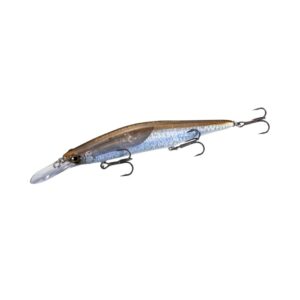
SHIMANO ZUMVERNO 115SP MR HARDBAITS
€20.42Select options This product has multiple variants. The options may be chosen on the product page
Reviews
There are no reviews yet.