
We Deliver Directly To Your Door
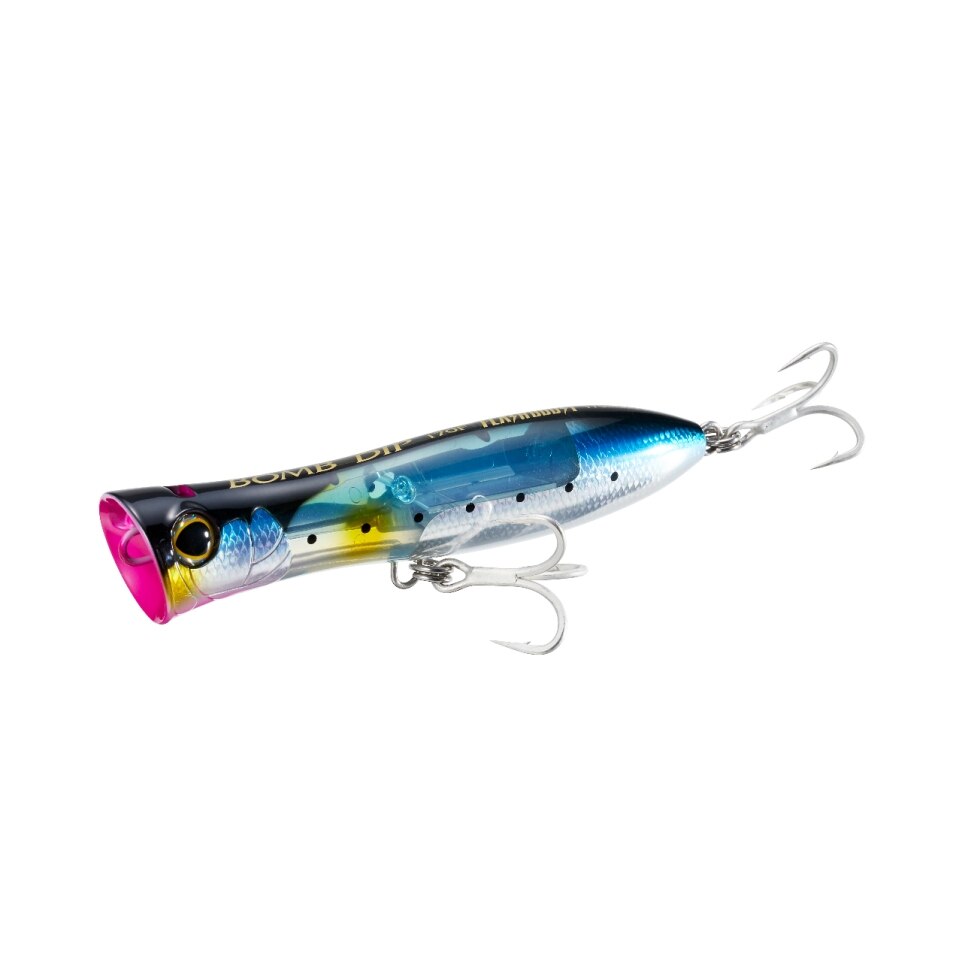
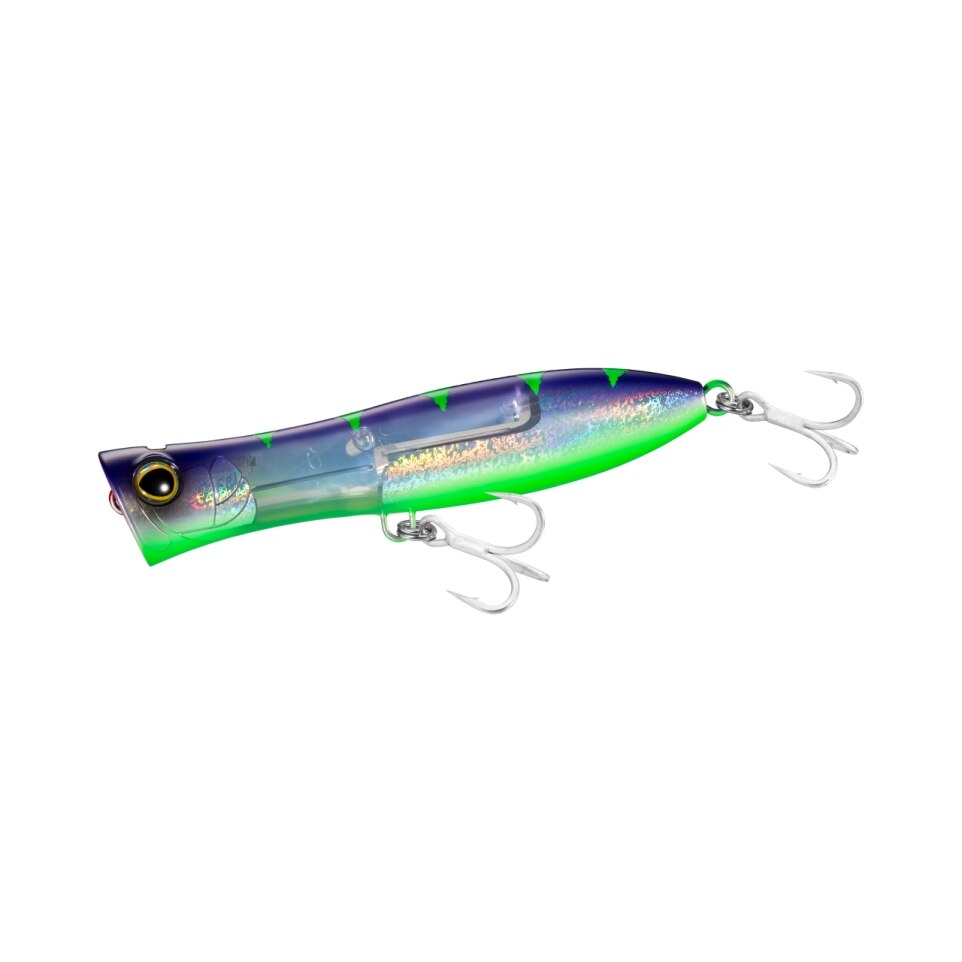
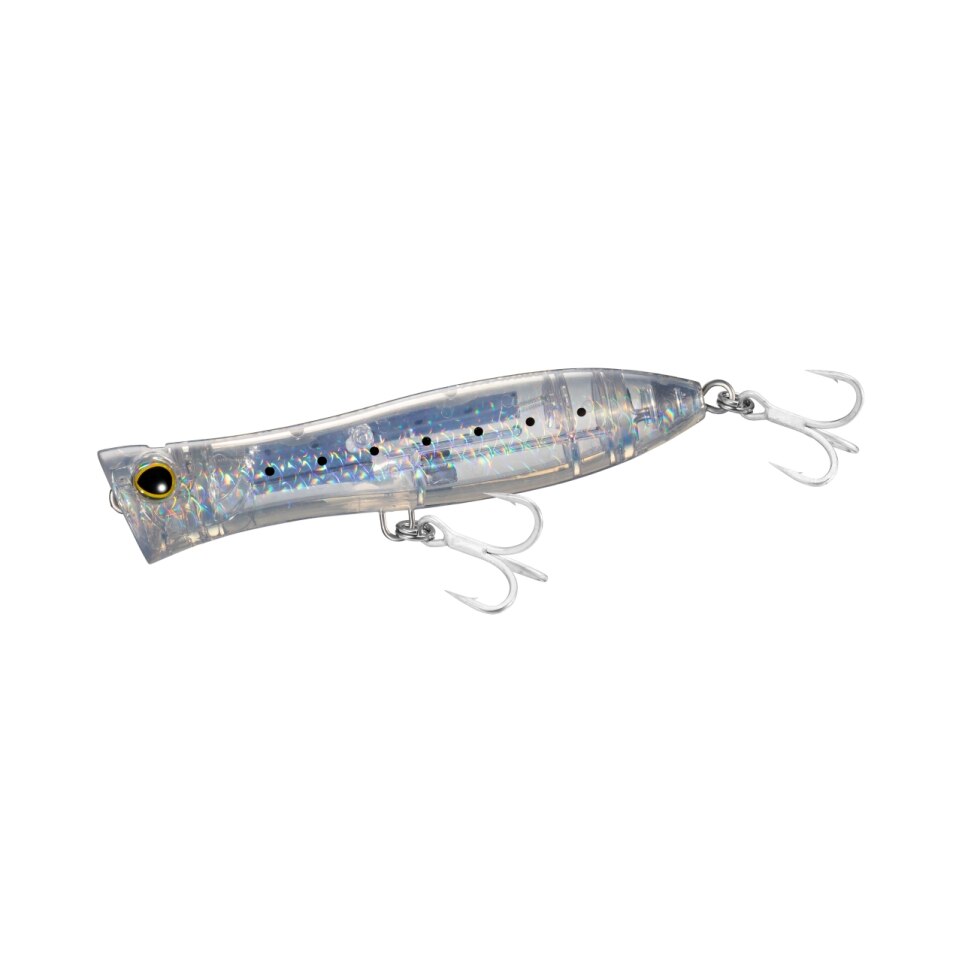
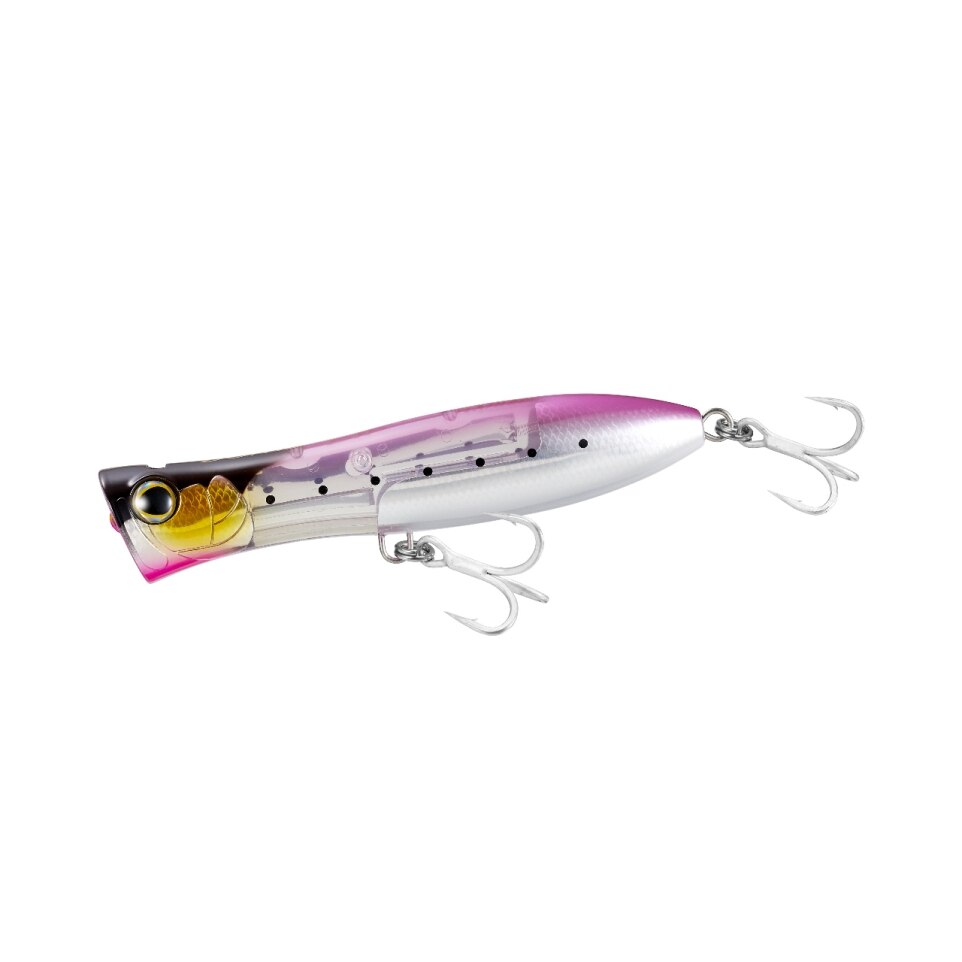
Description
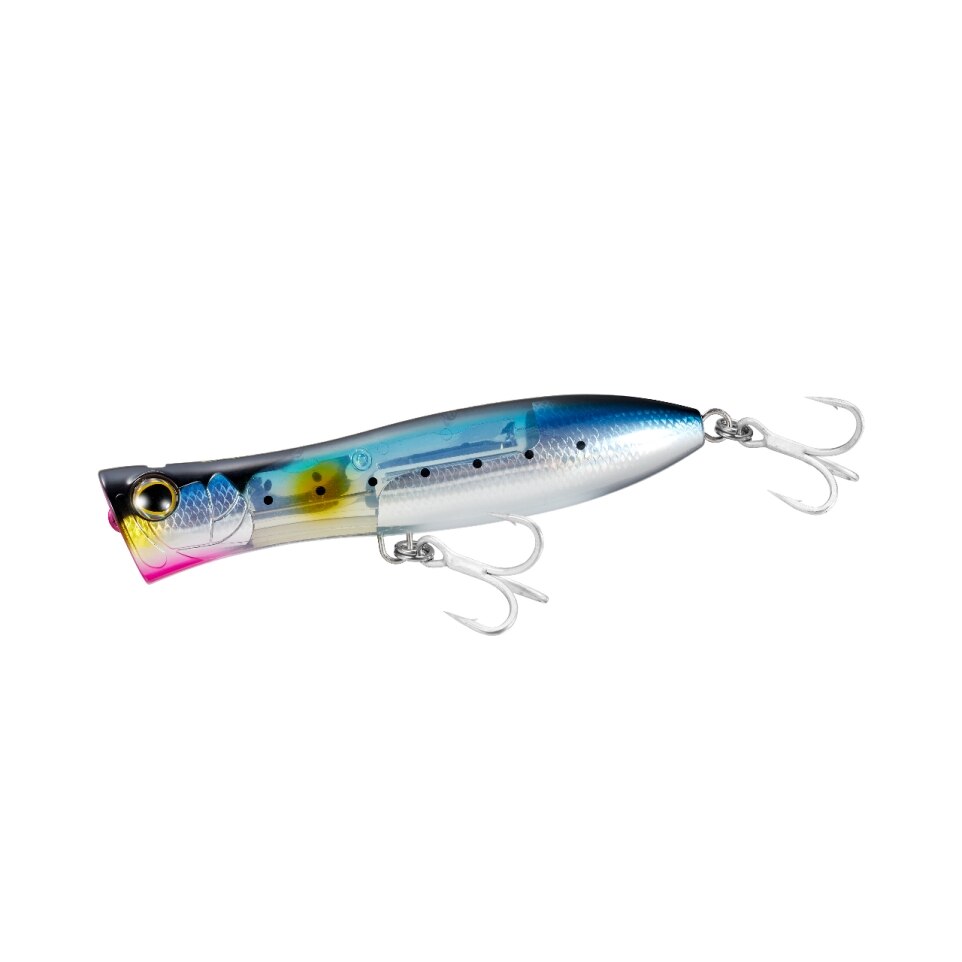
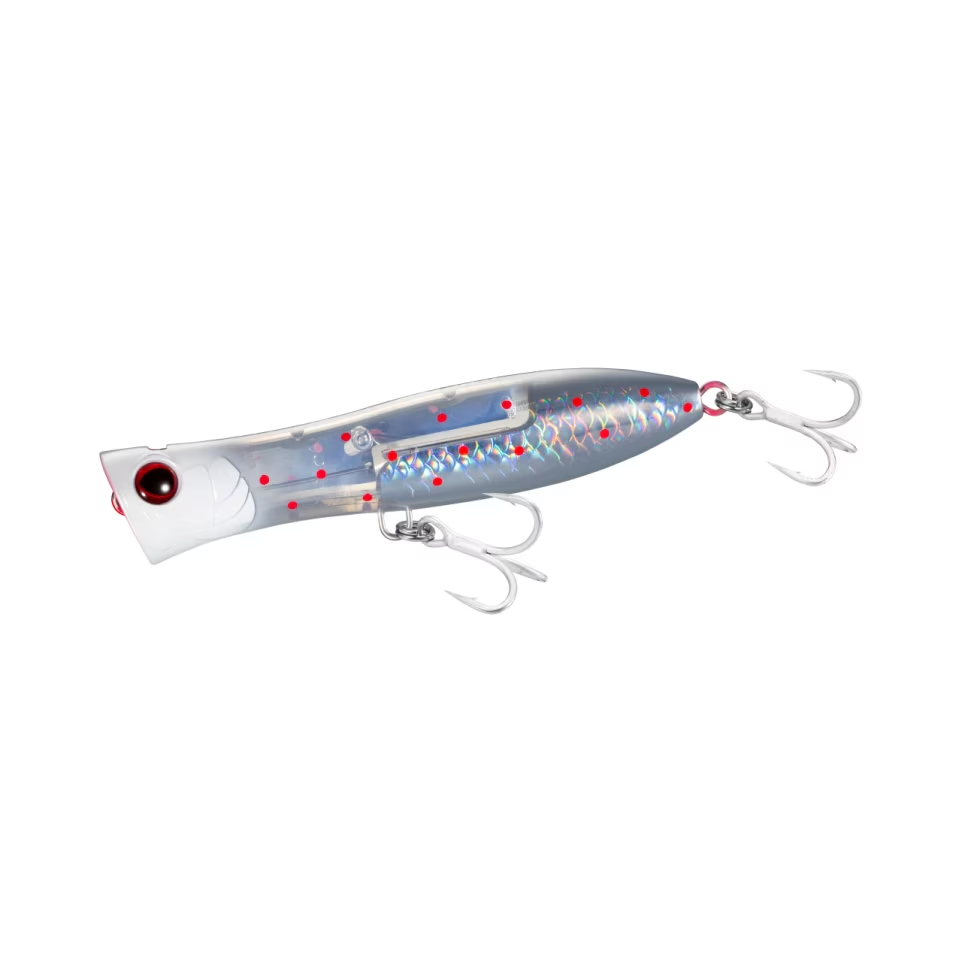
Shimano Ocea Bomb Dip 170F Flash Boost – Premium Saltwater Topwater Lure
Experience Powerful Topwater Fishing Performance
When explosive surface strikes are being pursued, the right lure can make a significant difference. The Shimano Ocea Bomb Dip 170F Flash Boost has been designed for anglers who want to explore the possibilities of topwater fishing with a large, visually appealing presentation. Built for demanding saltwater applications, this hardbait can be incorporated into offshore fishing strategies where predatory fish are targeted near the surface.
Moreover, an effective topwater lure is expected to attract attention while remaining manageable throughout repeated casting and retrieval. Consequently, lure selection should be based on the fishing environment, target species, tackle compatibility, and the presentation required on a particular day.
The Ocea Bomb Dip 170F Flash Boost is an option for anglers seeking a premium Shimano lure for offshore adventures. Its large profile can be used to create a noticeable surface presentation, while the Flash Boost technology is intended to provide additional visual attraction as light interacts with the lure’s reflective internal structure.
Whether an experienced offshore angler is preparing for a dedicated pelagic fishing trip or a developing angler is upgrading a saltwater tackle collection, this lure can be considered for situations where a substantial topwater presentation is preferred.
Key Features and Benefits
- 170F floating design: A floating configuration is provided for surface-oriented fishing presentations.
- Flash Boost technology: Reflective elements are designed to create visual flashes as light reaches the lure.
- Large baitfish profile: A substantial silhouette is presented to predatory fish that respond to larger forage.
- Saltwater fishing application: Suitable tackle and appropriate fishing conditions should be selected for offshore use.
- Topwater versatility: Different retrieval speeds and pauses can be explored to suit changing fish activity.
- Premium Shimano design: Developed within Shimano’s fishing tackle range for anglers seeking specialized lure performance.
- Suitable for experienced anglers: Can be incorporated into carefully planned casting and retrieval strategies.
Note: Exact dimensions, weight, diving characteristics, hook configuration, and recommended tackle should be confirmed against the manufacturer’s specifications for the particular regional model before being published.
Understanding Flash Boost Technology
How Visual Attraction Can Influence a Strike
In clear water, changing light conditions can affect how a lure is perceived by nearby fish. Reflective details may help produce flashes that resemble light reflecting from the scales of small baitfish. As a result, additional visual interest can be created without relying entirely on the movement of the lure.
Shimano’s Flash Boost technology uses a reflective component supported within the lure. This component is designed to move and reflect available light, including when the lure is momentarily stationary. Therefore, visual attraction can remain part of the presentation during pauses, rather than being generated solely through forward movement.
This characteristic can be useful when a stop-and-go retrieve is being tested. For example, a short pause may be introduced after several turns of the reel, allowing the lure to remain visible while the reflective component continues to respond to surrounding light.
However, performance will depend on water clarity, sunlight, surface conditions, and the behavior of the fish being targeted. No visual feature can guarantee a strike; instead, it should be treated as one element of a broader fishing strategy.
A More Engaging Surface Presentation
Topwater fishing offers a distinctive experience because feeding activity can often be observed directly. When a predatory fish follows a lure or attacks near the surface, the strike can be both exciting and challenging to convert into a successful hookup.
With a floating hardbait, the presentation can be varied through rod movement, retrieval speed, and pauses. Consequently, anglers can experiment with different rhythms until a productive approach is identified.
The large profile of the Ocea Bomb Dip 170F Flash Boost may be particularly relevant when larger baitfish are present or when a substantial presentation is preferred. Nevertheless, matching the lure to local forage and the feeding habits of the target species remains important.
Designed for Offshore Saltwater Fishing
Preparing for Demanding Fishing Conditions
Offshore fishing equipment is frequently exposed to saltwater spray, strong sunlight, and repeated casting. Therefore, appropriate tackle preparation and post-trip maintenance should always be included in the fishing routine.
The Ocea Bomb Dip 170F Flash Boost can be considered for saltwater environments where surface-feeding predators are being pursued. Depending on local regulations, seasonal activity, and available forage, suitable targets may include tuna and other pelagic species that respond to surface presentations.
Before a trip, the lure should be inspected for damage, and all terminal tackle should be checked for secure connections. Additionally, a compatible rod, reel, main line, leader, and correctly rated terminal components should be selected according to the intended application.
Because offshore conditions can change rapidly, tackle should be matched to the expected size and strength of the target fish. Appropriate knots and drag settings are also important, since the complete system must withstand the pressure generated during a prolonged fight.
Selecting Compatible Fishing Tackle
A large topwater lure should be paired with equipment that allows it to be cast and worked effectively. Rod specifications, reel capacity, line strength, and casting weight ratings should therefore be checked before use.
A suitably rated saltwater spinning setup may be selected where repeated long casts are required. Alternatively, an appropriate casting setup may be considered when the angler prefers that style of equipment and the lure falls within the rod’s stated casting range.
Furthermore, the leader should be chosen according to the target species, water conditions, and potential exposure to abrasion. Stronger tackle is not automatically better in every situation; rather, balanced equipment can support controlled casting, effective lure movement, and reliable fish handling.
How to Fish the Ocea Bomb Dip 170F Flash Boost
The Steady Retrieve
A steady retrieve provides a useful starting point when the lure is first introduced to unfamiliar water. After casting, retrieve at a controlled speed while observing how the lure responds to the movement.
This method can help establish a baseline before more aggressive techniques are attempted. If fish are actively feeding near the surface, a consistent presentation may be sufficient to attract attention.
Nevertheless, the retrieve should be adjusted when fish are following without striking. A change in pace, a brief pause, or a different casting angle may produce a more convincing presentation.
The Stop-and-Go Method
For a more varied approach, periods of movement can be alternated with short pauses. During the active portion, the lure is retrieved with controlled turns of the reel. Then, movement is reduced temporarily, allowing the floating presentation and reflective details to remain visible.
This technique can be useful when a predator appears interested but does not commit immediately. However, pauses should be adjusted according to fish activity and surface conditions rather than applied according to a rigid formula.
Working the Lure Around Surface Activity
When baitfish are being chased near the surface, casts can be directed toward the edges of the activity where practical and safe. Fish may be feeding within the visible disturbance, although their movement can be unpredictable.
For this reason, a measured approach is recommended. Casts should be made without placing other anglers at risk, and boat positioning should be managed carefully when fishing around feeding schools.
Additionally, the lure should be retrieved through or near the active area when conditions permit. If no response is observed, the casting angle, retrieval rhythm, or location can be changed.
Choosing the Right Conditions
Water Clarity and Available Light
Water clarity can influence how far away a lure can be seen. In clear conditions, reflective features and a natural-looking profile may contribute to the presentation. In less clear water, visibility can be reduced, making fish location and lure movement particularly important.
Lighting conditions should also be considered. Bright sunlight, cloud cover, early morning light, and late afternoon conditions can all change the appearance of a lure.
Accordingly, anglers should remain flexible and avoid assuming that one retrieve or presentation will perform equally well throughout the day.
Matching the Local Forage
Predatory fish often respond to the size and behavior of available prey. Therefore, local baitfish activity should be observed before a lure is selected.
A larger profile can be appropriate when substantial forage is present or when larger presentations are being tested. However, smaller prey may require a different approach, depending on the species and feeding behavior involved.
By observing surface disturbances, baitfish movement, and the behavior of feeding predators, anglers can make more informed decisions about when to use a large floating hardbait.
Care and Maintenance After Saltwater Use
Saltwater tackle should be cleaned and inspected after each fishing session. Even when a lure is intended for marine applications, regular maintenance can help preserve its condition.
After use, rinse the lure gently with fresh water and allow it to dry thoroughly before storage. Avoid unnecessary exposure to harsh cleaning chemicals, and follow the manufacturer’s care guidance for the finish and internal components.
Hooks and split rings should be inspected for corrosion, deformation, or other signs of wear. Damaged terminal components should be replaced with compatible parts that preserve the intended balance and performance of the lure.
Finally, the lure should be stored in a dry tackle box with suitable separation from other equipment. This helps reduce unnecessary contact damage and makes it easier to inspect the tackle before the next trip.
Why Consider the Shimano Ocea Bomb Dip 170F Flash Boost?
The choice of a topwater lure should reflect the fishing conditions, the angler’s preferred techniques, and the type of presentation being pursued. For those seeking a substantial floating hardbait with a distinctive reflective feature, this Shimano model offers several characteristics worth considering.
Its combination of a large profile, floating design, and Flash Boost technology creates an option for anglers who want to explore surface-oriented saltwater fishing. Moreover, its potential applications can be assessed alongside other lures in an offshore tackle collection, allowing presentations to be changed as conditions develop.
Although equipment selection is important, successful fishing also depends on observation, patience, and adaptation. By experimenting with retrieval speed, observing baitfish behavior, and using properly matched tackle, anglers can make more informed decisions throughout the day.
Product Summary
The Shimano Ocea Bomb Dip 170F Flash Boost is a premium floating hardbait intended for anglers interested in substantial topwater presentations. Its reflective Flash Boost feature is designed to add visual attraction, while the floating format allows different retrieval patterns to be explored.
For offshore anglers preparing for their next saltwater adventure, it can be considered as part of a carefully selected collection of hardbaits, terminal tackle, and compatible fishing equipment.
Product Highlights
- Brand: Shimano
- Product: Ocea Bomb Dip 170F Flash Boost
- Category: Hardbaits / topwater fishing lures
- Buoyancy: Floating, as indicated by the 170F designation
- Technology: Flash Boost
- Intended application: Surface-oriented saltwater fishing
- Recommended use: With compatible tackle selected for the target species and fishing conditions
Add the Shimano Ocea Bomb Dip 170F Flash Boost to your tackle selection and prepare for your next topwater fishing adventure. Choose compatible equipment, follow responsible fishing practices, and adapt your presentation to the conditions encountered on the water.
Shimano Ocea Bomb Dip 170F Flash Boost – Product Guide and Advanced Fishing Applications
Advanced Techniques for Getting More from Your Topwater Lure
Successful topwater fishing is rarely determined by the lure alone. Instead, results are influenced by the relationship between lure movement, fish behavior, water conditions, and the equipment being used. With a carefully planned approach, the Shimano Ocea Bomb Dip 170F Flash Boost can be incorporated into a range of surface-fishing strategies.
Furthermore, different conditions may require different retrieval patterns. A fast-moving presentation might be explored when predators are actively chasing baitfish, whereas a more controlled approach may be appropriate when fish are following without striking. By observing these responses, anglers can refine their technique without relying on a single fixed method.
Adjusting Retrieval Speed
Retrieval speed should be treated as an adjustable variable rather than a permanent setting. When feeding activity is intense, a quicker retrieve may help maintain the appearance of fleeing prey. However, when fish are less aggressive, slowing the presentation may provide more opportunities for a strike.
A practical method involves beginning with a moderate pace and observing the response. If fish show interest but do not attack, the speed can be changed on subsequent casts. In addition, small variations in rod movement can introduce a different rhythm without requiring a completely different lure.
Using Pauses Strategically
Pauses can introduce contrast into an otherwise continuous presentation. Once the lure has been moved through an area, a brief interruption can allow fish to approach before movement resumes.
Because the lure has a floating designation, its behavior during a pause should be considered when planning the retrieve. Nevertheless, exact posture and movement can vary with line tension, current, and the way the lure has been worked.
For this reason, anglers should observe the lure’s response and adjust the length of each pause to suit the situation.
Casting Angles and Presentation Paths
A lure’s path through the water can affect how a predator encounters it. Rather than repeatedly casting from the same position, anglers may benefit from changing the casting angle when the fishing environment allows.
For example, casts can be directed across the edge of a feeding area or along a current boundary. Subsequently, the retrieve can be varied to determine whether fish respond better to a presentation moving toward, across, or away from their position.
However, boat traffic, other anglers, submerged hazards, and changing weather conditions must always be taken into account before a casting position is changed.
Understanding the Role of Flash Boost
Reflective Attraction in Changing Conditions
Visual details can contribute to a lure’s overall appearance, particularly when light is available to interact with reflective surfaces. Shimano’s Flash Boost system is designed to create flashes through a reflective component supported within the lure.
As a result, visual activity may continue even when forward movement has been reduced. This can be relevant when a retrieve includes pauses or when the lure is being worked at a controlled pace.
Nevertheless, reflective attraction should not be regarded as a substitute for appropriate lure selection. Water clarity, sunlight, surface disturbance, and the distance between the lure and the fish can all affect how clearly the feature is perceived.
Combining Visual Appeal with Natural Movement
A convincing presentation depends on more than appearance. Movement, speed, direction, and timing can all influence how a predatory fish responds.
Accordingly, the reflective technology can be considered alongside the lure’s profile and the movement produced during retrieval. Anglers may experiment with short bursts of movement followed by controlled pauses, then compare the response with a more consistent retrieve.
This process encourages a measured approach to lure selection. Rather than assuming that a particular feature will always produce better results, the angler can assess its usefulness under the conditions encountered.
Selecting a Suitable Rod and Reel
Rod Selection
A rod should be selected according to the lure’s actual weight, casting characteristics, and intended fishing application. The manufacturer’s recommended casting range should always be checked before use.
A rod that is appropriately matched to the lure can help support controlled casting and repeated presentations. Conversely, a rod that is rated too lightly may be unsuitable for the load, while an excessively powerful model may reduce casting comfort or presentation control.
For offshore fishing, additional consideration should be given to the target species, expected fish size, and the conditions in which the equipment will be used.
Reel Selection
A suitable reel should provide adequate line capacity, a drag system appropriate to the target fish, and dependable operation in the intended environment.
Saltwater anglers should also consider maintenance requirements and corrosion resistance. After each trip, equipment should be cleaned according to the manufacturer’s instructions, particularly when it has been exposed to salt spray or direct seawater contact.
The ideal reel is therefore not determined by size alone. Instead, it should be selected as part of a balanced setup that includes the rod, main line, leader, and terminal tackle.
Main Line and Leader Considerations
Line selection should reflect the target species, casting requirements, and potential abrasion hazards. Braided main line may be used in many saltwater casting applications because of its relatively small diameter and low stretch. However, its suitability depends on the specific setup and fishing conditions.
A leader can provide an additional layer of protection against abrasion and help accommodate the demands of the target species. Its material, length, and breaking strength should be selected carefully.
Before fishing, all knots and connections should be checked. Damaged line, worn leaders, and weakened terminal components should be replaced rather than relied upon during a demanding fight.
Practical Applications for Different Fishing Environments
Offshore Baitfish Activity
When baitfish are visible near the surface, a large floating lure may be considered as part of a surface-oriented approach. Predatory fish can sometimes be located around the edges of bait schools, although feeding patterns may change rapidly.
Therefore, it can be useful to observe the activity before making repeated casts. The location of surface disturbances, the movement of baitfish, and changes in current may help identify a promising presentation area.
Open-Water Casting
Open-water fishing often requires anglers to cover water methodically. A sequence of well-planned casts can be used to examine different areas without repeatedly presenting the lure along the same path.
Moreover, wind direction and boat position can influence casting distance and accuracy. Safe positioning should be maintained, and casting should be avoided when other people or equipment are within the lure’s path.
Fishing Around Current Boundaries
Current boundaries can concentrate floating debris and baitfish, making them useful areas to observe when searching for predators. Where conditions permit, casts can be directed along these boundaries so that the lure travels through an area of potential feeding activity.
However, current strength, boat control, and water safety should take priority over any particular casting strategy. Conditions should be reassessed whenever the current or weather changes significantly.
Maintaining Consistent Performance
Inspection Before Each Trip
A brief equipment inspection can help prevent avoidable problems during fishing. Before the lure is used, its body, finish, hooks, split rings, and attachment point should be checked for visible damage.
If any component is worn, corroded, or deformed, it should be replaced with a compatible part. Changes to hook size or weight may affect the lure’s balance and behavior, so replacement components should be selected carefully.
Cleaning and Storage
After saltwater use, the lure should be rinsed gently with fresh water and dried before storage. It should not be placed in a closed tackle box while wet, since trapped moisture may accelerate corrosion in nearby metal components.
Furthermore, hooks should be stored safely to prevent accidental injury. Suitable tackle-box compartments can help separate lures and reduce damage caused by contact with other equipment.
Responsible Equipment Care
Maintenance is not limited to cleaning. Periodic checks of the main line, leader, knots, reel drag, and rod guides can help identify problems before the next trip.
As a result, a consistent maintenance routine can improve equipment readiness and reduce the likelihood of avoidable failures. Manufacturer guidance should be followed whenever a specific cleaning or storage requirement applies.
Responsible Saltwater Fishing Practices
Fishing equipment should be used in accordance with local regulations, seasonal restrictions, and species-specific requirements. Before travelling to an unfamiliar location, anglers should check licensing rules, permitted fishing methods, protected species, and applicable catch limits.
Additionally, fish should be handled with care. Appropriate tools can help reduce handling time, while wet hands or suitable gloves may help protect a fish’s outer coating when handling is necessary. Where release is intended, the fish should be returned to the water promptly and handled in accordance with local best practices.
Safe hook removal, secure tackle storage, and awareness of other people on board should also remain part of every fishing trip.
Comparing Topwater Lures for Your Tackle Collection
Choosing between different hardbaits involves evaluating the presentation each one is intended to provide. A floating lure may be preferred when surface activity is being targeted, whereas a sinking model may be more appropriate when fish are feeding below the surface.
Similarly, differences in body profile, size, and reflective details may influence which option is selected for a particular situation. However, no single lure can be considered ideal for every species or environment.
The Ocea Bomb Dip 170F Flash Boost can be assessed alongside other saltwater hardbaits according to the intended depth, available forage, casting requirements, and target fish. Maintaining a selection of complementary presentations can give anglers more flexibility when conditions change.
Who Should Consider This Lure?
Experienced Offshore Anglers
Anglers who regularly fish offshore may appreciate having a specialized surface lure available when feeding activity is observed. Its large profile and reflective technology provide features that can be evaluated as part of a broader lure selection.
Anglers Upgrading Their Saltwater Tackle
Those upgrading their equipment may wish to compare premium hardbaits according to their construction, intended application, and compatibility with existing rods and reels.
Before purchasing, the product specifications should be checked carefully. This includes confirming the model, size, weight, hook arrangement, and recommended fishing application.
Anglers Building a Versatile Lure Collection
A varied tackle collection can support different fishing strategies throughout the season. A floating surface lure may complement sinking hardbaits, metal jigs, and other presentations designed for different depths.
Consequently, this model may be worth considering when a dedicated topwater option is required for a suitable saltwater setup.
Frequently Asked Questions
What type of lure is the Shimano Ocea Bomb Dip 170F Flash Boost?
It is identified as a floating hardbait featuring Shimano’s Flash Boost technology. It is intended for surface-oriented fishing presentations, with the exact recommended applications depending on the manufacturer’s product specifications.
What does 170F mean?
The designation indicates a model in the 170 size class with a floating configuration. Exact physical dimensions and weight should be confirmed using the official specifications for the relevant model.
What is Flash Boost?
Flash Boost is Shimano technology designed to create reflective flashes using a supported reflective component inside the lure. The feature is intended to add visual attraction when light is available.
Can it be used in saltwater?
The lure is associated with Shimano’s saltwater-oriented Ocea range. Suitability should nevertheless be confirmed against the official model information, local fishing conditions, and the intended target species.
Which rod should be used?
A rod with a casting rating compatible with the lure’s verified weight should be selected. The target species, casting distance, line choice, and expected fishing conditions should also be considered.
How should the lure be maintained?
After use, rinse it with fresh water, dry it thoroughly, and inspect its hooks and attachment components. Follow Shimano’s maintenance guidance and replace damaged parts before fishing again.
Does Flash Boost guarantee more strikes?
No. Although reflective attraction may contribute to a lure’s visibility, results depend on fish activity, available forage, water conditions, and presentation technique.
Final Buying Considerations
Before adding a premium hardbait to a tackle collection, it is worth confirming that its intended application matches the fishing planned. Product specifications, compatibility, and local fishing requirements should all be considered before purchase.
The Shimano Ocea Bomb Dip 170F Flash Boost offers a combination of floating presentation and reflective technology for anglers exploring surface-oriented saltwater fishing. Its role within a tackle collection will depend on the conditions encountered and the techniques preferred by the angler.
Prepare for your next fishing adventure with a carefully selected topwater setup. Choose compatible equipment, maintain your tackle regularly, and adapt your presentation to the behavior of the fish and the conditions on the water.
Premium Fishing Reels, Rods, Lures, and Tackle – Complete Fishing Gear Collection
Discover High-Performance Fishing Gear for Every Adventure
Every successful fishing trip begins with the right equipment. Whether you are preparing for an offshore tuna expedition, exploring productive freshwater lakes, targeting bass along shallow cover, or casting into challenging surf conditions, dependable tackle can make a meaningful difference. Our fishing gear collection brings together premium reels, carefully designed fishing rods, effective lures, reliable hooks, and practical accessories for anglers who value performance, durability, and versatility.
From high end reels and advanced saltwater spinning reels to specialized surf poles and precision fishing reels, the right combination of equipment can help anglers adapt to different environments and fishing techniques. Furthermore, a well-matched fishing rod, reel, line, and lure can improve casting control, presentation, and confidence throughout the day.
Whether you are researching Shimano Curado baitcasting reels, comparing Daiwa fishing reels, or preparing a saltwater setup with an offshore reel, choosing appropriate equipment is an essential part of the process. Consequently, our collection is intended to help anglers explore different tackle options and build a setup suited to their individual goals.
Premium Fishing Reels for Freshwater and Saltwater Fishing
High End Reels for Serious Anglers
Modern fishing reels are available in numerous designs, each developed for particular applications. For example, baitcasting reels are frequently selected for accurate lure placement, while spinning reels are valued for their versatility and ease of use. Meanwhile, conventional offshore reels are commonly chosen when heavy lines, substantial drag systems, and dependable cranking power are required.
When evaluating high end reels, several characteristics should be considered, including gear ratio, drag performance, line capacity, frame construction, bearing quality, and overall handling. In addition, the intended target species and fishing environment should influence the final selection.
Anglers exploring premium tackle may compare the Shimano Metanium, Shimano Curado DC 151, Shimano Curado 150 MGL baitcast reel, and Shimano Curado 200HG. Each model belongs to a different product configuration or generation, so specifications should be checked carefully before purchasing.
Other options worth researching include the Daiwa Coastal TW 200, Daiwa Tatula baitcasting reel, Daiwa Exist LT, Daiwa Ballistic MQ LT 4000, and Daiwa Back Bay. These product families provide anglers with different reel styles and applications to consider.
Shimano Curado and Metanium Baitcasting Reels
Shimano baitcasting reels are widely associated with lure fishing, particularly when casting accuracy and controlled presentations are important. The Shimano Curado 200HG, Curado 200 M, Curado 150 MGL, and Curado DC 151 may appeal to anglers seeking different combinations of retrieve speed, spool design, braking technology, and reel size.
The Shimano Metanium is another premium baitcasting option that may be considered when a lightweight, refined casting setup is desired. Nevertheless, model generation and regional specifications should be verified because features can differ between versions.
For anglers comparing a Shimano Curado 200 M, a Curado 150 MGL, or a Curado DC model, the choice should be based on lure weights, preferred line, target species, and casting conditions rather than the product name alone.
Daiwa Fishing Reels for Versatile Applications
Daiwa fishing reels are available across multiple categories, from compact freshwater baitcasters to saltwater spinning models. The Daiwa Tatula baitcasting reel is often considered for casting applications, while the Daiwa Exist LT and Ballistic MQ LT 4000 represent spinning-reel options that can be evaluated for their intended fishing styles.
The Daiwa Coastal TW 200 may also be relevant for anglers comparing baitcasting equipment intended for coastal environments. However, saltwater suitability, maintenance requirements, and corrosion-resistant components should be confirmed for the specific model.
Searches for terms such as Diawa fishing reels, diwa reel, and Daiwa fishing reels can lead to differently named listings and spelling variations. Therefore, checking the manufacturer, model number, and product specifications is recommended before placing an order.
Saltwater Spinning Reels and Offshore Fishing Equipment
Shimano Saltwater Spinning Reels 4000
Saltwater spinning reels are used for a broad range of applications, including inshore fishing, coastal lure fishing, and selected surf or light offshore setups. A 4000-size reel may provide a practical balance of line capacity, handling, and retrieve performance, depending on its construction and intended use.
Anglers researching **
Premium Fishing Tackle Collection
Advanced Fishing Reels, Rods, Braided Lines, Lures, and Accessories
Penn Fishing Reels and Reliable Saltwater Equipment
Saltwater fishing equipment must be selected with attention to durability, line capacity, drag performance, and the conditions in which it will be used. For anglers comparing conventional reels, spinning reels, and complete fishing combos, Penn fishing equipment provides several product families worth researching.
The Penn Battle Combo 6000 is a relevant search term for anglers interested in a coordinated rod-and-reel setup. When evaluating a combo, consider the rod’s length, power, action, line rating, and casting-weight range alongside the reel’s specifications. A balanced combination can help simplify equipment selection while providing a practical starting point for inshore and coastal fishing.
Similarly, the Penn Rival 15LW may appeal to anglers researching conventional reel configurations for suitable fishing applications. Before selecting a reel, review its published line capacity, retrieve ratio, drag specifications, and intended use. The correct choice will depend on whether the equipment is being used for bait fishing, trolling, bottom fishing, or another technique.
Searches for Penn reels, pennreels, and other Penn fishing products may produce different generations and configurations. Therefore, checking the exact model number is recommended before purchasing replacement parts or comparing technical specifications.
Jigmaster Reels for Conventional Fishing
The term Jigmaster is commonly associated with conventional fishing reel searches. Anglers researching older or specialized reel models should confirm the precise manufacturer, model generation, and condition of the product being considered.
When evaluating a conventional reel, pay particular attention to spool condition, drag operation, gear engagement, handle stability, and the availability of replacement parts. For used equipment, these checks can be especially important because wear and previous maintenance may influence performance.
A conventional reel should also be paired with a rod designed for its mounting style and intended line rating. In addition, the line should be loaded evenly and kept within the manufacturer’s recommended capacity.
Avet Reels and Heavy-Duty Fishing Applications
Avet SX Raptor and Avet 50
Anglers who target powerful saltwater species often compare specialized conventional reels based on drag characteristics, gear ratios, frame design, and line capacity. The Avet SX Raptor and Avet 50 are useful search terms for researching different reel sizes and configurations.
The SX Raptor name may be relevant to anglers seeking a compact reel with specialized drag and retrieve features, while an Avet 50 search may lead to larger equipment intended for different fishing applications. However, model specifications vary, so the precise version should always be verified.
For offshore fishing, the complete system matters. A reel’s drag setting must be compatible with the main line, leader, knots, rod rating, and target species. Moreover, excessive drag can increase the risk of line failure or equipment damage.
Before purchasing a heavy-duty reel, compare:
- Line capacity: Confirmed for the selected line diameter and material.
- Drag performance: Appropriate for the target species and fishing method.
- Gear ratio: Suitable for the desired retrieve speed and cranking power.
- Construction: Appropriate for the expected exposure to saltwater.
- Rod compatibility: Matched to the reel seat, line rating, and intended load.
Shimano Talica, Tiagra, and Speedmaster Reels
Shimano Talica 16 II and TAC50II
The Shimano Talica 16 II and Shimano Talica TAC50II are product names associated with conventional reel research. Their differences in size, configuration, line capacity, and intended application should be examined before a purchase is made.
For anglers planning offshore trips, reel selection should be guided by the type of fishing being performed. A setup intended for lighter jigging or bait presentations may require a different balance of retrieve speed and line capacity than equipment selected for larger pelagic species.
The term Shimano Talica 16 II can also be used when comparing replacement parts, reel specifications, and compatible rods. To avoid confusion, verify the complete model designation rather than relying on a shortened product name.
Shimano Speedmaster 16 II
The Shimano Speedmaster 16 II is another reel to consider when researching conventional fishing equipment. Before selecting a particular version, compare the manufacturer’s specifications for gear ratio, drag system, line capacity, retrieve rate, and recommended applications.
For best results, a conventional reel should be maintained according to the manufacturer’s instructions. Salt deposits, sand, and improper lubrication can affect moving components over time. After saltwater use, appropriate external cleaning and thorough drying can help reduce corrosion risks.
Shimano Tiagra 50WLRSA and Tiagra 80W Line Capacity
Heavy-duty trolling reels are often selected for offshore applications where line capacity and dependable drag operation are important. The Shimano Tiagra 50WLRSA is a specific product designation that can be researched alongside other Tiagra models.
Anglers searching for Tiagra 80W line capacity should confirm the exact 80W model and consult the manufacturer’s capacity chart. Actual capacity varies with line material, breaking-strength rating, and line diameter. Monofilament, fluorocarbon, and braided line cannot be assumed to occupy the same spool volume at the same nominal strength.
Consequently, the correct line-loading specification should be obtained from the reel’s official documentation or a reliable model-specific source. This approach helps prevent underfilling or overfilling and supports more predictable line management.
Daiwa Saltiga, Tatula, and Coastal Reel Options
Daiwa Saltiga Saltwater Reels
Daiwa Saltiga saltwater reels are worth investigating when researching premium equipment for saltwater fishing. The appropriate model depends on the target species, lure or bait presentation, fishing depth, line selection, and expected load.
The Saltiga 5000H is a useful search phrase for anglers comparing saltwater spinning reel specifications. However, model generation and regional naming conventions can differ. Check the exact product label before comparing drag figures, gear ratios, spool capacity, or handle configurations.
For offshore and coastal fishing, routine maintenance should be considered part of equipment ownership. Saltwater exposure, sand contamination, and insufficient drying can affect reel longevity. Follow the manufacturer’s guidance for rinsing, lubrication, and servicing.
Daiwa Tatula Baitcasting Reel and Coastal TW 200
The Daiwa Tatula baitcasting reel is relevant to anglers seeking equipment for controlled lure presentations. Baitcasting reels can provide useful casting control when properly matched with the rod, line, lure weight, and braking system.
The Daiwa Coastal TW 200 may also be considered when comparing baitcasting options for coastal fishing. However, the suitability of a specific reel for saltwater use should be confirmed from its official specifications and maintenance recommendations.
When comparing the Tatula and Coastal TW product families, review:
- Spool capacity and recommended line.
- Gear ratio and retrieve speed.
- Braking system and casting adjustments.
- Handle position and ergonomic comfort.
- Saltwater suitability and maintenance requirements.
These characteristics should be considered together rather than using price or product popularity as the sole selection criteria.
Daiwa Exist LT and Ballistic MQ LT 4000
The Daiwa Exist LT and Daiwa Ballistic MQ LT 4000 are spinning-reel search terms that may be relevant to anglers comparing reel weight, handling, and intended applications.
A spinning reel should be paired with a rod that provides a suitable balance. A heavier rod can make a lightweight reel feel poorly matched, while a reel with insufficient capacity may be unsuitable for the intended line and fishing conditions.
When comparing products, verify the exact size designation, retrieve ratio, line capacity, and manufacturer-recommended applications. These details help establish whether a reel is appropriate for freshwater lure fishing, inshore applications, or another technique.
Braided Fishing Line and Fluorocarbon Leaders
Daiwa J-Braid X8 Grand
Braided fishing line is popular for applications where a relatively small diameter, low stretch, and sensitivity are desired. The Daiwa J-Braid X8 Grand is a relevant product name for anglers researching eight-carrier braided line.
Before selecting a braid, compare its stated breaking strength, diameter, color, spool length, and intended fishing environment. Line diameter is especially important because it influences spool capacity, casting behavior, and how much line can be carried by a particular reel.
Anglers searching for Daiwa J-Braid X8 Grand may also compare line options for spinning reels, baitcasters, and offshore setups. Nevertheless, the strongest available line is not automatically the best choice for every application. Rod ratings, reel capacity, knot strength, and target species should all be considered.
SpiderWire Stealth Blue Camo Braid
SpiderWire Stealth Blue Camo braid is another search term for anglers researching braided line options. The correct line should be chosen according to the intended technique, required strength, spool capacity, and conditions in which the equipment will be used.
A braided line can provide useful sensitivity, but abrasion resistance depends on the line construction and the surfaces encountered. Fishing around rocks, pilings, shells, and other abrasive structures may require an appropriate leader or a different line configuration.
For improved reliability, inspect the line regularly for fraying, flattened sections, discoloration, or damage. Knots should be tied carefully and checked before fishing, particularly when targeting stronger fish.
50-Pound Fluorocarbon Fishing Line
A 50-pound fluorocarbon leader may be considered for selected saltwater applications where additional abrasion resistance or a heavier leader is desired. The appropriate breaking strength depends on the species, water conditions, structure, lure or bait presentation, and main-line setup.
Fluorocarbon should not be chosen by breaking strength alone. Diameter, stiffness, knot performance, and compatibility with the intended rig can influence how effectively it performs.
When using a heavier leader, ensure that the connection knot passes through the rod guides when required and that the complete system remains compatible with the reel and rod. Inspect leaders frequently and replace sections that have been damaged by teeth, rough surfaces, or prolonged use.
Fishing Rod Construction, Repair, and Customization
Flex Coat Epoxy for Fishing Rod Building
Rod-building materials can be useful for custom rod projects and certain repair procedures. Flex Coat epoxy is a product name associated with fishing rod construction and finishing.
Before using any epoxy, verify that the specific formulation is appropriate for the intended application. Mixing ratios, working time, curing conditions, and surface preparation should be followed according to the product instructions.
For guide wrapping, the preparation of the blank and thread work can influence the finished result. A clean surface, controlled application, and suitable curing environment help support a consistent finish. However, structural damage to a rod blank may require professional assessment rather than a cosmetic repair.
Joe’s Custom Rods and JPR Rods
Custom fishing rods can be appealing to anglers who have specific requirements for length, power, action, grip style, guide placement, and reel compatibility.
Joe’s Custom Rods and JPR rods are search terms that may help anglers explore custom or specialized rod offerings. Before placing an order, confirm the exact builder, available models, construction details, warranty coverage, and intended fishing application.
A properly selected rod can help improve comfort and technique, but no single design is suitable for every fishing environment. Surf casting, bass fishing, offshore trolling, and vertical jigging place different demands on rod length, blank power, and component selection.
Penn Carnage Jigging Rods
Jigging rods are designed for techniques that involve repeatedly working a jig through the water column. The Penn Carnage jigging rod is a relevant search term for anglers comparing specialized equipment.
When evaluating a jigging rod, check the recommended jig weight, line rating, rod power, action, grip design, and compatibility with the chosen reel. These specifications are important because excessive lure weight can overload a rod, while an unsuitable action may make a particular jigging technique difficult to perform effectively.
For deep-water applications, rod comfort is also important. A well-balanced combination can help reduce unnecessary fatigue during repeated presentations.
Jigging World Onyx Surf Rods
Surf rods and jigging rods are developed for different techniques, even when both are used around saltwater. Jigging World Onyx surf rods are a product search term for anglers investigating surf-oriented equipment.
For surf fishing, evaluate casting weight, rod length, guide design, reel-seat construction, and the conditions in which the rod will be used. In addition, the rod should be compatible with the intended reel and line.
When transporting longer rods, use appropriate protective storage to help prevent damage to guides, tips, and blanks.
Lures for Bass, Saltwater Predators, and Bottom Fishing
Sand Eel Lures and Fish Snax
Imitation baitfish lures can be used to target predatory species that feed on small fish. A sand eel lure may be relevant when researching presentations for coastal or saltwater fishing, depending on the local forage species.
Fish Snax is another search phrase anglers may encounter while researching lure options. The precise product type, size, material, and intended application should be checked before purchase.
When choosing a baitfish imitation, consider how the lure moves through the water, how quickly it sinks, and whether its profile resembles the prey available in the fishing area. Matching the presentation to local conditions can be more useful than selecting a lure based solely on its appearance.
Madmac Lures for Saltwater Fishing
Madmac lures are a product category worth researching for anglers interested in specialized saltwater presentations. The intended trolling speed, lure size, running depth, hook configuration, and recommended tackle should be verified for the exact model.
A trolling lure must be used within its specified operating range. Incorrect speed, unsuitable line, or a poorly configured connection may affect its action. Therefore, consult the manufacturer’s guidance before deploying a lure behind a moving boat.
Inspect hooks, split rings, and other connecting components before use. Heavy-duty fishing places considerable strain on terminal tackle, and worn components should be replaced.
Lunkerhunt Prop Frog
The Lunkerhunt Prop Frog is a relevant search term for anglers investigating frog-style topwater lures. Such presentations may be considered when targeting predatory freshwater fish around vegetation or other shallow cover.
When using a frog-style lure, match the rod and line to the lure weight and fishing environment. Dense cover may require a different setup from open water, and the hook configuration should be compatible with the intended presentation.
Retrieve speed, pauses, and lure placement can all be adjusted according to fish activity. However, results depend on local conditions and should not be assumed to be identical across different bodies of water.
Strike King Craw Soft Plastics
Strike King Craw products may be used in several bass fishing presentations, depending on the specific bait design. Craw-style soft plastics can be rigged on suitable hooks, jigheads, or other compatible terminal tackle.
The choice of hook size should allow the hook point to function correctly without unnecessarily restricting the bait’s movement. Moreover, the lure should be stored according to its material requirements to help maintain its condition.
For anglers building a versatile tackle collection, craw-style baits can complement minnow imitations, topwater lures, and other presentations. A varied selection allows different techniques to be tested as water conditions and fish activity change.
Z-Man MinnowZ and Finesse Presentations
Minnow-style soft plastics are commonly used for finesse presentations and other techniques that imitate small forage fish. Z-Man MinnowZ is a product name worth researching when comparing bait profiles and material characteristics.
Before pairing a soft plastic with a hook or jighead, check its length, body shape, and recommended rigging method. Hook placement can affect swimming action and presentation.
A lighter presentation may be useful under certain conditions, while heavier jigheads can help reach deeper water or maintain contact with the bottom. The appropriate configuration depends on current, depth, target species, and the equipment being used.
Fishing Tackle Boxes and Equipment Organization
NLBN Tackle Box
An organized tackle system can make it easier to prepare for fishing trips and locate equipment when conditions change. The NLBN tackle box is a search term anglers may use when exploring tackle storage options.
Before selecting a tackle box, consider the size of the lures, hooks, weights, leaders, tools, and other equipment that need to be carried. Compartment layout, closure design, dimensions, and resistance to water exposure may also influence the decision.
Hooks and other sharp accessories should be stored securely to reduce the risk of injury. In addition, lures should be organized in a way that prevents unnecessary tangling or damage to delicate components.
Bubba Scissors for Fishing Line
Cutting tools are useful for trimming line, preparing leaders, and completing routine rigging tasks. Bubba scissors are a product name anglers may investigate when researching fishing-specific cutting tools.
The correct tool depends on the line material and intended use. Braided line, monofilament, and fluorocarbon may behave differently during cutting, so the tool’s suitability should be checked before purchase.
Keep cutting tools clean, dry them after exposure to water, and store them safely. Sharp edges should be handled carefully, especially when rigging hooks or working in a moving boat.
Gomexus T-Bar Aluminum Power Handle
Handle upgrades may be considered by anglers seeking a different grip or leverage arrangement on compatible reels. The Gomexus T-Bar aluminum power handle in silver or gun metal is a search term associated with reel-handle accessories.
Compatibility must be verified before purchase. Handle length, shaft dimensions, mounting interface, clearance, and reel model can all determine whether a replacement handle will fit correctly.
A larger handle does not automatically improve performance in every situation. The appropriate choice depends on the reel’s design, the fishing technique, and the user’s preferred handling characteristics.
Costa C-Mono Retainer
Fishing eyewear accessories can help keep sunglasses secure during active use. The Costa C-Mono retainer is a product name anglers may research when comparing eyewear accessories.
Before selecting a retainer, check compatibility with the sunglasses’ temple ends and confirm that the fit is secure. Accessories should be inspected periodically for wear, stretching, or damaged attachment points.
A suitable retainer can complement polarized sunglasses, but it does not replace the need to secure other equipment properly during boat travel or movement along slippery shorelines.
Fishing Apparel and Lifestyle Accessories
Fishing Bikini and Warm-Weather Clothing
Warm-weather fishing often requires lightweight clothing that is comfortable during extended exposure to sun and heat. The phrase fishing bikini may be used to search for recreational fishing apparel, but available designs, sizing, and materials can vary.
When choosing clothing for fishing, consider sun protection, ventilation, fit, freedom of movement, and the expected conditions. Water-resistant garments may be useful in some situations, while lightweight, breathable materials may be more comfortable during hot weather.
Clothing should also be appropriate for the environment and the activity. Boat anglers, surf anglers, and kayak anglers may have different needs regarding coverage, layering, and protection from wind or splashing water.
Grundéns Boots for Men and Xtratuf Footwear
Footwear should be chosen according to the surfaces and conditions encountered during fishing. Grundéns boots for men may be investigated for wet-weather and fishing applications, while Xtratuf flip flops are associated with more casual footwear choices.
For wet decks, ramps, and slippery surfaces, check the specific product’s outsole and intended use. Flip flops should not be assumed to provide the same protection, coverage, or stability as suitable deck footwear or boots.
Fit and comfort are important, particularly when walking long distances or standing for extended periods. Product-specific details should always be checked before purchase.
Building a Complete Fishing Setup
Matching the Reel to the Rod
A reel should be selected alongside the rod rather than as an isolated purchase. Reel size, weight, line capacity, and mounting compatibility all influence the balance of the complete setup.
For example, a baitcasting reel such as a Shimano Curado or Daiwa Tatula should be paired with a compatible casting rod. A spinning reel, such as a Shimano Nasci FC 3000 or another suitable spinning model, requires a spinning rod with the correct reel-seat arrangement.
For offshore applications, conventional reels such as the Shimano Talica or Tiagra families should be matched with rods designed for the intended load and fishing technique.
Selecting the Correct Line and Leader
Fishing line selection should account for the reel’s capacity, the rod’s recommended line rating, and the target species. Braided line may offer sensitivity and relatively low stretch, while monofilament and fluorocarbon provide different handling and presentation characteristics.
Leader selection is equally important. A leader should be compatible with the main line, terminal tackle, and environment. Knots should be tied correctly and inspected regularly, particularly when targeting fish capable of placing substantial strain on the setup.
Maintaining Fishing Equipment
Routine care helps keep tackle ready for future trips. After saltwater fishing, clean equipment according to the manufacturer’s recommendations and allow it to dry appropriately before storage.
Reels should be lubricated only with products and methods approved for their design. Rods should be checked for guide damage, loose components, and cracks. Lines and leaders should be replaced when wear or abrasion is detected.
By making maintenance part of the fishing routine, anglers can identify potential problems before the next outing and help preserve the performance of their equipment.
Frequently Asked Questions About Fishing Tackle
Which fishing reel is suitable for bass fishing?
The appropriate reel depends on the lure, rod, line, and fishing technique. Baitcasting models such as selected Shimano Curado and Daiwa Tatula reels may be suitable for casting applications, while spinning reels can be useful for lightweight lures and finesse techniques. Always check the specifications of the exact model.
Are high end reels worth considering?
Premium reels may offer features such as refined braking systems, specialized drag designs, lightweight materials, or improved handling. However, the best choice depends on your budget and intended use. A well-matched, properly maintained reel can be more suitable than a premium model that does not fit the fishing technique.
What should be checked before buying a saltwater reel?
Review the manufacturer’s saltwater-use guidance, drag specifications, line capacity, frame and component construction, maintenance requirements, and compatibility with the rod. Saltwater suitability should be confirmed for the specific model rather than assumed from the brand name.
What is the benefit of braided fishing line?
Braided line is often chosen for its low stretch, sensitivity, and relatively small diameter for a given breaking strength. However, diameter and strength vary by product, and abrasion resistance depends on construction and conditions. Choose line based on the full setup rather than strength alone.
How should a fishing rod be selected?
Consider the target species, fishing environment, rod length, power, action, line rating, and lure-weight rating. Surf rods, bass rods, and jigging rods are designed for different techniques, so their intended uses should be reviewed carefully.
How can fishing reels be maintained?
Follow the manufacturer’s cleaning and lubrication instructions. After saltwater exposure, remove external salt deposits using the recommended method, dry the reel appropriately, and inspect it for wear. Use compatible lubricants and seek qualified service when internal maintenance is required.
Final Thoughts: Find Fishing Gear That Matches Your Technique
From Shimano Curado baitcasting reels and Daiwa Saltiga saltwater equipment to Penn fishing combos, specialized jigging rods, braided line, and practical tackle accessories, choosing suitable gear begins with understanding your needs.
Compare product specifications, confirm compatibility, and select tackle that fits your fishing conditions. Whether you are preparing for bass fishing, surf casting, kayak fishing, or offshore trolling, a carefully matched setup can help you fish with greater confidence and organization.
Additional information
| MODEL/COLOR | BD170FNS — N SARDINE, BD170FNPB — N PINKBACK, BD170FAA — A ANCHOVY, BD170FFF — FLASH FREEZE, BD170FC — CLEAR, BD170FJ — JESTER |
|---|
Related products
-
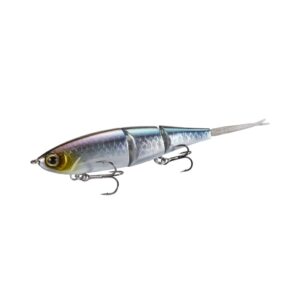
SHIMANO BT BAIT 99SS HARDBAITS
€18.64Select options This product has multiple variants. The options may be chosen on the product page -
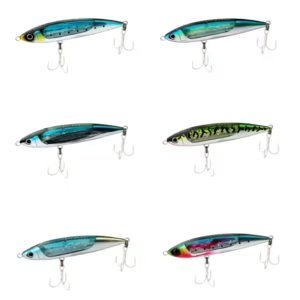
SHIMANO SP-ORCA FLASH BOOST HARDBAITS
€20.42Select options This product has multiple variants. The options may be chosen on the product page -
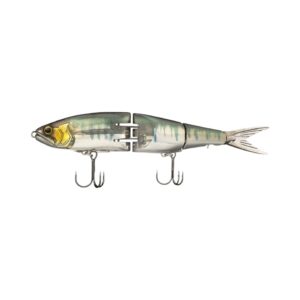
SHIMANO ARMAJOINT 190SS FLASH BOOST HARDBAITS
€42.62Select options This product has multiple variants. The options may be chosen on the product page
Reviews
There are no reviews yet.